REVIEW · ARGOS
Make Your Own Soap and Taste Traditional Greek Recipes
Book on GetYourGuide →Operated by KAPPATOS GERASIMOS · Bookable on GetYourGuide
The most unusual part of this Peloponnese evening is that you make a real bar of soap from virgin olive oil and honey, using a family recipe linked to Gerasimos’s grandmother. I like that the activity gives you something useful to take home, and I like the second half just as much: a home-cooked Greek meal with moussaka prepared in a wood-fired oven.
The main consideration is the price, $141 per person for three hours. That is a serious cost for a short activity, and transportation to the farmhouse is not included. Still, the small group, all ingredients and protective gear, full meal, drinks, and personal time with Gerasimos and Stelios make this more than a standard cooking demonstration.
In This Review
- What makes this farmhouse evening special
- Making olive-oil soap in a Greek farmhouse
- From soap scents to the wood-fired oven
- Meeting Gerasimos and Stelios
- What the three-hour schedule feels like
- The food you can expect at dinner
- Is $141 a fair price?
- Finding the stone farmhouse
- Who will enjoy this experience most?
- Should you book this Peloponnese evening?
- FAQ
- How long does the soap-making and meal experience last?
- Where does the experience take place?
- Is transportation from my accommodation included?
- What is included in the price?
- What food is served?
- What languages are available, and how large is the group?
What makes this farmhouse evening special
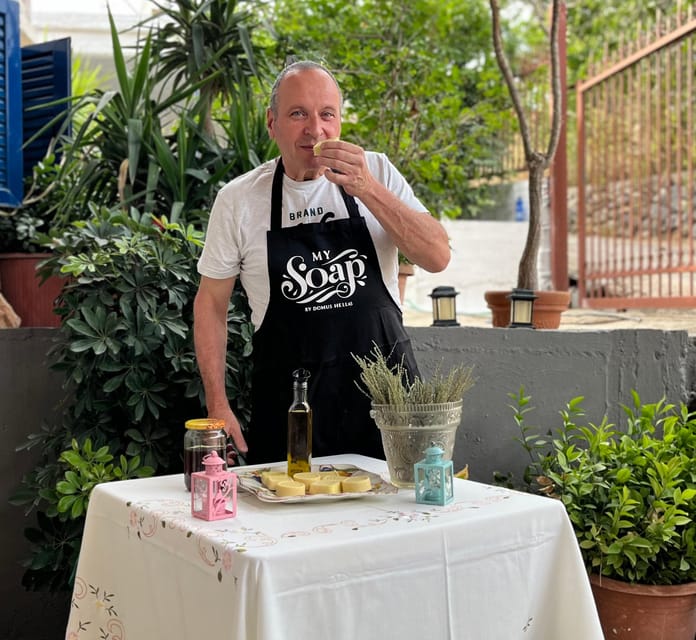
- Grandmother’s soap recipe: Make natural soap with olive oil, honey, herbs, fragrance, water, and lye.
- Wood-fired moussaka: Watch Gerasimos cook this classic Greek dish in the outdoor oven.
- A real family setting: The class takes place in the courtyard of an old stone farmhouse.
- A full meal included: Expect moussaka, tzatziki, Greek salad, feta, toasted bread, and drinks.
- Small-group format: No more than 10 people take part, with instruction in English or Italian.
- Easy village meeting point: The house is 100 meters from the old town hall, on the main road.
Making olive-oil soap in a Greek farmhouse
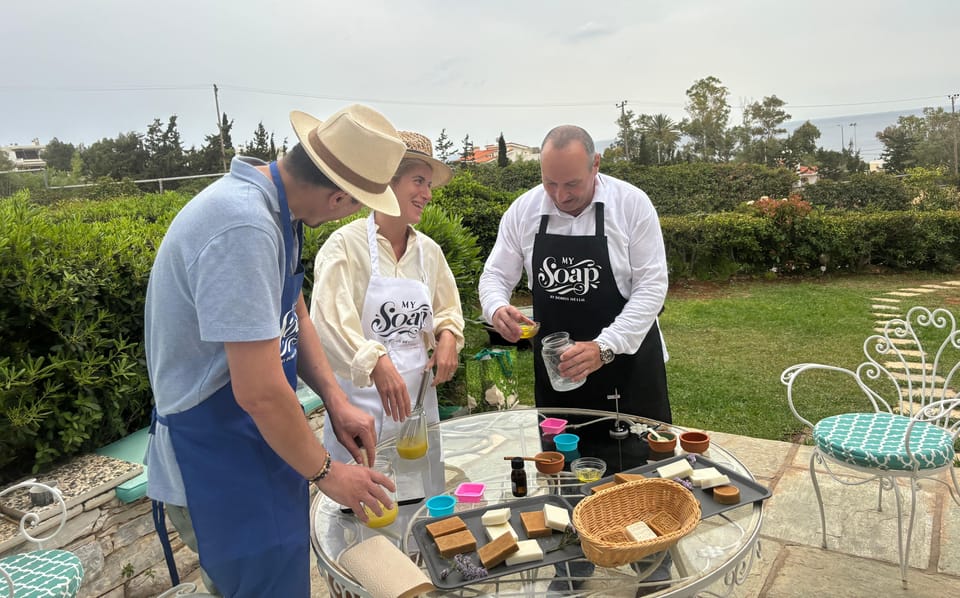
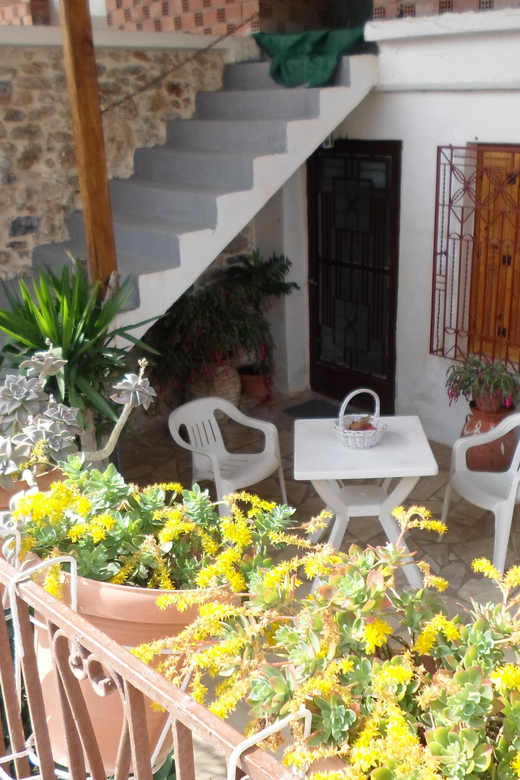
This experience begins in the courtyard of an old farmhouse in a village in the Peloponnese. You are not sitting in a classroom or watching a polished stage presentation. You work with basic ingredients and tools in a family home, surrounded by the setting where this tradition has been kept alive.
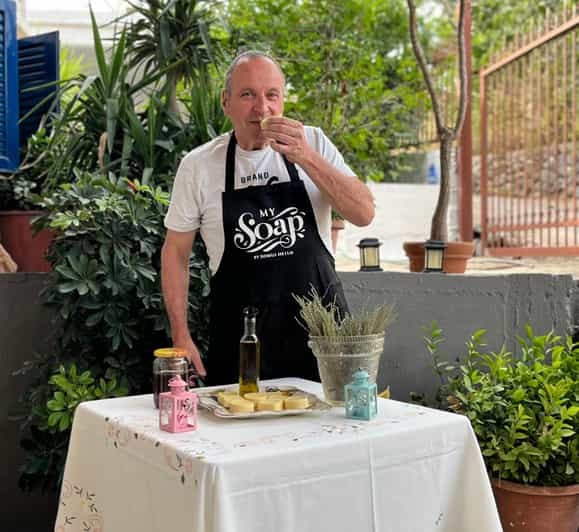
The soap uses virgin olive oil and honey. You also have herbs and fragrance available for character and scent, along with water, lye, and a soap form. The activity provides an apron, gloves, and utensils, so you do not need to arrive with special equipment.
Lye deserves practical respect. It is part of the soap-making process, so use the supplied gloves and follow the instructor’s directions carefully. This is not an activity for rushing or improvising. The protection equipment is included, which matters because you can focus on the method rather than worrying about what to bring.
The result is a bar of olive-oil soap made by your own hands. That gives the first part of the evening a clear purpose. You are not simply mixing ingredients for show. You are learning how a household product was made from local materials and a recipe passed through a Greek family.
The soap section also connects naturally with the region. Olive oil is central to Greek cooking, but here you see it used in another part of daily life. Honey adds another familiar Greek ingredient, while the herbs and fragrance let you give the soap a more personal touch.
One point to keep in mind is that the supplied information does not promise that the soap will be ready to use or fully hardened before you leave. Ask Gerasimos what happens next and how the bar should be handled after the class. The enjoyable part is making it, but the practical details of curing and storage are worth confirming on site.
You can also read our reviews of more tours and experiences in Argos.

From soap scents to the wood-fired oven
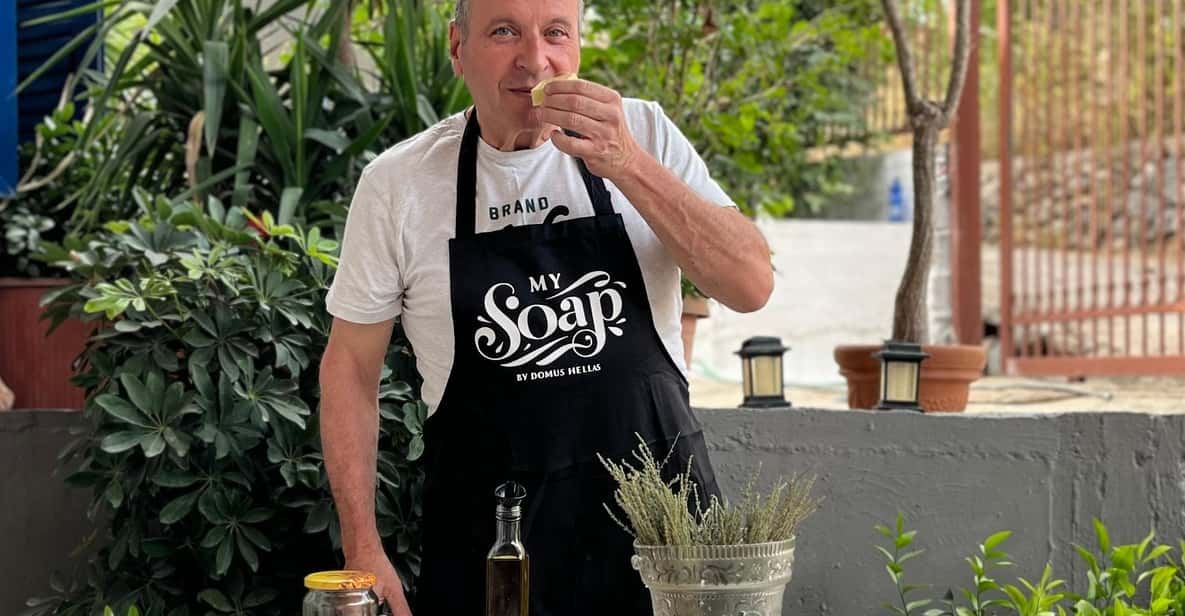
The evening shifts from craft to cooking, and that change is one of the experience’s best features. While the fresh soap scent hangs in the courtyard, the aromas of Greek food come from the farmhouse kitchen and outdoor oven.
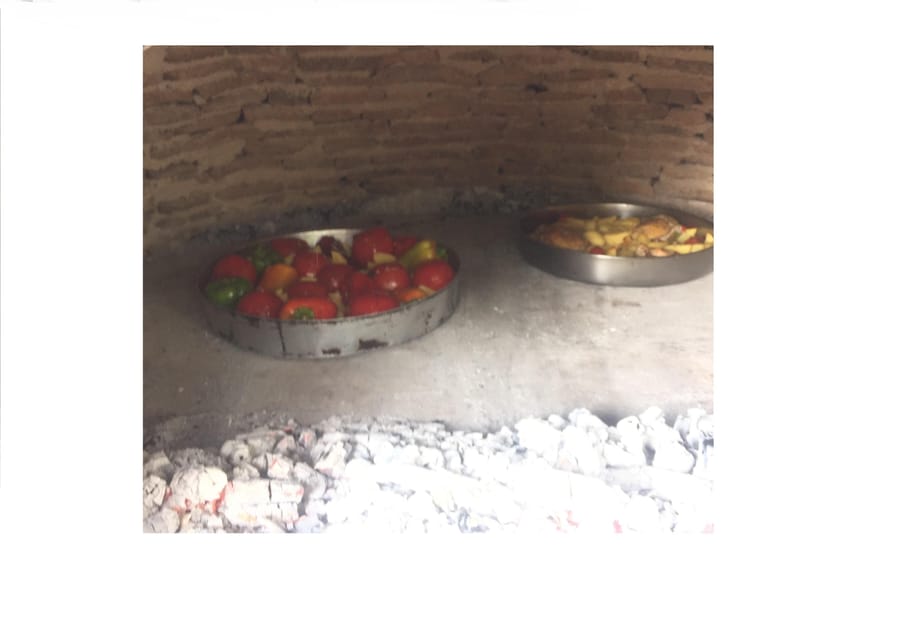
Gerasimos prepares moussaka in the wood-fired oven. This is useful for anyone who wants to see more than the finished dish placed on a table. You can watch the cooking unfold and connect the meal with the work of a Greek household.
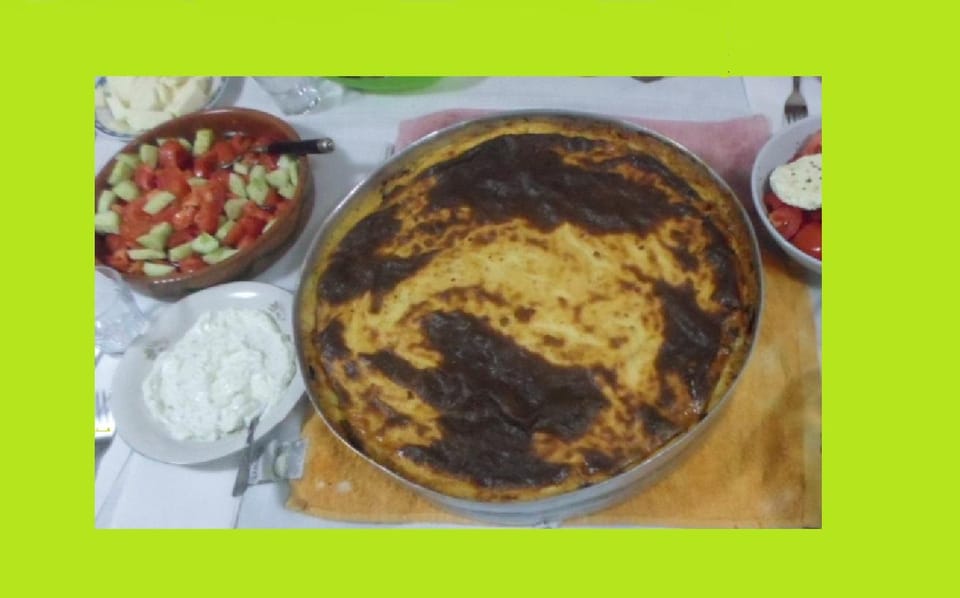
Moussaka is the centerpiece, but it is not the only food served. The meal includes tzatziki, Greek salad, feta cheese, and toasted bread from the oven in the yard. These dishes give you a broad taste of a familiar Greek table: creamy yogurt and cucumber, crisp vegetables, salty cheese, and warm bread alongside the baked main course.
The food is prepared and offered by the family, and drinks are included. That makes the meal feel like part of the activity rather than an optional restaurant stop after the class. It also means you should not need to budget for a separate dinner once the three hours are over.
The menu is traditional and generous in variety, but this is not presented as a formal chef-training course. You are there to share food, watch a family recipe being prepared, and take part in the atmosphere of the farmhouse. If your main goal is to learn exact cooking techniques, ask how much hands-on cooking instruction is included. The clearest hands-on part is the soap making, while the food portion centers on preparation, serving, and conversation.
Meeting Gerasimos and Stelios
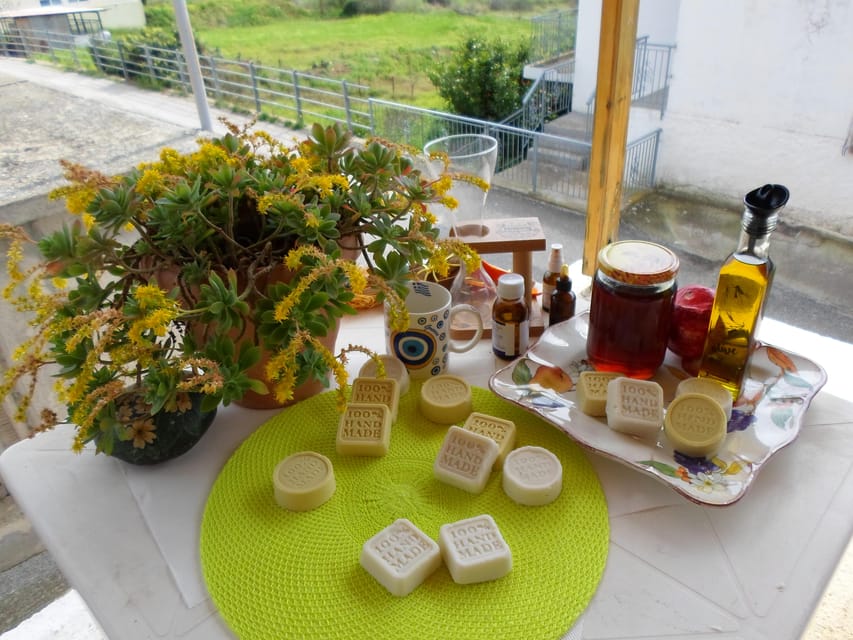
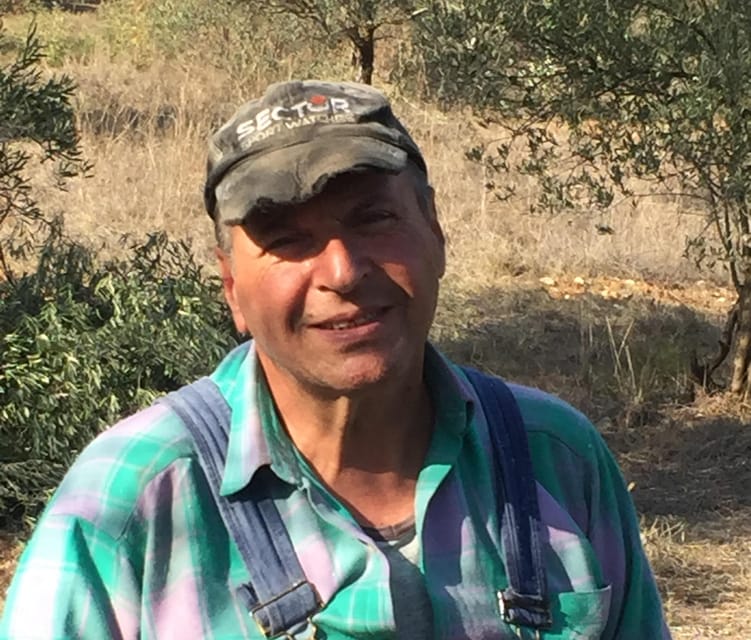
The people are a major part of the experience. Gerasimos hosts the evening, and his son Stelios helps with the gathering. Their role is not limited to explaining a set process. You have time to talk with them about soap making, olive oil, food, and Greek family traditions.
That personal contact gives the evening its strongest sense of place. A cooking school can teach you how to make a dish, but a family farmhouse can show you how food and household skills fit into daily life. Here, the soap recipe and the meal belong to the same idea: useful traditions shared around a table.
Gerasimos is described as welcoming, humorous, and attentive to making people comfortable. Those qualities matter in a small group, especially when the activity includes handling lye and using unfamiliar tools. The class is offered in English and Italian, so check that the language you need is available when you book.
The group limit is 10 people. That is small enough for a more personal session, although the exact feel will depend on how many people are booked for your date. A full group may make the meal lively, while a smaller gathering may give you more time to ask questions and work directly with the ingredients.
The experience received a 5 out of 5 rating from the two available ratings, with particular praise for the friendly host, the soap-making lesson, the moussaka, the wine, and the chance to spend time with Gerasimos and Stelios. That is a very small sample, so I would treat it as encouraging rather than definitive. The consistent point is clear: the human welcome is as important as the activity itself.
What the three-hour schedule feels like
The exact start time varies, so you need to check availability for your date. The three-hour length is long enough for both a craft activity and a proper meal, but short enough to fit into an evening without taking over your whole day.
A typical flow should include:
- Arrival at the farmhouse and introduction to the family setting.
- An explanation of the ingredients and traditional soap recipe.
- Hands-on soap making with olive oil, honey, herbs, fragrance, water, and lye.
- Time around the outdoor oven as the meal is prepared.
- A shared dinner with moussaka, tzatziki, salad, feta, toasted bread, and drinks.
- Conversation about Greek food, olive oil, soap making, and family tradition.
This sequence works because the two halves support each other. You begin by making something and finish by sharing something. The evening is not just a meal with a short demonstration attached, nor is it a craft lesson with a quick snack afterward.
The timing may feel less structured than a large commercial tour. That is part of the appeal, but it also means you should not expect a minute-by-minute program. If you enjoy relaxed conversation and local hospitality, this is a good fit. If you prefer a tightly managed class with exact start and finish points for every stage, the family-home format may feel loose.
The food you can expect at dinner
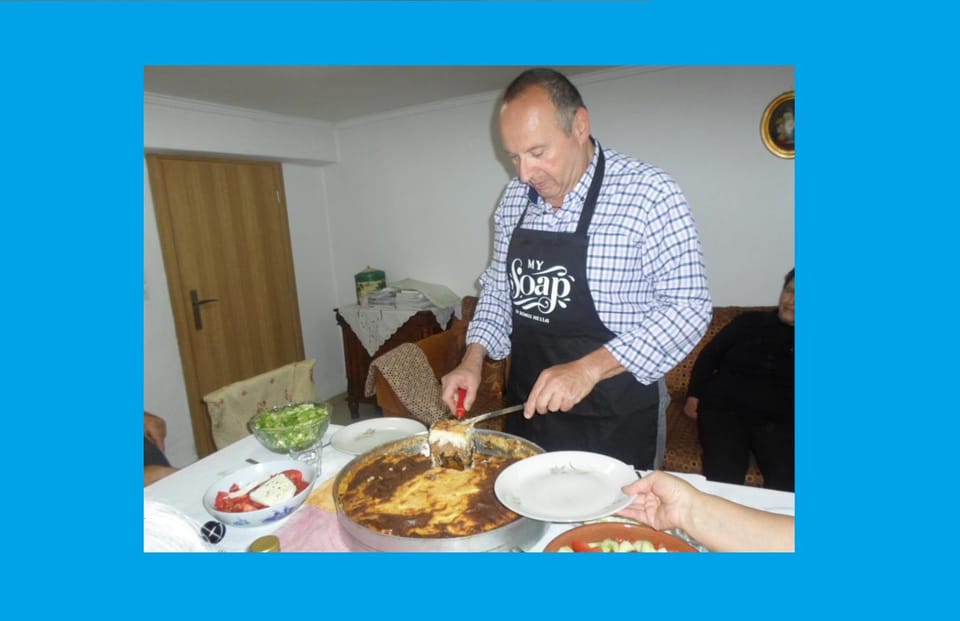
Moussaka gets the most attention because it is prepared in the wood-fired oven. You may watch Gerasimos cook it outdoors, as one participant did, before sharing it with the family. The oven adds a clear sense of occasion and links the meal to the farmhouse itself.
Tzatziki brings a cool, creamy contrast to the baked dish. Greek salad adds the familiar combination of vegetables and dressing, while feta provides the salty edge that belongs on many Greek tables. Toasted bread from the oven rounds out the meal and gives you something to eat with the spreads and juices.
Wine and other beverages are included. This is important when judging the $141 price because you are not paying for the class and then facing another bill for dinner and drinks. The meal is part of the package, offered by the family without an extra charge.
The information does not specify whether dietary restrictions or substitutions can be handled. If you have allergies or follow a special diet, contact the provider before booking rather than assuming the menu can be changed. Moussaka, dairy products, bread, and other traditional dishes may not suit every diet.
Is $141 a fair price?
At $141 per person, this costs more than a basic cooking class or a short craft workshop. You are paying for a three-hour evening, a small group of no more than 10, every soap-making ingredient, an apron, gloves, utensils, a complete home-cooked meal, and included drinks.
The value depends on what you want from the experience. If you only want to make a bar of soap, the price is hard to justify. If you want dinner alone, a local taverna will usually be a simpler and likely less expensive choice.
I think the price makes more sense if you see this as a private-feeling cultural evening. You get a family recipe, a hands-on activity, a wood-fired meal, and direct time with the people hosting you. The farmhouse setting adds something that a commercial venue cannot easily reproduce.
Transportation is not included, so include the cost and effort of reaching the village in your calculation. The house has plenty of parking, including space for small buses, which helps if you are driving or arriving as part of a small organized group.
Free cancellation is available up to 24 hours before the activity for a full refund, and you can reserve now and pay later. Those policies give you some flexibility, though they do not change the basic question of whether the experience fits your budget.
Finding the stone farmhouse
The meeting point is designed to be easy to locate. The house is 100 meters from the old town hall, on the main road through the village. From the town hall, continue straight down the road. The farmhouse is on the right, with stone walls and a sign.
Parking is available at the house, including room for small buses. You will need to arrange your own transportation because pickup and drop-off at your accommodation are not included.
Allow a little time to find the old town hall and get oriented before the start. The directions are straightforward, but rural village landmarks can be easier to recognize in daylight than after sunset. Since the activity takes place in the evening, arriving early is a sensible choice.
Who will enjoy this experience most?
This is a strong choice for you if you want a local evening built around people, food, and a useful skill. Couples, families, and small groups who enjoy shared activities should find the combination appealing.
It also suits anyone who wants a break from standard sightseeing. You are not moving from one monument to another. Instead, you spend time in one place, work with your hands, eat at a family table, and learn about a household tradition.
Food lovers will appreciate the moussaka, wood-fired bread, feta, salad, and tzatziki. The cooking element is more observational than a full hands-on recipe class, so choose it for the meal and the setting rather than for intensive culinary training.
The soap-making portion may appeal to families, but adults should pay close attention to the lye and make sure children follow the safety instructions. The supplied gloves and apron help, but protective gear does not replace care.
This may not suit you if you need hotel pickup, have strict dietary needs that have not been cleared in advance, or want a highly technical soap-making course. It is also less suitable if $141 feels too high for an evening activity.
Should you book this Peloponnese evening?
I would book this if you value personal contact and a meal that comes with a story. Making soap from olive oil and honey, then watching Gerasimos cook moussaka in a wood-fired oven, gives the evening a clear identity. The presence of Stelios and the relaxed family setting add warmth without requiring a full day away from your other plans.
I would skip it if you are looking only for the cheapest dinner, a standard cooking lesson, or included transportation. The cost is high, and the three-hour schedule is built around hospitality rather than a tightly formal class.
For the right person, this is a memorable way to spend an evening in the Peloponnese. You leave with a handmade soap bar, a full meal, and a better sense of how Greek food and family traditions meet in one farmhouse courtyard.
FAQ
How long does the soap-making and meal experience last?
The activity lasts three hours. Starting times vary, so check availability for your chosen date.
Where does the experience take place?
It takes place at the host family’s old farmhouse in a Peloponnese village. The house is 100 meters from the old town hall, on the main road, with stone walls and a sign.
Is transportation from my accommodation included?
No. Transportation to and from your accommodation is not included. Parking is available at the farmhouse, including space for small buses.
What is included in the price?
The price includes all soap-making ingredients, including olive oil, honey, water, lye, a soap form, herbs, and fragrance. An apron, gloves, and utensils are also provided. The family meal and beverages are included at no extra cost.
What food is served?
The meal includes moussaka, tzatziki, Greek salad, feta cheese, and toasted bread prepared in the farmhouse’s wood-fired oven. Drinks are included.
What languages are available, and how large is the group?
Instruction is available in English and Italian. The group is limited to 10 participants.