REVIEW · HERAKLION
Crete: Olive Oil, Soap, Wine, Raki – Flavorful Culinary Journey
Book on Viator →Operated by LocalTrips4U "Experience True Crete" · Bookable on Viator
Crete tastes better inland. This tour traces the island’s real food culture, from olive oil production to Cretan wine and raki, then wraps up with a soap workshop. I like that it teaches you how the island’s staples are made, not just what to drink or buy.
Two things I really enjoy: you get tastings you can compare (olive oil, wine, and raki), and the day is paced for small-group conversation, not a cattle-car rush. The main drawback to consider is that it can feel like a long, warm day, and a few practical comforts (like water and wine serving temp) may not match what you expect.
In This Review
- Quick hits before you go
- Crete’s inland flavors: olive oil, wine, raki, soap in one day
- Small-group pace with pickup from Heraklion
- Olive mill visit: from pressing to olive oil tasting
- Wine country stops: indigenous varieties you can actually name
- Raki distillery lesson: learning the spirit beyond shots
- Soap workshop: olive oil becomes something you can take home
- Peza Village lunch: the included meal that actually matters
- Price and value at about $111: where your money goes
- What could feel off: heat, pacing, and wine temperature
- Who should book this culinary journey (and who shouldn’t)
- Should you book this tour?
- FAQ
- Is pickup available for this tour?
- How long is the experience?
- What’s included in the tastings?
- Is lunch included?
- How big is the group?
- What language is the tour offered in?
- Do I need to bring anything?
- Can I cancel for a full refund?
- What should I do if I have questions about the pick-up point?
Quick hits before you go
- Press-to-pour olive oil: see how the oil is made, then taste it fresh from the process
- Three indigenous wines: a straightforward way to learn Cretan grape and flavor basics
- Barrel-aged raki: you learn the spirit’s role beyond just shots
- Hands-on soap workshop: olive oil becoming something you can take home
- Lunch in Peza Village: included traditional food that ties the day together
- Max 15 people: easier questions, more talking with hosts and guides
Crete’s inland flavors: olive oil, wine, raki, soap in one day
This is the kind of Crete tour that makes you look at the island differently. Instead of starting and ending with beaches, you head inland for a food-and-drink education that’s built around local workshops and family producers.
The itinerary is basically one long lesson in Cretan ingredients: olive oil first, then grapes and wine, then raki, and finally olive oil turned into soap. What makes it work is that you don’t just watch. You taste, ask questions, and learn how these crafts fit daily life on the island.
You’ll also come away with a better sense of why people here talk about these products the way they talk about family. The hosts aren’t trying to impress you with big-stage marketing. They’re showing you what they do, how they do it, and what they’re proud of.
You can also read our reviews of more wine tours in Heraklion


Small-group pace with pickup from Heraklion
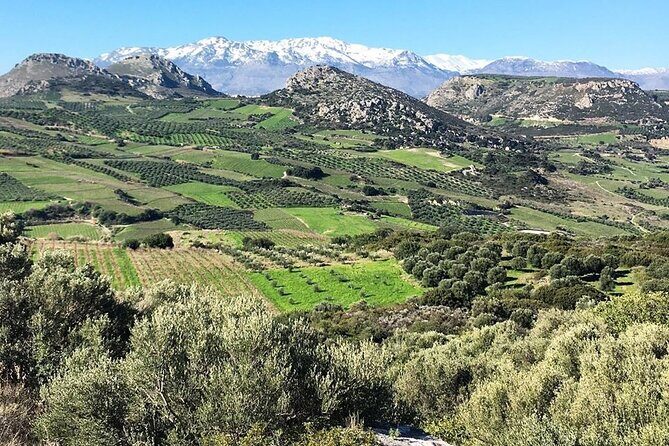
You’ll be in a group capped at 15 travelers, which changes the whole feel of the day. In a small group, guides can slow down when someone has questions, and hosts can explain details without rushing to get through the next busload.
Pickup is offered in the Heraklion area. The exact time is sent after you book (text or email), so you’re not left guessing. This matters because the day is structured around timing between stops, and you’ll want to be ready when the van arrives.
The format is active without being hardcore. Expect some short walks around properties, plus the normal walking you’d do inside working production spaces. If you’re sensitive to heat, or you don’t like uneven ground, plan for that early.
Olive mill visit: from pressing to olive oil tasting

The tour starts at a family-run olive mill. This is the part many visitors miss because they focus on Crete’s coastal highlights. Here, you get to see where that familiar bottle of olive oil actually comes from.
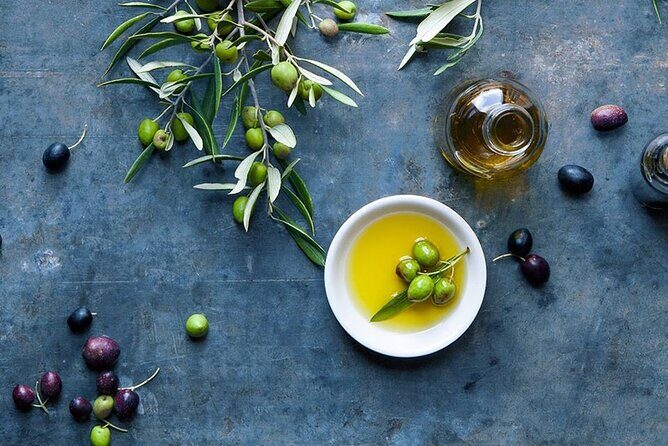
You’ll learn the production flow and then taste the oil in a way that makes the process click. Fresh tasting is key. It’s one thing to read about olive oil grades, and another thing to taste something straight from the press experience. You also get multiple oil samples, not just one token pour.
Why this stop is worth your time: olive oil on Crete isn’t just a condiment. It’s a central ingredient used in the food, the economy, and the seasonal rhythm of the island. Once you see the work behind it, you’ll start noticing it everywhere in local cuisine.
Wine country stops: indigenous varieties you can actually name
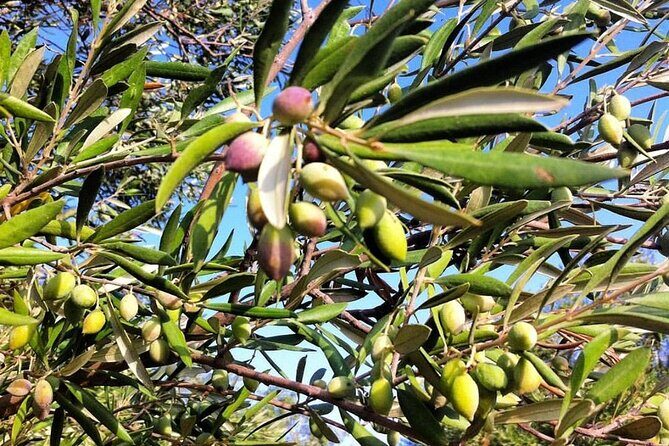
After the olive oil, you head to Cretan wine territory. The wine portion includes tastings of three indigenous varieties, which is a smart choice if you’re not trying to become an oenology student overnight.
You’ll visit a micro-winery and then do additional wine tasting stops during the day, with the guidance centered on how to taste rather than how to memorize. Expect small pours, discussion, and the chance to ask what makes each wine taste different.
If you care about wine temperature, take note. One review issue to be aware of: the wine served wasn’t always chilled, and that can matter in Crete’s heat. If you prefer your whites crisp, you may want to pace your sipping and drink water alongside tastings.
Also, don’t treat the tastings like a checklist. Use the day to learn what you like. If one wine is too sharp, too floral, or too heavy for your taste, you’ll learn those words fast, and the next glass will be a better match.
Raki distillery lesson: learning the spirit beyond shots
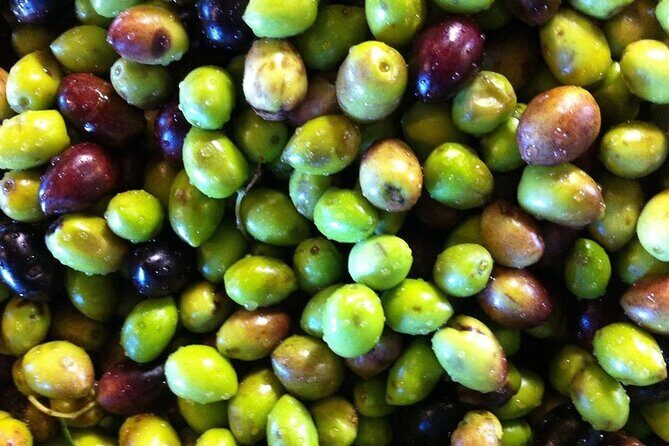
Raki is where the tour turns from wine culture to something more local and social. You’ll visit a raki distillery and taste one raki aged in a barrel.
This isn’t presented as a party trick. You’ll get the story behind how raki is made and how it’s tied to hospitality and friendship. That context changes the tasting. Instead of thinking, Oh, it’s strong, you start understanding why people serve it the way they do.
In the best moments, the distillery stop feels like a conversation with someone who actually lives that tradition. You’ll come away knowing that raki is part of Cretan culture, not just a souvenir drink.
If you’re curious, ask about how aging affects flavor and smoothness. Even if you don’t become a raki expert, you’ll notice differences right away.






Soap workshop: olive oil becomes something you can take home
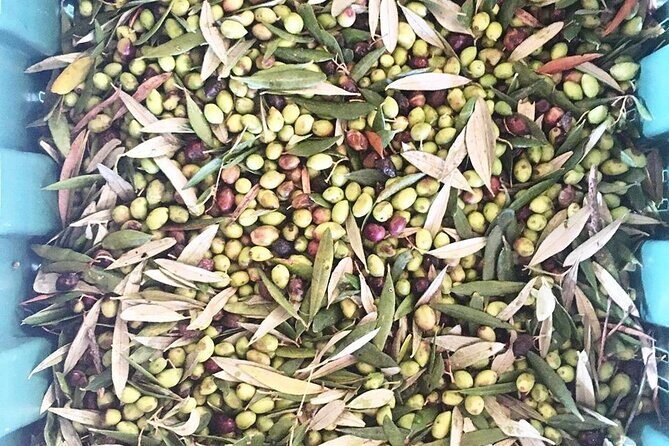
One of the surprises here is the handmade soap workshop. Olive oil isn’t only for cooking and lamp light on Crete. It can also become skincare, and the workshop shows the transformation in a tangible way.
You’ll participate in the demonstration, so it’s not just watching someone talk about ingredients. This is the stop that tends to get the biggest reaction from people who didn’t expect it to be their favorite part.
What I like about ending with soap: it gives you a practical takeaway. You can buy a bar and remember the smell, the process, and the people behind it. It also breaks up the day nicely because you’re not only tasting drinks at every stop.
And yes, there’s a good chance you’ll want more than one bar. That olive-oil connection is hard to forget once you’ve seen it turn into something real.
Peza Village lunch: the included meal that actually matters
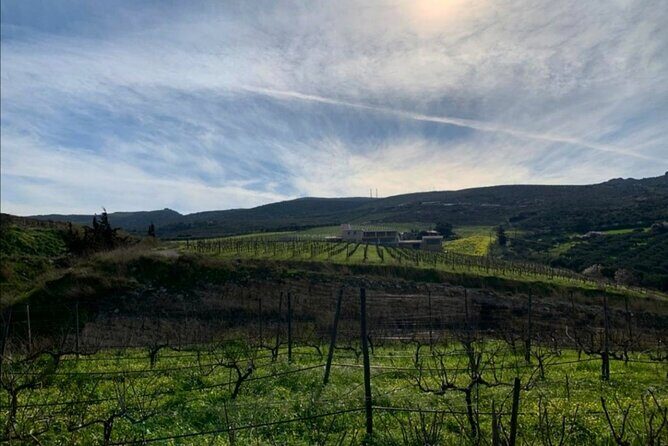
Lunch is included: a traditional light lunch at a local tavern in Peza Village. In practice, lunch is often the emotional payoff of the day because you finally get a real pause between tastings.
Timing can be later than you’d expect. One practical note: lunch may land around mid-afternoon, so don’t assume a standard noon meal. If you arrive hungry, you’ll feel it.
What to do: eat breakfast before you go (or at least something substantial). Bring a small amount of snack backup if you’re the type who gets cranky without food. Also, since water might not be offered at every stop, have your own bottle or be ready to ask.
The lunch itself tends to feel home-style and local, the kind of meal that tastes like someone cooked it for their family rather than for a group.
Price and value at about $111: where your money goes
At roughly $111 per person for a 6-hour day, the value comes from the combination, not the single ingredient.
You’re paying for:
- coordinated transport (air-conditioned vehicle)
- multiple production visits (olive mill, winery, raki distillery, and soap)
- tastings with real quantity (multiple olive samples, three wine tastings, and barrel-aged raki)
- an included lunch
If you tried to do this alone, you’d spend time figuring out logistics, driving between locations, and booking tours separately. Here, you’re buying a full day of planning that gets you from one family producer to the next.
Also, the small-group cap matters for value. You’re not just getting tastings. You’re getting enough time to ask questions and have your hosts explain what they’re doing.
What could feel off: heat, pacing, and wine temperature
Let’s be honest: this is a food tour, and food tours can get uncomfortable if you don’t plan for Crete’s summer heat.
Here are the main real-world considerations to take seriously:
- Bring a fan if you’re going in hot months. It can make the day much easier.
- Bring your own water. Some stops may not have it available, even if you’d expect it.
- Plan for uneven ground and stairs in parts of the day. Some property walks can involve short distances over sloping, uneven surfaces and stair time at certain stops.
- If you’re picky about wine temperature, know that the wine might not be as chilled as you prefer.
Pacing-wise, the day runs long enough to feel full and busy. Short walks between stops and short drives keep you moving, but it’s still a packed schedule. Good news: the format is built to keep you from feeling exhausted, but it won’t feel like a slow stroll.
If you want a purely scenic countryside day, this might be more workshop-focused than postcard-focused.
Who should book this culinary journey (and who shouldn’t)
This tour is a strong match if you want:
- a hands-on look at olive oil production
- wine and raki tastings with context, not just sips
- a small group where you can actually talk with hosts
- a memorable souvenir that’s edible and practical (oil, soap)
You might skip or modify your expectations if:
- you only want vineyard scenery and big views
- you need everything to be fully chilled and comfort-perfect
- you’re sensitive to long hot hours and uneven walking surfaces
If you enjoy markets, cooking, and food craft, you’ll have a blast. If you’re more interested in museums and architecture, you’ll still learn a lot, but it won’t scratch the same itch.
Should you book this tour?
Yes, if you want to understand Crete through what people actually make and serve. The olive mill to wine to raki to soap sequence is a rare combo, and the small-group size makes the day feel personal without being stiff.
If your top priority is comfort, then do your part: show up with water and a plan for the heat, and don’t arrive expecting wines served like they’re in a cold cellar. With that mindset, this tour is a highly efficient way to leave Heraklion with more than photos.
And if you can request a specific driver, keep an eye out for favorites you might hear names like Tony or Yanni associated with great days. You’ll still be learning from the production hosts, but a good driver can make the in-between time better too.
FAQ
Is pickup available for this tour?
Pickup is offered. After you book, you’ll receive the exact pick-up time by text message or email, so double-check the contact details you used during booking.
How long is the experience?
The tour runs about 6 hours.
What’s included in the tastings?
You’ll have an olive oil tasting, a tasting of 1 raki aged in a barrel, and a wine tasting of 3 indigenous varieties.
Is lunch included?
Yes. You get a traditional light lunch at a local tavern in Peza Village.
How big is the group?
The tour has a maximum of 15 travelers.
What language is the tour offered in?
The tour is offered in English.
Do I need to bring anything?
The tour works for most people, but in warm conditions it helps to bring a fan and water since water may not be available at every stop.
Can I cancel for a full refund?
Free cancellation is available. You can cancel up to 24 hours in advance for a full refund.
What should I do if I have questions about the pick-up point?
Confirmation is received at booking, and the company provides pick-up details afterward. If something seems unclear, reach out through the contact method you used for the booking so the pick-up timing and location are correct.