REVIEW · HERAKLION
Full-Day Tour:Lasithi Plateau -Mythology Park&Knossos Palace
Book on GetYourGuide →Operated by Orange Travel · Bookable on GetYourGuide
The most memorable part of this day is the sharp change from Crete’s busy resort coast to the cool, rural Lassithi Plateau, followed by the grand remains of Knossos. You get village roads, old crafts, Greek myths, and Minoan archaeology in one long outing.
I like the mix of living culture and ancient sites. Watching a potter shape clay gives the day a human touch, while the Knossos tour helps make sense of rooms, courtyards, legends, and palace life. The main drawback is the transport time. Pickup circuits can be lengthy, and one account describes nearly two hours spent collecting people before the tour properly got moving.
In This Review
- Key points to know before booking
- From the coast to Kera Kardiotissa Monastery
- Seeing the cool side of the Lassithi Plateau
- Greek gods, wine, and olive oil at the mythology park
- Pottery with an 8,000-year tradition
- Mountain views, local products, and optional lunch
- Entering the Minoan world at Knossos Palace
- Is the $61 price good value?
- Who will enjoy this tour most?
- My call: book it if you want range, not leisure
- FAQ
- How long does the tour last?
- What is included in the $61 price?
- Is the Knossos Palace ticket included?
- How much does the monastery entrance cost?
- Is lunch included?
- Where is pickup available?
- When will I receive my pickup details?
- What should I bring?
- Is the tour suitable for wheelchair users?
- Can I cancel the booking?
Key points to know before booking
- The Lassithi Plateau is the scenic heart of the day, with mountain views, small villages, fertile fields, and famous windmills.
- Kera Kardiotissa Monastery requires a separate €2 entry fee, and modest clothing and closed-toe shoes are sensible.
- Greek Mythology Park costs €7, and that entrance is included, along with the €2 whisperer service at Knossos.
- Knossos Palace tickets are not included, so add €20 to the advertised $61 price, plus lunch if you choose the optional tavern meal.
- The tour uses a modern, air-conditioned bus, but pickup is from selected roads and stops rather than every hotel entrance.
- Expect walking and uneven ground, and confirm the route if you have back, heart, blood pressure, or mobility concerns.
From the coast to Kera Kardiotissa Monastery
This excursion begins with pickup from selected points along Crete’s northern coast. The service covers areas including Sissi, Malia, Stalida, Hersonissos, Analipsi, Anissaras, Gouves, Gournes, Kokkini Hani, and Karteros. Pickup in Heraklion is available upon request.
You should watch for a message with your exact pickup time and meeting point about 24 hours before departure. It may be a main-road bus stop or a point near, rather than directly at, your hotel. Keep an eye on your spam folder if the message does not arrive.
The first drive takes about an hour. That sounds simple, but the many pickup points can stretch the morning. If you are boarding near the far end of the route, bring water, a small snack, and patience. A well-handled mountain road is worth something, and the driver receives particular credit for managing the tricky bends, but this is not a quick hop from resort to sight.
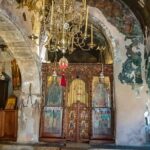
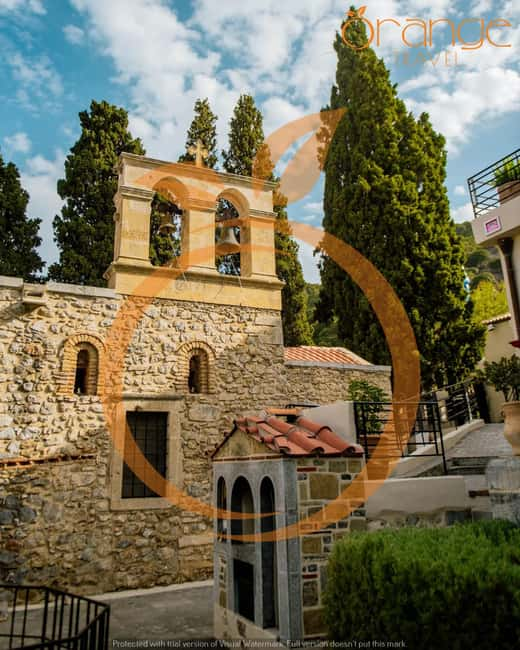
Kera Kardiotissa Monastery is dedicated to the Virgin Mary and is run by nuns. Locally, it is known as Little Lourdes, a name tied to pilgrimage and prayer. The visit lasts about 45 minutes, including a guided introduction.
This is a quiet opening stop rather than a major archaeological visit. You can look at the religious setting, learn about its local importance, and get a first taste of Crete away from the coast. Entry costs €2 and is paid separately.
Wear clothing suitable for a monastery. The tour information does not set out a formal dress code, but respectful, comfortable clothing is the sensible choice. You will also be happier in closed shoes than sandals with poor grip.
A few more Heraklion tours and experiences worth a look


Seeing the cool side of the Lassithi Plateau
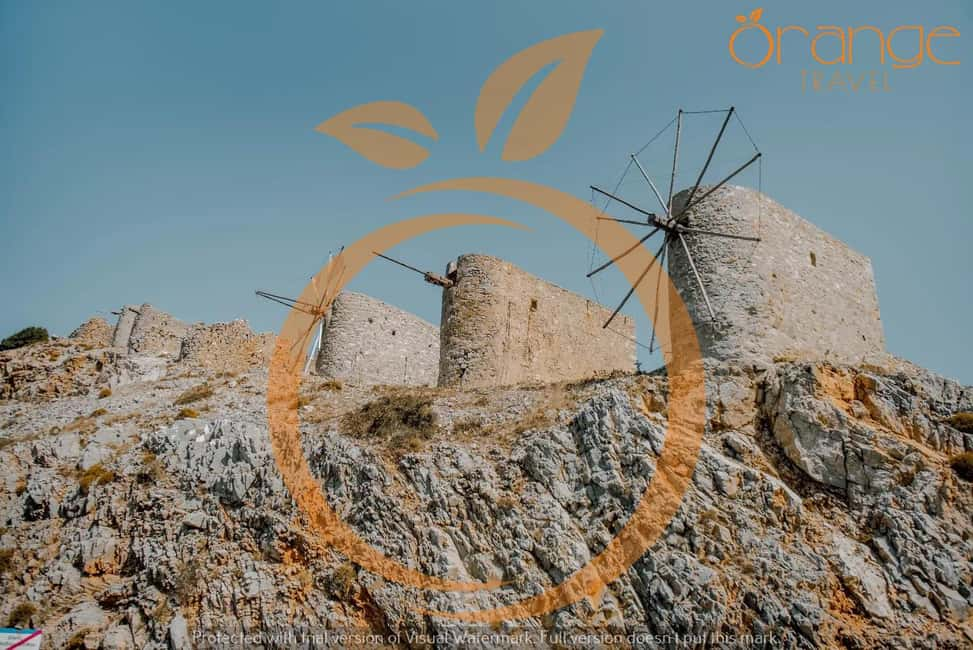
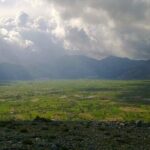
After another 35-minute bus ride, you reach the Lassithi Plateau. The plateau may once have been the crater of an ancient volcano, and its position among the mountains gives it a cooler feel than the coast.
The area is known for its windmills, with nearly 10,000 associated with the plateau. Even if many are no longer working, they help explain why this broad, fertile area has such a distinctive appearance. Small towns and local villages give the stop a lived-in quality that you will not get at a single fenced archaeological site.
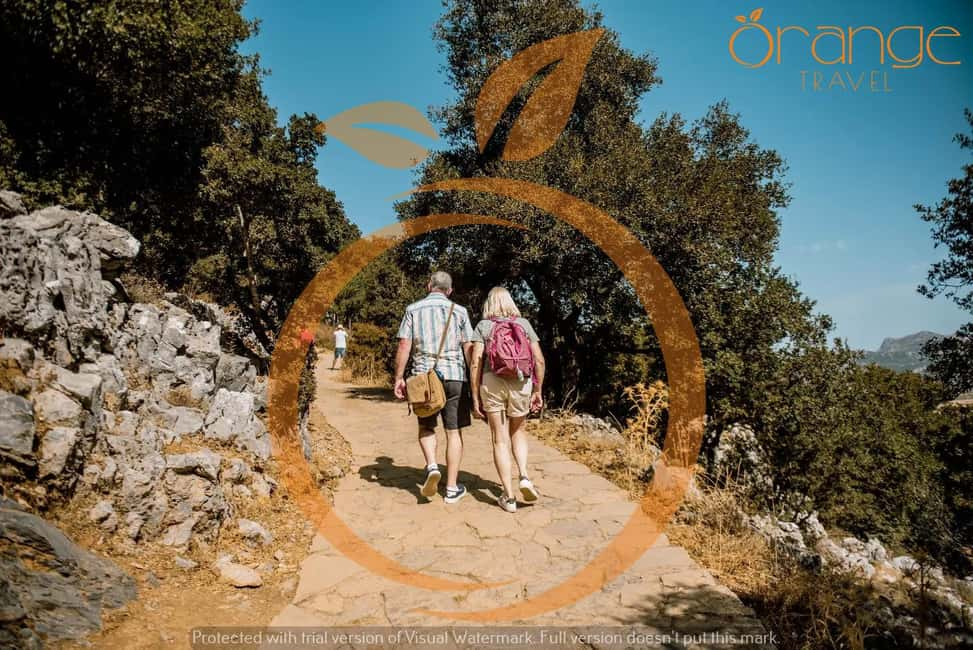
You have about an hour here for free time, walking, and views. Use it to get your bearings, take photographs, and notice the contrast between the open farmland and the mountain rim. The schedule does not promise a long independent hike, so think of this as a scenic pause rather than a hiking excursion.
The plateau is also the setting for the day’s food and craft stops. You will have time later for local products, wine, olive oil, and a traditional pottery workshop. These moments are useful because they connect the place to present-day Crete rather than treating the region as a backdrop for old stories.
Greek gods, wine, and olive oil at the mythology park
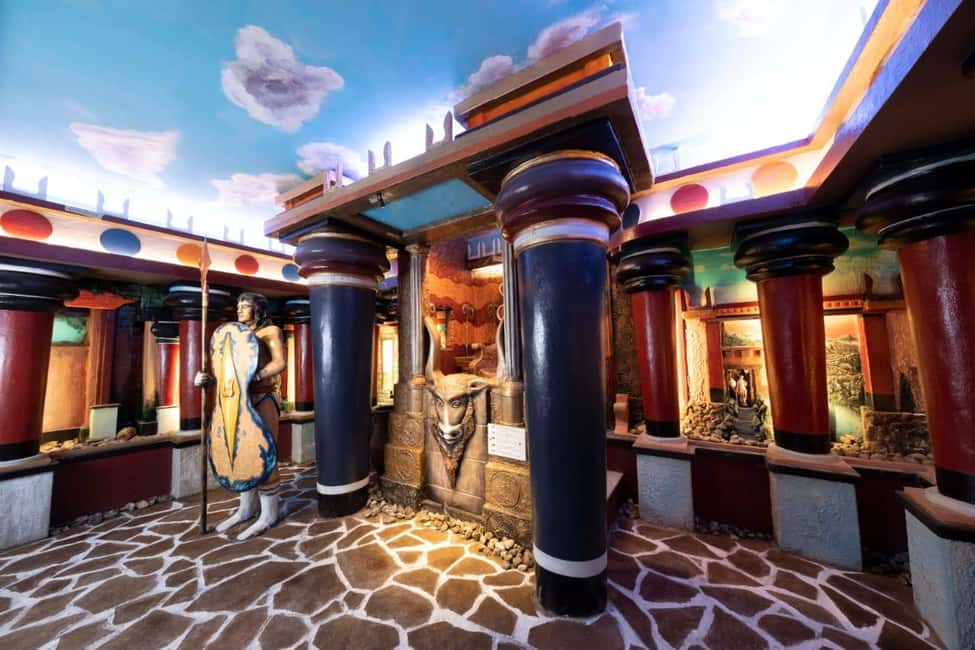
A short walk of about 10 minutes takes you to the Greek Mythology thematic park. The guided visit lasts roughly an hour and a half, making it one of the longer stops.
Here you learn about Greek gods, myths, and ancient Greek civilization through a purpose-built attraction. This is not the same as walking through an original ancient sanctuary, so set your expectations accordingly. The value is in having the stories explained in an organized way, especially if names such as Zeus, Hera, and the Minotaur tend to blur together.
The park entrance fee of €7 is included in the tour price. That makes this part a straightforward addition rather than another surprise charge. The experience also includes wine and olive oil tasting, giving you a chance to connect the myths and ancient traditions with two products still closely tied to Crete.
I would treat the tasting as a brief cultural stop, not a full food tour. The supplied schedule does not specify the number of samples or the producers involved. Cash is still worth carrying for purchases and for the monastery entry.
The guide speaks English, German, Greek, or French, depending on the departure and assigned guide. Live commentary matters most here, since the park’s value depends on the explanations rather than the building alone. One practical caution: a clear voice and a position near the guide can make a big difference on a group tour. An account from this outing found the host difficult to hear.
Pottery with an 8,000-year tradition
After the mythology park, another short walk leads to a traditional pottery factory and craft workshop. The visit lasts about 45 minutes and includes a look at a potter at work.
Ceramics are presented as an art with more than 8,000 years of history in the area. That long span gives this stop more weight than a simple gift-shop visit. You see how clay becomes a useful or decorative object, and you can ask questions about the process while the potter works.
This is one of the strongest parts of the day for anyone who likes practical demonstrations. Ancient ruins can feel distant. A working craft shows how old skills remain understandable through the movement of hands, tools, and material.
The stop also includes an arts and crafts market visit. You might find something worth taking home, but remember that purchases are separate from the tour price. If you are carrying souvenirs for the rest of your holiday, pack a small bag with room for them.
Mountain views, local products, and optional lunch
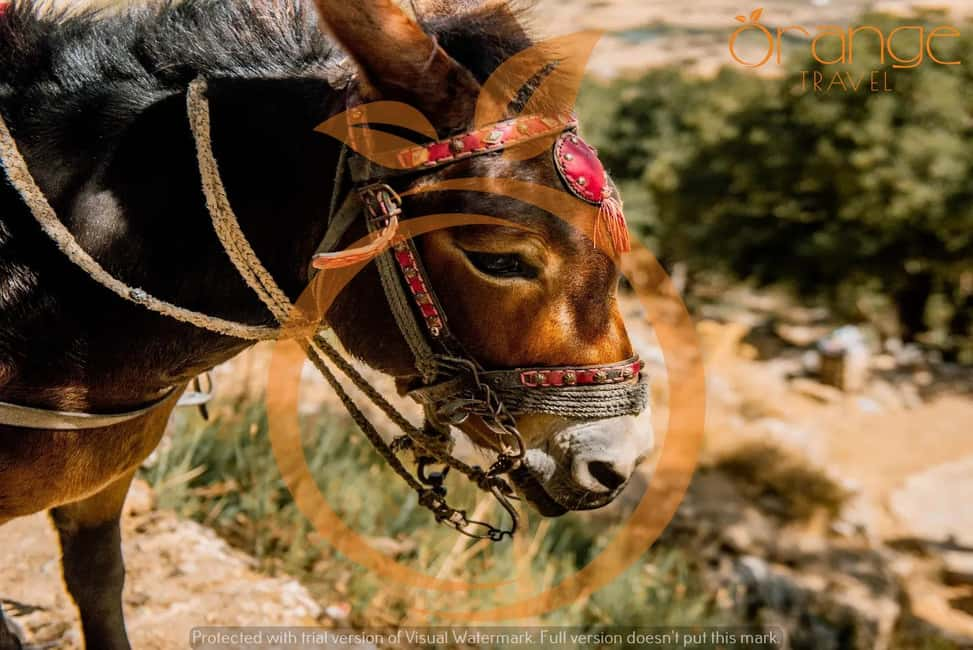
Leaving the plateau, the bus pauses for views down toward the Pediada Plain. The scenery is described as especially impressive here, and this is a good place to have your camera ready.
The schedule includes a short stop to taste local products before lunch. Lunch itself is optional and takes place at a traditional tavern in one of the villages around Lassithi. The tour price does not include it, and no fixed menu or meal cost is provided, so ask the guide for the current details before sitting down.
This is a useful point to think about your priorities. If you want a relaxed village meal and a chance to sample local cooking, the tavern stop adds to the day. If you care more about extra time at Knossos or dislike fixed group meals, you may prefer to keep lunch short. The schedule is already full, so a long meal can make the final archaeological visit feel rushed.


Entering the Minoan world at Knossos Palace
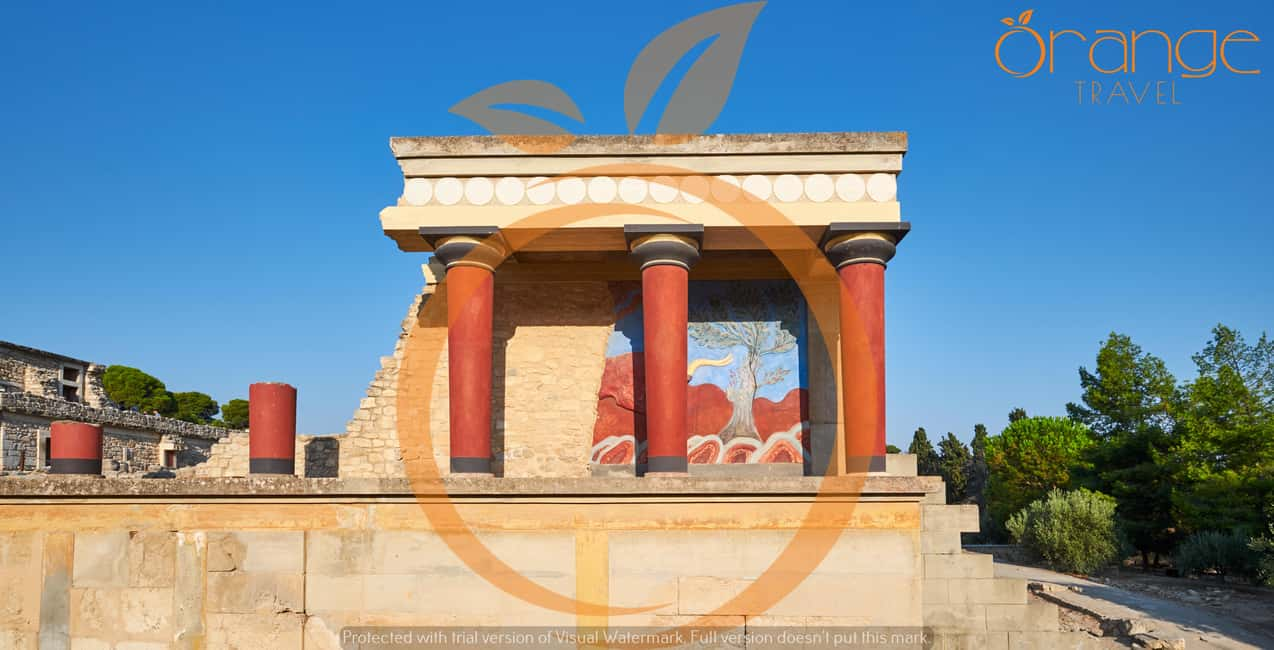
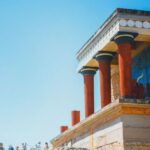
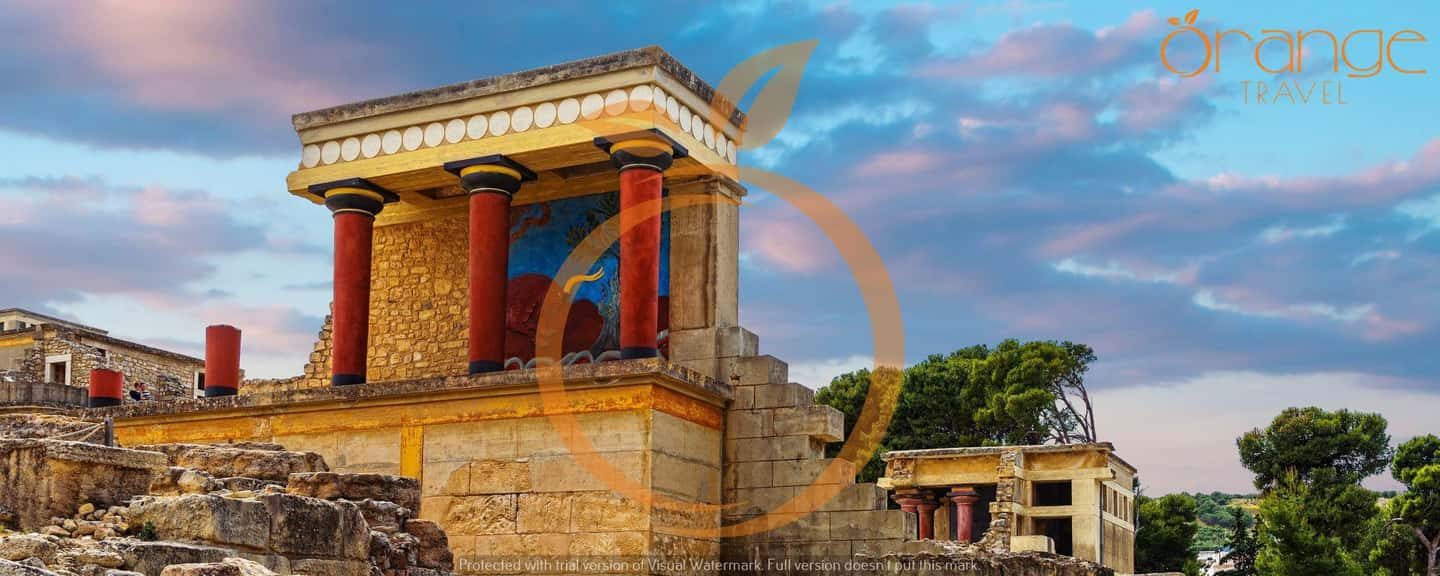
The final major stop is Knossos Palace, Crete’s best-known ancient attraction. The drive from the plateau takes about 70 minutes, followed by a guided visit of about an hour and a half.
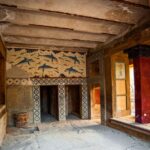
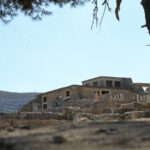
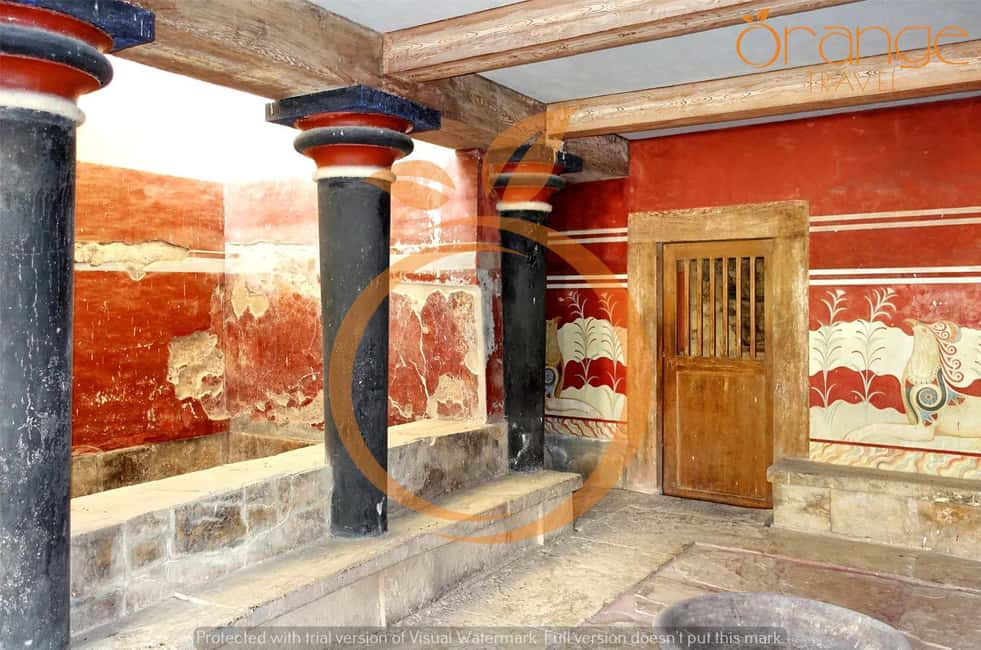
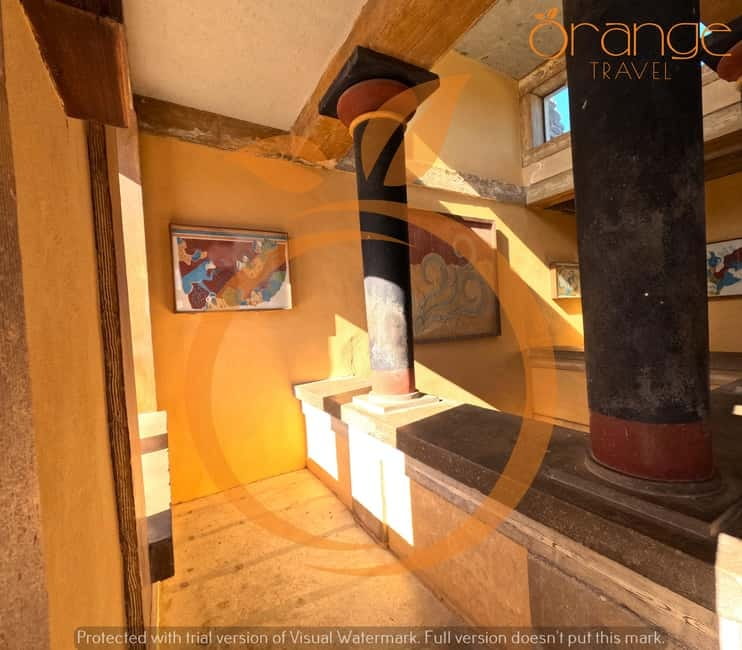
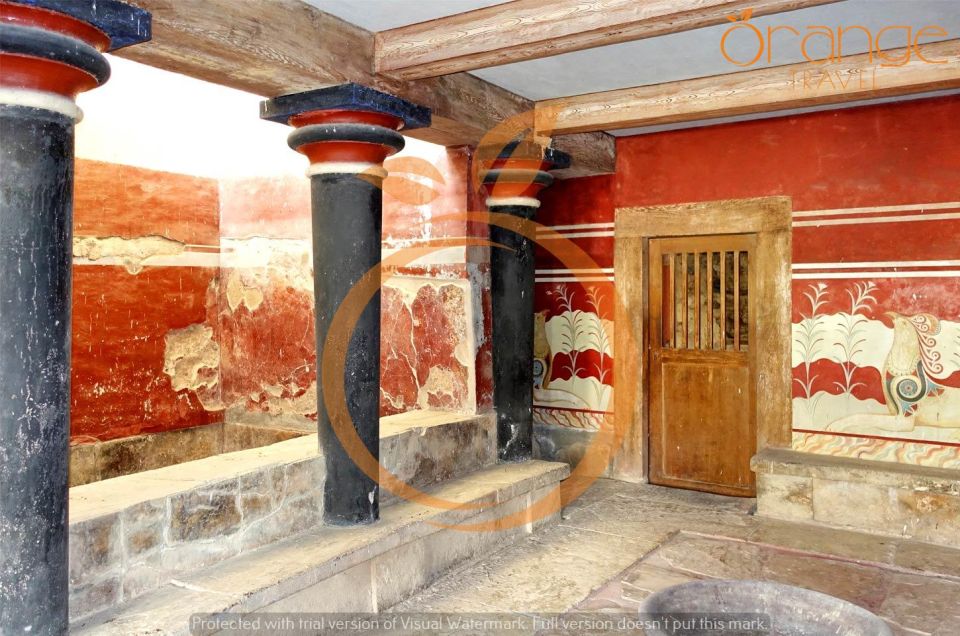
Knossos covers roughly 22,000 square meters and is described as a five-level site with 1,300 rooms. Those numbers help explain why you need a guide. Without context, the remains can look like a confusing spread of walls, stairways, courtyards, and reconstructed sections.
Your guide takes you back around 4,000 to 5,000 years to the Minoan civilization, described here as Europe’s oldest civilization. You learn how people lived, hear about the palace system, and explore the legends of the labyrinth and the Minotaur.
The tour includes a €2 whisperer system, which is a practical advantage in a large group. It lets you hear the guide more clearly while walking around the site. Use it properly and stay close enough to follow the route, since the scheduled visit includes both guided touring and some free time.
The €20 Knossos admission ticket is not included. Add that to the $61 tour price, along with the €2 monastery fee. In practical terms, the basic outing comes to about $61 plus €22 in required site charges, before lunch or purchases. The $7 mythology park entrance and €2 whisperer fee are already covered.
One point deserves clarification before booking. A description connected with this outing refers to a roughly 20-minute uphill walk to the Cave of Zeus, but the supplied route lists Kera Kardiotissa Monastery, the Lassithi Plateau, the mythology park, pottery, and Knossos instead. The Cave of Zeus is not clearly included in the route above. Ask the provider to confirm this detail so you know exactly how much uphill walking to expect.
Is the $61 price good value?
At $61, the tour is fairly priced for a full day of transport, a live multilingual guide, the Greek Mythology Park entrance, and the Knossos whisperer system. You are not paying only for entry tickets. You are paying to connect several scattered places without arranging mountain roads, parking, and return transport yourself.
The value drops if you dislike long bus rides or want to set your own pace. Pickup from many coastal hotels can take time, and the day includes several short stops with fixed departure times. Independent visitors may prefer to spend half a day at Knossos alone, or devote a full day to the plateau and villages.
Remember the added costs. Kera Kardiotissa costs €2, Knossos costs €20, and lunch is extra. The optional meal, tasting, and craft market are pleasant additions, but they do not turn the tour into an all-inclusive food experience.
For a first visit to Crete, the range is useful. You see a religious site, rural villages, a traditional craft, Greek mythology, local products, and the Minoan palace in one day. That is a lot of ground, and the trade-off is a brisk schedule.
Who will enjoy this tour most?
I would choose this for you if you want a broad introduction to central Crete and prefer a guide to explain the stories. Folklore fans, history lovers, first-time visitors, and people staying in the listed coastal resort areas will get the most from it.
It also suits anyone who likes variety. You are not spending seven and a half hours in one museum or ruin. The day keeps changing from monastery to mountain views, then craft, tasting, mythology, and archaeology.
I would be cautious if you have back, heart, mobility, or high blood pressure concerns. The tour is not suitable for wheelchair users, and non-folding wheelchairs and strollers are not accepted. Walking, uneven surfaces, steps, and possible uphill sections make comfortable closed-toe shoes essential.
Bring a sun hat, sunscreen, water, a camera, comfortable clothing, and cash. High heels are not allowed, and alcohol and drugs are prohibited. Weather and traffic can affect the timing, so leave your evening free rather than booking a tight connection afterward.
My call: book it if you want range, not leisure
Book this tour if your ideal Crete day includes myths, village life, and major archaeology and you are willing to accept a long bus day. The included mythology park and whisperer system add real value, while the pottery visit and plateau scenery keep the outing from becoming a string of ruins.
Skip it if you want slow mornings, long walks, or a carefully controlled schedule. The pickup route may be the biggest frustration, and the guide’s commentary needs to be audible for the mythology and Knossos sections to work well.
For most first-time visitors based around the northern resorts, I would consider it a useful one-day sampler. Just budget for the €22 in separate entry fees, confirm the Cave of Zeus question, and allow plenty of time for the return trip.
FAQ
How long does the tour last?
The activity lasts about 7.5 hours, although traffic and pickup conditions can affect the schedule.
What is included in the $61 price?
The price includes selected-area pickup, air-conditioned bus transportation, an experienced driver, a live guide in English, German, Greek, or French, the €7 Greek Mythology Park entrance, and the €2 whisperer system at Knossos.
Is the Knossos Palace ticket included?
No. The Knossos Palace entry ticket costs €20 and is paid separately.
How much does the monastery entrance cost?
Entry to Panagia Kera Kardiotissa Monastery costs €2 and is not included.
Is lunch included?
No. Lunch at a traditional tavern is optional and costs extra.
Where is pickup available?
Pickup is available from selected main-road points and some hotel exits in Sissi, Malia, Stalis, Hersonissos, Analipsi, Anissaras, Gouves, Gournes, Kokkini Chani, and Karteros. Heraklion pickup is available upon request.
When will I receive my pickup details?
The activity provider will contact you about 24 hours before the excursion with your pickup point and time. Check your spam or junk folder if you do not see the message.
What should I bring?
Bring comfortable closed-toe shoes, comfortable clothing, a sun hat, sunscreen, a camera, and cash.
Is the tour suitable for wheelchair users?
No. The activity is not suitable for wheelchair users, people with mobility impairments, or non-folding wheelchairs and strollers.
Can I cancel the booking?
Yes. You can cancel up to 24 hours in advance for a full refund. You can also reserve now and pay later, according to the activity terms.