REVIEW · HERAKLION
Heraklion Area: CRETAquarium Admission Ticket
Book on GetYourGuide →Operated by CRETAquarium · Bookable on GetYourGuide
A room full of sea life sounds simple. At CRETAquarium, it stays interesting because the setting is built around the Mediterranean’s own mix of habitats, not just a row of tanks.
I especially like the clean, well-kept displays and the overall feel that staff care about both the animals and the visit. You also get a lot of “look closer” moments: stingrays and scorpionfish in Mediterranean-style caves and crevices, then a more open-ocean view with sharks that circle during feeding.
One thing to factor in: this is a tight visit. Plan on about an hour to explore, and in summer (roughly 11:00 AM–4:00 PM) it can get busy with longer lines.
In This Review
- What Makes CRETAquarium Worth Your Time
- Key Highlights You’ll Feel Fast
- CRETAquarium in Heraklion: The Setting That Keeps It Interesting
- Price and What You Get for Around $9
- Walking the Exhibits: Caves, Sharks, Jellyfish, and Tropicals
- Mediterranean caves and crevices: where you look for camouflage
- Open-ocean viewing: sharks that feel like part of the scene
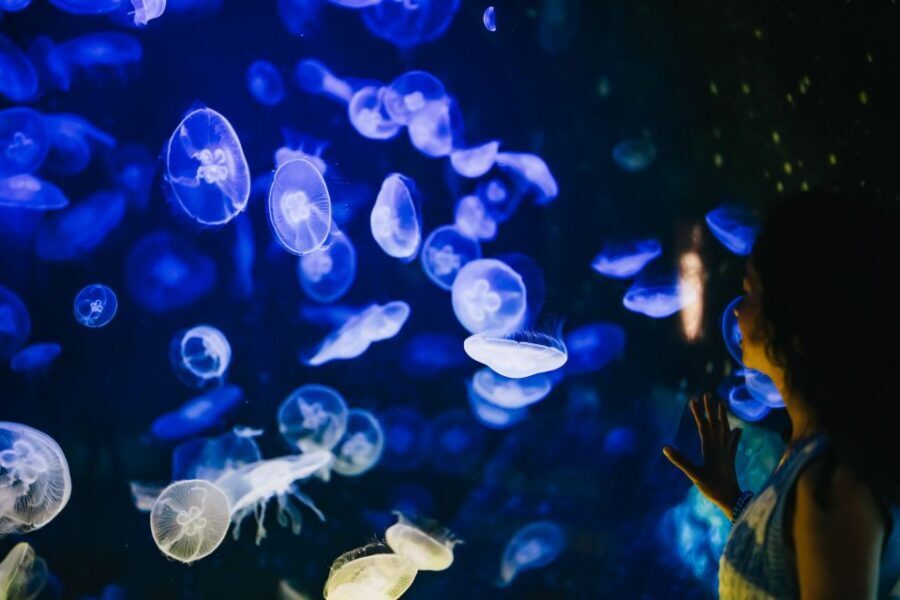
- Shallow, open-topped tanks: jellyfish and clownfish up close
- “Tropicals” sightings: a change of flavor without losing the theme
- How THALASSOKOSMOS Turns a Ticket Into Something Educational
- Timing and Lines: When to Go to Keep It Relaxed
- Getting There, Parking, and the End-of-Visit Cafe
- Who This Is For (and Who Might Find It Just Okay)
- Should You Book CRETAquarium Admission?
- FAQ
- How long should I plan to spend inside CRETAquarium?
- What does the admission ticket include?
- How much does the ticket cost?
- Is CRETAquarium wheelchair accessible?
- Can I bring pets?
- Is an audio guide available?
- When does CRETAquarium get busiest?
- What happens if I miss my exact time slot?
- How long does it take to get there from Heraklion and from Malia/Hersonissos?
What Makes CRETAquarium Worth Your Time
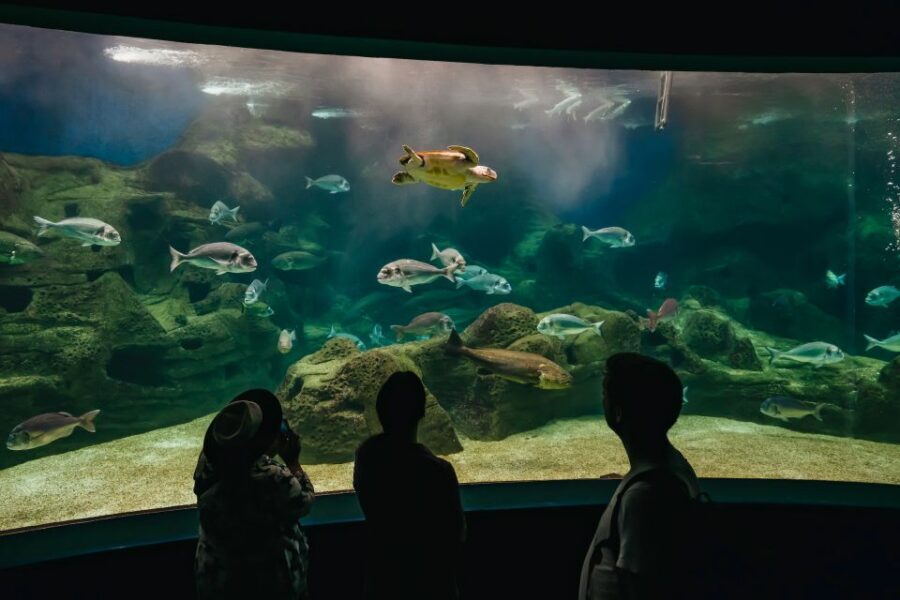
CRETAquarium is part of the THALASSOKOSMOS park, tied to the HCMR marine research facilities in Heraklion. That matters because it’s not only a show—it’s also education, ethics, and research (including work on climate-change impacts and care for threatened species like sea turtles).
Key Highlights You’ll Feel Fast
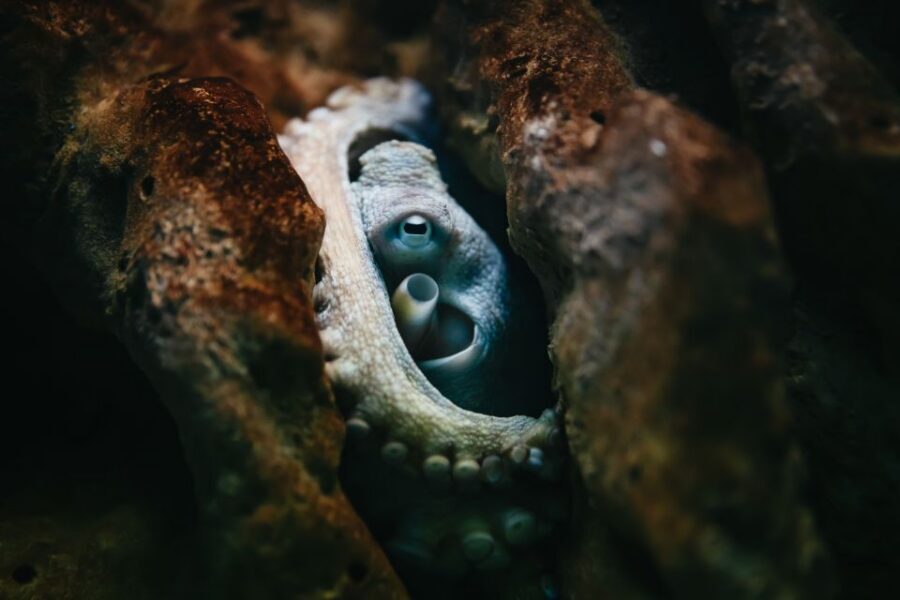
- 60 habitats, 2,000 creatures across a route that’s easy to follow without rushing
- Mediterranean caves to open-ocean tanks, including stingrays and rock-like scorpionfish
- Sharks during feeding moments, where you can watch behavior instead of just looking
- Jellyfish and clownfish in shallow, open-topped tanks, giving a different viewing angle
- Optional audio guide at €3 (9 languages) for extra context
- A strong value hit at about $9 per person, with short entry waits when you book ahead
A few more Heraklion tours and experiences worth a look


CRETAquarium in Heraklion: The Setting That Keeps It Interesting
CRETAquarium is one of Europe’s larger aquariums, built around the idea that the Mediterranean is its own world. The visit works best if you treat it like a guided walk through habitats: each section has a clear “where am I in the sea?” vibe, from hidden, rocky-looking spaces to more open water views.
The scale is also right for a one-day stop. With about 60 diverse habitats and well over 1,200 marine organisms, it feels varied without turning into an all-day marathon. If you’re traveling with kids, it’s a visit where you can keep moving and still feel like you saw plenty.
The other thing I appreciate is that it’s not purely entertainment. CRETAquarium is housed within the THALASSOKOSMOS marine research, technology, and recreation complex, linked to HCMR. That connection shows up in how the aquarium presents itself: education and animal welfare are part of the point.
Price and What You Get for Around $9
For about $9 per person, this is the kind of attraction where the math usually works out. You’re paying for:
- An easy-to-hit loop that’s commonly doable in roughly one hour
- Many tanks and habitats (not just a handful of big exhibits)
- A clear theme: Mediterranean species plus a few “tropical” moments
This kind of value is especially strong if you’re already in Heraklion or doing other activities nearby. The aquarium is also set up so you can plan the rest of your day without stress. Afterward, you can head to the beach or keep exploring around the city—because you don’t need half a day to make it feel “worth it.”
Walking the Exhibits: Caves, Sharks, Jellyfish, and Tropicals
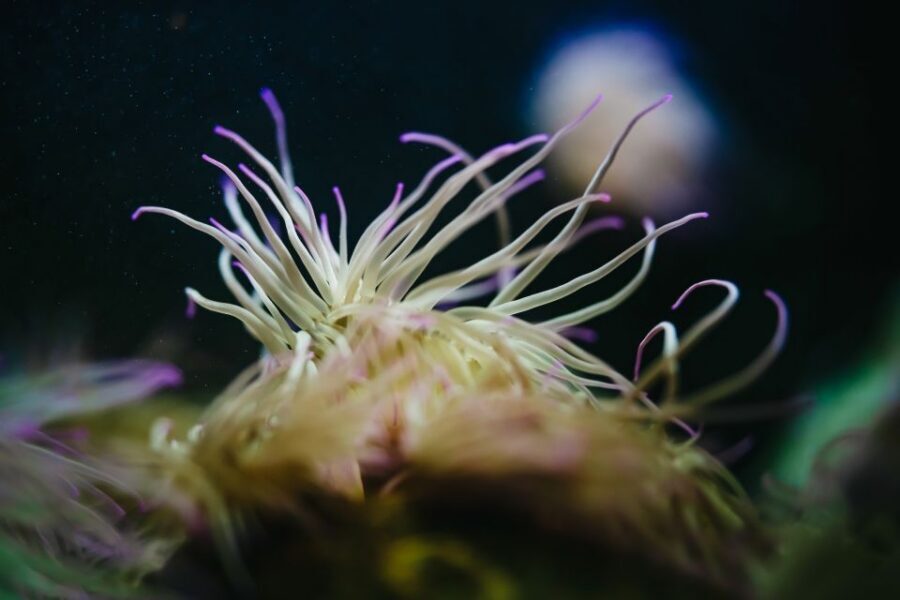
The visit is simple to navigate. You follow a route, and most key areas are easy to spot and read. You’ll probably want comfortable shoes more than anything else—this is a lot of steady walking inside.
Mediterranean caves and crevices: where you look for camouflage
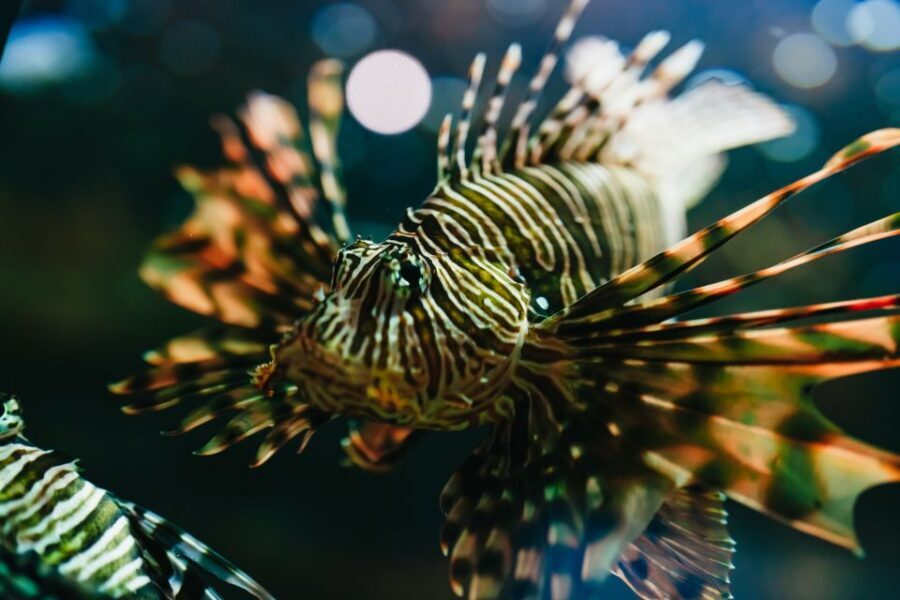
Early on, the vibe shifts toward the Mediterranean “real estate” you don’t always notice from shore: rocky spaces, caves, and nooks. This is where you get stingrays gliding in a way that looks almost like they’re using the environment, and where rock-like scorpionfish give you a reminder of how well some sea creatures blend in.
If you like wildlife photography, this section is great because you’ll naturally slow down. You’re not just spotting fish—you’re reading behavior and form.




Open-ocean viewing: sharks that feel like part of the scene
Then you move into a more open-water style display. Sharks are featured here, circling in a way that feels less like a static exhibit and more like a living system. The aquarium also has feeding moments for that area, which adds a sense of timing to your visit.
The practical tip: don’t treat the feeding as a guaranteed “must-see” unless you’re flexible. Instead, treat it like a bonus. Even without a perfect moment, the open-water layout helps you understand how these animals share space.
Shallow, open-topped tanks: jellyfish and clownfish up close
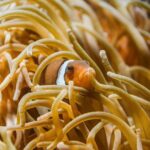
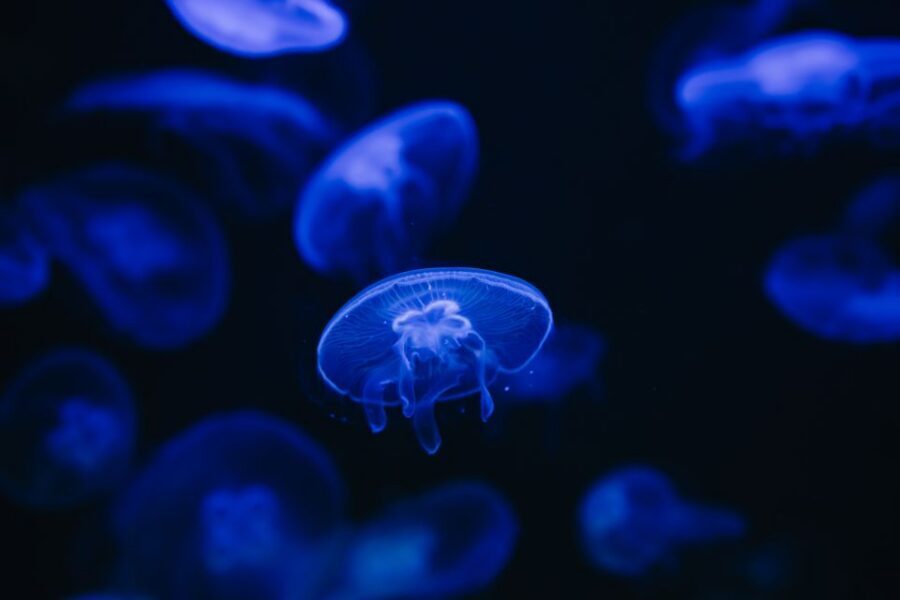
One of the best surprises in this aquarium style is how some tanks let you see from a different height. The shallow, open-topped format makes jellyfish and clownfish feel more immediate and gives you that “closer than you expected” feeling.
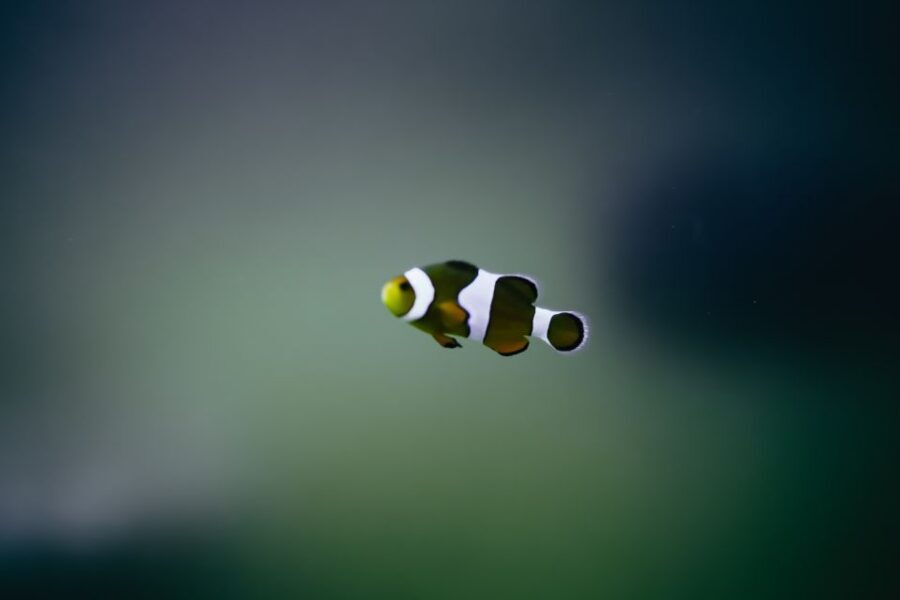
Clownfish (with their bright colors) are especially good for a quick reset if you’ve been staring at darker habitats. Jellyfish, on the other hand, tend to make you wait a second—watching their movement slows everything down.
“Tropicals” sightings: a change of flavor without losing the theme
There are also glances at exotic tropicals. It’s not the only story, but it gives variety and helps break up the Mediterranean focus with something more colorful and visually different. Think of it as seasoning, not the main meal.
How THALASSOKOSMOS Turns a Ticket Into Something Educational
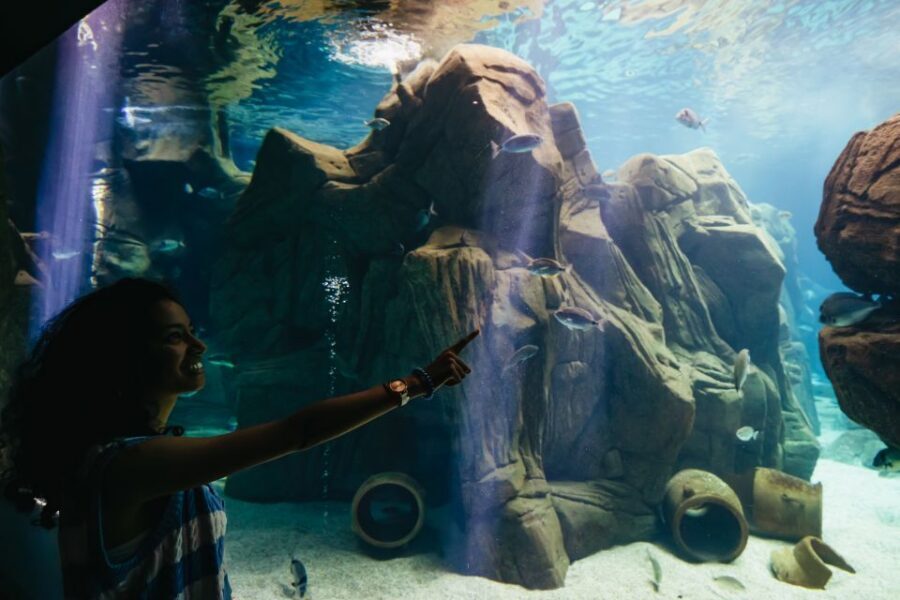
What makes CRETAquarium feel more meaningful than a basic aquarium is the science-and-care angle.
Here’s what the aquarium’s part of the ecosystem effort focuses on:
- Education and awareness, including interactive programs for different age groups
- Ethics and welfare standards for housed marine organisms
- Marine research infrastructure that supports studies on living organisms
- Protection efforts for threatened species, with special emphasis on care for animals like sea turtles
For you as a visitor, that means the signage and presentation are designed to explain why each habitat matters, not just what it looks like. It also helps you leave with a real takeaway about the Mediterranean being under pressure—especially from climate change.
And since the aquarium is tied to the HCMR facilities, it isn’t just a place where animals sit. It’s presented as a center for disseminating marine science and supporting conservation-related care.
Timing and Lines: When to Go to Keep It Relaxed
CRETAquarium is at its busiest in summer between 11:00 AM and 4:00 PM, when you can expect long lines. This is the biggest “make or break” factor for comfort.
My practical advice:
- If you can, go earlier in the morning or later in the afternoon
- Expect a calm walk-through rather than a sprint. You don’t need to rush to get value
- If you’re booking a time slot, still arrive with enough buffer so you’re not stressed
Also note how tickets work if you miss your exact time slot: your ticket stays valid for the day, but you may not skip the line. That’s important. It’s not a disaster, but it can turn a smooth plan into a waiting plan.
Getting There, Parking, and the End-of-Visit Cafe
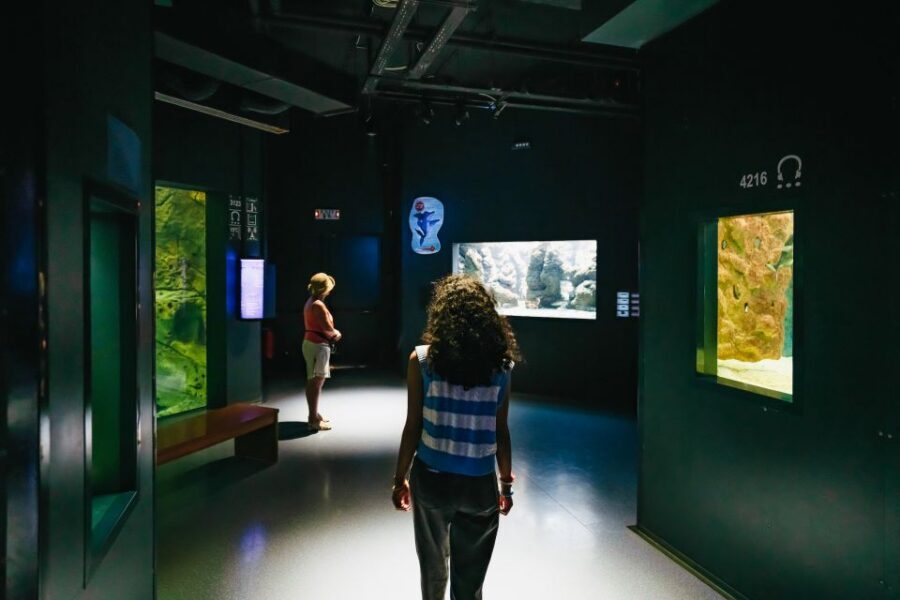
Getting to CRETAquarium is straightforward by car or taxi. From Heraklion, and also from Malia and Hersonissos, the drive is about 25 minutes.
Once you’re there, one of the underrated perks is how easy it is to treat this as a real half-day stop. Parking is available (and people mention it as a plus), and the aquarium has an on-site cafeteria for a break after you finish the route.
If you’re building a plan around families, this matters: you can do the aquarium, refuel, and then keep going without having to find a separate “kid-friendly” plan.
One small heads-up: the immediate outdoor area isn’t praised as a destination in itself, and there can be stray cats around. Once you’re inside, the experience tends to feel clean and focused.
Who This Is For (and Who Might Find It Just Okay)
This is a good fit if you want:
- A straightforward one-day activity that doesn’t swallow your whole afternoon
- A Mediterranean-focused aquarium with lots of species variety
- A visit that works for kids but doesn’t feel like it’s only for kids
It may feel less ideal if you’re an aquarium superfan chasing the biggest jaw-dropping scale. Some people find that once you’ve walked the full route, you’re done in about an hour and you might want more. The upside is you also get to move on with your day.
If you’re sensitive to crowds, plan your timing around the busy hours. The aquarium itself is fine—but the line situation in peak summer is the part you can control.
Should You Book CRETAquarium Admission?
Yes, I’d book it if you’re in Heraklion (or nearby) and want a strong value activity that’s easy to squeeze in. For the price and the variety—Mediterranean habitats, sharks, jellyfish, and clownfish—it’s a reliable choice.
Book it especially if:
- You want something educational without needing a guided tour
- You’d rather spend an hour walking and learning than sitting through something long
- You’re traveling with family and need a plan that’s simple and flexible
Skip it or reconsider timing if:
- You hate lines and you’re visiting during the hottest, busiest window (11:00 AM–4:00 PM)
- You’re looking for a long, multi-hour aquarium experience
FAQ
How long should I plan to spend inside CRETAquarium?
Plan about one hour to explore the aquarium.
What does the admission ticket include?
The entrance fee is included.
How much does the ticket cost?
The price listed is about $9 per person.
Is CRETAquarium wheelchair accessible?
Yes, it is wheelchair accessible.
Can I bring pets?
No, pets are not allowed.
Is an audio guide available?
Yes. You can rent an audio guide at reception for €3, with 9 languages to choose from.
When does CRETAquarium get busiest?
It usually gets very busy in summer between 11:00 AM and 4:00 PM, which can mean long lines.
What happens if I miss my exact time slot?
Your ticket is still valid for the day, but you may not be able to skip the line.
How long does it take to get there from Heraklion and from Malia/Hersonissos?
It’s about 25 minutes by car or taxi from Heraklion, and also about 25 minutes from Malia and Hersonissos.