REVIEW · HERAKLION
Crete: Olive, Wine, & Raki on a Flavorful Culinary Journey
Book on GetYourGuide →Operated by Localtrips4U.com · Bookable on GetYourGuide
Raki and olive oil in one easy day. I love how this tour strings together olive mill craft, grove wandering, and spirits tasting with pickup and return by a premium SUV. The second I start thinking about oil, I appreciate the hands-on context you get from a guided farm and mill visit, not just a quick look and run.
I also like the raki tastings paired with a guided wine tasting of Crete’s indigenous grapes, then a light lunch that keeps you fueled for the next stop. One consideration: you’ll be tasting alcohol along the way, so plan for a slower pace and accept that this is a food-and-spirits day, not a sightseeing-only outing.
In This Review
- Key points before you go
- Why this Crete tour feels more like a day with producers
- Skalani: the olive grove farm and olive mill tour that makes the oil make sense
- Stironas and the Rakokazano: raki tour plus real spirits tasting
- Archanes: winery visit, indigenous wine tasting, and a photo stop
- Light lunch at the winery distillery: easy food, not a full production
- Comfort and timing: premium transport plus local village drives
- Price and value: why $126 can make sense for this kind of day
- Who should book this olive, wine, and raki experience
- Should you book it?
- FAQ
- How long is the Crete olive, wine, and raki tour?
- What does the tour cost per person?
- Do you get pickup and return to your accommodation?
- Is there a live guide, and what language is it in?
- What tastings are included?
- Is lunch included?
- What vehicle do you travel in?
- Is free cancellation available, and can I pay later?
Key points before you go
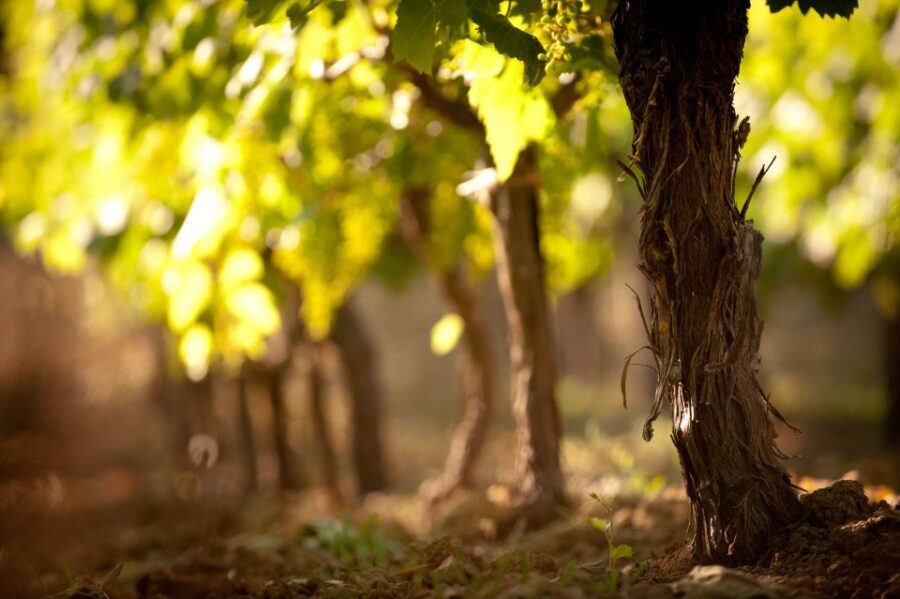
- Small-producer focus: You visit working places tied to olive oil and Cretan spirits, not just souvenir stops.
- Real tastings built into the day: You get olive oil tasting, a guided wine tasting of indigenous varieties, and raki sampling.
- Guided grove and production tours: The olive grove and olive mill portion is explained by an on-site guide.
- Raki distillery experience: You tour the spirits side and taste raki at the Rakokazano.
- Comfortable transport: Pickup and return by premium SUV or minivan, plus village drives.
- A light lunch included: Lunch comes with the winery distillery time so you don’t lose the day to meal hunting.
Why this Crete tour feels more like a day with producers
Crete does food and drink like it means it. This trip gives you that firsthand, with guided stops that explain what you’re eating and tasting, while your driver handles the road. At $126 for about 6.5 hours, it’s built for people who want value without spending half a day figuring out transit.
The setup also matters. You’re picked up from the meeting point listed for the tour (8G77869H+W98) and you ride in a premium SUV or minivan with guides and a driver working together. In past departures, the driver experience has often been described as friendly and entertaining, with names like Angela, Tony, Arula, Helen, and Yanni showing up across different groups.
If you like your experiences practical—see how something is made, then taste it—this is the right style. And if you want a calm pace, the comfort of the vehicle helps a lot when you’re hopping between places.
You can also read our reviews of more wine tours in Heraklion


Skalani: the olive grove farm and olive mill tour that makes the oil make sense
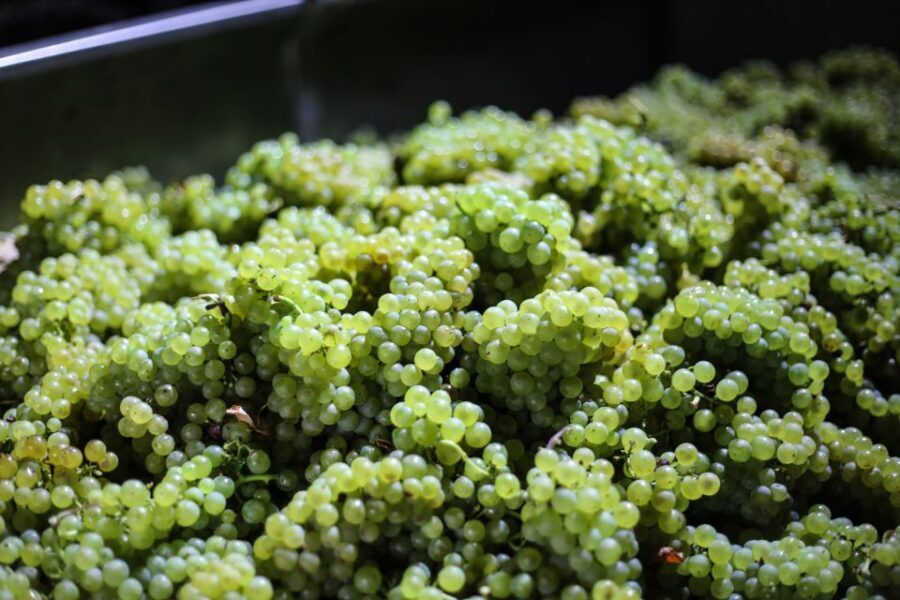
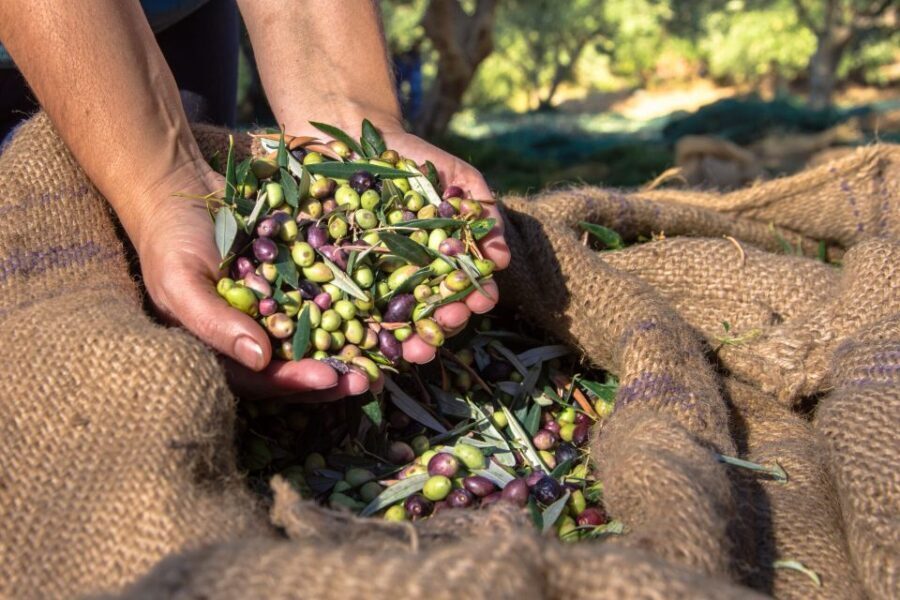
Your day starts with a short drive, then you get your feet on the ground at the Skalani stop for a guided tour lasting about 2 hours. This is the olive part of the story, and you’ll walk a traditional Cretan olive grove farm and visit an olive mill.
What I like about this segment is that olive oil isn’t treated like a product label. You learn the craft behind extraction and you’re there in the setting where the olives actually grow. You also get an olive oil tasting, which is where the background turns into something you can taste and compare.
Here’s how to get more from the tasting without turning it into a test:
- Take a second before sipping. Smell first. Fresh olive oil often has a strong, fruity aroma that fades when the oil is older.
- Taste slowly and notice whether it feels smooth or more peppery/bittersweet.
- If you’re with others, ask your guide what they want you to notice. Guides usually have a quick way to point you toward the right details.
Wear decent walking shoes. Even if the grove walk isn’t described as intense, you’re still on farm ground, not a polished city sidewalk. Bring water if you run warm easily—your schedule is packed with stops, tastings, and drives.
Stironas and the Rakokazano: raki tour plus real spirits tasting
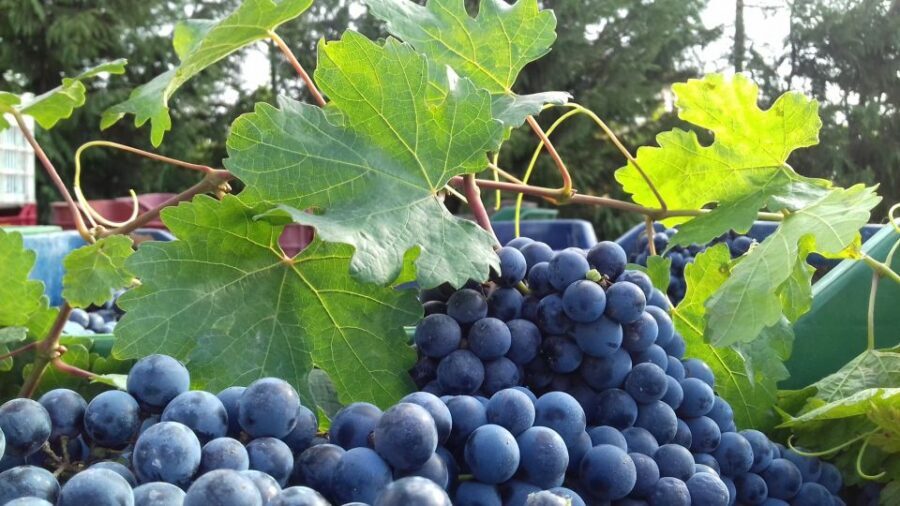
After the olive segment, you head on to Stironas for about 1.5 hours of guided touring tied to spirits and local snacks. This is the part of the day most people remember, because raki is one of those Cretan drinks you can’t fully understand from a label.
You’ll get a guided raki distillery tour and then a raki tasting at the Rakokazano. Highlights call out that you sample two different rakis, which is a smart way to learn. Instead of one sample and done, you can actually notice how styles vary.
A couple things to keep in mind during the spirits portion:
- Sip, don’t gulp. This is a guided learning day, and tasting works better when your palate stays calm.
- Pace yourself. You’ll have more tastings later in the day, and you’ll want to stay sharp for the wine and lunch.
- Ask what makes each sample different. The value here is learning the why, not just collecting tastes.
Also, you’re not just sitting indoors. The day is structured around moving through local villages and between production areas, so you get atmosphere along with the explanation.
Archanes: winery visit, indigenous wine tasting, and a photo stop
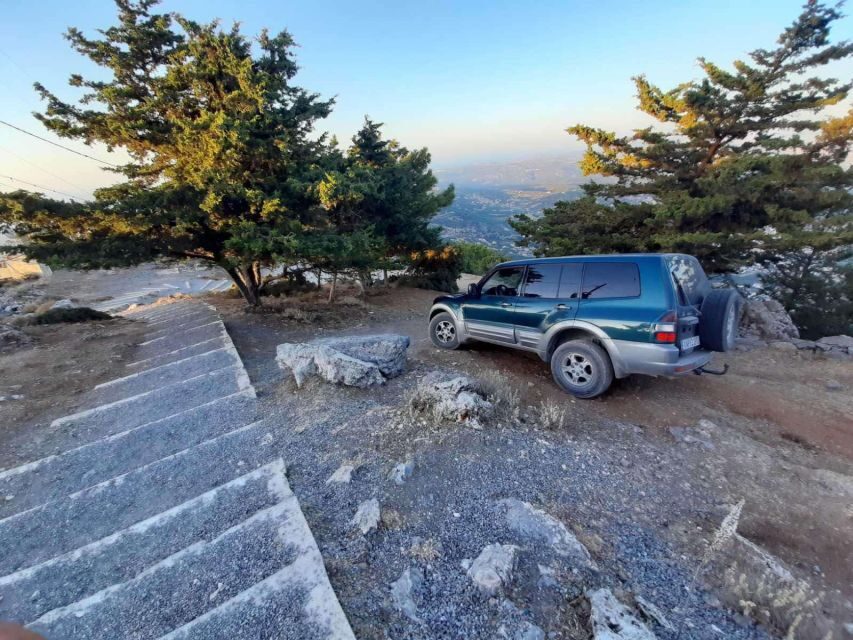
Next comes Archanes, with a photo stop and a guided winery visit lasting about 1.5 hours. This is where the day balances spirits with grape-based flavor.
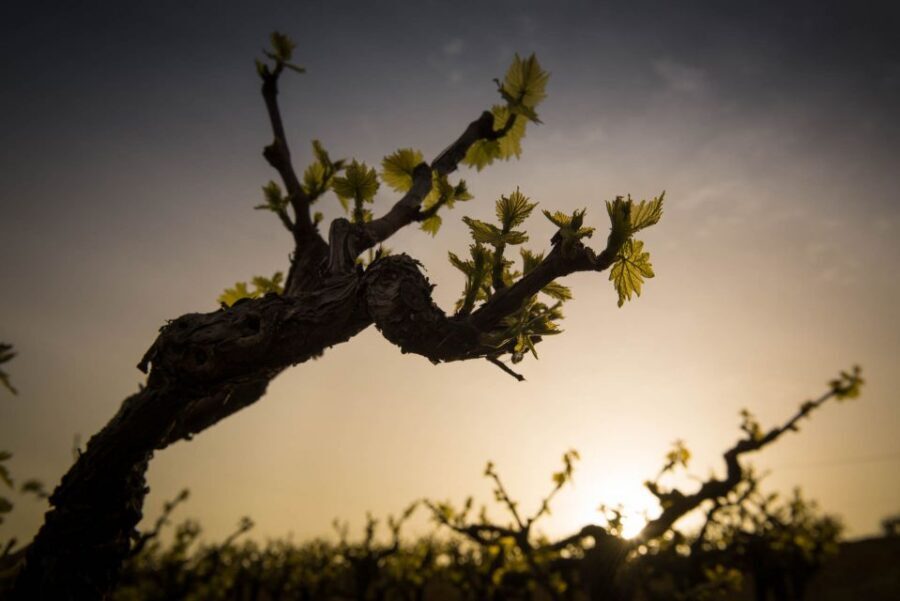
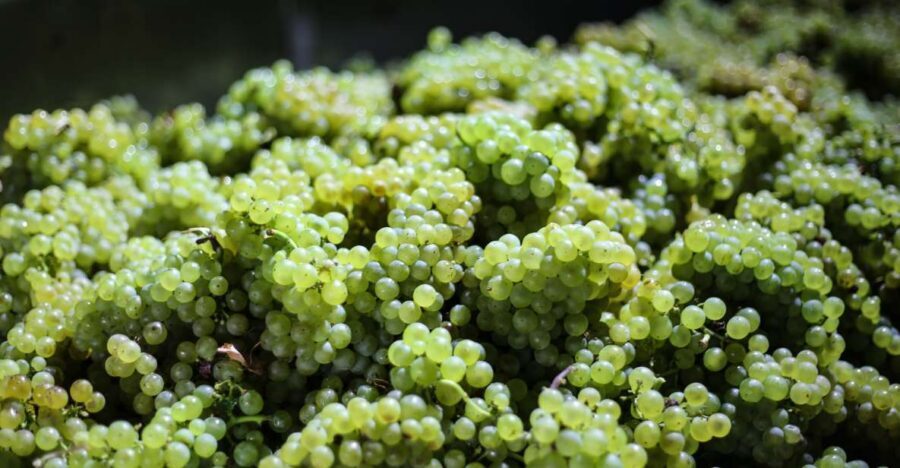
You’ll enjoy a guided winery tour plus a guided wine-tasting of indigenous varieties. The local-focus matters here. Crete’s grapes are part of why the island tastes distinct. Even if you don’t consider yourself a wine person, indigenous grapes usually make the tasting more interesting because they don’t behave like the wines you’re used to elsewhere.
One of the more common comments from past guests is that the tasting is interactive and fun—learning practical steps like how to swirl, smell, and taste rather than being talked at for an hour. That’s my preferred way to do wine. You don’t need a degree; you just need a method, and then you can form your own opinions.
Light lunch at the winery distillery: easy food, not a full production
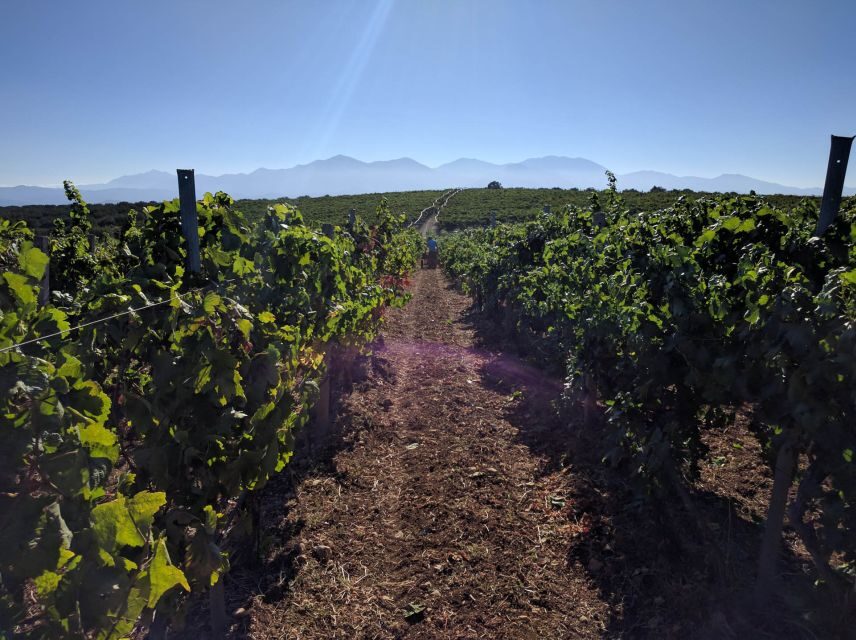
Lunch is included and described as a light lunch at the winery distillery. In the past, people have called it generous and home-style, with one guest describing it as a vegetarian Greek feast. Either way, it’s timed so you eat before you’ve completely hit your limit on tastings.
This kind of lunch is practical. You’re on a schedule, you’re tasting alcohol earlier, and you don’t want to spend the best part of your day hunting for food. A light meal keeps you comfortable without turning the afternoon into a food coma.
If you’re the type who gets hungry late, eat at a normal pace. Don’t wait for the next stop to decide you need a snack. The day is built to keep you moving.





Comfort and timing: premium transport plus local village drives
At just 6.5 hours, the itinerary is tightly arranged but not frantic. You get multiple transfers by Jeep/SUV and minivan-style comfort, with short drives between the three main zones of the day: olive work, raki/spirit production, then winery time.
That vehicle comfort isn’t a small thing in Crete. Roads between rural producers can feel slower than you expect, and this tour handles that for you. You can relax, look out the window, and focus on the next explanation instead of planning routes.
Also, you’ll travel through local villages. That tends to make the day feel less like a straight highway transfer and more like a real island route between farm life and small production sites.
If you care about getting the most from tastings, timing matters too. You’re not left waiting long stretches. Each segment is long enough to learn, then you taste, then you move on.
Price and value: why $126 can make sense for this kind of day
Let’s talk value in plain terms. For $126 per person, you’re getting more than tastings. You’re also buying:
- pickup and return to your accommodation area
- premium SUV/minivan transport
- guided tours at the olive mill and olive grove farm
- olive oil tasting
- guided winery tour and wine tasting of indigenous varieties
- guided raki distillery tour and raki tasting at the Rakokazano
- a light lunch
- local village driving
If you tried to piece this together yourself—transport, entry into production spots (or the time to coordinate), and a guide to explain the specifics—you’d likely spend both money and time. The tour is basically paying for convenience plus structure.
It’s also a “learning per hour” kind of value. The tastings are not random. They’re attached to production tours, so you’re not just drinking; you’re understanding what you’re drinking.
Who should book this olive, wine, and raki experience
This tour is a strong match if you want:
- a guided first look at Cretan food culture through olive oil, wine, and spirits
- production storytelling—how things are made, then how they taste
- a day trip that includes transport, guides, and lunch in one package
It’s not ideal if you:
- don’t want any alcohol involved (you’ll be tasting raki and wine)
- prefer all-day walking or hiking. The day includes a grove walk, but it’s still built around tours and vehicle transfers.
One more thing: the day often feels personal because it’s set up like a small-group experience. Past guests have mentioned very small numbers in their groups (sometimes around four plus the driver). Even if it varies, the guide-led format generally avoids the chaos of big-bus tours.
Should you book it?
If you’re in Crete and you want the simplest path to understand what makes the island taste like itself, I’d book this. You get three connected chapters—olive oil, wine, and raki—each with guided tours and tastings, plus a light lunch that keeps the day moving.
My deciding advice is about your taste priorities. If you love food and drink—or you just want a guided, local way to learn—this is a great use of one day. If you’re alcohol-averse or easily overwhelmed by tastings, look for a different style of tour.
FAQ
How long is the Crete olive, wine, and raki tour?
The tour lasts 6.5 hours.
What does the tour cost per person?
The price is $126 per person.
Do you get pickup and return to your accommodation?
Yes. Pickup and return of the customer to the place of accommodation are included.
Is there a live guide, and what language is it in?
Yes, there is a live tour guide, and the tour is conducted in English.
What tastings are included?
The tour includes an olive oil tasting, a guided wine-tasting of indigenous varieties, and a raki tasting at the Rakokazano, with raki also covered in the guided distillery visit.
Is lunch included?
Yes. A light lunch is included at the winery distillery.
What vehicle do you travel in?
You travel in a premium SUV or minivan.
Is free cancellation available, and can I pay later?
Free cancellation is available up to 24 hours in advance for a full refund, and you can reserve now and pay later.