REVIEW · HERAKLION
Highlights of Crete -2 Days Tour Knossos Lasithi Rethymno&Chania
Book on Viator →Operated by Tours in Heraklion · Bookable on Viator
Crete’s best-known sights are spread far apart, and this private two-day tour links them without making you wrestle with buses, rental-car directions, or parking. You’ll move from the Minoan palace at Knossos to mountain villages, olive groves, Rethymno, and Chania, with plenty of local food along the way.
I like the personal scale of the trip and the way it mixes major sights with ordinary Cretan life. I also like that the price covers a Mercedes-Benz van, two lunches, refreshments, and guides, rather than leaving you to add costs at every stop. The main drawback is the pace: two days cover a great deal of ground, and four hours in Chania may feel short if you want a slow old-town wander.
In This Review
- Key points to know
- A two-day route across Crete
- Knossos: start with Crete’s ancient center
- Olive oil, honey, and the working side of Crete
- Lasithi Plateau and its old windmills
- Pottery in Psychro and coffee in Mesa Lasithi
- Lunch at Ano Kera, then Krasi’s famous plane tree
- Day two begins with coffee at Agia Pelagia
- Four hours in Chania’s old town
- Fodele and the El Greco Museum
- What the private Mercedes-Benz van adds
- Price, meals, and what you receive
- Who should book this Crete tour?
- Should you book it?
- FAQ
- Where does the tour start and finish?
- Does the tour pick up in Chania, Ierapetra, or Sitia?
- How many people can join the private tour?
- Is transportation included?
- Are meals included?
- Is a guide included at Knossos?
- What happens if bad weather cancels the tour?
Key points to know
- Knossos comes with a licensed guide, giving the ancient site more context than a quick self-guided visit.
- The Lasithi Plateau is explored through local stops, including an olive press, pottery workshop, village cafe, tavern, and Krasi.
- You visit both Rethymno and Chania, making this a useful westward survey of Crete from a Heraklion base.
- Private transport is included for groups of up to seven, with hotel, port, or airport pickup in the Heraklion area.
- Spyros is a guide worth asking for, if available, thanks to his warm, personal approach and knowledge of rural Cretan life.
- The tour is food-friendly, with olive oil, honey, coffee, raki, two lunches, and local dishes included.
A two-day route across Crete
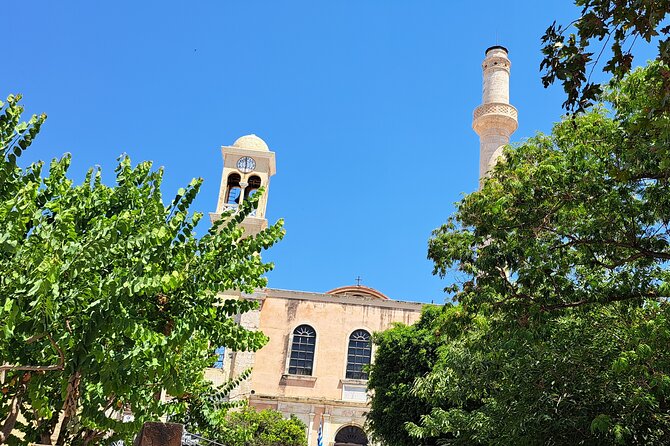
This is not a narrow sightseeing trip. It is a broad introduction to Crete, built around several major destinations and a string of smaller stops.
You begin in Heraklion and head first to Knossos, then travel through the Lasithi Plateau and its villages. The second day turns west toward Rethymno and Chania, with a stop in Fodele on the return route for the El Greco Museum.
The private format matters here. A fixed group of up to seven can move more easily than a large coach, and your driver guide can adjust the rhythm within the limits of the schedule. You are not simply being delivered to famous places. You are also given a taste of local produce, village coffee, family cooking, and countryside traditions.
A few more Heraklion tours and experiences worth a look
Knossos: start with Crete’s ancient center
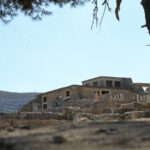
The first major stop is the Archaeological Site of Knossos, just outside Heraklion. You have about two hours here, and admission is included.
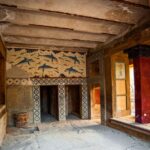
Knossos is tied to the story of King Minos and the Minoan civilization. The site includes palace remains, frescoes, a throne room, and the complex layout that helped inspire the later legends of the labyrinth and the Minotaur.
I consider the licensed guide especially valuable at this stop. Knossos can be visually impressive but confusing if you do not know what you are looking at. A guide can explain the purpose of the buildings, point out the painted details, and separate archaeological evidence from the myths that grew around the palace.
Two hours gives you a useful introduction, though not an exhaustive study. If ancient sites are your main reason for coming to Crete, you may want a separate visit to the Heraklion Archaeological Museum. That museum is not part of this tour, so this experience works best as a first look at Minoan Crete rather than a complete ancient-history day.
Olive oil, honey, and the working side of Crete
After Knossos, the tour shifts from ancient stone to a family-run olive oil press. This fourth-generation business shows how Cretan olive oil moves from tree to bottle.
You’ll learn about the production process and taste several kinds of local olive oil and honey. This is a small but meaningful addition. Olive oil is not just a souvenir item in Crete. It is part of daily cooking, farming, and family life, and a tasting helps you understand why bottles that look similar can taste quite different.
The one-hour stop should give you enough time to see the process without turning the visit into a long commercial presentation. Still, you should expect a working food business, not a formal museum. If you are interested in buying products, personal spending is not included, so treat purchases as optional extras.
Lasithi Plateau and its old windmills
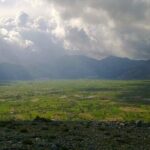
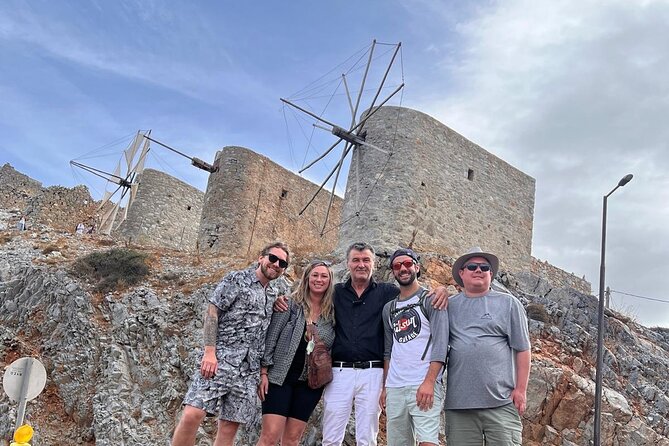
The route then climbs toward the Lasithi Plateau, one of the most distinctive areas in the mountains of eastern Crete.
The traditional windmills are the visual marker here. They were once used to pump water for irrigation, supporting farming on the plateau. Many no longer operate, but they still explain how local agriculture adapted to the area.
You have about an hour at the windmills. This is a scenic pause rather than a full walking excursion. The stop will appeal most to people who like rural history and photography. If you want long mountain walks, the schedule does not promise them.
The plateau also helps break up the drive. Instead of rushing from one major town to another, you get a sense of how Crete changes once you leave the coast and move into the interior.
Pottery in Psychro and coffee in Mesa Lasithi
In Psychro, you visit a pottery workshop and see local artisans shape, carve, and fire clay. The craft is linked to Cretan traditions that reach back to the Minoan period.
You may have the chance to see the stages of production and possibly take part in a hands-on activity, although the exact workshop program is not specified. Hand-painted vases, tableware, and other ceramics may be available to buy. This stop is a good fit if you want a physical reminder of Crete that is more connected to local craft than a standard gift-shop item.
The visit lasts about 30 minutes, so think of it as a brief introduction. You will not have time for an extended pottery course, but you can see how clay becomes a finished object and decide if a piece is worth bringing home.
Next comes Mesa Lasithi, where you stop at a traditional cafe for Greek coffee, homemade cookies, and raki. This is one of the tour’s most appealing details because it gives you a simple village pause rather than another formal attraction.
Raki is strong, and it is traditionally offered as a small hospitality drink. You do not need to treat it as a full serving if you prefer not to drink alcohol. Coffee and cookies make this a relaxed stop, and the half-hour timing keeps it from eating into the main sights.

Lunch at Ano Kera, then Krasi’s famous plane tree
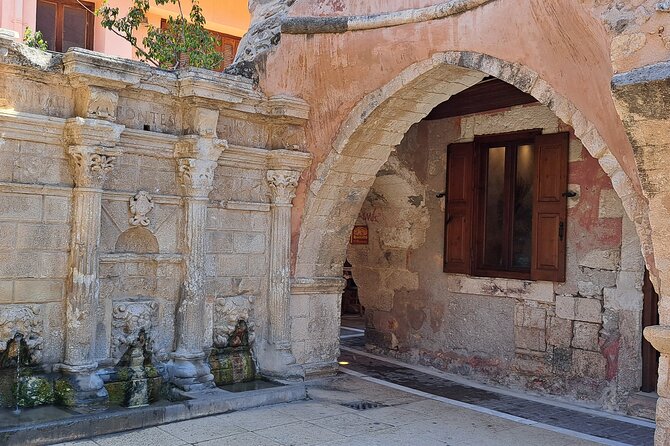
At Ano Kera, lunch is served in a family tavern using fresh ingredients from the area. Dishes may include moussaka, stuffed vegetables, Greek salad, saganaki, and stifado.
This is more useful than a generic meal break because the food is part of the sense of place. You get familiar Greek dishes, but in a village setting connected to the area you have just crossed. Two lunches are included in the overall tour, which makes the price easier to judge.
Dietary needs are not described, so you should raise them when booking. Do not assume every dish will be available in an altered form.
The final stop of the first day is Krasi, a village known for broad views and a monumental plane tree. You may also spot the bearded vulture, a rare bird associated with the mountainous parts of Crete, but wildlife sightings are never guaranteed.
Krasi is given about 30 minutes. That is enough for a short look and photographs, but not enough for a long village exploration. After a full day of archaeological, food, and mountain stops, the brief visit may actually be welcome.
Day two begins with coffee at Agia Pelagia
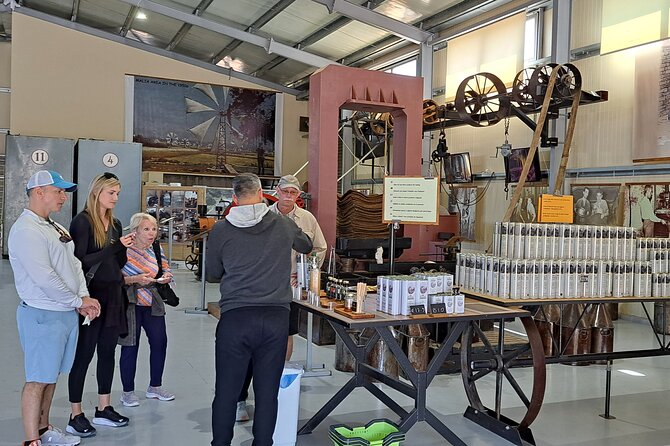
The second day opens at Agia Pelagia, where you stop for Greek coffee for about 30 minutes.
This is a modest stop, but it provides an easy start before the longer drive west. Agia Pelagia is included as a coffee break rather than a full coastal visit, so do not book this tour expecting beach time or a long stay there.
The schedule then moves to Rethymno, with about two hours to explore. This coastal town is known for its Venetian harbor, old buildings, cafes, and a mixture of Venetian, Ottoman, and Greek influences.
Two hours lets you get a feel for the center, see the harbor, and enjoy a short meal or coffee if the timing allows. You will need to choose your priorities. A slow lunch, extensive shopping, and a detailed visit to every historic corner will not fit comfortably into this window.
I like Rethymno as a middle stop because it offers a different character from both Heraklion and Chania. The harbor area is easy to understand at a glance, while the surrounding old streets invite a little wandering.
Four hours in Chania’s old town
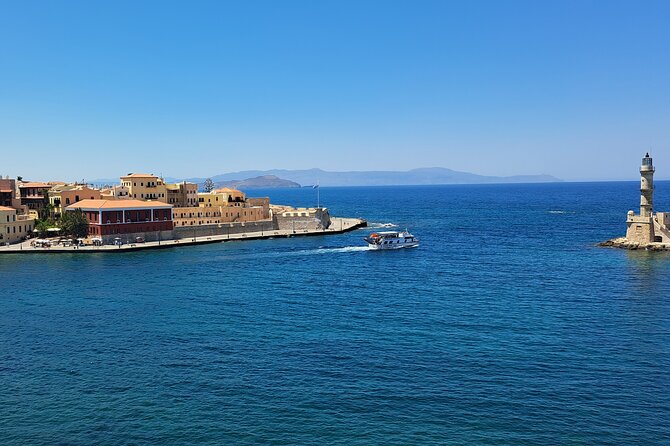
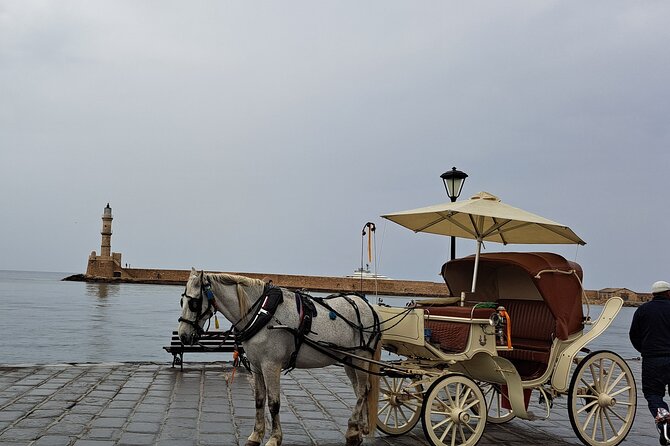
Chania receives the longest stop on the second day, with about four hours. That is the right call. The town’s old quarter, harbor, and lanes need more time than a quick photograph from a coach.
Chania combines Venetian buildings, Ottoman traces, Greek life, cafes, and waterfront views. You can walk around the old harbor, explore the narrow streets, and stop for food or a drink.
The four-hour window gives you freedom, but it also places the responsibility for pacing in your hands. You should decide before arrival if you want to focus on the harbor, shopping, historic buildings, or lunch. If you wander without a plan, the time can disappear quickly.
Chania is roughly the point where the tour feels most like a city visit rather than a countryside outing. If you want a full day in Chania, this tour will feel too brief. If you are staying in Heraklion and want to see the town without arranging another hotel, the stop is useful.
Fodele and the El Greco Museum
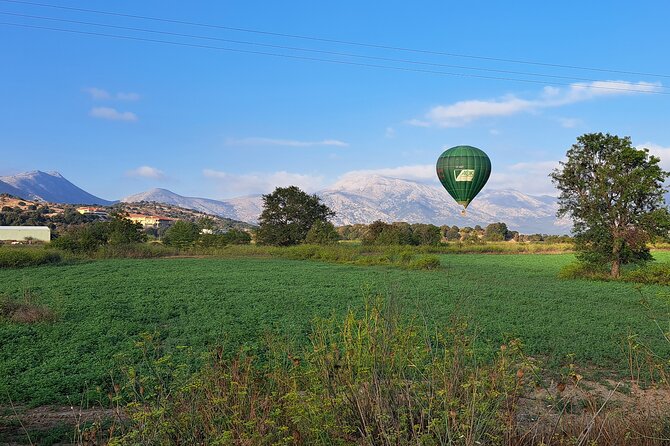
On the return route, the tour visits Fodele, a village surrounded by orange groves, olive trees, and green countryside. The main attraction is the El Greco Museum.
El Greco was born in Fodele in 1541 before later working in Spain. The museum occupies a traditional stone building thought to be near his birthplace and displays copies of famous works, along with information about his early life and artistic path.
The visit lasts about an hour and admission is included. You should know that the museum contains copies rather than original masterpieces. That limits its appeal if you are seeking original paintings, but the setting and biographical connection still make it worthwhile for people interested in art or local history.
Fodele also changes the mood after the city streets of Chania. It is a quieter final stop, tied to a person who carried a Cretan beginning into a major European art career.
What the private Mercedes-Benz van adds
Pickup and drop-off are provided from accommodation, port, or airport locations in the Heraklion area. The operator does not pick up in the Chania, Ierapetra, or Sitia regions, so your base matters before you book.
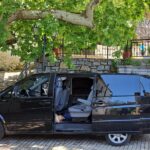
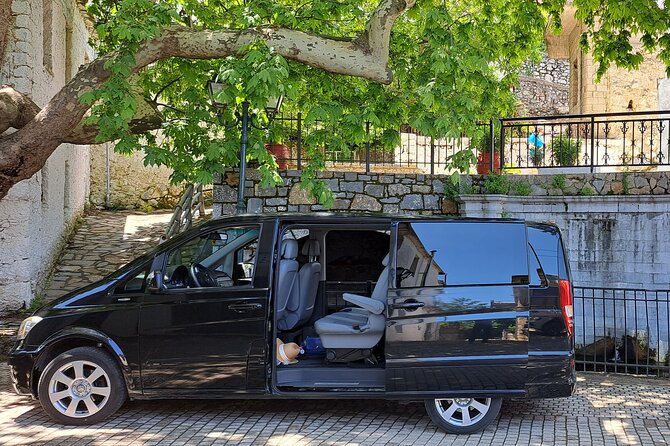
Transport is by Mercedes-Benz van, with the tour limited to your own group of up to seven. That is a strong advantage for families and friends who want to stay together. It also makes the long drives more manageable than a large bus, especially when the route includes village roads and several short stops.
A local English-speaking driver guide accompanies the group, and a licensed guide is provided at Knossos. The driver-guide format means the person handling the road may also explain local places, answer questions, and help with timing.
Spyros is specifically associated with a warm, personal style. One especially memorable approach included visits to his native village and summer house, a walk through his vegetable garden, homemade drinks, strawberry picking at a friend’s fields, and an effort to introduce the group to everyday Cretan life. These personal touches are not guaranteed parts of the posted route, but you can ask whether Spyros is available when you reserve.
Price, meals, and what you receive
The cost is $1,182.09 per group, with up to seven people. For a full group, that works out to about $169 per person before considering the included meals and transport. For two people, the per-person cost is much higher, so the value improves sharply as your group grows.
The price includes:
- Pickup and drop-off in the Heraklion area
- Mercedes-Benz van transportation
- Liability insurance
- Entrance fees and taxes
- Coffee, water, and refreshments
- A licensed Knossos guide
- A local English-speaking driver guide
- Two lunches
This is not the cheapest way to see Crete if you are traveling alone or as a pair and are comfortable renting a car. But the comparison changes when you factor in two full days of driving, fuel, parking, navigation, meals, and the value of local guidance.
I find the strongest value in the combination of transport and access to small local stops. The olive press, village cafe, tavern, and pottery workshop would be harder to arrange efficiently on your own in two days.
Personal expenses are not included. That covers optional purchases, such as pottery or olive oil, and any extras beyond the included food and refreshments.
Who should book this Crete tour?
I would recommend it to a group staying in Heraklion that wants a wide first look at the island without renting a car. It suits families, friends, and private groups that value flexible conversation and a direct connection with the guide.
It is also a good choice if you care as much about food and rural customs as you do about famous monuments. The most memorable parts may be the coffee, raki, olive oil, family lunch, and countryside stops rather than the grandest attraction.
You should think twice if you prefer slow travel. The route covers Knossos, the Lasithi Plateau, Rethymno, Chania, and Fodele in only two days. You will see a lot, but you will not experience every place at leisure.
Book at least a day ahead if you need the full refund option, since cancellations must be made at least 24 hours before the start time. The experience depends on good weather. If poor weather forces cancellation, you are offered another date or a full refund.
Should you book it?
Book this tour if you have a short stay in Heraklion, a private group, and a strong wish to see both eastern and western Crete. You will gain Knossos, mountain villages, local food, Rethymno, Chania, and Fodele in a carefully connected two-day route.
Skip it if you want several unhurried days in Chania or prefer to set your own pace by rental car. For everyone else, especially groups of five to seven, the included van, meals, guides, and local contact make the cost easier to justify. Ask for Spyros by name, if possible, since his personal connections can turn a standard sightseeing route into a closer look at Cretan life.
FAQ
Where does the tour start and finish?
The tour starts from Heraklion and provides pickup and drop-off from accommodation, port, or airport locations in the Heraklion area.
Does the tour pick up in Chania, Ierapetra, or Sitia?
No. Pickup is not provided from the Chania, Ierapetra, or Sitia regions.
How many people can join the private tour?
The price covers one private group of up to seven people. Only your group participates.
Is transportation included?
Yes. Transportation is provided in a Mercedes-Benz van, along with pickup and drop-off in the Heraklion area.
Are meals included?
Yes. Two lunches are included, along with coffee, water, and refreshments.
Is a guide included at Knossos?
Yes. A licensed tour guide is included at Knossos, and a local English-speaking driver guide accompanies the wider tour.
What happens if bad weather cancels the tour?
If poor weather causes cancellation, you are offered a different date or a full refund. For other cancellations, you must cancel at least 24 hours before the start time to receive a full refund.