REVIEW · HERAKLION
Private Tour of Crete with Knossos Palace and Lassithi Plateau
Book on Viator →Operated by Cherry travel · Bookable on Viator
Knossos is the star here, but this private Crete tour gives you much more than an ancient palace. In one long day, you move from Minoan ruins to a mountain monastery, a traditional village, a family ceramics workshop, a Cretan tavern, and an olive oil factory. That range is the tour’s real strength.
I like the privacy and the flexible choice of Avdou, Mochos, or Krasi. I also like the friendly, attentive guiding described by a family who booked a Spanish-language day, with guides answering questions and staying engaged throughout. The main drawback is cost: at $659.83 for up to three people, it makes the most sense for a small group that values a private vehicle and a tailored pace.
In This Review
- Key points at a glance
- Why this private Crete day works
- Two and a half hours among the ruins of Knossos
- Choosing between Avdou, Mochos, and Krasi
- Kera Kardiotissa Monastery in the mountains
- Lunch at a traditional Lassithi tavern
- A family ceramics workshop with a local demonstration
- What you see at the Omalia Olive Press
- What the $659.83 group price really buys
- Who should book this Crete tour
- Should you book it?
- FAQ
- Where does the tour begin?
- How long does the experience last?
- How many people can join the private tour?
- Is admission to Knossos included?
- Is a guide included inside Knossos Palace?
- How much does Kera Kardiotissa Monastery cost?
- Which traditional village will the tour visit?
- Is lunch included?
- Can children join the tour?
- What happens if the weather is poor?
Key points at a glance
- Knossos gets 2.5 hours: Admission is not included, and a licensed guide inside the site costs an additional 150 euros.
- Three village choices: You can visit Avdou, Mochos, or Krasi, each presented as a traditional Cretan village with its own character.
- Lassithi Plateau adds variety: Kera Kardiotissa Monastery and a local tavern bring religious history and home-style food into the day.
- Hands-on craft and olive oil: A family ceramics workshop and the Omalia Olive Press show working traditions, though olive production is mainly seasonal.
- Private transport for up to three: The air-conditioned vehicle includes USB sockets, bottled water, and free child seats by request.
- Plan for extra costs: Knossos costs 20 euros for visitors aged 26 and over, Kera Monastery costs 3 euros, and dinner is not included.
Why this private Crete day works
This is a full 9-hour-30-minute outing from Heraklion, beginning at 9:00 a.m. Pickup is offered, so you avoid arranging several separate rides into the mountains. The route covers a lot of ground, but the private format helps keep the day personal rather than turning it into a large coach excursion.
You travel with an expert local guide-driver who is not a licensed guide inside Knossos. That distinction matters. Your driver can explain the area, answer questions, and help you understand the day, but the guide does not accompany you into the palace ruins. If detailed archaeological interpretation is important to you, you can add a licensed Knossos guide for 150 euros.
I see this as a good choice for a couple, a family, or a small group of friends who want several Cretan experiences in one day. It is less suitable if you prefer to spend a whole day at Knossos or move at a slow, unhurried pace. The schedule is packed, and the drive between stops is part of the experience.
The company also provides informational support during your stay in Crete, along with local recommendations for restaurants and attractions. That can be useful if this is your first time on the island and you want help shaping the rest of your visit.
You can also read our reviews of more private tours in Heraklion

Two and a half hours among the ruins of Knossos
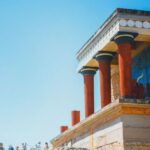
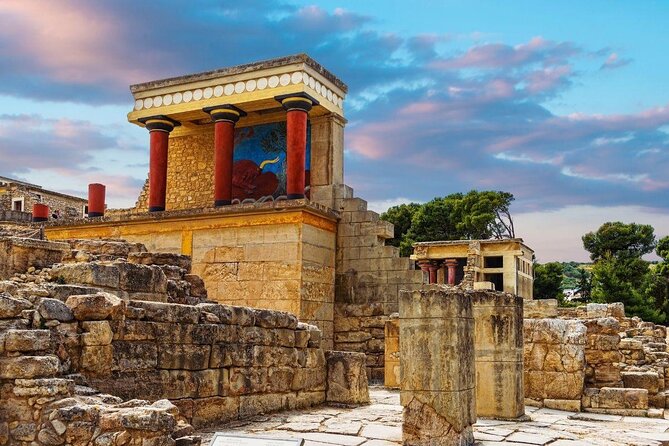
The day starts with a drive of about 30 minutes from pickup to Knossos, on the outskirts of Heraklion. You have 2 hours and 30 minutes at the archaeological site, enough time to see the major areas without treating the palace as a quick photo stop.
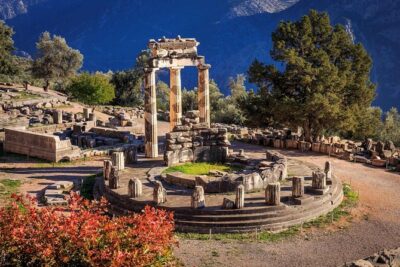
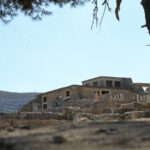
Knossos was the center of Minoan civilization, and its remains offer a first look at one of Europe’s earliest complex societies. You can explore palace ruins and consider how the site functioned as a center of power, religion, storage, and daily life. The experience is strongest when you take time to notice the scale and layout rather than simply rushing from one preserved section to the next.
Your entry ticket is extra. Adults aged 26 and over pay 20 euros. EU citizens up to age 25 enter free, as do non-EU visitors up to age 18. Bring the right identification if you plan to use an age-based exemption.
The big practical issue is guiding. Since the local driver is not licensed to lead you inside Knossos, you will explore the site without that included service. A licensed guide is available for an extra 150 euros, which is a considerable addition for a group of three. I would consider it worthwhile if archaeology is your main reason for coming, but less necessary if you mainly want to see the ruins and then continue into rural Crete.
Choosing between Avdou, Mochos, and Krasi
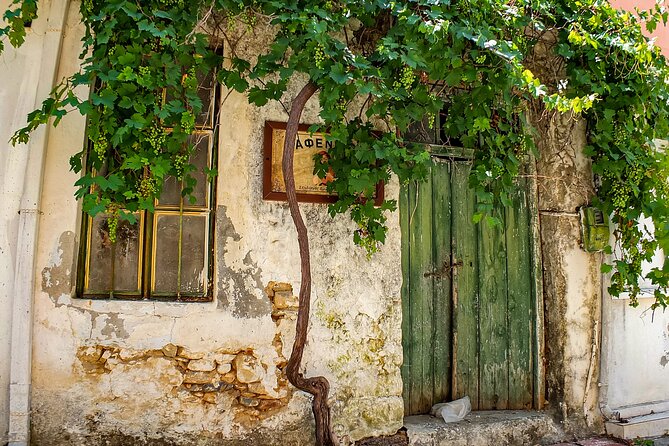
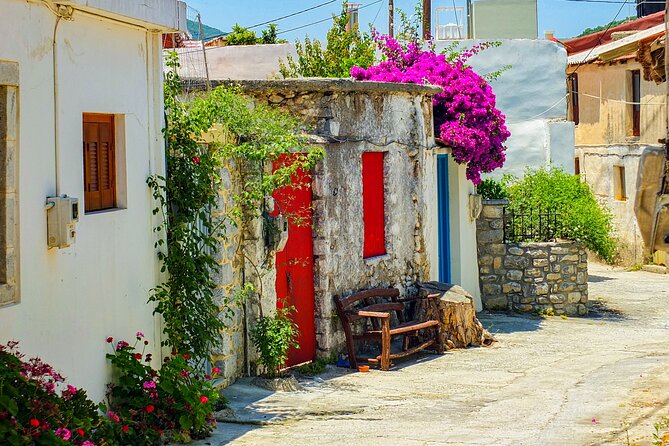
After Knossos, the route takes about 40 minutes to a traditional village. You can choose Avdou, Mochos, or Krasi. That choice is a useful feature because it gives your group some say in the character of the day, though the available differences between the villages are not detailed here.
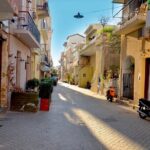
Avdou is described through its quiet streets, older architecture, and rural way of life. It is the clearest fit if you want a calm village visit that feels separate from the main sightseeing circuit. You get about 1 hour and 10 minutes, with no entrance charge listed.
The point is not to collect monuments. It is to see a smaller side of Crete, where the appeal comes from the setting, buildings, and everyday traditions. You might find this stop especially rewarding after the formal archaeological site, since the day shifts from ancient civilization to living village culture.
Mochos and Krasi are alternatives, not additional stops. Ask the guide which village best suits your interests and the day’s timing. If you want streets and architecture, Avdou may be the natural choice based on the description provided. If your priority is a particular local atmosphere, let the guide explain the differences before you set out.
Kera Kardiotissa Monastery in the mountains
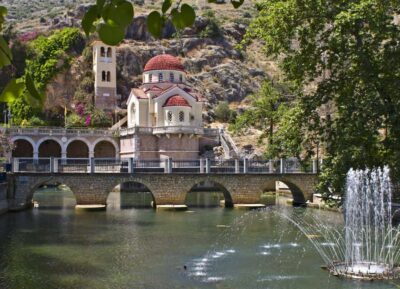
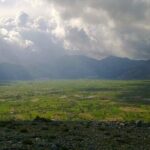
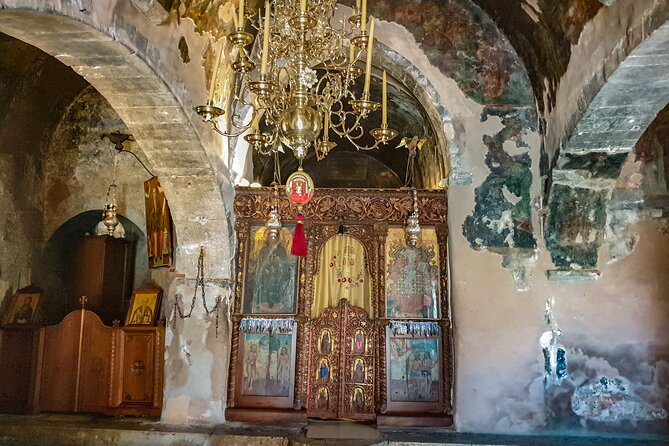
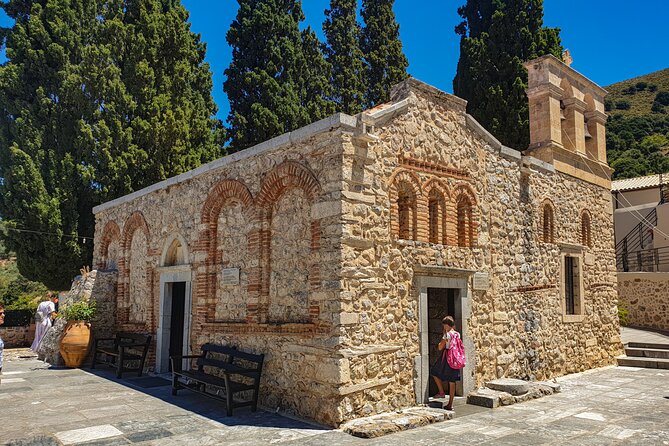
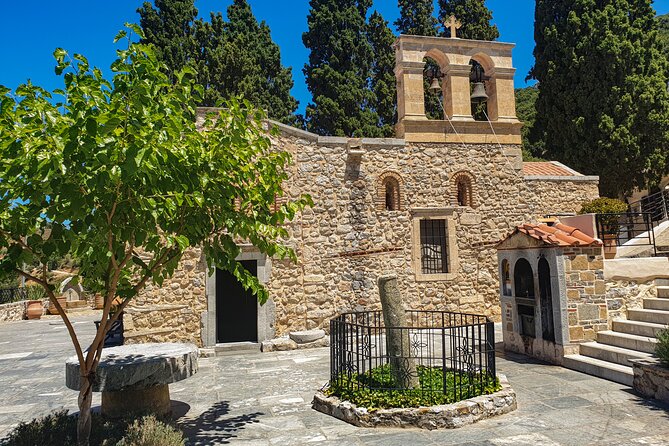
From the village, you drive roughly 15 minutes to Kera Kardiotissa Monastery in the Lassithi Plateau area. You have about 45 minutes here, making it a compact but worthwhile stop rather than an extended religious visit.
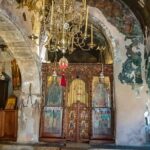
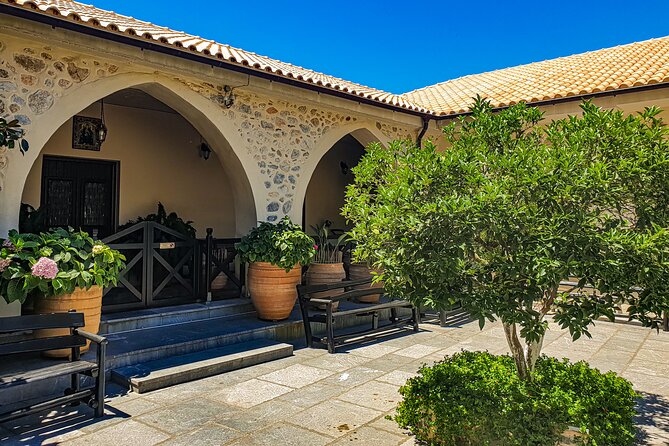
Kera is one of Crete’s oldest and most important monasteries. Its value comes from both its religious role and its setting in the high plateau region. You can look at the architecture, learn about the monastery’s past, and get a sense of how faith and mountain communities have shaped Cretan life.
The entrance fee is 3 euros. That is small, but you should keep a little cash available for the day’s separate admissions and food expenses. Since this is an active religious site, dress and behavior should be respectful, although no specific dress code is provided in the tour details.
Forty-five minutes gives you time to see the monastery and listen to an explanation, but not to linger at length. If religious sites are a major interest, you may wish the stop were longer. For most people, the short visit works well as a change of pace between the village and lunch.
Lunch at a traditional Lassithi tavern
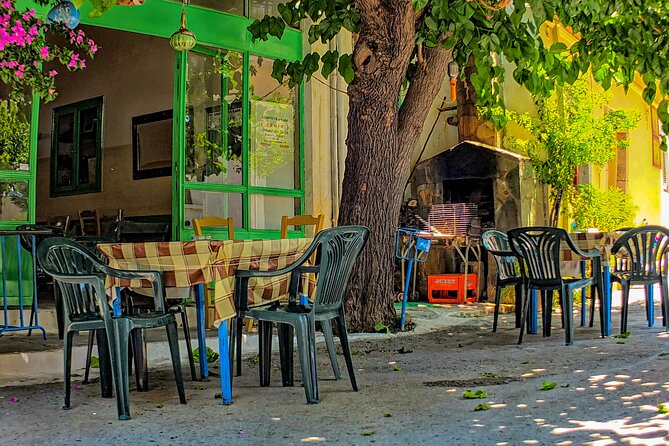
A 10-minute drive brings you to Restaurant Tzanakis Michael for about 1 hour and 10 minutes. Dinner is not included, but the tour includes coffee or orange juice at the traditional tavern.
This meal is an important part of the day because it gives you a chance to sit down and taste local food instead of eating hurriedly between sights. The setting is intended to feel like a classic Cretan tavern, with the Lassithi Plateau providing the broader mountain setting.
The tour does not include the meal price or provide a fixed menu, so budget separately. That also means you retain some choice, but you should ask about prices and portions before ordering if you are watching costs. The food stop is best approached as a proper break, not merely a refreshment stop.
One hour and 10 minutes is enough for a relaxed lunch if service moves at a normal pace. It may feel short if your group wants a long meal with several courses. On the other hand, a fixed stop helps keep the rest of the day on schedule.

A family ceramics workshop with a local demonstration
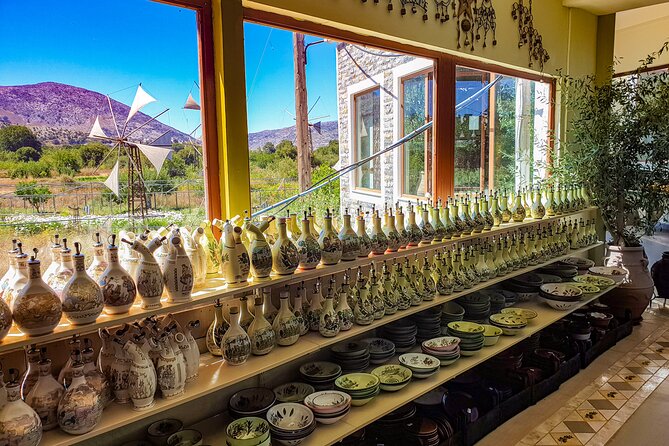
The ceramics visit takes place at Family Pitarokilis, where local artisans demonstrate traditional techniques and show how ceramics are made. The stop is listed as lasting 2 hours and 5 minutes, which makes it one of the longest portions of the day.
That amount of time suggests this is more than a quick shop visit. You can watch the craft process, learn about the methods used, and take part in making your own piece of Cretan history. The hands-on element gives the day a personal touch, especially for families and anyone who likes traditional crafts.
No admission charge is listed. Still, you should treat any purchases as optional and separate from the tour price. The information confirms a workshop and a performance by artisans, but it does not promise that every participant takes home a finished item, so ask the guide or workshop staff what your activity includes.
This stop may be the most memorable part for children, provided they enjoy making things and can manage a long day. If you have no interest in pottery, two hours can feel generous. For craft fans, it provides needed time to watch rather than rush.
What you see at the Omalia Olive Press
The final featured stop is Omalia Olive Press, where you learn how Cretan olive oil is produced and sample extra virgin olive oil. The visit is free and offers a useful look at one of the island’s best-known products.
The timing of your visit matters. Olive oil is mainly produced in winter. If you come during summer, you will see the equipment and hear how the process works, but you will not see active production. That seasonal limitation is worth keeping in mind when deciding how much importance to give this stop.
The tasting still gives you a direct way to compare the product and understand why olive oil matters in Cretan cooking. You can ask questions about the production stages and the role of the press, then use what you learn when ordering food elsewhere on the island.
The supplied timing lists 1 hour and 20 minutes for this stop, while the ceramics entry also includes the return journey to your hotel in its longer time block. Since the exact order and timing may be adjusted during the day, confirm the sequence with the guide at the start.
What the $659.83 group price really buys
At $659.83 for a private group of up to three people, this is not a budget day trip. For one person, the value is weak. For three people, the cost works out to about $220 per person before entrance fees and lunch, which is easier to justify if you want a private vehicle, hotel pickup, and several stops without joining a large group.
The price includes an air-conditioned vehicle with USB sockets, bottled water, coffee or orange juice at the tavern, and child seats or booster seats on request at no extra charge. Those details matter during a long day, particularly for families and anyone carrying a phone that needs charging.
You also pay separately for Knossos, Kera Monastery, lunch, and any optional licensed guide at Knossos. For three adults aged 26 and over, Knossos alone adds 60 euros, and the monastery adds 9 euros. Adding the licensed guide makes the total rise sharply.
I would book this for the access and range, not because it is the cheapest way to see Knossos. The private format lets you ask questions, choose a village, and receive local suggestions for the rest of your stay. A large group tour may cost less, but it will not offer the same level of direct attention or control.
Who should book this Crete tour
This experience fits you best if you want a broad introduction to central Crete in one day. It combines major archaeology, rural villages, a monastery, food, craft, and olive oil, so you get several distinct sides of the island.
Families should appreciate the private vehicle, free infant and booster seats, and the ceramics workshop. The family who took a Spanish-language day described guides who were kind, courteous, attentive, and willing to answer questions throughout the outing. If you need Spanish, contact the provider before booking to confirm that language arrangement.
History fans should think carefully about the Knossos guiding option. The site receives a generous 2.5 hours, but the included driver cannot guide you inside. Add the licensed guide if you want detailed interpretation from an authorized site specialist.
You should skip this tour if you want a slow mountain day, a long independent visit at every stop, or a low-cost transfer service. The day covers many places, and the total price rises once admissions and lunch are added.
Free cancellation is available up to 24 hours before the 9:00 a.m. start. Changes made inside that window are not accepted, and poor weather can lead to a new date or a full refund. Most people can participate, but the provided information does not give detailed accessibility specifications, so ask the provider about your needs before booking.
Should you book it?
Book this private Crete tour if you have one full day, a group of up to three, and a strong interest in seeing more than Knossos. I especially like the mix of a major archaeological site with ordinary village life, a working craft tradition, mountain religion, local food, and olive oil.
Before paying, decide how important an expert Knossos explanation is to you. The optional 150-euro licensed guide is the main extra to consider. Also confirm your preferred village, ask about the day’s stop order, and remember that summer visits to the olive press show equipment rather than live production.
For a small group seeking convenience and variety, the cost can be fair. For a solo visitor or a budget-minded pair, the price may be hard to defend. The tour earns its value through privacy, personal attention, and the chance to connect several Cretan traditions in one well-filled day.
FAQ
Where does the tour begin?
The tour starts at 9:00 a.m., with pickup offered. The specific pickup location should be confirmed when booking.
How long does the experience last?
The tour lasts approximately 9 hours and 30 minutes.
How many people can join the private tour?
The price covers one private group of up to three people.
Is admission to Knossos included?
No. Knossos admission costs 20 euros for visitors aged 26 and over. EU citizens up to age 25 enter free, as do non-EU visitors up to age 18.
Is a guide included inside Knossos Palace?
A local guide-driver is included, but this person is not a licensed guide and does not accompany you inside Knossos. A licensed Knossos guide is available for an additional 150 euros.
How much does Kera Kardiotissa Monastery cost?
The entrance fee is 3 euros.
Which traditional village will the tour visit?
You can choose Avdou, Mochos, or Krasi. The tour includes one of these villages, not all three.
Is lunch included?
No. Lunch at Restaurant Tzanakis Michael is not included in the tour price. Coffee or orange juice at the traditional tavern is included.
Can children join the tour?
Most people can participate, and infant seats and child booster seats are available free of charge when requested.
What happens if the weather is poor?
The experience requires good weather. If it is canceled because of poor weather, you will be offered a different date or a full refund. You can also cancel for a full refund up to 24 hours before the start time.