REVIEW · MILOS
Milos: Geology & Volcano Half-Day Morning Tour
Book on GetYourGuide →Operated by MTM Experiences · Bookable on GetYourGuide
Milos feels like another planet, thanks to Sarakiniko’s pumice-and-ash look and the geology behind it. I love the air-conditioned minivan comfort and the Phylakopi history stops that explain why Milos formed this way. One possible drawback: with only 3 hours, you might want more time to linger at the beaches and really soak in Sarakiniko.
This half-day morning tour packs major sights into a tight route with an English-speaking guide, water included, and plenty of photo opportunities. It’s a strong choice if you want nature and history together, but you’ll get the most out of it if you’re okay moving at a brisk pace between stops.
In This Review
- Key highlights you’ll feel on this Milos morning tour
- A 3-hour geology fix: how the morning tour is paced
- Phylakopi and Papafragas plateau photo stops: Milos’ human and volcanic layers
- Western fortification wall: a guided story you can actually picture
- Sarakiniko bay: pumice ash moon shores, plus your swim break
- Mining Museum of Milos near Adamas: why it turns geology into real life
- Price and value: is $102 for 3 hours worth it?
- Practical tips for the best photos and easiest swim
- Should you book the Milos Geology & Volcano half-day tour?
- FAQ
- What is the duration of the Milos Geology & Volcano tour?
- Is the tour guided, and what language is offered?
- How do pickup and drop-off work?
- Is air-conditioned transportation included?
- Does the tour include water?
- Can I swim during the tour?
- What should I bring?
- Are food and drinks included?
- Is there a cancellation policy?
- Can children join the tour?
Key highlights you’ll feel on this Milos morning tour
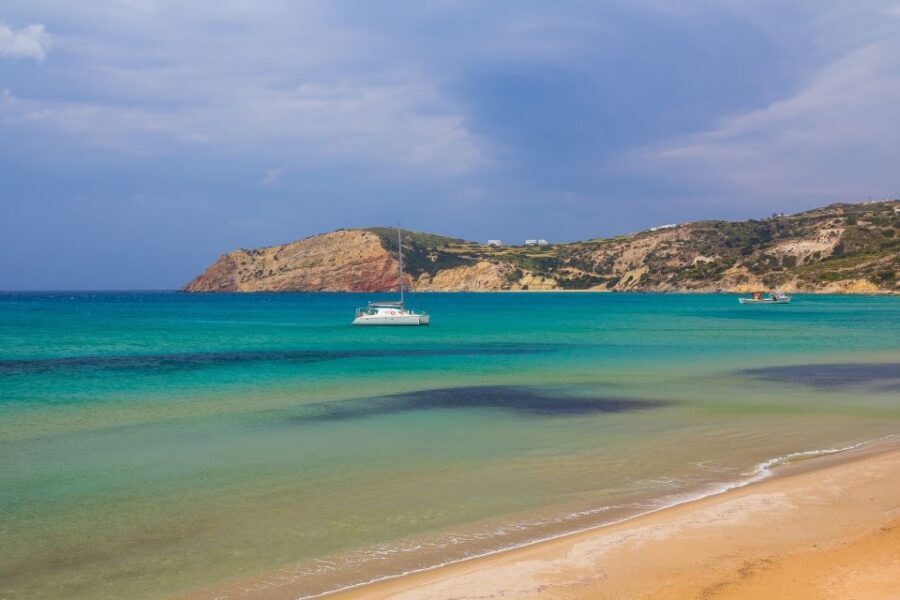
- Inactive volcano context: learn how Milos’ last eruption was about 90,000 years ago, shaping what you see today
- Phylakopi + Papafragas photo circuit: a guided walkthrough of the island’s story through key viewpoints
- Sarakiniko’s moonlike terrain: pumice stone and compacted volcanic ash create that surreal, landing-on-the-moon feel
- Time for photos and a swim: you’re not just passing through; you get a chance to wander and cool off
- Mining Museum of Milos near Adamas: geology meets human effort, turning rock into readable island history
A 3-hour geology fix: how the morning tour is paced
This tour is designed like a best-of route: you start with big viewpoints, move into the island’s volcanic “why,” then finish at a museum that explains the island’s rocky reputation in a human way. The total time is about 3 hours, so the rhythm is intentional: short stops, quick walking stretches, and time at the most photo-friendly area.
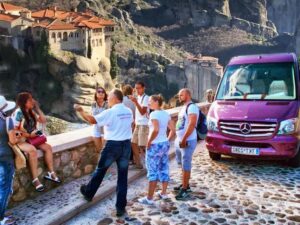
You’ll ride in an air-conditioned minivan, and the tour includes water plus maps and information from your guide. That matters on Milos, where you can feel the sun even in the morning. You’ll also have pickup and drop-off, so you’re not spending your time fiddling with logistics.
Where this tour can feel “tight” is at the water stops. One limitation that shows up: some people want longer beach time at Sarakiniko. If you’re the kind of traveler who hates being rushed, plan to treat this as a geology sprint with a refreshing swim, not a full beach day.
A few more Milos tours and experiences worth a look
Phylakopi and Papafragas plateau photo stops: Milos’ human and volcanic layers
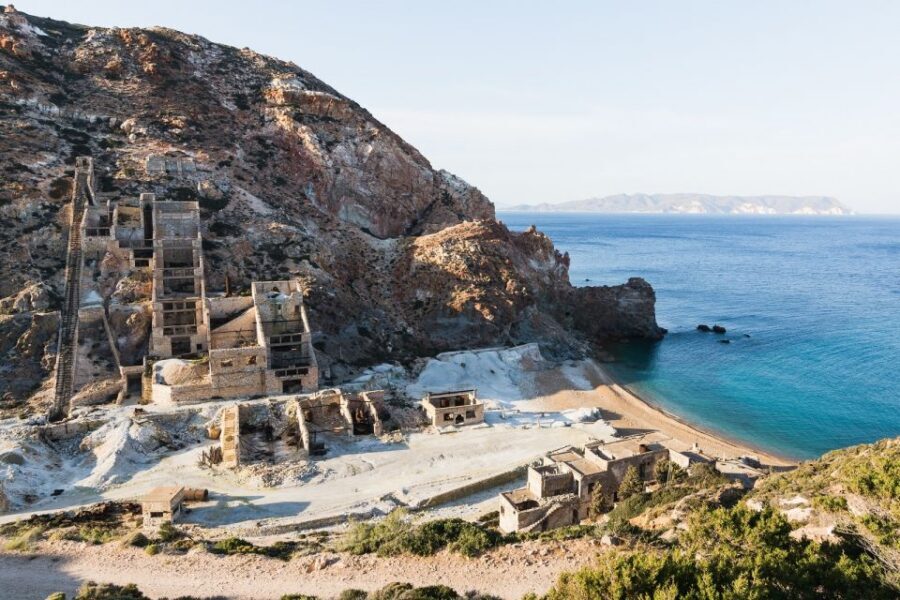
The morning starts by setting up Milos’ two major themes: volcanic formation and the people who built life around it. One of the first featured areas is Phylakopi, a place your guide connects directly to Milos’ story. Even if you don’t consider yourself a history person, the way this tour frames it makes the setting feel less like “random ruins” and more like a clue trail.
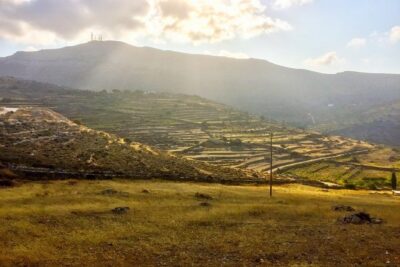
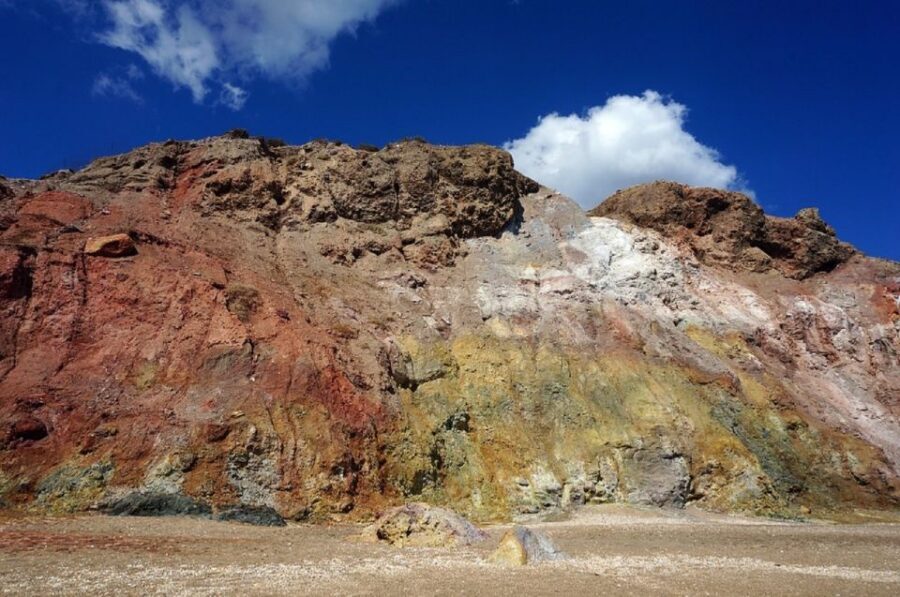
From there, you move toward the Papafragas area, known for dramatic geological features and strong “photo stop” energy. This is where the tour starts to feel different from a typical scenery drive. Instead of just pointing at a view, your guide ties the terrain back to how Milos formed—so each stop feels like it’s answering a question.
One of the key benefits here is pacing. The route uses multiple photo pauses instead of one long hike. That works well if you want to see a lot without turning the trip into a full day of walking. Still, the walking you do will be on uneven ground at viewpoints and viewpoints-adjacent areas, so bring comfortable shoes.
A small caution: if you’re the type who wants deeper geology explanations while you’re walking around, you may find yourself wishing for more detail on the ground. It’s not a bad tour for science-curious travelers—just know it’s structured for a mix of interest levels.
Western fortification wall: a guided story you can actually picture
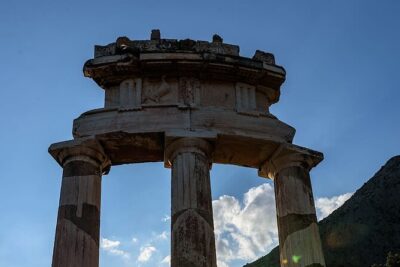
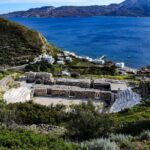
Another highlight on this route is the western fortification wall—something you can still admire even now. Your guide doesn’t treat it like a background object. You’ll get the story of Phylakopi, so the wall starts to make sense in context.
This is one of those moments where a guided tour earns its keep. The difference between reading about a site and hearing it explained is huge. On this stop, you’re not only seeing stone. You’re learning what the stone was meant to do—why it was placed, what it protected, and how that ties back to the importance of the area at the time.
It also helps that the tour is very photo-forward. The stop is built for looking at angles: the way walls sit in the terrain, the way vantage points overlook the surroundings, and the way the light changes how the rock and human structures read in photos.
If you like tours where you come away with “I understand the story now,” this part is where that payoff happens.
Sarakiniko bay: pumice ash moon shores, plus your swim break
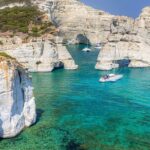
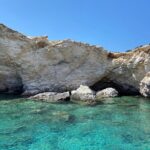
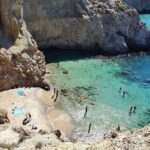
Then comes the moment most people remember: Sarakiniko. The initial reaction is often that surreal, landing on the moon feeling. It happens because the shoreline is made of pumice stone or compacted volcanic ash, which creates that pale, sculpted, crater-like look.
On this tour, you get time to wander and explore the area around the bay. This is where you’ll want to slow down a little. Stand in a few spots and watch how the textures shift as you move. The “moon” look isn’t one flat scene—it’s layered with ridges, shapes, and shadows that make photos work even if you’re not using fancy camera gear.
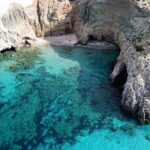
The tour also includes a swim opportunity. The water is described as crystal clear, and you’ll have the chance to cool off during the visit. That’s the practical genius of this tour: it balances dry, rocky geology with a watery reward.
What to consider: Sarakiniko time can feel short. If you’re hoping for a long beach stay, you may end up wishing you had more hours. Still, as a half-day geology tour, it’s a fair trade: you get the signature scenery without committing to a full day out on your own.
Mining Museum of Milos near Adamas: why it turns geology into real life
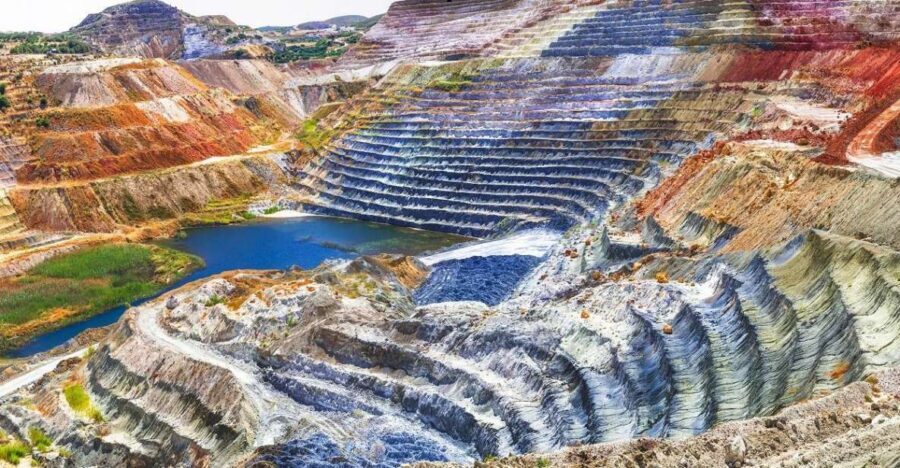
The tour finishes with a visit to the Mining Museum of Milos near Adamas. This is more than a “museum stop between views.” It’s where you see how Milos’ geology changed jobs, tools, and daily life.
The museum is presented as a way to capture the island’s landscape history in a snapshot. That framing matters. You’ve spent the morning looking at rock shapes, volcanic leftovers, and human structures built into the terrain. Now you see the other side: how people made a living from what the island offered.
One of the strongest takeaways for many visitors is the way the museum connects the island’s geology to actual mining on Milos. Even if your interest in earth science is casual, it tends to click here because it’s human-scale. You can walk out feeling like you finally understand what makes Milos more than a photogenic stop.
There’s also a simple value element: museums are predictable. The lighting and crowds are easier to manage than open-water beach time. If you’re traveling in summer or close to peak season, that predictability is worth something.
A few more Milos tours and experiences worth a look

Price and value: is $102 for 3 hours worth it?
At $102 per person for about 3 hours, you’re paying for guided interpretation plus transportation plus pickup/drop-off, with water included. That’s the value equation.
If you want to DIY Milos by renting a car, you can likely build a longer day and control your own beach timing. But you’ll lose the guide’s storytelling and the “connected dots” approach, especially around Phylakopi and how the volcanic features fit into the island’s bigger picture.
The tour can feel pricey to people who specifically want extended beach time at two separate swimming spots. One consideration to keep in mind: this is a geology and scenery tour first. The swim is a bonus, not the main event.
Also, your comfort level with short stops matters. If you like tight routes with quick, high-value stops, this tour’s timing is a plus. If you want unhurried wandering and long swimming sessions, you might prefer a car rental and more flexible pacing.
Overall, I’d call it good value if you’re trying to see the core Milos signatures in a half day without fuss.
Practical tips for the best photos and easiest swim
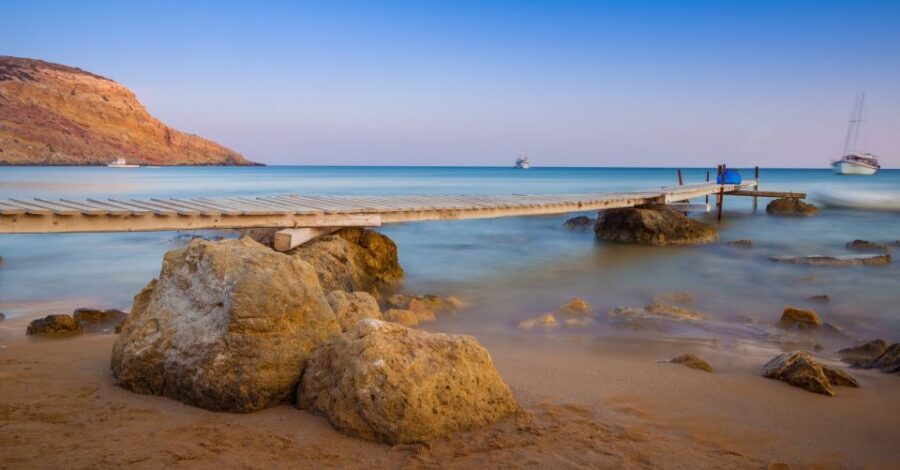
Here’s how to make your 3-hour time feel more relaxed and photo-friendly:
Bring comfortable shoes, not flip-flops. You’ll move around viewpoints and uneven ground at stops.
Pack swimwear and a towel. The tour includes a swim opportunity at Sarakiniko, and you’ll want to dry off comfortably.
Wear comfortable clothes for changing conditions—sun, shade, and short walks add up quickly.
If you’re picky about photos, aim to arrive with your phone/camera charged and a quick way to capture different angles. Sarakiniko rewards moving 10–20 steps at a time.
If you’re snack-minded, plan for the fact that food and drinks aren’t included. Some groups add a treat stop on their own or on the guide’s route suggestions, like local pastries.
One more thing: pickup might not be directly from every hotel. Your exact pickup details come by email, and you’ll want to be at the pickup point about 5 minutes early. That small habit prevents a lot of morning stress.
Should you book the Milos Geology & Volcano half-day tour?
Book it if you want a compact, guided way to understand Milos’ volcanic story and see the island’s signature “moon” shoreline at Sarakiniko—without worrying about driving, parking, or figuring out what to look for. It’s also a great fit if you love tours where you come away with a narrative, not just photos.
Skip it (or consider a different plan) if you’re mainly chasing long beach time, because this route is short by design. You’ll likely leave Sarakiniko feeling like you could have spent more time there—especially if swimming and lounging are your top priorities.
If you’re the kind of traveler who enjoys learning how the place works—why it looks that way, what formed it, and how people used it—this is one of the more efficient ways to get that payoff in a half-day.
FAQ
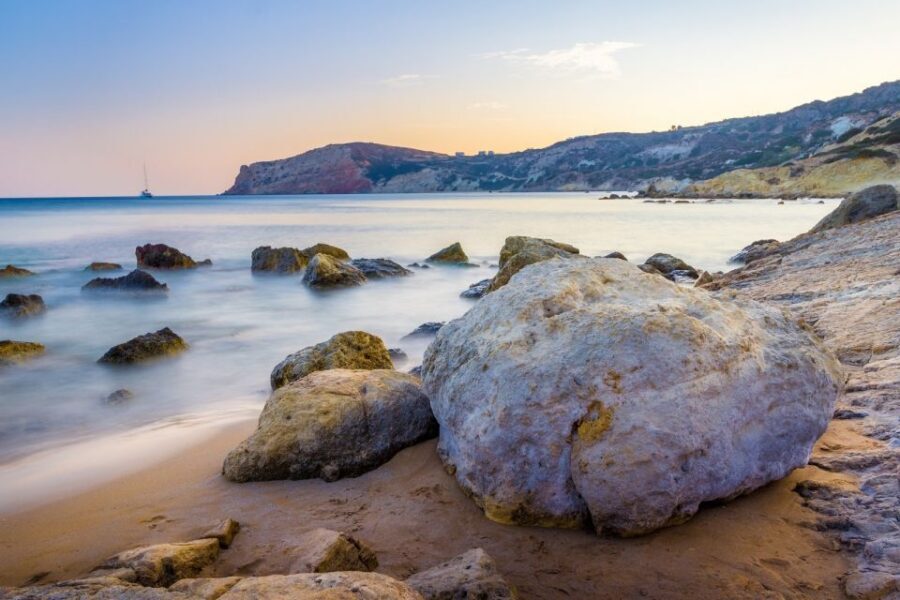
What is the duration of the Milos Geology & Volcano tour?
The tour lasts about 3 hours.
Is the tour guided, and what language is offered?
Yes, it includes a live tour guide, with English-language service.
How do pickup and drop-off work?
Pickup and drop-off are included. You’ll receive an email with the exact pickup details, and pickup might be from a nearby point if your hotel isn’t accessible.
Is air-conditioned transportation included?
Yes. The tour includes an air-conditioned vehicle.
Does the tour include water?
Yes. Water is included, along with maps and information.
Can I swim during the tour?
Yes. The itinerary includes time at Sarakiniko where you can swim in crystal clear waters.
What should I bring?
Bring comfortable shoes, swimwear, a towel, and comfortable clothes.
Are food and drinks included?
No. Food and drinks are not included.
Is there a cancellation policy?
You can cancel up to 24 hours in advance for a full refund.
Can children join the tour?
Children under 2 can join the tour for free.