REVIEW · IONIAN ISLANDS
North Corfu: Olive Tour with Olive Oil Tasting and Mezze
Book on GetYourGuide →Operated by Elaion Private Tours · Bookable on GetYourGuide
Olives here are a way of life. This North Corfu private tour walks you through working groves, then into an early 1900s olive press for an olive oil tasting and Corfiot mezze. You’ll leave with a clearer sense of why olives matter so much to island life.
I especially like how hands-on the experience feels: you’re shown how olives turn into oil, and you finish with food that actually belongs on the table with the tasting. The olive oil segment, led by Jonathan, pairs practical explanations with a real chance to taste and compare. I also like that the meze is built from Corfiot products like olives, bread, and cheese, plus more local bites (and sometimes wine, depending on the day).
The only real drawback to plan around is logistics. There’s no hotel pickup, and the meeting point is in Loutses (about 45 minutes from Corfu Town and the port), so you’ll want your own transport or a reliable way to get there.
In This Review
- Key things to know before you go
- North Corfu Olive Life: What This Tour Teaches You
- Getting to Loutses and Finding the Meeting Point (XATZOS)
- The 2-Hour Olive Grove Walk: Trees, Ecosystem, and Generations
- The Early 1900s Olive Press and Olive Soap Lesson
- Olive Oil Tasting: How to Taste Like You Mean It
- Corfiot Mezze Finish: Olives, Bread, Cheese, and More
- Price and Value at $64: What You’re Paying For
- Who This Tour Suits Best (and Who Might Skip It)
- Should You Book This North Corfu Olive Tour?
- FAQ
- How long is the olive tour?
- What does it cost?
- Is it a private tour?
- Where is the meeting point?
- Is there parking available?
- Is hotel pickup included?
- What language is the tour in?
- What’s included in the tour?
- What will I see and learn during the tour?
- Can I cancel and get a refund?
Key things to know before you go
- Loutses meeting point is easy to miss: you’re opposite the taverna XATZOS, and there’s a sign pointing toward the grove.
- You get family-farm access, including a press from the early 1900s.
- Olive oil tasting comes with context, not just samples.
- Olive soap is part of the lesson, not an afterthought.
- Your 3-hour visit ends with a mezze, built from local Corfiot staples.
North Corfu Olive Life: What This Tour Teaches You
If you think you know olive oil, this is the kind of tour that makes you reset. Corfu’s olive culture isn’t treated like a museum topic here. It’s shown as something living: groves, tools, and food all connected.
What makes the tour feel practical is that it doesn’t stop at production facts. You walk the olive ecosystem with a local guide, see the press area, then taste the oil and eat along with it. By the end, you’re not just smelling oil in theory—you’re connecting taste to process.
The tour also gives you a useful reality check about quality. Olive oil tasting is often sold as a fancy snack. Here it’s presented as a skill: how to notice differences and understand why “good” oil tastes the way it does.
And because it’s a private format, the pace is gentler than the bus-tour rhythm you might be used to. You can ask questions, and the guide can tailor explanations as you move from grove to press to table.
You can also read our reviews of more tours and experiences in Ionian Islands.
Getting to Loutses and Finding the Meeting Point (XATZOS)
You’ll meet in the village of Loutses at Loutses 1, opposite the small taverna XATZOS. The grove area isn’t clearly shown on standard maps, so they provide a sign direction once you’re there. Plan to arrive a little early so you can get your bearings fast.
This matters more than it sounds because there’s no hotel pickup. If you’re staying in Corfu Town or near the port, factor in the drive time: it’s about 45 minutes to the North side.
The good part: there’s free private parking available. So if you’re renting a car or you’re using a taxi for the set time, you won’t be stuck searching for a spot. Just make sure you’re confident navigating to Loutses first, then you can follow the on-site sign toward the olive grove.
If your travel day is tight, I’d build in buffer time. That’s the easiest way to avoid stress, especially if you’re eating lunch later.
The 2-Hour Olive Grove Walk: Trees, Ecosystem, and Generations
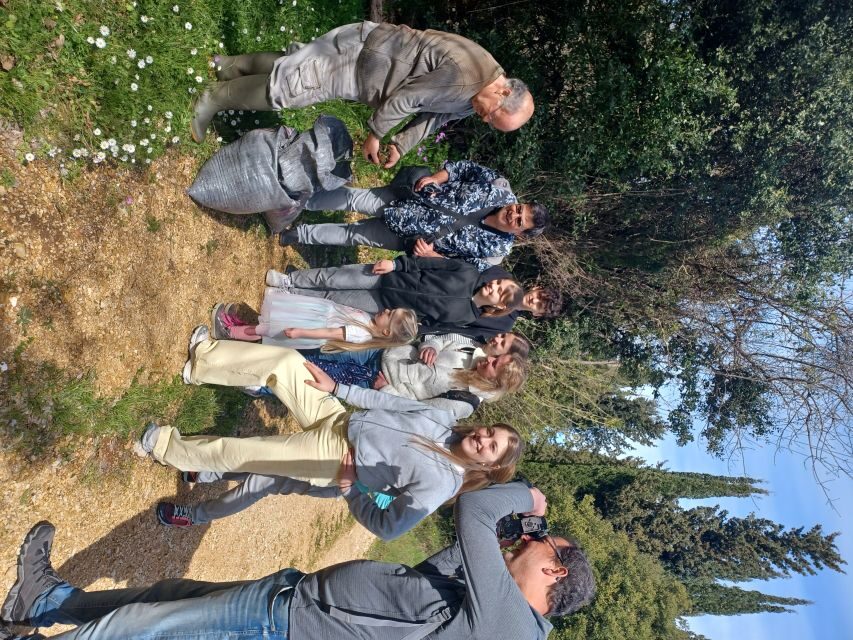
The walk is the heart of the morning (or afternoon). You’ll explore an olive-growing area on foot and learn how the trees have been cultivated through time. The point isn’t just to say olives have been here forever. You get a sense of how the grove environment shapes the crop and the local way of living.
Expect to hear about the olive tree ecosystem and what makes the Corfiot grove feel different from a generic “olive farm” pitch. You’ll see flora and fauna in the area, and you’ll get explanations for what you’re looking at as you go.
You’ll also spend time with the kind of details that don’t show up on a bottle label. There’s mention of an olive tree that has lived through generations, which turns the grove into more than scenery. It becomes a timeline you can walk through.
One practical consideration: this is an outdoor experience in a grove area, so bring sun protection and plan to stay comfortable. You don’t need hiking gear, but you do want footwear that handles uneven ground.
The Early 1900s Olive Press and Olive Soap Lesson
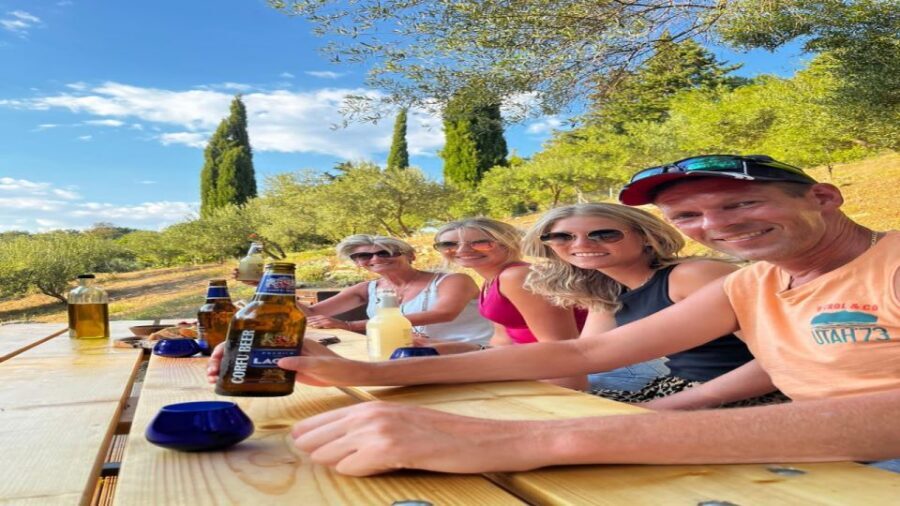
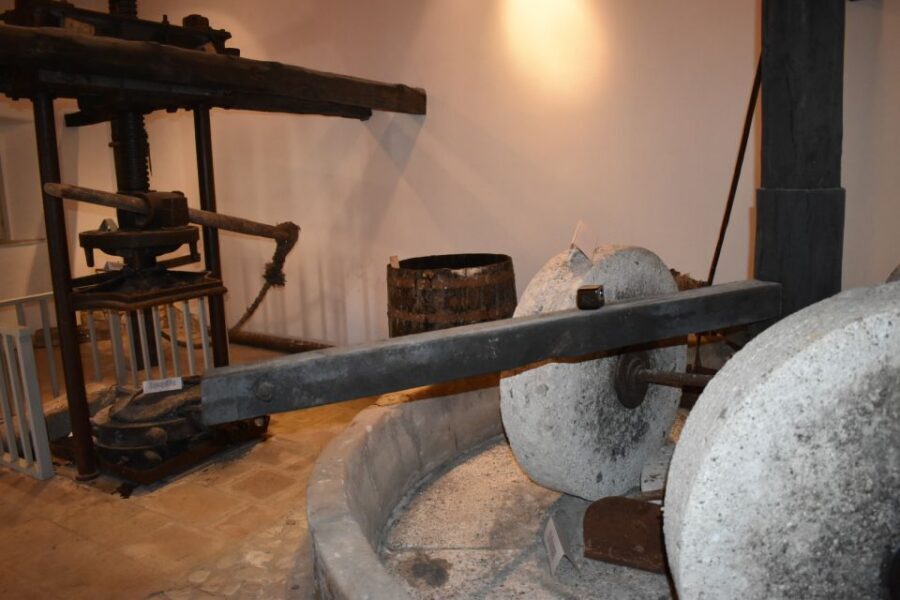
After the walk, you head to a traditional press area in a small village setting. The tour includes exclusive access to the provider’s own olive press, dating to the early 1900s. Seeing an old press in its original context gives you a grounding sense of what “production” meant when there was no modern automation.
What I like about this stop is that it bridges past and present. You’re not only shown tools from another era. The guide explains how production works now alongside how it worked historically, so the story doesn’t feel stuck in the past.
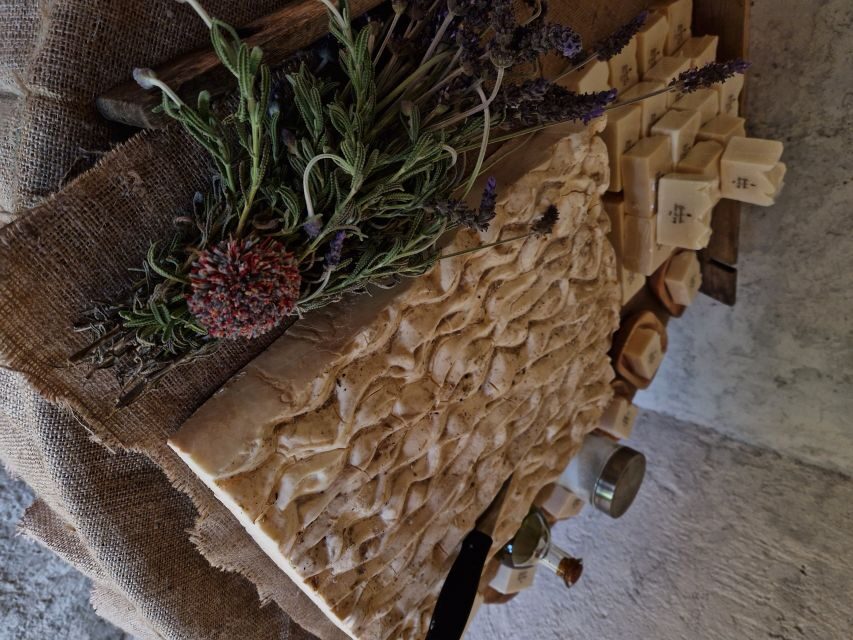
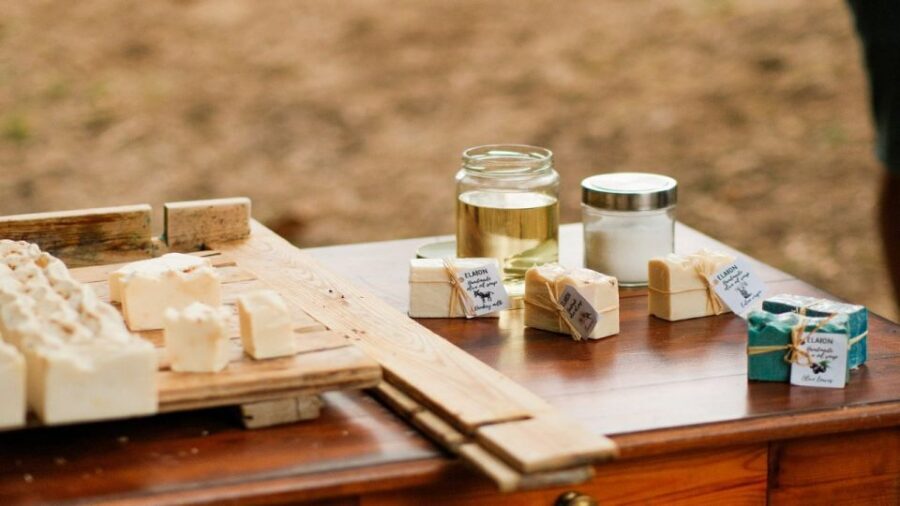
Then comes olive oil soap. Even if you don’t plan to buy soap, it adds a smart layer to the tour. It shows that olives and oil aren’t a single-use product on the island. They link to everyday items and small production traditions.
If you’re the type who enjoys practical processes—how ingredients become products—this is where the tour delivers. You’re learning by seeing, then connecting what you saw to what you taste next.
Olive Oil Tasting: How to Taste Like You Mean It
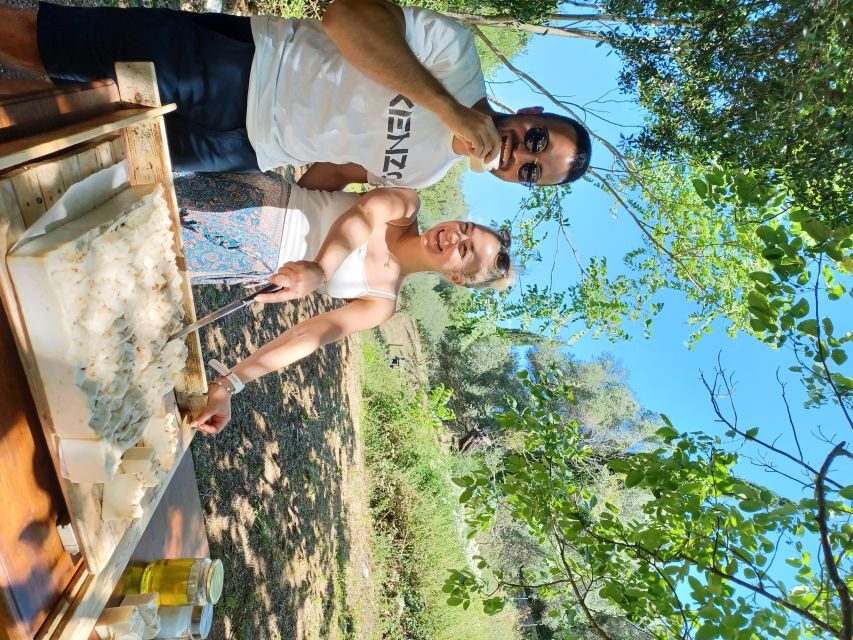
The tasting is more than sampling. It’s structured as an olive oil experience that helps you understand what you’re putting on your tongue.
You’ll taste the oil and pair it with Corfiot mezze, which helps you calibrate quickly. Olive oil doesn’t live alone; it changes how food feels. So tasting with food makes the differences easier to notice and remember.
From what you’re told during the tasting, you’ll come away with a better idea of what sets different oils apart—things like how you can recognize quality by taste rather than branding. People often assume all olive oil is roughly the same. This tour challenges that in a friendly way.
Also, your guide (Jonathan is one of the main hosts you’ll encounter) is clearly passionate about explaining the process in plain language. The best part is that you can ask questions and get answers tied back to what you’re tasting.
One more reason this portion is worth your time: it helps you shop after you get home. You’ll likely pay more attention to what you’re buying and why it costs what it does.

Corfiot Mezze Finish: Olives, Bread, Cheese, and More
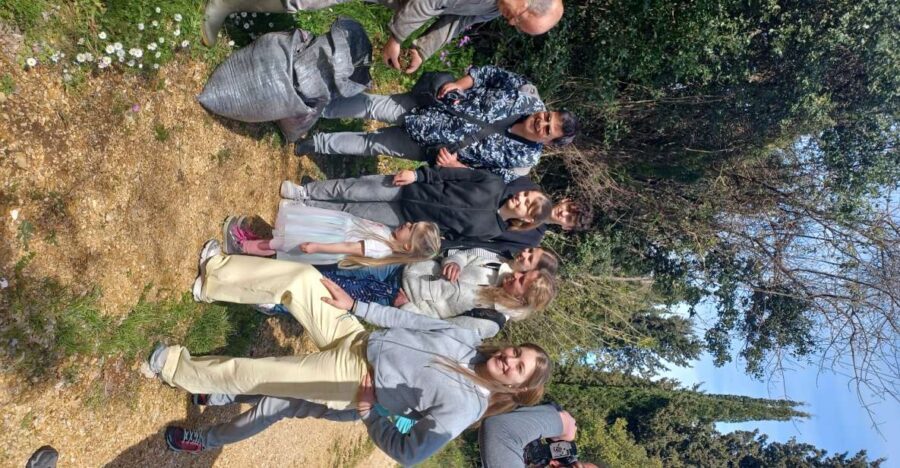
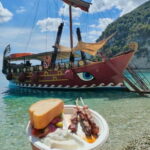
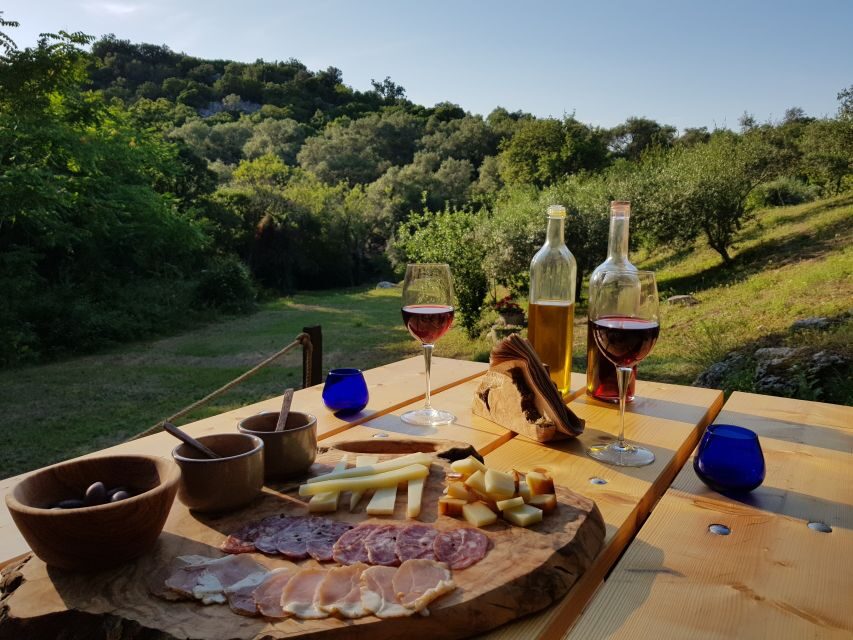
The tour ends with a Corfiot meze featuring local products. The core list includes olives, bread, cheese, and more items from the region. This isn’t an American-style “tour snack.” It’s a proper taste of Corfiot flavors that match the olive theme.
A few specific examples from the experience include bites like dolmadakia and local meats, and local wine may also appear as part of the food tasting portion. The overall effect is that you’re eating in a context that makes sense: oil on the table, then food that knows how to work with it.
If you’re hoping for a meal that feels like something you could eat again—not just a one-time tasting—this is a strong finish. It also means you can plan your day around it. After 3 hours, you may not need a heavy lunch right away, depending on what you eat at the end.
Try to eat slowly enough to notice how the oil changes the flavors of bread and cheese. It’s the simplest way to turn the tasting into something you actually learn.
Price and Value at $64: What You’re Paying For
At $64 per person for about 3 hours, the value depends on what you want from your day. This isn’t priced like a quick “see-and-leave” farm stop. It’s built around time with a guide, access to the press, tasting, and a mezze.
The value sweet spot here is the combination:
- You get private, on-the-ground access to an olive grove and the provider’s own press.
- You get guided explanation, including the olive production timeline and olive soap.
- You get to taste and eat, not just look at equipment.
Some tours give you one of these pieces. This one stacks them into a single visit. For me, that’s where the price starts to feel reasonable: you’re paying for instruction and experience, not only admission.
If you’re comparing options, think in terms of what you’ll walk away with. If your goal is to understand olive oil and buy better oil later, this tour is aiming at that outcome.
Who This Tour Suits Best (and Who Might Skip It)
This tour is a great match if you want an authentic North Corfu experience that doesn’t revolve around crowds. It works well for couples, small groups of friends, and travelers who like food education paired with real places.
It also suits you if you enjoy practical topics. Olive oil tasting, soap-making knowledge, and seeing an early 1900s press in context are the kinds of details that make travel feel grounded.
You might skip it if you only want a scenic stroll and don’t care about food production or tasting. The tour includes explanation and eating, so it’s less “sit back and relax” than a pure sightseeing outing.
And since there’s no hotel pickup, it’s best for travelers comfortable arranging transport to Loutses.
Should You Book This North Corfu Olive Tour?
Yes, if you’re serious about olive oil and you want the experience to be connected—grove to press to tasting to mezze. This is the kind of tour that teaches you how to notice quality, not just what olive oil is.
Book it sooner rather than later if you’re traveling in a busy season, since it’s a private format and timing matters. Before you go, confirm your meeting spot in Loutses and plan your arrival with a buffer so you’re not hunting for the grove sign.
Finally, treat the mezze as part of the lesson. Eat slowly, taste the oil with the food, and ask questions while you’re still in the grove. That’s when the tour clicks.
FAQ
How long is the olive tour?
The tour lasts about 3 hours.
What does it cost?
The price is $64 per person.
Is it a private tour?
Yes, it’s a private tour.
Where is the meeting point?
You meet in the village of Loutses at Loutses 1, opposite the small taverna XATZOS.
Is there parking available?
Yes, free private parking is available.
Is hotel pickup included?
No, hotel pickup and drop-off are not included.
What language is the tour in?
The live tour guide speaks English.
What’s included in the tour?
Included are the guide, the olive mill and press, an olive oil tasting session, and Corfiot mezze.
What will I see and learn during the tour?
You’ll explore the olive grove ecosystem on foot, see an olive press from the early 1900s, learn how olive oil soap is made, and taste olive oil with Corfiot mezze.
Can I cancel and get a refund?
Yes. Free cancellation is available up to 24 hours in advance for a full refund.