REVIEW · ATHENS
Acropolis, Parthenon & Athens Old City Heritage Walking Tour
Book on GetYourGuide →Operated by Key Tours · Bookable on GetYourGuide
The Acropolis makes more sense with a great guide. You get early entry, a wireless audio system so you won’t miss details in the crowds, and a route that stitches the big monuments to Athens’ living old streets. I especially like how the tour pairs landmark stories with clear pacing (Parthenon viewpoints without feeling rushed), and how the Plaka side turns the area into something you can actually walk and picture. One thing to consider: it’s a moderate climb and can be brutally hot in summer.
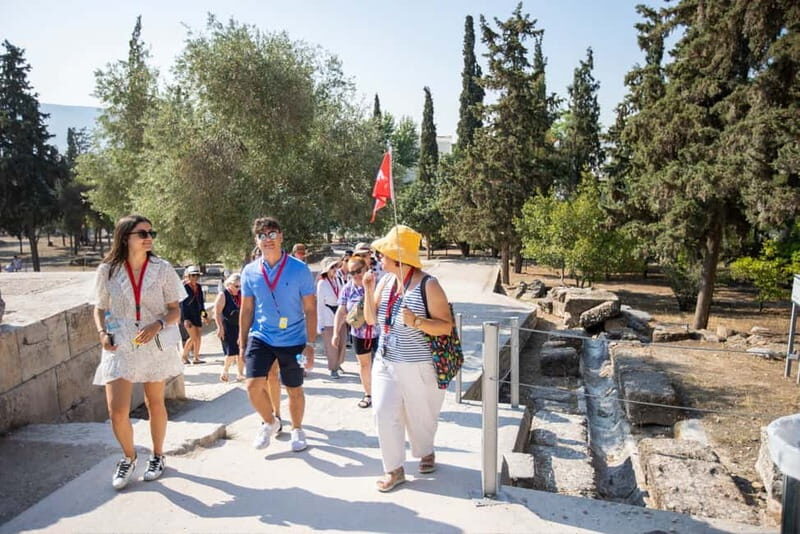
You’ll start at the bottom of the hill, move up through the main sacred path, then head down for Old Athens character. Guides like Panagiota (often called Yoda), Michael, Kiki, and Kostas are repeatedly praised for storytelling, keeping groups together, and making shade breaks when possible. Just plan on comfortable shoes and real sun protection, because this is ancient stone plus modern heat.
In This Review
- Quick take: what’s especially worth it
- Why the early Acropolis start (and audio) changes everything
- Getting to the meeting point and finding your group fast
- Starting on the south slope: Dionysus, drama, and the prelude to the Parthenon
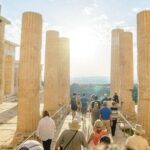
- The ascent route: Propylaea, Athena Nike, and picture-perfect angles
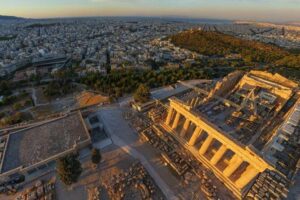
- Parthenon time: guided highlights and smart crowd avoidance
- Erechtheion and the Acropolis architecture you can actually spot
- Anafiotika: when the Acropolis spills into Old Athens
- Heading back down: Roman Forum, Tower of the Winds, and more than one Athens layer
- Plaka cobblestone streets: where the city story sticks
- The guide factor: why some names keep showing up
- Timing, pace, and comfort: the moderate climb reality check
- Tickets and value: what you’re paying for at around $34
- Who should book this Acropolis and Old Athens tour?
- Should you book? My practical take
Quick take: what’s especially worth it
- Early Acropolis access helps you beat some of the worst crush around the key monuments.
- Wireless audio devices keep the narration clear even when the group gets spread out on stairs and overlooks.
- Licensed guide storytelling connects the Parthenon, Erechtheion, and smaller architectural gems into one coherent picture.
- Plaka old-town walk gives you context you won’t get from photos alone, including the Roman Forum area.
- Bathhouse of the Winds / Tower of the Winds stop turns a quick sight into a memorable, atmospheric moment.
Why the early Acropolis start (and audio) changes everything
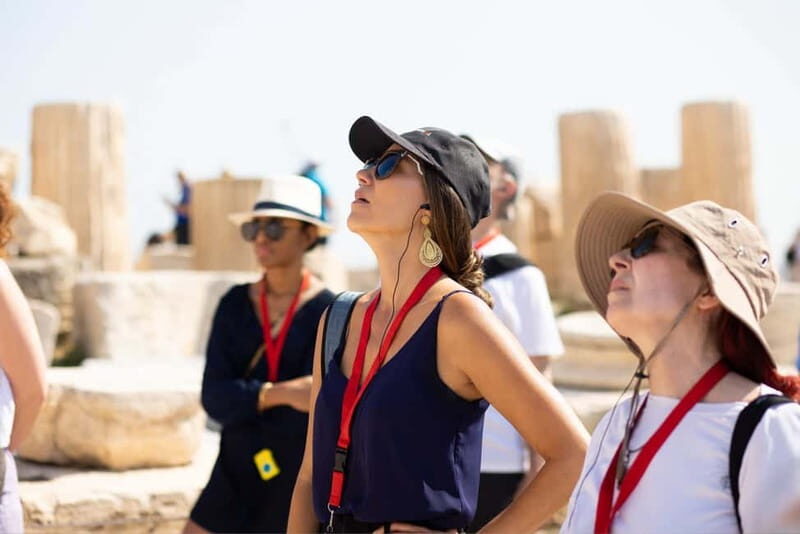
The Acropolis is famous for a reason, but it can also feel like a blur: people pointing, phones up, and the loudest voice winning. This tour fights that problem with two smart choices.
First, you get early access. That matters because the monuments don’t just look better in morning light; the crowd pressure is usually lower, so your guide can keep the group moving with less chaos. Second, the wireless audio makes a huge difference on a walking tour. You’re not forced to stand shoulder-to-shoulder just to hear what matters, and you can still look around while listening.
I also like the way the tour is set up as a “route with reasons,” not a list of stops. You’re guided from the south slope up to the crown jewels, with specific viewpoints and architectural callouts along the way. When you know what you’re looking at, the Parthenon stops being just a picture and becomes a piece of engineering, politics, and religion.
You can also read our reviews of more walking tours in Athens



Getting to the meeting point and finding your group fast
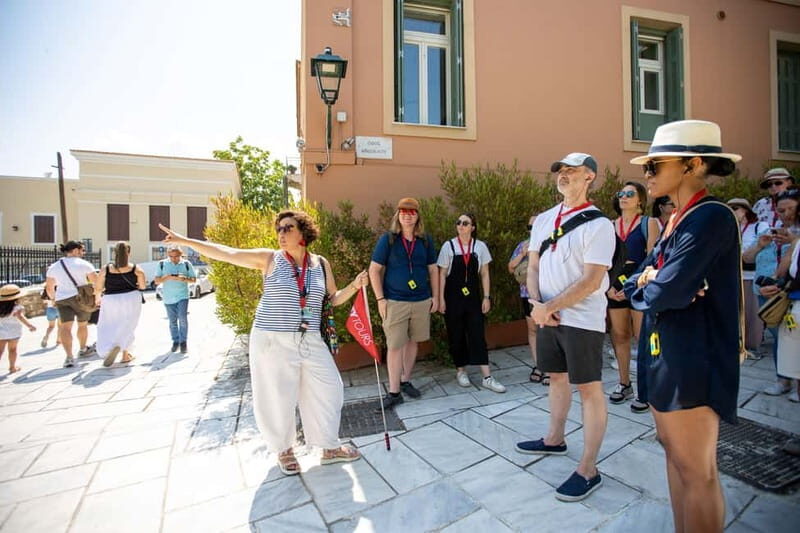
You meet at the Key Tours office (the meeting spot is near the Athens Gate Apt area). In practice, the beginning can feel busy because multiple groups meet and leave around the same time, and there’s often noise from nearby tour buses and general pedestrian traffic.
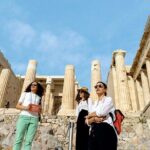
Here’s the practical move: arrive a few minutes early, and once you’re inside the meeting area, watch for your group’s handoff signal rather than waiting for announcements that may be drowned out. One tour guide style that shows up repeatedly is strong group management—people consistently mention guides doing their best to keep everyone together on the climb.
If your goal is a smooth experience from minute one, show up on time, keep your water ready, and don’t wander off to take photos before you’ve met your guide.
Starting on the south slope: Dionysus, drama, and the prelude to the Parthenon
The tour begins on the south side of the Acropolis, where you start not at the Parthenon, but at the cultural stage that helped create Greek drama. One of the first guided stops is the Sanctuary and Theater of Dionysus, often described as the birthplace of ancient drama.
Why this matters: most people walk up the hill thinking the Acropolis is only temples and columns. Starting with Dionysus frames the whole place as a civic and cultural engine. You begin to see how the Acropolis functioned in everyday Greek life—performance, festivals, identity—before you hit the iconic architecture.
You then move through nearby monuments connected to the main route upward, including the Odeon of Herodes Atticus. That name sounds like it belongs on a plaque, but in a guided sequence it becomes more than a label. You get a sense of how public life and stone architecture reinforced each other.
This section is usually your warm-up phase: short walking segments, a guided pace, and an early “okay, now I get it” moment as the guide connects the geography to the stories.
The ascent route: Propylaea, Athena Nike, and picture-perfect angles
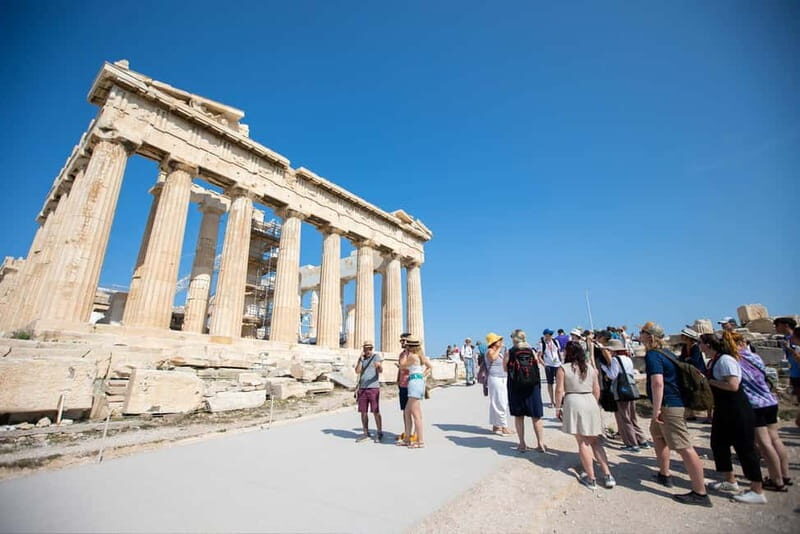
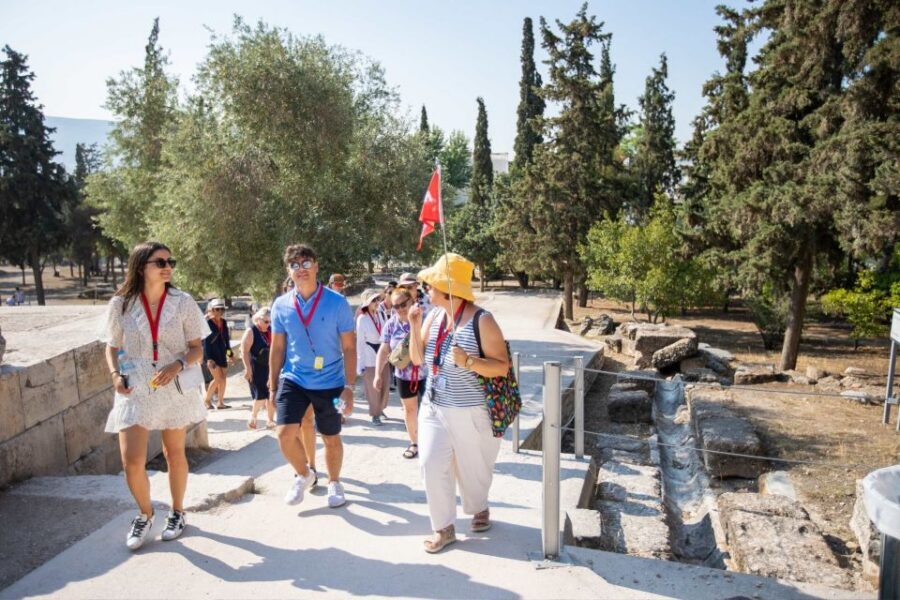
Next comes the classic approach to the Acropolis—the area around the Propylaea (the ceremonial gateway) and the Temple of Athena Nike. These stops are short on time, but big on meaning. The gate is where you feel the shift from regular city street into sacred space. The Athena Nike temple is a reminder that the Acropolis wasn’t just one building; it was a system of meanings.
Expect a guided explanation that helps you “read” the architecture instead of staring randomly upward. You’ll likely get a sense of how positioning, symmetry, and visual lines were part of the message.
And yes, there are likely photo moments. You’ll also get panoramic city views along the historic path—great for pictures, but also useful for orientation. If you’ve never been to Athens before, this is where you start seeing where major neighborhoods and hills sit in relation to the Acropolis.
Parthenon time: guided highlights and smart crowd avoidance
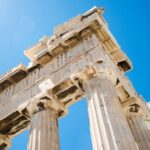
This is the headline stop: the Parthenon. Here’s where a good guide earns their fee.
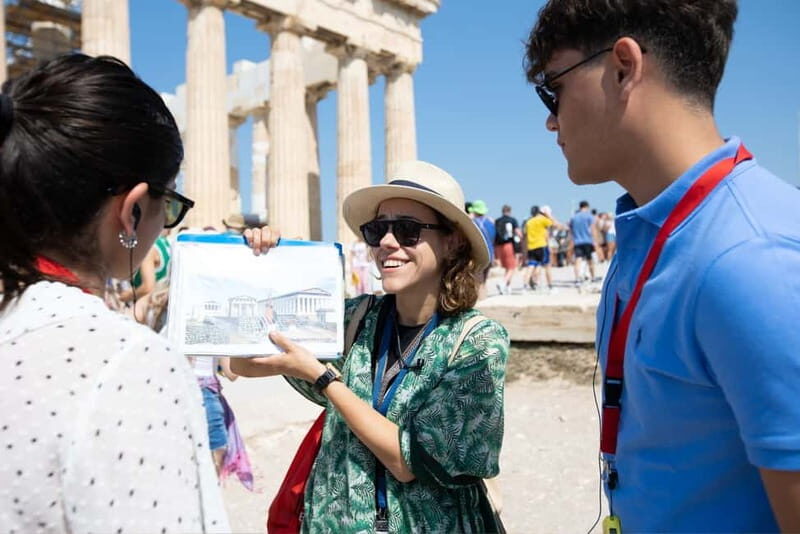
A strong guide doesn’t just explain facts; they point out the right details at the right moment: what you can see, what you can’t see, and why different angles matter. Multiple guides across different languages get praised for this approach—people mention guides keeping the experience story-driven rather than turning it into a barrage of names and dates.
A key practical benefit: early departures and smart positioning can reduce your time trapped in the densest crowd areas right around the monument. Even with the Acropolis always busy, guides can often route you so you aren’t just standing in the hottest, most congested spots.
Your Parthenon segment includes guided time plus an additional free photo block. That mix is important. You get the meaning first, then the chance to take your own time without feeling like you’re holding up the group.
You can also read our reviews of more city tours in Athens




Erechtheion and the Acropolis architecture you can actually spot
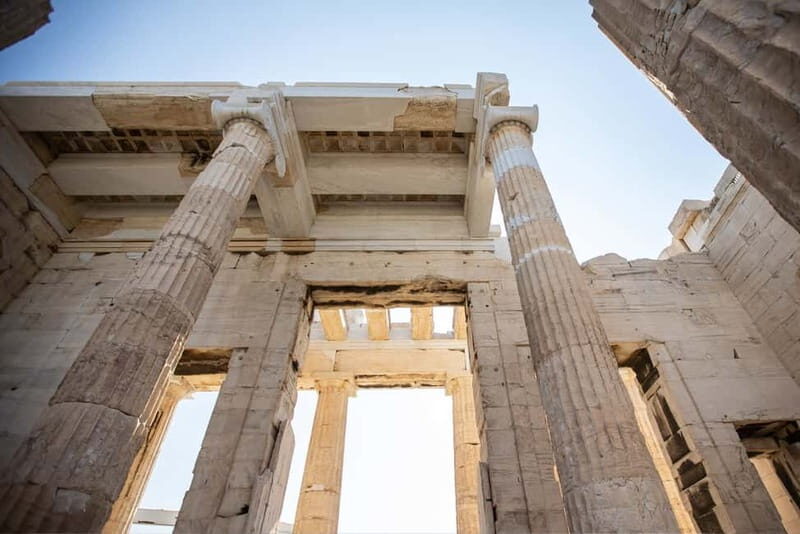
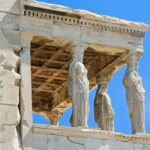
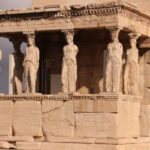
After the Parthenon, you’ll move to the Erechtheion—and this is one of the most enjoyable stops when you have a guide who explains what makes it different.
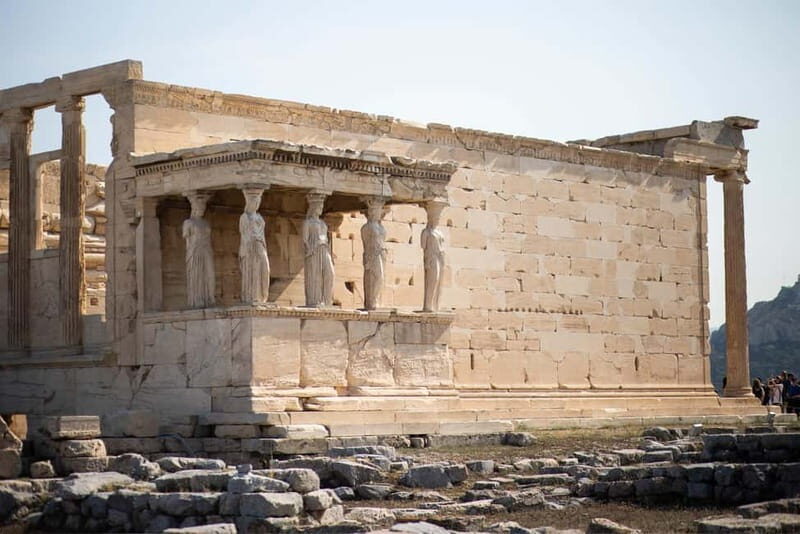
Erechtheion is a reminder that the Acropolis wasn’t designed like one uniform “main temple.” It’s a complex sacred landscape, built and adapted across time. In a guided setting, you’re able to understand why the form and placement feel irregular compared to what people expect from classic Greek architecture.
You’ll get a guided visit and then a photo stop and free time phase to take in the Acropolis from wherever your group is positioned. That free time is valuable because it lets you connect what you’ve just learned to what you’re seeing in front of you—without the pressure of constant movement.
Anafiotika: when the Acropolis spills into Old Athens
As the tour continues, you head toward Anafiotika, the hillside neighborhood that often feels like a postcard tucked into Athens’ stone geography.
This segment tends to be one of the most fun for people who love walking and little discoveries. Because you’re already high up, the streets and viewpoints feel integrated with the Acropolis backdrop. It also helps you transition from “museum mode” back to city life.
A guided explanation here keeps it from becoming just a stroll. You’ll likely get context for what you’re seeing and why this area looks the way it does compared to other parts of Athens. Expect a mix of short walking time, guided storytelling, and time to look around.
Heading back down: Roman Forum, Tower of the Winds, and more than one Athens layer
Then the tour shifts away from the steep stone hill and into areas tied to older civic Athens. The route includes stops such as the Roman Forum of Athens, along with smaller but memorable landmarks like the Tower of the Winds.
This is where the tour earns its value beyond a basic Acropolis visit. Athens has layers, and without guidance it’s easy to feel like you’re bouncing between unrelated ruins. With a guide, the stops start to connect: sacred hill, public spaces, then the old-town network below.
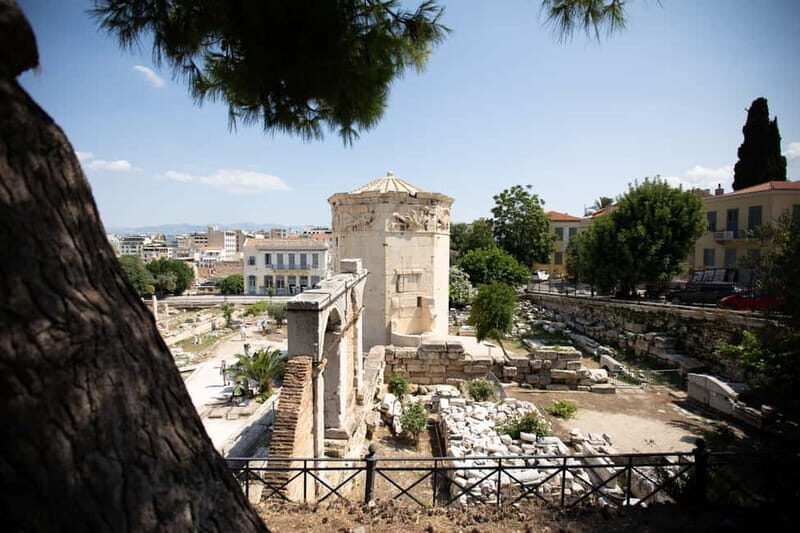
The Tower of the Winds and the adjacent Bathhouse of the Winds (often called the last surviving public baths in this experience) are a great example. A lot of tours treat ancient Athens like it only consisted of temples. Here you’re reminded of everyday life—water, comfort, routine. Even if you’re not a “baths person,” the story makes the stop feel human.
Plaka cobblestone streets: where the city story sticks
After you reach the old-town area, the tour highlights Plaka’s cobblestone streets, Athens’ historic neighborhood. This portion is less about single monuments and more about the texture of the city: lanes, views, and the feeling that you’re walking through an old Athens living map.
You’ll also pass by or near major points of interest tied to the city’s historical overlay, including Hadrian’s Library, and you’ll see landmarks connected to various eras and faith communities along the way.
The best part of Plaka on this kind of tour is that it stops being a generic “Old Town” experience. With a guide connecting what you see to earlier Athens themes, Plaka becomes the landing place for the history you just climbed for.
If you only have one day (or limited time) in Athens, this segment is a strong reason to choose this tour over the shorter Acropolis-only options.
The guide factor: why some names keep showing up

The tour’s quality depends heavily on the guide, and the good signs are consistent: clear English or Spanish delivery, strong group handling, and story-driven explanations.
You’ll see names like Michael, Kiki, Julia, Evri, Demetrios, Kostas, and Yolanda repeatedly associated with praise for keeping groups together, handling heat by finding shade, and maintaining energy through humor or performance. Some guides even add memorable flourishes—singing, for example—without turning the tour into a gimmick.
Also pay attention to one practical thing: several people mention how easy it is to hear directions thanks to the earpieces. On an Acropolis climb, that’s not a small detail. It’s what keeps you from getting separated and guessing at where you’re supposed to be next.
Timing, pace, and comfort: the moderate climb reality check
Duration is about 210 minutes (3.5 hours). That’s a good length: long enough to hit the key monuments and still cover meaningful old-town highlights, but short enough that you’re not stuck wandering all day.
Still, this is marked as moderate difficulty. The ascendance to the Acropolis, especially in summer, demands real physical effort. If you’re going in peak heat, your best friend is your plan: water, sun hat, sunglasses, and comfortable shoes with grip.
You might also want to take shade breaks seriously. Guides are often praised for finding shade when possible, but the Acropolis itself can be exposed, and you’ll still feel the sun. Going early is a common winning strategy for comfort.
One small logistics consideration: the very beginning can be a bit hectic, with multiple groups moving at the same time and limited space to gather. Once you’re started, most people report the tour becomes organized and easy to follow.
Tickets and value: what you’re paying for at around $34
At $34 per person, you’re paying for more than access. You’re paying for:
- a licensed guide who connects the site into a story,
- early Acropolis access (less crowd pain),
- audio devices for clear listening,
- and a structured route that includes Plaka and additional historic stops.
You may also get an entrance ticket included depending on the option you pick. If entrance tickets aren’t included, you’ll need to buy them in advance for your time slot before joining the group.
There’s also a free-admission rule for certain EU citizens under 25 and non-EU citizens under 18 that requires securing a free ticket online with timed entry. If that applies to you, plan ahead because timed slots aren’t guaranteed at the last minute.
All that said, this is still a solid value choice if you want the most sense out of limited time. An Acropolis visit without a guide is workable if you love guidebooks and museum-style reading. If you want the site explained while you walk and look—this price is often fair.
Who should book this Acropolis and Old Athens tour?
This tour is a great fit if you:
- want context for major monuments like the Parthenon and Erechtheion,
- like walking tours that connect ruins to real neighborhoods,
- want the clarity of wireless audio, especially in crowded areas,
- and care about seeing more than just the Acropolis hill.
It may not be for you if:
- you have mobility constraints. The route includes a significant climb and is not suited for wheelchair users and people with mobility impairments.
- you’re looking for a laid-back, minimal walking day.
If you’re traveling solo, this is still a strong option because the guide keeps the narrative and the group direction clear—though you’ll want to stay alert in the initial meeting scramble.
Should you book? My practical take
Book it if you want the Acropolis to feel understandable, not just impressive. The combination of licensed guiding, audio devices, early entry, and a linked Old Athens walk (Plaka plus stops like the Tower of the Winds/Bathhouse of the Winds) is the difference between “I saw it” and “I get it.”
Skip it only if your priority is purely free-roaming time on the Acropolis grounds, or if the climb is likely to be too much for you in your travel dates.
If your day is tight and you want maximum meaning per hour, this is the kind of tour that makes Athens stick.