REVIEW · MACEDONIA
Olympus Rock Climbing Course and Via Ferrata
Book on Viator →Operated by Xtremeway Outdoors Ltd · Bookable on Viator
Steel cables, climbing knots, and mountain views in one trip. This half-day rock climbing course on Mt. Olympus mixes hands-on instruction with via ferrata style routes, so you’re not just sightseeing—you’re learning how to move safely on real rock.
Two things I love about this experience are the calm, safety-first coaching (including proper rope work and anchoring) and the way it’s paced for a small group, max 8 people. It also includes photos and video, which helps you remember the hard bits and the big views without hunting for your own shots.
One consideration: weather can change the feel of the rock. In cold or snowy conditions, you may find slippery surfaces, so wear the right layers and be ready for slower, more careful climbing.
In This Review
- Key takeaways before you go
- Rock climbing and via ferrata at Mt. Olympus: what you’re really signing up for
- The safety system: helmets, harnesses, and instructors who keep things under control
- Getting there and your half-day rhythm: 12:30 start and a river-side climbing field
- Beginners course: via ferrata, abseil, and a top-rope confidence boost
- Via ferrata intro
- Abseil (rappelling) practice
- Easy top-rope climb
- Level 1: climb with a partner—knots, belaying, and rope management
- Level 2: quickdraw leading and an introduction to multi-pitch thinking
- Price and what you actually get for $130.19 per person
- The value trick: transfers and the guide
- The one catch: plan for shoes and food
- What to pack and how to dress for real Olympus weather
- Who should book this course (and who might want a different option)
- Should you book Olympus Rock Climbing Course and Via Ferrata?
- FAQ
- What is the duration of the Olympus Rock Climbing Course and Via Ferrata?
- Where does the activity take place?
- What time does the tour start?
- Is pickup included?
- Do I need prior climbing experience?
- What safety gear is provided?
- Are climbing shoes included?
- What levels are available?
- How big are the groups?
- Is the activity weather-dependent?
- What if I need to cancel?
Key takeaways before you go
- Small-group instruction (max 8): more hands-on feedback and less waiting around.
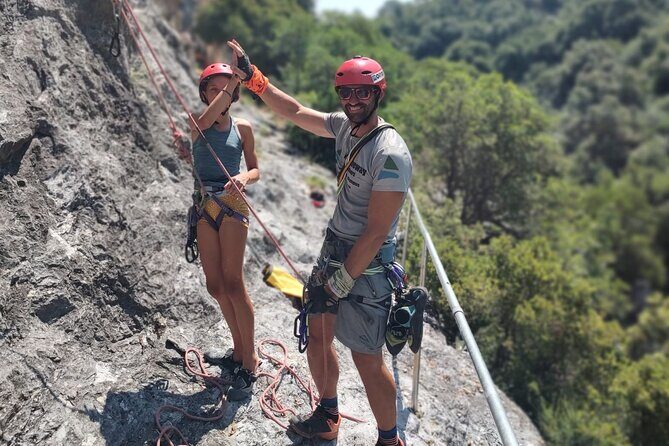
- Safety gear included: helmet and harness are provided, so you can focus on learning.
- Choose your level: Beginners, Level 1, and Level 2 each teach a different set of core skills.
- Via ferrata + abseil for Beginners: you’ll try real “exposure” movement early, in a controlled way.
- Shoes cost extra: climbing shoes are available for rent (+15€), so plan for that.
Rock climbing and via ferrata at Mt. Olympus: what you’re really signing up for
If you’ve ever watched a via ferrata route and thought, I want to do that but I don’t know how, this course is built for you. You’re in the Mt. Olympus area of Macedonia, Greece, and the whole point is skill-building: equipment use, safe rope habits, and how to actually climb instead of just hanging around the base.
This isn’t a “touch the rock and take a photo” type of outing. The structure is clear by level. Beginners starts with via ferrata and an intro to rappelling (abseil), then moves toward a gentle top-rope climb. Level 1 shifts you toward partner climbing basics. Level 2 is where you start leading and learning the concept of multi-pitch planning.
And because it’s a half-day format (about 4 hours), it works as an active add-on to a broader Mt. Olympus itinerary. It also keeps the day from ballooning into an all-day commitment—useful if you have family plans, a rental car schedule, or you just don’t want your “big day” to be 8 to 10 hours.
You can also read our reviews of more tours and experiences in Macedonia.
The safety system: helmets, harnesses, and instructors who keep things under control
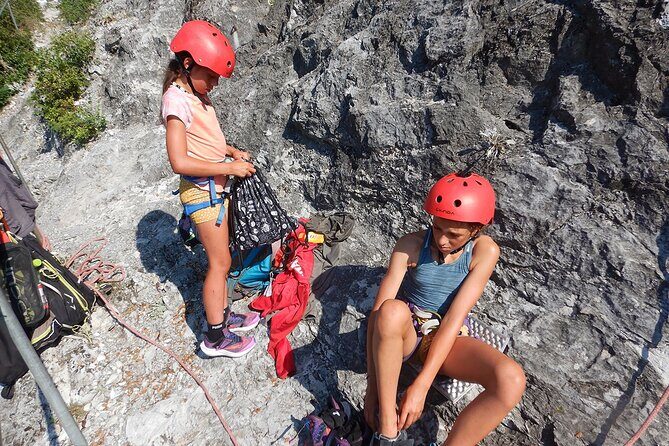
At first, climbing can feel like pure nerves. The fix is procedure. This course leans hard on safety habits you can carry to any future climb.
You’ll be given the safety basics: a harness and helmet. Shoes are not included, but rental shoes are available (+15€), and that small detail matters because climbing footwear changes everything about friction and comfort. The guide team then teaches you how to connect properly, how ropes are managed, and how belaying works in practical terms—not just theory.
The guide names you’ll want to know are Thomas (frequently mentioned) and also Kosthos and Dionysos. Across the coaching style, the common thread is focused instruction and a relaxed pace once you’re tied in and ready. One of the big wins here is that small-group size gives you time to get your questions answered while the team is still watching you.
If you’re the type who gets anxious, that matters. Instructors who stay sharp about safety reduce the mental load. You spend less time wondering if you’re doing it right and more time learning the movement and the system.
Getting there and your half-day rhythm: 12:30 start and a river-side climbing field
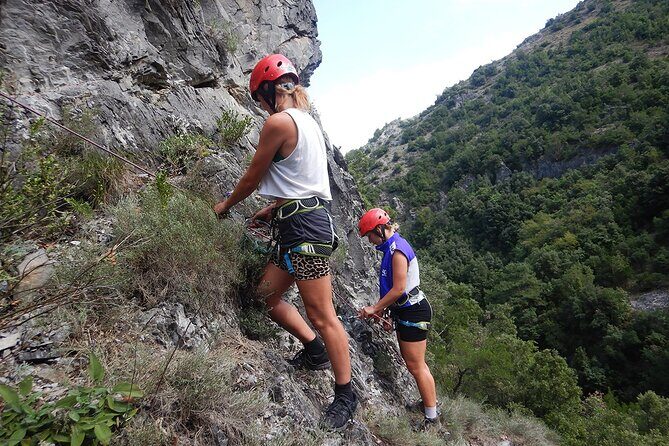
Your day starts with a meeting at 12:30 pm. If you’re using pickup, this includes transport options like the Train Station of Larisa, Neoi Poroi, and Leptokarya Litochoro, plus hotel pickup for selected hotels. The tour also runs as a round-trip private transfer, so you’re not stuck figuring out local logistics mid-adventure.
From there, the timing follows a simple pattern:
- Meet the team and prep equipment.
- Start with a short hike to the climbing area.
- Begin instruction and climbing practice near the river.
That hike-to-site step is more than scenic padding. It’s your transition time—gear checks, a warm-up for your legs, and an opportunity for the guide to brief the next phase while everyone is together. Plus, the site is next to a refreshing river, which can be a relief if it’s a warm day in the Olympus foothills.
The tour includes a stop named Agia Kori, so expect the day’s flow to be centered around that Olympus-area start point and then onward to the climbing field.
Beginners course: via ferrata, abseil, and a top-rope confidence boost
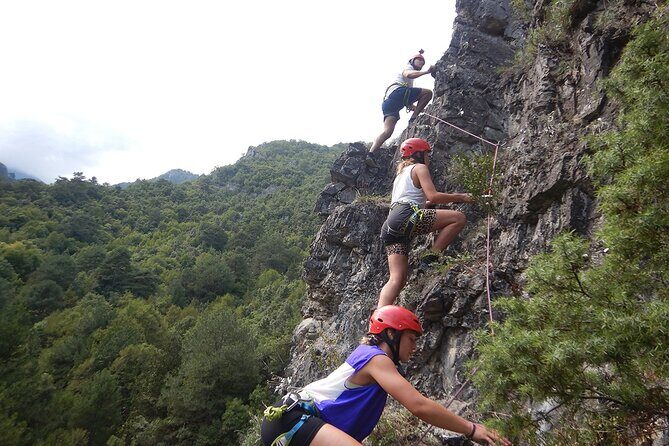
If you’ve never climbed before, the Beginners track is where you learn the “how” without being thrown into chaos. The course is designed to give you meaningful exposure to real climbing systems while staying at an appropriate difficulty level.
Via ferrata intro
You’ll begin with via ferrata. In plain terms, a via ferrata uses a fixed line (like steel cables) to help you stay protected as you move along the route. That support is exactly what lets a first-timer focus on movement, balance, and technique rather than panic.


Abseil (rappelling) practice
Beginners also includes abseil. This is usually the moment when people realize climbing isn’t just about “going up.” Descending safely is part of the skill set, and doing it with instruction keeps it from becoming scary luck.
Easy top-rope climb
After the via ferrata and rappel intro, you’ll shift into an easy top-rope climb. This is where confidence comes from repetition with the anchor and belay system. You learn how the rope setup supports you and how your actions affect the system.
If you’re curious about the “scary parts” of via ferrata, Beginners is the best way to try it. You still get thrill, but it’s controlled. You’re learning a method, not just following a cable.
Level 1: climb with a partner—knots, belaying, and rope management
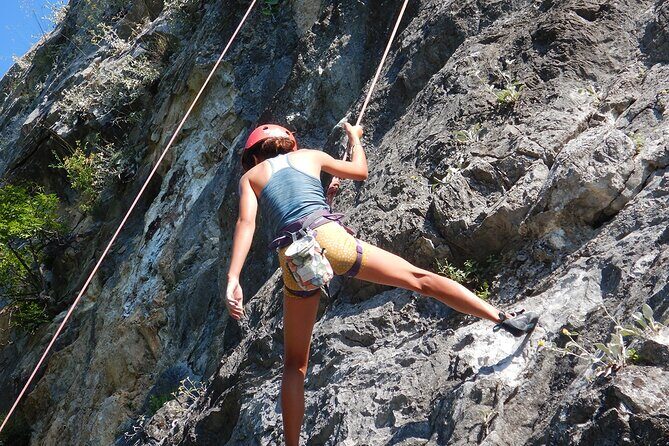
Level 1 is for you if you want to go beyond the first thrills. Here, the course focuses on the core team skills you’ll need for partner climbing.
The curriculum includes:
- Basic knots
- Belaying basics
- Rope management
- Climbing gear use
- Master points (the idea of where your protection points come in)
What this means for you in real life is that you stop feeling like climbing is something that happens to other people. You start understanding how rope systems work: where the rope goes, what the belayer does, and how communication and setup keep you safe.
You’ll also climb with your partner, which is a big part of why this level is so valuable. Even in a short course, learning “how two people work together” can be the difference between being a passive participant and becoming a climber.
Level 2: quickdraw leading and an introduction to multi-pitch thinking
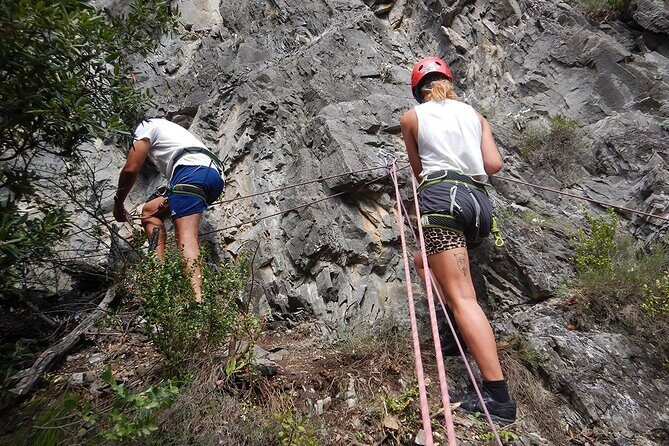
Level 2 is the step up. It’s for you if you’ve already got the idea of rope basics from somewhere else—or if you did well in the Level 1 style skills and want more challenge.
This course includes:
- Preparing the master point
- Leading climb using quickdraws properly
- Introduction to multi-pitch concepts
The key phrase here is leading climb. Quickdraw leading is where you start placing protection with intention instead of relying entirely on a fixed setup. You learn the mechanics and the discipline of not rushing.
Then there’s the introduction to multi-pitch. You don’t need to plan an entire multi-day climb from scratch in a half-day lesson, but you should leave with a mental map of how longer routes are structured. That’s the kind of knowledge that pays off later when you book a longer climb.
Price and what you actually get for $130.19 per person
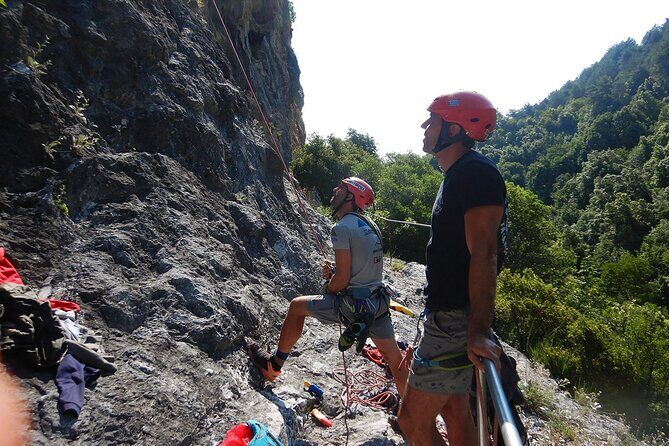
At $130.19 per person for about 4 hours, this is positioned as a skill course with real support. When you compare that to paying for gear rentals plus a guide plus park access, the value starts to make sense quickly.
Here’s what’s included:
- Round-trip private transfer
- National Park fees
- Professional guide
- Helmet and harness
- Hotel pickup/drop-off for selected hotels
- Photos and video
And here’s what costs extra:
- Climbing shoes (+15€)
- Snacks
- Lunch
The value trick: transfers and the guide
The hidden cost in a lot of outdoor experiences is the “getting there” piece. You don’t want to waste your energy coordinating buses or finding trailheads after gear pickup. This option handles the transport and park fees, so your money goes into the actual climbing day.
The one catch: plan for shoes and food
If you don’t bring shoes, budget the +15€. And since snacks and lunch aren’t included, eat before you go or bring something small if you prefer. Running your body on low fuel while learning belaying and rappelling is not the fun version.
What to pack and how to dress for real Olympus weather
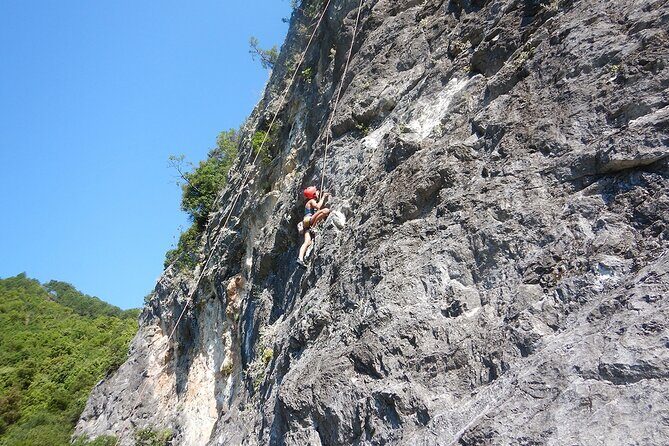
The course operates in all weather conditions, but it also requires good weather—so you should expect the team to adjust plans for safety. In practice, that means you should dress like the mountain is in charge.
Pack for cold and wet, not just for sunny photos:
- Layers (so you can manage temperature changes)
- Something with grip for slippery spots
- A rain layer if storms move in
- Comfortable clothes for climbing movement
The practical takeaway from guide responses is that conditions can make the rock feel more sketchy—like when snow leads to slippery surfaces. You can’t control weather, but you can control how ready you are to move carefully.
Also: shoes matter. If you rent, get your size right. If you bring your own, make sure they fit well enough that you’re not thinking about your feet during technical rope and climbing moves.
Who should book this course (and who might want a different option)
This is best for you if:
- You’re new to climbing and want a structured first experience
- You want via ferrata and rappel skills without guessing
- You like getting personal coaching and not just following a group
- You want to return from Greece with both memories and technique
It also works well for active travelers who are already doing hiking around Olympus and want one day that feels more technical.
You might want to consider another option if:
- You’re looking for a pure sightseeing trip with zero risk exposure
- You don’t want to pay extra for climbing shoes
- You’re short on time and can’t handle a midday start at 12:30
The minimum age is 10, so it can work for older kids with adult supervision, as long as the child is ready for harness work and instructions.
Should you book Olympus Rock Climbing Course and Via Ferrata?
I’d book it if your goal is to learn how climbing systems work in a short, guided format. The small-group size, the included harness and helmet, and the focus on rope fundamentals make it feel like a real course, not a thrill ride.
The photos and video package is a nice bonus, especially if you want a clean record of your setup and technique without setting up your own camera every time you move. And the fact that the course splits into Beginners, Level 1, and Level 2 helps you choose the level that matches your comfort.
Just go in knowing that conditions can change. If it’s cold or snowy, you’ll need patience and careful movement. If that sounds fine, you’ll likely love the balance of nerves, learning, and payoff views.
FAQ
What is the duration of the Olympus Rock Climbing Course and Via Ferrata?
The tour runs for about 4 hours.
Where does the activity take place?
It’s in Macedonia, Greece, near Mt. Olympus, with the route featuring a stop at Agia Kori and a climbing field accessed by a short hike.
What time does the tour start?
The meeting time is 12:30 pm.
Is pickup included?
Yes. Round-trip private transfer is included, and hotel pickup/drop-off is offered for selected hotels. Pickup details include the Train Station of Larisa, Neoi Poroi, and Leptokarya Litochoro.
Do I need prior climbing experience?
No. The Beginners course is designed for participants with no prior climbing experience.
What safety gear is provided?
You receive a helmet and harness.
Are climbing shoes included?
No. Climbing shoes are available for rent for an extra 15€.
What levels are available?
You can choose Beginners, Level 1, or Level 2.
How big are the groups?
The maximum group size is 8 travelers.
Is the activity weather-dependent?
It operates in all weather conditions, but it does require good weather. If it’s canceled due to poor weather, you’ll be offered another date or a full refund.
What if I need to cancel?
You can cancel for a full refund if you cancel at least 24 hours before the experience’s start time.
If you tell me which level you’re considering (and your comfort with heights), I can help you pick the track that fits you best.