REVIEW · SKALANI
Premium Crete Olive oil tasting, Wine, Raki and Cretan food!
Book on GetYourGuide →Operated by creta maze · Bookable on GetYourGuide
Your day in Crete tastes better.
This private 5.5-hour experience takes you beyond souvenir stops into Cretan food and drink culture—olive oil at an actual mill, then wine with professionals, then raki traditions in a traditional setting. I especially like how it’s built for real interaction, not a rushed loop of “look and leave.” Two standouts for me are the olive oil tasting with a production visit and the feeling that the day moves at a comfortable, human pace with a friendly driver-guide (I’ve seen names like Sotiris and Vagelis come up). One consideration: since it includes multiple alcohol tastings, plan to keep the day relaxed and don’t schedule anything serious right after.
You’ll spend the first part of the day learning how pure virgin olive oil is made and why the taste is so tied to how it’s processed. Then you’ll head to a winery for a structured tasting of six wine varieties, with guidance from sommeliers, before ending with raki distillation tradition and village snacks. It’s a premium outing, so if you’re mainly after beach time or big famous sights, this may feel more focused than you need.
In This Review
- Key highlights worth planning around
- A half-day of Crete flavors, from Skalani mills to village plates
- Getting picked up in comfort: the 5.5-hour flow
- Skalani olive oil mill: learn the process, then taste the difference
- Winery stop: six wine varieties with real guidance
- Traditional village and kazani raki: seeing how raki tradition works
- Food and snacks: the part people remember after the alcohol
- Price and logistics: what $165 per person buys you
- Who should book this Crete olive oil, wine, and raki experience?
- Practical tips to get the most from olive oil and tastings
- Should you book this Crete tasting experience?
- FAQ
- How long is the Crete olive oil, wine, and raki experience?
- Is this a private tour or a shared group?
- What’s the meeting point for pickup?
- What languages are the live guides available in?
- What does the price include?
- What is not included in the price?
- Is this tour wheelchair accessible?
- What should I bring for the tour?
- Is there free cancellation, and how far in advance can I cancel?
Key highlights worth planning around
- Skalani olive oil mill with guided facilities tour and tasting
- Six-wine winery session guided by professional sommeliers
- Raki distillation tradition with a visit to a traditional kazani
- Traditional village time for spirits, sightseeing, and local snacks
- Hotel pickup plus A/C vehicle so you stay comfortable in the heat
- Breakfast and snack included to keep your energy steady for tastings
A half-day of Crete flavors, from Skalani mills to village plates
This is the kind of Crete day that feels like someone opened the right doors. You start with olive oil at the source, then move into wine, then raki and food. The overall theme is simple: Cretan hospitality is stronger when you understand what you’re tasting.
I like that the experience is private. That means you can ask questions and get explanations in plain language, not just hear a script while looking at the back of other people’s heads. And the timing is built for a full sensory day—tastes, smells, and short walks through working places and local neighborhoods.
Because it’s a tasting day, you’ll also want to treat it like one: dress for sun, take it slow, and leave room to chat with the people who make the products.
You can also read our reviews of more food & drink experiences in Skalani

Getting picked up in comfort: the 5.5-hour flow
You’ll meet at your hotel lobby at the indicated time, then ride in an air-conditioned luxury vehicle. The drive segments are short (think about 15 minutes between main stops, plus a longer transfer near the end), which helps the day feel smooth rather than like a marathon of road time.
This is practical if you’re visiting in hotter months. You get a comfortable pause in the van between stops, and there’s Wi‑Fi onboard, plus bottled water included. Also, you’re not stuck trying to coordinate local transport or getting lost trying to find places like a mill or a kazani.
One small reality check: it’s not a wheelchair-friendly outing. If mobility is a concern, you’ll want to choose a different style of tour that fits your needs better.
Skalani olive oil mill: learn the process, then taste the difference
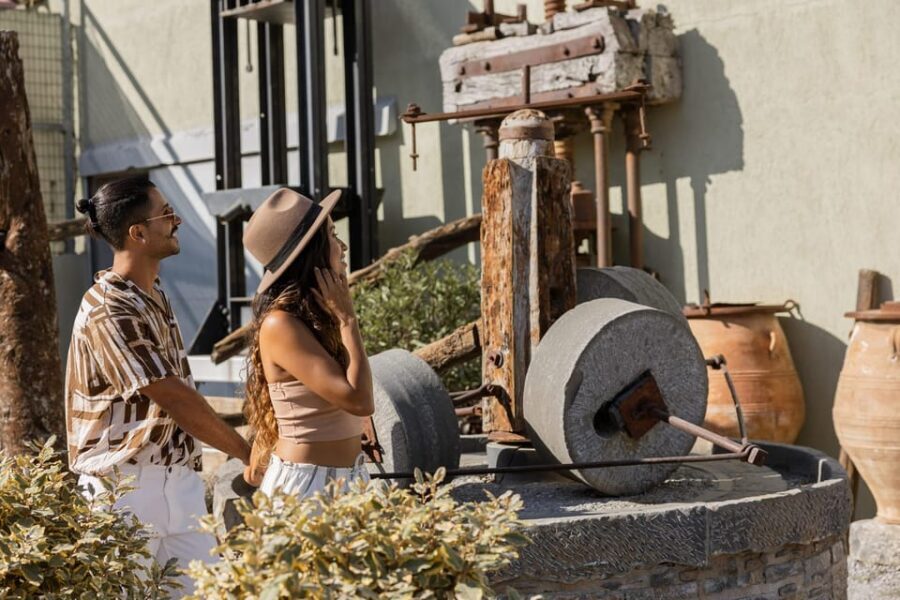
The day kicks off around Skalani, where you’ll have time for a guided tour of an olive oil mill and a focused tasting. You’re not just smelling oil for fun. You learn how Cretan pure virgin olive oil is produced—what’s done today and what was done in earlier times—and how the production process helps preserve nutritional value.
That last part matters more than it sounds. When you understand the chain from harvest to pressing to handling, the tasting becomes less random. You start noticing what quality means on your palate: the balance, the freshness, and that unmistakable Cretan character you can’t fake with lower-grade oil.
You’ll also have time for shopping and local snacks, plus a bit of self-guided wandering. That mix is useful. The guided portion gives you the meaning. The self-guided time lets you slow down and look at what grabbed you during the tasting and talk.
Why you’ll probably love this stop:
- The tasting is tied to the production tour, so it clicks fast.
- You get an authentic setting, not a staged demonstration.
- You can buy bottles if you find flavors you truly like.
Possible drawback:
- If you’re not into food education and you’d rather just taste, plan for the “learn first, taste next” pacing. It’s part of the value.
Tip: Wear sunglasses and sunscreen. Your eyes and skin will thank you, especially before you reach the next outdoor village time.
Winery stop: six wine varieties with real guidance
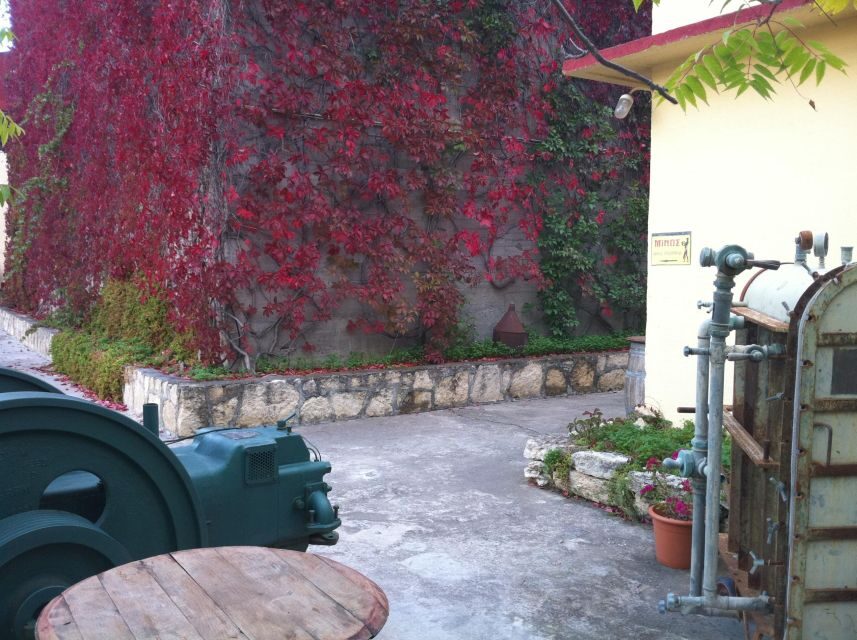
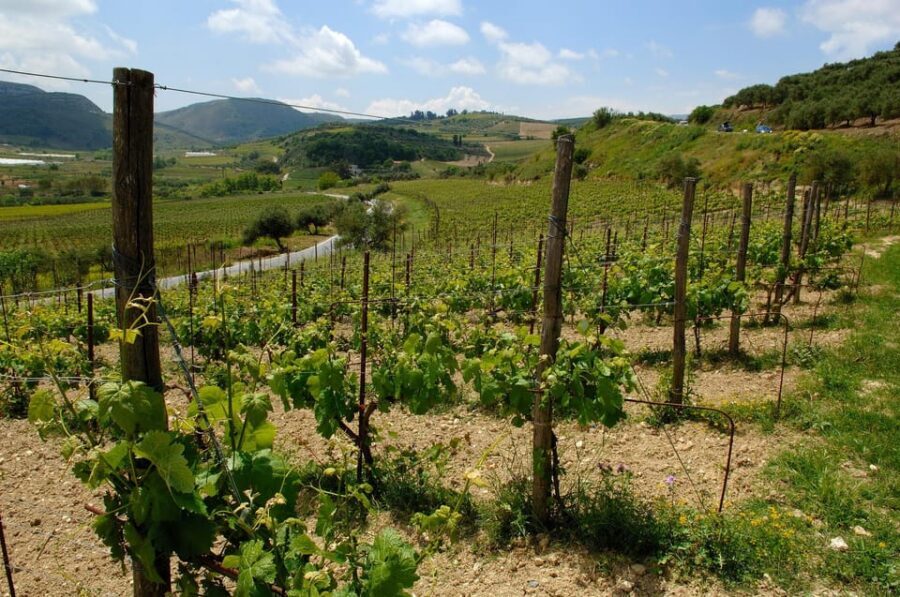
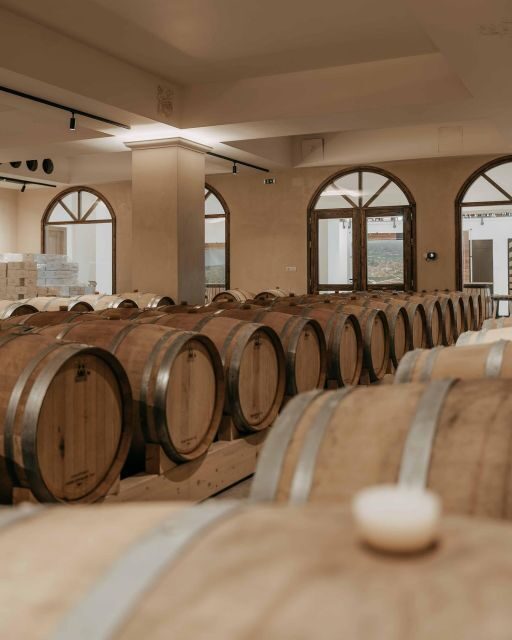
After the mill, you head to a local winery for a guided visit and a wine tasting of six different varieties. The tastings are led by professional sommeliers, which makes a difference in how you experience the wines. Instead of guessing, you’ll get a framework—what to look for and what to notice.
Cretan wine is often discussed in terms of tradition, and the island’s wine history stretches back at least 3,500 years. Even if you don’t care about dates, the point is clear: this isn’t a modern hobby grown in a vacuum. It’s tied to the island’s long relationship with grapes, land, and craft.
You’ll be able to compare varieties during the tasting, which helps you figure out your personal preferences. Do you lean toward something crisp and bright, or something warmer and rounder? That question becomes easier once you’re tasting in sequence with an explanation.
Why this stop feels worth paying for:
- Six varieties is enough to learn your palate without turning it into a blur.
- Professional guidance keeps it from becoming just drinking.
- You’re tasting in a winery visit environment, not just a counter.
Possible drawback:
- Like most tasting experiences, it can feel like a lot if you’re sensitive to alcohol. Keep water coming and pace yourself.
Traditional village and kazani raki: seeing how raki tradition works
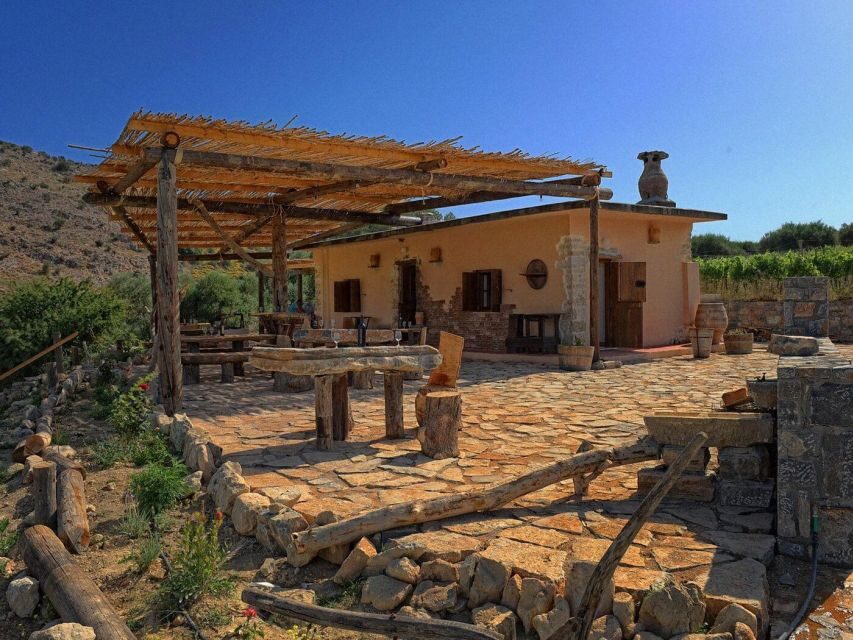
Next comes the raki side of the story, centered on a traditional approach to distillation. You’ll visit a traditional kazani, where you’ll learn about the traditional way of producing Cretan raki. This is the part that tends to feel most “you’re really here” because you’re watching a craft process connected to everyday identity.
Raki distillation isn’t just about the final spirit. It’s about methods, timing, and culture—how the island kept the tradition alive while generations passed down knowledge.
In the traditional village stop, you’ll also get time for spirits and wine tasting, plus sightseeing and local snacks. That combination is important: it connects the production story to how people experience it socially and with food. You get to taste, then see the human setting around the tasting.
What you gain from this sequence:
- You taste raki with context, not as a random shot.
- You experience local food rhythms alongside the spirits.
- You get a slower village pace at the end of the day, when your palate is already warmed up.
One consideration:
- This portion is more active than the van ride. You’ll want comfortable clothes and shoes that handle walking in warm weather.
Food and snacks: the part people remember after the alcohol
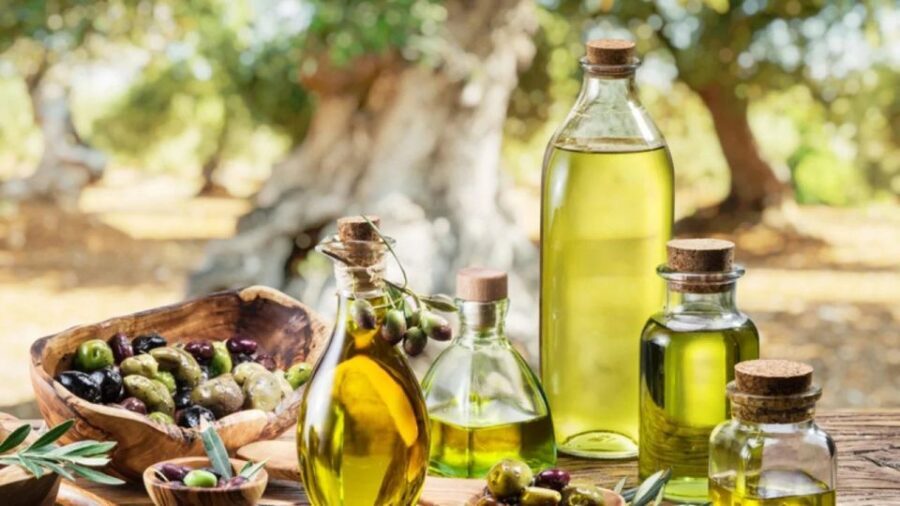
A great tasting tour doesn’t just pour liquids. It feeds you in a way that keeps the day enjoyable. Here you get Cretan breakfast and local snacks included, plus bottled water. That matters because olive oil and wine can turn into a headache if you’re running on empty.
In practice, the included meals help you do the tasting work without rushing. You can focus on flavors, not only on staying upright. The village stop adds more local snacks, so you get a final boost before your return.
If you’re the type who likes to bring home a couple of specific items—oil you love, wine you remember, maybe even a bottle or two—this food-and-snacks rhythm makes it easier to decide what actually fits your taste.
Price and logistics: what $165 per person buys you
At $165 per person for about 5.5 hours, this is a premium half-day. The value comes from the mix of things that are expensive in time and effort: guided mill access, a winery tasting of six varieties led by professional sommeliers, and a raki distillation visit tied to a traditional setting. Add in hotel pickup/drop-off, private pacing, and an air-conditioned vehicle, and the price starts to make sense.
What you’re not paying for:
- crowds
- a long bus ride
- a generic shopping stop that feels like a sales pitch
Instead, you’re paying for access and guidance. That’s what makes the tastings feel educational and personal, not like you’re just sampling with no takeaway.
Also, you’ll have concierge service before and during the experience. That tends to reduce friction—less worrying about timing, fewer unclear meeting points, and fewer moments where you feel like you’re on your own.
This is a private group experience, so it’s ideal if you want a day that feels like a conversation.
Who should book this Crete olive oil, wine, and raki experience?

This tour is best for you if:
- You want authentic food and drink culture instead of a checklist of landmarks.
- You like learning how things are made, then tasting with context.
- You prefer private pacing and a friendly driver-guide experience.
- You’re happy to spend the day in comfortable weather gear and stay flexible.
It might not be the right fit if:
- You mainly want classic sightseeing highlights and don’t care about food production.
- You’re extremely alcohol-sensitive and don’t want to participate in tastings.
- You need wheelchair accessibility, since it’s not suitable for wheelchair users.
If you’re celebrating a special trip moment, this kind of day can feel like a “remember this” memory because it’s sensory and grounded in place.
Practical tips to get the most from olive oil and tastings
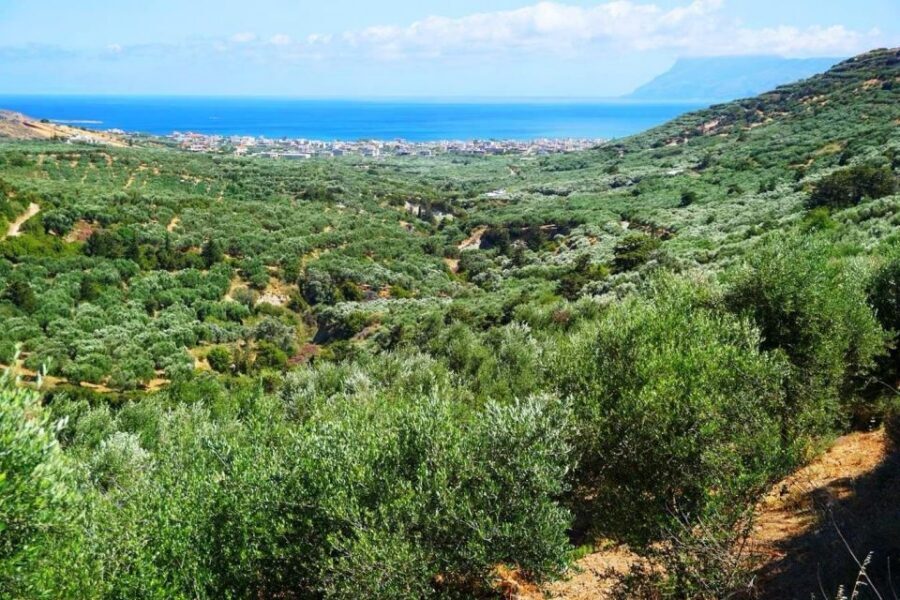
Keep it simple and you’ll have a smoother day.
- Bring a sun hat and sunscreen. You’ll be outdoors around village areas and mill surroundings.
- Wear comfortable clothes that handle warmth and a little walking.
- Use a camera, but also look up. You’ll see production spaces and village scenes that don’t look like postcards.
- Take water seriously. Bottled water is included, so use it.
- Go slow with tastings. You’re tasting across olive oil, wine, and spirits. A calm pace makes the flavors clearer.
And here’s the small mindset trick I recommend: ask one good question at each stop. When you do, the tour stops being a sequence of tastings and becomes a story you can retell.
Should you book this Crete tasting experience?
If you want a premium, private Crete day that focuses on olive oil, wine, and raki with real local production and food, this is an easy yes. It’s built around access—mill facilities, winery tasting guidance, and a traditional raki distillation visit—so you’re not just consuming. You’re understanding.
If your idea of Crete is mostly beaches and big-city sightseeing, you may feel like this is “too food-forward.” But if you love flavor, craft, and the social side of eating and drinking, this is exactly the kind of tour that turns a holiday into a personal experience.
FAQ
How long is the Crete olive oil, wine, and raki experience?
The duration is 5.5 hours.
Is this a private tour or a shared group?
It’s a private group experience.
What’s the meeting point for pickup?
Pickup is from your hotel lobby at the indicated time.
What languages are the live guides available in?
The tour guide is available in English and Greek.
What does the price include?
Pickup/drop-off to your hotel, olive oil tasting and mill tour, winery visit and wine tasting, raki distillery visit and local spirits tasting, Cretan breakfast and snacks, bottled water, a professional driver-guide, concierge service before and during, an air-conditioned luxury vehicle, liability insurance, and Wi‑Fi onboard.
What is not included in the price?
Personal expenses are not included.
Is this tour wheelchair accessible?
No, it is not suitable for wheelchair users.
What should I bring for the tour?
Bring sunglasses, a sun hat, a camera, sunscreen, and comfortable clothes.
Is there free cancellation, and how far in advance can I cancel?
Yes. You can cancel up to 24 hours in advance for a full refund.