REVIEW · CHANIA
Private tasting of 6 cretan wines in Fres village
Book on GetYourGuide →Operated by ΑΝΔΡΕΑΣ ΣΤΥΛΙΑΝΑΚΑΚΗΣ · Bookable on GetYourGuide
Six Cretan wines in one small village moment. The experience takes place in Fres village’s main square, where Andreas (a chemist and winemaker) talks wine in a clear, production-minded way. I really like that you taste six Cretan styles—whites, reds, and a dessert wine—without pretending Crete is one-size-fits-all. The other thing I like: the focus is on how Cretan winemaking has progressed and what that means for your glass, not a choreographed pitch. One possible drawback: this is a tasting and stories session, not a vineyard or facility tour.
This is also an easy win for your schedule. You’re in the heart of Apokoronas at the church of St George, with the tasting happening right in the square beside the Kouvaros tavern, plus local snacks and plenty of cold water. If you want a “sit down, sip, learn, then eat nearby” evening, it fits.
Keep expectations adult and wine-first. It’s not suitable for children under 18 or pregnant women, and the pacing is built for tasting (about 90 minutes), not wandering around wineries.
In This Review
- Key things you’ll notice in this tasting
- Fres village wine tasting: why the square beats a winery van
- Finding Andreas in the main square: what the 90 minutes feels like
- The six Cretan wines you’ll taste (and how the lineup teaches the island)
- Snacks and water: why the pairing is more than an afterthought
- What you learn about Crete’s wine history and winemaking progress
- Value check: why $35 can feel fair (not rushed or gimmicky)
- Who should book this Fres tasting, and who should skip it
- Practical tips for your evening in Fres
- Should you book this private Cretan wine tasting in Fres?
- FAQ
- Where is the meeting point in Fres village?
- What wines are included in the tasting?
- How long does the private tasting last?
- Is it private, and what languages are offered?
- Is the experience wheelchair accessible?
- Can I cancel, and is the experience suitable for everyone?
Key things you’ll notice in this tasting
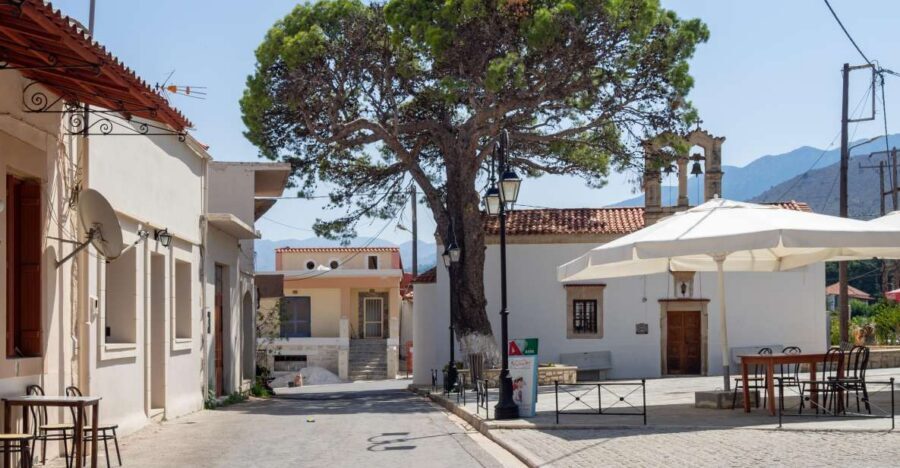
- Fres village setting: tasting right in the village square near St George church
- Six wines, one session: Vidiano, Muscat of Spina, Retsina, Liatiko, Romeiko, and Fokiano dessert wine
- Andreas’s approach: he brings a chemist and winemaker lens to history and production
- Local pairing basics: cheese, rusk, and olives (plus cold water)
- Private-group feel: a more personal pace than a large tour bus style
Fres village wine tasting: why the square beats a winery van
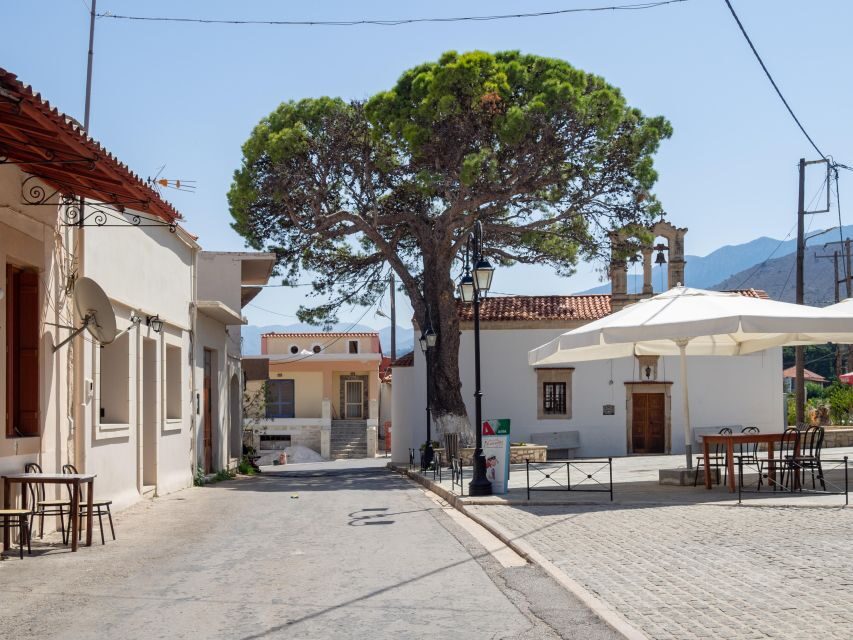
I like tasting experiences that feel anchored in real daily life, and this one is set in a village center where people actually gather. Fres is in the Apokoronas region, about 25 minutes from central Chania, so you’re not doing a half-day travel marathon just to reach the first sip.
The meeting point is specific and walkable: in the main square of Fres, in front of the church of St George and next to the Kouvaros tavern. That matters because you spend less time hunting and more time relaxing with your group.
Also, the format keeps things honest. You’re not asked to “get impressed” by facilities. Instead, you sit down in the middle of the village and focus on the wines and the stories behind them. If you’re curious about Cretan terroir and how local grape choices shape flavors, this setting supports that goal.
You can also read our reviews of more food & drink experiences in Chania
Finding Andreas in the main square: what the 90 minutes feels like
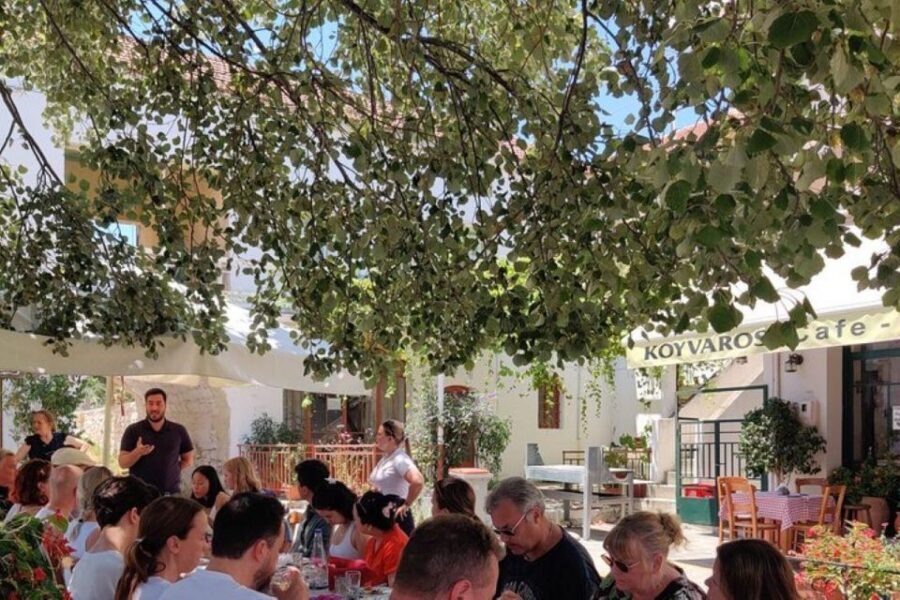
This is a private tasting, so the instructor can pace it around your questions instead of marching everyone through a script. The session runs about 90 minutes, and it’s offered in English and Greek (you’ll see both on the instructor side).
You start by meeting in the square, then the tasting unfolds wine by wine. It’s not just “taste, nod, move on.” Andreas (the host) explains the wine history of Crete and how winemaking has progressed over time. As someone trained in chemistry and winemaking, he doesn’t treat wine as magic; he treats it as something you can understand through production choices and how they show up in the glass.
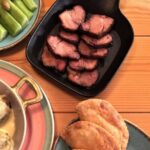
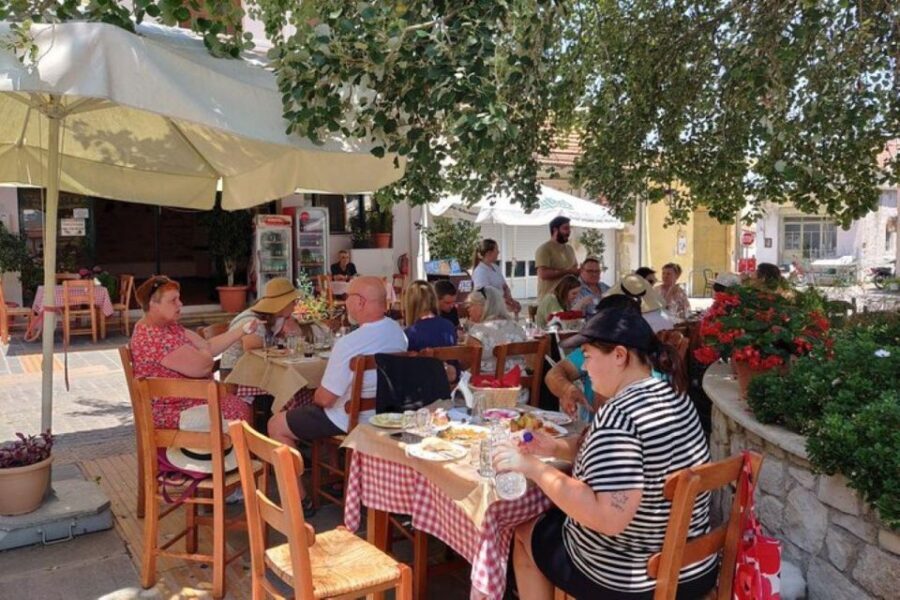
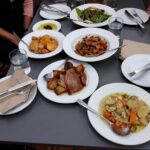
And yes, you’ll get a snack rhythm too. The wines are paired with local cheese, rusk, and olives, and there’s cold water available so you stay comfortable while tasting multiple wines in sequence.
If you prefer a laid-back pace with time to talk, this tends to work well because you’re not “on the clock” for photo stops.
The six Cretan wines you’ll taste (and how the lineup teaches the island)
The tasting covers six Cretan wines, laid out in a way that helps you compare styles instead of only sampling “one good bottle.” You’ll taste:
- Vidiano (white)
- Muscat of Spina (white)
- Retsina (white)
- Liatiko (red)
- Romeiko (red)
- Fokiano dessert wine (dessert)
That lineup is the point. Two white grapes plus a white wine style that’s known by its own Cretan identity, then two reds, and then the dessert pour at the end. You finish with something sweet, which is a nice palate closer when you’ve gone through multiple dry styles earlier.
The value here isn’t that you memorize grape names like a quiz. It’s that Andreas frames each wine as part of a bigger picture: local terroir, how Crete’s winemaking tradition developed, and what has changed in production methods and thinking. One review specifically noted he connects the chemistry of wine to how it tastes on the palate, and that’s the kind of explanation that can make the differences feel more concrete.
Also, the final wine is a dessert wine called Fokiano. In practice, it means the tasting doesn’t stop at “dry and done.” You get a finishing moment that helps you understand how Cretans treat sweetness as part of their wine culture rather than a separate category.
Snacks and water: why the pairing is more than an afterthought
This tasting includes pairing staples from the local table: cheese, rusk, and olives. That matters for two reasons.
First, these foods are salt-and-fat friendly, so they help reset your palate between different wines. When you’re tasting six wines in about 90 minutes, you don’t want every sip to blur together. Salted olives and cheese do that job well.
Second, the snack setup makes the tasting feel like Cretan life, not an imported tasting-room routine. The vibe is rustic and community-based, and you’ll have time to slow down enough to actually notice what each wine is doing.
One detail I appreciate: there’s plenty of cold water. That’s small, but it’s practical, and it keeps the experience comfortable—especially in warm months.
And if you’re the type who likes to keep exploring after the tasting, there’s a small shop where you can buy wines and other items like gifts and home-made soaps. It’s not required, but it’s a nice way to turn one evening of learning into a memory you can take home.
What you learn about Crete’s wine history and winemaking progress
The headline topics are wine history and the progress of winemaking in Crete. Those two themes might sound broad, but the host’s angle makes them feel more useful.
Andreas explains the history behind Cretan wine traditions and then connects that to how winemaking has evolved. Think of it as a timeline with receipts: what people have done for generations, and how modern choices show up in the bottles you’re tasting now.
One review described him as passionate and very clear in explaining different varieties. Another noted he shared recommendations on other places to see in Crete after the tasting, which is a good sign: when the host truly knows the subject, your whole trip tends to get better.
I also like that the tasting is positioned as modern but still authentic. You don’t get sold a “museum version” of Crete. Instead, you hear a practical, up-to-date story of how local growers and producers interpret tradition today.
You can also read our reviews of more private tours in Chania
Value check: why $35 can feel fair (not rushed or gimmicky)
At $35 per person for 90 minutes, this tasting is priced like a serious local experience, not a nickel-and-dime “add-ons” situation. You get six wines in one session, plus snacks (cheese, rusk, olives) and cold water.
If you compare it to the typical pattern of wine tours that tack on transport, long drives, and extra fees, this one stays focused. You’re paying for a guided tasting and education delivered in a real village setting, not for the logistics of moving everyone to a big production site.
Private-group pricing can be tricky elsewhere, but the structure here makes sense: the group size supports conversation, and you’re not standing in line. Even better, the session is long enough to taste across whites, reds, and dessert without feeling like a speed-run.
The one tradeoff is the lack of vineyard or facility tour. If you want to walk rows of vines or see cellar machinery up close, you won’t get that here. But if your goal is tasting plus clear context, the value feels right for the time you spend.
Who should book this Fres tasting, and who should skip it
This works best for adults who want a grounded introduction to Cretan wine variety. It’s also ideal if you’re curious about production and explanation, not just sipping.
If you’re coming from Chania and want an Apokoronas village experience that doesn’t eat your whole day, you’ll be happy. Fres is close enough that you can still do dinner afterward in the village square area.
Skip it if you’re traveling with children under 18 or if the group includes someone pregnant, since it’s not suitable for those categories. And if your idea of a wine experience requires a vineyard tour, this won’t match that expectation because the focus stays on tasting and discussion.
Practical tips for your evening in Fres
I’d plan to wear comfortable shoes and expect to stand or sit outdoors in a village square setting. The tasting location is in the open in Fres’s main square, so bring a light layer if evenings feel cooler.
Also, treat this as your “wine lesson” moment. If you’re doing other alcohol tastings the same day, you might dilute the benefit of the experience—six wines is enough to learn from without stacking too many tastings on top.
If you enjoy souvenirs that reflect local production, keep an eye on the small shop. You can buy wines and gifts, including home-made soaps mentioned in participant feedback, and it’s a simple way to bring Crete home beyond a fridge bottle you’ll forget about.
Finally, come with a curious mindset. When Andreas talks about wine history and progress, it lands best when you ask questions like how producers make choices differently, or what to taste for when you return to a bottle later.
Should you book this private Cretan wine tasting in Fres?
Yes, if you want a focused, local tasting that connects the wines to Crete’s winemaking story. The village setting, the six-wine lineup, and the host’s chemistry-to-palate style of explaining make it feel practical, not performative. At $35 for a 90-minute private-group session with snacks and water, it’s also easy to justify.
No, if you’re chasing a full vineyard or facility tour experience. This is intentionally a square-based tasting with education. If that’s your style, you’ll enjoy it a lot more than the typical structured winery day.
If you’re staying in Chania and want something real in Apokoronas without the hassle, book it and plan an easy dinner right after.
FAQ
Where is the meeting point in Fres village?
The meeting point is in the main square of Fres village (Apokoronas), in front of the church of St George and next to the Kouvaros tavern.
What wines are included in the tasting?
You’ll taste six Cretan wines: Vidiano, Muscat of Spina, Retsina, Liatiko, Romeiko, and Fokiano dessert wine.
How long does the private tasting last?
The tasting lasts about 90 minutes.
Is it private, and what languages are offered?
It’s a private group experience. The instructor speaks English and Greek.
Is the experience wheelchair accessible?
Yes, it is wheelchair accessible.
Can I cancel, and is the experience suitable for everyone?
You can cancel up to 24 hours in advance for a full refund. It is not suitable for pregnant women or children under 18 years.