REVIEW · RETHYMNO
Rethymno 4×4 Safari: Tastes & Farm Experience
Book on GetYourGuide →Operated by Uncharted Escapes · Bookable on GetYourGuide
Rethymno has a way of making you think you’ve seen Crete. Then this 4×4 safari takes you higher, into villages and working farms, with wine, olive oil, and hand-made cheese built into the day.
Two things I really like: the small semi-private feel (up to 6 or 8 per vehicle) and the fact that tastings happen with real production behind them—Klados Winery, Melidoni olive oil mill, and the shepherd’s mitato cheese-making experience.
One thing to consider: this is an off-road day in a mountainous area, so it’s not for everyone (motion sickness, back issues, and mobility limitations are a no-go, and you’ll want comfortable shoes and a light layer).
In This Review
- Key things that make this Rethymno 4×4 day worth it
- Off-road Crete that feels personal, not rushed
- Pickup timing and what the 4×4 ride really means
- Klados Winery in Panormos: wine tasting with production context
- Melidoni Olive Oil Mill: stone pressing and fresh peppery taste
- Halepa Monastery: a short climb with big mountain payoff
- Viewpoint and wildlife moments above the valley
- The mitato shepherd’s hut and live cheese-making
- Axos mountain lunch: traditional platters in a family-run tavern
- Group size, comfort, and the realities of a full day
- Price and value: is $128 fair for what you get?
- Who this safari suits best (and who should skip it)
- Should you book this Rethymno 4×4 Safari?
- FAQ
- How long is the Rethymno 4×4 Safari?
- How much does the tour cost?
- Is hotel pickup and drop-off included?
- What tastings and meals are included?
- What vehicle will you ride in?
- What languages are the guides?
- What should I bring for the day?
- Is the tour suitable for children?
- Are there any people who should not join?
Key things that make this Rethymno 4×4 day worth it
- Klados Winery in Panormos with a guided lesson from the owner, plus tastings of indigenous Cretan varieties
- Melidoni olive oil mill where you see traditional stone pressing and taste peppery extra-virgin olive oil
- Halepa Monastery for a real view over mountains and valleys, with a short but meaningful stop
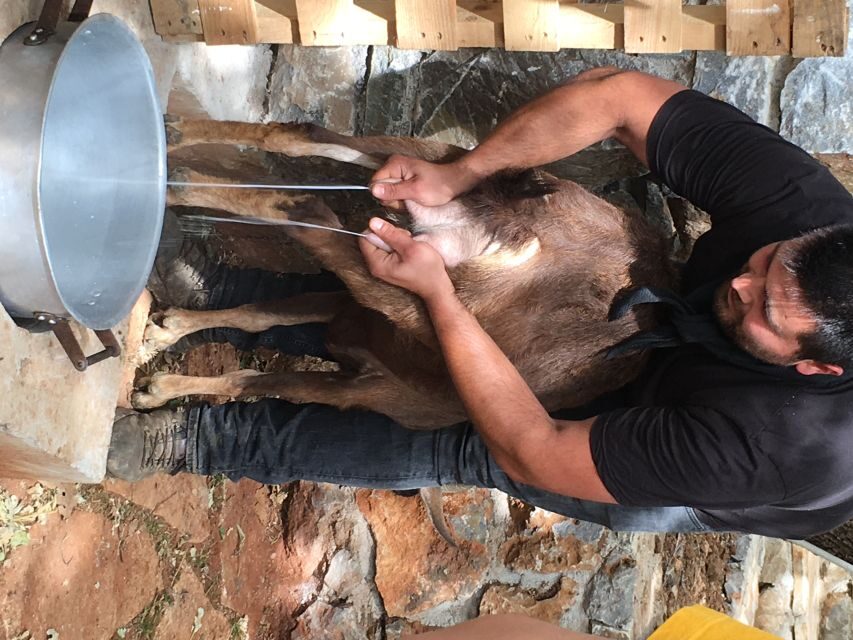
- Mitato shepherd’s hut in the mountains, with live cheese-making and tasting
- Axos village lunch featuring traditional Cretan platters at a family-run tavern
- Wildlife-spotting chances (including vultures mentioned in experiences, plus kri-kri ibex and eagles mentioned in the route notes)
Off-road Crete that feels personal, not rushed
This 7-hour safari is built around one simple idea: if you want Crete’s food culture, you have to get closer to where it’s actually made. You’ll move through mountain roads, pass small villages, stop at viewpoints, and spend real time at producers instead of just snapping photos and leaving.
The setup is also practical. You get hotel pickup and drop-off, and you’re in a 4×4 driven by a multilingual escort-driver. The semi-private format—up to 6 or 8 people per vehicle—keeps the day from feeling like a cattle-call. It’s still a full day, but it doesn’t feel like you’re constantly waiting on a giant group.
If you end up with a guide like Sebastian or Panos (names that come up in the experiences I read), you’ll likely appreciate the tone: funny when it fits, and quick with explanations when you ask. I like that mix because the day is doing a lot of things at once—roads, viewpoints, and food—so having someone who can connect it all matters.
A few more Rethymno tours and experiences worth a look

Pickup timing and what the 4×4 ride really means
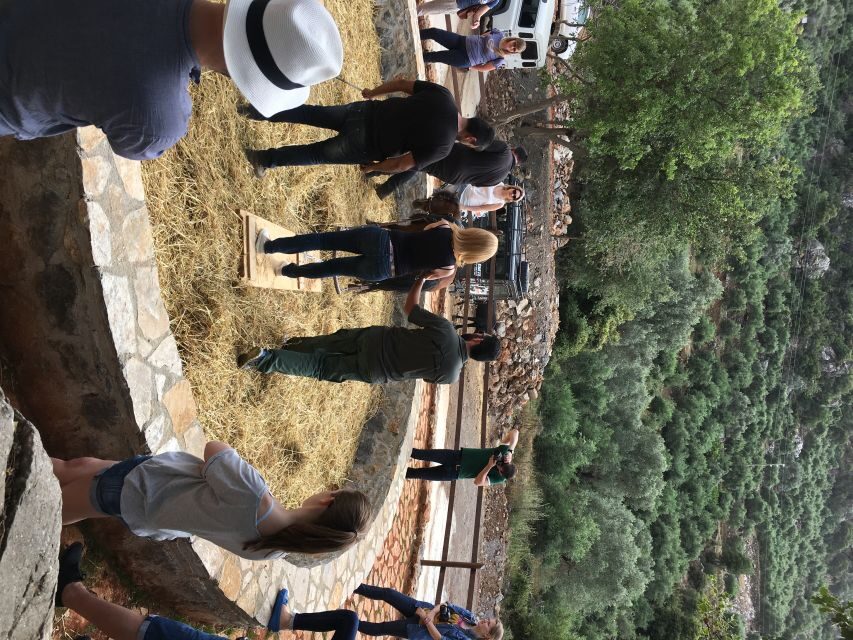
The day starts early enough to count as a full morning. Pickup times vary by area, including Georgioupoli, Rethymno, Stavromenos, Adelianos Kampos, Paralia Kourna, Panormos, and Platanes. Once you’re in the vehicle, expect short transfer drives and then activity stops.
You’ll be dealing with an off-road component, not just a scenic drive. The route includes viewpoints with an off-road segment and wildlife viewing opportunities, and the shepherd’s area is reached after leaving paved roads. That’s part of the charm—but it’s also why the tour lists strict limits for people with certain medical or mobility issues, and why you’ll want to be honest with yourself about comfort.
Two practical notes for your planning:
- You’ll likely have your best experience with a light jacket even in warmer months, because mountain air can feel cooler.
- The company recommends bringing cash, which makes sense because you may want to purchase items from the winery or olive mill later (those purchases aren’t included).
Klados Winery in Panormos: wine tasting with production context
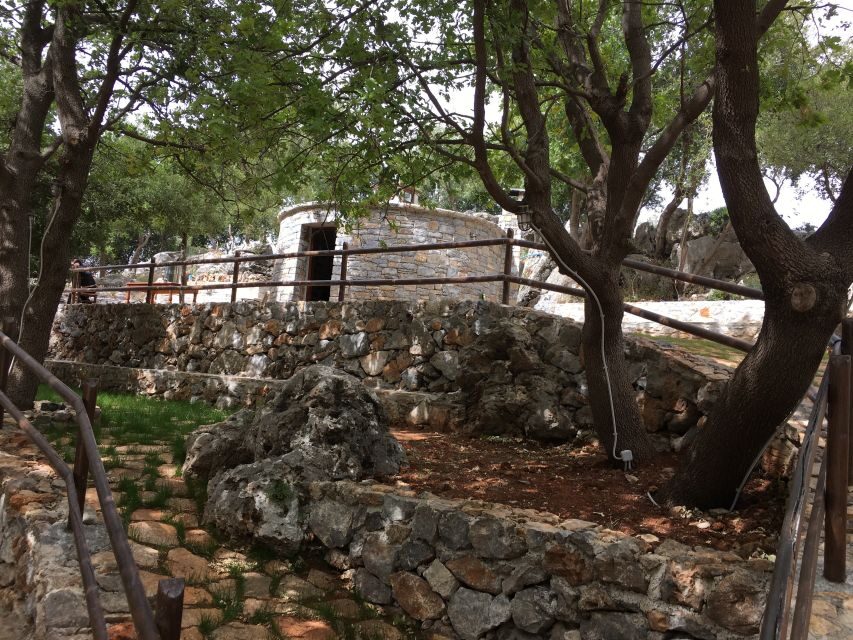
Your first major stop is at Klados Winery in Panormos. This isn’t just a room with samples. You get a guided winery tour (about 50 minutes) and a tasting led by the owner, which is one of the strongest “value signals” in the whole day.
What you should take away from the Klados visit is how Crete’s wine identity is tied to place. You’re tasting indigenous varieties, and the tour focuses on the secrets of Cretan winemaking—meaning you get explanation around how the vines and cellars fit together, not just what something tastes like.
If you care about wine, even a little, this stop is your early payoff. It sets a theme for the day: Crete’s food isn’t just delicious. It’s technical. It’s work. And it’s regional.
One caution: alcohol is part of the tasting, and the tour notes that children under 18 can’t consume wine. If you’re traveling as a family, that’s important to plan around.
Melidoni Olive Oil Mill: stone pressing and fresh peppery taste
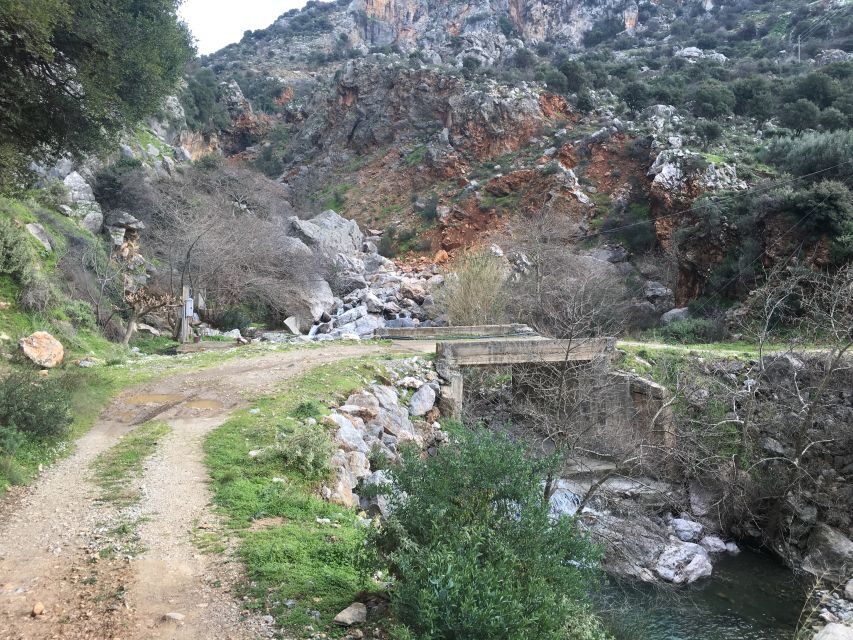
Next you head to Melidoni olive oil mill, with a guided visit around 30 minutes. The best part here is the “from tree to bottle” idea. You’ll see the process that produces extra-virgin olive oil, including traditional stone pressing alongside more modern methods.
The tasting is where it clicks. You’ll sample fresh, peppery extra-virgin olive oil—exactly the kind of oil that makes you understand why Cretans treat it as more than a cooking ingredient. It has character, and it can taste alive.
This stop also gives you something the wine visit starts: context. Olive oil is one of the few foods you can literally taste as it moves through processing time. That’s why this isn’t a passive stop. You leave with a clearer idea of what makes Crete’s olive oil stand out.
Like at the winery, purchases aren’t included. If you love it, you’ll probably want to buy something to take home (hence the cash suggestion).
Halepa Monastery: a short climb with big mountain payoff
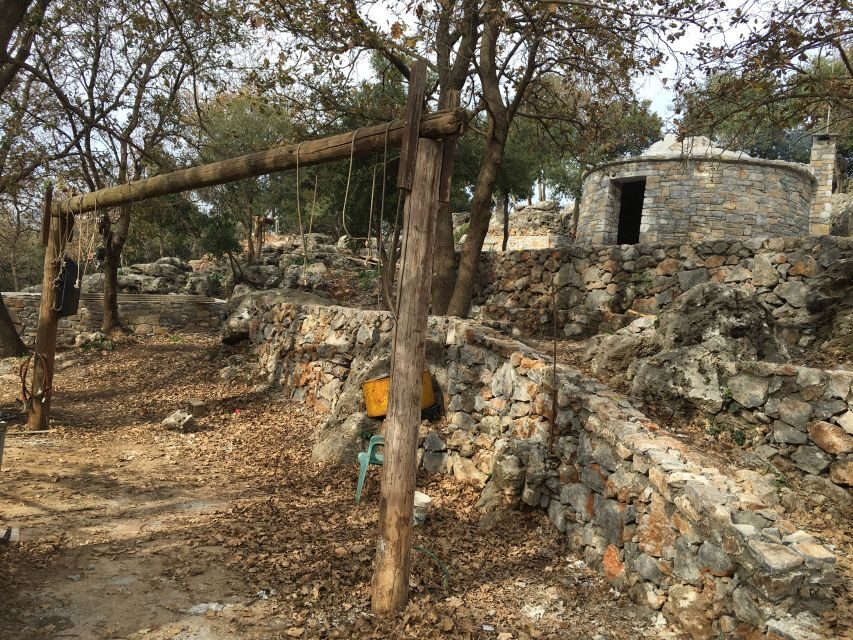
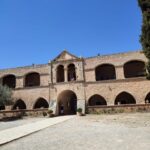
After the oil mill, you’ll move through the scenic mountain route and then reach Halepa Monastery for a photo stop and sightseeing (about 20 minutes). The monastery sits high, giving you panoramic views over mountains and valleys.
Even if you’re not the type who gets excited about religious architecture, this stop works because of the setting. It’s a pause where you can take in scale: Crete’s mountains, the valleys cutting through them, and that sense that villages are tucked into real terrain, not just placed on a postcard.
It’s also a good reset between tastings and the heavier off-road cheese-making segment. You’ll have time to orient yourself visually for what comes next.

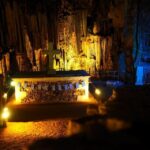
Viewpoint and wildlife moments above the valley
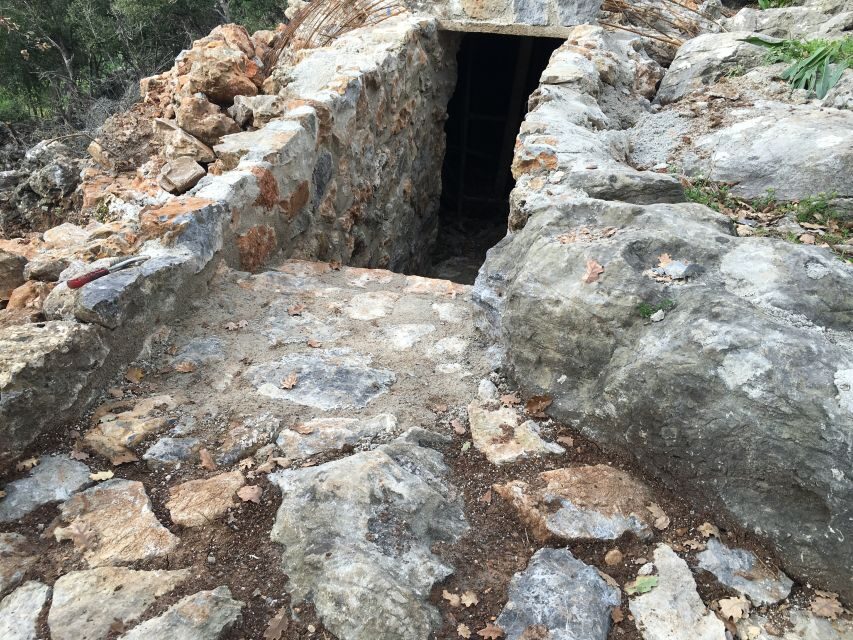
Between Halepa Monastery and the cheese-making area, the route includes a viewpoint stop with a short off-road adventure and wildlife viewing time (around 10 minutes).
This is the kind of stop that can feel small on paper, but it often delivers the “I’ll remember that” moment. The route notes wildlife such as kri-kri ibex and soaring eagles, and I’d take it as a reminder to keep your eyes up, not just at the road.
If you’re lucky, you may also spot birds like vultures. The experiences tied to this route mention seeing vultures, and that’s consistent with the kind of high, rocky areas this tour reaches.
Bring your camera, but also just watch for a minute. The time window is short, so you don’t want to spend it fiddling with menus or trying to get the perfect shot.
The mitato shepherd’s hut and live cheese-making
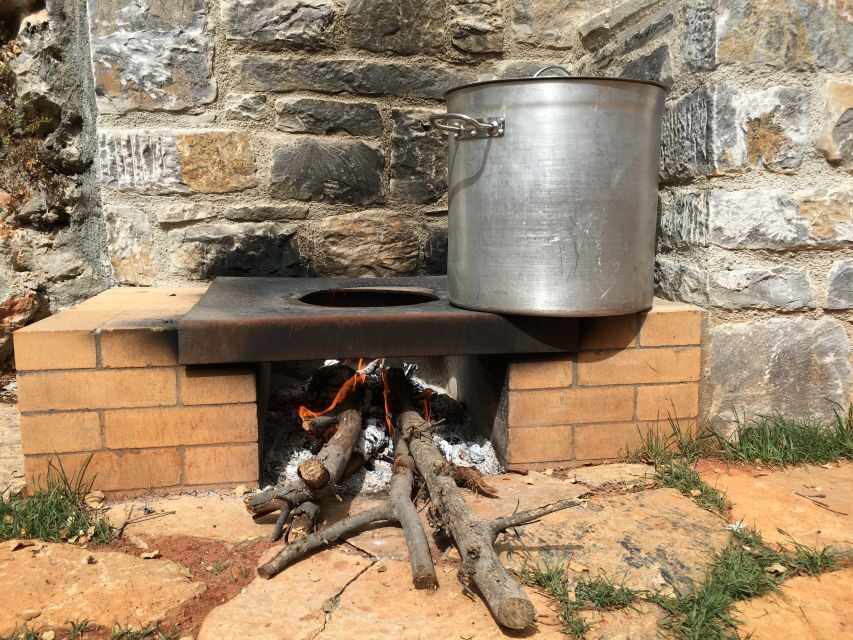
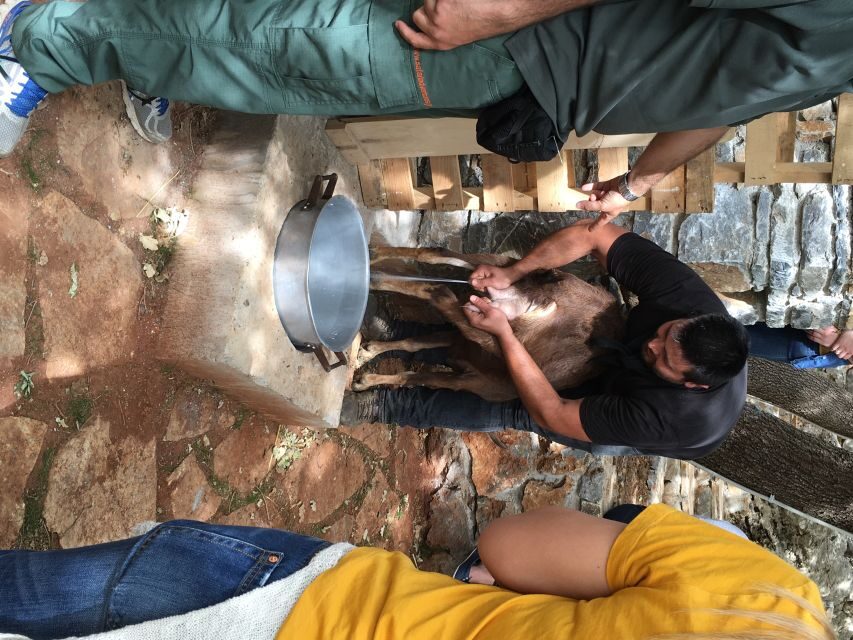
This is the heart of the day. You’ll head deep into the mountains to an original shepherd’s hut called a mitato, where cheese is made by hand. The experience includes watching live cheese-making, plus time for guided explanations and tasting.
Practically, this portion lasts about 75 minutes at the cheese stop. You should expect a mix of walking around the area, learning how the process works, and tasting local cheese with local snacks.
The reason this segment matters is simple: it turns a food product into an activity you can picture. When you taste the cheese after watching it made, you understand why it tastes the way it does and why mountain cheesemaking is its own skill set. That’s the kind of “real Crete” that doesn’t come from a menu.
It also links back to the rural themes of the day. You saw wine production. You saw olive oil pressing. Now you see dairy craft, right where shepherding happens.
It’s also a wildlife moment. The route notes looking for ibex (kri-kri) and eagles, and the cheese area includes wildlife viewing time as part of the overall stop structure.
If you’re someone who hates long sitting-down tours, this one often wins because you’re active. You’re watching, asking questions, and tasting.
Axos mountain lunch: traditional platters in a family-run tavern
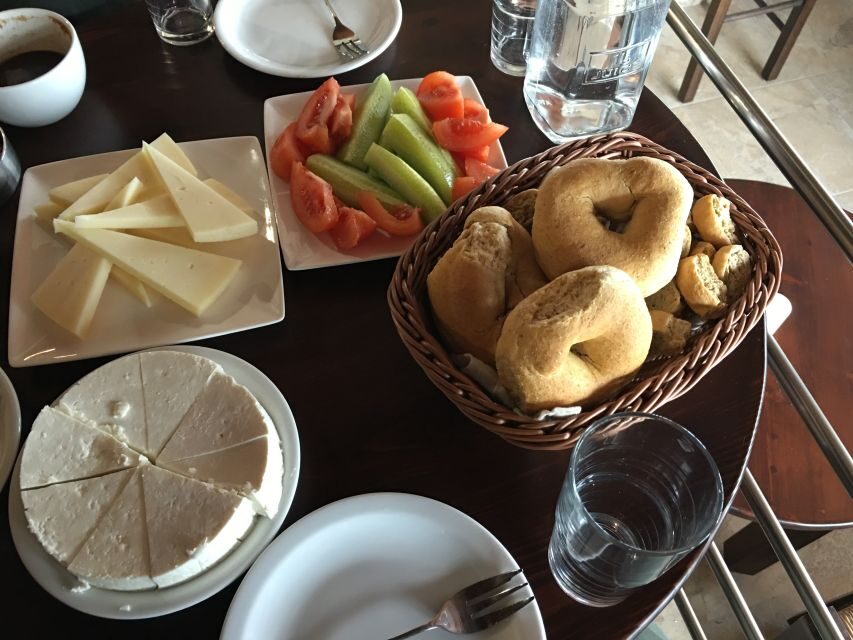
After the off-road work and tastings, you end in Axos, a charming mountain village. Lunch lasts about 1.5 hours, and you’ll have traditional Cretan dishes served as hearty platters.
This is a smart move in the pacing of the day. After wine, oil, and cheese, you need a full meal that’s more than bites. The Axos stop gives you that. It also offers a sense of community: a family-run tavern serving food built from local ingredients.
One thing to remember: coffee or beers in the tavern aren’t included, so if you want a post-meal drink, plan for it.
Also, if you have dietary restrictions or allergies, the tour notes they can accommodate with prior notice. If you’re allergic to anything serious, don’t wait until the day-of—get it into the booking details.
Group size, comfort, and the realities of a full day
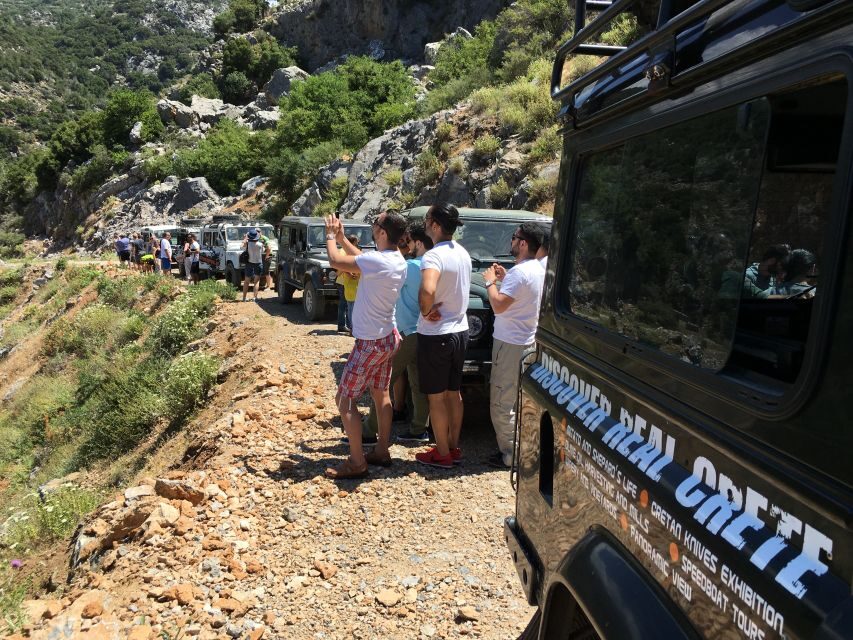
This safari runs for about 7 hours, including pickup and drop-off. It includes multiple transfers, and some stops are quick while others are longer (winery and cheese-making especially). That’s why it works well as a one-day “food and farms” tour rather than something to pair with heavy plans the same day.
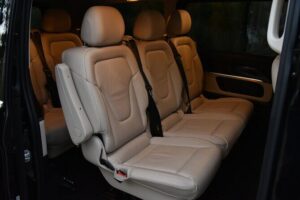
The vehicle type is either a 4×4 off-road vehicle or a 4×4 minivan (7 or 9 seater), depending on your group setup. Either way, it’s driven by multilingual escort-drivers, with the languages listed as German and English.
Comfort-wise, the day emphasizes movement. You’ll be on different terrains and you may feel the road. If you’re prone to motion sickness, the tour lists that as a reason to avoid. In that case, you should take it seriously.
And dress for the terrain: the tour asks for comfortable clothes, no high-heeled shoes, and no luggage or large bags. You’ll be happier with a small day bag you can keep with you.
Price and value: is $128 fair for what you get?
At $128 per person for a 7-hour semi-private 4×4 safari, the value comes from stacking multiple paid experiences into one day.
You’re not just paying for transport. The day includes:
- wine tasting and a guided winery tour at Klados
- guided visit and tasting at an olive oil mill
- a mitato shepherd hut visit with live cheese-making plus cheese tasting and snacks
- lunch with traditional Cretan platters
- entrance fees and tastings at those stops
For many people, the cost feels fair because you’re getting access plus learning time. You’re also getting the practical benefit of hotel pickup and drop-off across several areas around Rethymno. That cuts planning stress and helps you see spots you might not reach easily on your own.
The extra you might spend is optional: purchases at the winery or olive mill, and coffee or beers at lunch. That’s normal. The baseline package already includes the main tastings and meals.
Who this safari suits best (and who should skip it)
This tour is a strong fit if you want Crete that’s practical, edible, and rooted in real work. It’s ideal for food lovers, wine and olive oil fans, and anyone who enjoys off-the-road travel without signing up for an all-day hike.
It also suits couples and small groups who like structure: pickup, stops, tasting lessons, lunch, done.
But it’s not suitable for a wide range of people. The tour lists not suitable for:
- children under 7
- pregnant women
- people with back problems, mobility impairments, or wheelchair users
- people over 6 ft 6 in (200 cm) or over 287 lbs (130 kg)
- people with altitude sickness, high blood pressure, recent surgeries, or motion sickness
If any of those apply, you’ll have a better (and safer) day choosing something less bumpy and less off-road.
Should you book this Rethymno 4×4 Safari?
If you want a single day that teaches you how Crete tastes—by visiting Klados Winery, Melidoni olive oil mill, and a mitato cheese-making experience—this is a smart booking. The semi-private setup and the producer-led tastings give you more than scenic driving; you get explanations you can use later when you buy olive oil or cheese back home.
I’d book it if you’re comfortable with an off-road day and want lunch and tastings handled for you. Skip it if motion or physical constraints might make the ride stressful, or if you’re traveling with someone who can’t join wine/tasting activities.
If your travel goal is to get under the surface of Crete, this itinerary is built for that. You’ll come away with flavors you understand, not just flavors you tried.
FAQ
How long is the Rethymno 4×4 Safari?
The experience lasts 7 hours.
How much does the tour cost?
It’s listed at $128 per person.
Is hotel pickup and drop-off included?
Yes. The tour includes free hotel pickup and drop-off, with multiple pickup and drop-off areas around Rethymno and nearby towns.
What tastings and meals are included?
You get wine tasting at Klados Winery, olive oil tasting at Melidoni olive oil mill, a mitato cheese-making experience with cheese tasting and local snacks, and lunch with traditional Cretan platters.
What vehicle will you ride in?
You’ll ride in a 4×4 vehicle or a 4×4 minivan (7 or 9 seater). The tour is semi-private, with up to 6 or 8 persons per vehicle.
What languages are the guides?
The tour provides live guidance in German and English.
What should I bring for the day?
Bring sunglasses, a sun hat, a camera, a jacket, comfortable clothes, and cash.
Is the tour suitable for children?
Children under age 7 are not allowed. Also, children under 18 are not allowed to consume wine.
Are there any people who should not join?
Yes. The tour lists that it is not suitable for pregnant women, people with back problems, mobility impairments, wheelchair users, and people with conditions like motion sickness, high blood pressure, altitude sickness, or recent surgeries. It also has height and weight limits.