REVIEW · GREECE
Scuba Diving Beginners/Experts Pefkos Lindos Rhodes Greece
Book on GetYourGuide →Operated by Waterhoppers Pefkos Diving School · Bookable on GetYourGuide
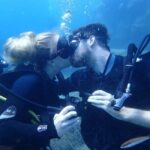
A first time underwater in Rhodes feels surprisingly calm. This Pefkos program mixes a simple lesson with hands-on instructor help and a guided session aimed at making you feel in control fast. I love the small group size and the constant supervision, which is exactly what you want when you’re new to scuba.
The likely drawback: you only get a short underwater window (about 20 minutes, to around 5 meters for try divers). So if you’re hoping for a long, deep day of exploring, plan for an optional extra session and think of this as an excellent starter experience, not a full-day expedition.
You’ll start at Waterhoppers in Pefkos (look for the big red WATERHOPPERS sign), get a safety briefing and refresher, then go into the water with equipment already set up for you. It’s priced at $79 per person for a 1-day format, but food and drinks aren’t included, and the activity isn’t suitable for everyone with certain health conditions.
In This Review
- Key highlights you’ll actually care about
- First steps at Waterhoppers Pefkos: meeting point, briefing, and how the day flows
- The try-session method: safety briefing, refresher, and why first-timers feel better
- What you’ll see underwater near Rhodes: rocks, sea grass, swim-throughs, and sand
- If you’re already certified: how qualified divers fit into the same program
- Children, age limits, and health restrictions (read this before you fall in love with the idea)
- Price and value: is $79 per person a smart use of your Rhodes day?
- Who this scuba program fits best in Rhodes (and who might want a different plan)
- Booking tips that help you avoid hassles on the Rhodes side
- Should you book the Waterhoppers Pefkos program?
- FAQ
- Where is the meeting point for the program?
- How long is the experience?
- What do you do during the day?
- How long is the underwater session for try divers?
- Is this suitable for beginners?
- Is there an option for a second underwater session?
- What’s included in the price?
- Do I need to bring certification if I’m already qualified?
- What are the age limits?
- Is there hotel pick-up?
Key highlights you’ll actually care about
- Small group limited to 6 means you’re not fighting for attention.
- English-speaking instruction keeps rules and safety points clear.
- Try-session depth and time are controlled: ~20 minutes around 5 meters for try divers.
- Close gear adjustments on-site so you can focus on breathing and buoyancy.
- Underwater route options for both basic-skills participants and certified divers.
- Marine life variety thanks to rock overhangs, sea grass, swim-throughs, and sand.
First steps at Waterhoppers Pefkos: meeting point, briefing, and how the day flows
This is a structured, safety-first day that keeps the moving parts simple. You meet at Waterhoppers in Pefkos, and the easiest way to spot the team is the big red WATERHOPPERS sign and the flags out front. From there, you’ll go through a safety briefing that lasts about an hour, giving you the rules, hand signals, and basics you need before you ever go under.
After that, expect a setup rhythm: you’ll get kitted out with the scuba gear, then you’ll head to the water. The program is designed to reduce guesswork, which matters a lot if you’re anxious about the unknown. If you’re coming from a hotel and want pick-up, that’s available for an extra fee, but you’ll need to arrange it when you book.
The biggest “value” of this schedule is that it doesn’t waste your energy. You’re not spending hours traveling across the island or waiting around. The time you do spend is focused on briefing, equipment, and then a short underwater session that’s long enough to learn the feel of scuba without turning the day into a slog.
You can also read our reviews of more scuba diving tours in Greece
The try-session method: safety briefing, refresher, and why first-timers feel better
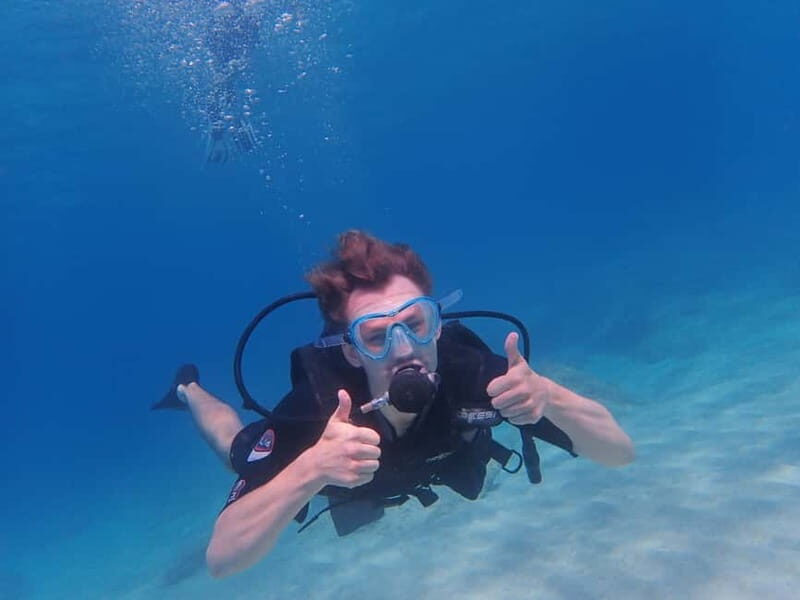
If you’ve ever wondered whether scuba is complicated, this is the kind of program that helps you find out. After registration, you’ll get a fun, informative briefing, plus a refresher course included in the price. The goal is to teach you enough to manage yourself, while the crew manages the rest.
A key detail: you’re not thrown in with zero support. The Waterhoppers crew stays with you throughout the underwater time, and they adjust your equipment so you’re comfortable. That matters because the fastest way to lose confidence is wrestling straps and hoses while also trying to breathe slowly.
The session for try divers is short and controlled:
- Around 20 minutes underwater
- Around 5 meters depth for try divers
That depth limit is a comfort factor for beginners. It’s deep enough to feel real scuba, but not so far down that you’re dealing with pressure and stress on top of everything else. Also, the plan is built for attention: you get plenty of time to practice as much as you need, rather than being rushed.
From the tone of the experience descriptions and the way the crew works, this is very much a “get your basics right, then enjoy” setup. The instructors don’t just watch you disappear and hope for the best. They’re actively helping you stay balanced and calm.
What you’ll see underwater near Rhodes: rocks, sea grass, swim-throughs, and sand
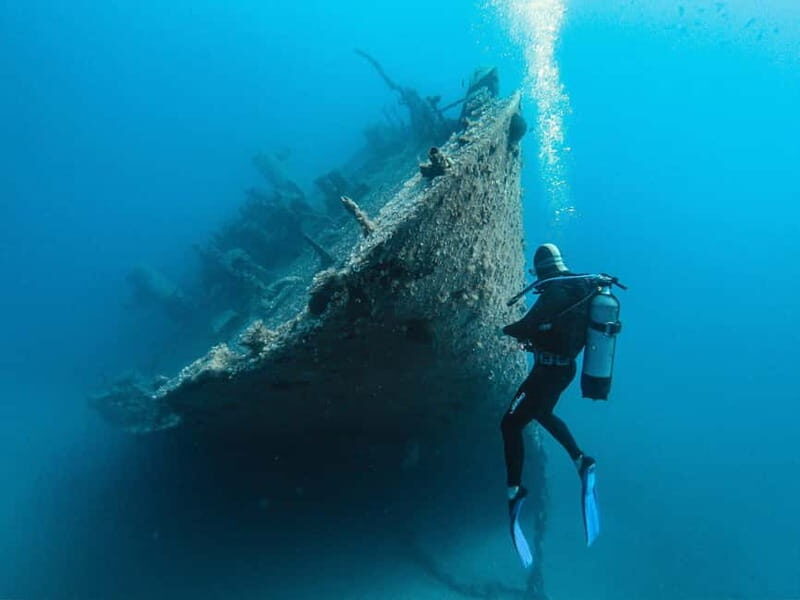
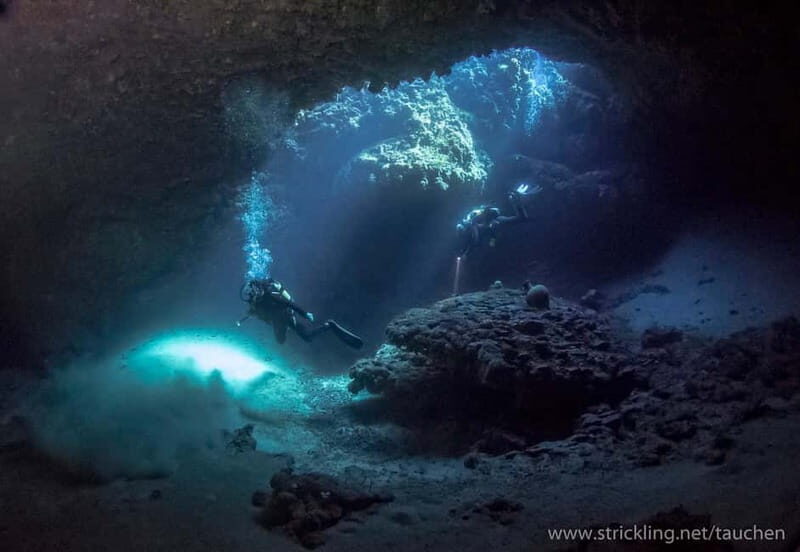
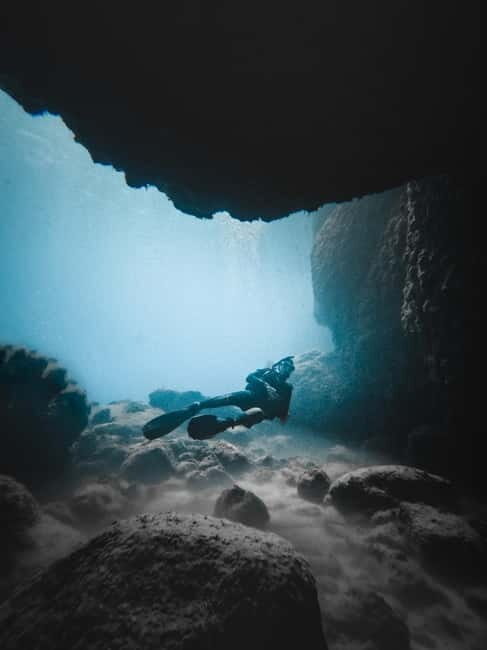
Pefkos is the kind of spot where the underwater terrain does part of the work for you. Instead of a simple flat sand bottom, the area includes rock overhangs, sea grass, swim-throughs, and sand. That mix creates visual variety, which is often what makes a first scuba experience feel special.
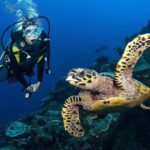
You can expect to see diverse Mediterranean sea life, with a couple of “why is that fish here?” moments. One interesting factor mentioned for this location is a gradual change in salinity of the Mediterranean, which can bring with it fish from the Red Sea. In plain terms: you might spot species that feel unexpected for the Mediterranean, and that variety helps the whole trip feel like more than just learning gear and breathing.
Why these underwater features are a big deal for beginners:
- Rock overhangs and swim-throughs give you landmarks to focus on, instead of only looking at the bottom.
- Sea grass provides texture and small-life zones, so your eyes have something to “read.”
- Sand keeps things simple and stable when you’re practicing buoyancy.
So even though the time is brief, the habitat variety makes each minute count.
If you’re already certified: how qualified divers fit into the same program
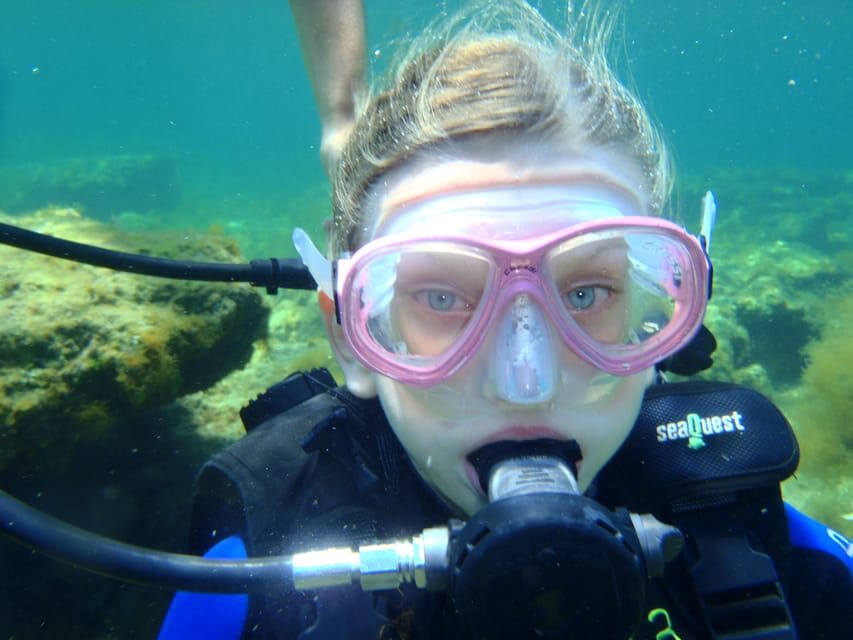
This is not only for brand-new divers. Qualified divers are welcome from all qualification agencies, as long as you bring your certification card. That’s important, because it’s the main way the team can match you to the right setup.
Once you’re in the water, expect guided support and equipment adjustments. Even if you’re experienced, the value here is the local knowledge of the site and the calm coaching vibe. A controlled session can also be a great way to refresh after time away from scuba.
One consideration if you’re an advanced diver: the “try diver” parameters (like depth and duration) are clearly stated for basic-skills participants, but your exact profile isn’t specified in the information provided. So if you want a specific depth plan, bring it up before you book and make sure the school can match what you’re expecting.
Children, age limits, and health restrictions (read this before you fall in love with the idea)
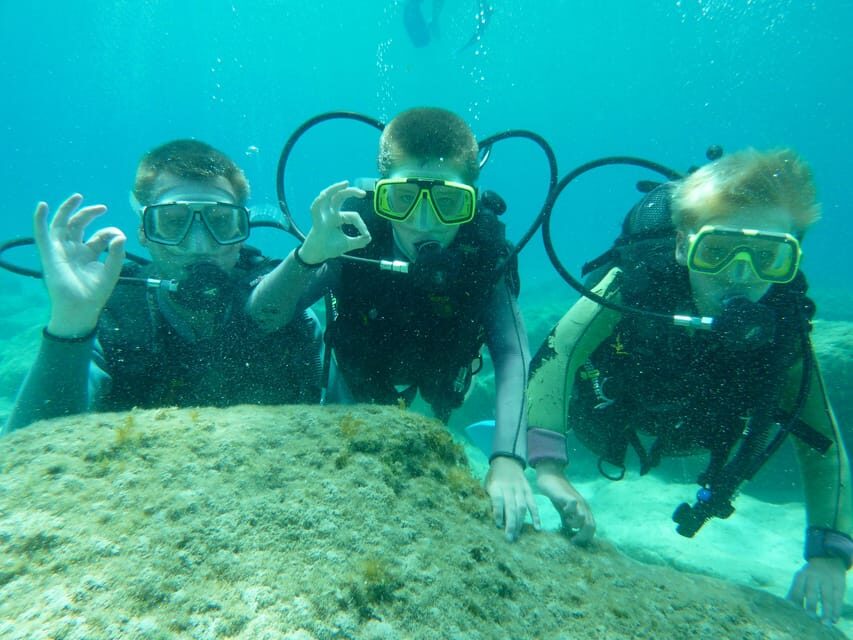
This program has clear safety boundaries, and it’s worth taking them seriously. The minimum age to participate is 8 years.
Children aged 8 and 9 can join the try diver groups, but with added limits:
- They dive the same route and for the same amount of time
- They go with a one-to-one instructor
- Their maximum depth is restricted to 2 meters
If you’re booking for a child, this is a good sign of structure. It means the program isn’t just “let them tag along.” It’s actively adjusted for younger bodies and training needs.
Now the health restrictions. The activity is not suitable for:
- Pregnant women
- People with heart problems
- People with respiratory issues
- People with epilepsy
- Children under 8 years
If any of that applies to you or your group, don’t try to negotiate around it. For scuba, those exclusions exist for a reason.





Price and value: is $79 per person a smart use of your Rhodes day?
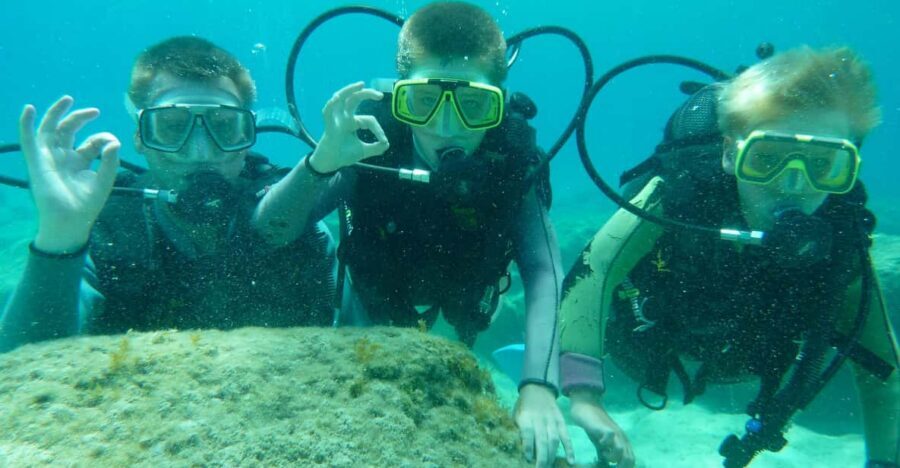
At $79 per person for a 1-day format, this can be solid value, especially if you’re new to scuba. Here’s what you’re getting for that money:
- All scuba gear
- Instructors
- A safety briefing
- A refresher course
- The main underwater session (with the option of a second session at extra cost that day)
Where the value gets even better is the small group size: limited to 6 participants. When you’re learning, more individual attention can shorten the time you spend confused and anxious. Less confusion usually means a better memory of the experience.
What’s not included matters too:
- Food and drinks are not included
So plan your day so you’re not starving during briefing time. If you’re staying near Pefkos, you’ll likely be able to grab a meal before or after, but you should treat lunch as your responsibility for budgeting.
Also note: a hotel pick-up can be organized for an extra fee. If you’re traveling with mobility concerns or just hate logistics, ask early so you don’t end up paying for a last-minute scramble.
Who this scuba program fits best in Rhodes (and who might want a different plan)
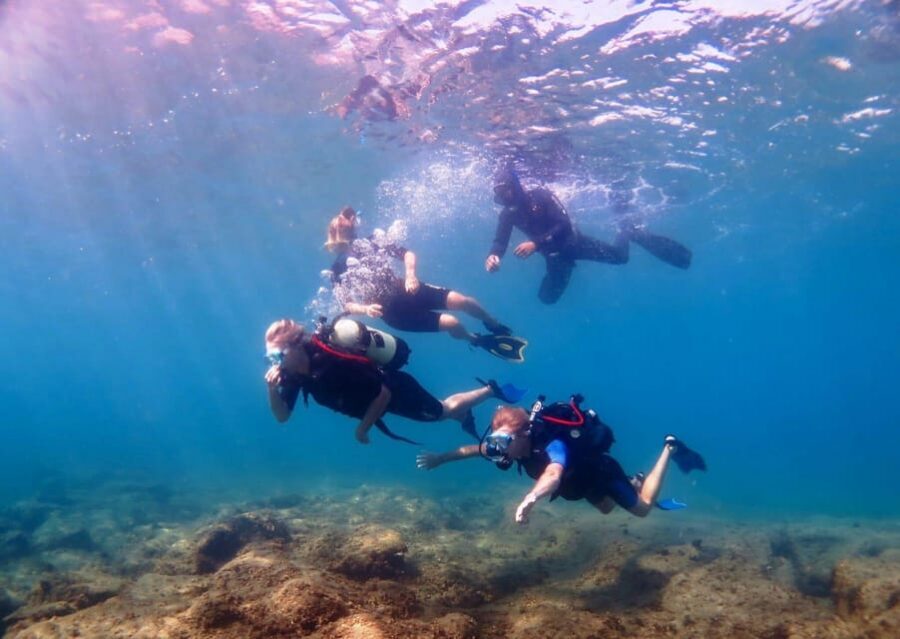
This experience is a great fit if you’re:
- Curious about scuba and want a short, guided first underwater session
- Comfortable following instructions and practicing basic skills on your schedule
- Looking for a calm, safety-minded introduction with English-speaking instructors
- Booking as a small group where everyone gets attention
It’s also a good fit if you’re a certified diver who wants a guided local experience and equipment support. Just remember to bring your certification card.
A different plan may suit you better if:
- You want a long underwater day with lots of time at depth
- You’re coming with health restrictions listed as not suitable
- You’re under 8 years old, or you need an age/depth setup outside what’s described
The short session can actually be a plus. Many people feel more confident after a controlled try than after a longer outing where you’re tired, cold, or mentally overloaded.
Booking tips that help you avoid hassles on the Rhodes side
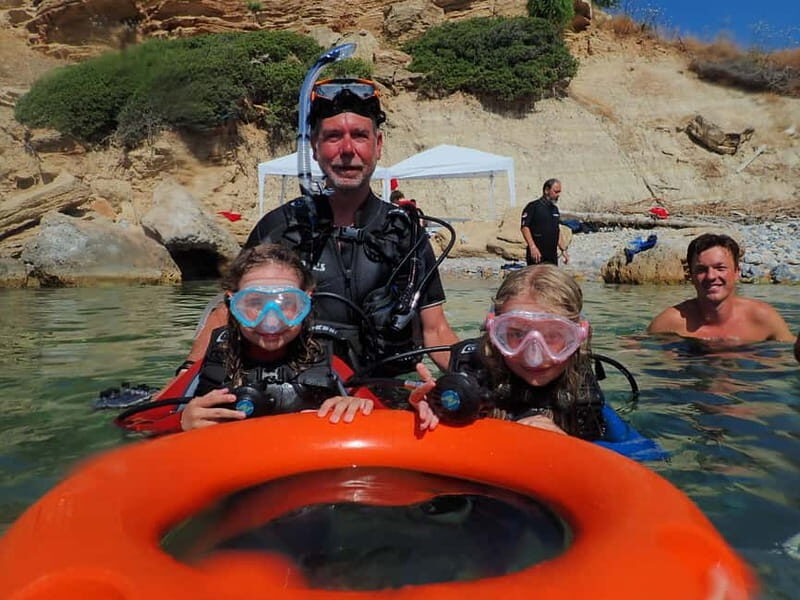
A few practical tips from the structure of this program:
- If you’re qualified, bring your certification card. This is explicitly required.
- If you’re sensitive to timing, check availability for starting times, because the activity is valid for 1 day with specific starting slots.
- If you want pick-up, plan for the extra fee and arrange it when you book.
- Brush up on your comfort level with rules and safety points. This is a session where following instructions matters for both safety and enjoyment.
And one more “heads up” note: the meeting spot is designed to be easy to find with the WATERHOPPERS sign and flags. Still, give yourself a bit of buffer time so you’re not arriving flustered right before briefing.
Should you book the Waterhoppers Pefkos program?
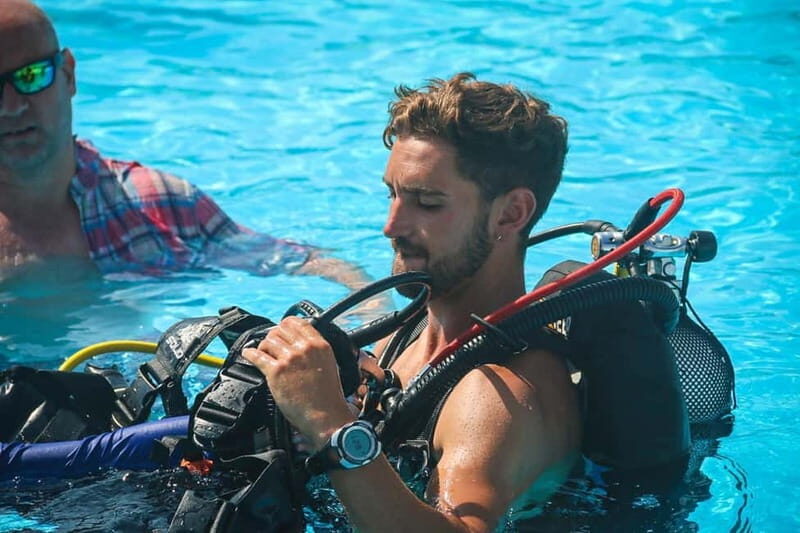
Yes, book it if you want a structured, safety-focused introduction to scuba in Rhodes with serious instructor attention. The combination of gear included, an hour-long safety briefing, a refresher course, and a controlled underwater session around 5 meters makes this a strong choice for first-timers and for anyone who wants to feel comfortable fast.
Skip it (or ask for alternatives) if you need a longer underwater program, if you fall into the health restriction categories, or if you’re hoping this will work like a flexible independent dive trip. This is best seen as a well-guided learning experience that leaves you with confidence and a clear idea of what scuba feels like in the Mediterranean around Pefkos.
FAQ
Where is the meeting point for the program?
You meet at Waterhoppers Pefkos. Look out for the diving flags and the big red WATERHOPPERS sign.
How long is the experience?
The activity is listed as a 1-day experience.
What do you do during the day?
The day includes a safety briefing (about 1 hour), kitting up with scuba gear, and a guided underwater session with instructors.
How long is the underwater session for try divers?
For try divers, the session is around 20 minutes and at a depth of about 5 meters.
Is this suitable for beginners?
Yes. The Try Diver program is designed for people with basic diving skills and includes a theory lesson and guidance from an international instructor team.
Is there an option for a second underwater session?
A second session is available at extra cost on the day.
What’s included in the price?
Included: all diving gear, instructors, safety briefing, and a refresher course. (A second session can be added for extra cost.)
Do I need to bring certification if I’m already qualified?
Yes. Qualified divers must bring their certification card.
What are the age limits?
The minimum age to dive is 8 years. Children aged 8 and 9 can join with a maximum depth of 2 meters and one-to-one instructor support.
Is there hotel pick-up?
Hotel pick-up and return are available for an extra fee, arranged when you book.