REVIEW · CRETE
Spiridi Olive Oil Farm Tour
Book on Viator →Operated by Cretan Olive Oil Farm · Bookable on Viator
A visit to Spiridi Olive Oil Farm turns Cretan staples into something you can actually understand. You walk a relaxed route through a small olive-oil museum, learn how the oil is made, and finish with free tastings of local favorites.
Two things I especially like are the way the information is laid out in clear audio-and-text stations and the fact that the experience doesn’t end at the museum door—it feeds right into the flavors (olive oil, honey, raki, and more). One thing to consider: you’re on your own pacing-wise, so if you want long, formal guided narration the whole time, plan on using the device and reading the boards.
There’s also a practical upside: this is short (about 1 hour) and budget-friendly at $9.60, which makes it easy to fit between beach time and dinner. The farm has a maximum group size of 40, so it stays comfortable instead of chaotic.
In This Review
- Key highlights you’ll notice fast
- Spiridi Olive Oil Farm: a small, practical taste of Cretan life
- Getting there and timing: open hours that fit a beach day
- Stop 1: the farm museum route with tablet guidance and a real olive press
- What the museum-style stations feel like
- The main drawback to watch for
- Included tastings: olive oil, honey, raki, herbs, and local delicacies
- Extra hands-on activities: cooking, cheese making, pottery, and more (when offered)
- The shop value: bring home olive oil, honey, pottery, and local cosmetics
- Price and value: why $9.60 feels fair for this kind of visit
- Who should go (and who might skip it)
- Should you book Spiridi Olive Oil Farm Tour?
- FAQ
- How long is the Spiridi Olive Oil Farm tour?
- How much does the tour cost?
- Where does the tour start and end?
- What’s included with admission?
- Is hotel pickup included?
- What language is the tour offered in?
- What’s the meeting point address?
- What are the opening hours?
- Do I need cash for the ticket?
- Can service animals go on the tour?
- What if my plans change?
Key highlights you’ll notice fast
- Self-guided on a tablet with audio and text, so you can move at your speed
- Included tastings: olive oil, honey, raki, herbs, and local delicacies
- A museum route with multiple exhibits, including a traditional olive press
- Cretan by-products explained, with carob showing up in the learning
- Small-group feel with a cap of 40 travelers
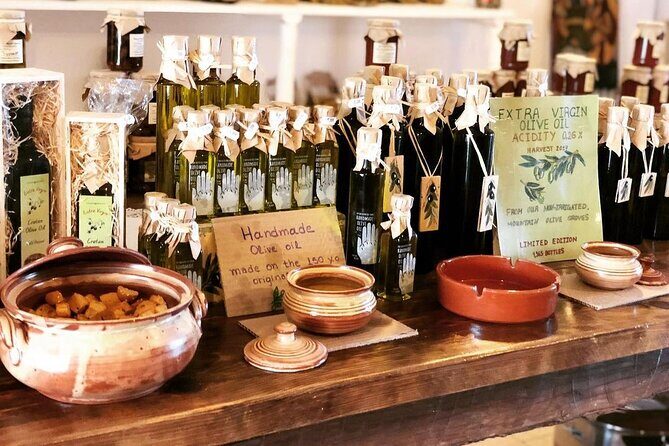
- A shop on-site where it’s easy to buy olive oil, honey, pottery, and locally made cosmetics
Spiridi Olive Oil Farm: a small, practical taste of Cretan life
Spiridi Olive Oil Farm sits just outside Agios Nikolaos, and the vibe is personal. This isn’t a giant factory visit with crowds and hard sells. It’s more like a family-run place that wants you to understand what olive oil means on Crete—and why it shows up in food, routines, and even household products.
What makes it work well is the pacing. You’re given a guided self-tour format with audio and text, and you move station to station. That’s great if you hate being stuck behind slow walkers, and it’s also good if you want a minute to pause with your question.
You’re also not just looking at things. The visit ends with tastings that help your learning click. Olive oil is easier to talk about after you’ve smelled and tasted a few samples side by side.
A few more Crete tours and experiences worth a look

Getting there and timing: open hours that fit a beach day
This experience runs from 10:00 AM to 5:00 PM (Monday–Saturday) during its stated season: 04/11/2026–10/31/2026. The tour duration is about 1 hour, so it’s unlikely to swallow your whole afternoon.
There’s no hotel pickup or drop-off, so you’ll want a plan for transport. The meeting point is the farm itself at: Cretan Olive Oil Farm, Αγ. Νικόλαος 721 00, Greece. Most people treat it like a straightforward outing from Agios Nikolaos—simple, but you do need to get yourself there.
On timing, I’d aim for a time when you’re not rushing. Even though the official visit is around an hour, you’ll probably want extra time for the museum stops and tastings, plus a quick look in the shop.
Stop 1: the farm museum route with tablet guidance and a real olive press
Your visit focuses on one main stop: Spiridi Olive Oil Farm. The experience is set up like a walking tour with stations—some informational boards, plus a tablet-style self-guided program using audio and text.
What I like about this setup is that it doesn’t assume you already know the process. You get the story of olive oil production and how Cretans make use of the olive beyond just the oil. One review specifically called out learning about olive oil production and even carob, and that kind of “wait, there’s more to this” detail is exactly what makes these farms worth the detour.
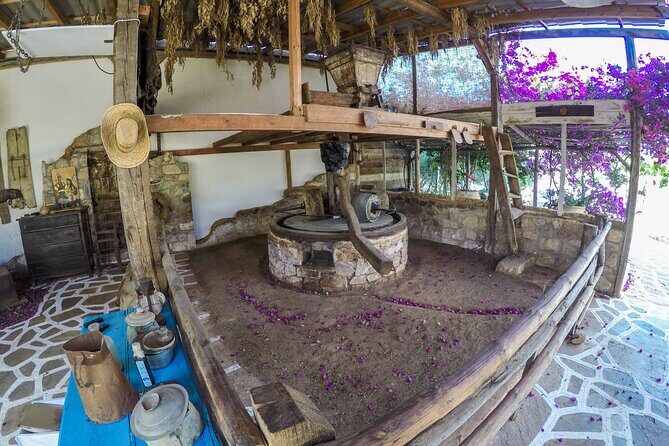
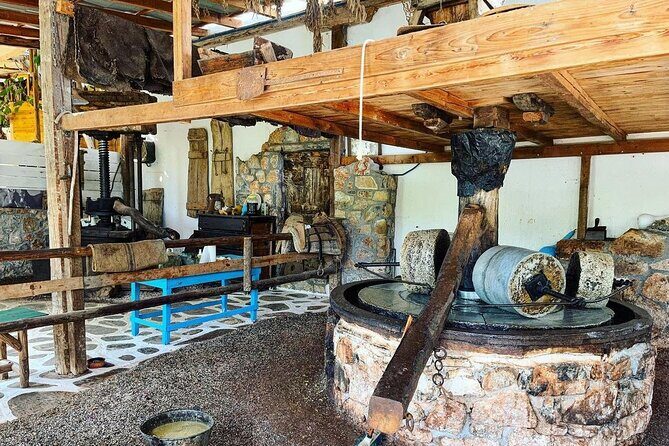
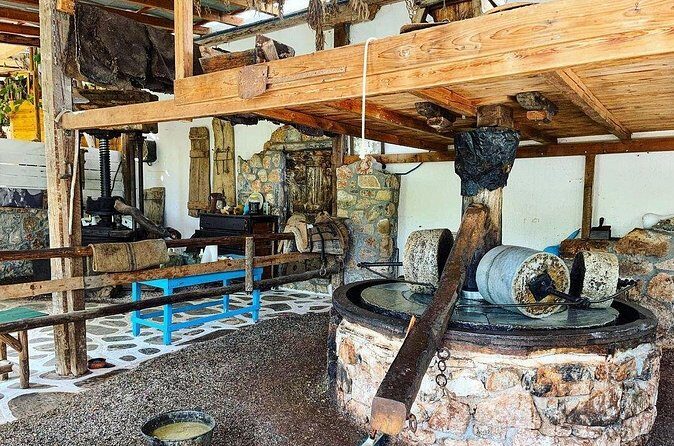
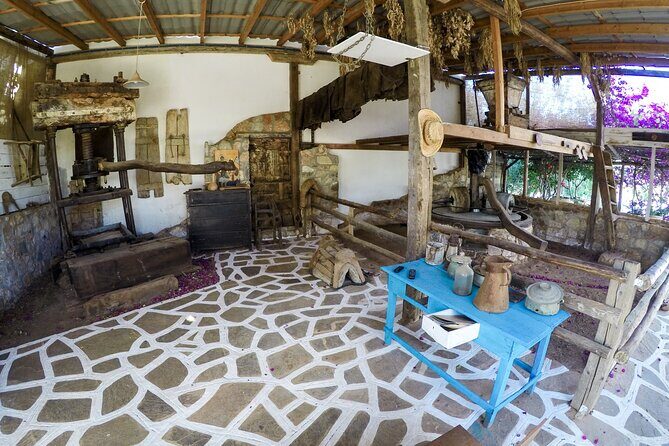
A highlight in the museum route is the traditional olive press. You can learn the timeline and purpose, but seeing the equipment helps you make sense of why the process matters. It’s also a good anchor point during the visit: when you find the olive press, you know you’re in the right section of the story.
What the museum-style stations feel like
Expect a sequence of stops where each area adds a new piece of the puzzle. Reviews mention around 10 exhibits and a walkthrough that’s clearly prepared, which is a big deal for self-guided tours. When the stations are organized, you don’t have to guess what you’re looking at.
Also, there’s room for light farm personality. You might even catch small lively moments around the property, like a story about someone (Costas) chasing a goat. Even if you don’t see farm “antics,” the point is that this feels lived-in, not staged.
The main drawback to watch for
Because this is self-guided, your experience depends on using the device and taking a few minutes with the boards. If you typically skim everything and want a full narrative delivered to you, you may finish faster than you expected and feel like you missed context. In that case, slow down and let the audio and text do the heavy lifting.




Included tastings: olive oil, honey, raki, herbs, and local delicacies
The tastings are the part most visitors remember, because they turn learning into something physical. Your admission includes samples of olive oil, honey, raki, herbs, and local products.
Even if you’re new to olive oil, this works. Olive oil is one of those products where a quick sip with context goes a lot further than trying to read about it later. Honey and raki give you a wider taste of Cretan flavors, and the herbs add that savory, earthy dimension that makes the region feel distinct.
One practical tip: pace yourself. If you go too fast through the museum and hit the tastings without breaks, the samples can feel like a blur. If you want the best “I get it now” moment, take in the production story first, then let your senses catch up during the tasting.
Also, if you’re sensitive to alcohol: raki is included in the tasting. You can usually choose how much you sample, but be ready for it being part of the experience.
Extra hands-on activities: cooking, cheese making, pottery, and more (when offered)
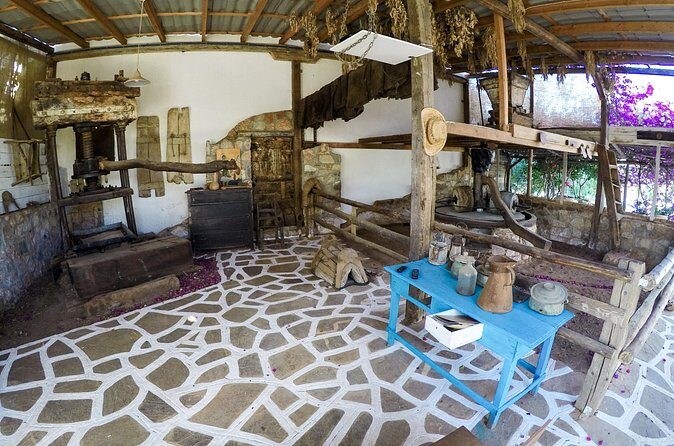
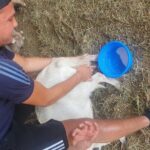
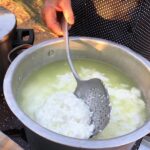
Spiridi Olive Oil Farm isn’t only a museum. The property is described as offering cultural and hands-on options such as cheese making, cooking lessons, pottery workshops, and other demonstrations.
Not every add-on is guaranteed in the base admission, so keep your expectations flexible. Think of it this way: the core ticket gets you the museum route plus tastings. If additional workshops are running during your visit, you might be able to join depending on what’s scheduled on-site.
Pottery came up in the experience descriptions and shop talk, and one review mentioned a pottery atelier showing up as part of the on-site activities. If you like making something with your hands, look for signage or ask at the start so you don’t miss what’s happening that day.
The shop value: bring home olive oil, honey, pottery, and local cosmetics
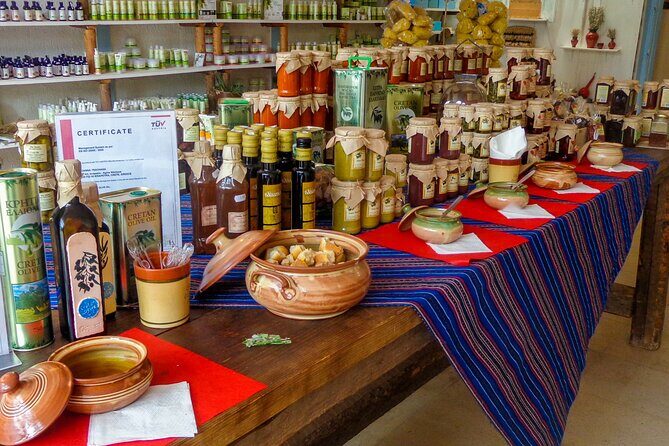
Here’s where many people quietly judge whether the farm is worth it: can you buy decent products at a fair price right after learning where they come from?
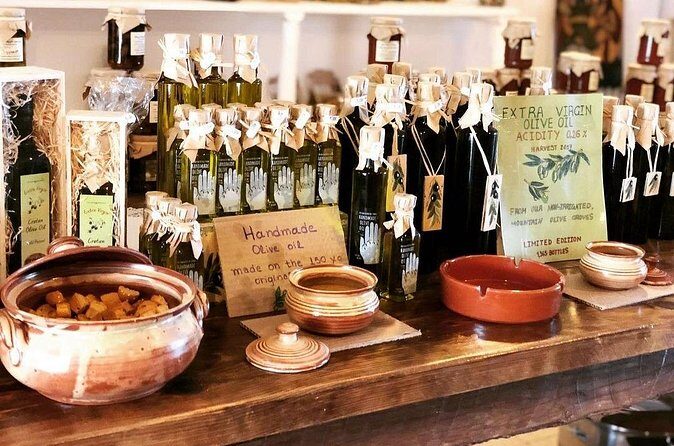
The shop is part of the overall experience, and it’s easy to browse once you understand the story. Reviews praised the on-site pricing as reasonable and suggested it can be better value than similar items in town. I like that logic: you’re not shopping blindly. You’ve just tasted the olive oils and honey, so you can make a more confident choice.
The shop also includes things like pottery and locally produced cosmetics, according to what visitors noted. That matters if you want take-home souvenirs that feel connected to the place instead of generic tourist goods.
Price and value: why $9.60 feels fair for this kind of visit
At $9.60 per person, this is priced like a budget-friendly cultural stop. What makes the value feel real is what’s included: museum access, a self-guided tour with audio and text, and multiple tastings.
For comparison, tasting-focused experiences often charge more once you add guidance. Here, the guide component is built into the self-tour format, so you’re paying for learning plus the samples that make learning stick.
Duration helps too. At about 1 hour, you can fit it into a day without sacrificing your whole schedule. That turns it into a smart “one more stop” idea, not a stressful commitment.
Who should go (and who might skip it)
This is a strong fit if you want:
- a quick, understandable overview of olive oil production and olive by-products
- a relaxed tour format where you can pause and read at your pace
- included tastings instead of just a walk-through with no payoff
- a budget-friendly stop near Agios Nikolaos
It may be less ideal if you’re the type who wants a long, fully guided experience at every step. Because it’s self-guided, you’ll get the most from it if you’re willing to use the tablet and pay attention for a few key minutes.
Should you book Spiridi Olive Oil Farm Tour?
Yes, I think you should book it if you’re in the Agios Nikolaos area and you want a low-cost, high-flavor introduction to Cretan food culture. The combination of a museum route, audio-and-text guidance, and included tastings is exactly what makes this kind of outing worth your time.
Before you go, set yourself up for success: plan to arrive with enough time to use the device, don’t rush the museum stops, and treat the shop as part of the learning—not an afterthought. If you do that, $9.60 turns into one of those small stops that improves how the rest of your trip tastes and makes sense.
FAQ
How long is the Spiridi Olive Oil Farm tour?
It lasts about 1 hour.
How much does the tour cost?
The price is listed as $9.60 per person.
Where does the tour start and end?
It starts and ends at Spiridi Olive Oil Farm at the address in Agios Nikolaos (721 00), Greece.
What’s included with admission?
You get access to the olive oil museum, the guided self tour with audio and text, and tastings of olive oil, honey, raki, and local products.
Is hotel pickup included?
No. Hotel pickup and drop-off are not included.
What language is the tour offered in?
The experience is offered in English.
What’s the meeting point address?
Cretan Olive Oil Farm, Αγ. Νικόλαος 721 00, Greece.
What are the opening hours?
During the season shown, it runs Monday to Saturday from 10:00 AM to 5:00 PM.
Do I need cash for the ticket?
You’ll receive a mobile ticket after booking.
Can service animals go on the tour?
Yes, service animals are allowed.
What if my plans change?
Free cancellation is available up to 24 hours in advance for a full refund.