REVIEW · CRETE
Chania Area: Cooking Class at a Farm in Stylos Village (organic)
Book on Viator →Operated by Veggera · Bookable on Viator
Goat milking and dinner on an organic Crete farm. In the Chania area, this small-group class in Stylos Village pairs hands-on goat milking and cheese making with real village hospitality led by chef Sofia and Nikos. The only real catch: it’s a working farm day, so wear grippy shoes and expect some uneven ground.
You start with a stop in the Diktamos Gorge area, then move into farm tasks, olive and vineyard talk, and a cooking break that includes homemade lemonade plus big scenic photo moments. I like how the day stays small (max 8), and lunch is built from what the family grows and makes, not just pre-planned restaurant-style ingredients.
In This Review
- Key Highlights You’ll Care About
- Why This Chania-Area Farm Cooking Class Feels Different
- Diktamos Gorge: A Scenic Start Before the Farm Work
- Stylos Village Farm Tour: Sheep, Goat Milking, and Cheese Making
- The Olive Oil, Herb Garden, and Threshing Floor Stuff You’ll Actually Use
- Cooking Lunch the Cretan Way: From Ingredients to a Full Table
- Homemade Lemonade, Photos, and the View Break
- Lunch with Cretan Stories and Traditional Music
- Practicalities: Timing, Group Size, and What to Bring
- Price and Value: What $145.99 Really Buys
- Who Should Book This (and Who Might Think Twice)
- Should You Book This Stylos Organic Farm Cooking Class?
- FAQ
- How long is the cooking class?
- Where does the experience start?
- Is the tour offered in English?
- How big is the group?
- What activities are included?
- Is there a stop at Diktamos Gorge?
- Are service animals allowed?
- What is the cancellation policy?
- Do I get confirmation when I book?
Key Highlights You’ll Care About
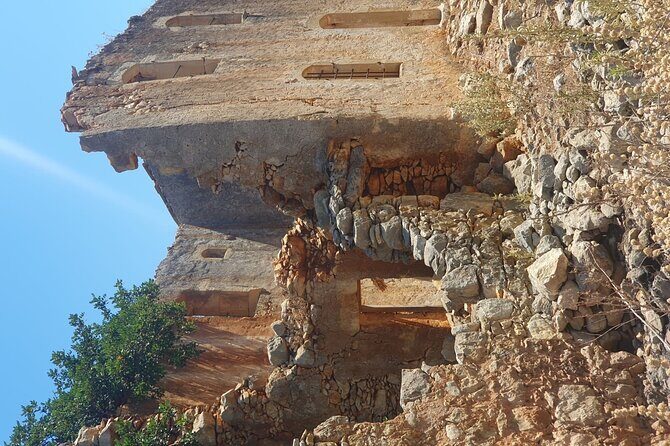
- Hands-on animal moments: free-range sheep, plus a real shot at goat milking
- Cheese work during the day: cheese making is part of the flow, not a side show
- Olives and vineyard education: you’ll learn about olives and the vineyard while you’re walking and working
- Lunch made from farm ingredients: extra virgin olive oil, vegetables, local meats, homemade cheeses
- Wine and raki with stories: you eat, listen to traditional music, and learn Cretan culture from the people living it
Why This Chania-Area Farm Cooking Class Feels Different
This isn’t a factory-feeling cooking lesson. It’s a day that starts with farm life and ends with a sit-down lunch that tastes like it belongs there. If you want the kind of food culture that comes from daily routine (not just a script), you’re in the right place.
Chef Sofia is the cooking engine, and you get to do the work. You’re not standing around watching someone else plate food while you take photos. Nikos also plays a big role in the village side—he helps you connect the kitchen to the land and the people behind it.
The group size matters here. With a maximum of 8 travelers, the host-family attention doesn’t vanish the moment the first person asks a question. The pacing also feels more like a shared afternoon than a rushed tour.
You can also read our reviews of more cooking classes in Crete

Diktamos Gorge: A Scenic Start Before the Farm Work
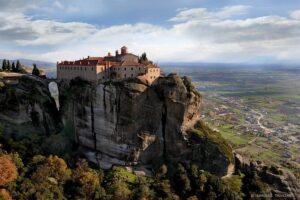
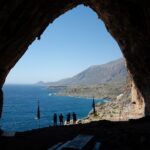
The day includes a stop at Diktamos Gorge, which helps set the tone. Crete’s “green and dry” mix hits harder when you see it from a real outdoor viewpoint. It’s also a practical reset before the hands-on part of the program.
Just be honest with yourself about comfort. Any gorge stop usually means walking and watching your footing, and this experience runs as a full farm + cooking schedule afterward. If you’re planning on glam shoes or slick sandals, swap them now.
Stylos Village Farm Tour: Sheep, Goat Milking, and Cheese Making
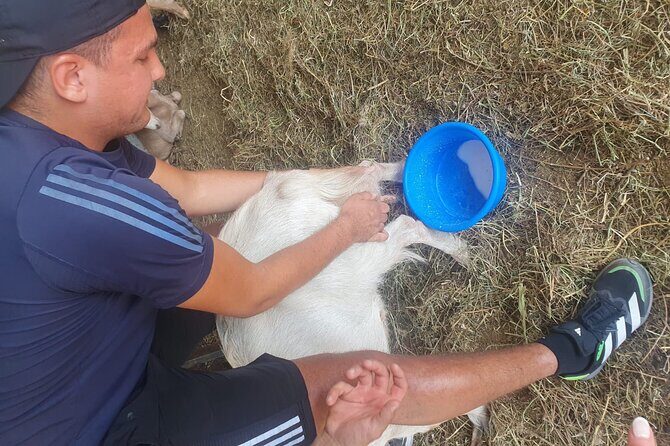
This is where the day earns its keep. You walk through the free range sheep area, and then you get pulled into farm activities that feel genuinely local. The hosts don’t treat animals like a novelty prop. You’re involved at a pace that still lets you enjoy what’s happening around you.
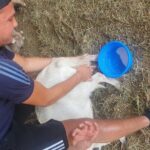
Goat milking is a major moment. It’s the kind of activity most people only see on YouTube or in zoos—but here it’s part of the farm rhythm. Expect instruction, then a hands-on try, with the family showing you what matters.
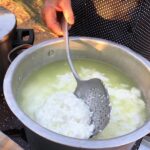
Then comes cheese making. This is a key detail for food lovers: it’s not just “we made lunch.” You’ll learn the steps and the thinking behind the cheese, and that makes the meal at the end hit differently. You’re tasting with context, not just eating a final product.
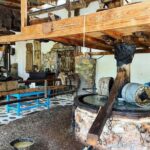
If you enjoy olive oil culture, this farm also gives you a guided understanding of how the olives and vineyard connect to daily life. You’ll walk the threshing floor and learn about olives and the vineyard as part of the wider story of how the family produces what ends up on your plate.
The Olive Oil, Herb Garden, and Threshing Floor Stuff You’ll Actually Use
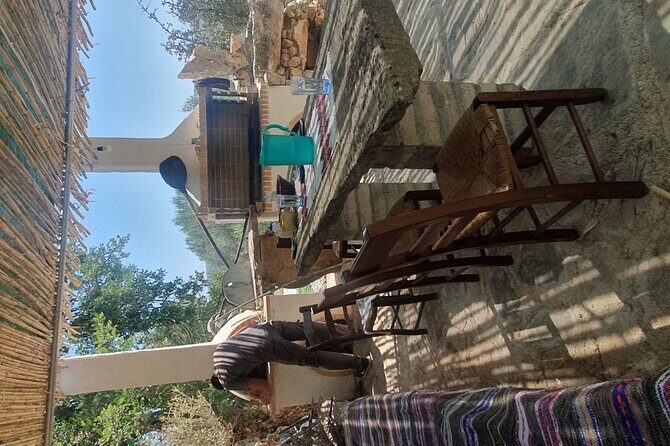
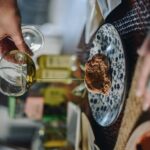
A lot of cooking classes talk about ingredients like they’re labels. This one treats them like living parts of the land. The family’s extra virgin olive oil and cheeses are central, and the way you see them makes it easier to buy them later without getting lost in marketing.
One detail worth paying attention to: the farm uses supplies from its own garden. That matters because it changes flavor in obvious ways—things taste fresher and less generic. If you’re the type who always wonders why a dish tastes better in the source region, you’ll likely feel it here.
The threshing floor and olives/vineyard education also give you something to take home besides recipes. You’ll understand why Cretans treat certain foods with a kind of everyday respect—because the food is part of the calendar, not just a menu item.
Cooking Lunch the Cretan Way: From Ingredients to a Full Table
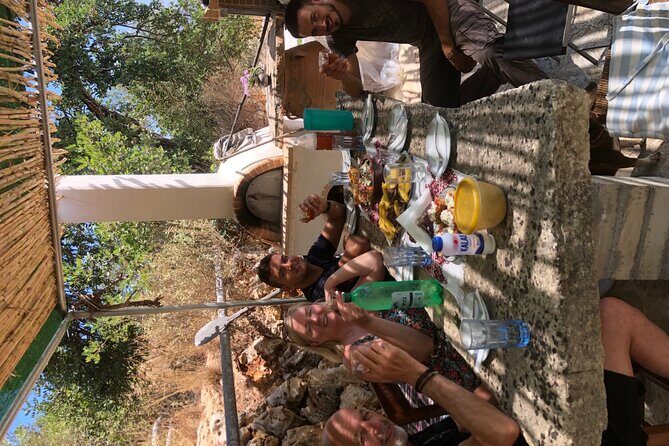
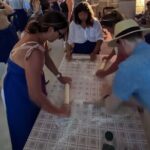
After the farm walking and animal activities, you get ready to cook lunch with hearty Cretan ingredients. This is where the program becomes your job—and it’s more satisfying than you might expect.
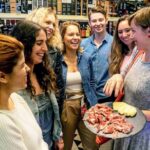
You’ll work with extra virgin olive oil, fresh vegetables, local meat, and homemade cheese. Then you add the drinks into the mix: lunch is accompanied with wine and raki. That combination is a big part of the cultural feel. It’s not just “food with alcohol.” It’s about the way meals move through conversation, stories, and slower enjoyment.
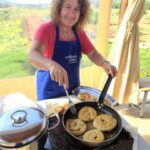
A nice bonus in this setup is that the meal isn’t limited to one idea of what Cretan food is. If you know the classic Cretan toast base (dakos), you’ll likely see a version that’s topped with homemade myzithra cheese. That sort of upgrade makes the dish feel like a local version, not a generic tourist plate.
There’s also a “wait and taste” rhythm to cooking here. You’ll prepare items, wait for things to cook, and then you’re pulled back into the farm and family spaces during downtime. It helps the day feel less like a timed cooking marathon.
A few more Crete tours and experiences worth a look
Homemade Lemonade, Photos, and the View Break
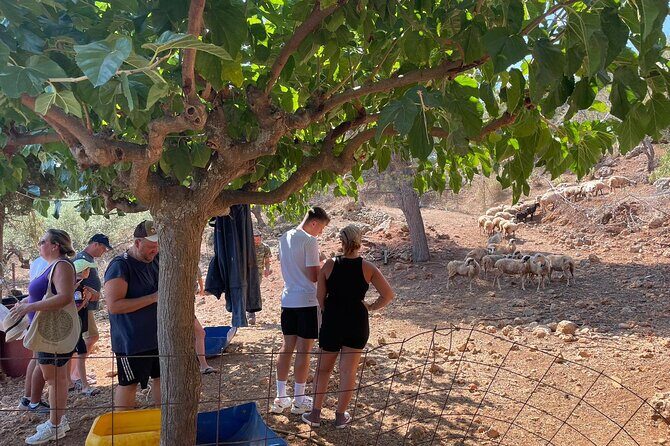
Between farm tasks and cooking time, you get a break with refreshing homemade lemonade. It’s a small thing on paper, but it matters in real life. When you’ve been walking and hands-on-ing for hours, a drink break resets your energy.
There’s also an incredible view where you’ll have a chance to take photos. This is one of those moments that’s easy to skip if you’re rushing. Don’t. Steal a minute, look around, and soak in where you are. Crete rewards that kind of pause.
Lunch with Cretan Stories and Traditional Music
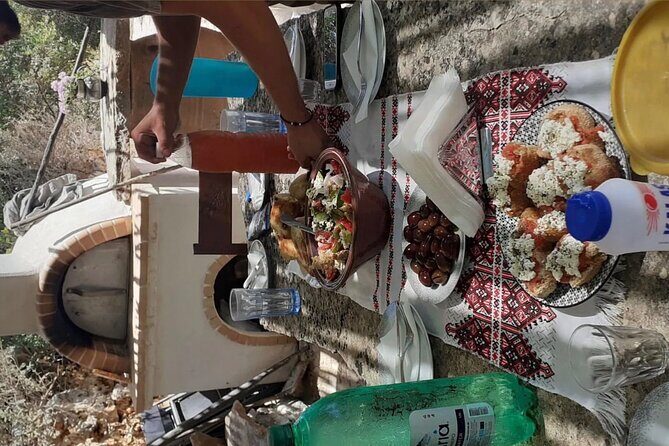
The meal isn’t just food. It’s the social part. After you sit down, you’ll hear more about Cretan culture through stories, and you’ll listen to traditional music. This is the part that turns ingredients and techniques into meaning.
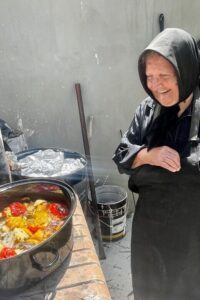
This is also where the family atmosphere shows up. People describe it as feeling like part of the community, not like you’re being processed through stations. You’re likely to meet the grandmothers’ side of the family too (the yia yia connection comes up), which is one reason the day feels warm and human.
One more practical note: the homemade wine and raki are part of the lunch setting. If you’re not drinking, you should still enjoy the meal, but keep in mind the atmosphere leans social. Also plan your day so you’re not trying to drive right after—raki in particular isn’t a “sip and go” drink.
Practicalities: Timing, Group Size, and What to Bring
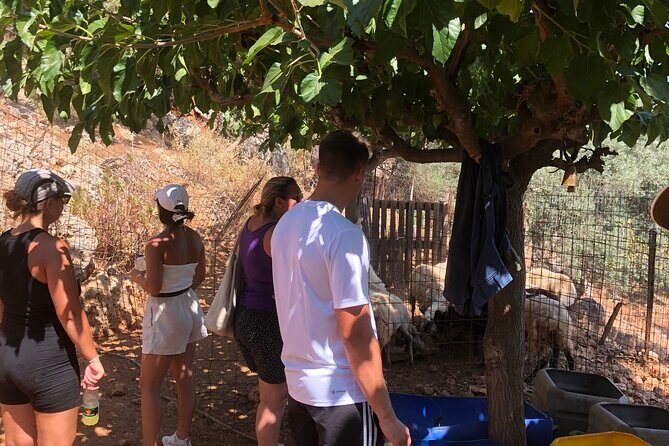
This experience runs about 5 hours. That’s a good length for a full farm day without turning into an all-day endurance event. Still, it’s long enough that you should dress like you’ll be outside and moving.
You’re in English, and it’s limited to a maximum of 8 travelers. That combination usually means you get questions answered and instruction that actually lands.
Wear grippy shoes. Even if the walking doesn’t feel long, farm surfaces can be uneven, and you’ll want stable footing when animals and farm tools are involved. Bring a light layer too—outdoors temps can shift depending on the time of day.
For entry details, you’ll have a mobile ticket, and confirmation is received at booking. The meeting point is listed as VeggeraC4PC+4G, Stilos 730 03, Greece, and the tour ends back at the meeting point.
Price and Value: What $145.99 Really Buys
At $145.99 per person, you’re paying for more than a cookbook moment. You’re paying for access to a working organic farm day, hands-on animal and cheese activities, and a full lunch built around what the family produces.
Here’s why that can be good value. A typical “cooking class” might hand you chopped ingredients and send you home with a recipe card. This setup includes farm experience elements (sheep, goat milking, threshing floor, olive/vineyard learning) plus food that you’ve helped build and understand. Then you sit down with wine, raki, stories, and traditional music. That’s a lot of “included experience” for one ticket.
Also, the small group size helps. When you’re with a max of 8, you’re more likely to get individualized attention and less likely to feel like you’re just another seat at the table.
If you’re on a super tight budget, it’s still a premium day. But if you want a memorable Crete connection—food plus family atmosphere—this price starts to look fair.
Who Should Book This (and Who Might Think Twice)
Book it if you want a real farm-to-table day in the Chania area. It’s a great match for food lovers who like practical, hands-on cooking, and for travelers who enjoy meeting multi-generational families and learning how food fits into daily life.
It also works well if you like a slower pace. The flow isn’t just kitchen steps. You’ll have farm time, a view break, then lunch with stories and music.
Think twice if you want a purely classroom-style cooking experience, or if you’re hoping for lots of sitting time. You’ll be active outdoors, and you’ll be around animals. The experience says most travelers can participate, but the nature of farm terrain still matters.
Should You Book This Stylos Organic Farm Cooking Class?
Yes—if your idea of a great Crete day includes hands-on food, animal moments, and a family-led cultural setting. This is the kind of experience that sticks because you understand what you’re eating and why it tastes the way it does.
You can also treat it as a smart “one big food day” in your trip. If you’re only doing one cooking-style activity around Chania, this one is more than a single dish. It’s a whole food system for a few hours: olives, olive oil, cheeses, vegetables, local meats, then the meal with wine and raki.
If you’re traveling with friends or family, it’s especially appealing because the group size stays small and the hosts can keep the conversation going.
FAQ
How long is the cooking class?
It runs for about 5 hours.
Where does the experience start?
The meeting point is listed as VeggeraC4PC+4G, Stilos 730 03, Greece, and it ends back at the same meeting point.
Is the tour offered in English?
Yes, it’s offered in English.
How big is the group?
The experience has a maximum of 8 travelers.
What activities are included?
The day includes a farm walk with free range sheep, goat milking, cheese making, time on a threshing floor, and learning about olives and the vineyard. You’ll also enjoy homemade lemonade, then cook lunch with local ingredients and have wine and raki.
Is there a stop at Diktamos Gorge?
Yes. Diktamos Gorge is listed as Stop 1.
Are service animals allowed?
Service animals are allowed.
What is the cancellation policy?
You can cancel for a full refund if you cancel up to 24 hours in advance of the experience’s start time. After that cutoff, the paid amount isn’t refunded.
Do I get confirmation when I book?
Yes. Confirmation is received at the time of booking.