REVIEW · CRETE
Crete: Sightseeing Day Trip with Cooking Lesson and Lunch
Book on GetYourGuide →Operated by Safari Experts Crete · Bookable on GetYourGuide
This is the kind of day trip that packs farm life, pottery, and olive oil into one smooth loop, guided by friendly hosts like Nikos and Mike. I love how hands-on it feels, from milking goats at Potamies to making your own ceramic piece. The one thing to plan around is that the schedule is busy, so the cooking portion can feel a bit limited if you’re expecting a long cooking workshop.
You also get that off-road Crete mood: 4×4 driving on dirt roads through the Embasa gorge, plus stops at iconic places like the Lassithi plateau and the old aqueduct area in Krasi. If you’re staying in Analipsi, Heraklion, Hersonissos, or Sisi, this is a practical way to see more than the usual coastal strip without renting a car.
In This Review
- The best parts (and the one trade-off)
- Key highlights worth circling
- From Pickup to 4×4: What the day really feels like
- Potamies Farm: Goat milking and farm products
- Aposelemis Dam and the story of submerged Sfendili
- Embasa Gorge by 4×4: Dirt roads, views, and herb picking
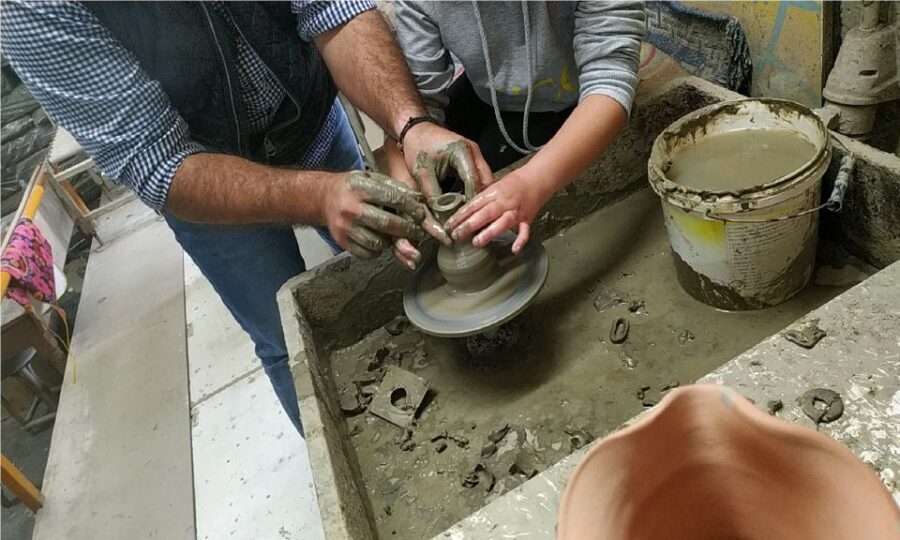
- Lassithi Plateau ceramics: Make something you can bring home
- Wood-oven lunch and the Cretan cafeteria moment
- Krasi’s aqueduct square and the 2,000-year-old plane tree
- Olive oil factory: how extraction works and what you taste
- Cooking lesson reality: what you’ll get, and what to expect
- Guides can make or break the day
- Price and value: is $108 per person worth it?
- Who should book this Crete day trip
- Should you book this Crete day trip?
- FAQ
- Where are the pickup locations for this day trip?
- How long is the tour?
- What vehicle will I ride in?
- What languages are available for the live tour guide?
- What activities are included in the experience?
- Is lunch included, and what does it include?
- What should I bring?
- Is there anything I’m not allowed to do during the tour?
- What’s the main schedule like, in plain terms?
- Can I book this as a private group?
The best parts (and the one trade-off)
Two standouts for me: the ceramics workshop (you actually create something), and the olive oil factory tour where you learn how Cretan oil gets made and taste samples. The trade-off is that the day is structured, so if you’re hoping for slow, private time at each stop, you might feel the pace a little more than you’d like—especially around lunch and the workshop moments.
Key highlights worth circling
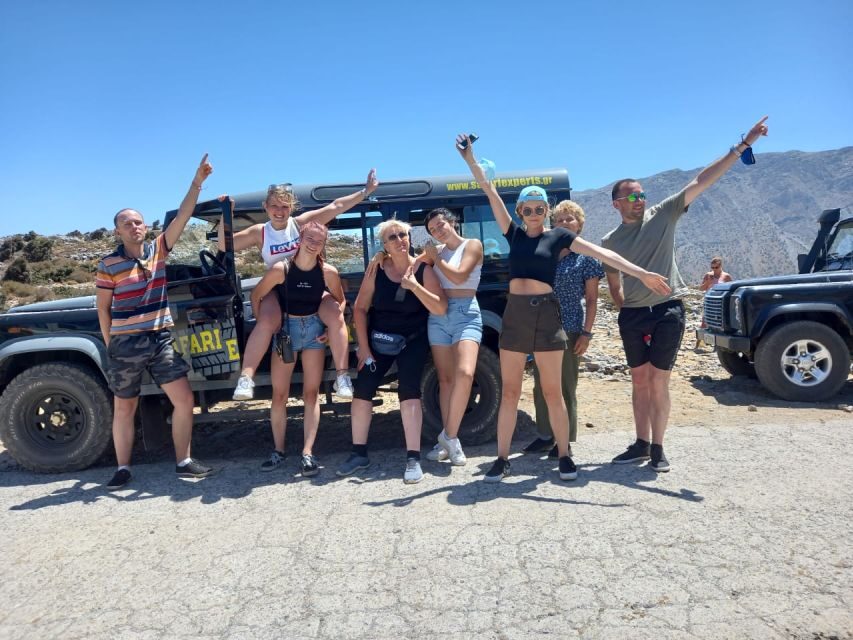
- Goat milking at the Potamies farm, plus farm products made from milk
- 4×4 dirt-road driving through the Embasa gorge, with views and herb-picking opportunities
- Pottery workshop on the Lassithi plateau, where you make your own ceramic masterpiece
- Aposelemis Dam stop, including the story behind submerged Sfendili houses
- Krasi’s aqueduct square and ancient plane trees, including one listed as over 2,000 years old
- Olive oil factory tour with samples, plus a quick lesson on extraction
You can also read our reviews of more cooking classes in Crete
From Pickup to 4×4: What the day really feels like
Most day trips on Crete either focus on one thing or spend the day stuck on roads. This one is different: it starts with hotel pickup from Analipsi, Heraklion, Hersonissos, or Sisi, then turns into a 4×4 loop built for variety.
You’ll ride in a Land Rover Defender or a 4×4 Mercedes Vito, both described as fully air-conditioned. That matters because you’re spending real time in the vehicle, and Crete can run warm even in shoulder season. The route can also change for safety or weather, which is smart—so keep your schedule flexible and expect a bit of “on the road” time.
A small practical detail I appreciate: the driver waits in your hotel lobby 15 minutes before pickup, and they’ll wait no longer than 10 minutes after the scheduled pickup time. If you like to pad your timeline, do it by getting ready early rather than by lingering.
Potamies Farm: Goat milking and farm products
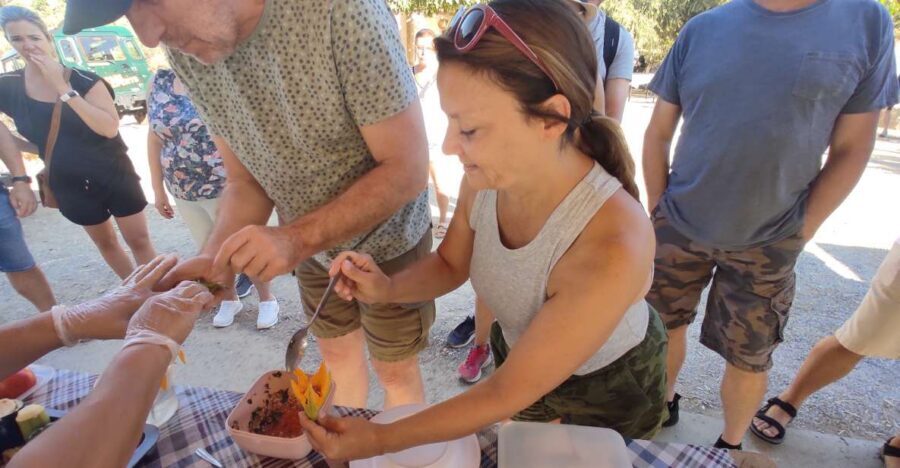
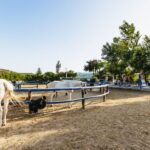
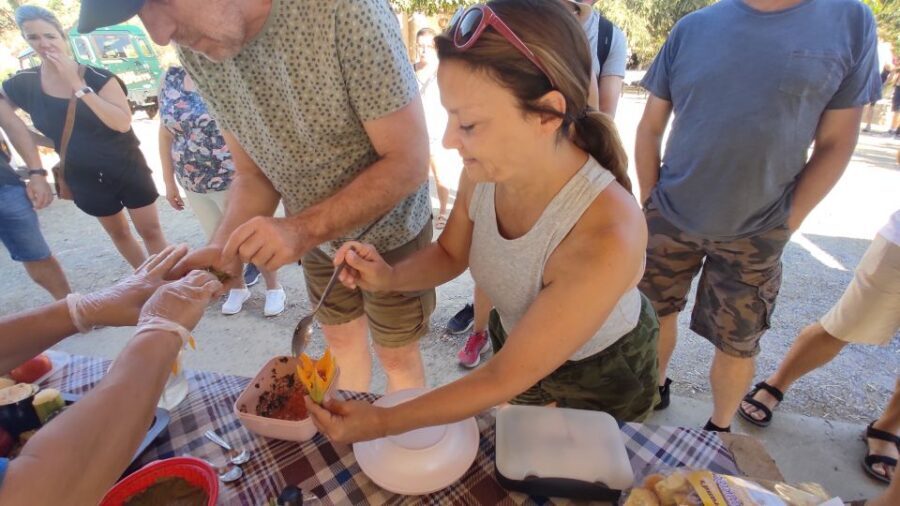
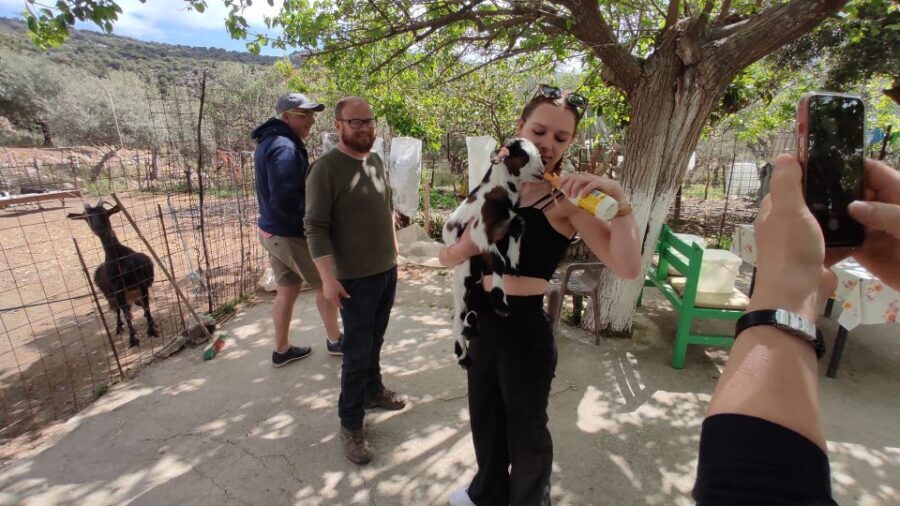
Potamies is where the tour shifts from sightseeing to lived-in Crete. You head to a rural farm setting where you can see a farmer milk goats, and you get the chance to sample products made with the milk.
This stop is valuable because it’s not just looking at animals from a distance. It’s about learning how day-to-day farm routines connect to what ends up on plates later. If you’re used to buying food that’s been processed and packaged, the farm angle helps you understand why Cretan cuisine leans on simple, local ingredients.
What to watch for: this is a farm environment, so comfortable shoes matter. Also, don’t plan to dress only for photos—your best photos often come when you’re actually close to the action.
Aposelemis Dam and the story of submerged Sfendili
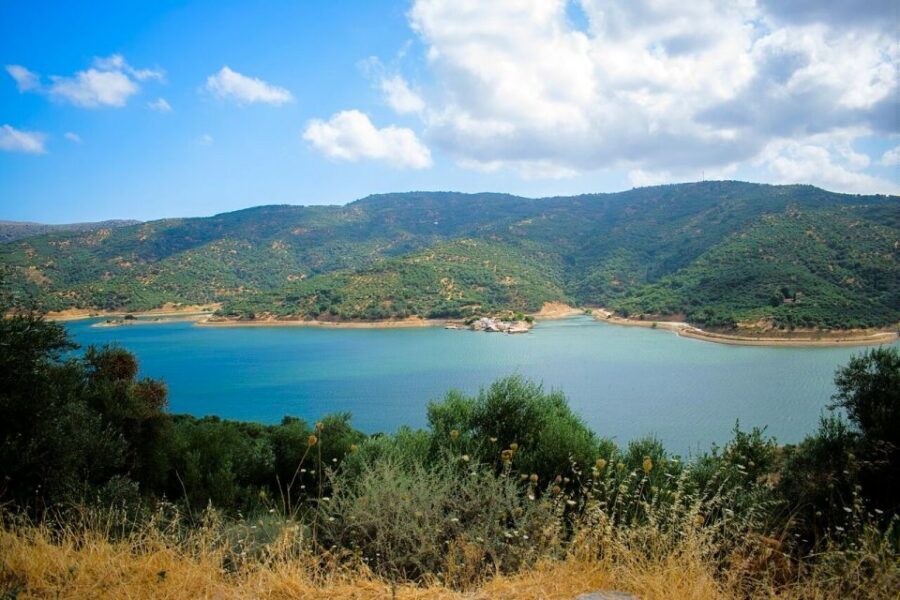
Next comes the dam of Aposelemis, described as the largest water supply project in Crete. Even if you’re not a history buff, it’s a striking stop because of what it represents: the landscape and village life change when water projects reshape valleys.
You’ll see where the village of Sfendili is submerged in the dam’s waters. That area is also mentioned as a natural wetland where birds live, so it’s the kind of stop where you can pause, take pictures, and look for movement in the sky as well as in the water.
For me, the best part is the context your guide brings—these aren’t just “pretty water views.” They’re part of how Crete has had to manage water over time.
Embasa Gorge by 4×4: Dirt roads, views, and herb picking
Then the tour leans into its “off the beaten track” promise. You drive uphill on dirt roads through the gorge of Embasa, which is where the 4×4 vehicle earns its keep.
This is also the most physical-feeling part of the day in terms of how the vehicle moves. It’s not about thrills for thrill’s sake—it’s about accessing places that normal cars usually can’t reach. The reward is scenery that feels more rugged and less tour-busy than the coastal routes.
One added bonus: there’s an opportunity to pick local herbs. That may not sound like a headline, but it’s one of those small moments that helps you connect the countryside to the food later. Even if you only end up with a couple of herbs, it makes the cooking lesson more meaningful.
A few more Crete tours and experiences worth a look
Lassithi Plateau ceramics: Make something you can bring home
The Lassithi plateau stop adds craft and local character. After time out on the plateau, you head to a pottery workshop focused on Cretan ceramic art.
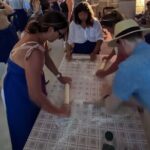
What I like here is that it’s not just a demonstration. You create your own ceramic masterpiece, with guided instruction. If you’ve ever watched ceramics videos online, this is the real-life version—hands on, messy in the best way, and usually more satisfying than you expect.
The workshop setting also helps break up the day’s driving. You’re moving between rural viewpoints and hands-on making, which keeps the energy up. And if you get a practical “what should I do next?” feeling from an experienced instructor, you’ll probably have a much easier time than you would doing this solo.
Wood-oven lunch and the Cretan cafeteria moment
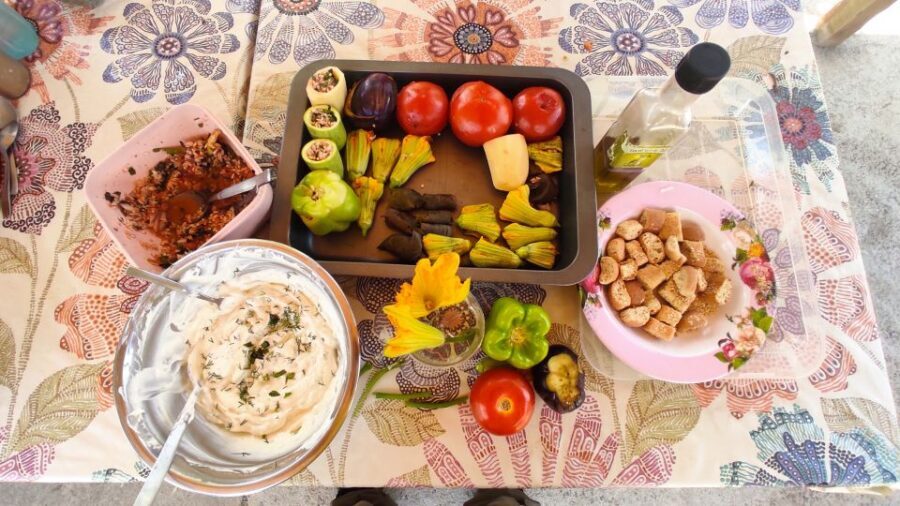
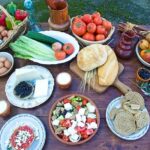
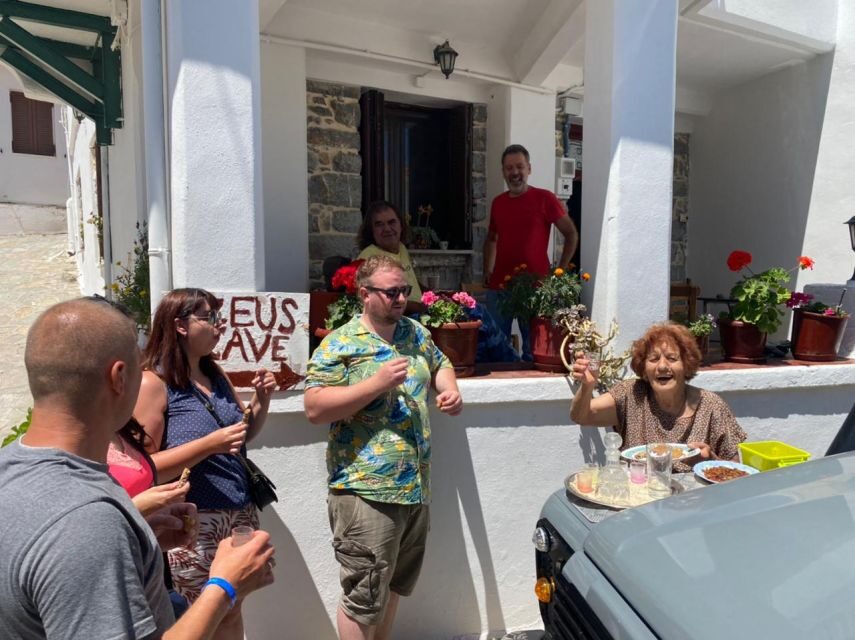
Lunch is served at a local cafeteria, described as having meals baked in a wood oven. You’ll get a Cretan lunch, and it comes with wine and water as part of the package.
Now, the balanced truth: one of the few critiques tied to the food was that the main meal can be a bit underwhelming for some people. That doesn’t mean lunch is bad—just that expectations matter. If you expect a five-course production, you might be disappointed. If you see lunch as a hearty, local reset between craft and olive oil, it tends to land better.
Also, because this is a full-day flow, you’ll appreciate the no-stress nature of it: you’re not choosing between restaurants while your day keeps moving.
Krasi’s aqueduct square and the 2,000-year-old plane tree
After lunch, the tour heads to the picturesque village of Krasi. A key stop is a square with an 18th-century aqueduct and centuries-old plane trees.
One of those trees is listed as over 2,000 years old, which is one of those details that makes you stop and look around. It’s hard not to feel the time scale when you’re standing next to something that old and realizing people have walked these same paths for generations.
This is also a good photo-and-walk break. Not every stop is about activity; some are about giving your eyes a moment to absorb Crete’s slower, older rhythms.
Olive oil factory: how extraction works and what you taste
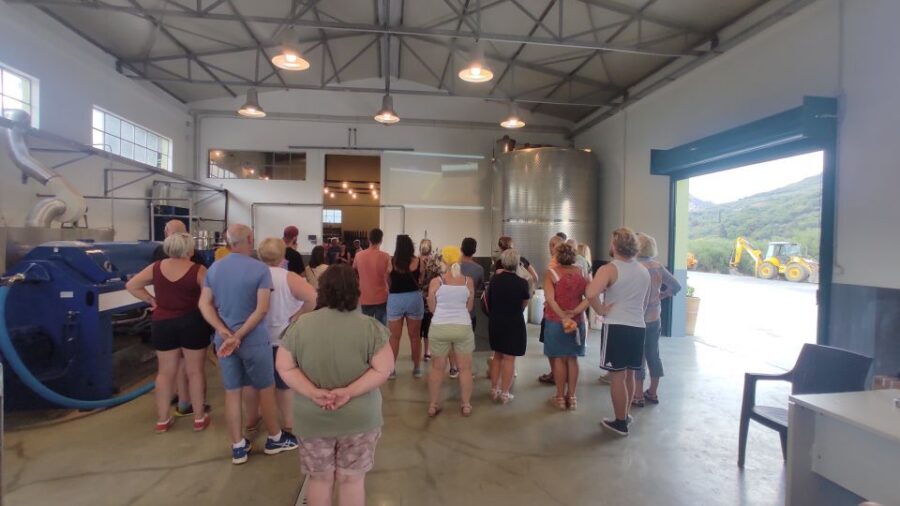
The final “food learning” stop is an olive oil factory tour. You’ll learn how olive oil is produced and get oil samples to taste.
This matters because olive oil on Crete isn’t a side dish. It’s a way the island eats—on salads, breads, vegetables, and simple plates. When you see the steps involved in extraction, the taste makes more sense. You may not memorize every technical step, but the overall idea sticks: the process is tied to quality and timing.
If you’re someone who loves food travel, this is a strong capstone. It connects the day’s farm start, cooking lesson middle, and village stops into one coherent theme.
Cooking lesson reality: what you’ll get, and what to expect
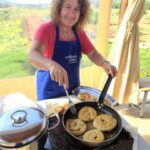
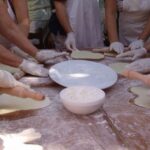
The tour includes a cooking lesson with step-by-step guidance from local chefs. You’ll prepare dishes from pure ingredients using local products.
Here’s the practical expectation-setting piece: some people find the cooking portion more like a guided demo than a long, every-step-by-yourself class. One critique also noted the overall meal portion wasn’t the highlight for them. I’d treat it like this: you’ll learn techniques and flavor ideas, and you’ll get a role in the process, but the day is packed with other stops.
If you want a deeply detailed cooking course where you spend hours at the stove, look for a dedicated cooking class. If you want a Cretan day where cooking is a meaningful part of a wider countryside itinerary, this works well.
Guides can make or break the day
The biggest difference between a good tour and a great one is often the person in the front seat. This tour includes a live guide in multiple languages—Dutch, English, French, German, Greek, and Russian—and the tone in the group often depends on the guide’s style.
You’ll see names like Nikos and Mike mentioned as amazing hosts, plus other guides like Mario, Nico, and Vagelis showing up in real experiences. A recurring pattern is that the guides bring in historical context and keep the energy up without making it feel stiff.
So if you care about stories—why places look the way they do, how Crete’s water systems changed life, what goat milk means in the local diet—this is the kind of tour where the guide helps you get more from each stop.
Price and value: is $108 per person worth it?
At $108 per person for an 8-hour day, you’re paying for a lot of included pieces that add up fast if booked separately: hotel pickup and drop-off, a 4×4 vehicle, an included lunch with wine and water, plus cooking and pottery lessons.
Value comes from two directions:
- You’re not just touring; you’re doing. Goat milking, making ceramics, and tasting olive oil samples are the kinds of experiences that justify a higher price than a standard bus tour.
- You’re gaining access. The dirt-road route through Embasa and stops up on plateaus typically take planning and a car you may not want to drive.
The main value risk is the pace. If you tend to dislike “stop-and-go” days, you’ll feel it. But if you like variety and want a strong hit of Crete countryside in one day, this price makes sense.
Who should book this Crete day trip
This trip is a good fit if you:
- Want countryside variety rather than just beach time
- Enjoy hands-on experiences like pottery and a guided cooking lesson
- Like food travel tied to place—farm start, olive oil end
- Prefer not to manage a rental car and parking in multiple villages
It’s less ideal if you want a slow, private day where you linger in one place for hours. This is built to cover a lot of ground, with multiple structured stops.
Should you book this Crete day trip?
I’d book it if you’re staying around Heraklion, Hersonissos, Sisi, or Analipsi and you want a full, active day that mixes scenic driving with actual making and tasting. The hands-on pottery and the olive oil tour are the strongest “you’ll remember this” components, and the guides who show up in different languages seem to work hard to keep the day lively and clear.
If you’re picky about meal quality or you’re expecting an extended hands-on cooking class, you’ll want to adjust your expectations going in. Plan for a busy day, wear shoes you can walk in, and treat lunch as part of the flow—not the main event.
If that sounds like your kind of day, this is one of the better ways to see Crete beyond the obvious coast.
FAQ
Where are the pickup locations for this day trip?
Pickup is available from Analipsi, Heraklion, Hersonissos, or Sisi. If your location is on a street the vehicle can’t access, the operator will arrange a nearby meeting point.
How long is the tour?
The duration is 8 hours.
What vehicle will I ride in?
You’ll travel in a fully air-conditioned 4×4 vehicle, either a Land Rover Defender or a 4×4 Mercedes Vito.
What languages are available for the live tour guide?
The live guide is offered in Dutch, English, French, German, Greek, and Russian.
What activities are included in the experience?
The day includes a cooking lesson, a pottery lesson, a tour with a 4×4 vehicle, a Cretan lunch, and an olive oil factory visit with sampling.
Is lunch included, and what does it include?
Yes. Lunch is included and is described as a Cretan lunch. Wine and water are also included.
What should I bring?
Bring comfortable shoes, sunglasses, and a hat.
Is there anything I’m not allowed to do during the tour?
Smoking in the vehicle is not allowed. You also can’t bring drinks or food into the vehicle.
What’s the main schedule like, in plain terms?
You’re picked up from your hotel area, then you visit a farm in Potamies, the Aposelemis dam area, drive through the Embasa gorge, stop at the Lassithi plateau and pottery workshop (plus wood-oven lunch), visit Krasi, and finish with an olive oil factory tour before returning.
Can I book this as a private group?
Yes, a private group option is available.