REVIEW · CRETE
Heraklion: Cretan Cooking Lesson with Lunch in Arolithos
Book on GetYourGuide →Operated by AROLITHOS TRADITIONAL CRETAN VILLAGE · Bookable on GetYourGuide
Arolithos turns a cooking class into a mini time machine. I love the way the day starts with an on-site museum walk through replica Cretan village life, then shifts into hands-on cooking that feels practical, not showy. You get to make real favorites like tzatziki, dakos, stuffed vine leaves, and more, and then eat what you made with a view.
One thing to consider: the cooking portion is mostly prep work, with the main cooking happening alongside your chefs. You’ll still be busy and learning, but if you picture standing over a stove the whole time, manage expectations.
In This Review
- Key points to know before you go
- First stop: Arolithos village streets and the museum pieces that set the mood
- The cooking class setup: learning by doing, not by watching
- What you might make (menu examples)
- Prep time vs. cooking time
- Lunch on the terrace: the view is part of the menu
- What’s included (and why it feels good value)
- Who this experience suits best (and who should look elsewhere)
- Families
- Mobility and sensory needs
- Practical tips so you enjoy every part
- The real Cretan takeaway: simple food, good technique, and meal-time calm
- Should you book Arolithos Cretan Cooking Lesson with Lunch?
- FAQ
- Where does the experience start?
- How long does the activity last?
- Is hotel pickup included?
- What’s included with the meal?
- Can the menu be adjusted for dietary needs?
- How accessible is the tour?
- Is the class private or group-style?
Key points to know before you go
- Arolithos village + museum tour first, with old houses and familiar village objects that set the tone fast
- Hands-on menu-making for several classic dishes, not just tasting
- Panoramic terrace dining overlooking Heraklion, vineyards, olive trees, and Giouchtas
- Wine tasting and local wine included with your meal
- Recipe packet and certificate so you can recreate the basics at home
- Private group format makes it feel personal (and usually easier for questions)
First stop: Arolithos village streets and the museum pieces that set the mood
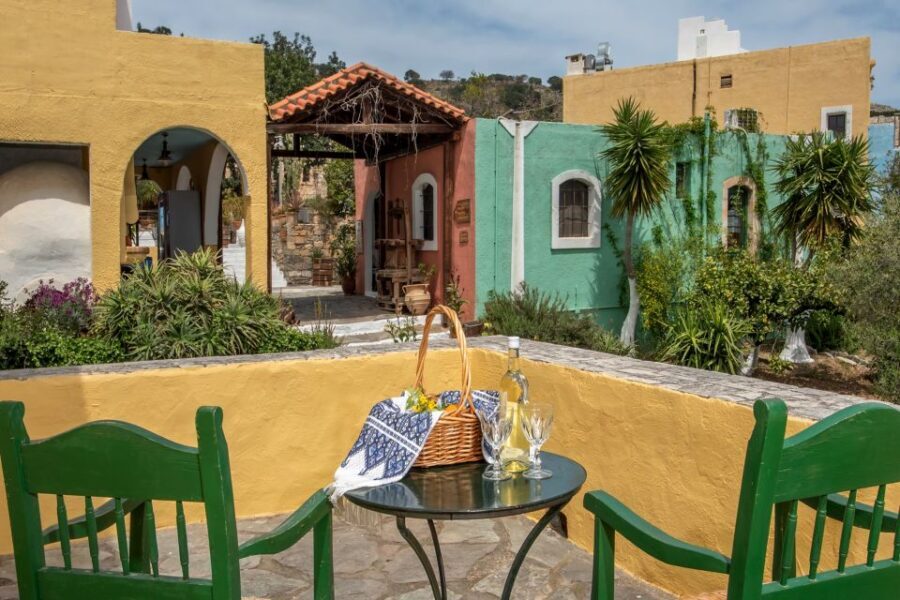
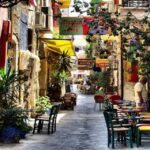
The best part of this experience is the pacing. You don’t jump straight into food. You start by walking the little streets of Arolithos Traditional Cretan Village, a site built to recreate village life as it used to be. That museum-tour start matters because it gives you context for why the dishes taste the way they do: simple ingredients, smart technique, and meals built around what lasts.
You’ll stroll through the premises and visit the museum, where you can see a familial collection of older objects. The day also includes visits to two old houses, which helps you picture how different social classes lived on Crete. It’s not a lecture you’re trying to survive; it’s a walk where your guide points things out as you go.
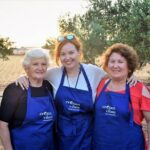
If you like details and conversation, you’ll probably enjoy this part even more. Guides connected with this experience have a knack for mixing history with day-to-day culture. In past sessions, instructors and docents you might meet have included people like Mary and Evi, and the tone tends to be warm and chatty rather than stiff.
Tip: wear shoes you can walk in. This isn’t a museum you can see from one bench. You’re moving between small spaces and old-house displays.
You can also read our reviews of more cooking classes in Crete

The cooking class setup: learning by doing, not by watching
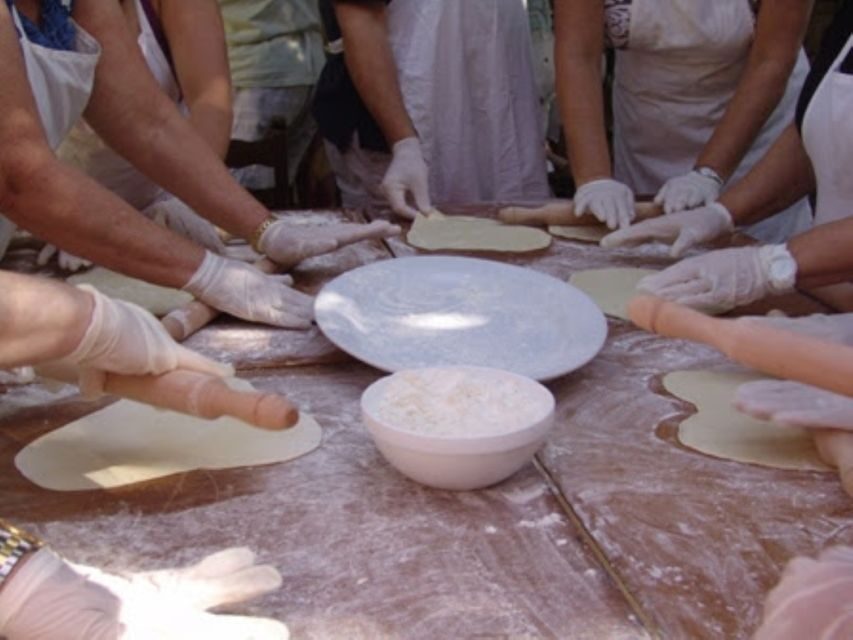
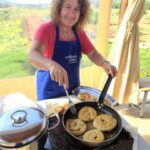
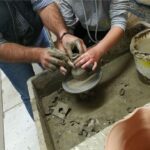
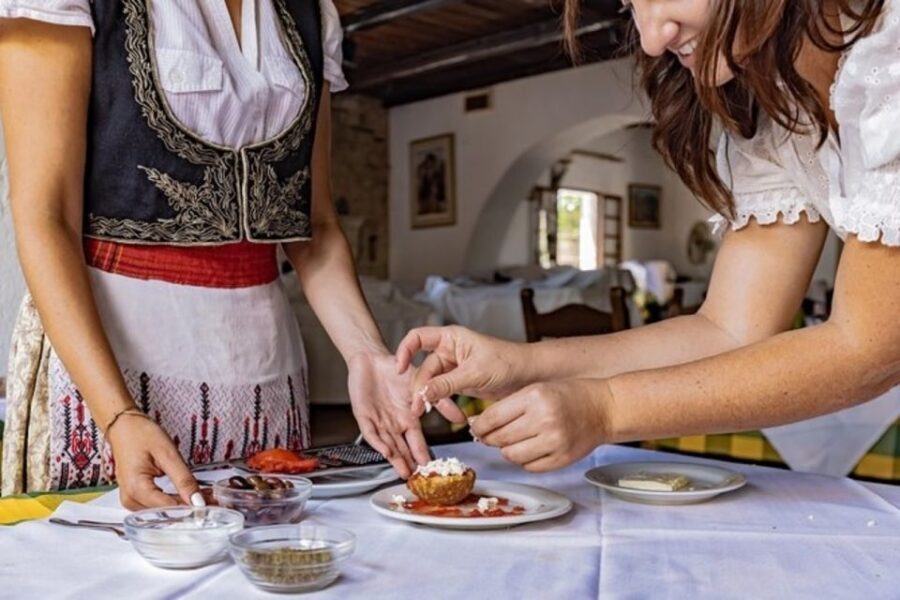
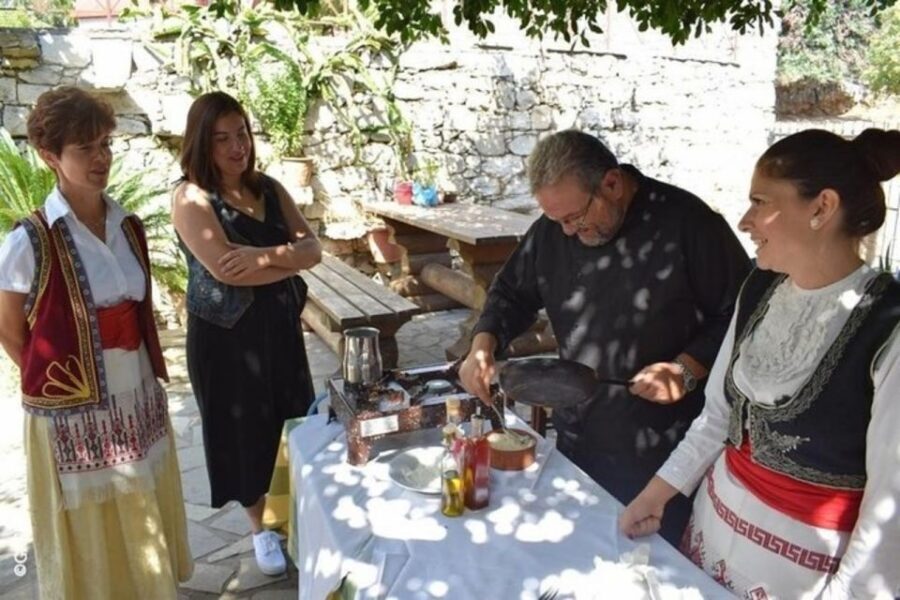
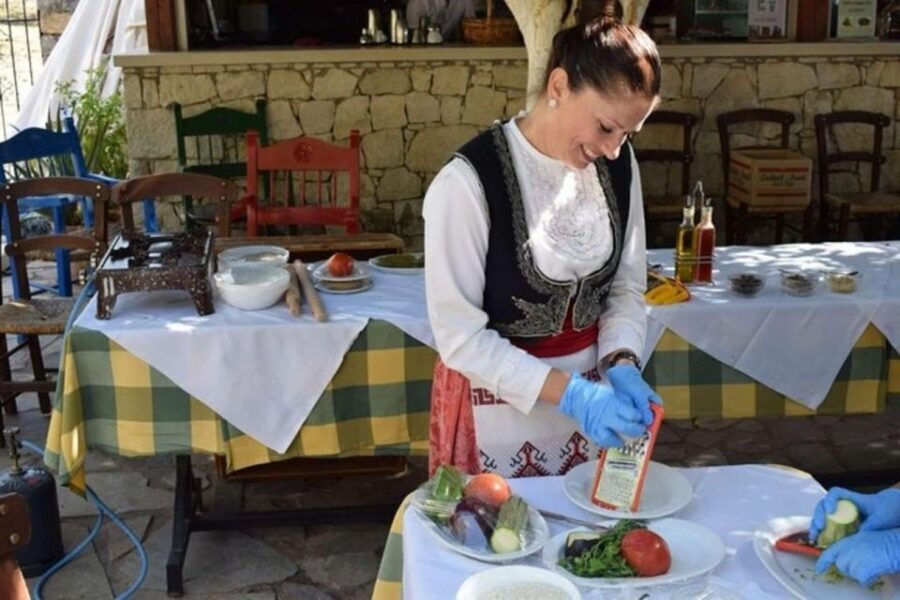
After the village and museum time, you head to the taverna area where the cooking happens. What I like here is that your class is structured around participation. You’re not just receiving a plate at the end. You’ll work together with the team to prepare multiple recipes that match a typical Cretan weekly diet style.
The experience leans into the logic of Cretan cooking: strong flavors from olive oil, herbs, cheese, wine, and vegetables; and techniques built for everyday meals. Traditional Cretan cuisine is often described as one of the healthiest in the world, and the menu reflects that in a practical way: lots of plants, plus meat cooked in a straightforward, warming style.
What you might make (menu examples)
The exact combination can vary, but the program explicitly includes dishes such as:
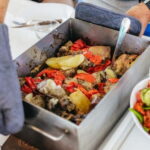
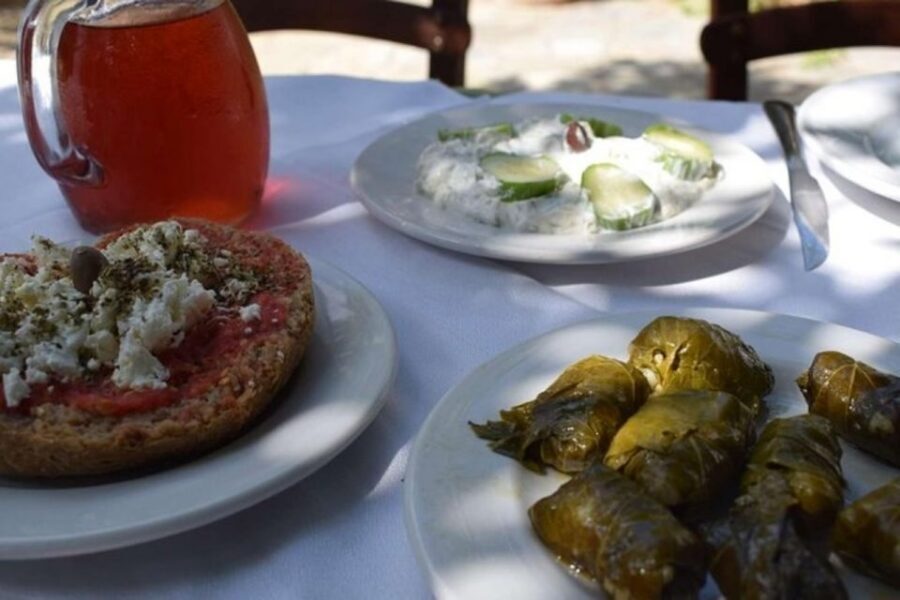
- Stuffed vine leaves (dolmades)
- Stuffed vegetables (like peppers and tomatoes)
- Tzatziki
- Dakos (Cretan salad style)
- Cheese pies
- Pork with wine sauce
- Lamb with green beans
In real-world terms, that means you’re learning a mix of hands-on skills:
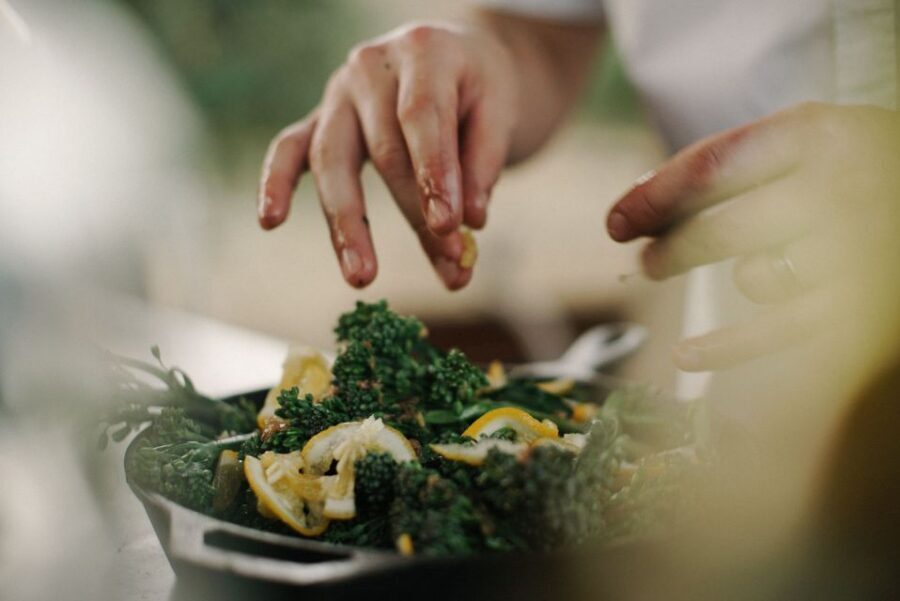
- rolling and stuffing (vine leaves and vegetables)
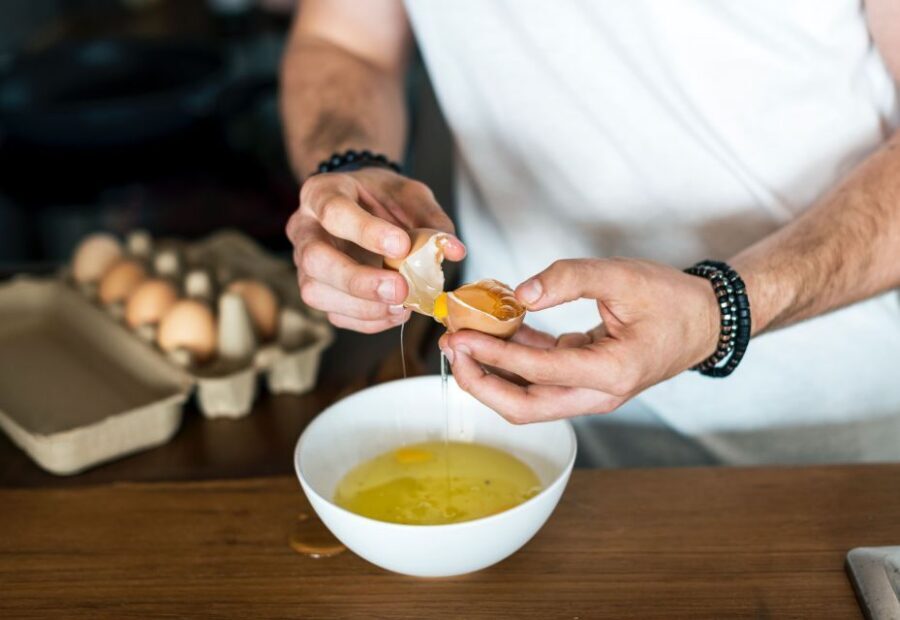
- mixing and portioning for sauces and salads
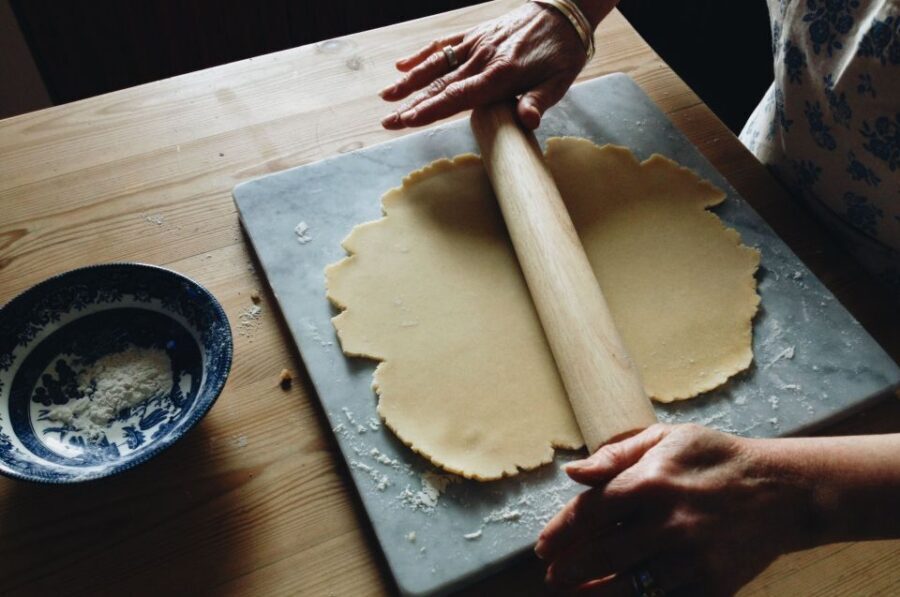
- working with dough for pies
Some sessions also include learning Greek coffee. You’ll see this mentioned in examples, and it fits the day perfectly: you finish food preparation, then you learn a small cultural staple that you can actually repeat at home.
Prep time vs. cooking time
One detail worth planning around: many parts of your work are food prep. The “main cooking” of your meal happens through your hosts’ kitchen process while you’re prepping your components and learning the steps. That’s why the whole day runs about four hours even though the hands-on cooking is a portion of it.
If you’re okay with that, you’ll likely love it. You get to learn the building blocks without getting exhausted from nonstop stovetop duty.
Lunch on the terrace: the view is part of the menu
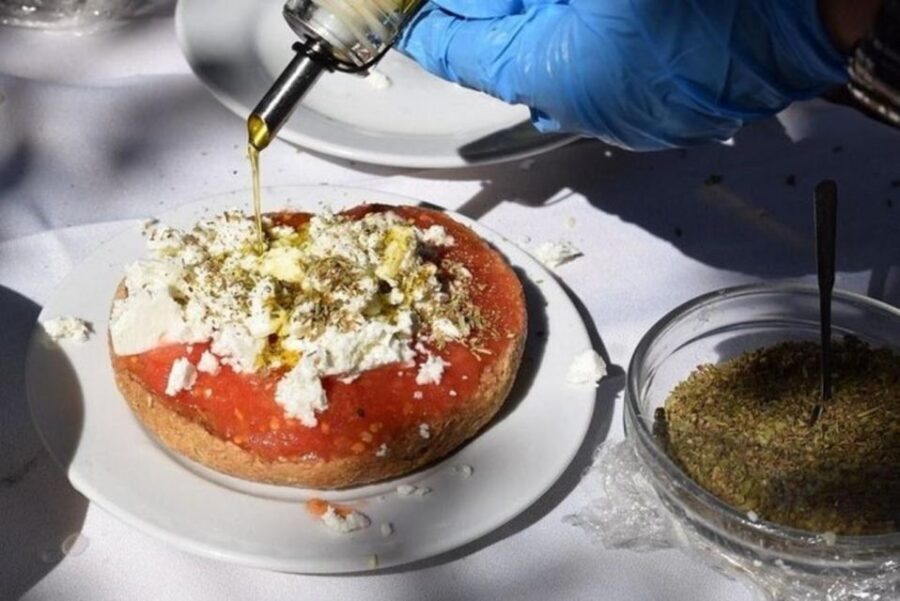
At the end, you sit down to enjoy the dishes you helped create. The dining setting has a panoramic view over the nearest valley and Heraklion City, with vineyards and olive trees around you and the holy mountain of Giouchtas in the distance. You can also hear animals’ bells in the area, which gives the whole meal a lived-in countryside feeling rather than a staged “tourist view.”
Local wine and mineral water are included. That matters because it keeps the meal relaxed and anchored in place. Food tastes better when you’re not rushing, and the terrace setup naturally slows you down.
Also, you’ll get more than one plate. The experience is built around feeding you. One practical note from experience: if you make appetizers during the class, consider eating them during a break rather than waiting until later. With so much food coming at the end, it can be hard to finish everything.
A few more Crete tours and experiences worth a look



What’s included (and why it feels good value)
For $129 per person, you’re paying for more than a cooking workshop. You’re effectively buying a package that blends:
- Arolithos museum entrance and mini tour
- A tour of the traditional village
- Wine tasting
- Food tasting
- Lunch or dinner made from what you prepared
- Recipes and a take-home plan for recreating the food
- English-speaking guide
- Private group experience
When you break it down, it’s not just “someone teaches you recipes.” You’re also getting the cultural framing (museum and old houses) plus the meal plus the materials to reproduce it later. That’s why it tends to feel worth it compared with stand-alone cooking classes that don’t include the village history piece.
One more value angle: this works well as a non-rushed day near Heraklion. You don’t need to stitch together multiple tickets and timed reservations. You show up at Arolithos Traditional Cretan Village, spend the morning-ish hours there, and leave with both knowledge and food memories.
Who this experience suits best (and who should look elsewhere)
This is a great fit if you want:
- hands-on learning of classic Cretan dishes
- a day trip with culture built in, not tacked on
- a meal with a view that feels like countryside life
- a smaller, private group setting (so you can ask questions without yelling across a room)
Families
Kids can be involved, but the age rules are strict: children under 3 years aren’t suitable, and unaccompanied minors aren’t allowed. The experience also says children must be accompanied by an adult.
In at least one example, an 8-year-old did well because the guide made sure the child wasn’t bored or too tired. The kitchen tasks can be taught in a kid-friendly way, as long as the adult is there and the group follows the safety rules.
Mobility and sensory needs
The information is clear here: this experience is not suitable for wheelchair users and people with mobility impairments. It also says only the cooking class is wheelchair accessible, not the whole tour—so you can’t count on full access around the village and museum areas. Visually impaired people and certain age extremes also have restrictions listed.
If any of that applies to you, it’s worth checking directly before booking so you don’t arrive hoping for flexibility that isn’t built into the program.
Practical tips so you enjoy every part
A few things will make this smoother:
- Come hungry. You’ll prepare multiple dishes and then eat your creations with included wine and water. Plan for a full meal.
- Plan for taxi time if you’re staying in Heraklion. The day includes no hotel pickup or drop-off. You’ll need your own transport to reach Arolithos.
- Ask about dietary needs early. The menu can adapt if you inform them ahead of time, and vegetarian options are available (you should request this when booking).
- Do the “eat as you go” strategy. If appetizers are made earlier, eating them at a break can save you from the end-of-meal food overload.
- Use the recipe packet right away. When the tastes are still fresh in your head, skim the recipes before you forget the steps.
The real Cretan takeaway: simple food, good technique, and meal-time calm
The most memorable part isn’t just the list of dishes. It’s how the day teaches you to think like a cook in Crete: build flavor with olive oil and herbs, rely on vegetables, keep dough and rolling techniques practical, and don’t overcomplicate meals that belong in everyday life.
You also leave with more than “what to make.” You get the basic rhythm of how the foods fit together on a table. That’s what helps when you’re back home trying to recreate the experience with different brands and ingredient substitutes.
And yes, the certificate and recipe packet make it feel official in a good way. It turns your fun day into something you can actually repeat.
Should you book Arolithos Cretan Cooking Lesson with Lunch?
Book it if you want a near-Heraklion day that blends museum village culture with real cooking participation, then rewards you with lunch you helped make in a scenic setting.
Skip or reconsider if:
- you’re expecting nonstop stove time (prep work is a big part of the class)
- you need hotel pickup
- mobility or sensory limitations could make the village and museum sections difficult
- you prefer a shorter, food-only activity with less walking and history
If you like your travel days to feel local and grounded, this one hits the sweet spot: Crete in a few hours, with a full table at the end.
FAQ
Where does the experience start?
It starts at Arolithos Traditional Cretan Village.
How long does the activity last?
The total time with the experience is about 4 hours. The cooking portion is listed as 2.5 hours, and then you enjoy lunch afterward.
Is hotel pickup included?
No. Hotel pickup and drop-off are not included.
What’s included with the meal?
You’ll have lunch or dinner of your own created dishes. Local wine and mineral water are included, plus wine and food tastings during the experience.
Can the menu be adjusted for dietary needs?
Yes. You should advise the organizers of any specific dietary requirements before booking so they can adapt the menu. Vegetarian options are available if requested at booking.
How accessible is the tour?
The information says the cooking class is wheelchair accessible, but only the cooking class—not the whole tour. Wheelchair users and people with mobility impairments are listed as not suitable.
Is the class private or group-style?
It’s offered as a private group experience.