REVIEW · CRETE
The Real Cretan Cooking Experience
Book on Viator →Operated by GS TOURS CHANIA LTD · Bookable on Viator
A mountain kitchen beats another restaurant meal. You’ll head from Chania into the White Mountains for a small-group class in a family home with sea and mountain views. You’ll cook with organic Cretan ingredients, then sit down to the meal you made.
What I really like is that this is practical, not just a demo. You’ll handle dough, stuff vegetables, and work through classics like kalitsounia and gemista, then take home e-mailed recipes and photos.
One thing to weigh: the evening runs long, and the hands-on portion can vary by station. If you want nonstop chopping and cooking the whole time, plan your expectations.
In This Review
- Key things to know before you go
- A mountain family meal in Crete: what makes this cooking class special
- Getting from Chania up into the White Mountains (and why timing matters)
- The Melidoni stop: a short cultural warm-up before the cooking
- What you do in the family home kitchen: hands-on Cretan cooking
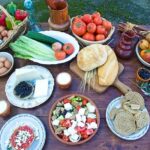
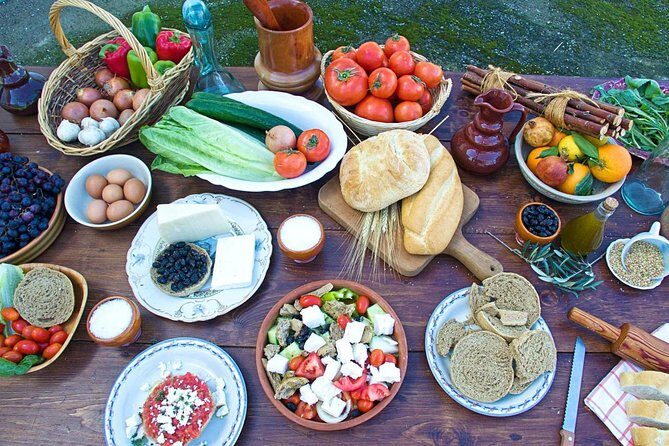
- The menu you’ll make: kalitsounia, tzatziki, ntakos, gemista, and Greek salad
- Kalitsounia: cheese pies as your first win
- Tzatziki: yogurt, cucumber, and herbs
- Ntakos: another Cretan starter you’ll assemble
- Gemista: stuffed vegetables for the main course
- Greek salad: the fresh, finishing plate
- Wine tasting with your meal: what to expect about drinks
- Learning beyond recipes: history, olives, and everyday Cretan stories
- The photo and recipe handoff: what you get after the night
- Value check: how $133.02 stacks up for a Chania-area cooking evening
- Who should book this tour (and who should think twice)
- Tips to make your evening smoother
- Should you book the Real Cretan Cooking Experience?
- FAQ
- How long is the cooking experience?
- Where does the tour start and end?
- Is this a small group?
- What’s included with the meal and drinks?
- Do I get recipes and photos after the tour?
- Is the tour offered in English, and can children join?
Key things to know before you go
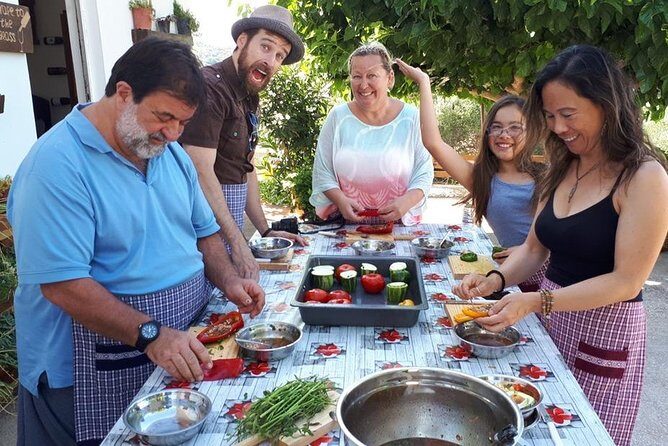
- A real family home setting: cooking happens in a mountain residence, not a studio kitchen.
- Small group size: limited to a maximum of 20 people, which helps the class feel personal.
- Multiple Cretan starters plus a main: you’re not just tasting; you’ll help assemble a full meal.
- Wine is part of the experience: it’s included with the tasting and served with the meal.
- Digital take-home materials: recipes and commemorative photos get sent to your email after the tour.
- Pickups cover the coast: you can be collected around Chania and along the route area up to Maleme.
A mountain family meal in Crete: what makes this cooking class special
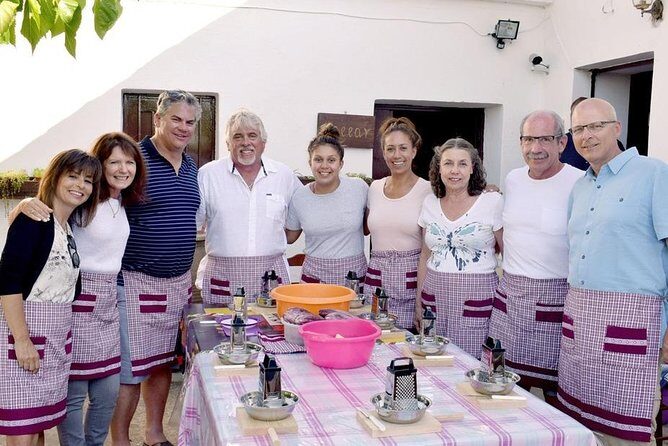
This tour is designed for one thing: putting you into the rhythm of Cretan eating. You’re not just watching someone cook. You’re cooking alongside a host family in a setting with big views and a calm, rural pace.
The best part is how the experience connects food to place. The White Mountains setting matters here because olive oil, herbs, and garden produce feel less like ideas and more like daily life. It’s also a great way to experience Crete beyond the obvious tourist circuit around Chania.
Another strong plus: the group stays small. With a max of 20 travelers, you’re more likely to get real attention while you’re cooking and asking questions.
You can also read our reviews of more cooking classes in Crete
Getting from Chania up into the White Mountains (and why timing matters)
You start late afternoon, with pickup starting around 3:30 pm in Chania. From there, you ride in an air-conditioned minivan or minibus, with transfers that run round-trip and cover along-the-coast pickup areas down the line toward Maleme.
This isn’t a quick in-and-out class. You’re building an evening, and the structure often means you’re busy with prep, property time, and village moments before sitting down to eat. One practical tip: eat a light early dinner or snack before you go, because the main meal can land quite late.
Wear good shoes. Even if the cooking itself is indoors, the day includes walking and time outdoors around the property. Comfortable clothing also helps because you’ll be moving between tasks and viewpoints as the evening unfolds.
The Melidoni stop: a short cultural warm-up before the cooking
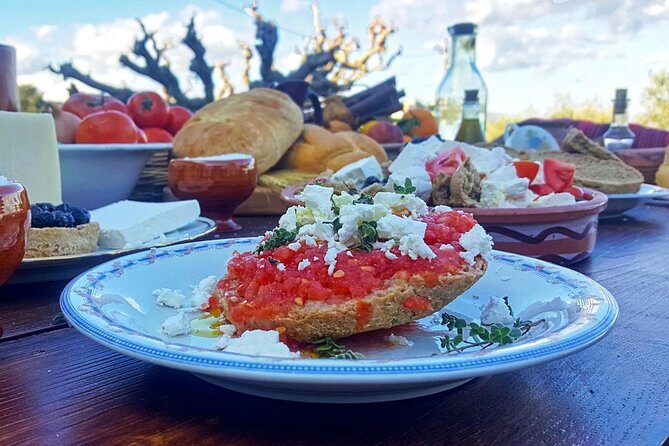
You’ll stop first at Melidoni, which sets the tone before you go higher into the mountains. It’s the kind of stop that helps you understand where you are, before the smell of olive oil and baked dough takes over.
Think of it as a bridge between the coast and the more rural, hillside side of Crete. You get context for the evening so the cooking doesn’t feel like random recipes thrown onto a scenic background.
If you like tours that mix food and context (history, local life, and how people live), this stop is part of that payoff.
What you do in the family home kitchen: hands-on Cretan cooking
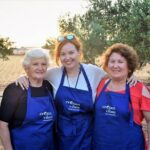
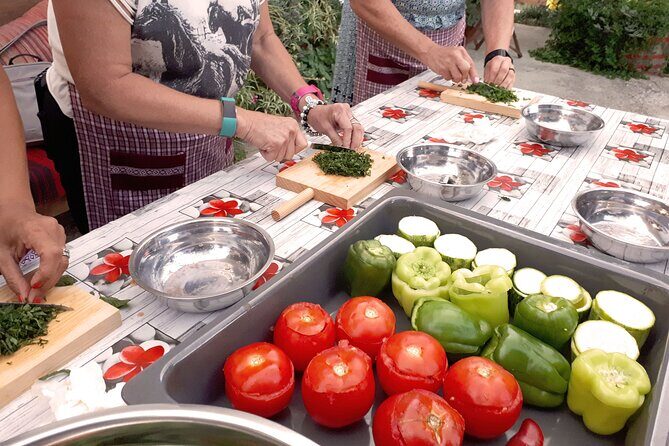
Once you arrive, you’re welcomed into a family setting and coached step-by-step through Cretan food. A key detail that makes a difference: you’ll use aprons and cooking utensils, and you’ll cook with ingredients chosen to reflect Cretan staples.
You’ll work with things like extra-virgin olive oil, fresh vegetables from garden-style sources, dairy products, and aromatic herbs. That matters because the flavors aren’t built on imported shortcuts. The food here is built on what the island already produces well.
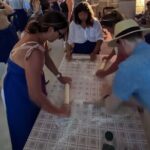
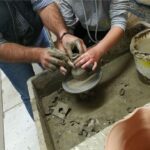
How hands-on it feels can vary, since many classic dishes require coordination in a home kitchen. You might take on tasks like stuffing, rolling, grating, and assembling dough items while hosts handle other steps. Either way, the point is participation, not passive watching.
Also, you get an English-speaking local driver/guide, and the cooking instructor is part of the team that keeps everything flowing. In practice, you’ll likely hear plenty of explanation about why certain ingredients matter in Cretan cooking.
The menu you’ll make: kalitsounia, tzatziki, ntakos, gemista, and Greek salad
This class is built around a full, Cretan meal, with multiple starters and a hearty main. Here’s what you’ll be working toward.

Kalitsounia: cheese pies as your first win
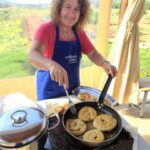
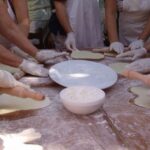
Kalitsounia are described as popular Cretan cheese-pies. Expect a dough-and-filling style task where you help assemble components that turn into a satisfying, savory bite. It’s a good starter choice because you’ll get to practice the feel of dough and fillings early.
Tzatziki: yogurt, cucumber, and herbs
Tzatziki in the menu is described as a Greek recipe with yogurt and cucumbers. This is the palate-prep moment. Even if you’re not doing every step, you’ll get a feel for how creamy dairy and cool cucumber are balanced with herbs.
Ntakos: another Cretan starter you’ll assemble
Ntakos rounds out the starter lineup. The tour frames it as a listed starter, so you’ll be guided through the way it’s put together and served within the meal flow. This is the kind of dish that often ties together textures—soft versus crisp—so you taste the difference in the same sitting.
Gemista: stuffed vegetables for the main course
Gemista is specifically described as stuffed vegetables. This is where the night often feels most hands-on, because stuffing is hands-on by nature. If you like the satisfaction of a more involved task—meat or veggie filling, seasoning, and shaping—you’ll probably enjoy this part.
Greek salad: the fresh, finishing plate
A Greek salad is included as part of the lineup. It’s simple in concept but important for balance. After savory baking and stuffing, a fresh salad keeps the meal from feeling heavy.
Overall, the menu makes sense as a learning sequence: dough and cheese first, then cold and fresh, then a larger main, and finally a clean finishing plate.
Wine tasting with your meal: what to expect about drinks
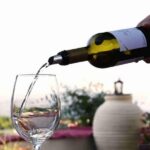
Wine tasting is included, and the experience is designed so you’re not eating in a vacuum. Expect wine as part of the planned tasting portion, and you’ll also have wine with the dinner you prepare.
One practical consideration: if you’re a wine lover who expects steady refills from the start, this may not match that vibe. The structure is built around tasting plus dinner rather than a drink continuously from the first minute.
If you’re driving yourself around Crete at other times, remember this is an evening out and wine is part of it—so let the pickup and driver do their job.
Learning beyond recipes: history, olives, and everyday Cretan stories
The best cooking tours do two things: teach you how to cook and explain why the food matters. This one is heavy on explanation, including Cretan culture and historical context woven into the night.
You may hear stories connected to Crete’s past (including the Cretan war), plus background about local life and crops. Olive topics show up often in the way the guides talk about food culture, which fits naturally with the olive oil theme in the menu.
You’ll also spend time on the property. Depending on the timing of your group and the flow of the evening, you might get moments like walking around the farm area, learning about the family setting, or small animal interactions such as feeding goats or sheep.
These added bits matter because they make the cooking feel grounded. Olive oil isn’t just a condiment; it’s part of a working landscape and a family routine.
The photo and recipe handoff: what you get after the night
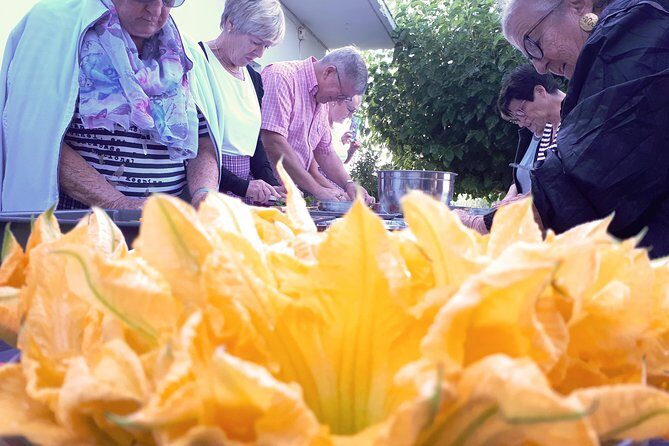
A big reason I recommend tours like this is what you take home. Here, recipes and commemorative photos are sent electronically via email.
So even if you forget a step or two, you’ll have a reference to recreate the dishes. It’s also a nice touch for couples and families because you’ll have images of the cooking stage and the final meal moment.
This is also one of those travel-to-home links that feels genuinely useful. You’re not just buying something. You’re saving a small slice of Crete for your own kitchen.
Value check: how $133.02 stacks up for a Chania-area cooking evening
At $133.02 per person, this tour sits in the mid-range for cooking classes in the Chania area. What makes it feel fair is what’s included.
You get round-trip transport from Chania along the coast route area to Maleme. You get an English-speaking local driver/guide, a small-group cooking class, and all ingredients for lunch. You also get wine & food tasting, aprons and utensils, plus commemorative gifts.
When you add up those pieces—transport, instruction, ingredients, and the meal—you’re paying for a curated evening, not just recipe instruction. And because the setting is a family home with mountain views, you’re paying for atmosphere and storytelling too.
If you’re trying to avoid a second expensive dinner while also learning something meaningful, this is the kind of evening that can replace a restaurant plan.
Who should book this tour (and who should think twice)
This experience is ideal if you want:
- a hands-on Cretan cooking class with guidance
- an evening that mixes food, local culture, and scenic mountain views
- a small group setting, not a bus-and-boardroom style tour
- a digital recipe and photo reminder after your trip
It’s also a great match for solo travelers who want a friendly group atmosphere. Couples often like it because it feels intimate without being too private.
Who should think twice? If you’re very focused on maximum cooking time—meaning you want to do almost everything yourself—know that home cooking requires shared teamwork. Some guests report less cooking than they expected, depending on how the station roles fall. It’s still a fun class, but it’s not guaranteed that you’ll be cooking every second.
If your schedule is tight, the long evening can be a mismatch. Plan for a full evening out.
Tips to make your evening smoother
A few practical moves will help you get the most out of the day:
- Eat light earlier: the meal can come later, so don’t plan on a normal dinner schedule.
- Bring comfortable layers: mountain evenings can feel cooler once you’re higher up.
- Wear shoes you trust on uneven property ground.
- Go in hungry for learning: ask questions about olive oil, herbs, and why each dish fits into the Cretan meal pattern.
- If you love photography, expect plenty of chances—views and kitchen moments are both part of the experience.
Also, since the tour is capped at 20 people and tends to be booked ahead (on average about 39 days), it’s wise to lock in a slot when your Crete dates are firm.
Should you book the Real Cretan Cooking Experience?
If you want a memorable Chania-area evening where you cook real Cretan dishes in a family mountain home—with sea-and-mountain views, wine tasting, and recipes sent to you later—this is a strong choice.
Book it especially if you like your travel experiences to feel local: olive oil, herbs, home-style pacing, and conversation that connects food to island life. If you’re trying to optimize for shorter time on the clock or you want nonstop hands-on cooking, adjust your expectations and make sure you’re okay with a longer, story-and-prep heavy schedule.
If the weather is rough, plan to be flexible. This kind of countryside experience works best when the evening can be enjoyed both inside and outside.
FAQ
How long is the cooking experience?
The experience is listed at about 6 hours. In practice, it’s an evening outing that starts around 3:30 pm and includes pickup, transit, and time before you eat.
Where does the tour start and end?
It starts in Chania, Greece, and ends back at the meeting point. Pickup is offered, and transfers run from Chania and along the coast to Maleme.
Is this a small group?
Yes. The tour has a maximum size of 20 travelers, and it’s described as a small-group cooking class.
What’s included with the meal and drinks?
You’ll have a cooking class, use of apron and utensils, and all ingredients for your lunch. Wine & food tasting is included as part of the experience.
Do I get recipes and photos after the tour?
Yes. Recipes and commemorative photos taken during the tour are sent electronically via email.
Is the tour offered in English, and can children join?
The tour is offered in English. Children must be accompanied by an adult.