REVIEW · CRETE
The Cretan Way of Life at the mountains of Rethymno (Mylopotamos)
Book on Viator →Operated by ECO EVENTS · Bookable on Viator
The most memorable part of this mountain day is not a landmark. It is the chance to sit at a Cretan family’s table, watch a herd of about 100 goats race toward the hills, and taste thyme honey taken straight from the comb. Andreas the shepherd and Eleni the beekeeper give this outing its human heart.
I like the very small group of no more than six, which keeps the farm visit personal rather than stage-managed. I also like the private hotel pickup in the Rethymno district. You can enjoy the mountain roads, raki, village food, and orange trees without wrestling with a rental car.
The main consideration is the price, $204.26 per person. That is a serious spend for a day out, and the schedule can last six to eight hours. You should also expect a moderate level of physical activity, mountain driving, and a full meal that may make breakfast a poor idea.
In This Review
- Key points to know before booking
- Why this day feels different from a standard Crete excursion
- The drive to Vosakos Monastery
- Meeting Andreas and the goats of Milopotamos
- Eleni’s beekeeping lesson and fresh thyme honey
- A long mountain lunch in Apladiana
- Walking through traditional Apladiana
- How the small group changes the day
- Timing, comfort, and practical limits
- Who will get the most from this Cretan day
- Is $204.26 a fair price?
- Should you book The Cretan Way of Life?
- FAQ
- Where does the tour start?
- How long does the experience last?
- What is the maximum group size?
- Is lunch included?
- Can I taste honey during the tour?
- What happens if the weather is poor?
Key points to know before booking
- A real family visit: Meet shepherd Andreas and beekeeper Eleni at their home and working farm in Milopotamos.
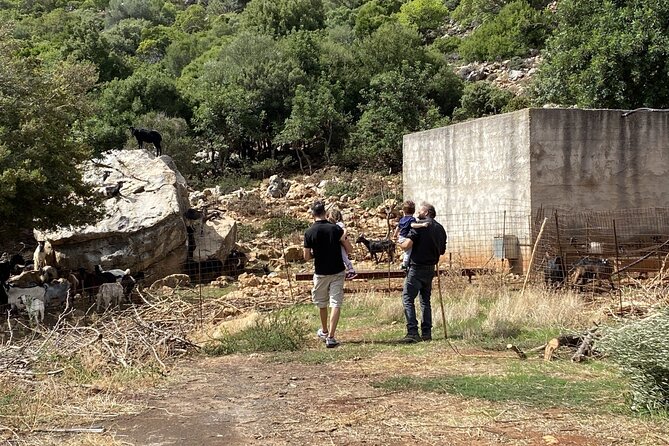
- A dramatic goat release: Watch roughly 100 goats pour out of their stockyard and head for the high hills.
- Honey straight from the comb: Wear beekeeping clothing while Eleni demonstrates how thyme honey is produced.
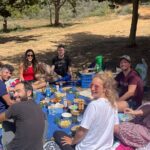
- Lunch is part of the experience: Share a generous home-cooked meal, local wine, cheese, olives, raki, and sweet cheese pies with honey.
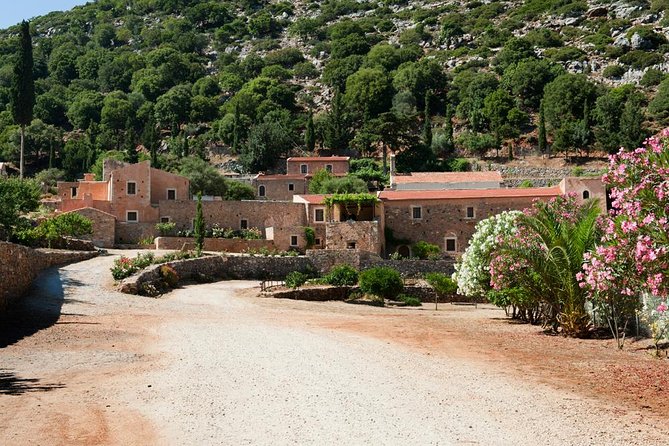
- A quiet monastery stop: Visit Vosakos Monastery and meet the only nun still living there.
- Small-group transport: Pickup and return are provided for hotels in the Rethymno district, with a maximum of six people.
Why this day feels different from a standard Crete excursion
Crete is easy to visit from the coast, but much harder to understand from a resort street. This outing takes you into the mountains of the Rethymno region, where daily life still revolves around animals, family homes, food, bees, and village customs.
You are not simply shown a farm from a distance. You learn how Andreas cares for goats, produces milk, and handles the daily work of a shepherd. You then meet Eleni, who treats beekeeping as both a craft and a family tradition. The day ends around their dining table, with the kind of hospitality that turns a scheduled activity into a personal encounter.
That difference matters. Many excursions give you scenery and a guide’s explanation. This one gives you people who can show you what the countryside means in practical terms. You see the work, taste the results, and hear about customs such as traditional Cretan weddings.
The experience is offered in English, and guides named in the tour material include Kostas and Vincent. The exact guide may vary, but the structure remains centered on the mountains, the family, and the village of Apladiana.
You can also read our reviews of more tours and experiences in Crete.

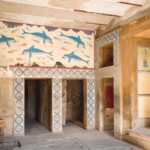
The drive to Vosakos Monastery
The day begins at 9:00 a.m., with pickup arranged at your hotel if you are staying in the Rethymno district. The drive from central Rethymno to Vosakos Monastery takes about an hour, so the road itself becomes part of the transition from seaside Crete to the mountain interior.
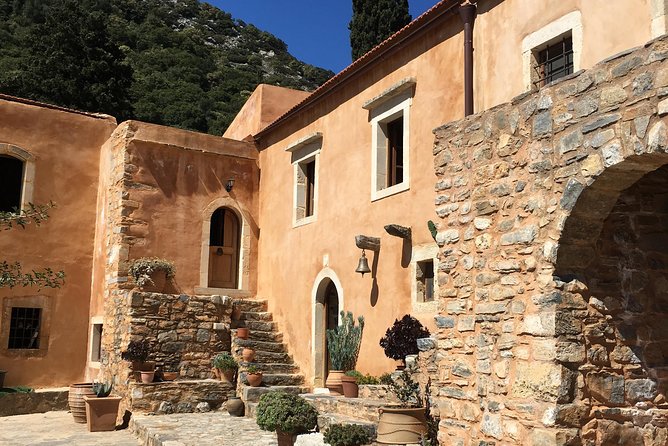
Vosakos is a stone-built monastery set among flowers, trees, and aromatic herbs. The setting sounds peaceful, but the monastery’s past has been turbulent, and your guide explains that story during the visit.
One of the more unusual details here is that only one nun remains at the monastery. She welcomes you with a smile and a small loukoumi, a soft Greek sweet. That personal welcome gives the stop more warmth than a quick photo break at an empty religious site.
You have about 45 minutes at Vosakos. That is enough time to take in the traditional building, enjoy the quiet, and listen to the background of the monastery without turning the morning into a long historical lecture.
You should dress sensibly for the visit. The tour requires moderate physical fitness, and the day includes time in rural settings rather than paved city streets. The supplied details do not state a formal dress code, so practical clothing is the safe choice.
Meeting Andreas and the goats of Milopotamos
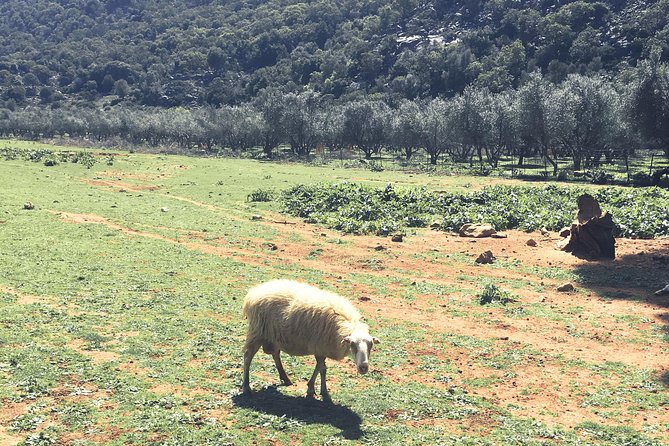
The next stop takes you to Milopotamos, where three large trees form a striking natural entrance to the family’s land. Andreas, a Cretan shepherd, welcomes you and explains his routine.
This is where the tour shifts from sightseeing to daily work. You learn about goat care, milk production, and the habits that shape a shepherd’s day. The tasting begins simply, with cheese, olives, and a glass of raki.
Then comes the most visual moment of the morning. A herd of about 100 goats leaves the stockyard and rushes toward the higher hills. It is a short event, but the movement of that many animals gives you a clear sense of the scale and energy of mountain farming.
I like this part because the animals are not treated as a prop for a staged demonstration. They are doing what goats do, heading out as part of the farm’s normal rhythm. You get a glimpse of work in progress, not a polished show built around a tourist timetable.
The limit of the experience is also worth noting. You are seeing one family’s routine, not every form of shepherding practiced in Crete. If your main goal is an extended farm tour or a long hike, this may feel brief. The 45-minute visit works best as one part of a day built around several different kinds of contact with local life.
Eleni’s beekeeping lesson and fresh thyme honey
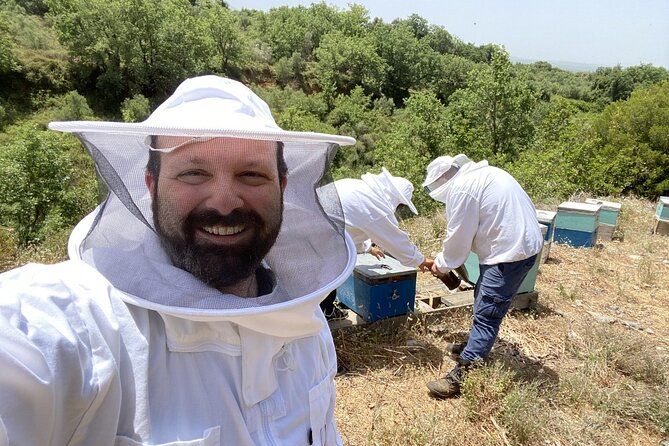
After the goat visit, Eleni demonstrates the family’s beekeeping tradition. Depending on the season, you may move to another area where flowers are in bloom, or remain near the farm.
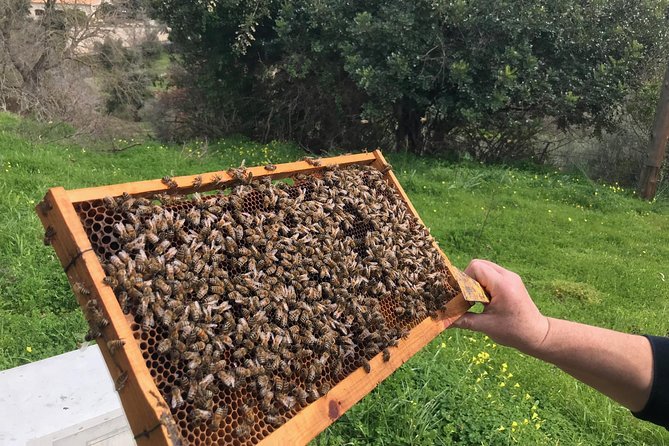
You wear beekeeping clothing while Eleni explains how honey is extracted. The striking detail is that she works with the bees without a uniform. The tour presents this as the result of years of familiarity with her hives and a close working relationship with the insects.
The focus is thyme honey, one of the products associated with Crete’s dry, herb-filled mountain country. You learn about production and then taste the result. The honey comes from the comb, giving you a more direct connection to the process than a jar purchased in a shop.
This stop lasts about an hour. It is both informative and hands-on, although you should not assume that you will handle bees yourself. The stated experience is to wear protective clothing and watch Eleni demonstrate the extraction.
Season matters here. Flowers, aromas, and the exact setting may change during the year. Orange picking later in the day is also seasonal. That does not make the tour poor outside peak bloom, but it does mean the natural details cannot be guaranteed on every date.
A long mountain lunch in Apladiana
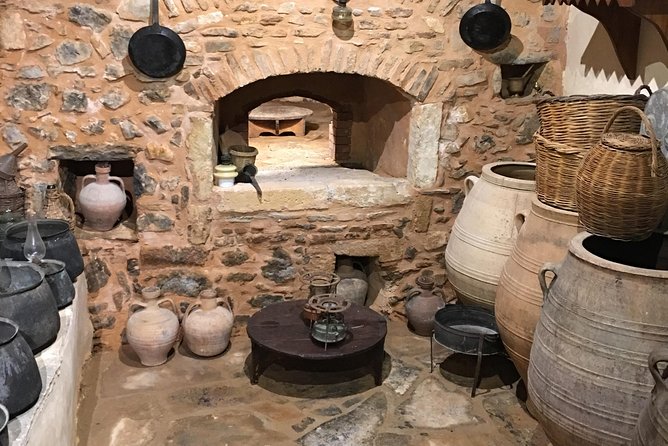
The day’s centerpiece is lunch at Andreas and Eleni’s home. Their house sits high in the mountains near Apladiana, surrounded by flowers, trees, and herb bushes. The setting is described as calm, with views toward the village.
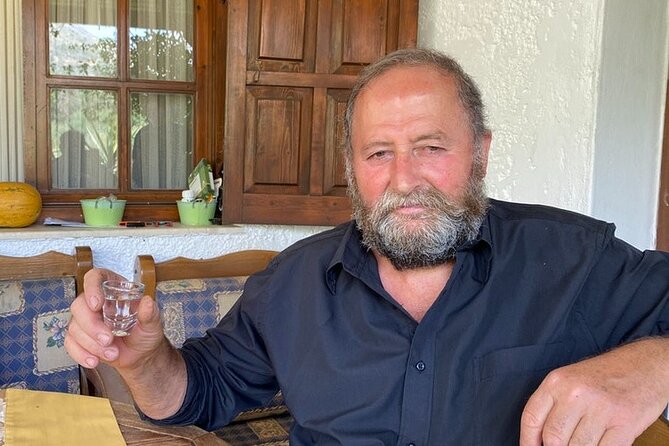
Andreas opens a bottle of wine while Eleni finishes the meal. You sit down to organic local products and a generous traditional spread. Dessert may include pitakia, sweet cheese pies served with honey.
Allow two hours for this stop. That timing tells you what kind of tour this is. Lunch is not a quick plate eaten between attractions. It is a social visit, and the slow pace is part of the value.
You can expect local cheese, olives, wine, raki, and a substantial meal. Vegetarian food is available, but you need to request it when booking. The tour data does not list every dish, so you should not book expecting a precise menu.
A practical tip: keep breakfast light. The food and drinks come at several points during the day, and the lunch is described as especially generous. If you do not drink alcohol, you can still take part in the food and conversation, but the stop includes traditional offerings such as raki and wine.
This is also the point at which the $204.26 price becomes easier to assess. You are paying for transport, a small group, a guide, several private introductions, tastings, and a long meal in a family home. It is not cheap, but it offers more than a standard bus trip with a restaurant lunch.
If you are comparing it with a self-drive day, include the cost of the car, fuel, navigation, and the time spent arranging rural stops. Pickup and return from a Rethymno-area hotel remove much of that hassle. If you already have a car and prefer complete freedom, the premium may be harder to justify.
Walking through traditional Apladiana
After lunch, you are guided toward the center of Apladiana. It is presented as one of the older and more traditional villages in the area, with customs that remain part of local life.
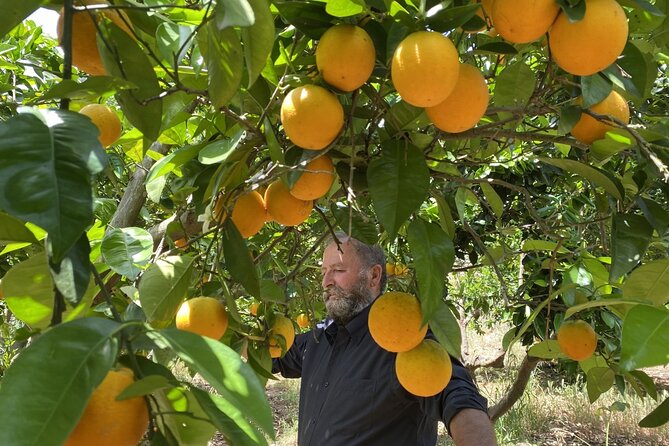
The route passes through orange trees. When the fruit is in season, your guide may pick oranges by hand for you. This is a small moment, but the combination of fruit, scent, trees, and mountain air gives the afternoon a sensory finish.
Do not book this section expecting a major monument or a large village attraction. Its value lies in the ordinary details: the orange groves, the village square, and the conversation about local customs. You may hear how traditional Cretan weddings are held and where they take place in mountain villages.
The walk lasts about 45 minutes. The tour ends back at the original meeting point, with drop-off provided for the Rethymno-area pickup locations.
How the small group changes the day
The maximum group size is six people. That is one of the strongest features here, especially during the family visit.
A larger group would change the mood around the farm table and make it harder to ask questions. With six or fewer, you have a better chance to follow the explanation about goat care, see the beekeeping demonstration clearly, and take part in conversation without feeling like you are in a crowd.
Small group does not mean private tour. You may share the vehicle and visits with other people, and the minimum number of participants still has to be met for the activity to run. But this is far more intimate than a coach excursion.
The guide also matters. Kostas and Vincent are named among the guides associated with the experience. Their role is important because they connect the stops, answer questions, and explain what you are seeing. The family provides the local knowledge, while the guide helps you understand the wider setting.
Timing, comfort, and practical limits
Plan on six to eight hours from pickup to return. The morning start is fixed at 9:00 a.m., but your exact pickup time depends on your hotel.
The day includes about an hour of driving to the monastery, several stops, time outdoors, a farm visit, and a village walk. You need moderate physical fitness. The supplied information does not give a detailed accessibility assessment, so anyone with mobility concerns should ask the provider for current details before booking.
This is not the best choice for someone who wants to spend the whole day swimming, shopping, or moving quickly between famous sights. It is also not ideal if you dislike animal settings, rural roads, long meals, or shared tastings.
The weather can affect the outing. If poor weather forces cancellation, you are offered another date or a full refund. Cancellations made at least 24 hours before the start time receive a full refund. Changes or cancellations inside that window are not accepted for a refund.
Service animals are allowed. A mobile ticket is provided, and group discounts may be available.
Who will get the most from this Cretan day
I would choose this experience if you want to understand Crete through food and conversation rather than through a checklist of sights. It suits couples, families with older children, and small groups who enjoy meeting local people.
It is especially good for you if:
- You want a break from the coast and resort towns.
- You value authentic food more than formal restaurant dining.
- You like learning how products are made.
- You prefer a small group to a large coach.
- You want transport from Rethymno rather than a self-drive day.
- You are comfortable with a relaxed schedule and a moderate amount of walking.
It may not suit you if you are looking for a strenuous mountain walk. Hiking is not the focus. Nor should you expect a luxury culinary tour with a fixed tasting menu. The appeal is the family setting, the working farm, and the chance to see ordinary rural customs up close.
Is $204.26 a fair price?
At $204.26 per person, this is one of the pricier day experiences around Rethymno. The value depends on what you normally want from a tour.
For a sightseeing transfer with a few photo stops, the cost would be hard to defend. For a small-group day with hotel pickup, a monastery visit, two family-led demonstrations, multiple tastings, a generous lunch, and a village visit, the price is more understandable.
You are also buying time and access. A rental car could take you toward the mountains, but it would not automatically get you welcomed into Andreas and Eleni’s home or show you the goat release and honey extraction. The guide’s local relationships are the part you cannot easily reproduce on your own.
I would book it as a special splurge, not as a routine day trip. If your trip budget is tight, compare the cost with other paid excursions and decide if a personal food and culture experience matters more to you than several standard attractions.
Should you book The Cretan Way of Life?
Book this tour if your best travel memories come from kitchens, farms, village squares, and conversations. The strongest parts are the goat herd, Eleni’s beekeeping demonstration, the honey tasting, and the long meal at the family home.
Skip it if you want maximum independence, a demanding hike, or a low-cost outing. The schedule is long, the price is high, and seasonal details such as flowers and oranges may vary.
For most people who want a closer look at mountain Crete, I think the small group and personal welcome make this a worthwhile choice. Keep breakfast light, bring practical shoes, and arrive ready to spend the day at someone else’s pace.
FAQ
Where does the tour start?
The activity starts at Eleftheríou Venizélou 39 in Rethymno, with a 9:00 a.m. start time. Private pickup is offered from hotels in the Rethymno district, with the exact pickup time depending on your hotel.
How long does the experience last?
The tour lasts approximately six to eight hours and ends back at the meeting point.
What is the maximum group size?
The group is limited to a maximum of six people.
Is lunch included?
Yes. The experience includes a home-cooked lunch at the home of Andreas and Eleni in the Apladiana area. Local products and dessert are served, and vegetarian food is available if requested when booking.
Can I taste honey during the tour?
Yes. Eleni demonstrates honey extraction and offers a taste of thyme honey from the comb. You wear beekeeping clothing during the demonstration.
What happens if the weather is poor?
The experience requires good weather. If it is canceled because of poor weather, you are offered another date or a full refund. You can also cancel for a full refund if you do so at least 24 hours before the start time.