REVIEW · ATHENS
Stargazing & Mythology of Paros Night Sky: Private Experience
Book on Viator →Operated by Andromeda Retreats & Travel G · Bookable on Viator
Paros gives this private night-sky outing a simple appeal: get away from bright streets, settle into an unspoiled spot, and let a guide connect the stars above you with the Greek stories born beneath them. You’ll hear about constellations, the universe, and modern science while sharing wine and nibbles.
I like the small-group format, since your party gets the guide’s attention instead of competing with a busload of people. I also like the weather promise: if rain or a rain forecast forces a cancellation, you can choose another date or receive a full refund. The catch is that clouds and moonlight can limit what you see, and the standard booking is non-refundable if you cancel for another reason.
In This Review
- Key points at a glance
- Why a dark Paros sky changes the evening
- Greek mythology gives the constellations a human story
- What happens at the 10:00 p.m. meeting point
- A private two-hour format keeps the focus on your group
- Wine and nibbles make it social, not purely technical
- Equipment tips for sky watching and photographs
- The biggest uncertainty is visibility
- Who will enjoy this Paros evening most
- Is the $299.82 price worth it?
- Should you book Stargazing and Mythology of Paros Night Sky?
- FAQ
- Where does the stargazing experience take place?
- What time does the tour begin?
- How long does the experience last?
- Is the activity private?
- What does the guide discuss?
- Are wine and snacks included?
- Should I bring binoculars?
- Can I take night photographs?
- What happens if it rains?
- Can I cancel for a refund?
Key points at a glance
- A 10:00 p.m. start in Drios: Meet near Anoussakis Market on Paros, then return to the same meeting point after roughly two hours.
- Greek myths meet modern astronomy: Your guide explains northern hemisphere constellations through both ancient stories and contemporary science.
- Private for your group: This is not a shared coach tour, so the pace and questions stay focused on your party.
- Wine and nibbles are included: The evening is designed as a calm outdoor experience rather than a formal astronomy lesson.
- Bring your own equipment: Binoculars can help with sky watching, while a DSLR and tripod are suggested for night photography.
- Weather matters: Rain or a rain forecast can cancel the outing, with a different date or full refund offered.
Why a dark Paros sky changes the evening
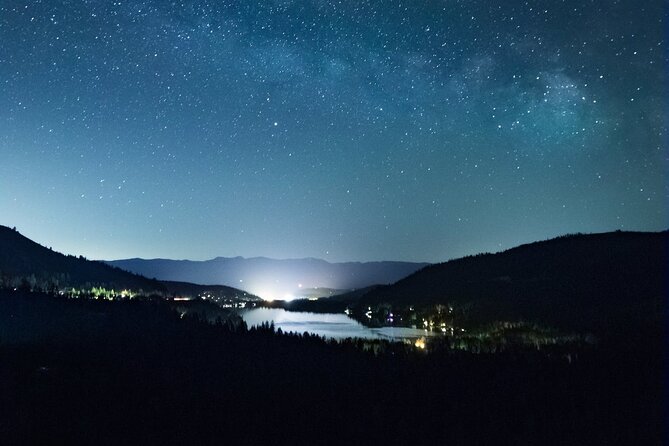
The main reason to book this experience is not a long list of stops. It is the setting. Paros has limited light pollution in suitable areas, which gives the sky a better chance to show its stars than a bright town center would.
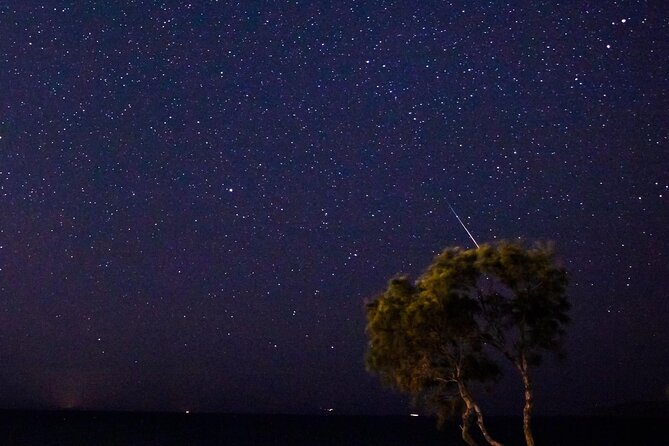
That does not mean every evening will look the same. Clouds, haze, and the phase of the moon can alter the view. A clear, darker night may reveal more stars and make constellation shapes easier to pick out. A bright moon can wash out fainter points of light, while a cloudy evening may turn the focus toward stories, science, and conversation rather than visual observation.
I would treat the sky as part of the program, not a guaranteed display. That mindset matters. You are booking a guided outdoor evening with astronomy at its heart, not a fixed theatrical show where the same sights appear on schedule.
The experience is also a good fit if you want a quieter break from Paros nightlife. At around 10:00 p.m., the island has moved into its late-evening rhythm. You spend the time outdoors, with wine and small bites, rather than rushing through a checklist of landmarks.
You can also read our reviews of more private tours in Athens


Greek mythology gives the constellations a human story
A star chart can tell you where to look. Mythology helps explain why people have looked up for thousands of years.
Your guide links the northern hemisphere constellations to ancient Greek myths, giving the star patterns a cultural frame. The stories do not replace the science. They give you a way to remember what you are seeing and why these patterns have mattered for so long.
This is where the experience can feel more personal than simply downloading a stargazing app. You are not only identifying points of light. You are hearing how Greek culture interpreted the sky, then comparing those old explanations with what modern astronomy tells us about stars and the universe.
The tour provider’s team includes Kay, who was singled out for teaching a group a great deal about both the stars and Greece. That detail is useful because it suggests the guide may cover more than constellation names. The conversation can also place the night sky within Greek culture, rather than treating astronomy as a stand-alone technical subject.
Do not expect a university lecture or an observatory setup based on the information available. The emphasis is on a guide-led explanation, stories, questions, and the mood of being outdoors at night. If you enjoy learning through conversation, that should suit you well.
What happens at the 10:00 p.m. meeting point
The listed starting point is Anoussakis Market on an unnamed road in Drios, Paros. The activity begins at 10:00 p.m. and ends back at that same meeting point.
This detail deserves attention. The tour information labels the location as Athens in one place, while the meeting address is clearly in Drios on Paros. If you are comparing options or booking from another Greek island, confirm that you are arranging your evening on Paros and that you can reach Drios on time.
No hotel pickup is specified. I would plan your own way to Anoussakis Market and allow extra time to locate the meeting point, especially if you are unfamiliar with the area at night. Since the activity returns there, you also need a plan for getting back to your accommodation afterward.
The meeting-point arrangement keeps the experience straightforward. You do not lose time collecting a large group from several hotels, and the evening can move directly toward the viewing spot. The tradeoff is that transport to and from the meeting point is your responsibility unless the provider separately confirms another arrangement.
A private two-hour format keeps the focus on your group
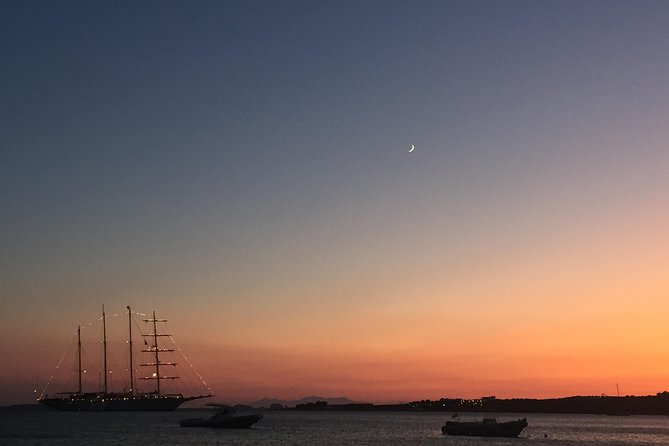
The activity lasts about two hours and is private. Only your group participates, which is one of its strongest practical features.
A private tour gives you room to ask basic questions without feeling self-conscious. You can spend more time on mythology if that interests you, or ask for more science and explanations about the universe. The supplied information does not promise a fully customized route or a particular list of constellations, so you should see the private format as personal attention rather than a guaranteed custom curriculum.
Two hours is a sensible length for a late-night outdoor activity. It is long enough to settle in, listen to the guide, and watch for changes in the sky. It is also short enough that the late start does not consume your entire night.
The timing may not work for everyone. Families with young children, people who prefer early mornings, or anyone planning a dawn excursion the next day should think carefully about the 10:00 p.m. start. For couples, friends, and night owls, the hour may be part of the appeal.
The private setup also affects the price. At $299.82 per person, this is not a low-cost casual walk. You are paying for a dedicated guide, a small private setting, and an experience built around interpretation rather than transport or a major attraction ticket. The value improves if your group cares about astronomy and can share the cost of a private evening without expecting professional observatory equipment.
Wine and nibbles make it social, not purely technical
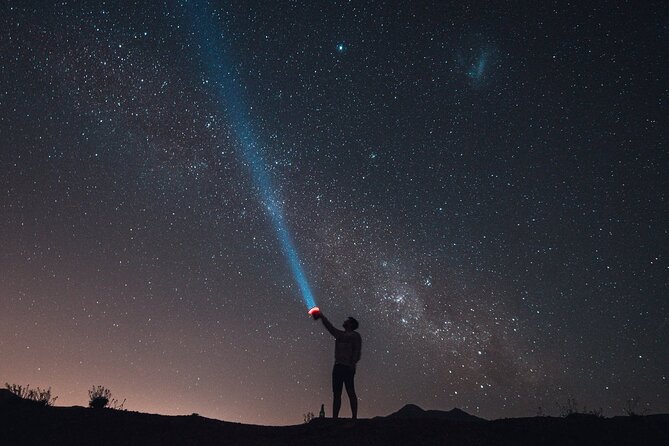
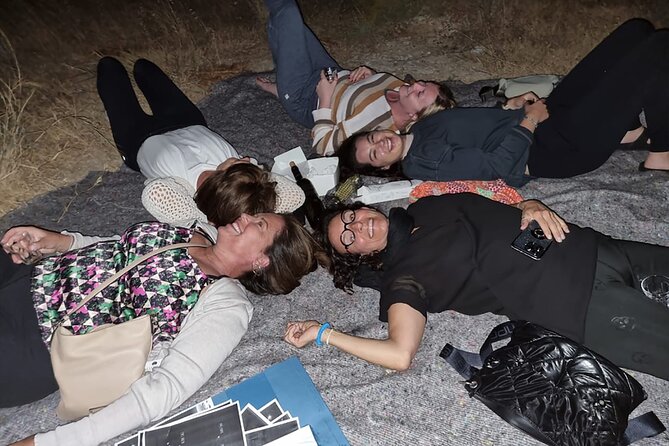
Wine and nibbles are included, and that changes the feel of the activity. You can treat the evening as a relaxed outdoor gathering with astronomy woven through it, rather than a formal class that demands constant concentration.
This is a useful feature for a mixed group. One person may be fascinated by constellations, while another mainly wants a peaceful evening under the stars. The food and wine give the less technical member of your group something to enjoy while the guide explains the sky.
Still, you should not book this as a dinner replacement. The information only promises wine and nibbles, not a full meal. Eat beforehand if you need a substantial dinner, and check any personal dietary needs directly with the provider.
The mellow pace also makes the tour suitable for a special evening. It can work well for a couple or a small group of friends who want something quieter and more distinctive than another restaurant meal. The outdoor setting means comfort depends on the weather, so bring clothing suitable for a late-night session.
You can also read our reviews of more evening experiences in Athens

Equipment tips for sky watching and photographs
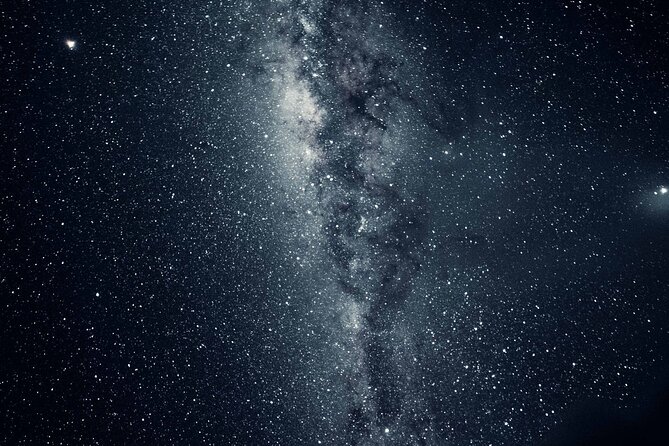
You are encouraged to bring your own binoculars. They can help you examine the moon and brighter sky features more closely, though the experience does not state that telescopes or other equipment will be supplied.
If you want to take night photographs, bring a DSLR camera and tripod. The tripod matters because night photography usually requires a steady camera during longer exposures. A handheld camera may not give you the result you want, particularly in a dark setting.
The tour does not promise technical photography instruction, special lighting, or a guaranteed view of specific objects. Bring the camera because you want to make your own images, not because the evening is advertised as a photography workshop.
Weather and the moon phase are important here. A clear sky gives you the best chance of useful photographs, while a bright moon can change the look of the stars. Clouds may block the view altogether. If photography is your main purpose, check the moon phase before choosing a date and keep your expectations flexible.
If you bring equipment, remember that you will be outdoors at night and responsible for your own belongings. The most useful kit may be simple: binoculars, a camera, a tripod, and clothing suited to sitting or standing outside for two hours.
The biggest uncertainty is visibility
The most important drawback is also the most honest part of the experience. You cannot control the sky.
A full refund is offered if rain or a rain forecast causes the provider to cancel. You may also be offered another date. That is reassuring, but it does not cover every disappointing sky. Thin cloud, haze, or a bright moon may leave the tour running while reducing the number of stars you can see.
One group still found the evening worthwhile even when visibility was poor, because the guide made the session about learning as well as looking. That points to the right way to judge this tour. If you need a perfect sky to feel satisfied, the uncertainty may bother you. If you enjoy Greek culture, science, and conversation, the guide can still give the evening value when the heavens do not cooperate.
The standard cancellation rule is strict. The booking is non-refundable and cannot be changed if you cancel or request an amendment for your own reasons. The weather exception applies when the provider cancels because conditions are unsuitable. That difference is important, so choose a date you can realistically keep.
The experience also requires a minimum number of participants. If the provider cancels because that minimum is not met, you can be offered another date or experience, or receive a full refund.
Who will enjoy this Paros evening most
I would recommend this for people who enjoy learning in a relaxed setting and want a distinctively Greek way to spend an evening. It should suit:
- Couples looking for a calm night activity
- Friends who enjoy mythology, science, or photography
- Visitors who prefer private tours to large shared groups
- People with enough flexibility to accept a weather-related date change
- Anyone happy to reach Drios independently at 10:00 p.m.
It may be less suitable if you want a guaranteed telescope session, a full meal, hotel transportation, or a tightly scheduled list of celestial sights. None of those features is stated as part of the experience.
It is also not ideal for someone who plans to cancel easily if the forecast looks uncertain. The regular policy does not allow refunds for personal cancellations, although the provider offers a full refund when rain or a rain forecast leads to an official cancellation.
Confirmation is provided at booking. Service animals are allowed, the meeting point is near public transportation, and most people can participate. Those points make the activity broadly accessible, but the late hour and outdoor setting are still worth considering for your own group.
Is the $299.82 price worth it?
At $299.82 per person, this is a premium evening. The price makes more sense if you value privacy and direct contact with the guide. It makes less sense if you are mainly looking for a cheap place to see the stars, since Paros itself offers night skies without this fee.
You are paying for the guide’s explanations, the mythology and science combination, the private format, and the included wine and nibbles. You are not paying for a major attraction admission, a long sightseeing route, or a full meal.
The price may be easier to justify for a group that wants a planned experience with a knowledgeable host, although I would avoid assuming that special equipment or transport is included. Ask the provider any questions about the exact viewing location, food, and equipment before booking if those details affect your decision.
The fact that the experience is often booked about 95 days ahead suggests that you should not leave it until the last minute if this is important to your Paros plans. That is not a promise that every date sells out, but it is a sensible reason to reserve early, particularly if you need a specific evening.
Should you book Stargazing and Mythology of Paros Night Sky?
Book it if you want a private, story-led evening and can accept that nature controls the final view. The combination of Greek mythology, modern astronomy, wine, and a quiet outdoor setting is more distinctive than a standard sightseeing tour.
Skip it if you need guaranteed clear skies, supplied telescope equipment, included transportation, or a flexible cancellation policy. The $299.82 price also calls for a clear interest in the subject.
For the best chance of enjoying it, choose a date with a favorable forecast and a darker moon phase, bring binoculars or a DSLR with tripod if useful, confirm the Drios meeting details, and arrive ready for an outdoor night rather than a fixed show. If that sounds like your kind of evening, this private Paros experience earns its place in your plans.
FAQ
Where does the stargazing experience take place?
The meeting point is at Anoussakis Market on an unnamed road in Drios, Paros, Greece. The activity ends back at the same meeting point.
What time does the tour begin?
The experience starts at 10:00 p.m.
How long does the experience last?
It lasts approximately two hours.
Is the activity private?
Yes. Only your group participates in the private activity.
What does the guide discuss?
The guide explains the stars, the universe, northern hemisphere constellations, ancient Greek mythology, and contemporary science.
Are wine and snacks included?
Yes. Wine and nibbles are included.
Should I bring binoculars?
You may bring your own binoculars if you want to study the night sky more closely. The experience does not state that binoculars are provided.
Can I take night photographs?
Yes, you can bring a DSLR camera and tripod if you want to take night pictures. Weather and the moon phase may affect the results.
What happens if it rains?
If the experience is canceled because of rain or a rain forecast, you will be offered a different date or a full refund.
Can I cancel for a refund?
The experience is normally non-refundable and cannot be changed for personal reasons. A refund is available if the provider cancels because of poor weather or because the minimum number of participants is not met.