REVIEW · ATHENS
Athens: Local Markets with Artisanal Crafts Walking Tour
Book on GetYourGuide →Operated by Trekking Hellas · Bookable on GetYourGuide
Athens reveals itself best on foot, and this tour takes you from the city’s classic viewpoints into working markets, family-run craft shops, and streets many visitors pass without noticing. You begin in Koukaki, climb Areopagus Hill, then work your way through Plaka, Monastiraki, Psyri, Varvakios Market, and Omonia.
I like the mix of big Athens sights and everyday city life, and I like that the route includes conversations with artisans rather than only photo stops. The small group, capped at 10, should also make it easier to ask questions. The main drawback is the price: at $141 per person, this is costly for a three-hour walk, especially since purchases and anything beyond the included coffee and snack cost extra.
In This Review
- Key points at a glance
- From Koukaki to the top of Areopagus Hill
- Plaka shows the postcard side of Athens
- Monastiraki and Psyri bring the shopping energy
- Varvakios Market is the tour’s most memorable stop
- The old Stock Exchange and City Hall add urban context
- Geraniou Street shows a less polished Athens
- Omonia Square closes the route with food
- The three-hour schedule and walking effort
- Is $141 a fair price?
- Who will enjoy this Athens walk?
- Should you book the Artisanal Crafts Walking Tour?
- FAQ
- Where does the tour begin?
- Where does the tour finish?
- How long does the walking tour last?
- Is the tour difficult?
- What does the price include?
- What languages are available?
Key points at a glance
- Areopagus Hill begins the walk: Start with a wide view over Athens before heading into the streets.
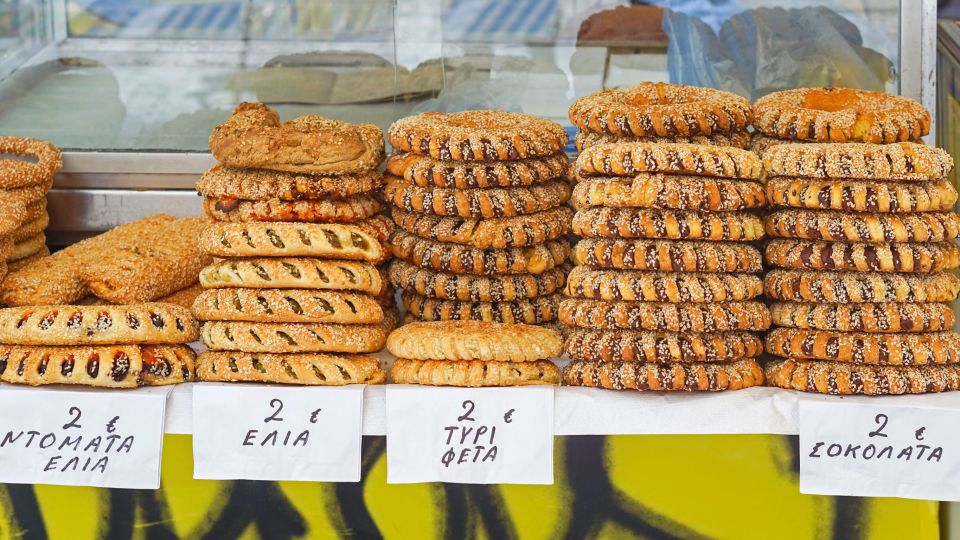
- Varvakios Market is the sensory high point: The city’s famous meat market offers a direct look at local commerce.
- Artisan shops are part of the route: Visit multi-generational businesses and hear from the people who run them.
- Geraniou Street adds a different side of Athens: This multicultural area feels far removed from the postcard version of the city.
- The route ends at Omonia: Finish near a major metro station after a street-food stop.
- A small group keeps the pace personal: No more than 10 participants join the English or Greek-speaking guide.
From Koukaki to the top of Areopagus Hill
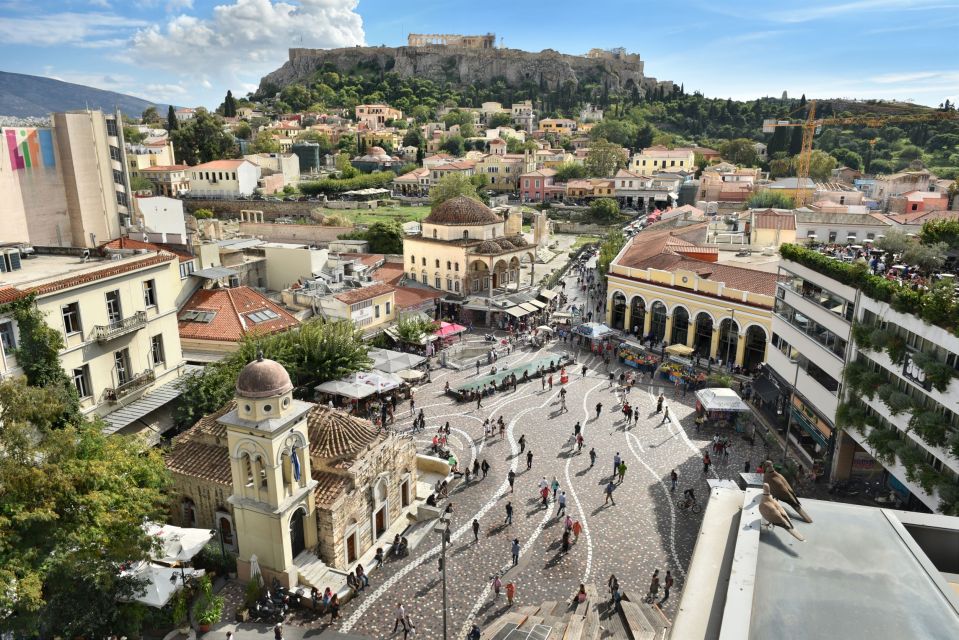
Your meeting point is the Trekking Hellas Athens base at Parthenonos 12 in Koukaki. This is a practical starting area because the walk quickly moves from a familiar visitor district toward less polished and more ordinary parts of central Athens.
The first section heads up Areopagus Hill. The climb is short, but the rough stone surface can be slippery, so wear shoes with a decent grip. This is not a demanding hike, yet it is still the one place where footwear matters most.
From the top, you get a broad view across Athens. The hill gives you a useful sense of the city before you enter its close-packed streets. It is also a smart opening stop: you see the urban scale first, then spend the rest of the tour looking at the small details below.
You should bring water, sunglasses, and a hat, especially in warmer months. A light windbreaker is also listed as useful, since the hill can feel exposed even when the streets below are warm.
You can also read our reviews of more walking tours in Athens



Plaka shows the postcard side of Athens
The route heads south through Plaka, one of Athens’s best-known districts. Here, the experience is less about covering famous monuments and more about seeing how the tourist center connects with the older commercial quarters farther west.
Plaka gives you the traditional visual start many people expect from Athens: narrow lanes, shops, and views toward the ancient center. It is an easy place to browse, but it can also feel more visitor-oriented than the later sections of the walk.
That contrast is part of the appeal. You are not spending three hours in one type of neighborhood. Instead, the guide takes you from a major viewpoint to a shopping district, then into food markets and streets where daily business matters more than sightseeing.
If you are hoping to buy gifts, Plaka may tempt you early in the walk. I would wait before making large purchases, since you will pass through several shopping areas and artisanal businesses later. You may find more useful context once the guide explains how different shops fit into Athens’s craft traditions.
Monastiraki and Psyri bring the shopping energy
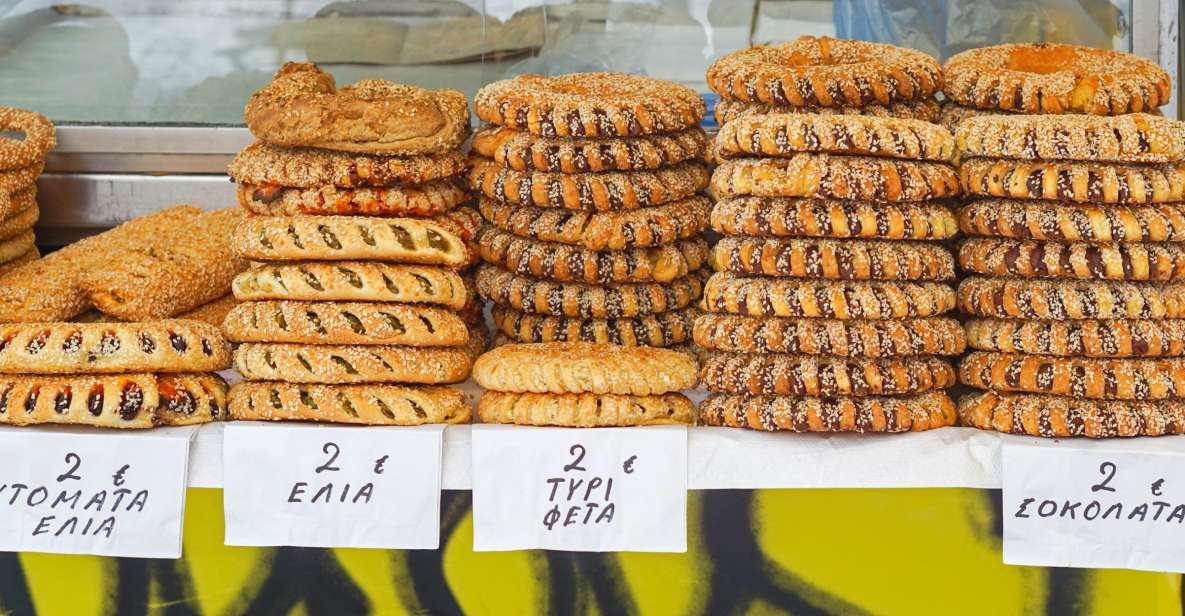
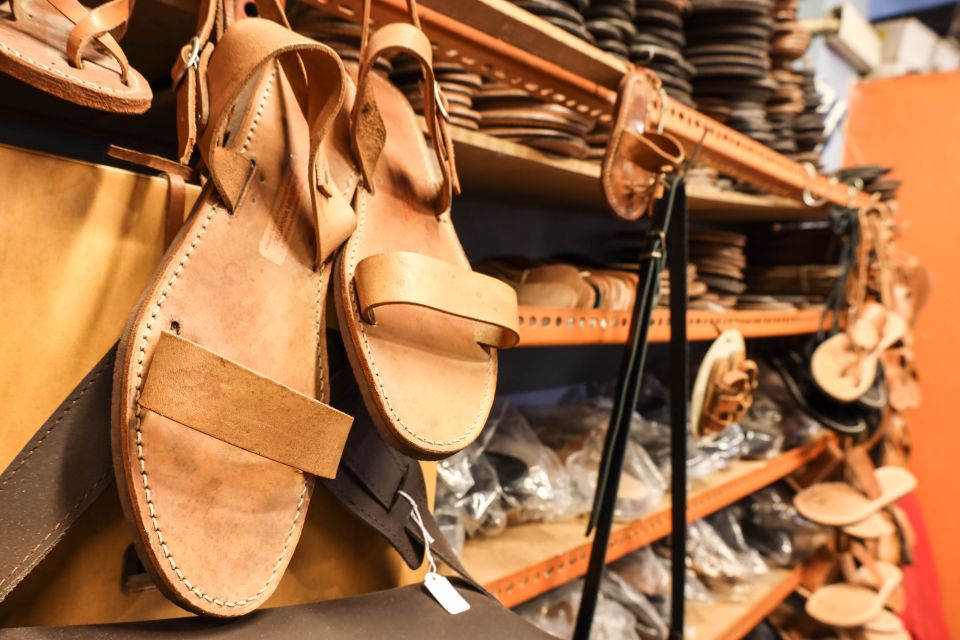
From Plaka, the walk continues toward Monastiraki and Psyri. These areas are among the liveliest parts of central Athens, with a mix of shops, food stops, small businesses, and busy pedestrian routes.
This is where the tour becomes especially useful for shoppers. Rather than simply pointing out a market street, the guide helps you understand the difference between a quick souvenir stop and a shop with a longer local connection.
One especially worthwhile element is the chance to visit multi-generational artisan businesses and speak with their proprietors. That detail changes the feel of the tour. You are not just looking at finished products. You can ask how the business has changed, what is still made locally, and how traditional work fits into the modern city.
The guide’s role matters here. Theo has been praised for explaining both the shops and their place in Athens, while Yiannis has been especially helpful with wider city advice and practical problems. Guides can vary, but the experience is designed around conversation, not simply leading a group from one address to another.
The route also gives you time to shop, though you should remember that purchases are not included in the tour price. If you see something you like, ask about its origin and how it was made. That is the sort of question that can turn a routine purchase into a better souvenir.
Varvakios Market is the tour’s most memorable stop
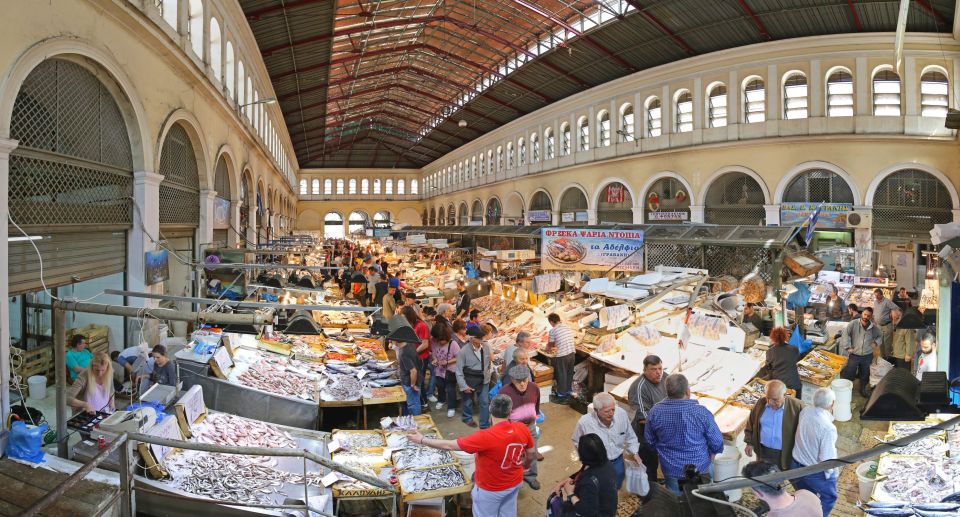
The walk then reaches the marketplace and Varvakios Market, Athens’s well-known meat market. This is not a neat, staged attraction. It is a working food market, and the sights, sounds, and smells may be stronger than what you encounter in Plaka or Monastiraki.
That is precisely why it earns its place on the route. Varvakios gives you a look at the city as a place where people shop for daily meals, not just a backdrop for ancient ruins. You see a practical side of Athens that can be missed if your time is spent only around the Acropolis.
The market may not suit every visitor. If you dislike raw meat displays or strong food-market smells, prepare yourself for a more direct encounter with local commerce. The tour does not treat the market as a polished food hall, and that is useful to know before booking.
For me, the value here comes from the setting and the guide’s explanation. A short visit with context can make the market easier to understand than wandering through it alone. You can also ask questions about how the market functions and how it fits into the surrounding commercial district.
The old Stock Exchange and City Hall add urban context
Around the corner, the route passes the old Stock Exchange and Athens City Hall. These stops help connect the market quarter with the city’s civic and financial life.
They are not presented as long museum visits. Think of them as points along a walking conversation. The guide can place the surrounding streets into a broader story about Athens as a capital, a trading center, and a city whose old and new uses often sit side by side.
This part of the walk may appeal most if you enjoy understanding how a city works. If you want a long stop inside a major monument, this is not that kind of tour. The focus stays on the streets and on how different businesses and public buildings share the same central area.
The route also keeps changing its tone. One block may feel aimed at visitors, while the next is filled with ordinary shops and city offices. That steady shift is one of the tour’s strengths.
- All Day Cruise -3 Islands to Agistri,Moni, Aegina with lunch and drinks included
★ 5.0 · 4,958 reviews





Geraniou Street shows a less polished Athens
The walk then turns through Geraniou Street, described as a multicultural neighborhood in central Athens. This section takes you away from the most familiar sightseeing path and into a more varied part of the city.
You should not expect a single dramatic sight here. The appeal is in the change of atmosphere and the chance to see a neighborhood that does not fit the standard Athens postcard. The guide’s comments are important because the street may mean more when you understand its people, businesses, and place in the city.
This is also where the tour feels most different from a standard old-town walk. You move beyond ancient landmarks and souvenir lanes and see a district shaped by many communities. It gives the experience a wider view of Athens, although some visitors may prefer a route focused only on monuments and grand views.
I would choose this tour if you want a city introduction that includes social and commercial life. I would skip it if your main aim is to visit museums or spend more time at archaeological sites.
Omonia Square closes the route with food
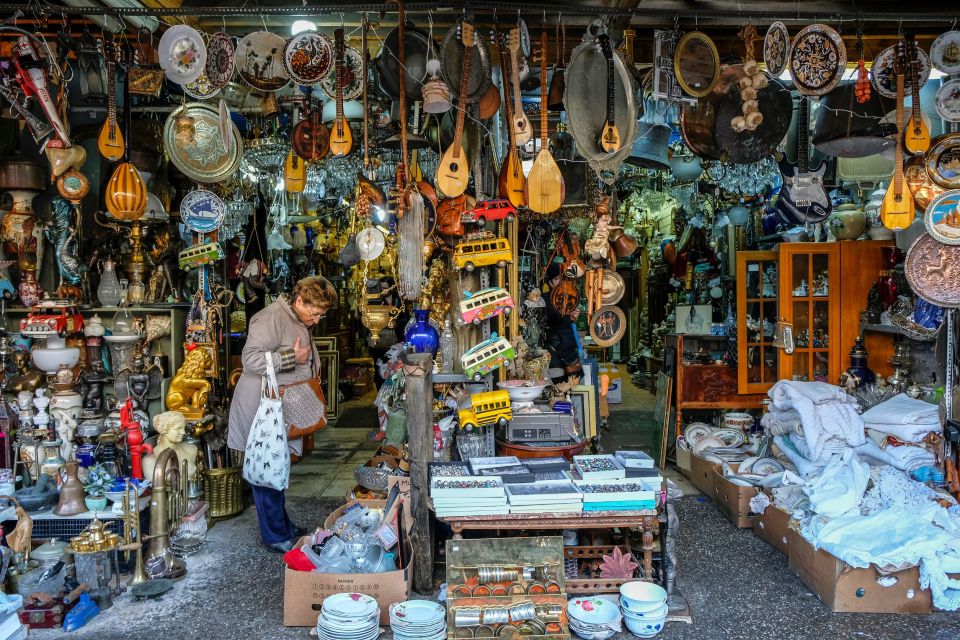
The final section takes you toward Omonia Square, one of central Athens’s busiest meeting points. Omonia has a reputation as a constantly active part of the city, and it makes a fitting end to a route that has moved steadily away from the postcard center.
You get a chance to taste street food in this area before finishing at Omonia metro station. The food stop gives you a pleasant change of pace after several hours on your feet, and it lets you ask the guide broader questions about Athens.
The included items are listed as coffee and a snack. The street-food tasting is part of the final section, but the details of what you receive are not specified, so I would budget for any extra food or drinks beyond what the guide provides.
Ending at Omonia metro station is convenient. You are not returned to the Koukaki starting point, so plan your next move from Omonia. That is helpful if you are continuing elsewhere in central Athens, but less convenient if you need to return to your hotel near the starting point.
The three-hour schedule and walking effort
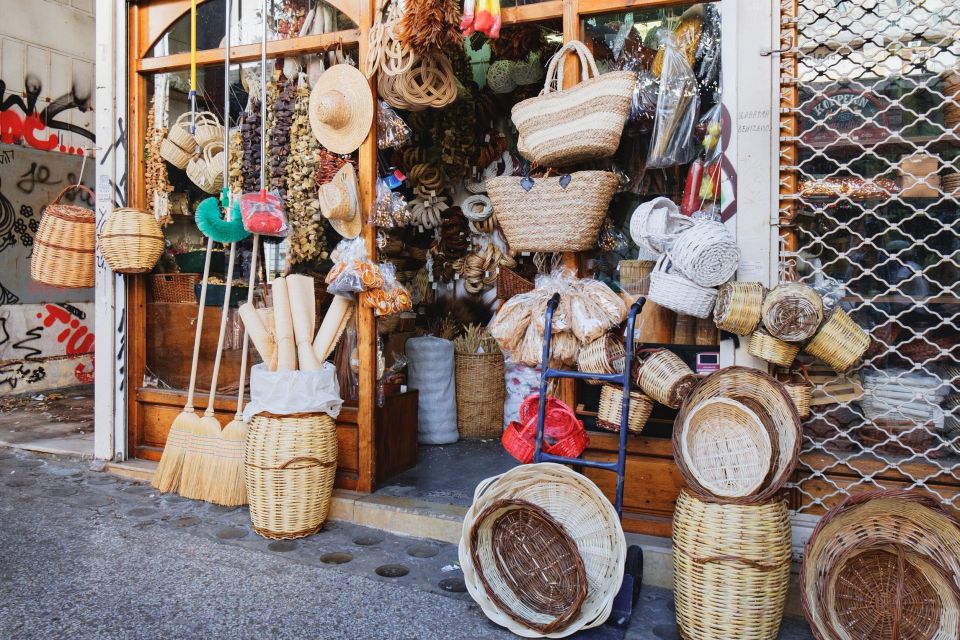
The tour runs from 10 a.m. to 1 p.m. The first 90 minutes cover the opening market and artisan sections, followed by a 30-minute coffee and snack break, then another hour of walking through the later neighborhoods.
That schedule is well suited to a morning in Athens. You get out before the hottest part of the day, and the break divides the walk into manageable sections. Still, three hours is enough time to feel the pavement, particularly in warm weather.
The tour is described as easy, with comfortable clothing and shoes recommended. There is no strenuous hiking, but Areopagus Hill has uneven ground and the rest of the route involves ordinary city walking. Bring a reusable water bottle, since the supplied information does not say that bottled water is provided.
A group limit of 10 is a real advantage here. Markets can be noisy and crowded, and a smaller group makes it more likely that you will hear explanations and get time for questions. It also suits the artisan visits, where a large group could make conversation awkward.
English and Greek are available. The guide is live rather than audio-based, which matters on a route where the meaning comes from explanations, questions, and quick observations along the way.
Is $141 a fair price?
The cost is $141 per person, which puts this well above the price of a basic self-guided market walk. You are paying for a private-feeling small group, a guide for three hours, the coffee and snack, and the route design that links several different parts of Athens.
The value depends on how much you want from a guide. If you only need directions to Monastiraki or Varvakios Market, you can visit those areas on your own for far less. If you want help making sense of artisan shops, the market, Geraniou Street, and the city’s changing neighborhoods, the guided format has a stronger case.
The price is easier to justify for first-time visitors who want a quick orientation. It can also suit people who like to ask questions as they go rather than read background information later.
It is harder to justify for budget-conscious visitors, repeat visitors who already know central Athens, or shoppers who plan to spend most of their time browsing independently. Remember that the tour does not include purchases or anything not specifically listed, so your total spending can rise quickly if you find several crafts or add food and drinks.
Flexible booking does help. You can cancel up to 24 hours before the start for a full refund, and you can reserve now and pay later. Those terms are useful when your Athens schedule is still shifting.
Who will enjoy this Athens walk?
I would recommend it to you if you:
- Want markets, shops, and neighborhoods alongside major views
- Prefer a small group to a large sightseeing crowd
- Like meeting craftspeople and asking how local businesses work
- Enjoy street food and working markets
- Want a three-hour introduction to central Athens
- Are comfortable walking on city streets and uneven stone surfaces
You may want a different tour if you are mainly interested in the Acropolis, museums, or formal archaeological sites. This route gives you only a brief high viewpoint and focuses much more on commerce, food, crafts, and city life.
Families with older children may like the changing scenery, but the market section can be intense for younger visitors. Anyone sensitive to raw-food displays should keep that in mind before booking.
The tour also suits solo visitors and couples who want company without joining a large group. The group size allows more personal interaction, and the guides have shown a willingness to help with wider Athens questions. Yiannis, in particular, has provided practical suggestions about clothing, food, and places to visit when plans went badly, which suggests the local assistance can extend beyond the formal route.
Should you book the Artisanal Crafts Walking Tour?
Book it if you want to see Athens through its shops, food markets, working streets, and local businesses rather than only through famous monuments. The route is varied, the small group is a plus, and Areopagus Hill, Varvakios Market, Geraniou Street, and Omonia each show a different side of the city.
The strongest reason to choose it is the human contact. Conversations with artisans and a guide who can answer questions make the walk more than a list of stops. The main reason to hesitate is the $141 price for three hours, especially when shopping and extra food are not included.
For a first visit, I think it can be worth the splurge if you value local context and want a well-organized morning. For a return visit or a tight budget, follow the route independently and spend the savings at the market or in an artisan shop.
FAQ
Where does the tour begin?
Meet at the Trekking Hellas Athens base at Parthenonos 12 in the Koukaki area of Athens.
Where does the tour finish?
The walk ends at Omonia metro station.
How long does the walking tour last?
The full experience lasts three hours, from 10 a.m. to 1 p.m.
Is the tour difficult?
It is described as an easy walking tour. Comfortable shoes and clothing are recommended, and you should bring a windbreaker, sunglasses, a hat, and a reusable water bottle.
What does the price include?
The price includes an experienced Trekking Hellas Athens guide, coffee and a snack, and VAT. Anything else is not included.
What languages are available?
The live guide can lead the tour in English or Greek. The group is limited to 10 participants.