REVIEW · CHANIA
Wine Tasting: Meet the Cretan Vineyard at West Chania
Book on Viator →Operated by PoTolo · Bookable on Viator
Cretan wine tastes better with local stories. This West Chania tasting is set in a quiet mountain village feel near Kissamos, where the air is cooler and the soils are varied enough to shape grapes over centuries. The host walks you through Cretan wine-making history and what makes the island’s native (and some rare) varieties different, while you sample five wines.
I especially love the food pairing that keeps showing up with each pour. You’ll get locally sourced snacks that include artisanal cheeses, savory pies, honey, and olive oil, so the tasting isn’t just grape talk—it’s flavor talk. I also like the tone: friendly, family-minded, and guided by an oenologist who talks through the details without making it feel like a lecture.
One consideration: this experience needs good weather, so if conditions are bad, it can be rescheduled or refunded.
In This Review
- Key highlights at a glance
- Where the tasting starts: PoTolo and that mountain-village calm
- The tasting flow: five wines plus a guided winemaking story
- Food pairings: how cheese, pies, honey, and olive oil make the wines make sense
- Native and rare Cretan varieties: what to look for as you taste
- The people side: oenologist guidance in a family-minded setting
- Price and value: is $60.01 worth it?
- Who should book this Meet the Cretan Vineyard tasting?
- Should you book it?
- FAQ
- How long is the wine tasting?
- Where does the experience start and end?
- Is the wine tasting offered in English?
- What is the group size?
- Is there an age requirement for wine?
- What happens if the weather is bad?
Key highlights at a glance
- Small group size (max 10) keeps the conversation personal.
- Five Cretan wines in about 90 minutes, with explanation as you taste.
- Local pairings like cheese, savory pies, honey, and olive oil for real balance.
- History plus process: you’ll hear how winemaking evolved on Crete and how selected makers work.
- Family character and respect for nature show up in how the tasting is run.
- English-friendly with a mobile ticket, and you return to the meeting point.
Where the tasting starts: PoTolo and that mountain-village calm
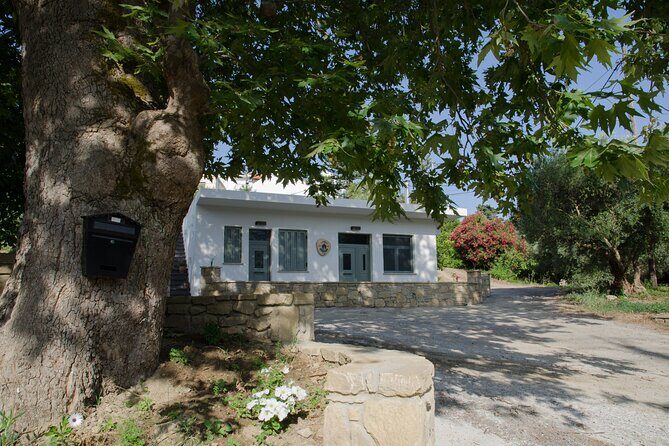
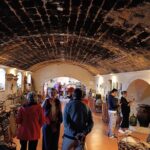
This tasting begins at PoTolo | Tasting Experiences in Tsourouniana (730 10), and it ends back there. From the start, the vibe is intentionally low-key. You’re not rushing through a checklist of stops—your time is focused on tasting and learning in a mountain village atmosphere tied to Kissamos.
Why that setting matters: West Chania has a way of feeling big and spread out. A structured 1 hour 30 minutes experience like this is a smart fit when you want something local without spending half a day in transit. The small group size also makes the whole thing feel more like a hosted afternoon than a bus-tour activity.
Another practical point: it’s offered in English, so you can follow the story clearly as you move through the wines and the background on Crete’s winemaking tradition. And because the tasting is for adults (you need to be 18+ to drink wine), the group tone tends to stay relaxed and alcohol-focused without kids or mixed-age logistics.
If you’re trying to plan your day, pick a time when you can stay flexible. The experience relies on good weather, so you’ll want a backup plan nearby in case the schedule changes.
You can also read our reviews of more food & drink experiences in Chania

The tasting flow: five wines plus a guided winemaking story
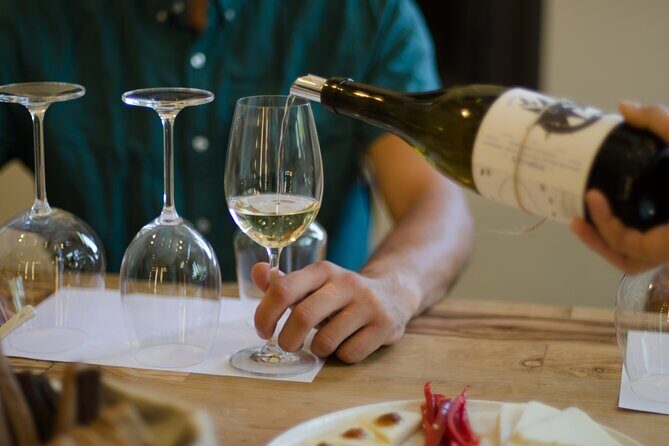
The heart of this experience is the themed tasting called Meet the Cretan Vineyard at West Chania. The theme isn’t just marketing; it’s built around how Crete’s soils and conditions shaped viticulture over time, and how winemakers interpret that in the glass. You’ll get an oenological journey through native and rare varieties—meaning you’re likely tasting grapes you won’t see on every wine list elsewhere.
Here’s how the flow typically feels:
- You start with introductions from the oenologist and winemakers’ approach to Crete.
- You taste through five wines, with discussion of what you should notice.
- You get context on winemaking history and specific processes used by the selected makers.
The best part is that the explanations connect to the tasting, not just the background. As you move from one wine to the next, the guide points you toward the differences—how winemakers handle grapes from distinct terroirs, and how local tradition influences style. This is where the experience earns its strong reputation: people consistently describe it as a complete Cretan wine moment, not a quick pour-and-run stop.
Also, the setting keeps you present. A mountain village pace helps you slow down. That matters because wine tastings are easier to understand when you can focus on aroma, acidity, and pairing—not when you’re trying to beat a clock.
If you’re the type who likes questions, you’ll probably enjoy this one. The guide style comes across as welcoming and conversational, with a tone that respects both craft and nature.
Food pairings: how cheese, pies, honey, and olive oil make the wines make sense
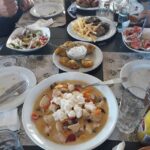
Wine tastes better when your palate isn’t starving. That’s why I like that this tasting includes locally sourced delicacies during the pours. Instead of separate courses where you forget the wine, the snacks are integrated into the experience so each glass lands with support.
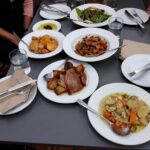
From the details provided, the pairing menu includes:
- artisanal cheeses
- savory pies
- honey
- olive oil
Why this pairing mix works (and why it’s more than filler):
- Cheese helps you read structure. You can notice how a wine handles fat and salt, especially when the cheese is artisanal and not overly smooth.
- Savory pies bring grain and spice notes that make the wines feel more grounded. It’s a quick palate reset between tastings.
- Honey is great for contrast. Even without matching one-to-one with a specific wine, it helps you notice sweetness and how the next wine handles it.
- Olive oil ties the experience to Crete beyond grape culture. It’s one of the island’s signature flavors, and it can make you think about bitterness, freshness, and texture.
One of the most memorable “value” points in the reviews is the sense that the food comes from local people around the villages. That matters because it makes the tasting feel like a regional table, not just a vineyard event with generic snacks.
If you’re sensitive to strong flavors, start with the cheeses and go slow. Savory pies and olive oil can be bold, and you’ll get the most from the tasting if you let the wines recalibrate between sips.
And yes, it’s designed for the clock. You’ll have enough bites to stay comfortable, but the tasting still remains focused and moves forward smoothly.
Native and rare Cretan varieties: what to look for as you taste
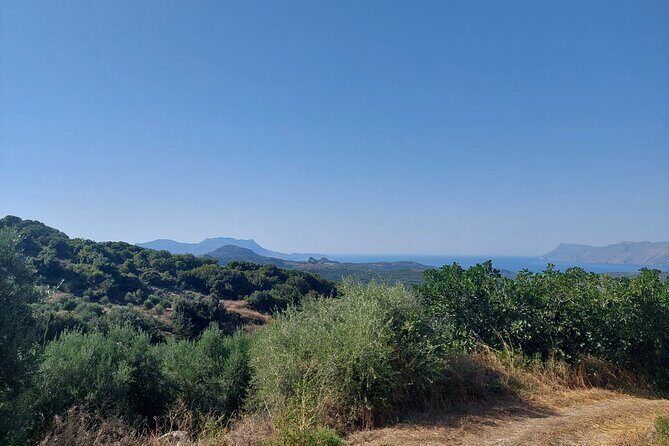
Crete has a reputation for native grapes, and this tasting leans into that. You’ll sample wines made from the most representative native and rare varieties of the island. Translation for your glass: don’t expect only common international styles. Instead, you’re tasting expressions shaped by Crete’s conditions and by local decision-making in the vineyard and winery.
When the guide talks about differences, you’ll usually want to listen for a few practical cues:
- How the wine feels on the palate: more crisp vs. more rounded
- How aroma shifts across the five pours
- How pairing changes what you notice (especially with cheese and olive oil)
The experience also includes insights into winemaking history on Crete. That context helps you understand why certain styles exist, and why some winemakers preserve older traditions while others adapt. In other words, it gives your tasting a framework. Without it, native grape wines can feel random. With it, you start seeing patterns.
Another good sign: this is described as a respectful experience tied to family character and nature. That usually means the focus stays on real craft choices and how grapes get treated—not on gimmicks.
If you’re worried that you won’t understand wine talk, don’t. The tone described is friendly and welcoming, and the explanations are tied directly to what you’re tasting. You don’t need a sommelier brain. You just need curiosity.
The people side: oenologist guidance in a family-minded setting
This tasting stands out for the way it’s hosted. The reviews point to a young woman oenologist who welcomes you warmly and keeps the experience grounded in family character. That’s not a small detail—it changes the whole vibe of the room.
When an oenologist guides you like this, you get a two-way benefit:
- You feel comfortable asking questions.
- The guide has a chance to tailor explanations to what you’re actually tasting.
People also mention kindness and respect for nature. Those words might sound soft, but in practice they often mean the host doesn’t rush you and doesn’t treat the group like numbers. Add the max group size of 10, and you get a setting where interaction is realistic.
You’ll also learn about the winemakers selected for this tasting. The host discusses their processes and the journey behind the bottles, which helps you appreciate why wines can taste similar and still differ. It also makes the tasting feel like a curated local experience without needing fancy production.
If you’re visiting West Chania and want something distinctly Cretan, this is one of those activities that can anchor your trip. Food and wine are already cultural, and here they’re treated with care rather than just sold.
You can also read our reviews of more wine tours in Chania



Price and value: is $60.01 worth it?
At $60.01 per person, this tasting isn’t the cheapest thing you can do in Chania. But it’s also not priced like a big luxury production. The value comes from what you get within roughly 1 hour 30 minutes:
- Five wines included
- Local food pairings (cheese, savory pies, honey, olive oil)
- Guided explanation of Cretan winemaking history and the processes used by selected winemakers
- A small group (max 10), which usually means more attention per person
- English service and a mobile ticket for easy handling
So what are you really paying for? Not just alcohol. You’re paying for interpretation and context. Five wines plus pairing snacks can be expensive if you try to assemble it yourself—especially if you want guided history and an oenologist leading the talk. Here, everything is bundled into a short, planned session.
Would it feel like good value if you’re not interested in wine education? You might still enjoy the food and sampling, but the main “wow” factor is the explanations. The strongest reviews match that: they describe it as a full Cretan wine experience, not a hurried tasting.
My take: if you like native grapes, want local food with your wine, and prefer small-group experiences, this price usually feels fair.
Who should book this Meet the Cretan Vineyard tasting?
This is a great fit if you:
- want a Cretan wine experience that focuses on native varieties and real pairing food
- like conversations and simple guidance rather than stuffy wine formality
- prefer small groups (max 10) where your questions matter
- are staying in or around Chania and want a West Chania wine stop that’s time-efficient
It’s also a solid choice for couples and small friend groups. The tasting nature (90 minutes, hosted, friendly) makes it easy to feel relaxed and connected to the region.
It may be less ideal if:
- you need a long sit-down meal (this is a tasting with snacks, not a full multi-course dinner)
- you’re hoping to see a wide range of places in one day. This is focused on wine, food, and story, not a big sightseeing route.
If you’re the kind of traveler who wants your trip to taste like the place you’re in, this checks that box well.
Should you book it?
I’d book it if your goal is a genuine West Chania wine moment: five Cretan wines, local food pairings, and an oenologist-led explanation in a small group. The consistent praise for the welcoming host, the Cretan focus, and the wine-and-food matching makes it an easy recommendation.
Skip it only if you hate weather-dependent plans or you’re not interested in tasting native Cretan varieties with guided context. Otherwise, it’s a practical way to spend 90 minutes tasting Crete without turning it into a complicated day.
FAQ
How long is the wine tasting?
It lasts about 1 hour 30 minutes.
Where does the experience start and end?
It starts at PoTolo | Tasting Experiences in Tsourouniana 730 10, Greece, and ends back at the same meeting point.
Is the wine tasting offered in English?
Yes, it’s offered in English.
What is the group size?
The experience has a maximum of 10 travelers.
Is there an age requirement for wine?
Yes. The age required for the wine is above 18 years old.
What happens if the weather is bad?
This experience requires good weather. If it’s canceled due to poor weather, you’ll be offered a different date or a full refund. You can also cancel up to 24 hours in advance for a full refund.