REVIEW · VIKOS AOOS NATIONAL PARK
Zagori: Vikos Gorge full-day guided hike
Book on GetYourGuide →Operated by TREKKING HELLAS IOANNINA · Bookable on GetYourGuide
Vikos Gorge is one of Greece’s big wow-days. You hike into a canyon with vertical limestone walls and see the Vikos National Park up close, plus you get a real reason to cool off at Voidomatis Springs. One catch: the downhills can have loose gravel, so solid shoes matter.
This is the kind of hike where the guide really changes your experience. I loved how guides like Spiridoula, George, and Apostolis Demertzis shape the day with geology and plants-and-fauna talk, while also adjusting to your pace when the terrain gets tricky. If you want totally effortless walking, this isn’t that kind of day—think boots-on-the-ground hiking, not a stroll.
In This Review
- Key takeaways before you go
- Why Vikos Gorge from Monodendri feels like a geology lesson
- A 7-hour rhythm: descent, springs, and the climb out
- Voidomatis Springs: cold water, optional bravery, and a smart reset
- How your guide changes the hike: Spiridoula, George, Apostolis, Alex
- What’s included (and why it saves energy)
- Terrain reality check and what to pack
- Price and value: is $141 worth it?
- Should you book this Vikos Gorge hike?
- FAQ
- Where does the hike start?
- How long is the guided hike?
- What’s included in the price?
- Is hotel transfer included?
- Can I swim at Voidomatis Springs?
- What should I bring?
- Who should avoid this hike?
Key takeaways before you go
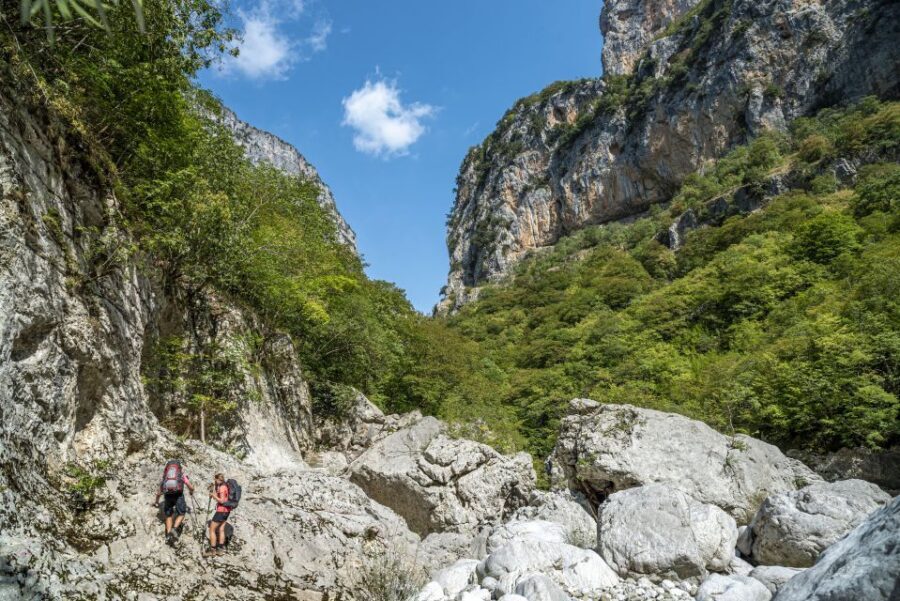
- Vikos Gorge is steep by design: vertical canyon walls reach up to 1700 m, with limestone and dolomite formations that date back around 150 million years.
- You start with a 45-minute descent from Monodendri down toward the river bed, then you work your way back up later.
- Voidomatis Springs are cold year-round (average temperature 8.5°C), and summer makes an optional swim feel possible if you’re brave.
- Guides add the story: from flora and fauna to local folklore and safe footing on downhills.
- You get a Greek picnic lunch after the main gorge hiking loop, so you’re not hunting for food on the clock.
Why Vikos Gorge from Monodendri feels like a geology lesson
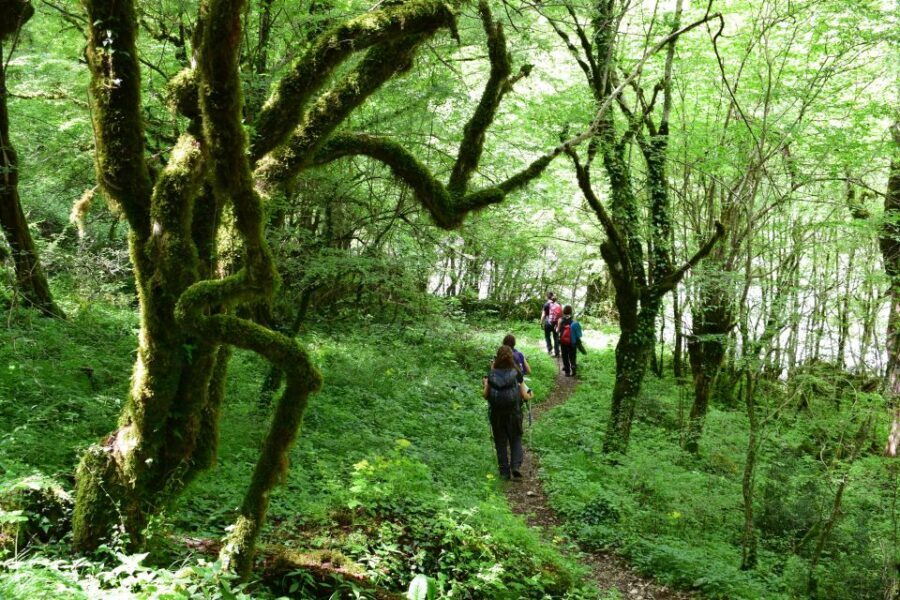
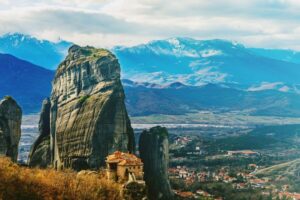
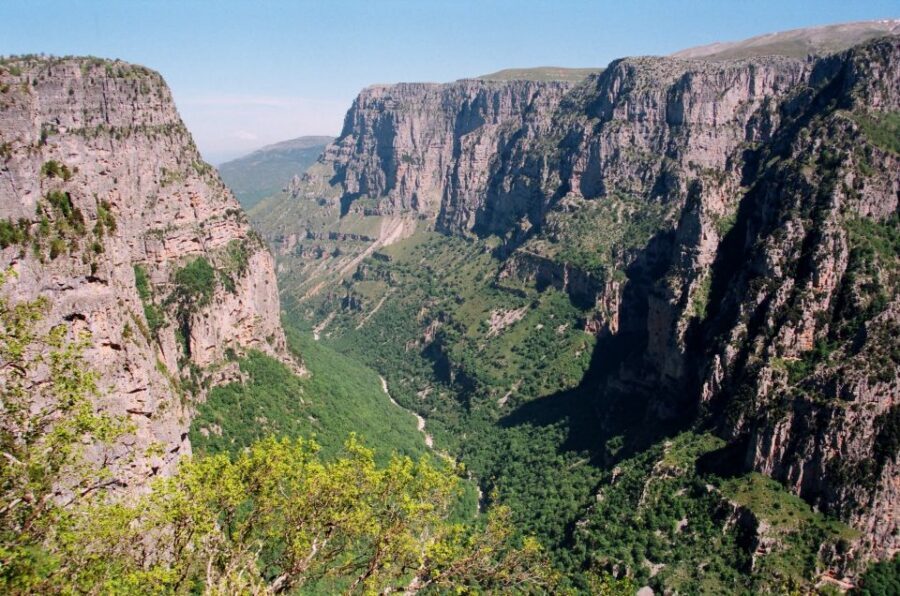
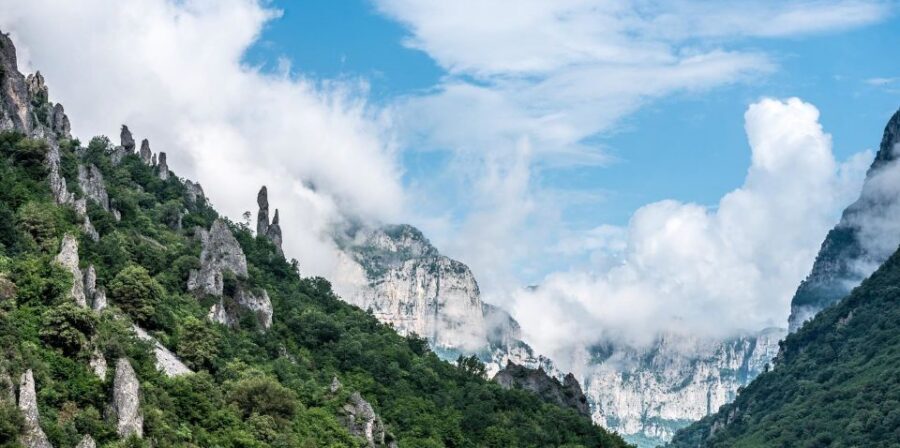
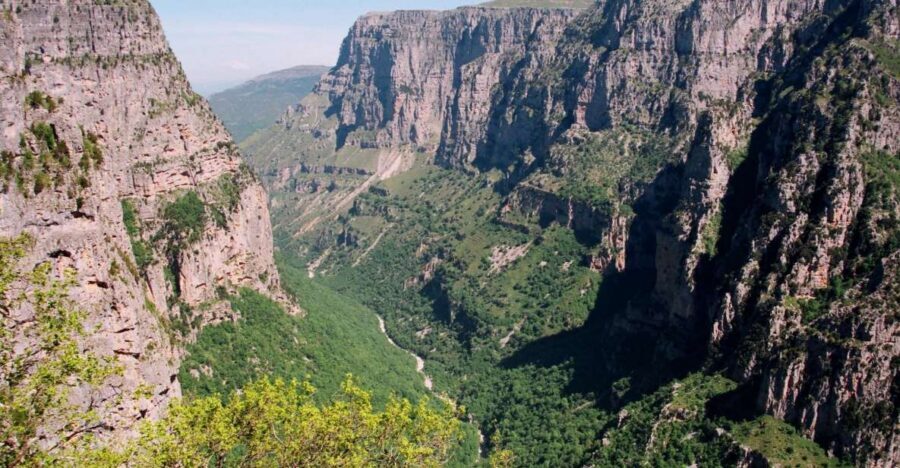
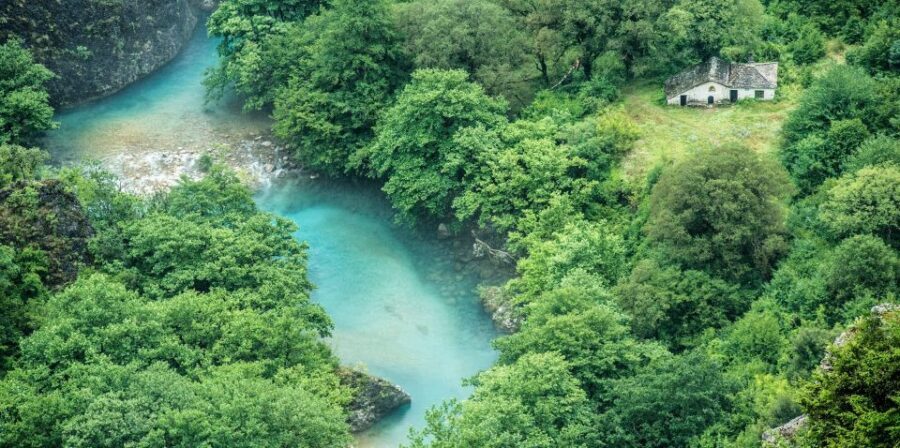
Zagori has plenty of scenic walking, but Vikos Gorge is in a different class. The canyon cuts through limestone and dolomite rock shaped by millions of years of geological change, and the canyon walls rise dramatically—up to 1700 m. When you’re down in the gorge, you feel the scale fast. It’s not just pretty. It’s structural. The canyon walls are like a natural wall chart for Earth history.
The trail also runs through an ecological mix that makes your brain pay attention. You’re walking alongside dense forests of deciduous trees and passing through areas with around 1800 plant species recorded in the region. That means your guide isn’t stuck repeating the same lines: you’ll likely get explanations for what you’re seeing, not just sweeping views.
I also like that the experience isn’t only about looking. You move through the gorge, you reach the river springs area, and you finish back up. That combination—effort plus payoff—makes the day feel complete. And yes, the cold water stop is a huge part of why this hike stays memorable.
You can also read our reviews of more guided tours in Vikos Aoos National Park
A 7-hour rhythm: descent, springs, and the climb out
This hike runs about 7 hours, and it helps to think of it as a two-stage route with a “reset” in the middle.
Start in Monodendri, then down to the river bed. The walk begins in Monodendri village. You’ll do a 45-minute descent toward the river bed. Early on, you’ll likely feel the gorge draw you in—steeper feeling sections can show up sooner than you expect, especially if you’re used to flatter hiking trails.
Then the walking alternates: down, up, and across forest edges. The trail keeps changing direction as you move through areas around the gorge. Dense tree cover means you’re not always baking in open sun, but you still climb and descend multiple times.
Next: a stop at Voidomati Springs before the final ascent. Before the route heads up toward Vikos village, you visit Voidomati Springs—often the emotional high point of the hike. This break isn’t just for photos. It’s where your body gets a shift: you cool off, refill yourself mentally, and then you’re ready for the climb out.
Finish with a 1-hour ascent to Vikos village. After Voidomatis, you’ll have about an hour of ascent back toward Vikos village to wrap up the day. The ascent can feel steep in the final phase, but it’s a clear goal. When the end comes, it’s real relief in a good way.
If you’re choosing this hike because you want “moderate terrain,” take that as a hint, not a promise. One review noted the hike being pretty moderate overall, yet there were moments of loose gravel on downhills that can be tricky. So plan your pace like a pro: shorter steps, careful foot placement, and don’t rush the sections where your shoes slide.
Voidomatis Springs: cold water, optional bravery, and a smart reset
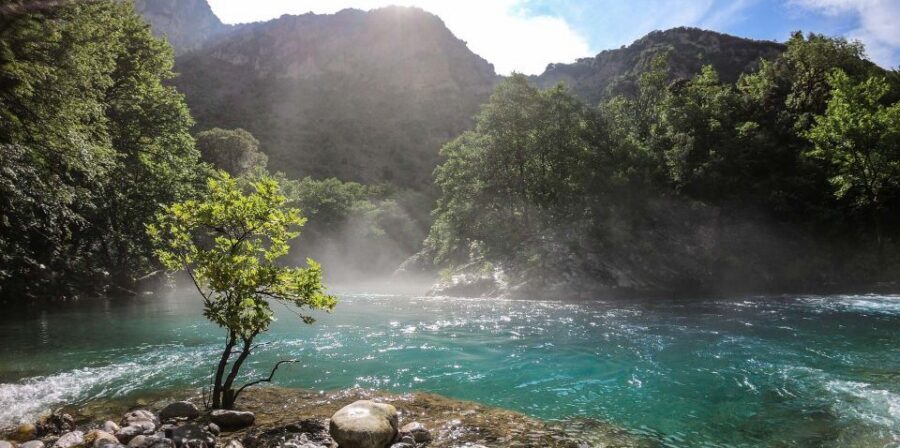
Voidomati Springs are the star stop inside the gorge experience. The reason is simple: they’re cold. The average temperature is 8.5°C year-round, and that’s cold enough that your brain takes a moment to agree with your body.
In the cooler months, that stop is still valuable even if you don’t get in. You can spend time by the water, soak in the fact that the springs are famously clean and cold, and let the cool air do some work before your climb.
In summer, the springs become a different kind of temptation. If you’re brave, you might want to try a quick dive into the crystal-clear water. I can’t promise you’ll want to after the first second—but I can tell you it’s the kind of moment that makes people remember the hike long after the photos fade.
Practical tip: treat this stop like a mini swim day. Bring swimwear and a towel, and wear shoes you’re willing to get wet or that dry reasonably fast. Even if you skip the water, having the option makes the day feel more flexible.
How your guide changes the hike: Spiridoula, George, Apostolis, Alex
On paper, this is a gorge hike. In real life, it becomes a conversation with a place—if your guide is strong. The guides tied to this experience have been consistently praised for how they mix safety, pacing, and real interpretation of what you’re seeing.
I especially appreciate the guides who teach you how to walk, not only what to look at. One person described how George instructed them on navigating tricky moments, and that kind of guidance matters when the downhills include loose gravel. Another review said the terrain could be challenging without a guide, which tells you the pacing and technique part isn’t optional.
Names you may see mentioned include:
- Spiridoula, praised for deep knowledge and passion, plus storytelling about geology and the area.
- George, praised for flora, history-and-folklore context, and adapting when needed.
- Apostolis Demertzis, praised for being attentive to comfort and safety all the way through.
- Alex, praised for being knowledgeable and kind, with a focus on adjusting to the group pace.
One detail I find reassuring: the guides aren’t just reciting facts. They manage the day based on conditions. For example, one review referenced an extremely hot day (38°C) and noted excellent effort and timing management. That’s the difference between a hike that feels like a checklist and one that feels like a plan made for real humans, not robots.
What’s included (and why it saves energy)
A big chunk of the value here is that you’re not organizing the “stuff” while your legs are busy doing their own thing.
You get:
- An English-speaking experienced hiking guide
- Local transfers during the activity (hotel transfer isn’t included, but the meeting point is reachable by car from the Western part of Zagorohoria Villages and from Ioannina in about 30 minutes)
- A Greek traditional picnic lunch
- Hiking poles
- Waterproof poncho jacket if it rains
- A group backpack for every 4 participants
- Taxes
That’s a useful mix. Poles are especially helpful in a gorge route with alternating descents and ascents. A poncho matters because mountain weather shifts fast. And lunch inside the day means you can focus on walking instead of budgeting time to find food.
Also, you don’t have to worry about ticket lines. If you prefer smoother logistics, this is a practical win.
Value note on the picnic: it’s not just convenient. A Greek picnic lunch also fits the Zagori vibe. It turns the hike into a full-day experience rather than a half-day pull-and-go.
You can also read our reviews of more hiking tours in Vikos Aoos National Park
Terrain reality check and what to pack
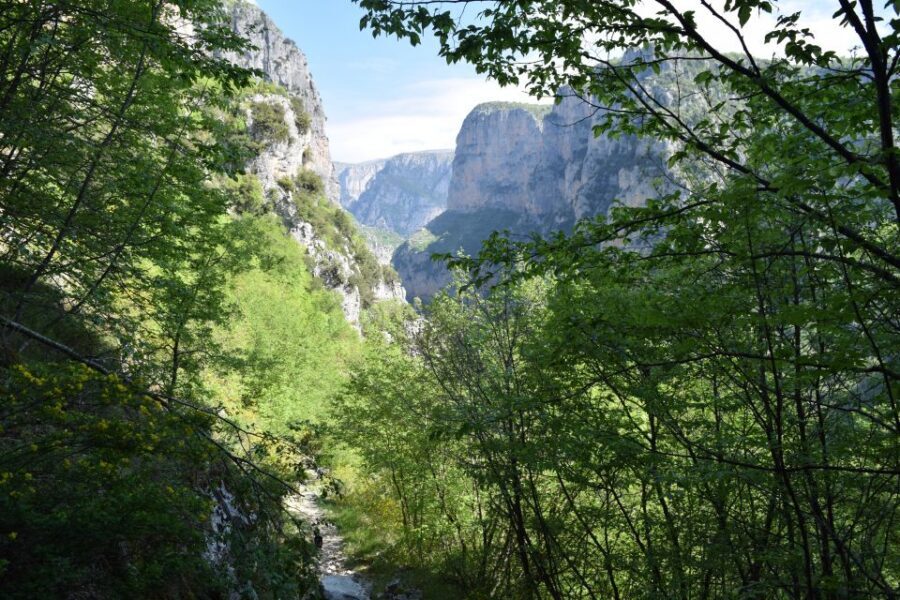
This hike is not marketed as a “sit down and admire” walk. It’s real hiking through steep sections, changing elevations, and forested terrain.
The terrain you should plan for
- You start with a 45-minute descent from Monodendri.
- You later do a 1-hour ascent to Vikos village.
- You may face loose gravel on downhills, which can be tricky even if the overall route feels moderate.
What to bring (your list is spot-on)
You’ll want:
- Sunglasses and a sun hat
- Hiking shoes
- Sunscreen and water
- Comfortable clothes and a daypack
- Rain gear
- Swimwear and a towel (for that spring stop option)
A small but important mindset: don’t pack for the calm version of the hike. Pack for the day when it’s warm, sunny, and you still have to negotiate downhills carefully. Even people who find the hike moderate have called out footing moments, and you’ll feel it if your footwear isn’t up to the job.
Who should skip it:
- Children under 12
- People with mobility impairments
If you’re in that category, it’s better to choose a different Zagori walk with less uneven terrain.
Price and value: is $141 worth it?
At $141 per person for a 7-hour guided hike, the value hinges on what you get besides the scenery. Here you’re paying for several high-impact pieces:
- A guide for safety and pacing (including guidance on tricky footing)
- Interpretation: geology, plant life, and stories tied to the area
- Included lunch (Greek picnic) so you don’t lose time to food stops
- Gear support: hiking poles plus a rain poncho if weather shifts
- Transfers during the activity to keep the day flowing
Could you hike Vikos Gorge on your own? Maybe, depending on your comfort with navigation and how you handle steep canyon trails. But this experience is built around a structured route with a key stop at Voidomatis Springs. You’re also getting the benefit of people like George, Spiridoula, and Apostolis guiding you through the why behind what you see—not only the where.
If you like guided hikes where you learn while moving, this price makes sense. If you prefer total independence and don’t care about interpretive storytelling, then $141 may feel steep. But for most visitors to Epirus—especially those traveling with limited time—a 7-hour full experience with equipment included is a solid deal.
Should you book this Vikos Gorge hike?
I’d book it if you want a day in Zagori that feels like a complete outing: steep canyon walking, a cold-springs reset, and a proper picnic lunch. It’s also a good choice if you enjoy guides who explain what you’re seeing—geology, plants, and the region’s stories—while keeping your pace realistic.
Skip it or think twice if:
- You’re uncomfortable with gravel downhills and prefer flatter trails
- You’re traveling with a child under 12
- Mobility limits could make steep sections hard
- You’re hoping for a relaxed, low-effort walk
If you’re moderately fit and you pack the essentials—especially good shoes and a sun hat—you’ll have a day that feels both adventurous and deeply tied to the place.
FAQ
Where does the hike start?
The meeting point is in Monodendri village at the public parking space area on Unnamed Road, Monodendri 440 07, Greece.
How long is the guided hike?
The duration is about 7 hours.
What’s included in the price?
You get an English-speaking hiking guide, local transfers during the activity, a Greek traditional picnic lunch, hiking poles, a group backpack for every 4 participants, and a waterproof poncho jacket if it rains.
Is hotel transfer included?
No. Hotel transfer is not included, but the meeting point is reachable by car from the Western part of the Zagorohoria Villages and from Ioannina in about 30 minutes.
Can I swim at Voidomatis Springs?
Voidomati Springs are cold year-round (average 8.5°C). During summer months, you might want to try a very refreshing dive, and swimwear and a towel are recommended.
What should I bring?
Bring sunglasses, a sun hat, swimwear, a towel, hiking shoes, sunscreen, water, rain gear, comfortable clothes, and a daypack.
Who should avoid this hike?
It is not suitable for children under 12 or for people with mobility impairments.
If you want, tell me your hiking comfort level (good with steep trails vs. mostly casual) and what month you’re going, and I’ll help you decide if this one fits your style.