REVIEW · ATHENS
2 Day Private Tour Delphi & Meteora a Trip of a Lifetime
Book on GetYourGuide →Operated by Private Tours Greece · Bookable on GetYourGuide
Meteora is the star of this trip: huge stone pillars rise above central Greece, crowned by monasteries that seem to hang between earth and sky. Pairing them with Delphi gives you two of Greece’s most powerful sights in one journey, from the Oracle of Apollo to the quiet heights above Kalambaka.
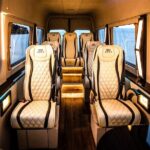
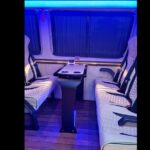
I like the private vehicle and hotel pickup, since you avoid organizing several long train or bus connections. I also like the timing of the Meteora sunset visit, when the cliffs take on softer colors and the area feels far less rushed than a quick daytime stop.
The main drawback is the pace. Delphi, Arachova, Meteora, and Thermopylae are spread across a large part of mainland Greece, so Day 1 begins early and includes substantial road time. The monasteries also require walking and stairs, making this a poor fit for wheelchair users or anyone with serious mobility limits.
In This Review
- Key points to know before booking
- Why Delphi and Meteora work so well together
- Day 1: Athens to Delphi by private car
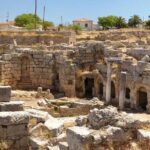
- Walking through the Sanctuary of Apollo
- The Delphi Archaeological Museum
- Arachova for lunch and a village walk
- Kalambaka and sunset among the Meteora rocks
- Day 2: Varlaam Monastery at 380 meters
- Great Meteoron, the largest monastery
- Thermopylae and the statue of Leonidas
- What the $1,107 price includes
- Who should book this private tour
- Final decision: a strong but costly two-day escape
- FAQ
- How long does the tour last?
- Where does the tour begin and end?
- What transport is provided?
- Is accommodation included?
- Which Meteora monasteries are visited?
- Are entrance fees included?
- Are meals included?
- Is the tour suitable for wheelchair users?
- Can I cancel the booking?
Key points to know before booking
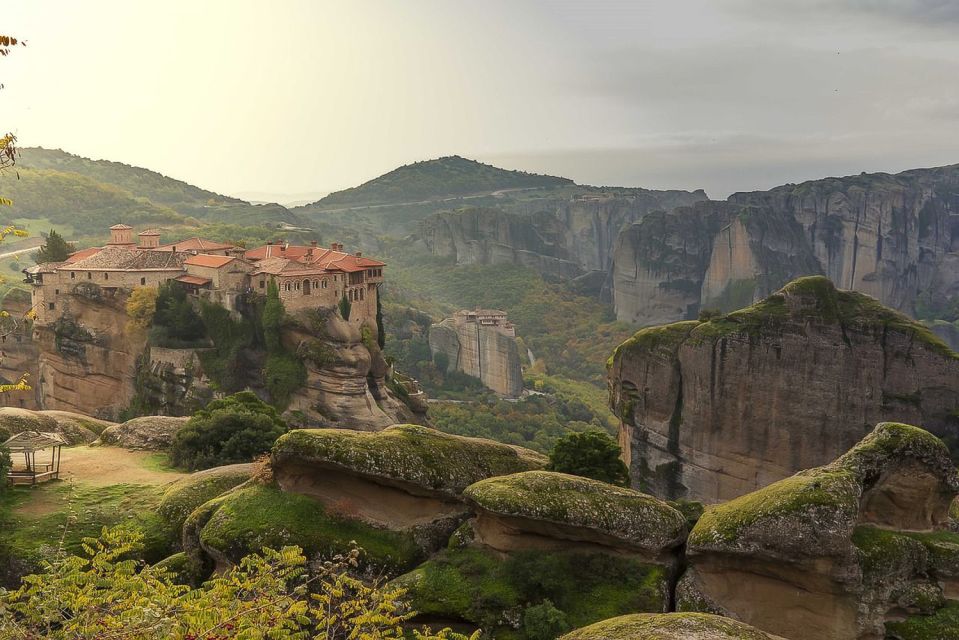
- Meteora sunset is built into Day 1: You reach Kalambaka in time for a guided sunset outing around the rocks.
- Two major monasteries are included: Visit Varlaam and Great Meteoron on the second morning.
- Delphi combines ruins and museum pieces: See the Temple of Apollo, theater, stadium, Castalian Spring, and archaeological museum.
- Arachova offers a useful break: You get free time for a taverna meal, village streets, views, and optional shopping.
- Thermopylae adds a short historical stop: See the statue of Leonidas on the return to Athens.
- The price reflects privacy: At $1,107 per person, this is costly, but it includes private transport, hotel transfers, one night with breakfast, and an English-speaking driver.
Why Delphi and Meteora work so well together
These two places show very different sides of Greece. Delphi is a sanctuary shaped by ancient Greek religion and politics. Meteora is a religious retreat built into towering rock formations, where monasteries still preserve centuries of Orthodox tradition.
I find the combination valuable because neither site feels like a simple photo stop. At Delphi, you can picture pilgrims arriving to ask Apollo’s Oracle for guidance. At Meteora, you see the extreme setting chosen by monks who wanted quiet, isolation, and a place closer to heaven.
The trip also gives you a look at inland Greece rather than only the familiar islands and Athens. Arachova and Kalambaka add ordinary town life, local restaurants, rural views, and a sense of how people live around these major monuments.
You can also read our reviews of more private tours in Athens

Day 1: Athens to Delphi by private car
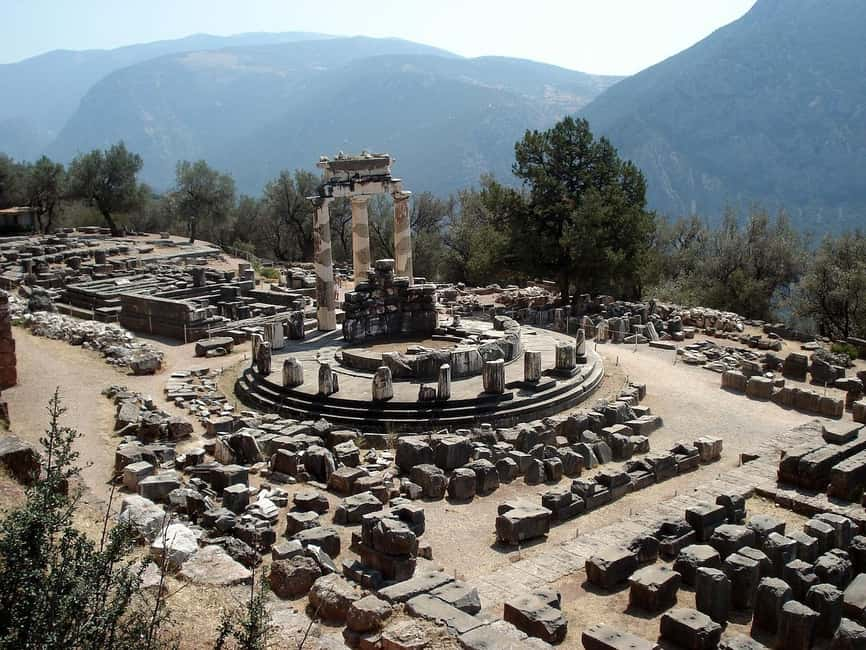
The tour begins with an early pickup at your Athens hotel. Your English-speaking driver handles the long drive north, leaving you free to watch the scenery and keep your attention on the day ahead.
Because this is a private tour, the route is not shared with a large group. That matters at Delphi, where you can move through the site at your own pace instead of waiting for a full coach party. The driver remains available and, according to the service details, provides information and practical help along the way.
No driver name is provided, so you should not book this expecting a specifically named guide. The driver is English-speaking, but the exact level of formal guiding may vary. If you want detailed archaeological commentary at every monument, ask about that before paying.
Walking through the Sanctuary of Apollo
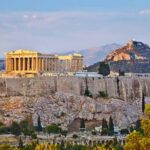
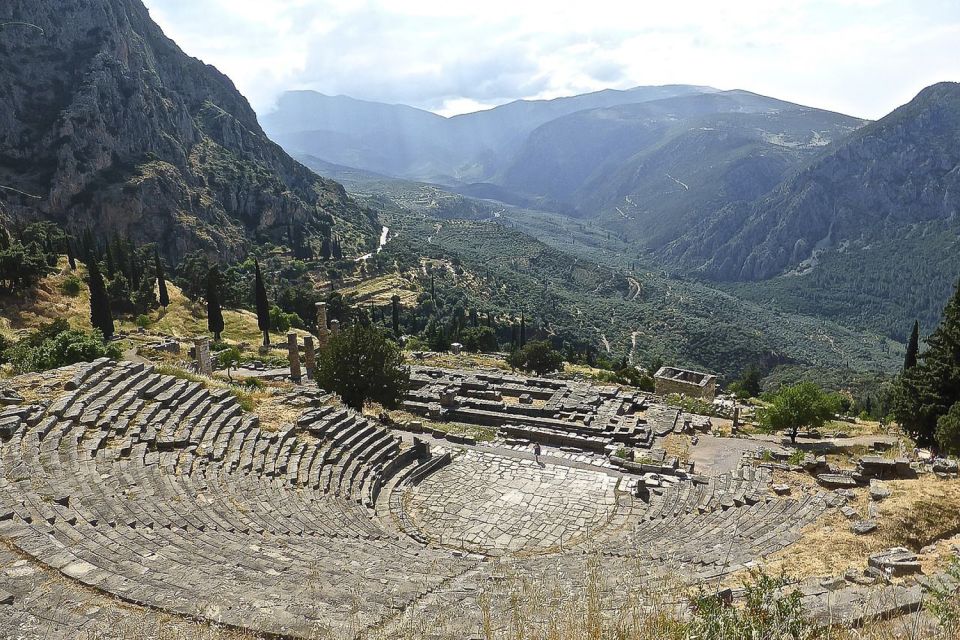
Delphi was considered the center of the ancient Greek world. Its setting on the slopes of Mount Parnassus adds to the effect, with the sanctuary spread across steep ground and broad views beyond it.
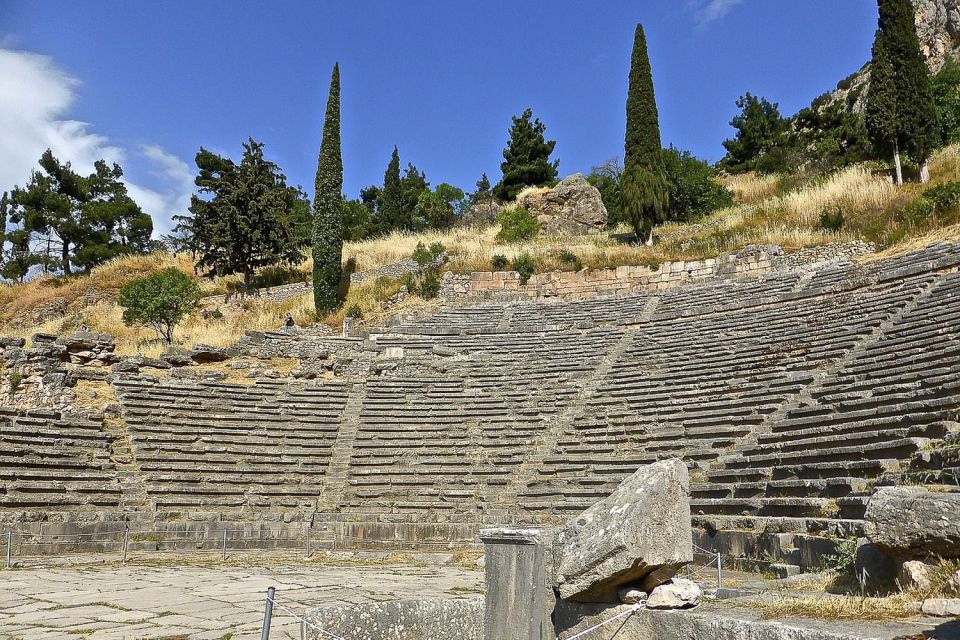
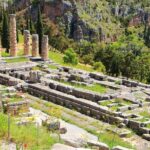
The Temple of Apollo is the central sight. This is where the Oracle gave prophecies, making Delphi a place of enormous religious importance in antiquity. I like visiting it with some context in mind: rulers, generals, and ordinary people came here looking for answers, though the Oracle’s words were often open to interpretation.
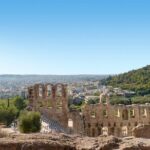
The theater gives you a clear sense of how performances fit into the sanctuary. Farther up, the stadium shows the scale of athletic events held at Delphi. These stops are easy to appreciate even if you are not an ancient-history specialist because the site’s layout tells a story through its position and buildings.
The Castalian Spring is another important stop. It was linked to purification before approaching the sanctuary. The spring helps explain that Delphi was not simply a temple complex. It was a carefully organized sacred place, with rituals, performance, competition, and prophecy woven together.
Allow for uneven surfaces and uphill walking. Comfortable shoes are essential, and the tour is not suitable for people with mobility impairments or wheelchair users.
The Delphi Archaeological Museum
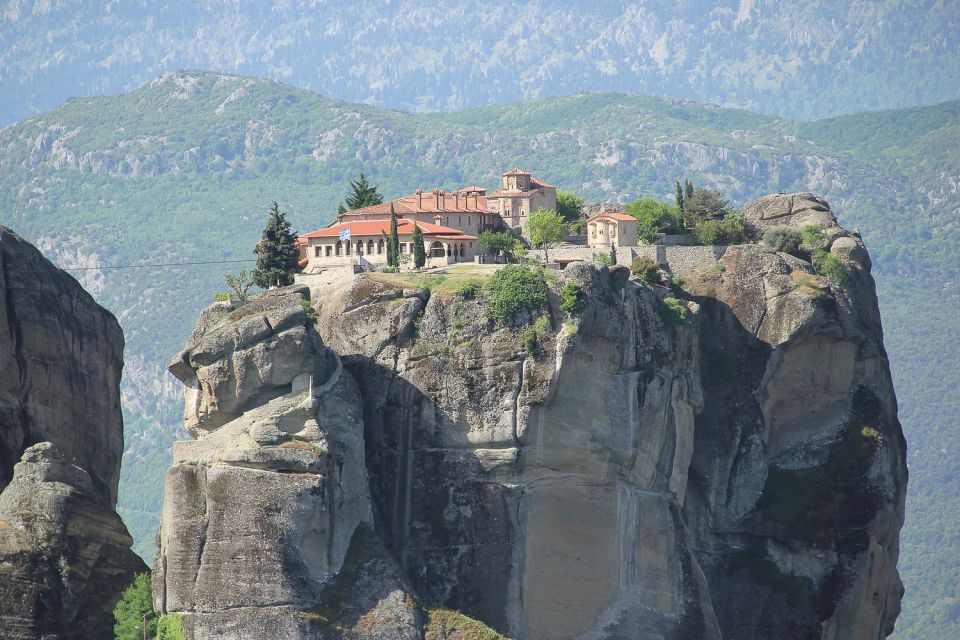
The museum adds details that the open-air ruins cannot provide. It displays objects found at Delphi and helps you see the artistic quality and religious purpose of the site.
A museum visit is especially useful after walking through the sanctuary. You can connect sculpture and artifacts with the buildings you have just seen instead of looking at isolated objects without context.
The exact amount of time at the museum is not specified, so your time there may depend on the day’s pace. If Delphi is your main interest, tell the driver early that you want enough time for both the ruins and museum. Since the entire first day continues to Arachova and then Meteora, you will need to balance depth with the long onward journey.
Arachova for lunch and a village walk
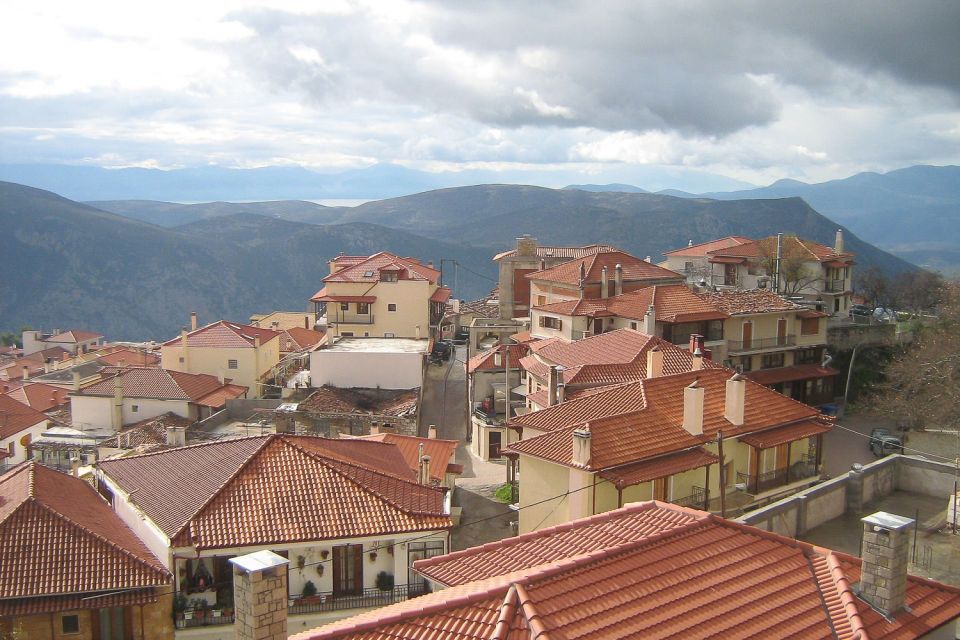
After Delphi, the route continues to Arachova, a mountain town known for traditional architecture and views across the surrounding countryside. This is your chance to slow down before the second major part of the day.
You get free time to walk through the town, eat at a local taverna, and browse shops. Lunch is not included, so plan to pay separately. The open schedule is useful because you can choose a full meal or take a shorter break, depending on how much time you want at Delphi.
Arachova is not presented as a major guided monument stop. Its value is different. You see a working Greek town rather than another archaeological site, and the break helps break up the drive. Shopping is optional, so you will not be pushed into buying anything.
A few more Athens tours and experiences worth a look
Kalambaka and sunset among the Meteora rocks
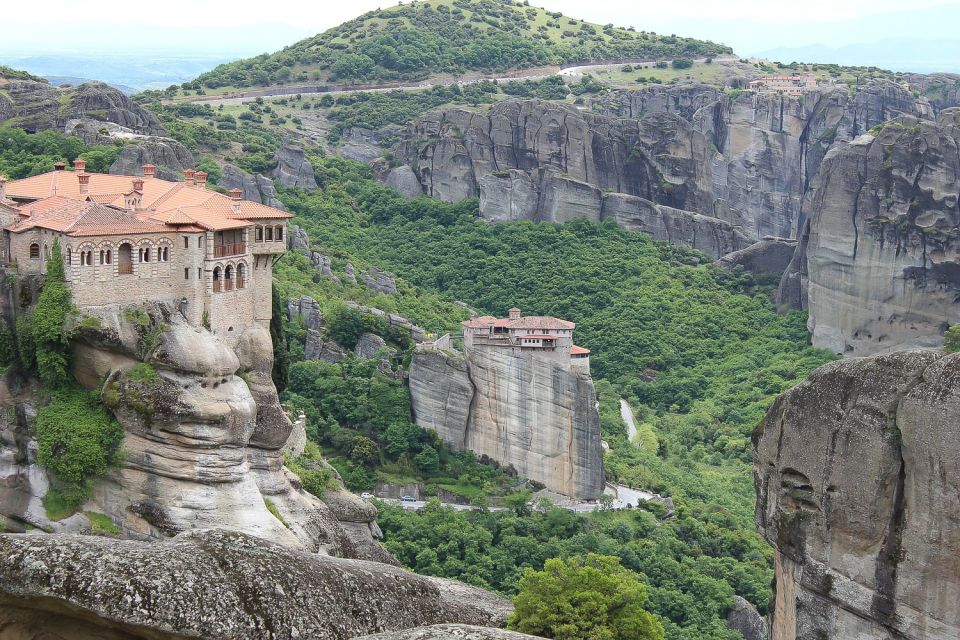
Late in the afternoon, you continue to Kalambaka, the town below Meteora. One night of accommodation with breakfast is included, though the hotel name and exact category are not specified.
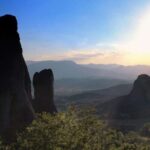
The evening sunset outing is one of the best reasons to choose this two-day format. You are not trying to visit the monasteries, eat lunch, and return to Athens in a single exhausting day. Instead, you arrive in time to see the cliffs in changing light.
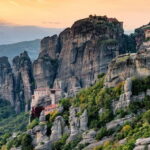
Meteora’s rock pillars are unusual even before you know their religious story. Their height, shape, and isolation make the monasteries feel hard-won. At sunset, the rough stone and open views become the focus, giving you a calmer experience than a quick arrival for photographs.
A practical point: this is a full day after an early departure from Athens. You may be tired when you reach Kalambaka, but the sunset stop gives the day a strong finish. Bring water, wear sturdy shoes, and keep some energy for the second morning.
Day 2: Varlaam Monastery at 380 meters
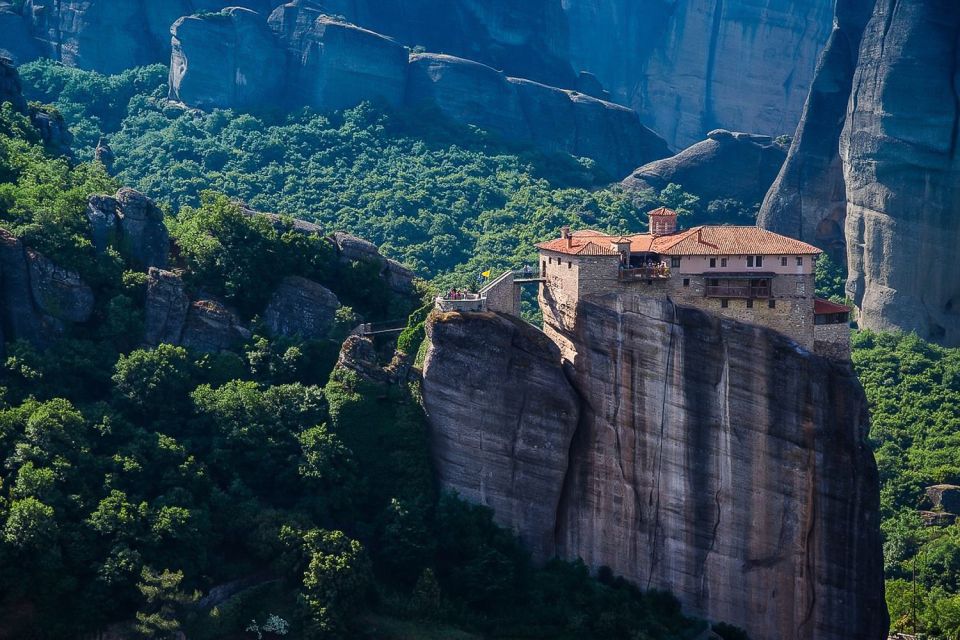
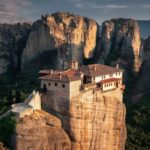
After breakfast, you visit Meteora’s monasteries. The first named stop is Varlaam, founded in the 16th century and set about 380 meters above the surrounding area.
Varlaam is the second-largest monastery in the complex. It is also one of the male monasteries and currently has seven monks, according to the tour information. That detail gives the site a human scale. You are not just looking at an old building on a rock. You are visiting a religious community with a continuing purpose.
Inside, you can expect historical and religious treasures, along with the strong contrast between the stone setting and the carefully maintained monastery spaces. Modest clothing and respectful behavior are sensible at active religious sites, though specific dress rules are not provided here.
Access involves walking and stairs. The dramatic location is part of the experience, but it also limits access for people with mobility challenges. Comfortable footwear is not optional on this day.
Great Meteoron, the largest monastery
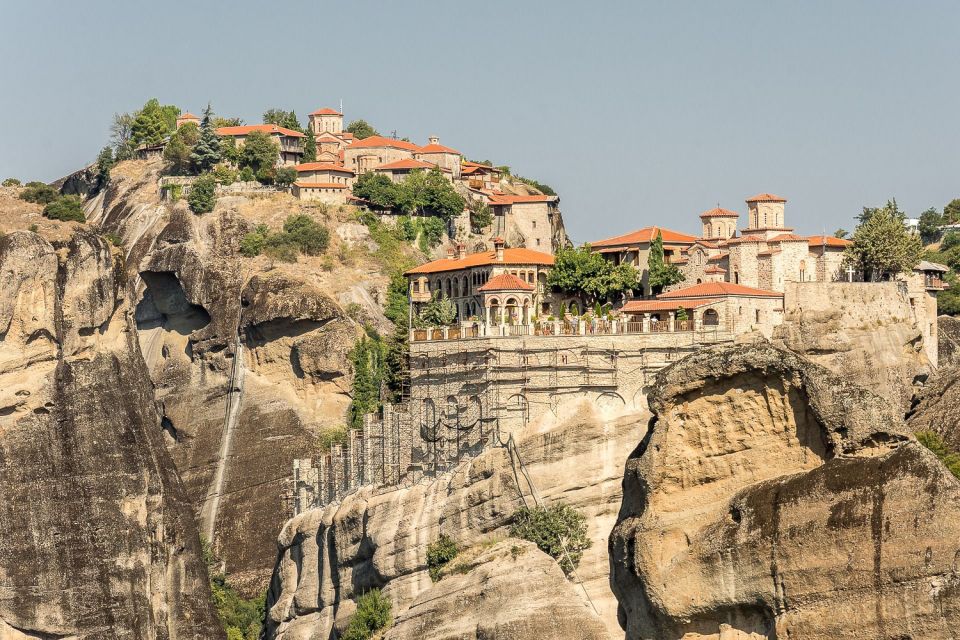
Great Meteoron, also called Megalo Meteoro, is the largest and oldest monastery in Meteora. It was founded in the 14th century by Saint Athanasios the Meteorite and occupies one of the area’s most imposing rock formations.
This is the monastery that best explains the scale of Meteora’s religious world. The buildings sit high above the plain, and the setting makes the monks’ decision to build here easier to understand. The complex preserves important religious and historical objects, while the rock itself provides the lasting sense of drama.
Visiting both Varlaam and Great Meteoron gives you a useful comparison. Varlaam shows the scale of a major monastery, while Great Meteoron gives you the largest and oldest example in the group. The tour does not promise entry to every Meteora monastery, so do not book it expecting a complete survey of the complex.
The schedule for the monastery visits is not stated in exact minutes. Your driver will manage the day’s route, but you should ask if you have one particular building, museum room, or viewpoint you consider essential.
Thermopylae and the statue of Leonidas
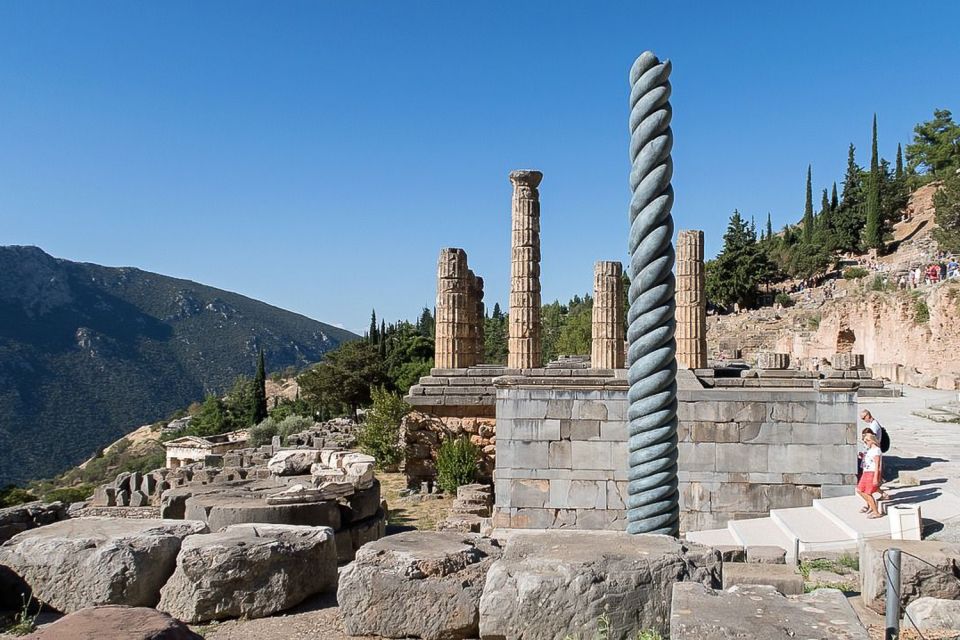
The return drive includes a stop at Thermopylae, known for the famous battle between the Greeks and Persians. The main listed sight is the statue of Leonidas.
This is a shorter historical pause rather than another large archaeological visit. It gives you a chance to connect the modern road with one of the best-known military stories from ancient Greece. The stop also breaks up the long return to Athens.
Do not expect a full-day visit to an extensive museum or battlefield complex from the information provided. Think of Thermopylae as a focused roadside stop with a strong historical subject.
You arrive back in Athens in the early evening. Exact arrival time depends on traffic, road conditions, and how long you spend at each stop, so avoid scheduling a fixed evening appointment.
What the $1,107 price includes
At $1,107 per person, this is a high-priced mainland Greece excursion. The value depends heavily on how much you care about private transport and a tightly managed two-day route.
Included are pickup and drop-off at your Athens hotel, private transportation, an English-speaking driver, one night in Meteora with breakfast, the sunset outing around the rocks, one bottle of water per person, and taxes.
You still pay entrance fees, lunches, dinner, and hotel city tax directly. Those extra costs make the final total higher than the advertised price.
I see the strongest value in the logistics. Delphi and Meteora are far apart, and arranging both by public transport would take more planning and would give you less control over the timing. A private car also lets you stop in Arachova and Thermopylae without adding separate connections.
The price is harder to justify if you are a solo visitor on a strict budget. It makes more sense for a couple, family, or small private group that values convenience and wants to avoid driving unfamiliar Greek roads.
Who should book this private tour
I would recommend it to you if you have limited time in Greece but want more than Athens and the islands. It suits people who want major ancient and religious sites without arranging several hotels, transfers, and transport legs on their own.
It is also a good choice for families or small groups who prefer a private vehicle. Child car seats are available upon request, which is useful if you are traveling with young children.
You should think twice if stairs, uneven ground, or long days on the road are difficult for you. The experience is not suitable for wheelchair users or people with mobility impairments.
The published rating is 5 out of 5 from two ratings, and the strongest practical praise centers on the private arrangement. One detailed account describes hotel pickup, a helpful driver who waited during the Delphi visit, careful attention to the monasteries, and assistance arranging a meal and hotel in Kalambaka. The hotel and meal arrangement is not listed as an included service, so confirm exactly what is covered before relying on that help.
Final decision: a strong but costly two-day escape
Book this tour if you want Delphi and Meteora in one organized trip, especially if you value a private car, hotel pickup, and an evening at Meteora instead of a rushed day trip.
Skip it if the price is uncomfortable or if you prefer to explore one region slowly. For most people, the biggest gain is not simply seeing more sights. It is avoiding the transport puzzle between Athens, Delphi, Kalambaka, and Meteora.
FAQ
How long does the tour last?
The experience lasts two days, with the starting time confirmed when you check availability.
Where does the tour begin and end?
Pickup and drop-off are provided at your hotel in Athens.
What transport is provided?
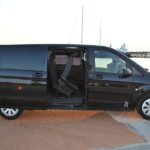
You travel in private transportation with an English-speaking driver.
Is accommodation included?
Yes. One night of accommodation in Meteora with breakfast is included. The hotel city tax is paid directly at the hotel.
Which Meteora monasteries are visited?
The itinerary includes Varlaam Monastery and Great Meteoron, also called Megalo Meteoro.
Are entrance fees included?
No. Entrance fees to attractions are not included in the tour price.
Are meals included?
Breakfast at the Meteora accommodation is included. Other meals, including lunch in Arachova and dinner, are not included.
Is the tour suitable for wheelchair users?
No. The experience is not suitable for wheelchair users or people with mobility impairments.
Can I cancel the booking?
You can cancel up to 24 hours in advance for a full refund. You can also reserve now and pay later, according to the booking terms.