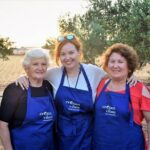
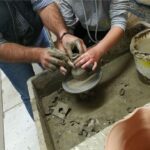
Chrysoula’s kitchen turns Crete into food. This hands-on Traditional Cretan home cooking experience happens in a real home setting, where you learn by doing and then eat what you make with a relaxed, family-style spirit. It’s built around a classic multi-course meal, including dakos, moussaka, stuffed vegetables, and homemade ice cream, plus the kind of welcome that makes the group feel cozy fast.
Two things I especially like: the class stays practical and interactive (you’re actually working on components, not watching from a chair), and it’s small enough—up to 12 travelers—that the teaching doesn’t vanish into the background. You also get a true taste of everyday Cretan flavors, with local ingredients and clear guidance that helps you recreate dishes back home.
One consideration: the experience needs good weather, and it’s an outdoor/yard-friendly setup. If it’s a weather-bad day, you may need to shift plans or adjust expectations.
In This Review
- Key highlights worth planning around
- Why Chrysoula’s Cretan Home Cooking feels different
- The 10:00 am flow: what the 3.5 hours actually look like
- What you cook: the classics that teach more than recipes
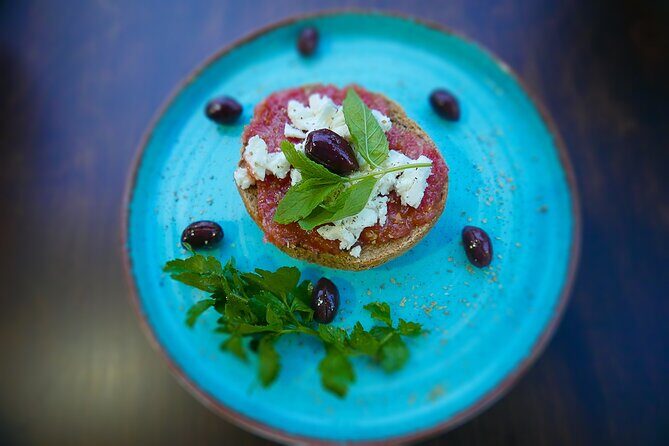
- Dakos: the starter that sets the mood
- Moussaka: comfort food with real structure
- Stuffed vegetables: where patience becomes flavor
- Homemade ice cream: the sweet finish
- The setting: garden energy, olive-grove views, and a real-home pace
- Small group teaching: why max 12 matters
- Recipes you’ll use, not just photos you’ll keep
- Price and value: what $113.84 buys in Crete
- Who should book this cooking class in Crete?
- Planning tips that matter before you go
- Should you book Chrysoula’s traditional Cretan home cooking?
- FAQ
- What time does Chrysoula’s Traditional Cretan Home Cooking start?
- How long is the cooking class?
- Where is the meeting point?
- What is the menu for the class?
- How large is the group?
- Is the class offered in English?
- Is it hands-on or mostly watching?
- Can the host accommodate dietary needs?
- Are service animals allowed?
- What if plans change or the weather is poor?
Key highlights worth planning around
- Chrysoula + Dee teamwork keeps the cooking moving and the mood playful
- Hands-on prep means you shape the meal, from starter to dessert
- Small group cap of 12 makes it easier to get questions answered
- Local ingredients come from the property and a nearby family farm when possible
- Recipes after the class help you rebuild the dishes at home
- Dietary needs can be handled when you flag them in advance
Why Chrysoula’s Cretan Home Cooking feels different
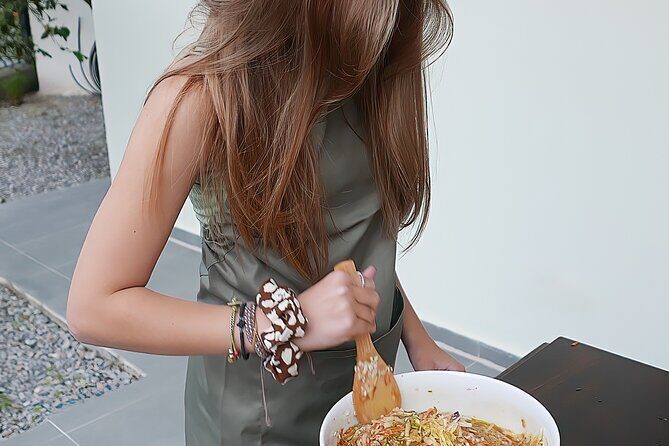
Most cooking classes teach technique. This one teaches life: how Cretans actually feed people—slow enough to enjoy, structured enough to get everyone cooking, and warm enough that you forget you’re in a lesson.
The heart of the experience is Chrysoula’s hospitality, backed by Dee, who helps keep the group comfortable and the workflow smooth. You’ll notice this right away in how the class gets everyone included, even if you come solo or as a small group. People often think of “family-style” as a marketing phrase; here, it’s more like a working rhythm. Someone chops, someone assembles, someone tastes, someone laughs, and suddenly you’re part of the table.
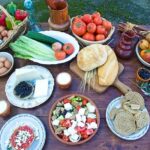
The other reason it feels special is the food choices. Instead of a random mix of “Greek-inspired” dishes, the menu centers on classics that show up on Cretan plates again and again. That matters because it gives you a foundation, not just a fun afternoon activity.
You can also read our reviews of more cooking classes in Crete

The 10:00 am flow: what the 3.5 hours actually look like
The class starts at 10:00 am and runs about 3 hours 30 minutes. The meeting point is in the Arkadi, Greece area, and the activity ends back where it started.
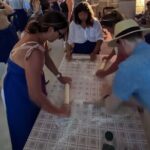
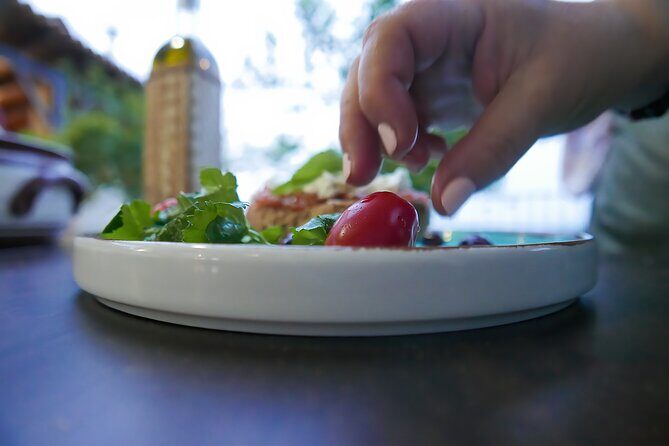
In a typical flow, you arrive, meet the team, and settle into the space. Then the cooking starts in a sequence that builds confidence: first a starter with dakos, then mains like moussaka and stuffed vegetables, and finally dessert with home made ice cream.
Here’s what makes that timing work for you:
- You’re not stuck cooking one complicated dish for hours.
- You get multiple “wins” during the session—starter, main, and dessert—so the time feels full but manageable.
- By the end, you’re eating what you made while the flavors are still fresh and the kitchen energy is at its peak.
And yes, the table usually feels like the real event. Several diners talk about the fun atmosphere, the laughter, and the easy way raki fits into the meal. You might even leave with extra raki, depending on the day and group.
What you cook: the classics that teach more than recipes
Let’s talk about the food, not just the headline dishes.
Dakos: the starter that sets the mood
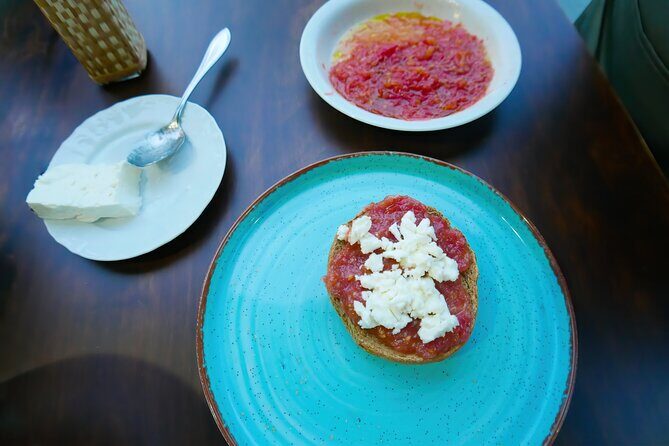
Dakos is a great opener because it’s flavorful without being fussy. It also signals what you’ll taste throughout the meal: robust olive oil, fresh ingredients, and a “simple done right” approach. The best part for you is that it gives a quick win early in the class, before things heat up for the heavier mains.
Moussaka: comfort food with real structure
Mousaka is the dish that makes most people understand why Cretan cooking can feel both hearty and fresh. In a hands-on class, you’re not only watching the assembly—you’re helping with components and learning what matters: how the layers work, how ingredients behave, and how seasoning ties everything together. It’s the kind of dish where you can go home and actually use the method.





Stuffed vegetables: where patience becomes flavor
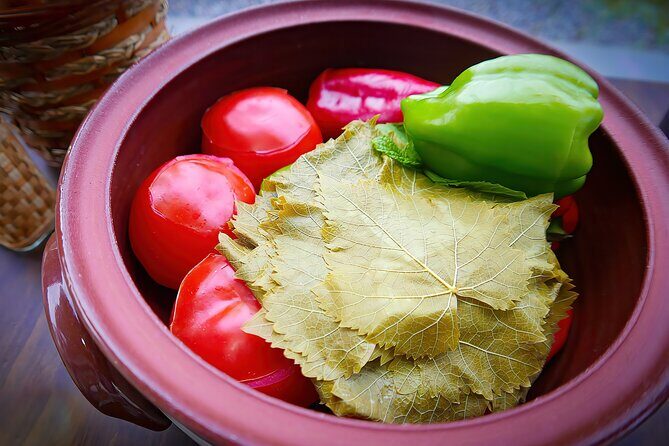
The menu lists stuffed vegetables, and the broader dish range you might encounter can include classics like stuffed grape leaves or squash blossoms, depending on what’s on hand that day. Either way, the lesson here is about technique and timing: gentle handling, careful filling, and knowing when they’re ready.
This section of the class is where you’ll feel the most “I can do this” momentum. Stuffed dishes reward attention, and the team tends to keep instruction clear so you don’t feel lost.
Homemade ice cream: the sweet finish
The dessert is home made ice cream, and that’s a big deal. It’s not one more store-bought “nice to have” course. It’s a proper ending that rounds out the savory meal with something cool and comforting—perfect for a morning session when you want the day to stay light and fun.
The setting: garden energy, olive-grove views, and a real-home pace
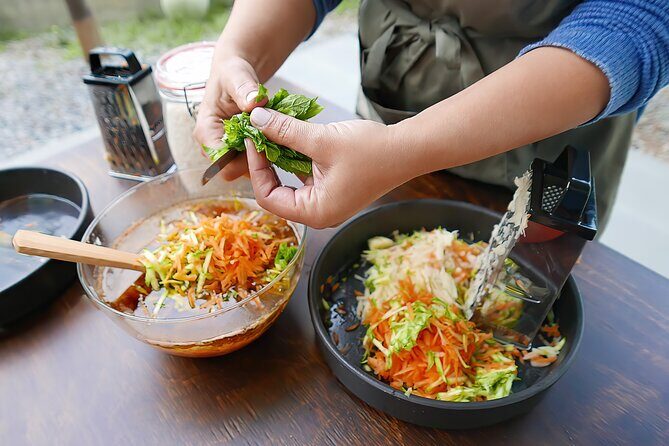
This is not a sterile studio. You’ll likely be in a home garden/backyard area, with the kind of relaxed space where the group mingles while food cooks. One of the most repeated details is the feel of the place: hugs and teasing on arrival, ongoing laughter, and a welcoming vibe that keeps everyone relaxed.
You’ll also get the benefit of being somewhere scenic. Several people mention views of nearby olive groves, which makes the meal feel connected to the island instead of staged for tourists.
For practical planning, remember this:
- It’s a home environment, not a restaurant dining room.
- Weather matters, since the experience is described as requiring good conditions.
- You’ll probably move around a bit as tasks change, so wear comfortable shoes.
Small group teaching: why max 12 matters
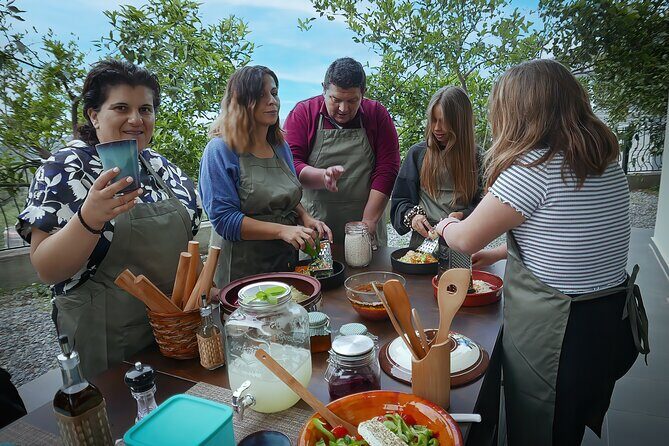
A class capped at 12 travelers is a huge value lever. In a larger group, you might get instructions and then spend half the time waiting for the next cue. Here, the group size makes it easier to get hands-on help and to stay engaged.
That also explains why people leave talking about connections—mixing couples, friends, and solo travelers is common, and the host tends to make sure everyone plugs in. The goal isn’t just cooking; it’s getting you into the rhythm of Cretan hospitality.
If you like experiences where you can ask questions (and actually get answers), this is a strong fit. You’ll likely learn little practical details too—like how much olive oil is used, and why it matters to texture and flavor. The team also provides clear direction so you don’t have to guess your way through the steps.
Recipes you’ll use, not just photos you’ll keep
One of the most useful parts of this class is that you don’t leave empty-handed. You’ll get recipes sent after the class, so you can recreate the dishes at home without trying to remember every glug, pinch, or timing cue.
This is where the value becomes more than a nice morning:
- You learn the building blocks of Cretan meals (starter-to-main flow).
- You get guidance on preparation tasks, not just flavor concepts.
- You can revisit what you made once the vacation buzz fades.
And if you have dietary needs, don’t hesitate to flag them. People describe accommodations, including vegetarian adjustments. That’s exactly what you want from a small home-based class: flexibility without drama.
Price and value: what $113.84 buys in Crete
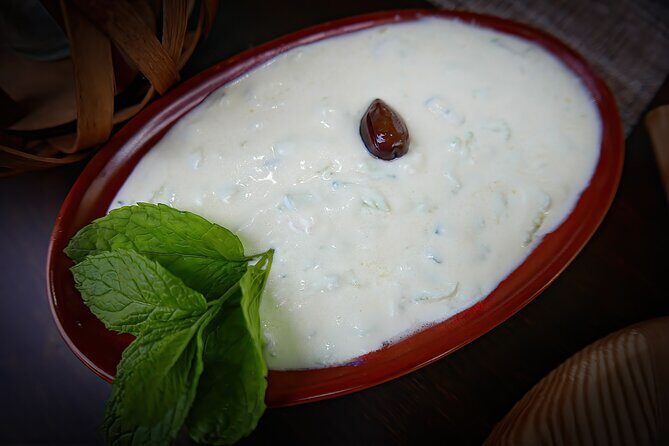
At $113.84 per person for about 3.5 hours, you’re paying for three things that are harder to get elsewhere: a real-home setting, hands-on teaching with a small group, and a full meal built around classics (starter, mains, and dessert).
Here’s how I’d judge the value from a practical angle:
- You’re eating what you cook. That’s a built-in meal cost you don’t have to calculate separately.
- Group size is small (up to 12). More attention, more hands-on time, better odds of learning useful technique.
- Recipes are provided afterward. That extends the payoff beyond the day.
This isn’t a bargain street-food option. It’s more like paying for a high-quality culinary afternoon with a local host. If you want authenticity and you like learning by doing, it’s a good match.
Who should book this cooking class in Crete?
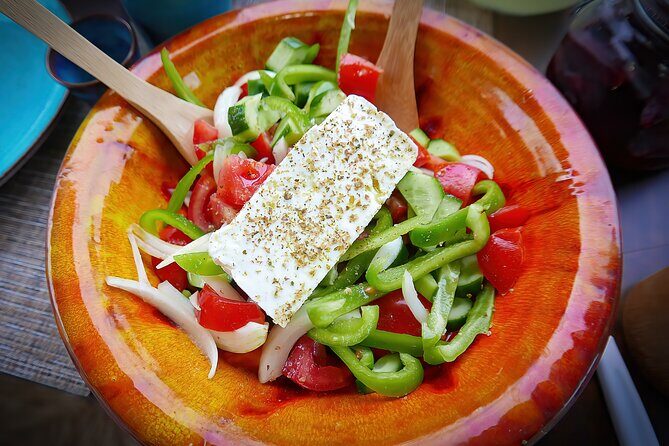
This one fits best if you want:
- A hands-on cooking experience, not a show
- A friendly small-group atmosphere where you can talk and laugh
- A concentrated introduction to Cretan classics you’ll actually want to cook again
It also makes sense if you’re visiting Crete and want one “anchor” activity that feels local rather than touristy. And if you’re traveling with friends or family, the experience’s group energy can work well for celebrations too, since the host is described as personal and thoughtful.
If you’re the type who hates kitchens, mess, or getting your hands dirty, you might find it less comfortable. But if you’re curious and willing to participate, you’ll likely enjoy the pace.
Planning tips that matter before you go
A few practical notes will help you have a smoother day:
- Bring comfort for a home-style environment. Tasks change, and you may stand or move around.
- Plan for possible weather impacts, since the experience requires good weather.
- Since it’s offered in English, you should be able to follow the steps and explanations comfortably.
- Service animals are allowed, and the meeting area is near public transportation.
- Confirmation happens at booking, and you’ll use a mobile ticket.
Also, the class is booked about 10 days in advance on average. If you’re traveling in a busier stretch, don’t wait until the last minute.
Should you book Chrysoula’s traditional Cretan home cooking?
If your goal is to leave Crete with a real taste of the island—plus the confidence to cook a Cretan-style meal at home—then I think yes, you should book it. The combination of small group size, hands-on instruction, a true home setting, and a menu built around iconic dishes like moussaka and dakos makes it feel worth your time.
Book it especially if you value warmth and practicality over fancy presentation. The experience is designed to keep you involved, and the result is usually a full table, good laughs, and meals you can recreate. If weather looks shaky or you dislike outdoor/home settings, keep that in mind—but when the day is good, this is exactly the kind of experience that makes a trip memorable for more than one photo.
FAQ
What time does Chrysoula’s Traditional Cretan Home Cooking start?
It starts at 10:00 am.
How long is the cooking class?
The duration is about 3 hours 30 minutes.
Where is the meeting point?
The meeting point is listed in the Arkadi, Greece area (meeting location code shown as 8G769H27+JHJ9H27+JHJ).
What is the menu for the class?
The sample menu includes dakos (starter), moussaka and stuffed vegetables (mains), and home made ice cream (dessert).
How large is the group?
The maximum group size is 12 travelers.
Is the class offered in English?
Yes, the experience is offered in English.
Is it hands-on or mostly watching?
It’s hands-on. You’re responsible for various preparation tasks during the cooking process.
Can the host accommodate dietary needs?
Dietary issues can be accommodated, including vegetarian options, as long as those needs are noted.
Are service animals allowed?
Yes, service animals are allowed.
What if plans change or the weather is poor?
Free cancellation is allowed up to 24 hours in advance for a full refund. The experience requires good weather, and if it’s canceled due to poor weather, you’ll be offered a different date or a full refund.