REVIEW · CRETE
Crete Introductory Scuba Diving Experience
Book on Viator →Operated by Cretan Holidays · Bookable on Viator
Crete’s beginner scuba experience gets you underwater without asking you to commit to a full certification course. You begin with the basics, practice in controlled water, then head into the Mediterranean for a supervised session at 3 to 6 meters. I like the steady progression and the fact that the instructor stays with you throughout. I also like that equipment is provided and that the course works for first-timers aged 10 to 60.
The main catch is that the underwater scenery can be modest at a beginner beach site. You may see fish and perhaps an octopus, but this is not built around dramatic reefs or large marine animals. Good swimming ability and excellent health are required, and you should allow for a loose schedule if transport back to your hotel is involved.
In This Review
- Key points to know before booking
- A gentle first step into Crete’s underwater world
- The 9:00 am start and where the day begins
- Theory class: the practical information you need
- Confined water practice before the sea
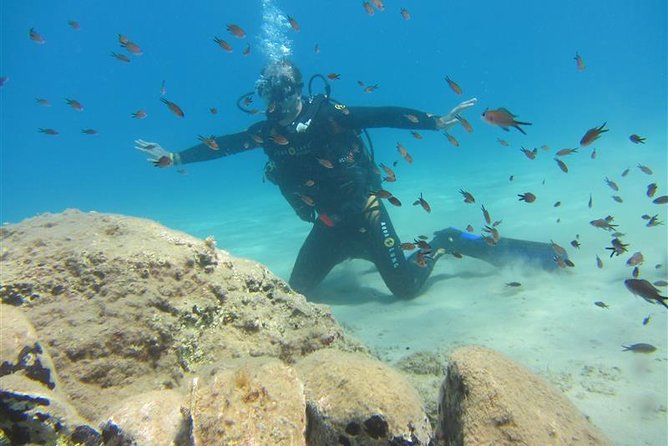
- The open-water session at 3 to 6 meters
- The instructors make the difference
- What the $96.13 price buys you
- Timing, group size, and planning the rest of your day
- Weather, cancellation, and what to bring
- Who will enjoy this Crete activity most
- Should you book the beginner session?
- FAQ
- Is previous scuba experience required?
- What are the main parts of the activity?
- What age range is allowed?
- Do I need to be a strong swimmer?
- Is scuba equipment provided?
- Where can the activity take place?
Key points to know before booking
- Three-part beginner course: Theory, confined-water practice, and a supervised Mediterranean session form the full half-day program.
- Shallow first, open water second: You build confidence in a pool or shallow sea before heading to 3 to 6 meters.
- Patient instructors matter: Artur, Stan, Sebastian, and Pedros have each been praised for calm, clear instruction.
- Several Crete locations: You can be assigned to an area near Heraklion, Chania, Rethymno, or Georgioupolis.
- The marine life is secondary: Expect a pleasant introduction to the sea, with fish and possible small creatures rather than a major wildlife show.
- Hotel transport needs checking: Pickup may be arranged from listed resort areas, but hotel pickup and return are not included among the stated inclusions.
A gentle first step into Crete’s underwater world
This is a good choice if you want to try scuba without spending several days on a certification program. The course is designed for people with no prior experience, so the focus is on learning how the equipment works, getting comfortable with breathing underwater, and following basic safety procedures.
You are not simply taken straight from the beach into open water. The session has three clear stages. First comes a theory class. Then you practice in confined water, either a pool or shallow sea area. Only after that do you move to the guided open-water portion.
That order makes sense. The biggest hurdle for a new participant is often not the fish or the sea itself, but the strange feeling of breathing through a regulator and managing equipment at the surface. The practice session gives you time to get used to those sensations before the seafloor becomes part of the picture.
The instructor remains with the students throughout the water work. That direct supervision is especially important for younger participants, nervous beginners, and anyone who has only snorkeled before. The group limit is 20 people, though the actual water group can be much smaller. One participant described having two people with one instructor, which is a far more personal setup than the maximum number suggests.
You can also read our reviews of more scuba diving tours in Crete
The 9:00 am start and where the day begins
The scheduled start is 9:00 am, with departure points listed for hotels in the Chersonissos, Chania, Rethymno, and Georgioupolis areas. The exact location depends on the area you select or receive at booking.
The transport details deserve a quick phone call or message before the day. Pickup is offered in the tour information, but hotel pickup and drop-off are not listed among the included features. One account describes a hotel pickup and return, while another points out that the group finished around noon but did not head back until about 3:30 pm.
That gap could reflect local scheduling, shared transport, or an afternoon session for other participants. Either way, ask for the full timetable. If your day is tightly planned, a four-hour estimate may not tell the whole story.
The drive can be about half an hour each way in some cases. That is reasonable for a coastal activity, but the total day may be longer than the time spent in the water. I would avoid booking a museum visit, ferry, or important dinner immediately afterward unless the return plan is confirmed.
Theory class: the practical information you need
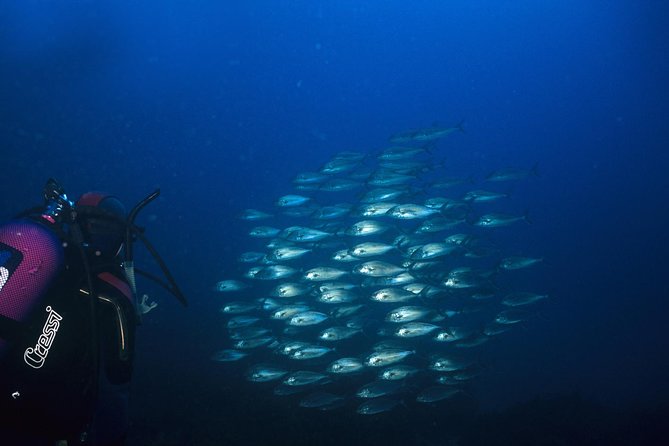
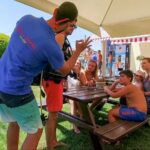
The opening lesson covers scuba basics before you put the equipment to serious use. You should expect instruction on how to breathe through the regulator, how to use the equipment, and how to behave in the water under direct supervision.
The value of this part is easy to underestimate. New participants often want to reach the sea quickly, but a calm explanation can prevent panic later. The instructors praised in the feedback were Stan, a PADI professional described as clear and confident, and Artur, who helped build confidence while teaching the basic skills.
The tone appears to be patient rather than rushed. That matters because comfort levels vary widely within the same booking. One couple decided after the practice session that they were not ready for the open-water portion. Sebastian encouraged them but respected their decision, and suggested snorkeling practice before trying again.
That is a healthy approach. You should never feel pushed underwater simply because the session has been paid for. If the equipment or breathing pattern feels wrong, tell the instructor. The course is meant to introduce you to scuba, not prove anything.
Confined water practice before the sea
The second stage takes place in a pool or shallow sea area. Here you learn by doing, with the instructor nearby. The exact exercises are not specified, but this is where you become familiar with the mask, breathing system, and basic movement in the water.
This section can be the most important part of the day. It gives you a chance to discover how you react before committing to the open-water session. Some people settle in quickly. Others need extra time to adjust to water entering the mask, the sound of breathing, or the sensation of wearing unfamiliar gear.
The experience is suitable only if you can swim well and are in excellent health. It is not presented as a casual activity for someone who is uncomfortable in water. Children must be accompanied by an adult, and the stated age range is 10 to 60.
I would treat those requirements seriously. Even at a shallow depth, you need enough fitness and water confidence to listen, respond, and stay calm. If you have a health concern, ask the provider before booking rather than relying on the general description.
The open-water session at 3 to 6 meters
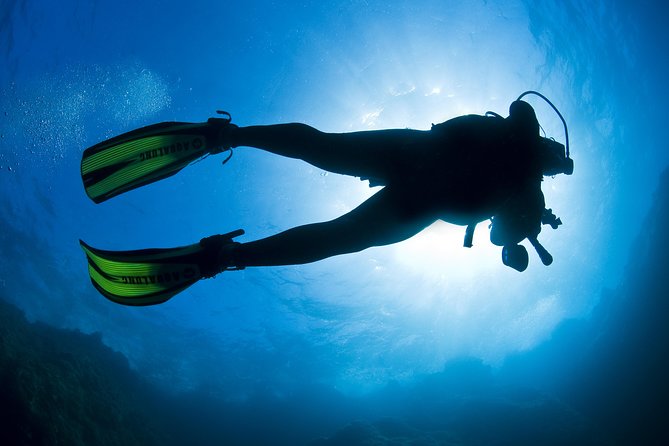
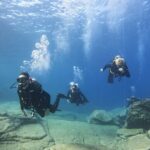
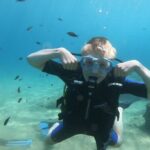
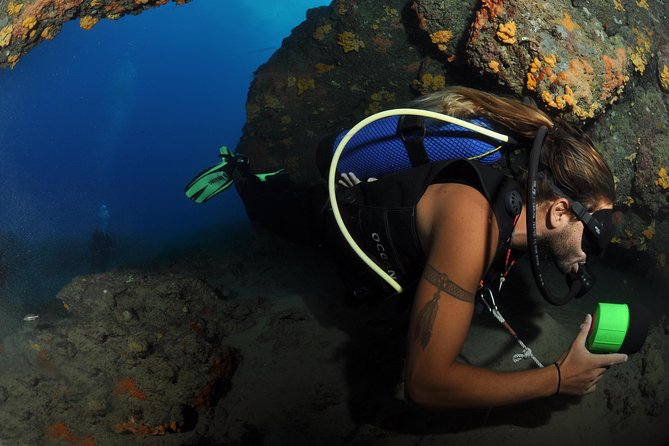
Once the instructor is satisfied that you are ready, you move to the sea for the main underwater session. The depth is limited to 3 to 6 meters, which keeps the activity firmly in beginner territory.
That shallow range is useful for a first attempt. You can experience the underwater environment without the pressure of a deeper descent, and the instructor can remain directly involved. This is about learning the feel of scuba, not covering a large distance or reaching a famous offshore site.
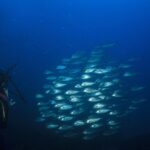
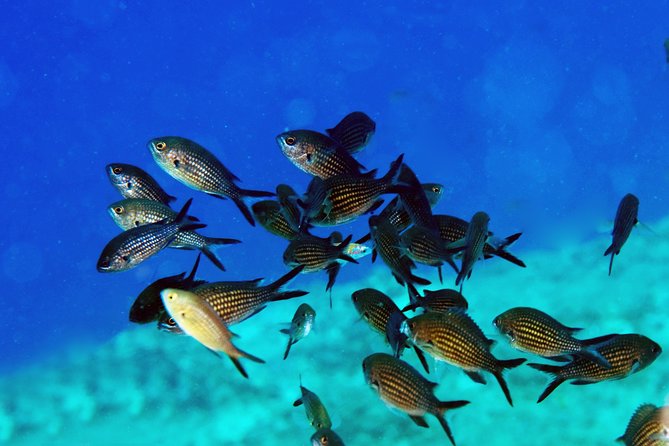
The water can be clear, and you may see several kinds of fish. One participant described a very clear site with plenty of attractive fish. Another saw only a few types of fish and a small octopus. Those descriptions fit the nature of the activity: a pleasant coastal introduction, with wildlife sightings depending on the site, weather, and conditions.
You should set your expectations accordingly. Crete offers beautiful sea, but a beginner beach session is not the same as a specialist reef trip. The site may be chosen for safe entry and calm conditions rather than for the largest concentration of marine life.
Wind can also affect the plan. In one case, the location had to be changed because of windy conditions, but the company still arranged the session rather than canceling it. That flexibility is useful, though a changed site may offer less to see.




The instructors make the difference
The strongest part of this activity is the direct human guidance. Beginners need more than equipment and a pretty coastline. They need someone who can explain a problem in plain language, notice when they are tense, and give them time to adjust.
Several instructors receive specific praise. Stan is described as a PADI professional who was clear and confident. Artur helped build confidence while teaching basic skills. Sebastian was patient with two hesitant participants and accepted their choice not to continue. Pedros was described as experienced, professional, patient, and helpful during a session affected by wind.
These details tell you what to look for on the day. A good instructor should not treat nervousness as a nuisance. You want someone who checks your comfort, explains what is happening, and lets you proceed at a reasonable pace.
Direct supervision is required throughout the course. That does not mean you should stop paying attention. Follow the instructor’s signals, stay with the group, and speak up immediately if you feel uncomfortable.
What the $96.13 price buys you
At $96.13 per person, the price is reasonable if you want a structured introduction rather than an informal attempt with rented equipment. It covers the theory class, pool or shallow-water training, scuba equipment, and the guided open-water session with a certified instructor.
The cost is harder to judge if you mainly want to see lots of marine life. The reviews suggest that the scenery can be limited at a beginner beach site, with fish but not necessarily an extensive display of underwater wildlife. In that case, the value comes from the instruction and the chance to learn the activity safely.
The price also makes sense for a short holiday. You get a taste of scuba in one day without buying your own equipment or enrolling in a multi-day qualification. If you decide you love it, you can pursue more training later with a better idea of what scuba feels like.
Check the transport cost and schedule before comparing prices with other activities. The stated inclusions cover the equipment and lessons, but not hotel pickup and drop-off. Pickup information is available for several resort areas, so clarify if transport is included for your hotel or simply available at an additional cost.
Timing, group size, and planning the rest of your day
The activity lasts about four hours, but the transport arrangement may extend your commitment. The start is listed as 9:00 am, and one account describes finishing the morning portion at about noon, followed by a wait before the return drive.
That makes this a poor choice for a tightly packed sightseeing day unless you receive a precise schedule. I would plan it as the main activity for the morning and keep the afternoon flexible.
The group maximum is 20 people. That is not especially small, but the water group may be much more intimate. The reported two-to-one participant-to-instructor setup is ideal for a first session, though you should not assume every departure will have that ratio.
The experience is offered in English. If you are booking for a child or for someone nervous about communication, make sure the English instruction will be comfortable for that participant.
Weather, cancellation, and what to bring
The activity requires suitable weather. If poor conditions force cancellation, you can choose another date or receive a full refund. You can also cancel for a full refund if you do so at least 24 hours before the start time.
Late cancellations and changes within 24 hours are not accepted for a refund. Since wind can cause the site to change, it is worth keeping some flexibility in your Crete schedule.
Equipment is supplied, along with the theory and water training. The supplied information does not specify a full packing list, so confirm practical details with the provider before setting out. At minimum, you should expect to need ordinary swimwear and whatever personal items the operator requests.
Do not plan air travel immediately after the underwater session unless the provider confirms the required interval. The supplied details do not state a post-session flight recommendation, so this is an important question to ask directly.
Who will enjoy this Crete activity most
I would recommend this experience to you if you:
- Have never tried scuba and want a short introduction.
- Swim well and feel comfortable in open water.
- Prefer close instruction over an independent water activity.
- Want equipment supplied rather than bringing specialist gear.
- Can keep your schedule flexible around transport and weather.
- Are curious about the Mediterranean but do not expect a major reef spectacle.
It is also a sensible option for a family with an eligible child, provided the adult accompanies the child and both meet the swimming and health requirements.
I would hesitate to book it if your main goal is abundant marine life. The underwater setting can be clear and enjoyable, but the experience is designed around safety and basic training. You may see fish and perhaps a small octopus, yet the wildlife viewing is not guaranteed or especially extensive.
It may also be a poor fit if you dislike being in water, have uncertain health conditions, or want a deep technical session. The 3 to 6 meter limit is exactly what makes it suitable for beginners, but it also limits the sense of adventure for experienced scuba participants.
Should you book the beginner session?
Book it if you want to test scuba in a controlled way and value a patient instructor more than a spectacular marine site. The best reason to choose this course is its progression from theory to confined water to open sea, with an instructor beside you at every stage.
Before paying, confirm three things: the assigned location, the full pickup and return timetable, and whether transport costs extra. Also ask what happens if wind changes the site, since conditions may affect both the schedule and what you see underwater.
For a first encounter with Crete’s sea, the course offers a fair balance of instruction, equipment, and time in the water. Just keep your expectations grounded. You are buying a safe introduction to scuba, not a guaranteed wildlife expedition.
FAQ
Is previous scuba experience required?
No. The course is designed for beginners and does not require previous scuba experience.
What are the main parts of the activity?
The course has three stages: a theory lesson, confined-water practice in a pool or shallow sea area, and a guided open-water session at a depth of 3 to 6 meters.
What age range is allowed?
The activity is for people aged 10 to 60. Children must be accompanied by an adult.
Do I need to be a strong swimmer?
Yes. Good swimming ability and excellent health are required. Participants should also have a moderate level of physical fitness.
Is scuba equipment provided?
Yes. Scuba equipment, the theory class, pool or shallow-water training, and the guided open-water session with a certified instructor are included.
Where can the activity take place?
The available areas include Heraklion, Chania, Rethymno, and Georgioupolis. The start time is listed as 9:00 am, with departure points connected to hotels in those areas.