REVIEW · ATHENS
Traditional Greek cooking class and lunch or dinner with an Acropolis view
Book on Viator →Operated by CookinAthens · Bookable on Viator
Phyllo magic, then you eat it. I love the six-dish practice here because you’re not just watching—you’re working the dough, chopping, stuffing, and plating. I also love that you get a recipe PDF afterward, so your Greek dinner at home is actually repeatable. One thing to consider: the place is sometimes very warm in Athens summer, and it can be a little tricky to find upstairs if you skip the emailed directions.
This is a 3-hour class that turns into lunch or dinner, served at the end of your own cooking. You’ll be in a small group (up to 16), in a clean, organized kitchen, with an instructor who keeps things friendly and moving at a good pace—no standing around waiting to be entertained.
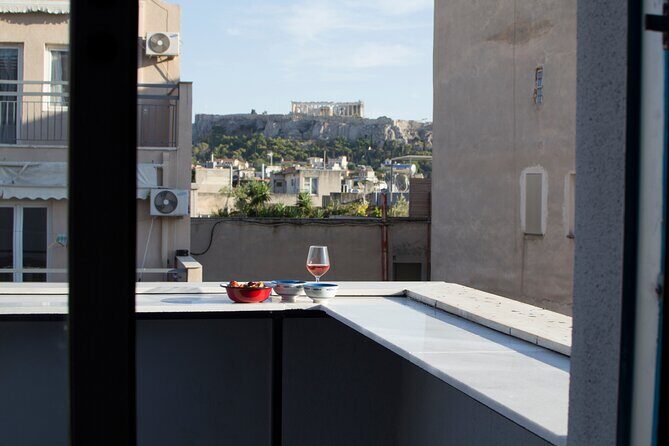
If you’re hoping for an Acropolis view, you might get it depending on where you’re seated in the studio—some people clearly saw the Acropolis while cooking, while others felt the description wasn’t specific enough. Still, the whole experience is built around Greek food the way families actually make it.
In This Review
- Key Highlights You’ll Feel Right Away
- A Half-Day Greek Dinner Class With Real Kitchen Time
- What You’ll Cook: The 6-Dish Greek Dinner (With Season Swaps)
- Start With Greek Dips and Bites
- Build the “Stuffed” Greek Side
- Salad That Actually Matters
- Choose Your Main: Moussaka, Pastitsio, and More
- End With Dessert You’ll Remember
- How the Class Works: Dough, Filo, and Hands-On Steps
- The “everyone learns the essentials” approach
- Timing that keeps the day feeling smooth
- Group size stays personal
- The Meal at the End: Wine, Spirits, and Eating Slower Than You Cook
- Drinks included
- What you’ll actually taste
- Price and Value: Why It’s More Than a Meal in a Kitchen
- Acropolis Views: What to Expect and How to Avoid Disappointment
- Getting There Smoothly: Finding the Studio and Planning for Comfort
- Do not gamble on navigation
- Comfort in Athens heat
- Who This Class Fits Best (And Who Might Be Happier Elsewhere)
- Should You Book This Greek Cooking Class?
- FAQ
- What is the duration of the class and meal?
- How many dishes will I cook?
- Does the menu stay the same every day?
- What dishes are in the sample menu?
- Is alcohol included?
- Do I get recipes to take home?
- Are dietary needs accommodated?
- Is this class good for kids?
- Where do I meet the group?
- What is the cancellation refund rule?
Key Highlights You’ll Feel Right Away

- Scratch-made pastry technique: phyllo/dough work is taught, and it shows up as a real highlight.
- A full 6-dish menu: two starters, pie, salad, a main, and dessert.
- You eat what you make: class ends with your own lunch or dinner.
- Wine and Greek spirits included: you get two glasses per person as part of the meal.
- Recipes emailed after class: a take-home PDF makes it easier to cook again at home.
- Small group energy: max 16 people means you stay involved.
A Half-Day Greek Dinner Class With Real Kitchen Time
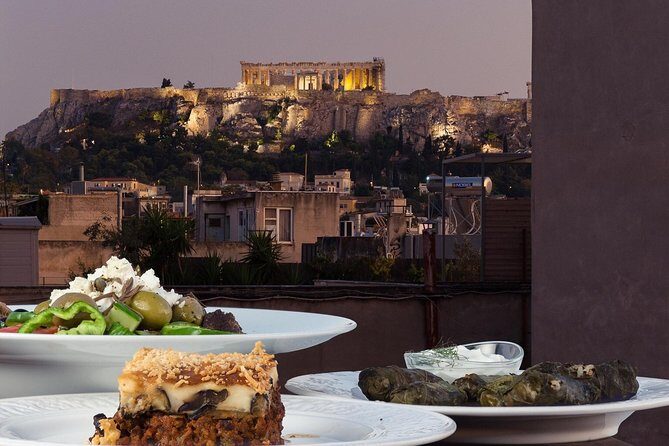
This is the kind of activity that doesn’t just feed you. It teaches you how the food works—why tzatziki tastes the way it does, how stuffed grape leaves hold up, and what makes Greek pies different from the quick-and-easy versions you’ll find elsewhere.
The vibe feels home-kitchen. You’ll gather around the counter, learn in plain steps, then get busy. The class is designed so everyone learns the key techniques, even if the final dishes rotate based on seasonality. In other words, you’re not left with one easy task while someone else does the hard stuff.
One strong theme that comes through again and again: instruction is clear, pacing is good, and the chefs keep things upbeat. Marilena is a name you’ll hear often, and people consistently point to her as the reason the class feels fun, not stressful.
You can also read our reviews of more cooking classes in Athens


What You’ll Cook: The 6-Dish Greek Dinner (With Season Swaps)
You’re working toward a traditional Greek dinner menu. The exact dishes can shift with the season, but the structure stays the same: appetizers, a Greek pie, salad, main course, and dessert. You’ll also handle at least six dishes, including key technique moments everyone practices.
Here’s what your menu can include (sample menu and typical choices):
Start With Greek Dips and Bites
- Tzatziki: Greek yogurt with garlic, dill, and cucumber. This is your quick win: the flavor is bright, and the method is easy to repeat later.
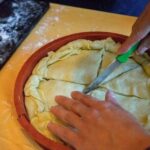
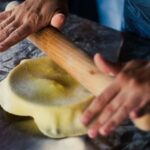
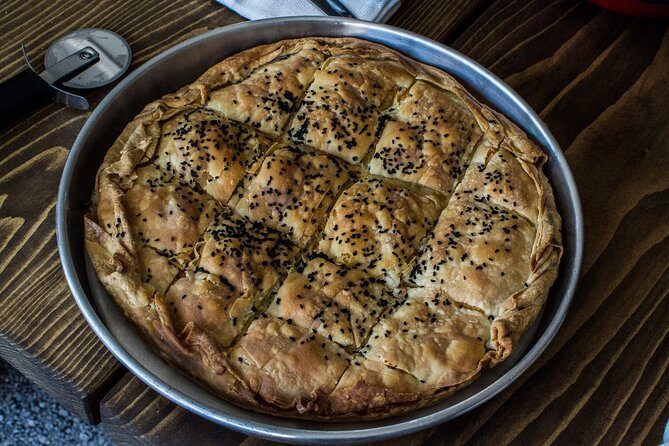
- Cheese pie or spinach pie: you make phyllo from scratch (as part of the taught technique), using cheeses like kaseri and manouri, and you’ll see how the pastry is handled so it bakes right.
Build the “Stuffed” Greek Side
- Stuffed peppers with cheese or dolmadakia (stuffed grape leaves).
You’ll learn how the filling goes in and how to roll/shape so it stays together.
Salad That Actually Matters
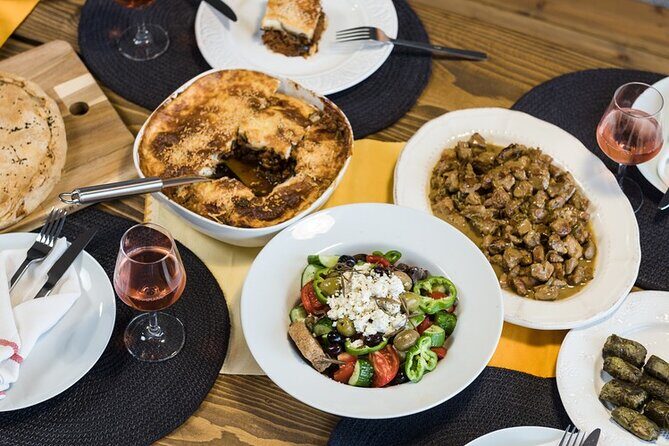
- Greek salad: tomatoes, cucumbers, peppers, Kalamata olives, capers, and xinomizithra.
It’s simple on paper, but the ingredients and balance are what make it worth your time.
A few more Athens tours and experiences worth a look




Choose Your Main: Moussaka, Pastitsio, and More
The main course depends on season and day. Options can include:
- Moussaka or Patsitsio (pastitsio)
- Soutzoukaki (Greek-style meatballs)
- Gemista (stuffed vegetables)
- Chicken options like chicken lemonato, youvetsi, or a chicken in tomato sauce
If you’re there in winter, the menu can shift to classic colder-weather choices like pork with leeks and celery, youvarlakia (meatballs in an egg-lemon sauce), or egg-lemon chicken soup and other herb-forward versions.
End With Dessert You’ll Remember
Dessert choices can include:
- Baklava rolls
- Greek yogurt mousse
- Loukoumades (winter only)
If dessert is your weak point, you’re in good hands. People rave about how much food you get, and desserts here tend to feel like part of the real meal—not an afterthought.
How the Class Works: Dough, Filo, and Hands-On Steps
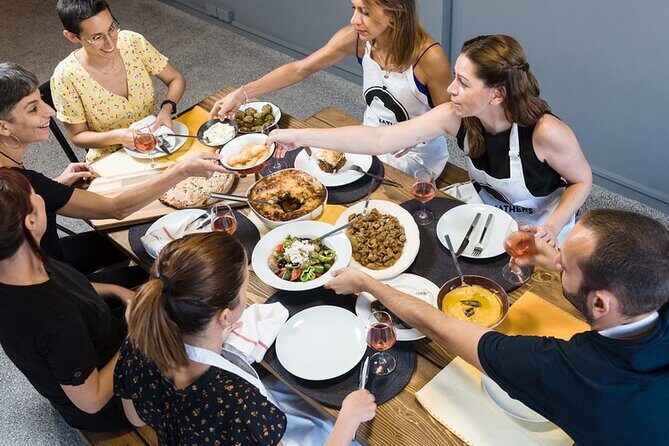
The big promise is hands-on cooking, and it’s real here. You should arrive hungry—this isn’t a tasting class with a couple bites and a photo stop. You work through chopping, mixing, shaping, and assembling, then you sit down and eat.
The “everyone learns the essentials” approach
Even though your final dish choices can vary, there are key technique steps that are shared. The clearest example is working with pastry—people consistently call out making phyllo as a standout, and it’s not treated like a mysterious art only for pastry pros.
You’ll also see a mix of:
- prepping ingredients for multiple dishes
- understanding the sequence (what must happen first so everything finishes together)
- getting practical tips you can reuse at home
Timing that keeps the day feeling smooth
The class plus meal is about 3 hours. That’s long enough to do real cooking, but short enough that it doesn’t drain your whole Athens day. You’ll want to be there on time—classes start when they say they start—so give yourself a little buffer and aim to arrive about 10 minutes early.
Group size stays personal
With a maximum of 16 people, you’re not stuck in a big classroom. This matters because cooking is interactive: you need space to work and ask questions while the instructors guide you.
The Meal at the End: Wine, Spirits, and Eating Slower Than You Cook
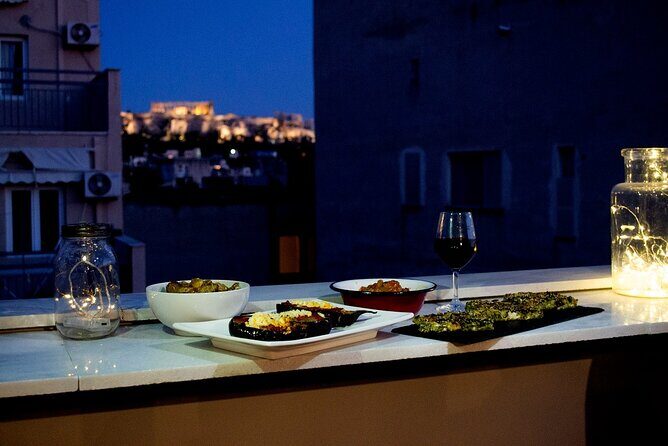
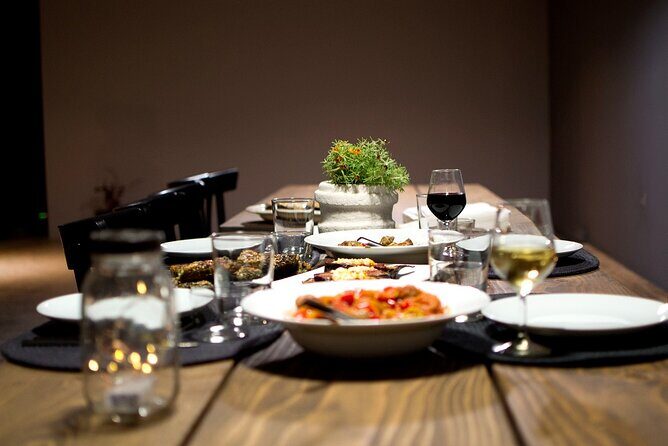
After you finish cooking, you get to dine on what you made—at a leisurely pace. This matters more than it sounds. Many food classes turn into a quick line-up to eat. Here, the meal is built into the experience, and you’ll have time to chat.
Drinks included
Greek wine and traditional spirits are included, with two glasses per person. This is part of why the lunch/dinner feels like a real Greek evening rather than a fast demo.
What you’ll actually taste
Because you’re making the dishes yourself, you’ll notice the details people usually miss: how tzatziki chills (and tastes better after sitting), how stuffed items hold flavor, and how pie bakes with a light crispness when the pastry is treated properly.
If you care about food you can recreate later, this is a smart setup: you learn, you eat, then you take the skills and recipes home.
Price and Value: Why It’s More Than a Meal in a Kitchen
At $114.93 per person for about 3 hours, it’s not the cheapest thing you can do in Athens. But it’s also not just “pay for dinner.”
You’re paying for:
- instruction for a full multi-course menu
- hands-on practice across several dishes
- wine and traditional spirits
- a kitchen setup that’s clean and organized
- a recipe PDF emailed afterward so you can cook again
When you compare it to the cost of eating out plus buying cooking gear or taking another class later, this usually feels like good value—especially if you love food or want one memorable, practical experience rather than another checklist activity.
Acropolis Views: What to Expect and How to Avoid Disappointment
The experience is marketed with an Acropolis view, and some people have clearly seen it while cooking. But not everyone felt the description matched what they wanted visually.
Here’s how I’d handle it if views matter to you:
- Treat it as a possible bonus, not a guaranteed sightseeing moment.
- Use the location details and the studio’s setup to your advantage if you can.
- If the view is a must-have, ask how the seating works when you book.
Even if the view isn’t perfect for you, the class itself gives you something more useful than a photo: you’ll leave with a better understanding of how Greek food is built.
Getting There Smoothly: Finding the Studio and Planning for Comfort
The meeting point is CookinAthens, Evripidou 90, Athens 105 53, and the activity ends back at the same location. It’s near public transportation, which helps on a packed Athens schedule.
Do not gamble on navigation
One recurring theme: it can be hard to find the place, especially if it’s on an upper floor. The good news is they send detailed directions ahead of time, including floor info.
My practical advice:
- book your time early so you have those instructions
- arrive 10 minutes early so you’re not rushing
- read the directions carefully, especially if you’re using GPS and not local street signs
Comfort in Athens heat
There’s a real consideration for hot weather: at least one person reported feeling uncomfortable and suggested better A/C investment. The organizer responded that the studio has A/C running, but Athens summer can still win.
If you’re traveling in peak heat:
- wear breathable clothes
- drink water before you arrive
- don’t expect a refrigerator-cold room
Who This Class Fits Best (And Who Might Be Happier Elsewhere)
This is ideal if you:
- love cooking or want hands-on skills, not just a meal
- want a single activity that gives you both learning and eating
- enjoy social meals with wine and good conversation
- want recipes you’ll actually use after your trip
It’s less ideal if you:
- hate hands-on cooking or need a very low-effort experience
- only want pure sightseeing time, not classroom-style instruction
- expect a guaranteed Acropolis panorama from every seat
For couples, it’s a great date format. For friends and small groups, it works because everyone is involved. For solo travelers, it’s also a solid way to meet people around a shared table.
Should You Book This Greek Cooking Class?
I’d say yes if you want something practical and delicious. This is one of those Athens experiences where the payoff is lasting: you learn real techniques, you eat a proper meal with Greek wine and spirits, and you go home with a recipe PDF you can follow.
The only reasons I’d hesitate are heat comfort concerns and the Acropolis view being less consistent than the name suggests. If you’re traveling in very hot months, plan for warmth. If you care about views more than food, you might want to pair this with a classic Acropolis visit instead of counting on the studio to deliver the postcard moment.
If you show up hungry, follow the directions, and tell the kitchen about dietary needs, you’ll likely leave smiling—and cooking.
FAQ
What is the duration of the class and meal?
The class and lunch or dinner last about 3 hours.
How many dishes will I cook?
You’ll cook a 6-dish menu, typically including two appetizers, a Greek pie, Greek salad, a main course, and a dessert.
Does the menu stay the same every day?
The menu can change depending on seasonality. If you have something specific you want to cook, you can request it by emailing after booking.
What dishes are in the sample menu?
A sample menu includes tzatziki; cheese pie or spinach pie with phyllo made from scratch; peppers stuffed with cheese or dolmadakia; Greek salad; and a main such as moussaka, pastitsio, soutzoukaki, gemista, or chicken options like lemonato or youvetsi. Dessert can be baklava rolls, Greek yogurt mousse, or loukoumades in winter.
Is alcohol included?
Yes. Greek wine and traditional spirits are provided, with two glasses per person.
Do I get recipes to take home?
Yes. After the class, you’ll receive the recipes by email so you can recreate the menu at home.
Are dietary needs accommodated?
Yes. The class is tailor-made to your preferences, and you should mention any special dietary needs when booking.
Is this class good for kids?
It’s listed as welcome for ages 12+.
Where do I meet the group?
Meet at CookinAthens, Evripidou 90, Athens 105 53, Greece, and the activity ends back at the same meeting point.
What is the cancellation refund rule?
You can cancel up to 24 hours in advance for a full refund. No show is not refunded for any reason.