REVIEW · ATHENS
Athens: Greek Cuisine Cooking Class and 3-Course Dinner
Book on GetYourGuide →Operated by ATHENS WALKING TOURS · Bookable on GetYourGuide
Greek Sunday dinner turns practical fast. Hands-on cooking with instructors such as Emilia and Stella is the main attraction, and the recipe copy is the payoff that keeps going after Athens. The main drawback is basic: there’s no hotel pickup, so you’ll need to make your own way to Hill Athens.
Over about four hours, you’ll build a 3-course meal using fresh market ingredients, then sit down with a glass of local wine (or a soft drink). Menus shift with the season, but the focus stays on classic Greek flavors and Sunday-table comfort.
In This Review
- Key things to know before you cook
- Hill Athens: where the class feels like dinner party time
- The 4-hour flow: what you’ll do from first prep to the last bite
- How Greek Sunday flavors get translated into your plate
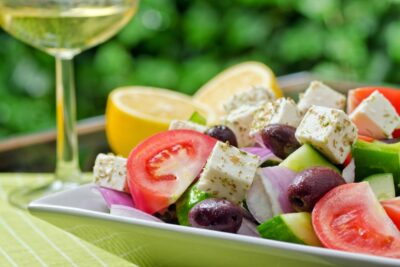
- Starters and salads: where you learn Greek flavor basics fast
- Main course cooking: the technique that makes it taste Greek
- Dessert and the table: wine included, and sometimes the Acropolis view
- Recipes to take home: the real value after Athens
- Price and value: does $115 for 4 hours make sense?
- Who should book this Greek cuisine class
- Booking thoughts and what to bring to Hill Athens
- Should you book this Greek cuisine cooking class?
- FAQ
- Where is the meeting point for the class?
- How long is the experience?
- What’s included with the price?
- Is the cooking class taught in English, and can it be private?
- Do I receive recipes to take home?
- Is hotel pickup or drop-off included?
- What should I bring?
- Can I cancel for a full refund?
Key things to know before you cook
- Hill Athens is your home base: you’ll meet at Hill Athens and spend the evening cooking and eating there.
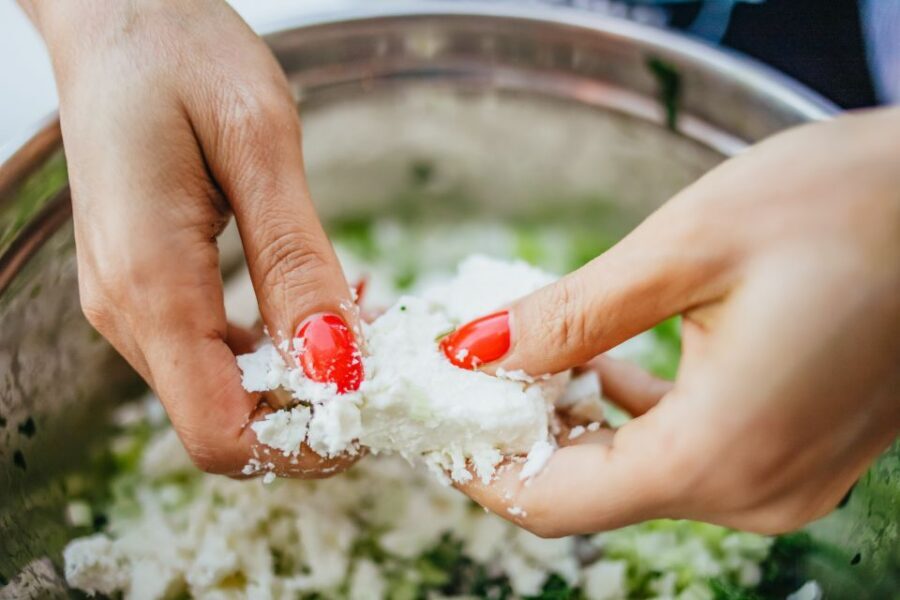
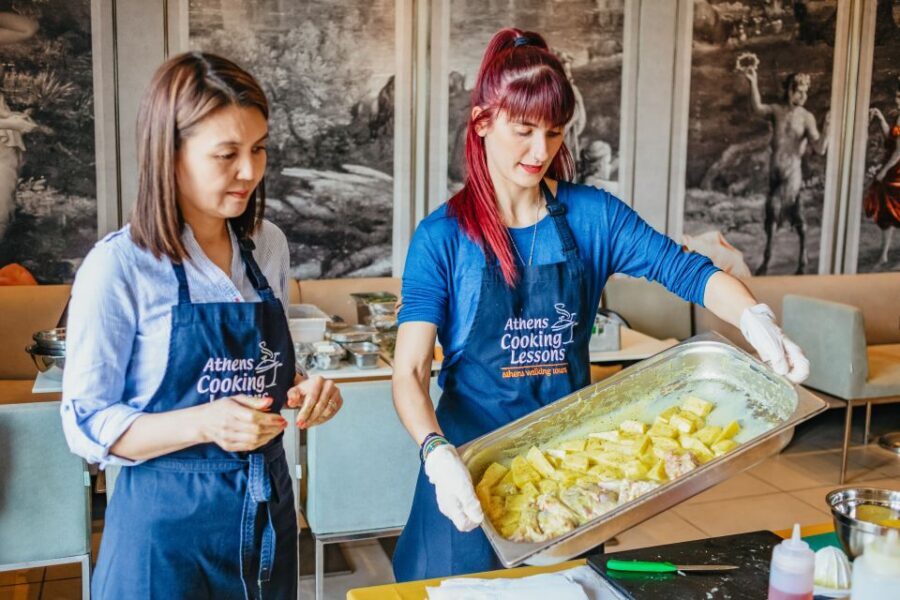
- You cook, not just watch: the class is hands-on throughout, with tasks split so everyone can participate.
- Greek Sunday dinner is the theme: you’ll learn why these dishes matter to family meals and everyday Greek flavor habits.
- Recipes are included: you get a copy of all recipes so you can remake the meal later at home.
- The menu adapts to season and markets: expect a mix of starters/salads and a main course, plus dessert.
- Wine is part of the meal: you’ll have one glass included, with extra drinks left up to you.
Hill Athens: where the class feels like dinner party time
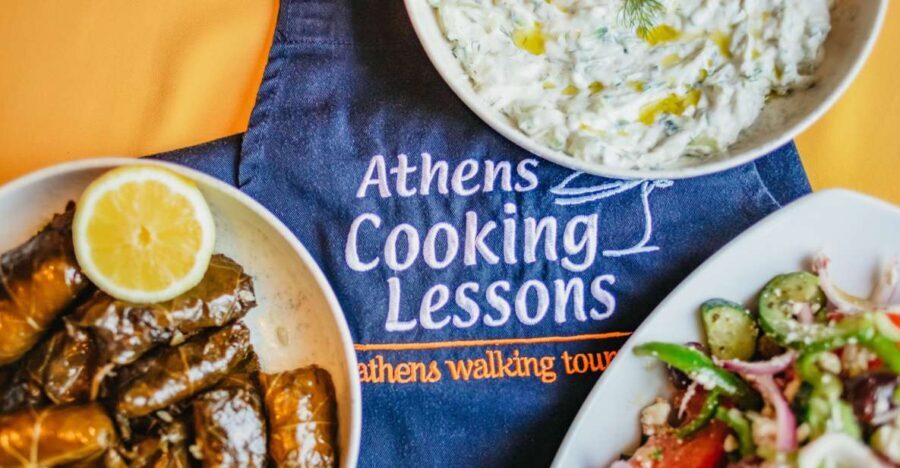
This experience is set at Hill Athens, and that matters more than it sounds. You’re not bouncing between stops or squeezing dinner into a sightseeing schedule. Instead, you arrive, set up your station, and stay in one place until you eat what you made.
Based on the way the evening runs, the venue tends to feel warm and social. Several instructors get high marks for keeping things fun while still teaching technique. People also talk about the dining room setting, including chances for an Acropolis view while you eat. It’s not the kind of meal that feels hidden behind a service counter.
Plan to wear comfortable shoes. You’ll be standing at prep and cooking areas, and you’ll be moving a bit as you rotate tasks, taste, and adjust.
You can also read our reviews of more cooking classes in Athens



The 4-hour flow: what you’ll do from first prep to the last bite
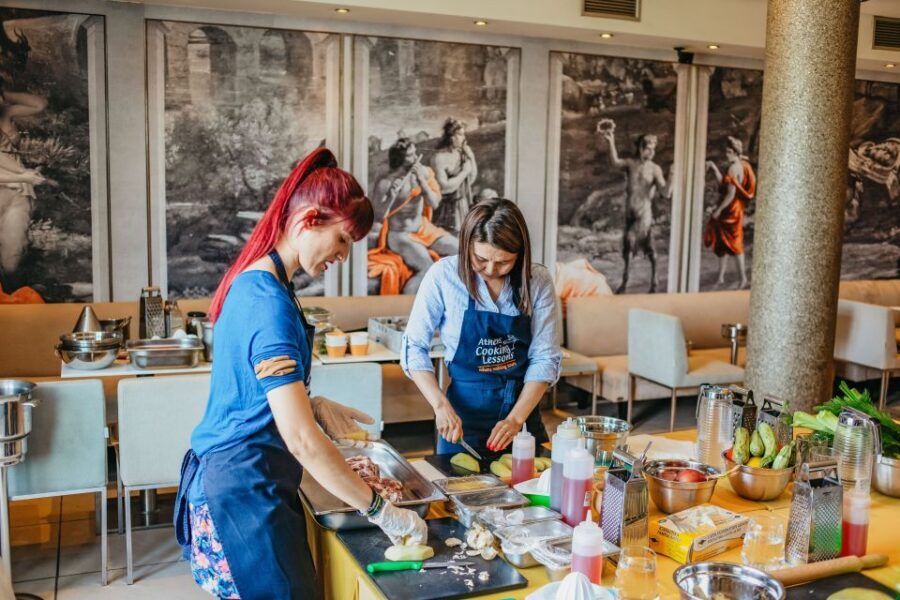
Even if the exact dishes change, the rhythm is consistent. Here’s what you can expect in plain terms:
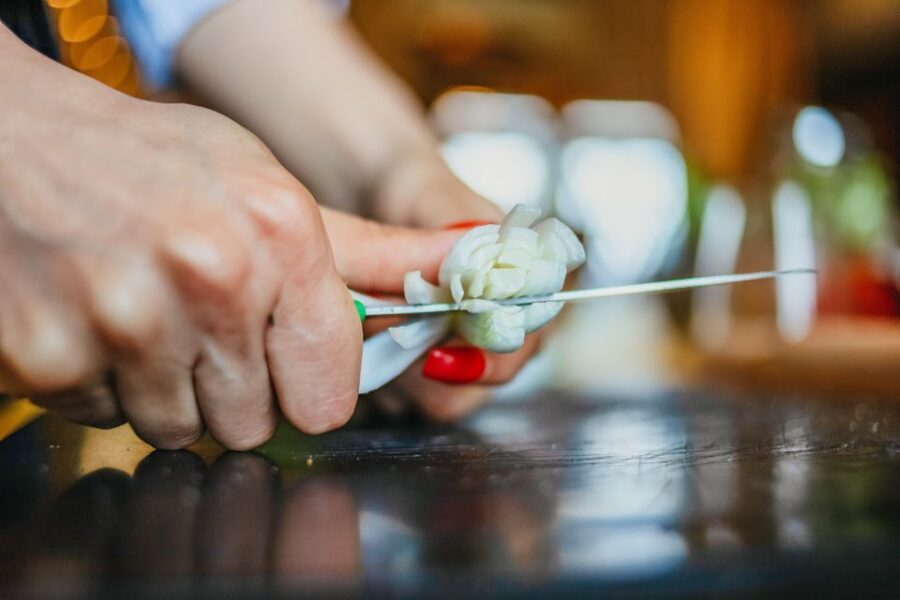
First, you’ll start with an intro and ingredient context in English. The instructor explains what you’re making and the Greek flavor logic behind it: herbs, fresh vegetables, and the cuts of meat Greeks use often. Then you get into real kitchen work right away—chopping, assembling, mixing, and building components rather than just watching a demo.
Next comes the cooking stage, where you handle steps with guidance. This is where technique pays off. Greek cooking often looks simple on the plate, but it’s built on details—how you treat herbs, how you balance acidity and salt, and how you time ingredients so everything tastes like it belongs together.
Finally, you sit down and eat your 3-course meal with your group. One glass of local wine is included. If you want more, you’ll need to buy it separately. Dessert typically closes things out, and the whole 4 hours usually feels like a structured evening rather than a rushed class.
How Greek Sunday flavors get translated into your plate
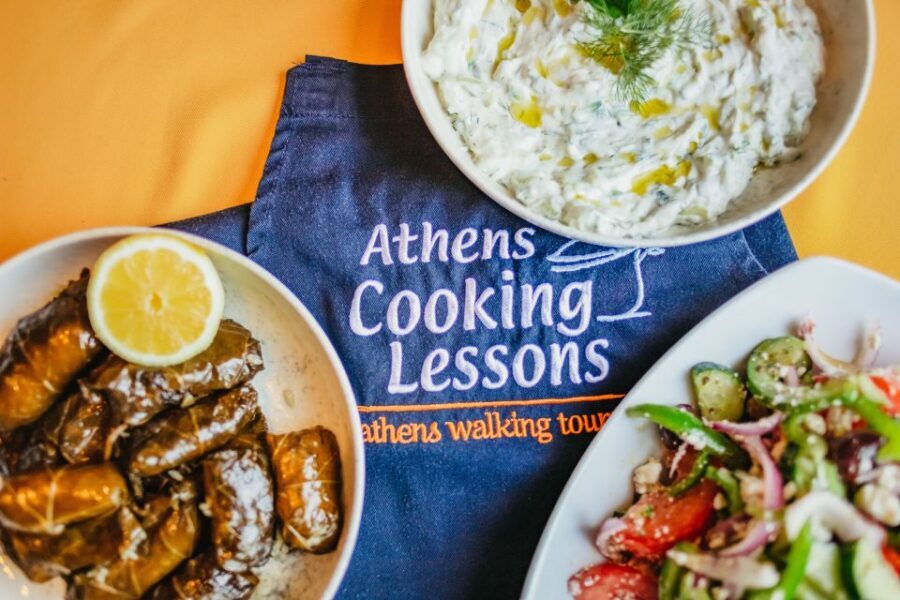
Greek Sunday dinner is more than tradition for tradition’s sake. It’s a framework for why these foods taste the way they do: fresh ingredients, satisfying mains, and dessert that feels like a real finish.
In this class, you’ll focus on the building blocks that show up again and again in Greek cooking:
- Herbs and aromatics: the kind that make simple dishes taste like home cooking.
- Fresh vegetables: often the backbone of starters and salads, and sometimes part of the main.
- Common meat choices: not fancy theory, just what Greek kitchens rely on.
- Flavor balance: salty, tangy, herby, and gently spiced rather than heavy or sweet.
Instructors in past sessions were praised for adding culture and even nutrition context. You’ll usually get the “why” along with the “how.” That’s useful because it helps you cook smarter at home instead of just copying steps.
Also, menus vary by season. You might see a mix of multiple starters/salads (the menu is described as usually including 3–4), plus a main course and dessert. That flexibility is a good sign: you’re not being forced into a one-size-fits-all script that ignores what’s actually fresh.
Starters and salads: where you learn Greek flavor basics fast

Starters are the part of the Greek table that teach you the language of the cuisine. In a hands-on class, you’ll likely work on a starter or salad component that highlights clean flavors—herbs, vegetables, dressing, and simple assembly.
This is also where you learn how Greek dishes get their snap and depth without complicated steps. For example, one review mentioned learning about phyllo for a spinach pie, which tells you these classes can include technique-heavy elements when the menu calls for it. Another review referenced dolmas, so you may also encounter filled, rolled, or shaped items depending on the seasonal plan.
Even if you don’t get the exact dishes you’re hoping for, the starter stage still teaches the transferable skills:
- how herbs are used for freshness, not just decoration
- how textures are built (crisp vs soft, fresh vs cooked)
- how seasoning is adjusted before serving
If you’re nervous about cooking, start here. Starters tend to be faster wins. And since you’ll work in a group, you can learn by watching the person next to you without it turning into a lecture.
Main course cooking: the technique that makes it taste Greek
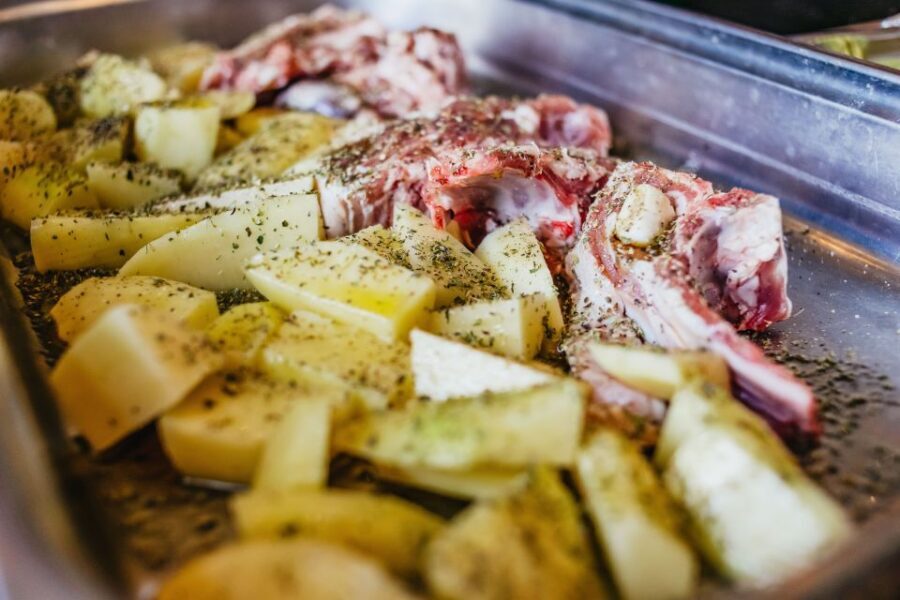
The main course is where Greek food stops being “interesting” and turns into “I can make this at home.” The instructor guides you through the steps, and you learn what makes Greek mains feel complete: timing, seasoning, and the right ingredient combinations.
You’ll cover core themes such as:
- how to handle meat and season it in a Greek way
- how vegetables fit into the main rather than just sitting beside it
- how sauces, gravies, or oven-ready builds come together
Because the menu changes seasonally, you won’t always be cooking the same main. But you will always learn how the instructor approaches it: what to taste, what to watch, and what to adjust before it goes too far.
This is also the part where good teaching really shows. Several instructors were described as patient and quick to answer questions, including Stella, Niki, and Amalia in different sessions. That matters because Greek cooking can look approachable on paper but needs guidance in the details—especially for tasks like stuffing, rolling, or assembling pastry.
A few more Athens tours and experiences worth a look






Dessert and the table: wine included, and sometimes the Acropolis view

Dessert is often the moment when the meal feels complete. Greek desserts in general tend to be less about heavy frosting and more about ingredient-forward comfort—things like syrupy sweetness, warm spices, or pastry techniques (depending on the seasonal menu).
After the kitchen work, you eat what you made as a group. One glass of local wine (or soft drink) is included. If you’re trying to keep the rest of your evening light, this is a nice built-in finish. If you’re a wine person, remember extra drinks aren’t included.
One of the biggest “wow” factors in reviews is the setting during the meal. Multiple people describe eating with views of the Acropolis, sometimes from upstairs dining areas or outdoors. That turns dinner into a mini-sunset moment, even when you’re focused on cooking details earlier in the class.
Recipes to take home: the real value after Athens
A free wine taste is nice. A view is nice. But the thing you actually use later is the recipe copy.
You’ll receive a copy of all recipes from the class, designed so you can recreate the dishes at home. That’s the difference between a cooking activity that becomes a fun memory and one that becomes a skill.
When you’re choosing whether a class like this is worth it, this is the honest test:
- Will I know what to do tomorrow?
- Will I understand key steps without needing the instructor again?
- Will I have measurements, ingredient lists, and method reminders?
The included recipe booklet answers that directly. And since menus adapt seasonally, the recipes you take home reflect what you cooked in your session, not some generic version.
My practical advice: take a quick photo of your finished dish before you eat it, then write down anything the instructor said you should adjust for next time. The recipe copy gives you the structure, and your notes give you the shortcut.
Price and value: does $115 for 4 hours make sense?
$115 per person for a 4-hour, hands-on cooking class with dinner and wine included can be a good deal, especially in a city where “just dinner” often costs a lot on its own.
Here’s how the value breaks down from what’s included:
- You’re getting a 3-course meal you prepared.
- You’re getting one glass of wine (or soft drink).
- You get an English-speaking instructor guiding the process.
- You get a copy of the recipes to use later.
- You’re paying for ingredients and kitchen time, not just a talk.
The main reason it can still feel expensive is the time and format: 4 hours is long compared to a typical walking experience, and you need to factor in your own transit to Hill Athens since pickup isn’t included.
So for me, the best value comes when you like cooking, enjoy group activities, and want a repeatable outcome. If you only want a quick taste, you might find you’d rather spend your time on a food tour or a long sit-down meal. But if you want a practical skill plus dinner, this price is easier to justify.
Who should book this Greek cuisine class

This fits well if you:
- want a hands-on Greek cooking lesson instead of a passive tasting
- like the idea of Greek Sunday-style food with a structured 3-course format
- value learning the basics you can apply later (herbs, vegetables, seasoning, common techniques)
- want an evening plan that feels social but still skill-based
It also seems to work across a range of comfort levels. Reviews mention classes for couples and also family groups where teens participated and stayed engaged. If your group has mixed experience, the hands-on approach and task distribution can make it feel fair.
You might want to look elsewhere if:
- you hate standing and chopping for extended periods
- you want a fully customizable menu with no seasonal variation
- you’re hoping pickup will bring you door-to-door (it won’t)
Booking thoughts and what to bring to Hill Athens
Keep it simple. Bring your passport or ID card. Wear comfortable shoes. And if you have it, bring a student card since it’s listed as something you should have.
You’ll meet at Hill Athens, so plan your arrival time with a little buffer. This style of class works best when you’re not sprinting in at the last minute, because your first minutes set you up for the rest of the cook-and-eat rhythm.
Should you book this Greek cuisine cooking class?
If you want a memorable Athens experience that gives you something you can use again at home, I’d book it. The combination of hands-on cooking, an English-speaking instructor, a real sit-down 3-course meal, and a recipe copy is a strong mix.
I’d hesitate only if you need hotel pickup or you prefer food experiences that are mostly about eating rather than cooking. But for most people, especially food lovers and couples, this is a smart way to spend four hours: you cook, you learn the Greek logic behind the dishes, and you leave with recipes you can actually repeat.
FAQ
Where is the meeting point for the class?
The meeting point is Hill Athens.
How long is the experience?
It lasts about 4 hours.
What’s included with the price?
Dinner is included (starter(s), main course, and dessert), plus 1 glass of wine or a soft drink, an English-speaking cooking instructor, and a copy of the recipes.
Is the cooking class taught in English, and can it be private?
Yes, the instruction is in English. Private group options are available.
Do I receive recipes to take home?
Yes. You’ll get a copy of the recipes so you can recreate the dishes at home.
Is hotel pickup or drop-off included?
No, hotel pickup and drop-off are not included.
What should I bring?
Bring your passport or ID card, comfortable shoes, and a student card.
Can I cancel for a full refund?
Yes. You can cancel up to 24 hours in advance for a full refund, and there is also a reserve now & pay later option.