REVIEW · ATHENS
Athens: Greek Cooking Class & Dinner on a Rooftop
Book on GetYourGuide →Operated by Athens Walks Tour Company · Bookable on GetYourGuide
Cooking in Athens comes with a view. This Greek cooking class turns classic recipes into a shared dinner plan, and the finale is the best kind of classroom reward: eating while the Acropolis glows at night. You’ll learn by doing—chopping, mixing, assembling—and you’ll also get a real look at how Greek flavors work together, from aged vinegars to yogurt-based tzatziki.
Two things I really like: the hands-on format (you’re not just watching) and the way the meal ends with rooftop dining instead of a quick drop-off. One consideration: drinks aren’t included, so if you want wine with dinner, plan for extra cost at the bar.
In This Review
- Key takeaways before you go
- Where the Cooking Class Starts: Monastiraki to Psirri Rooftops
- The Greek Menu You’ll Make: Moussaka, Spinach Pie, Milk Pie, and More
- The Hands-On Flow: Prep, Cook Together, and Learn Fast
- Rooftop Dinner with Acropolis Lighting: Why the Setting Matters
- Drinks, Costs, and What You’re Actually Paying For
- Who This Is Best For (and When to Skip It)
- Should You Book This Athens Rooftop Cooking Class?
- FAQ
- What dishes will I learn to make?
- How long is the experience?
- Where does it start?
- Is the class vegetarian-friendly?
- Are drinks included in the price?
- Is there an English instructor?
- What should I wear?
- Is this activity wheelchair accessible?
- Are pets allowed?
Key takeaways before you go
- Rooftop dinner with Acropolis views (including the Parthenon lit up at night)
- Hands-on cooking with group prep and direct chef coaching
- A Greek menu built around moussaka, Greek pies, and tzatziki
- Central meeting area near Monastiraki Square, then up to a terrace for the meal
- You may meet English-speaking chefs like Kostas, Spyros, Stam, or Nikos (names vary by session)
- Expect a messy, fun night—wear clothes you can cook in
Where the Cooking Class Starts: Monastiraki to Psirri Rooftops
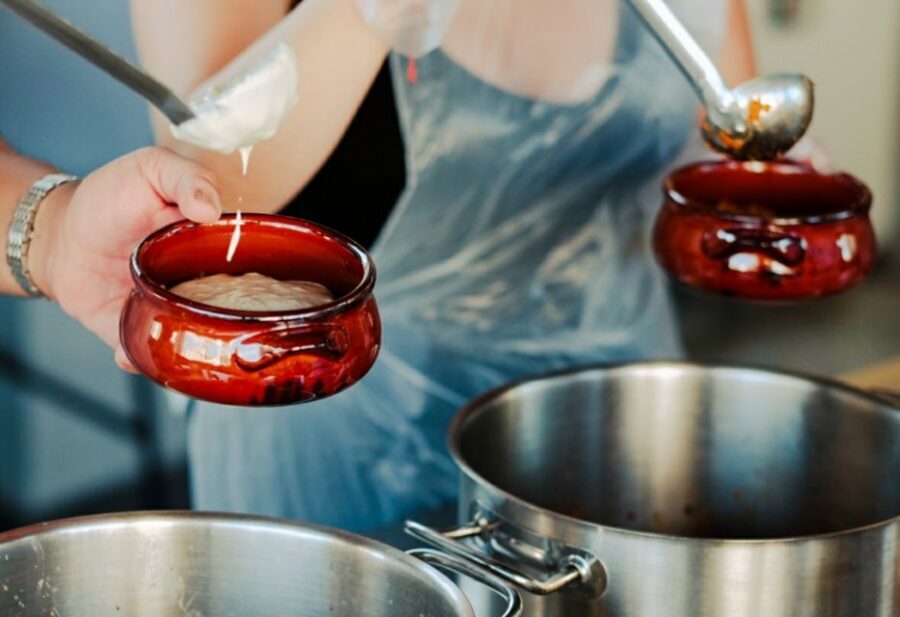
This experience begins close to Monastiraki Square, in the Psirri area. The vibe here is street-level Athens: busy enough to feel alive, not so touristy that it turns into a theme park. You’ll meet your chef on a rooftop terrace that sits just steps from the action, so the evening feels connected to the city instead of happening in a sealed-off studio.
The format is straightforward: you’ll gather, meet your English instructor, and get oriented before you start cooking. From what I see in how the class runs, the chef’s job isn’t just to teach recipes—it’s to get everyone participating, even if your cooking experience is mostly takeout and reheating. Many sessions are structured as a group effort, so you’re not stuck working alone at a station.
If you’re the type who likes to know what to expect, aim to arrive with comfortable shoes and a relaxed mindset. This is a practical cooking evening, and your feet will do some work on the way between street, kitchen space, and terrace seating. Also, dress like you’d cook at home—simple clothes—because you’re working with dough, herbs, and sauces.
You can also read our reviews of more cooking classes in Athens

The Greek Menu You’ll Make: Moussaka, Spinach Pie, Milk Pie, and More
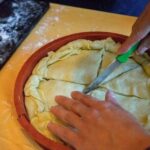
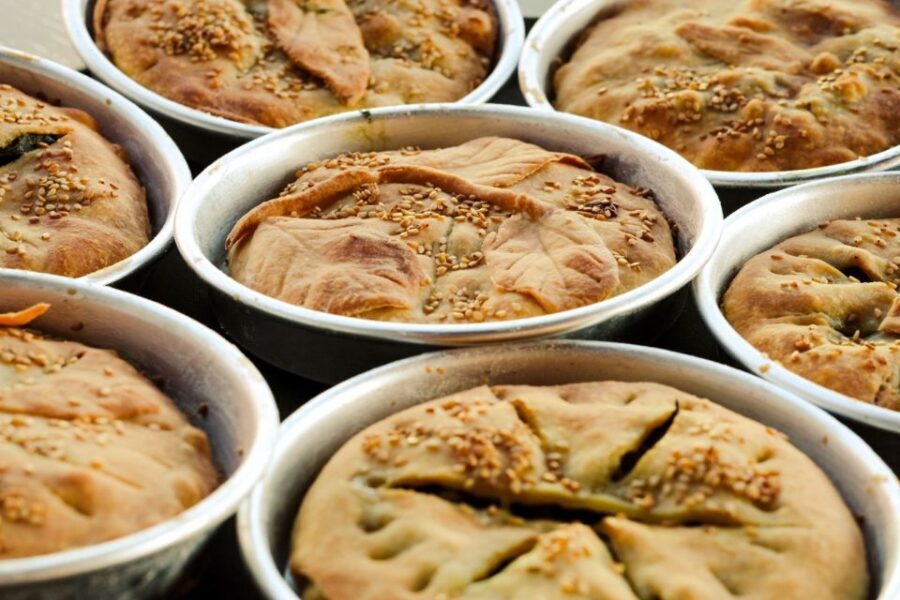
The menu is built around Greek comfort food with clear technique. The day’s main highlights include moussaka and classic Greek pies. You’ll also make a traditional spinach pie (often described as spanakopita-style) plus a milk pie, so you get both the savory and that custardy, comforting Greek dessert-sense in savory form.
Here’s how the food pieces connect:
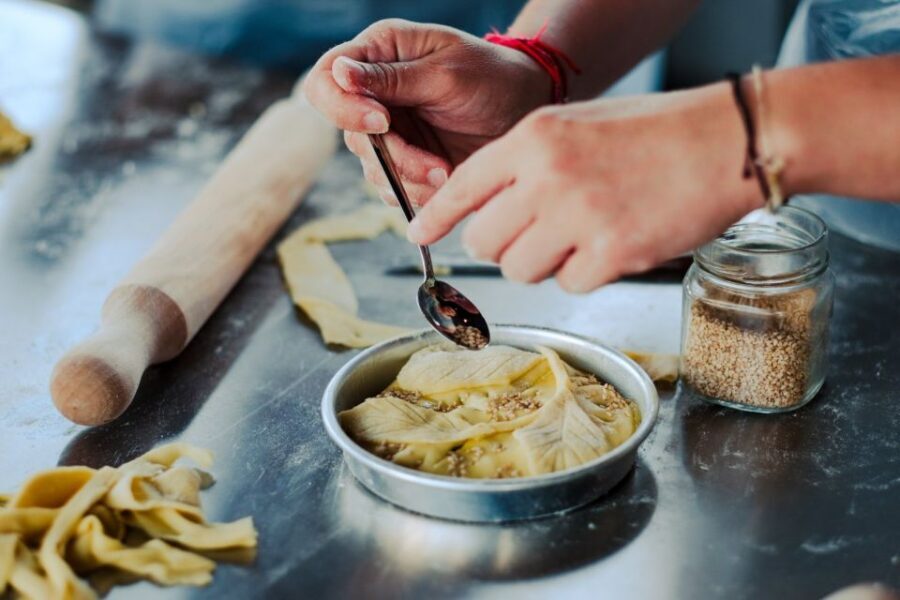
- Pies (spinach and milk): These teach you the backbone of Greek pie cooking—working dough and building a filling you can season confidently. The spinach component is usually herb-forward, while the milk pie shifts the skill toward texture and baking results. Either way, it’s not just assembly; you’ll learn what the chef looks for before things go into the oven.
- Moussaka: This is the dish that tells you whether you really understand Greek flavors. You’re learning how the elements fit: layered ingredients, seasoning discipline, and how the finished dish should taste when it’s ready to serve. It’s a “Greek table” classic, so it’s also a great souvenir you can recreate later.
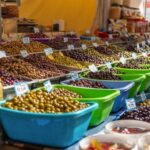
- Greek island-inspired salad and tzatziki: You’ll do more than chop. The salad includes cherry tomatoes and is aromatized with aged local vinegar, and the menu pairs it with Greek yogurt tzatziki. That vinegar note matters because it shows how Greek salads can taste bright without needing heavy dressing. The tzatziki side gives you the cool, creamy counterpoint that makes everything feel balanced.
One detail I’d call out: the chef will talk through ingredients and Mediterranean flavor logic as you work. That’s where the class becomes useful after the meal, not just fun for the night. You’ll leave with a better sense of how Greeks build flavor—acid, herbs, dairy, and olive oil working as a system.
The Hands-On Flow: Prep, Cook Together, and Learn Fast
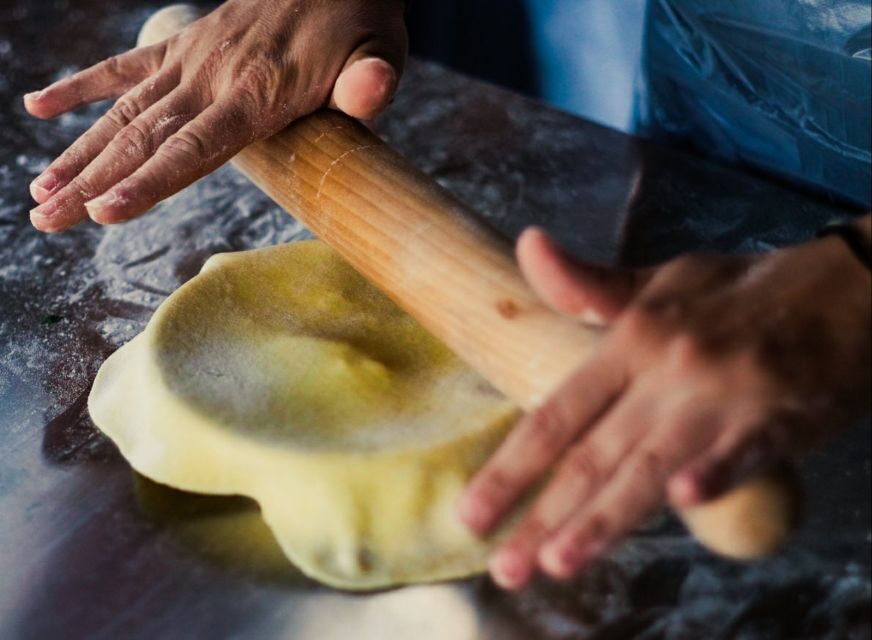
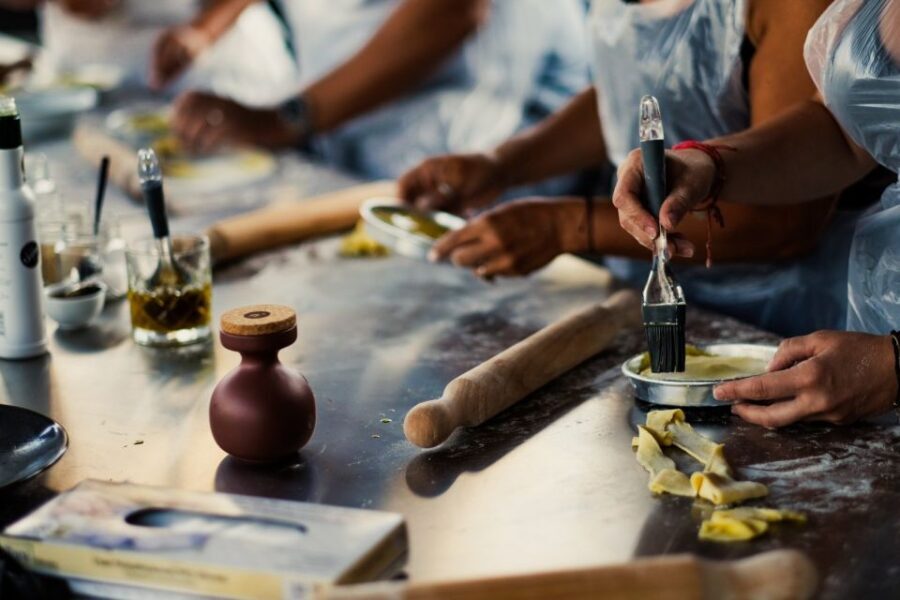
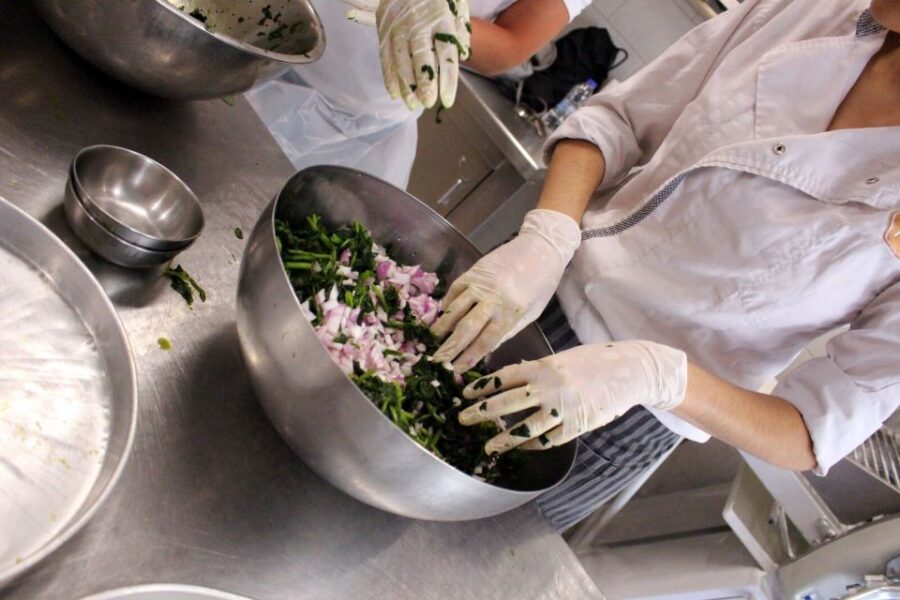
The pacing is designed to keep you moving. You start with preparations—chopping vegetables, mixing components, and getting your station ready—then the class officially kicks in with cooking steps. You’ll chat with the chef during prep, and that’s not filler. It’s the moment where the chef links the recipes to the ingredients you’re handling.
One of the most praised parts of this experience is how it gets people cooking together. Instead of splitting into isolated pairs with separate tables, you’re in a shared rhythm. That matters because it reduces the awkwardness of being the only novice. Someone next to you is chopping, someone else is mixing, and the chef can correct technique in the moment.
You’ll likely get plenty of direct instruction, not just a checklist. Names you might see in the instructor roster include Kostas, Spyros/Spyro, Stam/Stamatis, and Nikos. Even with different personalities, the consistent theme is clear: the chef coaches, encourages participation, and keeps the energy up without turning it into chaos.
Also, be mentally ready for a little mess. A few diners note they ended up with flour on them. That’s normal. The class is active, and the dishes depend on you touching the food, not hovering.
Rooftop Dinner with Acropolis Lighting: Why the Setting Matters

At the end of the lesson, you’ll sit down for dinner on the rooftop, and this is where the experience stops being just a cooking class and becomes an Athens memory.
The viewpoint is specifically strong for evening photos: you can see the Acropolis and the Parthenon lit up at night. The finish also includes sweeping views toward central Athens, including the dome of Aghios Dimitrios Church. It’s the kind of scenery that makes the meal feel earned. You cooked it. Then you eat it with one of Europe’s most recognizable silhouettes in your line of sight.
This is also when you understand why the menu works as a set. You made pies and moussaka—dishes with structure—and now you’re served salad and tzatziki that cut through the richness. Eating on a terrace changes your taste perception too: it’s cooler, the air feels lighter, and suddenly Greek food tastes even more “right” than it does at a table indoors.
What you should do to make the moment better: keep your phone charged, but don’t spend the whole dinner hunting for photos. The best plan is to snap a few shots, then actually taste—especially the vinegar-salad pairing and how tzatziki cools the heavier dishes.
Drinks, Costs, and What You’re Actually Paying For
The price is $108 per person for a 4-hour experience. That might sound like a lot until you break down what’s included: chef instruction, cooking time, and dinner. You’re not just buying a meal at a rooftop restaurant—you’re buying the skill, the ingredients handling, and the guide who helps you turn raw components into a finished Greek spread.
Here’s the practical cost reality:
- Drinks are not included. There’s a full wine menu and bar available for purchase.
- If you want wine pairings, treat them as optional add-ons. Some sessions may include wine choices, but you should expect to pay extra if you order.
So the value calculation is simple: if you love food and want more than a plate—if you want the method you can use at home—this price starts to make sense fast. It’s also good value compared to many cooking classes that give you a smaller meal experience or don’t include the rooftop dining element.
If you’re traveling with a tight budget and you don’t plan to buy alcohol, you can still have a great time, since the dinner itself is part of the included package. Just don’t assume drinks come with the ticket.
A few more Athens tours and experiences worth a look





Who This Is Best For (and When to Skip It)
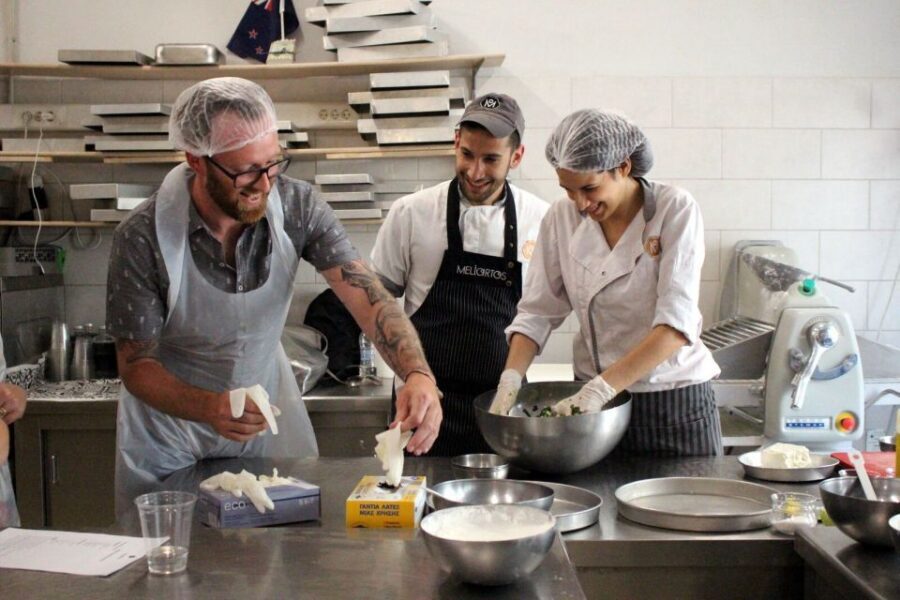
This is a great fit if you want a hands-on Athens activity that’s equal parts cooking and sightseeing. It’s especially good for foodies, first-time Greek cooks, and anyone who likes group experiences that don’t feel stiff. Many participants emphasize that the chef keeps things interactive and that the class becomes a team effort.
It’s also vegetarian-friendly, which is a big deal with Greek menus. You should still ask what’s included for your specific dietary needs when you book, but the class is set up to be welcoming to vegetarians based on the provided info.
Who might not love it:
- If you hate hands-on activities, you may find the flour-and-prep aspect annoying rather than fun.
- If you have mobility needs, it isn’t suitable for wheelchair users.
- If you’re expecting drinks included with the meal, adjust your expectations since drinks are an extra purchase.
Should You Book This Athens Rooftop Cooking Class?
Book it if you want one of those nights that checks two boxes at once: you learn classic Greek cooking and you end up eating in a view that feels like it belongs in a postcard, especially with the Parthenon lit at night. Also book it if you like instruction that’s patient and encouraging—this class is built around participation, not passive watching.
Skip it if you’re mainly in Athens for shopping, museum-only days, or if you’re very cautious about adding extra spending for wine and bar drinks. The class itself is strong value; the only easy overspend is ordering alcohol at dinner.
If you’re on the fence, my advice is simple: this is one of the better ways to experience Athens beyond sightseeing—through food you can actually recreate.
FAQ
What dishes will I learn to make?
You’ll learn classic Greek dishes including moussaka and traditional pies such as spinach pie and a milk pie. You’ll also make a Greek island-inspired salad with cherry tomatoes, and tzatziki made with Greek yogurt.
How long is the experience?
The duration is 4 hours.
Where does it start?
You’ll meet your chef near Monastiraki Square, in the Psirri neighborhood. The exact meeting point can vary depending on the option booked.
Is the class vegetarian-friendly?
Yes, it is vegetarian-friendly.
Are drinks included in the price?
No. Drinks are not included, though there is a wine menu and bar available for additional purchase.
Is there an English instructor?
Yes. The instructor is English-speaking.
What should I wear?
Dress simply as you would while cooking at home, and wear comfortable shoes.
Is this activity wheelchair accessible?
No, it is not suitable for wheelchair users.
Are pets allowed?
No, pets are not allowed.