REVIEW · ATHENS
4-Day Tour of Mycenae, Epidaurus, Olympia, Delphi & Meteora
Book on GetYourGuide →Operated by CHAT TOURS · Bookable on GetYourGuide
One coach. Five ancient stops. Big feelings.
This 4-day run across Peloponnese and central Greece strings together major UNESCO sites, plus one of the most striking views in Europe at Meteora. You get guided time where it counts, headphones for museum moments, and just enough breathing space for lunch on your own.
I especially like the licensed guide-led flow—you’re not just wandering ruins, you’re getting the story thread that connects Mycenae’s myths, Epidaurus’ theatre, Olympia’s games, and Delphi’s oracle. Guides such as Eustasis, Xenia, Rose, and Joy have been highlighted for turning sites into clear, memorable narratives.
My second big plus is the mix of “ancient and still happening.” You’ll tour the ancient stadium and museum at Olympia, then cross the modern Rion–Antirion bridge and see how Greece builds next to its past. The main drawback to plan for is long days and long drives, especially if you’re prone to motion sickness or you prefer lots of town time over frequent transitions.
In This Review
- Key takeaways before you book
- Why this Mycenae to Meteora route makes sense
- Day 1: Corinth Canal, Mycenae, Epidaurus theatre, and a Nafplio break
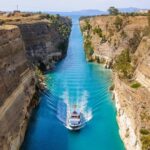
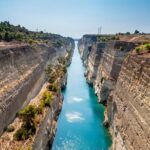
- Corinth Canal photo stop (short, but worth it)
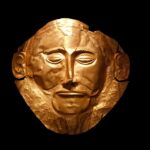
- Mycenae guided visit: Rich in Gold, mythical Agamemnon vibes
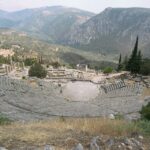
- Epidaurus theatre: where acoustics do the talking
- Nafplio free time and an early evening routine
- Day 2: Olympia’s games, museum artifacts, and the Rion–Antirion bridge
- Olympia archaeological site + museum
- Drive via Patras, cross to Antirion, and look at modern Greece
- Day 3: Delphi’s oracle at Parnassos and the Charioteer in the museum
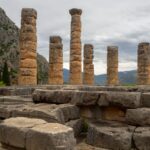
- Archaeological site visit: the religious core of the story
- Delphi Museum: the Charioteer you came for
- Day 4: Meteora monasteries—cliff culture, UNESCO context, and the dress code
- Visiting two monasteries: plan for steps and careful footing
- Clothing rules at Meteora (don’t wait until the last minute)
- Hotels, half-board meals, and what to expect at dinner
- Transport realities: comfort, but also fatigue on Greek roads
- Price and value: is $747 a bargain or just a convenient wrapper?
- Who should book this tour—and who should skip it
- Should you book this 4-day ancient Greece tour?
- FAQ
- Where does the tour start and when?
- How long is the tour?
- What’s included in the price?
- Is lunch included?
- Do I need to pay any extra fees?
- Are there dress requirements for Meteora?
- What should I bring for the sites?
- Is the tour suitable for wheelchair users or people with mobility impairments?
Key takeaways before you book
- Licensed guide + headphones so you can actually follow the sites without craning your neck or losing the group
- UNESCO hit list in 4 days: Mycenae, Epidaurus, Olympia, Delphi, and Meteora
- Delphi Museum’s Charioteer bronze statue dedicated to Apollo (Polyzalos, 478 BC)
- Olympia’s stadium and museum where the Olympic Games got their original prestige
- Rion–Antirion bridge photo stop breaks up ancient-only fatigue with a modern engineering moment
- Meteora monasteries require planning for the right clothing, plus real uphill steps and uneven ground
Why this Mycenae to Meteora route makes sense
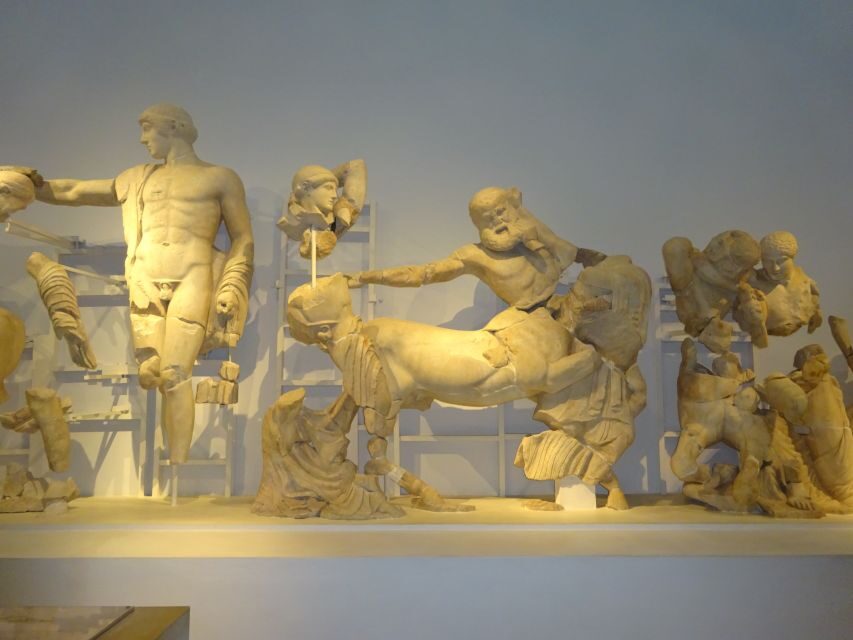
If you only have a few days, this is a smart way to see Greece’s big-name ancient anchors without trying to stitch together buses, tickets, and timing on your own. The route follows a logical geography: Peloponnese first (Mycenae, Epidaurus, Olympia), then north toward Delphi, and finally the cliffside monasteries at Meteora.
You’ll also notice the tour is built around guided time where the details matter. That matters at places like Delphi, where you’re surrounded by fragments and context is the difference between seeing objects and understanding meaning.
A few more Athens tours and experiences worth a look
Day 1: Corinth Canal, Mycenae, Epidaurus theatre, and a Nafplio break
Your day starts with an 08:30 departure from Hotel Amalia Athens (that’s also where the tour is anchored if you’re using the main meeting point). From there, you head west along the scenic coast toward the Corinth Canal.
Corinth Canal photo stop (short, but worth it)
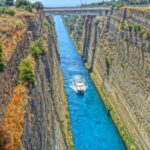
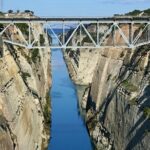
This is a quick stop, but it’s the kind that snaps your brain into vacation mode. The canal cuts through land in a way that instantly looks engineered, not natural—and it sets up the rest of the trip’s theme: Greece’s history isn’t frozen; it’s layers.
Mycenae guided visit: Rich in Gold, mythical Agamemnon vibes
At Mycenae, you get a guided visit (about 1 hour) of the kingdom associated with Agamemnon, the figure Homer brought to life. The payoff here isn’t only the stones—it’s the guide’s framing of why people linked this place to epic myth, and how Mycenaean power shows up in what they built and left behind.
Then you get free time for lunch on your own. This is a good moment to slow down. If you’re hungry, grab something simple and keep energy for Epidaurus later.
Epidaurus theatre: where acoustics do the talking
At Epidaurus, the real star is the ancient theatre of Palaia Epidaurus. You tour the site with a guide, and you’ll learn why it’s so famous: it’s admired for exceptional acoustics and for how well the theatre shape was preserved.
Plan for walking and sun. Even if you’re not a “ruins person,” the theatre setting is one of those places where your brain switches on. You’re looking at a performance space, not just a pile of seats.
- All Day Cruise -3 Islands to Agistri,Moni, Aegina with lunch and drinks included
★ 5.0 · 4,958 reviews


Nafplio free time and an early evening routine
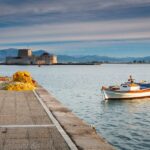
After Epidaurus, you stop in Nafplio, Greece’s first capital in 1829, for free time. It’s your chance to reset—coffee, a quick stroll, or a meal that fits your tastes.
Dinner and overnight follow. One detail to know: the tour notes there can be a possibility your first overnight is provided in Olympia, depending on scheduling.
Day 2: Olympia’s games, museum artifacts, and the Rion–Antirion bridge
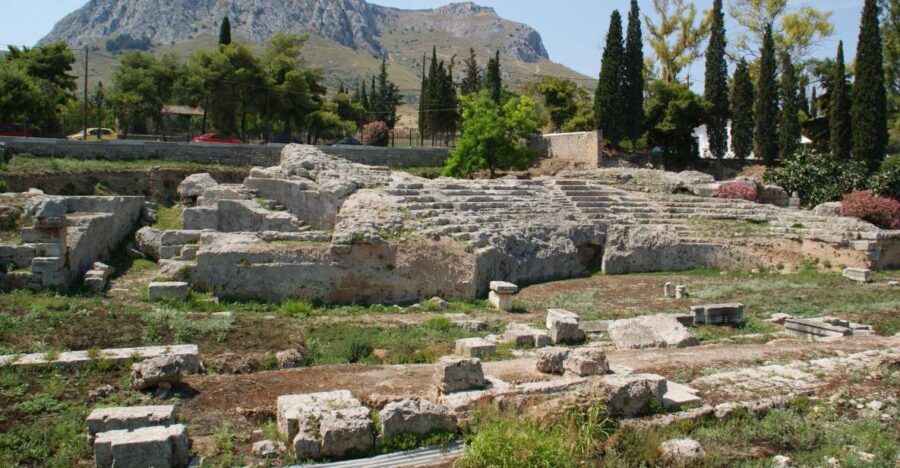
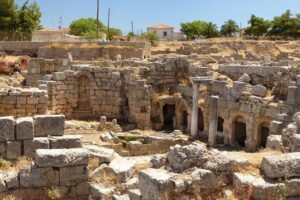
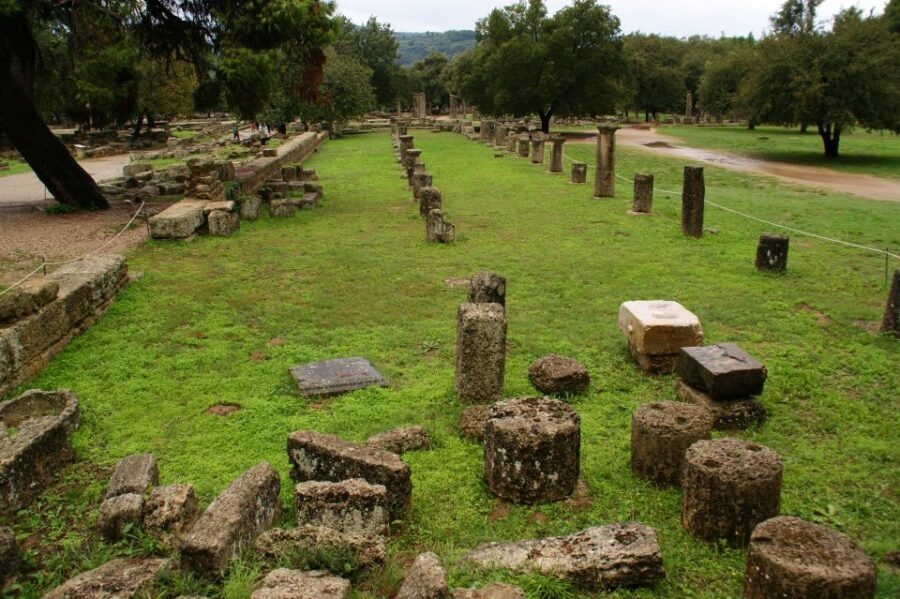
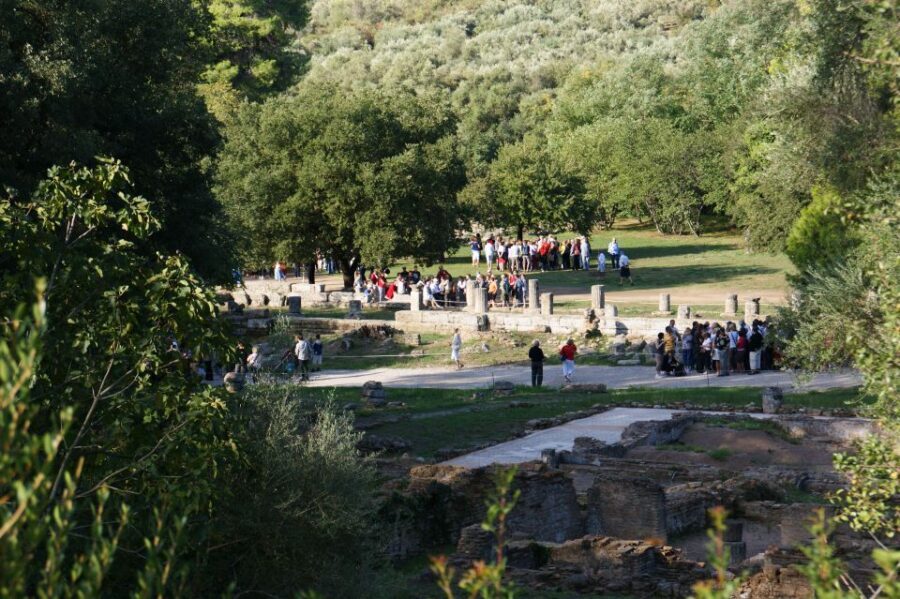
After breakfast, you head to the sanctuary of Olympia, once the most important religious and athletic center in ancient Greece. Olympia is where the Olympic Games became a major festival, held every four years in honor of Zeus.
Olympia archaeological site + museum
You’ll have guided time at the Archaeological Site of Olympia and also visit the museum. This pairing is smart. The open-air parts help you understand the space and scale, and the museum helps you connect objects to rituals and competitions.
Even if the word Olympics makes you think only of modern TV, Olympia is where the concept started as a sacred, pan-Hellenic event. That lens helps the whole place click.
Drive via Patras, cross to Antirion, and look at modern Greece
Between Olympia and Delphi, the day takes a turn that I really appreciate: you cross the Rion–Antirion channel using the new suspended bridge and stop to see the bridge area from the road. You also drive through Nafpaktos.
This matters because it gives your body a chance to reset between ancient sites. You’re still in transit, but you’re not only staring at countryside with no payoff.
Dinner and overnight move you into Delphi-area timing for the next day.
Day 3: Delphi’s oracle at Parnassos and the Charioteer in the museum
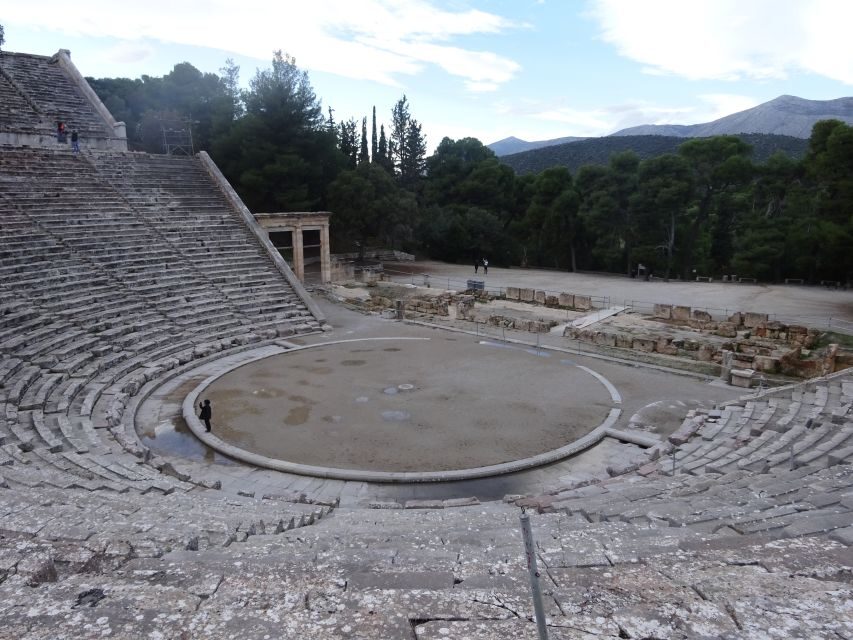
Delphi sits at the foot of Mount Parnassos. The tour’s description focuses on the sanctuary and why it mattered: Delphi housed the most famous oracle of ancient Greece, and for centuries it was treated as a center of the world.
Archaeological site visit: the religious core of the story
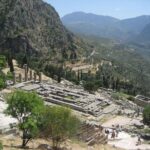
The guided visit at the Delphi archaeological site helps you connect Delphi’s physical layout to what people came to do. Without that context, Delphi can feel like scattered stones in a dramatic setting. With it, you start understanding why pilgrims traveled here and why leaders cared.
Delphi Museum: the Charioteer you came for
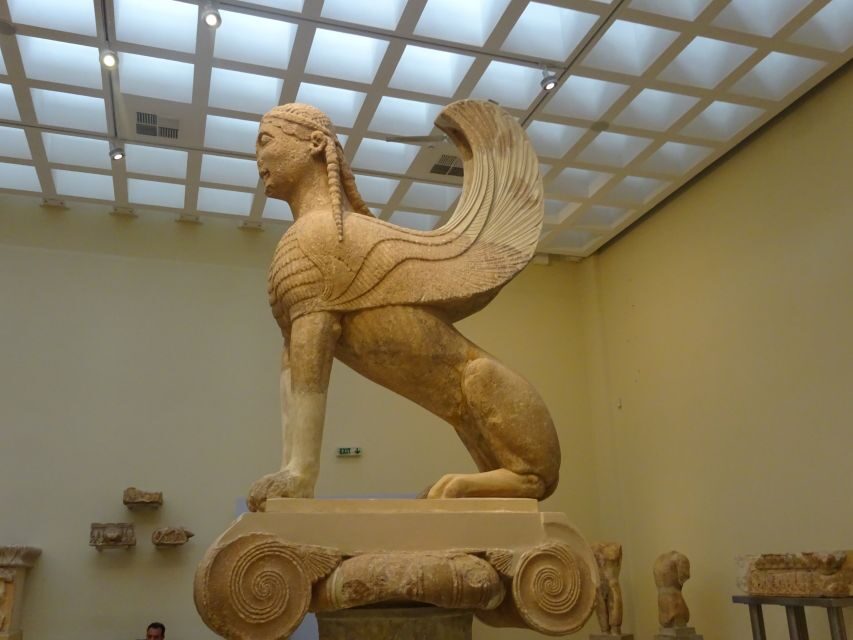
The Delphi Museum is where the tour really earns its time. Among the treasures you can see is the bronze statue of the Charioteer, dedicated to Apollo by Polyzalos, tyrant of Gela, after a chariot victory at the Pythian Games in 478 BC.
Even if you don’t normally fixate on bronze sculpture, this piece anchors the day. It’s one of those museum objects that makes you stop and think: people truly invested in craft, status, and public memory.
After visits, you drive to Kalambaka for dinner and overnight.
Day 4: Meteora monasteries—cliff culture, UNESCO context, and the dress code
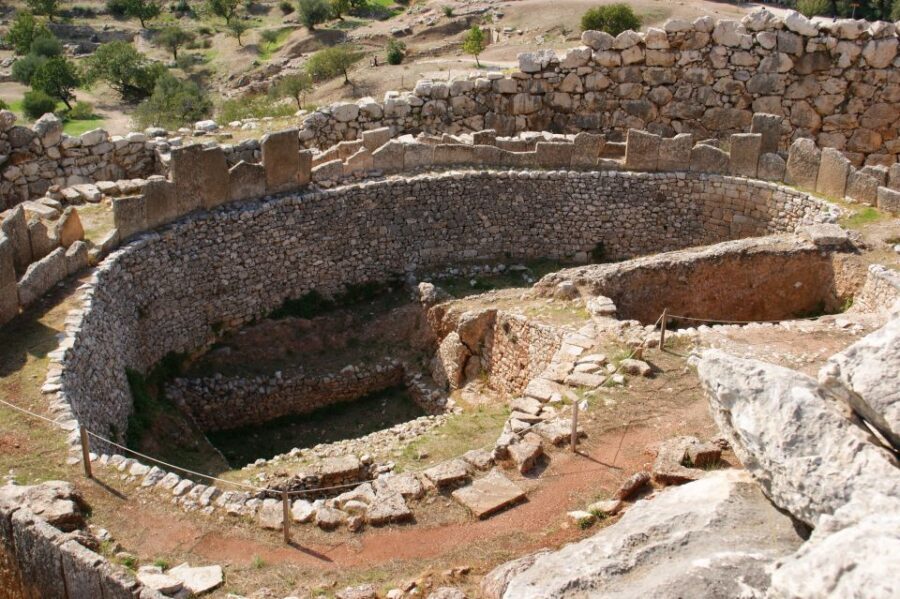
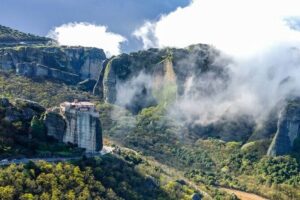
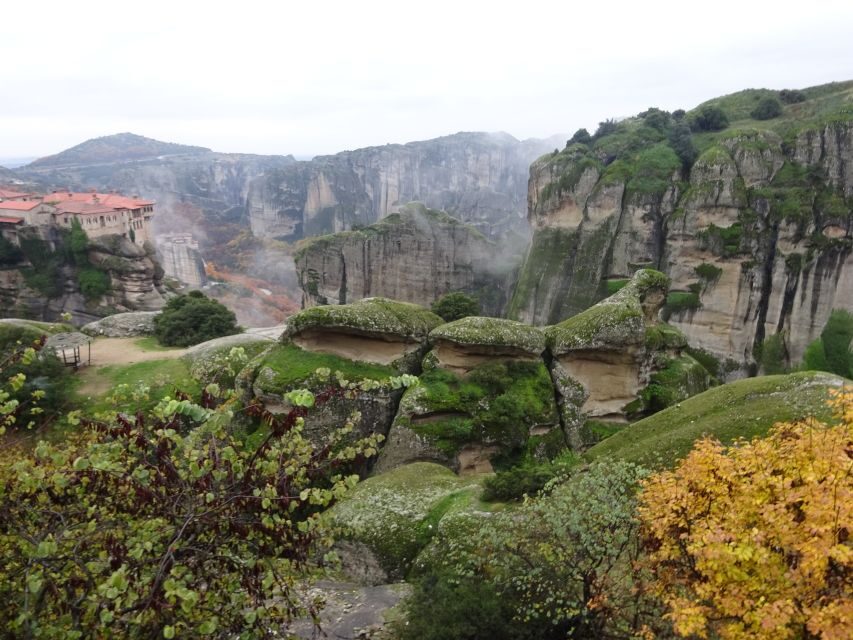
Meteora is the day that makes your camera work overtime. The name means suspended in air, and it describes the rock community of monasteries perched high above the valleys.
You’ll learn the big historical arc too. Monks built communities across many sites—24 monasteries are mentioned in the tour’s background—and they used nets or long retractable ladders (up to around 40 meters) to move people and supplies. The Grand Meteoron became the dominant community by the end of the 14th century, and UNESCO describes the rock monasteries as a unique cultural phenomenon.
Visiting two monasteries: plan for steps and careful footing
The tour includes guided visits to two Meteora monasteries. That means you’ll face steep paths, stairs, and uneven stone. Comfortable shoes are not optional here.
Clothing rules at Meteora (don’t wait until the last minute)
There’s a clear dress requirement: at Meteora, men must wear long trousers and women must dress or wear skirts down to the knees. This rule can catch people off guard if you’re used to casual travel clothes. If you’re going in warm weather, pack something light but compliant so you don’t end up scrambling.
After the monasteries, you drive back toward Athens with a Thermopylae photo stop and return around 19:00.
Hotels, half-board meals, and what to expect at dinner
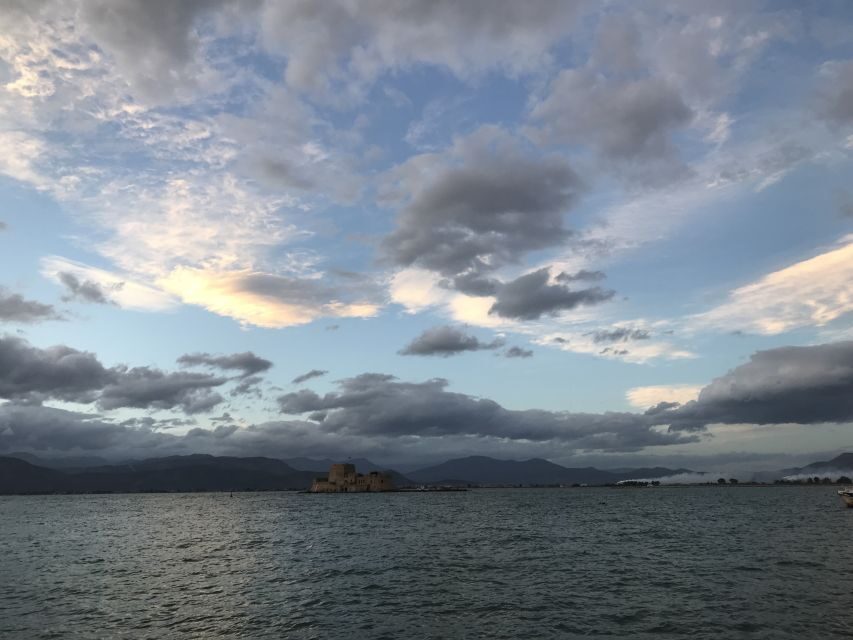
You stay 3 nights in 4-star hotels on a half-board basis, meaning breakfast and dinner are included, while lunch and drinks are not. The tour includes dinner at the hotel each evening, and breakfast before the next long day.
In plain terms: expect hotel buffet-style meals and menus designed for groups. Some dinners can feel satisfying; others may feel repetitive across days. The good news is that the tour is careful about staying in comfortable hotels rather than hopping between cheap stays.
If you’re picky about food, treat lunch as your personal freedom—especially on the day that includes free time in Nafplio and the day when lunch is on your own around Mycenae.
Transport realities: comfort, but also fatigue on Greek roads
This is an air-conditioned bus with an experienced driver, and you get Wi‑Fi on the coach. During guided attraction time, you also have headphones, which makes a huge difference at busy sites.
Here’s the honest part: the itinerary includes long drives, and Greek roads can be windy. If you’re sensitive to motion, bring whatever usually works for you before you board. If you’re the type who likes to doze, this can be a good rhythm—sit, listen to the guide, then reset.
Also note the group size can be large on some departures. One past group experience described the coach as around 60 people, so you’ll want a flexible attitude about schedules and how quickly you find space in common areas.
Price and value: is $747 a bargain or just a convenient wrapper?
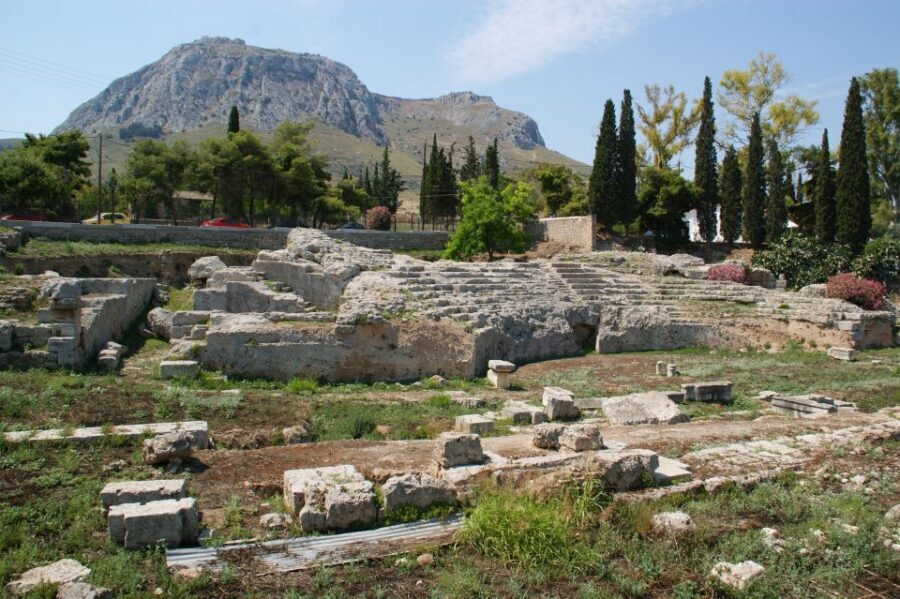
At $747 per person for 4 days, you’re paying for the practical stuff that would otherwise eat your time: licensed guide, entrance fees, hotel stays (4-star, 3 nights), and meals covered by breakfast + dinner.
To judge value, look at what you avoid:
- You avoid ticket stress at multiple major sites.
- You avoid planning transport between far-flung destinations like Olympia, Delphi, and Meteora.
- You get guided context in places where audio alone won’t make the story click.
Is it expensive? It’s in the mid-to-upper range for Greece multi-day tours. But this price makes sense if you want maximum ancient-site coverage in a short window and you’re okay with hotel buffet dining and long travel days.
Who should book this tour—and who should skip it
This tour is a strong fit if you:
- want big-name ancient Greece in a short timeframe
- like guided explanation, myths, and connections between sites
- are comfortable with walking, steps, and early-to-late days
It’s not a great fit if you:
- use a wheelchair or need mobility accommodations
- get claustrophobic (certain museum and enclosed areas can be uncomfortable)
- struggle with motion sickness due to long, windy drives
- dislike structured schedules and frequent transitions
- travel with pets (pets are not allowed)
If you’re older, note the tour lists age limits: it’s not suitable for people over 80.
Should you book this 4-day ancient Greece tour?
I’d book this if you want a well-paced, guided sweep through the classic ancient landmarks—Mycenae to Epidaurus, then Olympia and Delphi, ending with Meteora’s cliff monasteries. The licensed guide + headphones combination is the real value, because it turns scattered ruins and museum pieces into one connected story.
Skip it (or look for something lighter) if you hate long bus days, if motion sickness is a concern, or if you prefer deep town time over site time. Also pack for Meteora’s clothing rules early—you’ll enjoy the monastery visits more when you’re not dealing with last-minute adjustments.
If you match that style, this is the kind of trip that leaves you with not just photos, but a clear sense of how Greece’s ancient world thought, worshiped, competed, and answered questions at Delphi.
FAQ
Where does the tour start and when?
The tour meeting point is Hotel Amalia Athens, with a departure time of 08:30. Pickup from selected central Athens hotels may start earlier (07:30 to 08:15) where bus access is available, with 08:15 only from Hotel Amalia Athens as the stated departure point.
How long is the tour?
It’s a 4-day tour, running from the morning departure in Athens until returning to Athens around 19:00 on the last day.
What’s included in the price?
Included features are an air-conditioned bus, an experienced driver, a licensed guide, headphones during attraction visits, entrance fees, 3 nights in 4-star hotels, and breakfast and dinner at the hotel. Wi‑Fi is included on the coach and at the hotels.
Is lunch included?
No. Lunch and drinks are not included, and you’ll have at least one stretch of free time for lunch on your own during the itinerary.
Do I need to pay any extra fees?
Yes. There is an environmental fee of 10 EUR per room per night that is paid directly to the hotel reception.
Are there dress requirements for Meteora?
Yes. At Meteora, men must wear long trousers, and women must wear dresses or skirts that cover down to the knees.
What should I bring for the sites?
Bring comfortable shoes, a sun hat, and long-sleeved clothing and long pants.
Is the tour suitable for wheelchair users or people with mobility impairments?
No. The tour is listed as not suitable for people with mobility impairments, wheelchair users, and for some other conditions like claustrophobia and motion sickness.