REVIEW · ATHENS
4-Day Classical Greece Tour: Epidaurus, Mycenae, Olympia, Delphi, Meteora
Book on Viator →Operated by CHAT Tours · Bookable on Viator
A packed bus day becomes a story. This tour strings together five UNESCO sites with a professional guide, plus hotel stays and most meals—so you’re not piecing logistics together. I particularly like the tight, guided pacing that keeps moving (the route makes sense), and the fact that entry tickets to major sites are included. The trade-off: the hotel quality can vary a lot depending on what you booked, and the days are long with lots of walking and driving.
If you want ancient Greece in “see it all” mode—thousands of years compressed into four days—this fits. Just plan ahead for the dress code (no shorts or sleeveless tops; knees and shoulders covered) and be ready for lunch to be on your own.
In This Review
- Key Things To Know Before You Go
- A Fast Route Through Greece’s Biggest Names (Without the Guesswork)
- Day 1: Epidaurus Theatre, Mycenae’s Power Center, and Corinth Canal
- Who Day 1 is best for
- Day 2: Olympia and the Original Olympic Stage
- The main drawback to plan for on Day 2
- Day 3: Delphi’s Oracle World (Apollo, Iniochos, and Prophecy)
- Practical tip for Delphi
- Day 4: Meteora Monasteries Above Kalambaka, Then Thermopylae
- Hotels and Meals: Where the Value Works—and Where It Can Feel Risky
- Pacing, Transportation, and What You’ll Feel in Your Body
- Dress Code and Simple Rule That Saves Your Day
- Best Fit: Who Should Book This 4-Day Classical Greece Tour?
- Should You Book It?
- FAQ
- What’s included in the tour price?
- Is lunch included?
- Do I need to pay extra fees at the hotel?
- How does hotel pickup work?
- What are the main sites and UNESCO areas visited?
- Are entrance tickets handled for you?
- What dress code do I need for museums and worship sites?
- Is the tour always in English?
Key Things To Know Before You Go
- Five UNESCO stops, one efficient route: Epidaurus, Mycenae, Olympia, Delphi, and Meteora all make it into four days.
- Tickets are mostly handled for you: Your guide provides entrance tickets for the listed sites and museums.
- Meals are part of the value: Breakfast is included for three mornings, and dinner is included for three nights.
- Expect a lot of time on the road: Long driving days are part of the package, with scheduled breaks.
- Weather and footing matter: You’ll walk on uneven stone and handle heat with smart clothing and water.
- Language support depends on timing: English is standard; French is available only on Mondays.
A Fast Route Through Greece’s Biggest Names (Without the Guesswork)
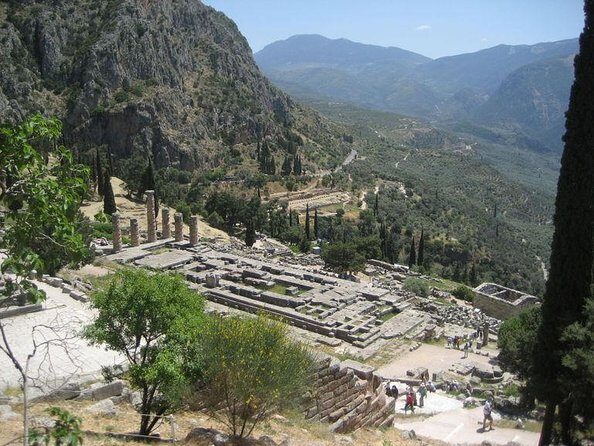
This isn’t a “stay in one city and wander” trip. It’s a structured run across the Greek mainland where you can stand in the places that still shape how we talk about drama, games, prophecy, and power. The value here comes from three things working together: the guided commentary, the included logistics, and the fact that you don’t spend precious time hunting down tickets, drivers, and timing between sites.
From the moment pickup begins (about 07:30 to 08:15, then departure at 08:30 from the departure point), the day is designed to keep you moving. You’ll ride in an air-conditioned vehicle, visit major ruins with a guide, then return to the hotel for included dinner. It’s a very “adult field trip” feel—efficient, slightly exhausting, and usually worth it if you like context while you look.
A few more Athens tours and experiences worth a look
Day 1: Epidaurus Theatre, Mycenae’s Power Center, and Corinth Canal
Day 1 is all about foundation. You start with the Ancient Theatre of Epidaurus, famous for its setting and for how the ancient world built drama into landscape. The guided visit includes admission, and you’ll have about an hour there. Even if you’re not a theatre nerd, the scale and design make the point quickly: this place was built for performance and for being heard.
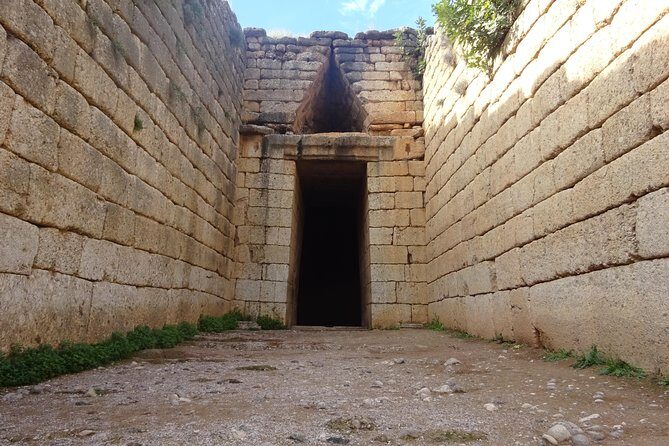
Next up is the Archaeological Site of Mycenae, where the palace and tomb area connects the mythology of Agamemnon to real stone remains. You get about 1 hour 30 minutes at the site, including admission. If you like when stories become architecture, this is the moment.
A short stop follows at the Epidaurus Archaeological Museum (about 15 minutes, admission included). It’s brief by design, but museums do one key job on a multi-day tour: they help you recognize what you’re seeing outside. Think of it as mental calibration—tiny compared to the ruins, but still useful.
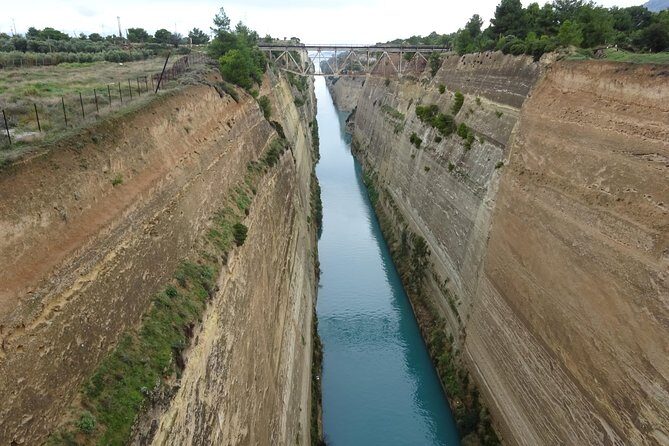
Then comes the scenic palate cleanser: the Corinth Canal. It’s a free stop and only takes about 20 minutes, but it gives you that “wait, this really cuts through Greece” visual. After that, you’ll be back toward the hotel for dinner included.
One practical note: your overnight on Day 1 may sometimes be in Olympia instead of Nauplia, depending on the tour’s routing. That doesn’t change the core experience, but it can affect how quickly you settle in on arrival day.
Who Day 1 is best for
History buffs who love links between myth and material will eat this up. If you get restless with brief museum stops, you may want to mentally switch gears and focus on the bigger ruins.
Day 2: Olympia and the Original Olympic Stage
Day 2 goes straight to the birthplace-style story of athletic games: the Archaeological Site of Olympia, with admission included and about 1 hour 30 minutes on site. You’ll see the space where the original Olympic Games were held, and the guide helps connect the mythic prestige to what survives today.
After that, the Olympia Archaeological Museum is next for about an hour, admission included. This is where the day can shift from “wow, ruins” to “oh, that’s what those sculptures and objects meant.” It also gives you a break from walking among exposed stone.
There’s also a “bridge” stop built into the day—a scenic crossing before you head to dinner. Your schedule is set so lunch is on your own expense, and breakfast and dinner are handled at the hotel.
The main drawback to plan for on Day 2
The day is designed around moving, not lingering. If you’re the type who wants to sit and stare for 45 minutes, you’ll be doing more short stops and photo bursts than slow wandering.
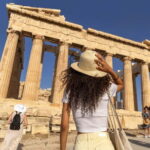


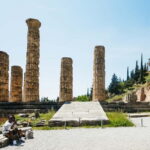
Day 3: Delphi’s Oracle World (Apollo, Iniochos, and Prophecy)
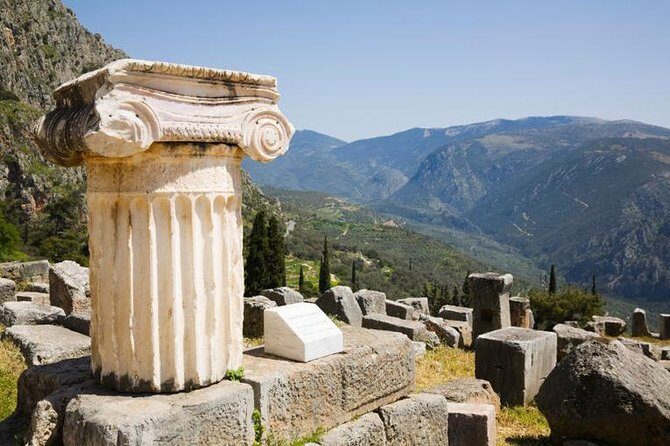
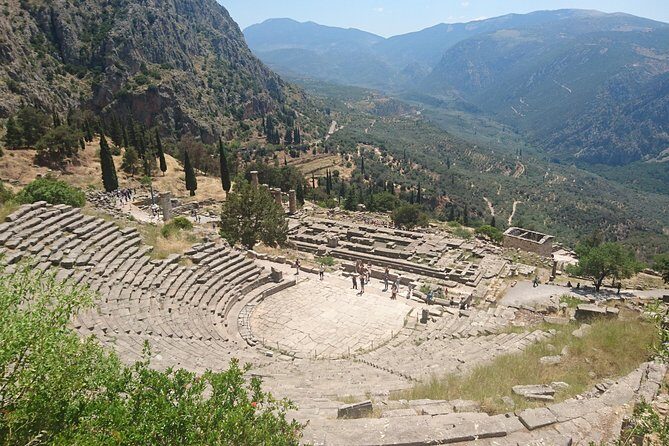
Day 3 is the big prophecy day. You begin at the Temple of Apollo at Delphi (about 1 hour 30 minutes, admission included). Delphi always feels like a paradox: steep mountain setting, serious spiritual aura, and a site that still gets into your head even after you’ve left.
Next, you visit the Delphi Archaeological Museum for about an hour, admission included. The museum focus is strong, especially with objects like the bronze statue of Iniochos and the dancers. This is the kind of collection that makes the site’s message more tangible: you’re not just reading about prophecy—you’re seeing the artistic world that surrounded it.
A shorter stop follows at the Tholos of Athena Pronaia (about 30 minutes, free). It’s not the longest chunk of the day, but it rounds out the Delphi story with a different kind of architecture and a sense of how the sacred space was organized.
Lunch is on your own expense again. Dinner returns to the hotel.
Practical tip for Delphi
Delphi is famous for views, but views also take time and time is managed tightly. Wear good walking shoes and expect some hills and uneven footing.
Day 4: Meteora Monasteries Above Kalambaka, Then Thermopylae
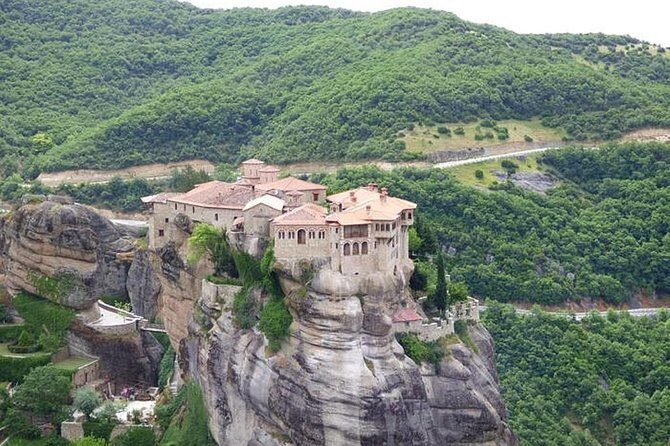
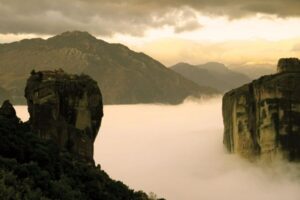
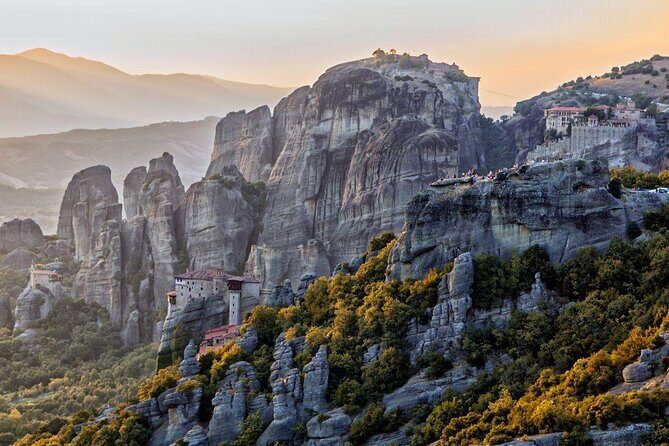
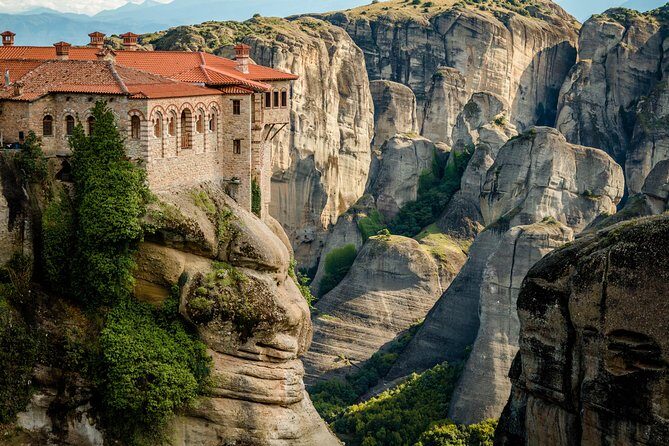
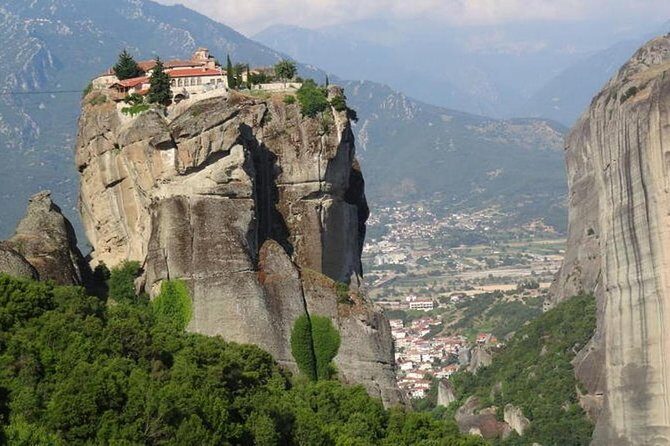
Day 4 starts with Meteora, specifically the Kalambaka area and the monasteries. The tour includes admission tickets for two Meteora monasteries, with about 1 hour at the stop. Meteora is the kind of place where your camera gets jealous. Even in a short visit, you’ll see why these monasteries are a long-term magnet for pilgrims and travelers: they’re dramatic, and they still work as real places of worship.
After Meteora, you head back toward Athens with a stop at the Leonidas Monument in Thermopylae. It’s brief—about 15 minutes—and it’s designed as a historical stamp: Spartan resistance against the Persians, shown in stone and memory.
Your drop-off returns you to the same place as pickup in Athens, around 19:00 (traffic can shift this).
Hotels and Meals: Where the Value Works—and Where It Can Feel Risky
This package includes accommodation each night (for your room type) and provides breakfast for three mornings and dinner for three nights. Many departures use the Amalia Hotels group, and the meals are typically buffet-style at the hotel.
Here’s the balanced take: buffet dinners can be a good deal on a tour like this because they remove the guesswork after long days. You can usually find familiar Greek staples without spending time searching for a restaurant that works with the schedule.
The caution is the hotel rating. You choose between tourist-class and 4-star options, but real-world expectations vary by property and by how a hotel labels itself. Some experiences describe rooms that felt more basic than a North American idea of 4-star. If hotel comfort is your top priority, double-check the hotel name and category details tied to your booking before you pay up.
Also plan for the environmental fee: 10€ per room per night, paid at hotel reception. That’s not a huge amount, but it’s a cost you should not forget.
Pacing, Transportation, and What You’ll Feel in Your Body
This is a moderate-fitness tour. That mostly means you should expect steady walking, uneven stone, steps, and time outdoors. The itinerary is built with guided tours and included tickets, so you’re not wandering off alone—but you are doing plenty of footwork.
The upside of the pacing is that you’re not stuck in one long site for hours. The route is designed to give you context in the morning, a museum or architectural pause, then a more scenic stop later (like the Corinth Canal).
The downside is fatigue. Long driving stretches can make the middle days feel like “sit, see, exit, walk, repeat.” If you know you get carsick or cranky from constant movement, pack accordingly and bring your patience.
Dress Code and Simple Rule That Saves Your Day
This is worth taking seriously: there’s a dress code for places of worship and selected museums. No shorts or sleeveless tops. Knees and shoulders must be covered for both men and women. If you don’t comply, you can risk being refused entry.
Also remember that sun and heat can change how long you feel comfortable outside. Wear a hat, bring water, and use layers if mornings start cool and afternoons heat up.
Best Fit: Who Should Book This 4-Day Classical Greece Tour?
This tour is ideal if you:
- love mythology and want it explained in plain language while you stand in the relevant sites
- want UNESCO highlights without planning a multi-day road trip
- like having breakfast/dinner handled so your day stays predictable
- appreciate a guide who keeps the story moving so you don’t get lost in details
It may not be your best match if you:
- want luxury hotels and newer, polished rooms as a priority
- hate the idea of long driving days and tightly managed time
- prefer truly long free time at each stop instead of guided rotation
Should You Book It?
I think you should book this if your goal is a high-impact overview of Classical Greece with the hard parts handled—transport, guided visits, included entry tickets, and lodging. It’s a smart way to see the big names (Epidaurus, Mycenae, Olympia, Delphi, Meteora) without turning your trip into a spreadsheet.
I’d book with a little caution if you’re paying specifically for a higher hotel category and you’re picky about room comfort and dinner quality. In that case, treat hotel expectations as “good and functional” rather than “wow-luxury,” and budget a bit for lunch since it’s on you each day.
If you’re excited to learn as you go and you don’t mind a fast pace, this is one of the most efficient ways to hit the mainland’s famous ancient stops.
FAQ
What’s included in the tour price?
The tour includes a professional guide, air-conditioned vehicle, accommodation for the booked room type, hotel pickup and drop-off (selected hotels only), entrance tickets for Mycenae, Epidaurus, Olympia, Delphi, and two Meteora monasteries, plus breakfast (3) and dinner (3). Lunch is not included.
Is lunch included?
No. Lunch is at your own expense on the days described, during scheduled breaks.
Do I need to pay extra fees at the hotel?
Yes. There is an environmental fee of 10€ per room per night, paid at hotel reception.
How does hotel pickup work?
Pickup starts about 07:30 to 08:15 (depending on your selected hotel). The tour departs at 08:30 from the departure point, and you return to the same meeting point on Day 4 (around 19:00, traffic dependent).
What are the main sites and UNESCO areas visited?
You’ll visit the Ancient Theatre of Epidaurus, Mycenae, Olympia, Delphi, and Meteora (two monasteries are included), plus stops like the Corinth Canal and Leonidas Monument in Thermopylae.
Are entrance tickets handled for you?
Yes. Your guide provides the entrance tickets for the listed sites and museums.
What dress code do I need for museums and worship sites?
You must cover your knees and shoulders. Shorts and sleeveless tops are not allowed, and entry refusal is possible if you don’t follow the rules.
Is the tour always in English?
It’s offered in English. French speaking is available only on Mondays. In winter season, tours run English only.
If you tell me your travel month and whether you’re choosing tourist-class or 4-star hotels, I can help you set realistic expectations for pace, heat, and room comfort.