REVIEW · ATHENS
4-Day Greece Highlights Tour: Epidaurus, Mycenae, Olympia, Delphi and Meteora
Book on Viator →Operated by Keytours - Greece · Bookable on Viator
Four days can feel like sprinting, but this route is built like a story. You’ll move from UNESCO ruins to the sky-high monasteries of Meteora, with guides turning the myths and history into something you can picture fast. My favorite part is the “see it, then understand it” pace, especially at places like Epidaurus where acoustics make the site feel alive; second is the sheer concentration of classic sites without needing to plan anything. One thing to consider: you will do real walking and plenty of stairs, and Meteora has a strict dress code.
The price sits in the midrange for a guided Greece highlights trip, and you’re not just paying for transport. Entrance fees and most time on-site with a licensed guide are included, plus you get half-board (3 breakfasts and 3 dinners) in your chosen 3- or 4-star hotel category. Pickup can also make mornings easier since the meeting point is fixed (Athanasiou Diakou 26) and pickup depends on your hotel.
On paper, this is 4 days (about) from Athens and back, with a max group size of 42. In practice, it’s a bus-focused itinerary where comfort matters, and the driver and guide teamwork matters even more than you’d think—several guides you might meet (Marianna, Christina, Sofia, Angel, Dorcia, Evan, Anna) are praised for keeping the day smooth and the explanations clear.
In This Review
- Key highlights worth knowing before you go
- The route: why this works for first-timers (and myth lovers)
- Price and logistics: what you’re really paying for
- Day 1: Corinth Canal quick look, Epidaurus acoustics, Mycenae tomb, then Olympia
- Day 2: Olympia temples, Rion–Antirion bridge crossing, then Delphi road via Arachova
- Day 3: Delphi in the morning, Temple of Apollo, then museum time to Kalambaka
- Day 4: Meteora monasteries up on the rocks, then Thermopylae and Athens
- Hotels and meals: half-board comfort, and where quality can vary
- What to pack for Greece in 4 days: shoes, layers, and the monastery dress code
- Should you book? The best match for your travel style
Key highlights worth knowing before you go
- UNESCO hit list in four days: Delphi, Ancient Olympia, Mycenae, plus Meteora as a UNESCO site.
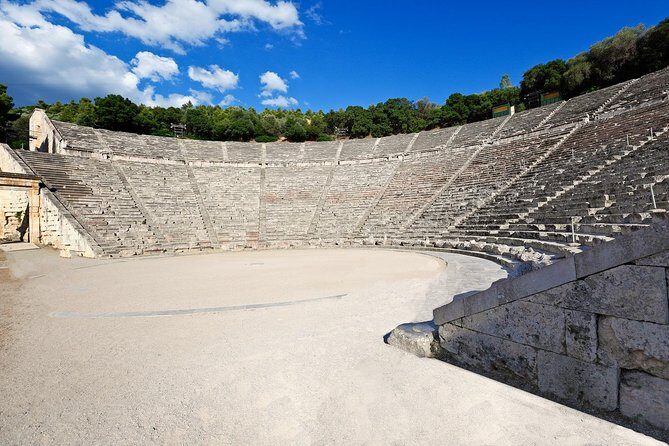
- Epidaurus Theater is a top “wow” moment: known for outstanding acoustics, not just pretty ruins.
- Mycenae plus the Tomb of Agamemnon: a guided stop that connects the myths to the stones.
- Olympia stays practical: Temple of Zeus, Temple of Hera, the altar of the Olympic flame, stadium, and a museum.
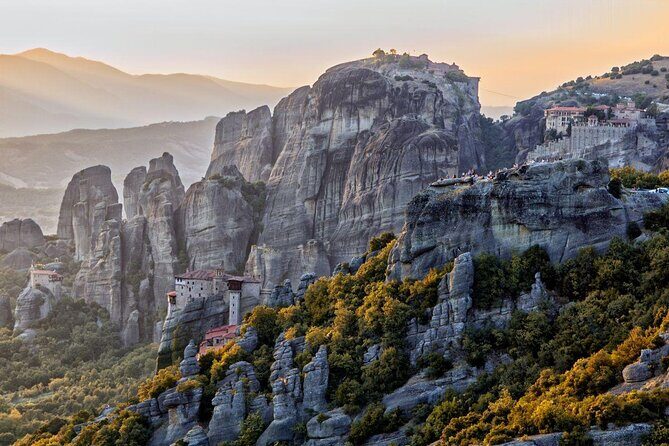
- Meteora photos are the point: 20+ rock monasteries in a dramatic setting and free time that helps you catch the light.
- Half-board hotel value: breakfasts and dinners are included, with 3- or 4-star hotel choices.
The route: why this works for first-timers (and myth lovers)
This tour is designed for people who want the “big names” of ancient Greece—fast. You’ll cover Athens-area orientation, then push into the Peloponnese for Epidaurus and Mycenae, continue to Olympia, then swing northwest through the Rion–Antirion crossing toward Delphi and Arachova, and finally finish with Meteora and a stop at Thermopylae.
What I like about this format is that it reduces decision fatigue. You don’t have to research timing, entrance logistics, or how long to spend at each place. The guide clues you in on myth and history as you go, so the ruins don’t feel like random rocks. And because the itinerary uses a steady “arrive → guided site time → hotel base” rhythm, you get more meaning per hour than you would if you pieced it together alone.
The flip side: it’s still four days of movement. You’ll spend time on an air-conditioned luxury bus, and you’ll be walking even when the sites are “only” an hour or a bit longer. If you hate stairs, plan carefully for the monasteries day and bring footwear that can handle uneven ground.
Also, this tour is booked well in advance on average, which usually means it’s popular for a reason: it offers a lot of famous sites without demanding you be an itinerary planner.
A few more Athens tours and experiences worth a look

Price and logistics: what you’re really paying for
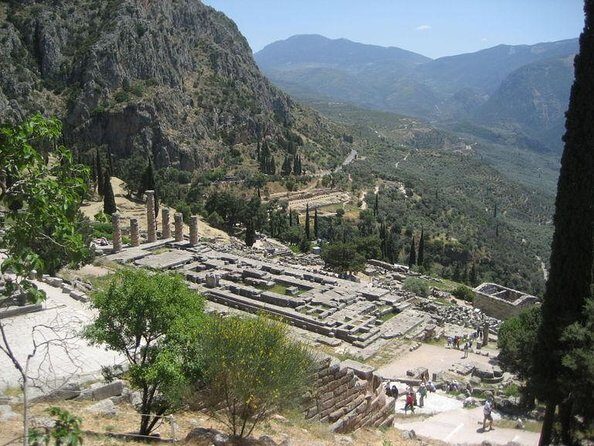
At $760.28 per person (about 4 days), you’re not just buying transport. Entrance fees are included for the main archaeological sites, and you get a professional licensed guide throughout the visits. You also get breakfast and dinner included for three nights.
A big value detail is what isn’t included: lunch and drinks. That’s normal for this kind of itinerary, but it changes your day-to-day spending. Bring a plan for lunch stops (or budget for them) so you’re not surprised mid-trip.
One more cost you should expect: hotel accommodation tax. It’s paid directly at the hotel—€10 per room per night for 4-star, and €5 for 3-star. If you care about budgeting, this is one of the few “gotchas” that can be accurately predicted from your hotel tier.
Finally, the tour caps at 42 travelers. That’s helpful, but keep in mind the bus can be fuller depending on how group schedules overlap on later days. The practical takeaway: you’ll want to be comfortable standing in a crowded bus aisle and be ready to move efficiently at each stop.
Day 1: Corinth Canal quick look, Epidaurus acoustics, Mycenae tomb, then Olympia
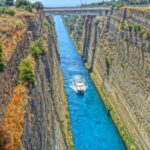
Day 1 is all about setting the ancient Greece mood early. You start with a short stop at the Corinth Canal—just 15 minutes—enough time to see the canal and, yes, there are typical roadside facilities like toilets and small shopping options.
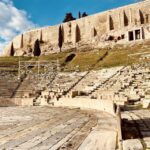
Next comes Epidaurus, where the ancient theater visit is about an hour and guided. This site gets remembered for acoustics, not for being huge. I think that matters: even if you’re not a classical-studies person, you can feel the design working. You’ll get that sense of “this was built for performance” as much as “this was built for tourists.”
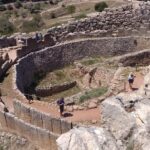
Then you head to Mycenae for about 1 hour 20 minutes, including the Tomb of Agamemnon. If you like mythology, this is one of the stops that can feel like the stories have weight—because you’re not just hearing names, you’re looking at a place tied to them.
You’ll roll on to Olympia in the afternoon, which keeps the itinerary from dragging. Still, day 1 is early-to-late energy. Wear shoes you trust, because you’ll be moving between sites and through museum or archaeological areas with uneven surfaces.
Your night base: Olympia.
Day 2: Olympia temples, Rion–Antirion bridge crossing, then Delphi road via Arachova
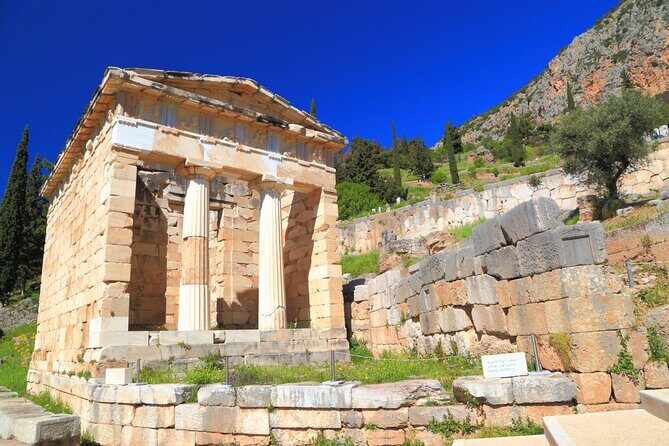
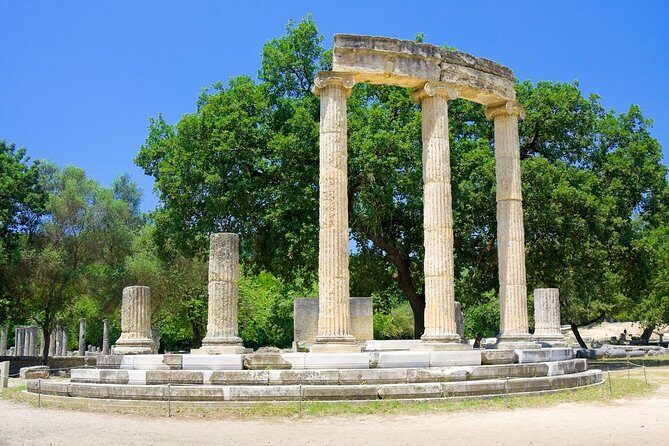
Olympia is one of the best “full-site” stops on this tour. You’ll spend about 2 hours 30 minutes at the Olympia archaeological site, covering the Temple of Zeus, Temple of Hera, the altar of the Olympic flame, the stadium, and also the archaeological museum.
This is the day where the tour feels like more than a checklist. Olympia has structure: temples, stadium spaces, and exhibits that help you anchor what you’re seeing. If you like context, this museum time helps connect the outdoor ruins to objects you can handle in your imagination.
After Olympia, you’ll drive via Patras for a short stop, then cross the Corinthian Bay by the Rion–Antirion bridge (and continue on to Antirion). The crossing is brief but memorable because it’s a modern infrastructure moment right after ancient sites—good for a quick mental reset.
From there you’ll continue along the coastal road and arrive in Delphi, historically described as the navel of the world. In the afternoon, the itinerary adds Arachova, including time in the picturesque mountain village. This is a smart balance: even though you’re still in “site mode,” you also get a chance to stand somewhere that feels like everyday Greece rather than only archaeology.
You don’t stay in Delphi proper tonight. You’ll head onward to Kalambaka to sleep near Meteora.
Day 3: Delphi in the morning, Temple of Apollo, then museum time to Kalambaka
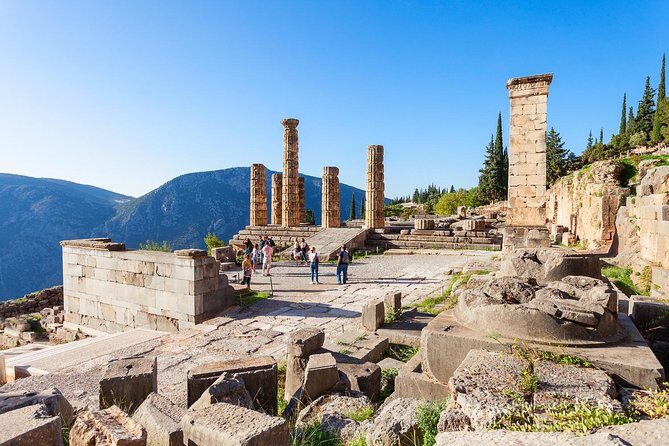
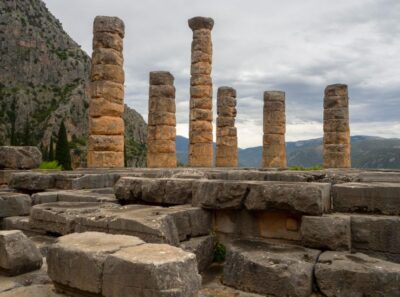
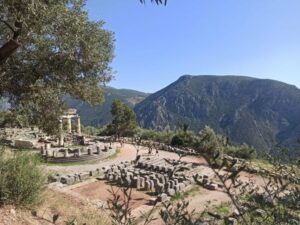
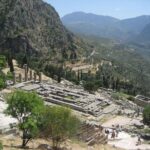
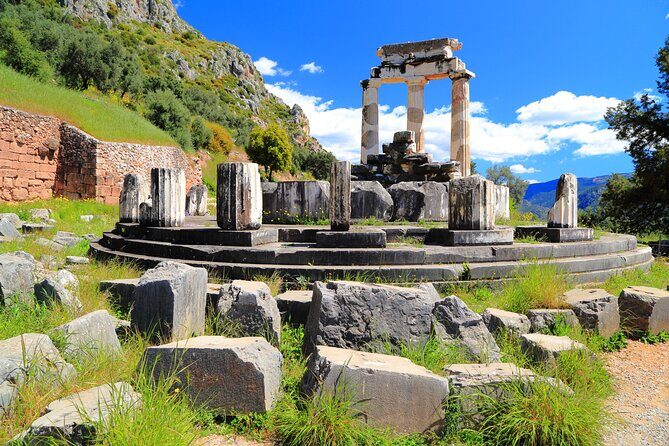
Day 3 starts early with Delphi. You’ll visit the archaeological site for about 3 hours, and the included stop features the Temple of Apollo. Delphi is one of those places where the timing really matters. Going earlier helps you stay focused and reduces the sense of being rushed through a huge complex.
After the site visit, you’ll head inside the Delphi Archaeological Museum for about 1 hour. This is where you can see artifacts and relics dating back to the 15th century BC, which gives you something tangible to connect to what you saw outside.
Then the tour moves to Kalambaka, stopping briefly by Lamia. Kalambaka is the launchpad for Meteora, and spending the night here keeps Day 4 from feeling impossible. If you’ve ever tried to do Meteora as a day trip, you’ll appreciate not trying to squeeze it into a single exhausting day.
Your night base: Kalambaka.
- All Day Cruise -3 Islands to Agistri,Moni, Aegina with lunch and drinks included
★ 5.0 · 4,958 reviews
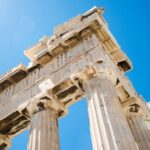
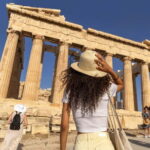

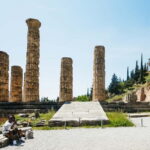

Day 4: Meteora monasteries up on the rocks, then Thermopylae and Athens
Meteora is the signature end of this tour. You’ll leave in the morning and visit the Byzantine monasteries—UNESCO-listed—and the time on-site is about 2 hours 30 minutes. There are more than 20 rock monasteries in the area, and even with a limited schedule you’ll feel why this place is so famous for both faith and scenery.
Here’s the practical part that can make or break your experience: the monasteries require appropriate clothing. Ladies should not wear short skirts and should have long sleeves. Men are not allowed to wear shorts. In practice, some sites can provide skirt coverings for ladies, which makes it easier if you show up with the wrong outfit.
Stairs are also unavoidable. Meteora isn’t a smooth stroll. If you want the photos and your knees to survive, go slow, take breaks, and wear sturdy shoes.
After Meteora, you head back toward Athens. There’s a short stop at the Leonidas Monument at Thermopylae, then you return to Athens late afternoon. It’s a nice “end cap” because it connects the tour’s ancient theme to another famous Greek battlefield location—still short, still guided by context, not a full stopover.
Hotels and meals: half-board comfort, and where quality can vary
The tour includes hotel accommodation in your choice of 3- or 4-star category, on a half-board basis. That means breakfast (3) and dinner (3) are included. Lunch is not included, so your midday plan is either a stop you like or a quick buy-and-go style.
From real-world feedback on this type of itinerary, hotel standards can vary even within the same category. Some nights are described as excellent, and others feel more dated. The most consistent advice I can give: don’t assume every hotel will match the best one on the route. If hotel comfort is your highest priority, consider the higher-star option when choosing.
Food is generally described as buffet-style at breakfast and dinner, with enough variety to keep you satisfied. Still, if you have dietary needs or hate repetitive buffets, it’s worth knowing that you’ll be eating group-style meals rather than picking from multiple à la carte options.
One more practical detail: there can be restaurant and pool timing quirks depending on the hotel. If you’re traveling with kids or you’re hoping for a swim after a long day, don’t count on it as part of your schedule. Plan on the sites first, comfort second.
The good news: the tour doesn’t end at “just a hotel.” The meals you get are positioned to keep you fueled for the next day’s sites, so you’re not constantly hunting for dinner after long drives.
What to pack for Greece in 4 days: shoes, layers, and the monastery dress code
This is one of those tours where packing correctly makes the trip feel easy. Packing badly makes it feel like a fight.
I’d prioritize:
- Sturdy walking shoes with grip. Steps and uneven surfaces show up at multiple sites, and Meteora is the main reason your shoes should be more than “nice sneakers.”
- Layers. You’ll be outside for long stretches and bus time can swing cooler or warmer depending on the day.
- Monastery clothing ready on Day 4: long sleeves for ladies, no shorts for men, and long-skirt coverage for ladies. If you forget, you might still be able to manage with coverings, but you’ll waste time.
- A small bag you can keep with you at each stop. This tour moves quickly between points, and you don’t want to be digging through your suitcase mid-day.
If you’re traveling with mobility concerns, this is also where you need to think. The itinerary is packed with historic sites and museums, and the “short stop” label doesn’t mean no walking. I’d consider this tour best for people who can handle uneven paths and a steady pace.
Should you book? The best match for your travel style
Book this tour if you want:
- Big-name ancient sites in a short, guided format
- A route that helps you connect myth and history while you’re still looking at the stones
- Hotel + meals support so you’re not piecing together everything yourself
- A finishing day at Meteora where the scenery does most of the work
I’d think twice if:
- You hate stairs and uneven ground (especially Meteora)
- You want lots of free time in each location
- You’re extremely sensitive to hotel condition differences between nights
One last way to decide: compare your alternatives. If you stayed in Athens and did only day trips, you’d spend far more time on the road and do less guided time per site. This tour’s real advantage is efficiency—built around UNESCO priorities, supported by entrance fees and a licensed guide, with half-board to keep costs steadier.
If your idea of a great trip is “see, learn, walk, photograph, repeat,” this is a strong pick for a first big Greece sweep.