REVIEW · ATHENS
Argolis Olympia Delphi & Meteora 4-Day Tour
Book on Viator →Operated by H.P.Tours - Hellenic Private Tours · Bookable on Viator
Meteora views make the long drive worth it. This Argolis–Olympia–Delphi–Meteora circuit strings together some of Greece’s biggest names, with private door-to-door pickup and a pace you can actually handle. I like the mix of major ruins and smart stops that break up the hours of driving.
I especially like the private setup (just your group, with a comfortable air-conditioned van and WiFi onboard) and the way the itinerary builds in time for breathing room, like a lunch break in Tolon and a Delphi overnight so you’re not rushing. One drawback to weigh: meals and hotel costs aren’t included, and entrance fees add up, so budget for the on-site tickets and food.
Key Points at a Glance
- Private, up-to-2-group touring with airport or Piraeus port pickup and drop-off included
- A smooth, driver-led day structure plus optional licensed guides at each stop
- Major ancient sites, logically sequenced from Corinth and Epidaurus to Mycenae, Olympia, Delphi, and Meteora
- Comfort built in: bottled water, WiFi on board, and a/c vehicle on long transfer days
- Practical photo and viewpoint moments such as Meteora sunset time planning (weather-dependent)
In This Review
- A Private Athens-to-Meteora Route That Actually Feels Manageable
- Price and Value: What You’re Really Buying
- Day 1: Corinth Canal to Epidaurus, Then Tolon, Nafplion, Mycenae, and Olympia
- Corinth Canal: A Small Space With Big Geography
- Ancient Corinth: Apollo, the Bema, and the Paul Story
- Archaeological Museum of Corinth: When You Want Details
- Epidaurus Theatre: Performers Would Still Be Impressed
- Tolon and Nafplion: Lunch Views and a Real Break
- Mycenae: Cyclopean Walls and the Story of Agamemnon
- Olympia: Sleep in Olympic Country
- Day 2: Olympia Temples, the Rio-Antirrio Bridge, and Night Two in Delphi
- Olympia Archaeological Site: Zeus, Hera, and the Stadium
- Olympia Museum: Sculpture and Bronze Finds
- En Route to Delphi: The Rio-Antirrio Bridge and Coastal Stops
- Day 3: Delphi’s Oracle Zone, the Museum, Arachova, and the Road to Meteora
- Castalia Spring and the Core Delphi Monuments
- Delphi Archaeological Museum: What Oracle Tourism Looks Like in Objects
- Arachova: Mountain Town Atmosphere Near Delphi
- Kalambaka and the Meteora Sunset Setup
- Day 4: Meteora Monasteries (Three of Six) and Then Thermopylae’s Hot Gates Area
- Meteora Monasteries: Three Visits, UNESCO Setting
- Thermopylae Museum: The 300 Spartans Connection
- How the Drivers and Optional Guides Shape the Experience
- Meals, Hotels, and Tickets: The Bits That Can Surprise You
- Who This Tour Fits Best (and Who Might Want Something Different)
- Should You Book Argolis, Olympia, Delphi & Meteora?
- FAQ
- FAQ
- Is this tour private or shared?
- What language is the tour in?
- Are entrance fees included?
- Are meals included in the price?
- Where do you stay overnight?
- Can I cancel for a full refund?
A Private Athens-to-Meteora Route That Actually Feels Manageable
This tour is built for people who want the classics—Corinth, Epidaurus, Mycenae, Olympia, Delphi, Meteora—but don’t want the stress of piecing everything together. The structure is straightforward: day-by-day big sites, plus smart “in-between” stops that keep the scenery changing.
What makes it interesting is how the itinerary connects themes. You move from sea and trade (Corinth Canal) to healing and performance (Epidaurus), then to power and kingship (Mycenae). After that, the route goes straight into sacred Greece—Olympia’s sanctuary and Delphi’s oracle—before ending in Orthodox mountain monasteries at Meteora.
Price and Value: What You’re Really Buying
The listed price is $3,329.71 per group (up to 2) for a 4-day private tour based in Athens. That sounds “high” at first glance, but it’s paying for the big-ticket part: private transportation (including Athens hotel/Piraeus port pickup and drop-off) plus professional drivers and a/c comfort.
Here’s the money reality check:
- Included: bottled water, WiFi onboard, air-conditioned vehicle, and private transportation with pickup/drop-off
- Not included: all meals, hotel accommodation, and entrance fees (listed as €116 per person)
- Optional: four local licensed tour guides upon request (additional cost listed as 1100 Euros)
If you compare this to doing everything yourself, the value often comes down to time and coordination. Driving from place to place across Greece’s mainland is the easy part; lining up timing, tickets, and site navigation without losing a day is the hard part. This tour hands you the route and the vehicle.
A few more Athens tours and experiences worth a look
Day 1: Corinth Canal to Epidaurus, Then Tolon, Nafplion, Mycenae, and Olympia
Day 1 is a strong opener: it starts with a quick, striking geography lesson, then moves into ancient Corinth, healing theater culture, and finally lands you for the night in Olympia.
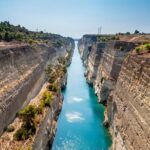
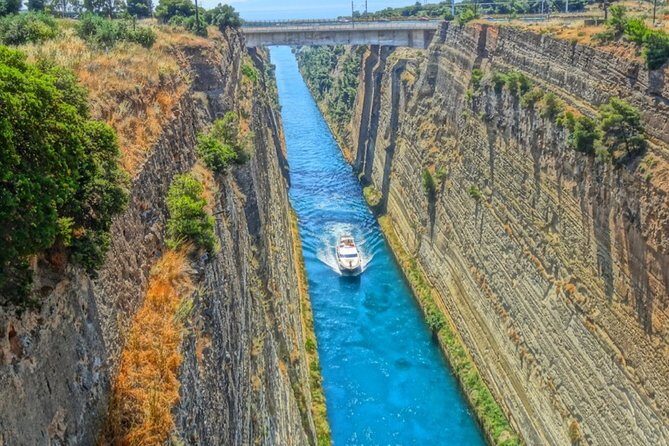
Corinth Canal: A Small Space With Big Geography
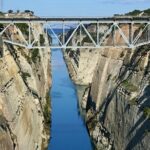
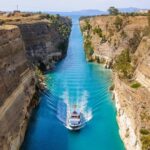
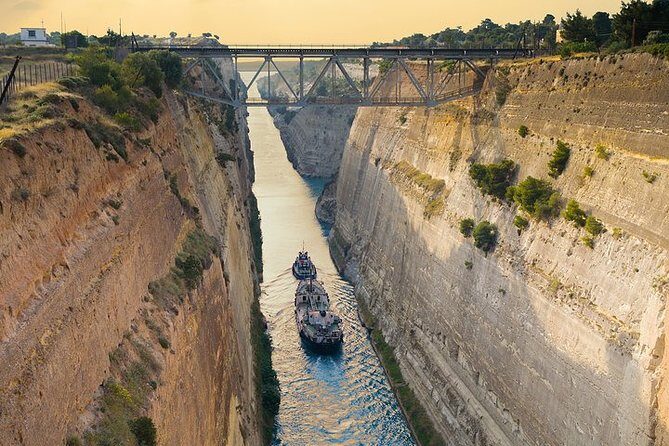
The Corinth Canal is only 6.4 km long and cuts through the narrow isthmus separating the Peloponnese from the Greek mainland. It was proposed in classical times, but the modern build started in 1881 and finished in 1893. The canal’s narrow base width and periodic closures for landslides mean it’s mostly a tourist attraction today.
For you, this stop is less about museum-style history and more about understanding the map. When you see this slice in the land, later locations like Nafplion and Olympia feel connected by water and trade routes.
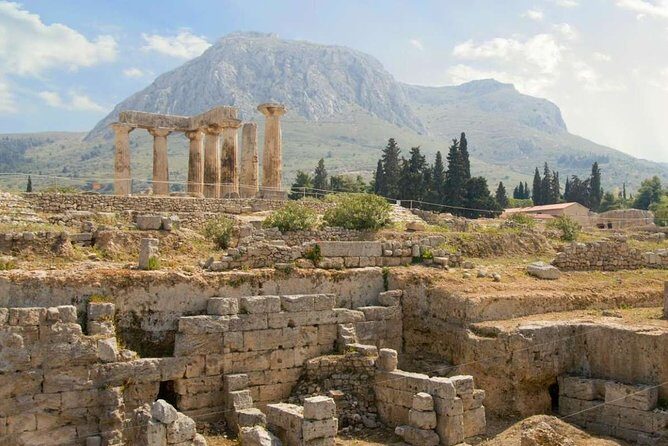
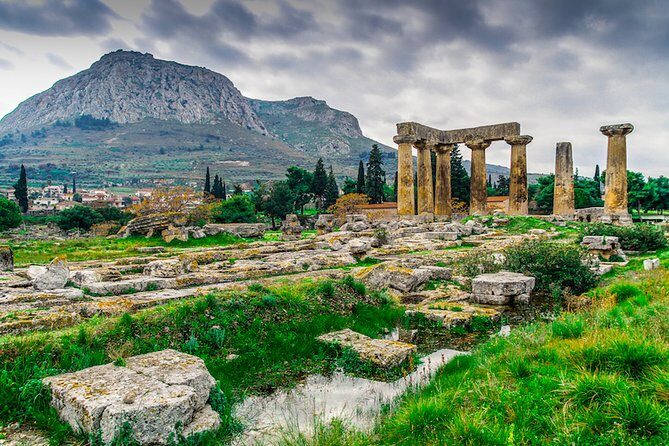
Ancient Corinth: Apollo, the Bema, and the Paul Story
At Ancient Corinth, the highlights are three-fold:
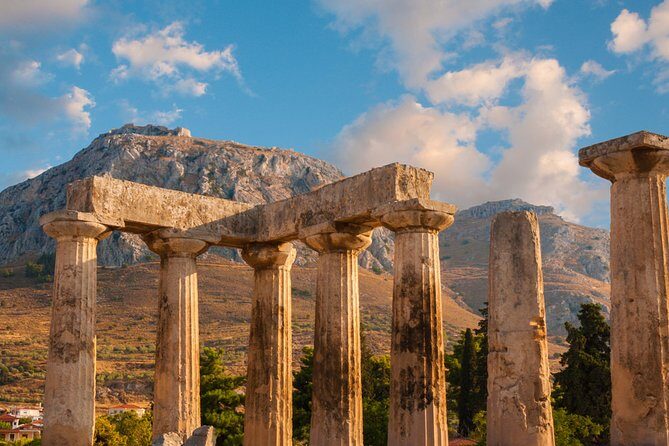
- the Temple of Apollo (built around 560 B.C.E., among the early Doric temples in the region)
- the Bema, linked to Paul’s trial tradition and later transformed into a Christian church in Byzantine times
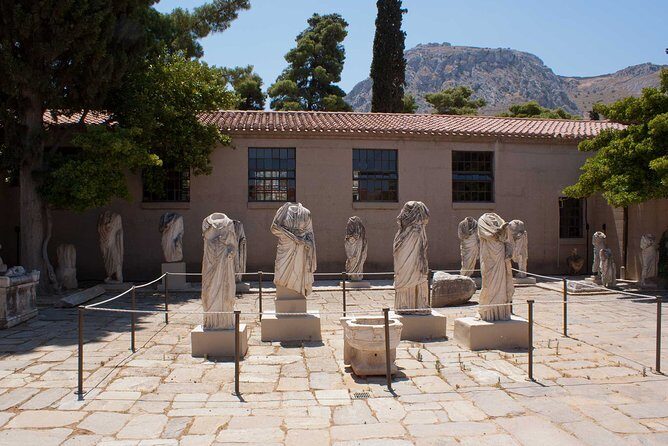
- the Archaeological Museum of Corinth (with material spanning prehistoric through Roman/Byzantine/Frankish periods)
A small caution: the Bema is tied to tradition, not just a simple “this is where X definitely happened” label. That doesn’t make it less valuable—just makes it more meaningful if you treat it as part of how stories attach to stone.
Archaeological Museum of Corinth: When You Want Details
This is one of the best “pause and learn” moments. The museum’s galleries cover prehistoric finds (Korakou Hill and Zygouries area), then Geometric through Hellenistic Corinth (with one classic gallery noted as under reconstruction historically), plus Roman/Byzantine/Frankish material, including inscriptions and items related to the Jewish community.
If you like context, this stop is worth your time. If you prefer only outdoor ruins, you might skim and keep momentum—still, it helps explain what you’re about to see later in Olympia and Delphi.
- All Day Cruise -3 Islands to Agistri,Moni, Aegina with lunch and drinks included
★ 5.0 · 4,958 reviews


Epidaurus Theatre: Performers Would Still Be Impressed
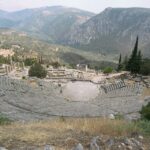
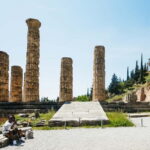
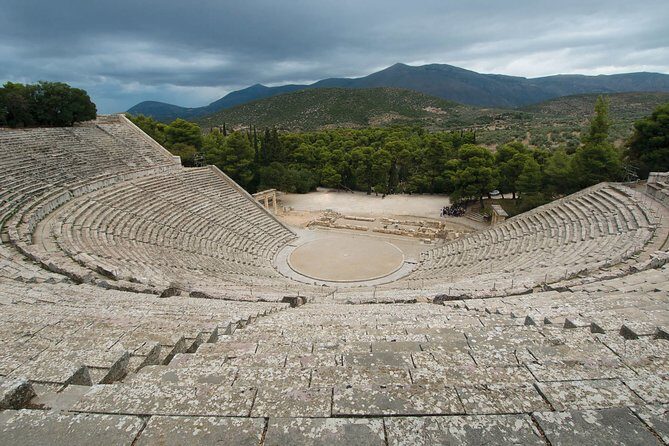
The Ancient Theatre of Epidaurus is famous for its acoustics and for keeping its circular orchestra layout. It belongs to the Sanctuary of Aesculapius, a healing and cultural center in ancient times.
Practical note: plan to walk a bit and expect stairs. Also, the site can feel “spiritual” and quiet even when you’re surrounded by tour groups—so keep your phone ready for photos, but save your energy for the theatre bowl itself.
Tolon and Nafplion: Lunch Views and a Real Break
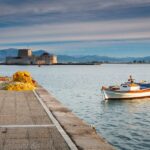
Tolon is a sea town near Nafplion where you’ll have lunch at a traditional family owned restaurant with views of the Saronic Gulf. Nafplion then gives you a different flavor—hillside streets, a seaport history tied to Middle Ages power shifts, and its role as capital during major periods of Greek history.
This is the day where the itinerary stops feeling like “ruins only.” You get sea air, a meal pause, and a change of pace before Mycenae.
Mycenae: Cyclopean Walls and the Story of Agamemnon
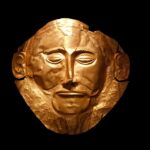
At Mycenae, you’re looking at a Late Bronze Age center of power, with the acropolis protected by the famous Cyclopean walls. The route through the Lion Gates leads you toward the palace area and associated legends (including Agamemnon and Clytemnestra), then you get the Treasury of Atreus (Tomb of Agamemnon).
This stop is ideal if you like monuments that feel like they mean business—walls, gates, and tomb architecture that still look defensive even after thousands of years.
Olympia: Sleep in Olympic Country
Day 1 ends with a drive to Olympia and an overnight at a local hotel. Olympia matters because it sets up the next morning’s sanctuary tour in a way that feels relaxed rather than rushed.
Day 2: Olympia Temples, the Rio-Antirrio Bridge, and Night Two in Delphi
Day 2 is the “big two” day: Olympia first, Delphi second, with scenic coastal stops breaking the drive.
Olympia Archaeological Site: Zeus, Hera, and the Stadium
In the morning at Olympia, the tour includes:
- Temple of Zeus: described as the largest temple in the Peloponnese and a prime Doric example
- Temple of Hera: linked to the Olympic Flame lighting every four years
- Phedias workshop: where the sculptor is associated with a gigantic chryselephantine Zeus statue
- the Ancient Stadium: hosted ancient Olympic Games and the women’s Heraia
If you care about what the Olympics originally meant, this is your day. It’s not just “a sports site.” It’s a whole sacred precinct built for ritual, competition, and myth.
Ticket note: site admission is listed as not included, so plan for entrance costs here.
Olympia Museum: Sculpture and Bronze Finds
The Archaeological Museum of Olympia focuses on the long history of the sanctuary from prehistoric times through the early Christian period. It’s especially noted for sculpture, a major bronze collection, and large terracotta displays.
If your tolerance for indoor museums is moderate, this is one of the better ones to prioritize. It turns the ruins into a story you can see in objects.
En Route to Delphi: The Rio-Antirrio Bridge and Coastal Stops
On the way to Delphi, you pass the Charilaos Trikoupis bridge (Rio–Antirrio), including the detail that it opened in 2004 and was used for transporting the Olympic Flame.
Then the itinerary includes short scenic stops:
- Nafpaktos Old Port for pictures or coffee by the sea
- Galaxidi for its cobblestone lanes and shipbuilding past, plus the local nickname linked to widows
- Itea as a port area tied to bauxite loading in the region
These stops won’t replace a full day at the beach, but they prevent the driving days from turning into one long blur.
Day 3: Delphi’s Oracle Zone, the Museum, Arachova, and the Road to Meteora
Day 3 is built around Delphi, then transitions you toward Meteora with a sunset plan in Kalambaka.
Castalia Spring and the Core Delphi Monuments
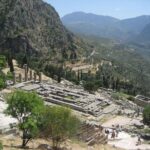
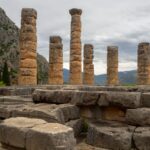
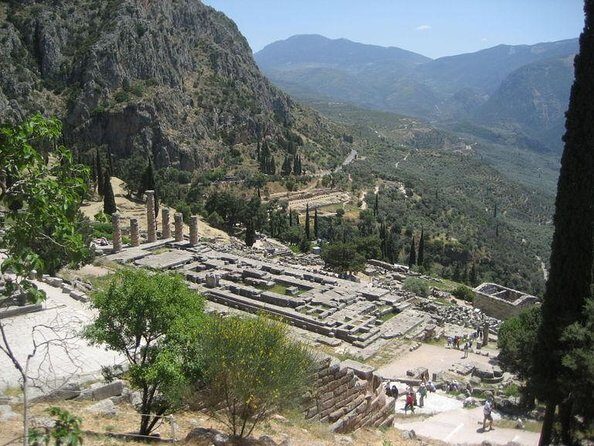
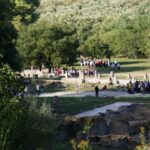
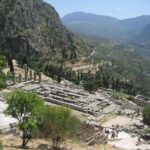
Delphi starts with time at the Castalia spring and the sanctuary zone. You’ll see the Sanctuary of Apollo, the Treasury of the Athenians, the ancient Stadium, the Theatre, the bronze Charioteer, the Temple of Athena Pronea, and the Gymnasium.
This is where Delphi’s story clicks: the oracle wasn’t an isolated gimmick. It was embedded in a site designed for visitors, offerings, and political messaging.
A tip for your planning mindset: pick one or two things to learn deeply instead of trying to memorize everything. The site is big enough that “seeing it all” can turn into “remembering nothing.”
Delphi Archaeological Museum: What Oracle Tourism Looks Like in Objects
The Delphi Archaeological Museum covers the sanctuary’s history and displays architectural sculpture, statues, and smaller donated objects. It’s organized in a two-storey layout with multiple exhibition rooms and conservation labs for pottery and metal objects.
If you’re the kind of person who likes to know what you’re looking at, museum time helps. It explains style changes over centuries and makes the ruins easier to interpret.
Arachova: Mountain Town Atmosphere Near Delphi
Arachova is a short stop about 10 km from Delphi. The point here is less “major archaeology” and more mountain-town character, with the holy grounds of Apollo on the mountain nearby.
Think of this as a reset before the long drive onward.
Kalambaka and the Meteora Sunset Setup
By late day, you arrive in Kalambaka, the base for Meteora’s Orthodox monasteries. Time is built in to watch sunset from the rock of Meteora.
This sunset moment is one of those “weather makes it” situations. If skies cooperate, it’s a payoff. If clouds roll in, you’ll still get the sense that the monasteries are perched in a dramatic landscape.
Day 4: Meteora Monasteries (Three of Six) and Then Thermopylae’s Hot Gates Area
Day 4 is for the iconic ending: Meteora. Then you close with a historical stop connected to Thermopylae.
Meteora Monasteries: Three Visits, UNESCO Setting
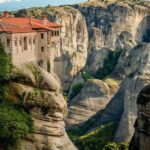
The tour visits three of the six monasteries suspended on natural sandstone pillars. Meteora dates back to the 11th century and is on the UNESCO World Heritage list. The itinerary also notes a James Bond movie filming connection at the Monastery of Holy Trinity.
Ticket note: monastery admission is listed as not included. Plan on stairs and uneven surfaces, because these are working sites on cliffs.
Even without going inside every room for long, the exterior views explain why people photograph Meteora until their phone batteries beg for mercy.
Thermopylae Museum: The 300 Spartans Connection
After Meteora, the tour stops at the Thermopylae Museum area, tied to the battle of 480 BC involving the Greek forces and the Persian invasion, including Leonidas and the famous epitaph referenced in the tour description. There’s also mention of a monument of King Leonidas.
This works well as a closing beat because it returns you to ancient Greek themes: courage, sacrifice, and story.
How the Drivers and Optional Guides Shape the Experience
One of the most practical parts of this tour is how guiding works. You’ll ride with professional drivers who are not licensed to accompany you into the sites. That means the vehicle experience is smooth and safe, but inside monuments and museums, you’ll want either:
- the built-in guidance you get on-site, or
- the optional add-on of four local licensed tour guides (additional cost listed as 1100 Euros)
Several past groups specifically praised hiring those guides. The takeaway for you: if your goal is understanding the why behind the ruins, pay for the licensed guides at least for the most important stops. If you mostly want to see stones and take photos, you can keep it lighter.
Also, the private format means the driver can respond to your pace. In earlier reviews, drivers like Panos, Kyriakos, Tassos, and Jimmy were highlighted for being professional and for making good restaurant suggestions. Some even used short videos during transfers to set context for the next stop—handy when you want a quick storyline without lugging a guidebook.
Meals, Hotels, and Tickets: The Bits That Can Surprise You
Here’s the part you should plan first, so you’re not scrambling mid-trip.
- Meals are not included. You do get a lunch stop in Tolon, but you’ll still want breakfast and dinner budgets on top of the tour price.
- Hotel accommodation is not included, even though the itinerary includes overnight stops at local hotels. Reviews suggest the company helps shape the overnight choices, but you’ll still pay separately for lodging.
- Entrance fees are not included as a lump total listed as €116 per person. Some itinerary stops are marked as free, and some are marked as not included, so it’s smart to treat this €116 as your baseline and keep flexibility.
If you’re trying to do this tour on a strict budget, the entrance total is the biggest variable after meals and hotels.
Who This Tour Fits Best (and Who Might Want Something Different)
This tour is a great fit if you want:
- a private route with minimal coordination headaches
- a sequence that covers the major Greece-hits without you stitching together bus routes
- optional expert guiding for the sites where you’ll actually care about details
It may be less ideal if you:
- hate long driving days (days 1 and 2 involve substantial transfers)
- want meals fully included
- prefer to stay in one city and do everything from there (this is a moving itinerary)
Should You Book Argolis, Olympia, Delphi & Meteora?
If you’re torn, use this simple test: do you want to pay to save time, or do you want to spend time saving money? This tour is squarely in the “pay to reduce stress” camp, and you get that benefit through private transport, pickup/drop-off, and site planning that keeps the trip flowing.
My recommendation: book it if you’re excited by the arc from classical Greece to sanctuary sites to Meteora monasteries, and you’re willing to budget for meals, hotels, and entrance fees. If you want to learn more than just what something is called, strongly consider the optional licensed guide add-on so the ruins don’t stay silent.
FAQ
FAQ
Is this tour private or shared?
This is a private tour, with only your group participating. The price is listed per group up to 2 people.
What language is the tour in?
The tour is offered in English.
Are entrance fees included?
No. Entrance fees are listed separately as €116.00 per person.
Are meals included in the price?
No. All meals are not included. The itinerary includes a lunch at a traditional family-owned restaurant in Tolon, but meals overall are still listed as not included.
Where do you stay overnight?
Hotel accommodation is not included, but the itinerary includes overnight stays at local hotels in Olympia, then Delphi, then Kalambaka.
Can I cancel for a full refund?
Yes. You can cancel up to 6 days in advance for a full refund. For a full refund, you must cancel at least 6 full days before the experience’s start time (local time cutoff applies).