REVIEW · ATHENS
Delphi, Meteora and Thermopylae 2-Day Private Tour from Athens
Book on Viator →Operated by LS Tours · Bookable on Viator
The big draw here is the chance to connect three major Greek sights in two days: Delphi’s oracle, the sky-high monasteries of Meteora, and the battlefield of Thermopylae. You cover a lot of northern Greece, but you do it in a private vehicle rather than on a fixed group bus.
I like the flexible pace and the overnight stop at Meteora, which gives you a far better chance to see the monasteries than a rushed day trip from Athens. I also like the practical help with meals and routing, including Alex’s reported knack for finding good restaurants. The main drawback is the long driving time, and the $549.86 per-person price does not include hotel, meals, or Delphi admission.
In This Review
- Key points to know before booking
- Why this route works from Athens
- Arachova gives you a quick mountain welcome
- Delphi begins at the Tholos of Athena Pronaia
- The Delphi Museum puts the ruins in context
- The Temple of Apollo is Delphi’s central stop
- Delphi lunch and the long run to Meteora
- Meteora is the reason to stay overnight
- Kastraki supplies a welcome lunch break
- Thermopylae adds a short but meaningful final stop
- What the $549.86 price really covers
- Who should choose this private tour
- Should you book the Delphi and Meteora journey?
- FAQ
- Is hotel accommodation included?
- Are Delphi entrance tickets included?
- Does a licensed tour guide accompany the group?
- How many Meteora monasteries can I visit?
- What clothing should I wear at Meteora?
- Can I cancel for a full refund?
Key points to know before booking
- Three major sights in two days: Visit Delphi, Meteora, and Thermopylae without arranging separate transport.
- Private vehicle and flexible timing: Your group travels alone, with pickup and return to the place you choose.
- Up to three Meteora monasteries: You will have about three hours for the monastery visits, stairs, paths, and views.
- Delphi entry costs extra: The archaeological site and museum are not included in the tour price.
- Drivers are not licensed site guides: They can offer English commentary and answer questions, but they do not enter the ruins with you.
- A long first day: Delphi, lunch, and the drive to Meteora make Day 1 active and road-heavy.
Why this route works from Athens
Delphi and Meteora are both rewarding, but they sit far enough from Athens that seeing them together takes careful planning. This tour handles the awkward part: private transportation, road tolls, fuel, pickup, and the return journey are bundled into one two-day plan.
You should know what kind of trip this is. It is not a slow archaeological tour with a specialist guide at every monument. It is a private road trip with time at the major sights and a driver who can explain the places along the way. That difference matters.
The private setup is useful for families, couples, and small groups with different interests. You can spend a little longer at the museum, stop for photos, or adjust the pace without waiting for a large coach. The operator also offers group discounts, though the exact savings are not stated, so ask before booking if you have several people in your party.
The trade-off is mileage. Day 1 includes Delphi and about three more hours on the road to Meteora. Day 2 includes the monasteries, lunch, Thermopylae, and about three hours back toward Athens. You will see a lot, but you should not expect two easy, leisurely days.
You can also read our reviews of more private tours in Athens


Arachova gives you a quick mountain welcome
The first stop is Arachova, a picturesque mountain village about 15 minutes from the main sights at Delphi. You have time for a view and a few photographs, not a full village visit.
That short pause is useful after leaving Athens. It breaks up the drive and gives you a first look at the mountain setting around Delphi. If you enjoy browsing shops or sitting down with coffee, this stop will feel too brief. Think of it as a photo break rather than a proper tour of Arachova.
Because the stop is free and short, it does not add much cost or complexity. Still, keep your expectations in check. The most important sights come next.
Delphi begins at the Tholos of Athena Pronaia
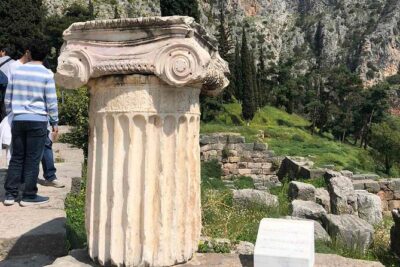
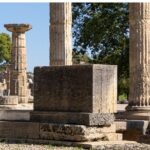
The Tholos is one of Delphi’s most recognizable ancient structures. Its circular form is easy to appreciate, and the setting at the Sanctuary of Athena Pronaia gives you a strong first impression of the site.
You will spend about 30 minutes here. The ruins are located less than a mile east of the main archaeological area, so the tour treats them as a separate stop rather than folding them into the main walk through Delphi.
This is a good example of why a private vehicle helps. You can reach the Tholos without having to arrange another transfer between the two areas. Your driver can explain the basic setting, but remember that drivers do not enter the archaeological sites as official guides.
The admission information for this stop is listed as free, while admission to the main Delphi site and museum is not included. Confirm the current ticket arrangements before you go, since archaeological-site rules and combined tickets can change.
The Delphi Museum puts the ruins in context
Allow about one hour for the Delphi Archaeological Museum. This is not a filler stop. It holds some of the most important finds from the sanctuary, including the Charioteer of Delphi, the Sphinx of Naxos, and architectural pieces from the Siphnian Treasury.
The museum is arranged across 14 rooms on two levels. That layout makes one hour enough for a focused visit, but not enough for a slow look at every object. I would keep moving through the galleries while giving extra time to the major sculptures and architectural fragments.
The museum matters because Delphi’s ruins are scattered and incomplete. Inside, you see the statues and decorative pieces that help you picture the sanctuary as a working religious center rather than a collection of broken stones.
Your driver will not enter with you, and a licensed guide is not included. If you want detailed explanations inside the museum, you would need to arrange a guide separately. For many people, the one-hour visit works well as part of a broader trip, especially if the main goal is to see both Delphi and Meteora.
The Temple of Apollo is Delphi’s central stop
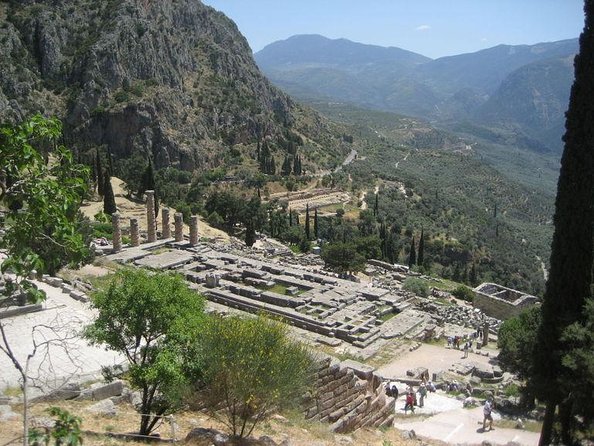
Give the Temple of Apollo about an hour. The sanctuary was the home of the Pythia, the oracle consulted on important decisions across the ancient Greek world. The partially restored colonnade you see today belongs to the fourth-century BC temple, the third temple built on this site.
The setting does much of the work. Delphi’s religious importance came from its position in the mountains, and the ruins make more sense when you pause to look beyond the stones and imagine the processions, offerings, and visitors who once came to consult the oracle.
You will walk through an archaeological site, so comfortable footwear is sensible. The tour data does not specify the exact walking conditions or accessibility arrangements, so anyone with mobility concerns should ask the operator before booking.
The Temple of Apollo and the museum both require admission fees not covered by the tour price. That is an important part of the budget. The driver can answer questions and provide commentary in fluent English, but he or she will not escort you through the site as a licensed guide.
A few more Athens tours and experiences worth a look



Delphi lunch and the long run to Meteora
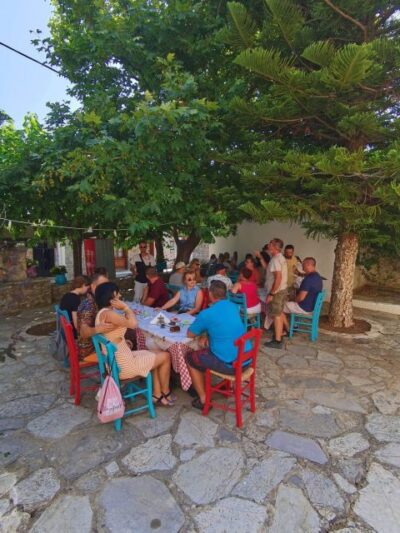
After Delphi, you get about two hours for lunch, shopping, and free time in the village. Lunch is at your own expense, but the plan points you toward a traditional Greek tavern rather than treating the meal as an afterthought.
This break helps after the museum and ruins. You can eat at your own pace, pick up something from the village, or simply rest before the road to Meteora. The private format also means your group has more say in how that time is used.
The drive to Meteora takes about three hours, and arrival is planned for late afternoon. Your driver drops you at your hotel and returns the next morning. Accommodation is not included, although the operator can reserve a hotel on request.
That arrangement is practical, but it also creates a booking task for you. Confirm the hotel location, room cost, and pickup details before departure. You should also expect the first day to end with little sightseeing after reaching Meteora.
Meteora is the reason to stay overnight
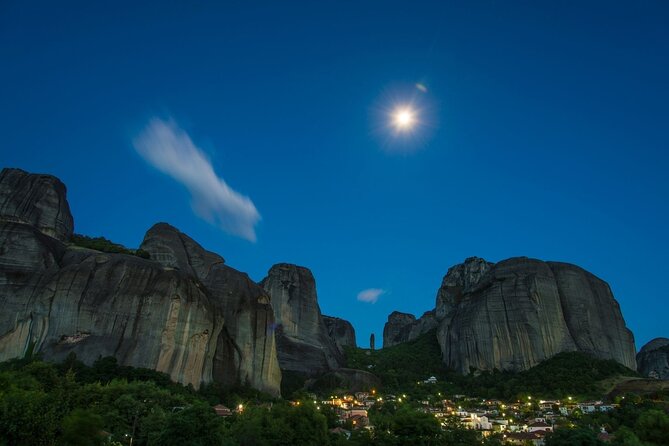
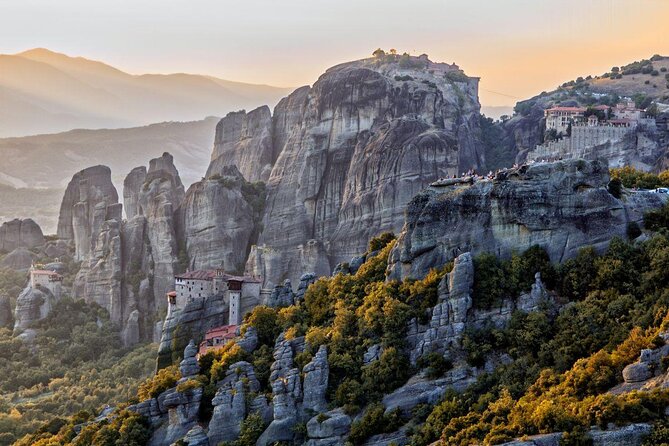
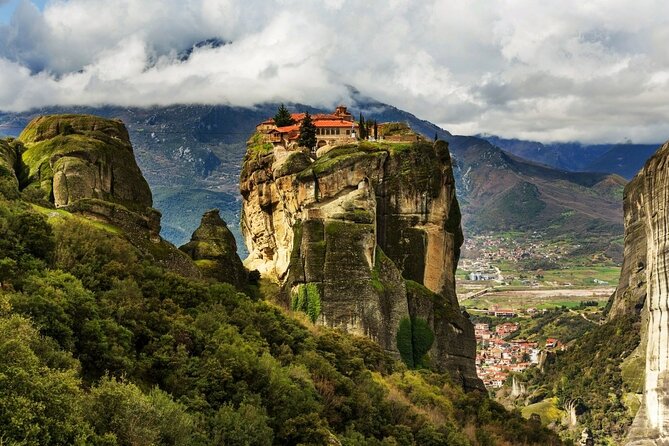
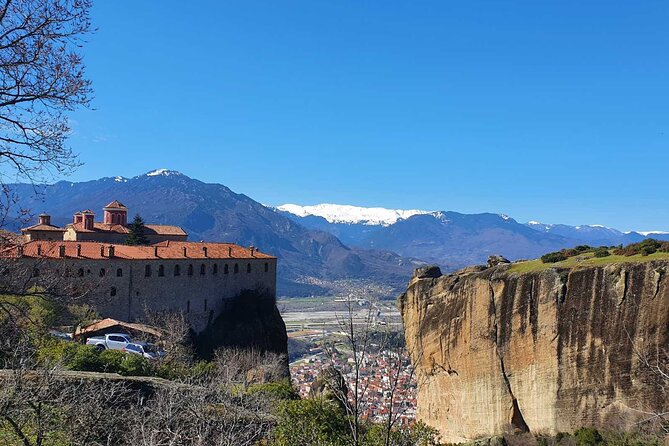
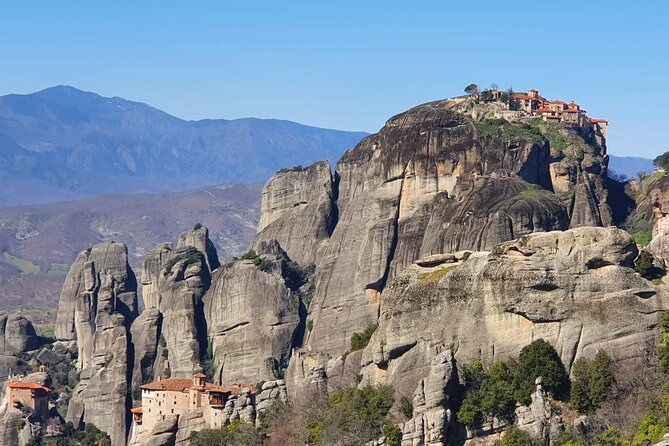
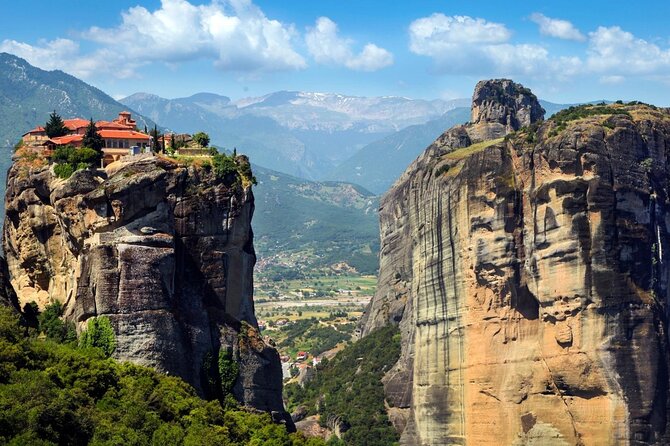
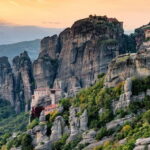
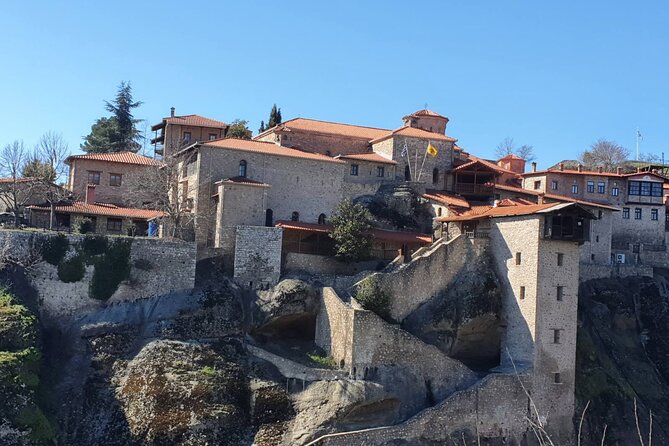
Meteora is the visual high point of the trip. The monasteries sit on tall rock formations and are reached by staircases and paths cut into the stone. At their peak in the 16th century, 24 monasteries operated here. Six still function today, while others are in ruins.
The second morning allows about three hours for visits to two or three monasteries. That is a useful amount of time, but it is not a guarantee that every monastery will be open. One account describes seeing all of the monasteries that were open on the day, with two closed.
Opening days and hours can affect your visit, so ask for the exact planned monasteries in advance. The private vehicle gives you flexibility, but it cannot override closures or religious schedules.
You also need to dress properly. Women are advised to wear long skirts and long sleeves, and a skirt may be provided at the entrance if needed. Modest clothing is required for the monasteries, so it is better to arrive prepared rather than rely on what may be available.
The stairs and paths are part of the experience, but they can make the visits demanding. The supplied information says most people can participate, yet it does not promise step-free access. Ask directly about mobility needs before paying.
Kastraki supplies a welcome lunch break
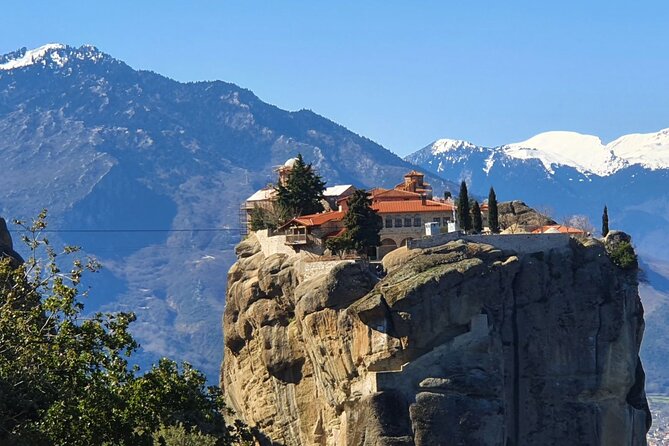
After the monastery visits, you have about two hours for lunch or shopping in Kastraki, a picturesque village near Meteora. This is another meal at your own expense.
I like the placement of this break. Three hours of monastery visits can involve stairs, standing, and plenty of looking upward, so a proper tavern meal gives you time to reset before the return drive.
The private arrangement is helpful here. Alex, identified in one account as the guide, was praised for finding good restaurants and allowing the group to keep its own pace. That does not mean a particular restaurant is guaranteed, but it suggests you can ask for help choosing a place rather than being sent to a fixed stop.
Thermopylae adds a short but meaningful final stop
The return journey includes a 30-minute stop at the Leonidas Monument at Thermopylae. This marks the battlefield associated with King Leonidas and the 300 Spartans during the Persian invasion of 480 BC.
Half an hour is enough to see the statue, take photographs, and hear the basic story. It is not enough for a long historical visit or an extended museum experience. The value is in adding a clear final chapter to the route.
Thermopylae also breaks up the drive back to Athens. After Meteora, the stop gives you a chance to get out of the vehicle and connect the modern road with one of Greece’s best-known military stories.
You return to Athens late in the afternoon. The stated drive time for this final leg is about three hours, so your exact arrival will depend on traffic, the time spent at the previous stops, and the pickup location.
What the $549.86 price really covers
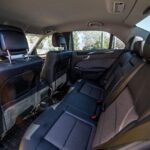
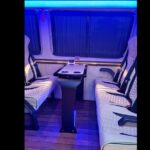
At $549.86 per person, this is not a bargain sightseeing shuttle. The price buys private transportation, an air-conditioned vehicle, onboard Wi-Fi, fuel charges, road tolls, pickup, and a return to the place you choose.
The value improves when several people share the vehicle, especially if a group discount applies. You also avoid arranging long-distance trains, taxis, hotel transfers, and separate transport between Delphi and Meteora.
Still, budget separately for:
- Delphi archaeological-site and museum admission
- Hotel accommodation near Meteora
- Lunches and other food
- Drinks and personal purchases
- A licensed guide, if you want one inside Delphi or the monasteries
For a couple, the total cost can climb quickly once you add a hotel, meals, and tickets. For a family or group, the private format may make more financial sense, especially when flexibility is important.
Free cancellation is available when you cancel at least 24 hours before the start time. Changes made inside that window are not accepted, so leave room in your plans if your Athens schedule is uncertain.
Who should choose this private tour
I would consider this tour if you have only two days and want to see both Delphi and Meteora without renting a car. It is also a strong fit for a family or small group that values privacy, pickup, and the ability to set a comfortable pace.
It suits people who want an overview rather than a specialist-led study of ancient Greece. The drivers can provide fluent English commentary and answer questions, but they are not official guides and will not enter the archaeological sites with you.
You may want another option if you prefer slow mornings, long museum visits, or a guide explaining every monument on site. The driving is also substantial. Anyone who dislikes long road journeys should think carefully before combining these destinations in just two days.
For the best experience, confirm three things before departure: the hotel near Meteora, the monasteries expected to be open, and the total cost of admission and accommodation. Pack modest clothing, comfortable shoes, and a little patience for the road.
Should you book the Delphi and Meteora journey?
Book it if your priority is seeing three major places efficiently, with private transport and an overnight stay at Meteora. The strongest parts are the flexible schedule, the chance to visit up to three monasteries, and the useful restaurant and routing help that a private driver can provide.
Skip it if you want a fully guided archaeological experience or dislike spending several hours in a vehicle. At this price, the tour is easiest to justify for a group, a family, or anyone who values convenience enough to pay for private service.
FAQ
Is hotel accommodation included?
No. Accommodation is not included in the price, although the operator can arrange a hotel upon request.
Are Delphi entrance tickets included?
No. Admission to the Archaeological Site and Museum of Delphi is not included.
Does a licensed tour guide accompany the group?
No licensed tour guide is included. Your personal driver can provide fluent English commentary and answer questions, but drivers do not enter the archaeological sites with you.
How many Meteora monasteries can I visit?
The schedule allows time to visit two or three monasteries. Opening conditions can vary, and not every monastery may be open on the day of your visit.
What clothing should I wear at Meteora?
You should dress modestly. Women are advised to wear long skirts and long sleeves, and a skirt may be provided at the entrance if needed.
Can I cancel for a full refund?
Yes, if you cancel at least 24 hours before the experience begins. Cancellations or changes made less than 24 hours before the start time are not accepted for a refund.