REVIEW · CHANIA
Explore the Secrets of Wine and Olives
Book on Viator →Operated by "Uncharted Escapes" · Bookable on Viator
Crete’s food culture makes the strongest impression here. In one long day, you’ll taste olive oil at a working mill, sample wine among the vines, see a 3,000-year-old olive tree, and eat a traditional lunch in the hills above Chania. The old olive tree and off-road mountain drive give the day more character than a simple winery outing.
I like two things especially: the small vehicle format, usually six or eight people, and the guides. Jason is praised for his humor and island knowledge, while Haris, Gianis, and Tarek also bring strong local insight. The main drawback is uneven quality between stops. The wine visit may feel a little dry to some, and one oil tasting was described as limited.
In This Review
- Key details before you book
- Why this Chania day trip works
- Kolymbari begins with olive oil
- Karavitakis Winery adds the wine
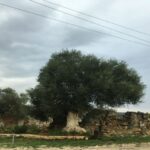
- The ancient olive tree at Ano Vouves
- Sempronas brings the rough roads
- A Cretan lunch in a village tavern
- How much value do you get for $120.37?
- Who should book this experience?
- Final call: book it for variety, not perfection
- FAQ
- What time does the tour start?
- Is hotel pickup and drop-off included?
- How long does the tour last?
- How many people are in each vehicle?
- Can the total group be larger than eight people?
- Are the olive mill and winery tastings included?
- Is lunch included?
- Are drinks at the tavern included?
- Is the tour suitable for children and people with mobility concerns?
- What happens if the weather is poor?
Key details before you book
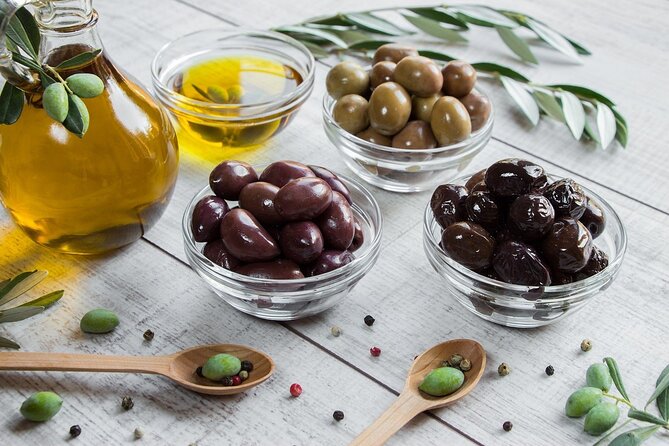
- Three very different food stops: You taste olive oil at a mill, wine at a winery, and Cretan dishes at a local tavern.
- A 3,000-year-old olive tree: The Monumental Olive Tree of Vouves is the day’s most unusual sight.
- A real off-road section: The route to Sempronas adds rough tracks, gorges, vegetation, and wide views.
- Lunch is included: Wine, beer, and other tavern drinks cost extra.
- Small vehicles, larger total group: Each vehicle carries up to six or eight people, but the whole outing can reach 32 participants.
- Seven hours with hotel pickup: The advertised start is 8:00 a.m., with pickup and drop-off included.
Why this Chania day trip works
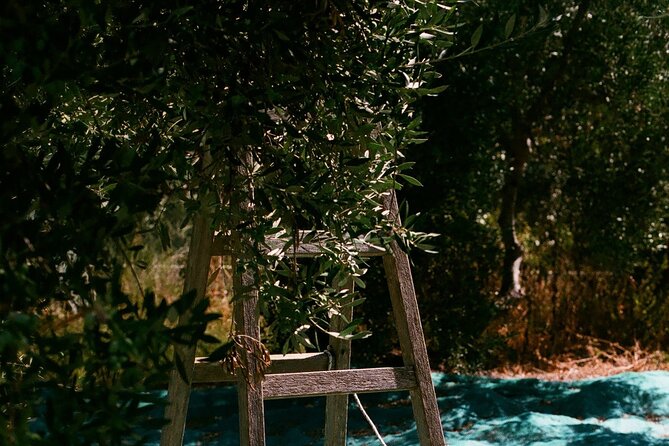
This is a food-and-country tour with a bit of adventure added. You leave the coast and head into western Crete, where olive trees and vineyards are not just pretty scenery. They are working parts of daily life and local income.
At $120.37 per person, the price is not a bargain-basement excursion. Still, it covers hotel transport, a multilingual escort-driver, two organized tastings, entrance fees, lunch, insurance, and local taxes. I consider that fair value if you want a full day handled for you rather than arranging several rural stops on your own.
The experience is also useful for visitors who want more than Chania’s old harbor. You get a taste of the island’s food traditions, village life, farming, and mountain scenery without having to plan a route through unfamiliar back roads.
The day begins around 8:00 a.m. Pickup is offered from your hotel, but the supplied information does not give a fixed pickup window for every property. Plan for a morning departure and confirm the precise arrangements when you book.
You can also read our reviews of more wine tours in Chania

Kolymbari begins with olive oil
The first part of the route takes you toward Kolymbari. A short stop at the Kolymbari viewpoint gives you about 10 minutes to take in the setting before the vehicle continues toward the olive mill.
The driving between these points takes time: about 15 minutes to the viewpoint, then roughly 35 minutes onward to the mill. That means the morning is not just a series of quick photo stops. You spend a fair amount of time on the road, which is part of the appeal if you like watching the countryside change.
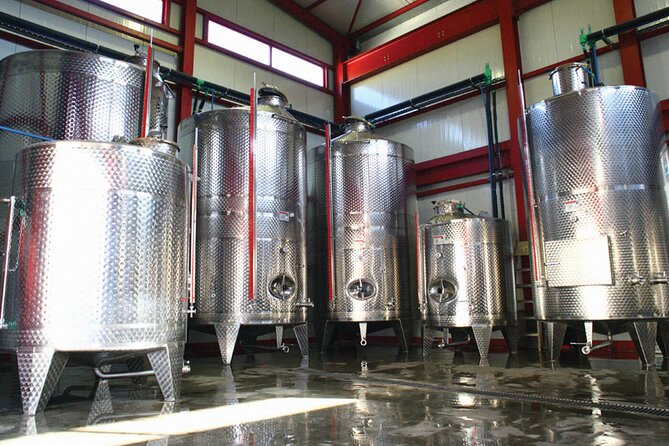
At the olive mill, allow about 50 minutes. You’ll see how olives become oil, then taste the finished product. This is a worthwhile stop because the tasting has context. You are not simply handed a small sample and sent on your way. The visit connects the groves outside the window with one of Crete’s most important foods.
I would keep your expectations measured. One account found the explanation and sample quite limited, with only one oil variety offered. Other parts of the day received stronger praise than this tasting. If olive oil is your main reason for booking, ask the guide what the mill will be showing and tasting that day.
The stop is included, and there is no separate admission charge. It is also a good place to ask about how olive oil fits into Cretan cooking, since the rest of the day builds on that same food tradition.
Karavitakis Winery adds the wine
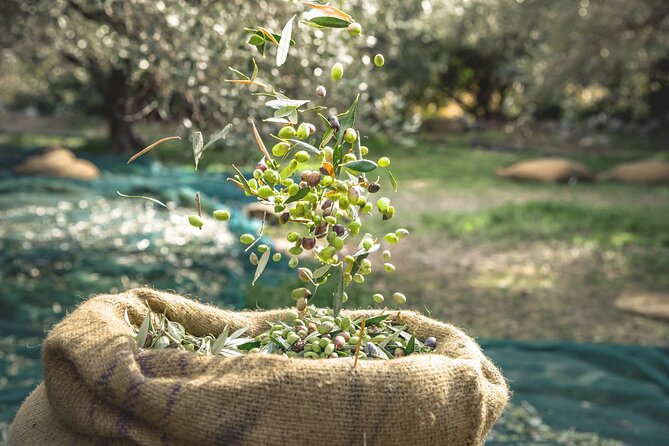
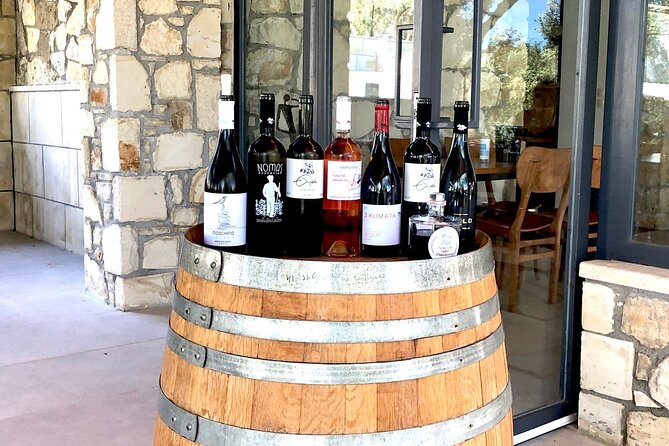
From the mill, the route continues for about 10 minutes to Karavitakis Winery. The winery visit lasts approximately 1 hour and 5 minutes, making it the longest scheduled stop apart from lunch and the off-road portion.
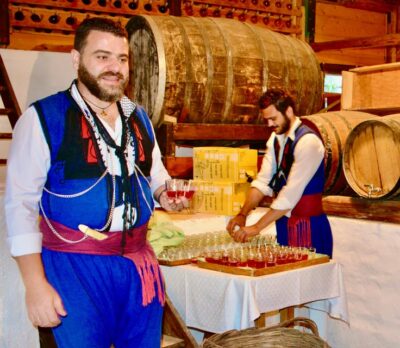
You’ll taste local wines and hear about Cretan winemaking and the connection between food, agriculture, and long life on the island. The vineyard setting gives the tasting a pleasant sense of place, and the stop adds variety after the olive mill.
The wine experience appears to be the most variable part of the day. Some accounts describe it as very good and delicious, while one found the session dull and not especially engaging. That difference may come down to the guide, the group, or personal interest in wine. I would book this for the whole combination of food, scenery, and culture, not for a formal wine education course.
The package includes the winery tour and tasting. Drinks at the later tavern are not included, so do not assume every glass you have that day is covered by the price.
If you enjoy asking questions, this is a useful moment to do so. Ask about the grapes, the local production, and how the wines fit with Cretan food. The tour is designed for a general audience, so people seeking detailed cellar technicalities may find it fairly light.
The ancient olive tree at Ano Vouves
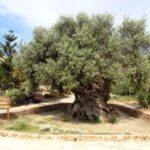
The drive to Ano Vouves village takes only about five minutes. The stop at the ancient olive tree is short, around 15 minutes, but this is one of the most distinctive sights on the route.
The tree is said to be about 3,000 years old. Its age gives the stop real weight. Olive cultivation in Crete is not a recent tourist theme or a decorative part of the countryside. It reaches back through centuries of island life, trade, cooking, and survival.
You will not spend hours at the site. That is both a benefit and a limitation. The brief visit keeps the day moving, but anyone who wants a long museum-style stop may wish for more time. Use the minutes well: look closely at the trunk, take photographs, and listen to the guide’s explanation of the tree’s place in Cretan culture.
This stop also makes the earlier mill visit more meaningful. After seeing olive oil being made, you see the kind of tree that has helped define the island for generations.
Sempronas brings the rough roads
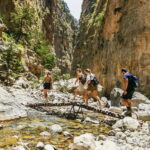
The final major section heads toward Sempronas, also written as Sebronas in the supplied route details. Here the tour shifts from tastings and history to a more active drive through gorges, thick plant growth, and broad mountain views.
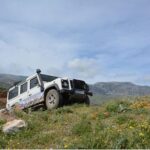
The off-road section is the tour’s adventure element. You’ll ride in a premium off-road vehicle rather than a standard coach, and the route is intended to show a less polished side of western Crete. The scenery matters, but so does the ride itself. Expect movement and rougher surfaces rather than a smooth transfer between attractions.
This is where you need to be honest with yourself. The experience is not recommended for people with car sickness, mobility or kinetic issues, back problems, or for pregnant women. Children under seven are not accepted, and baby seats are not provided. The operator also notes that people taller than 195 centimeters or heavier than 130 kilograms may find the vehicle uncomfortable.
The vehicle format helps keep the outing more personal. A car with six or eight people gives the guide a better chance to answer questions and maintain a friendly mood. The full group can reach 32 people, though, so the overall operation is not necessarily a tiny private tour. Ask how many vehicles are running on your date if group size is important to you.
Several guides receive specific praise for making the drive memorable. Jason is described as funny, attentive, and well informed about Cretan history and culture. Haris is noted for his explanations of the highlands and olive-oil production, while Gianis is praised for his warm manner and local knowledge. Tarek is also singled out for explaining the island and the tour clearly.
Guide quality matters here. A rough road is more enjoyable when someone gives it a story and points out why the route matters. The company uses multilingual escort-drivers, so check that your preferred language is available when booking.


A Cretan lunch in a village tavern
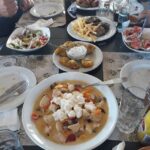
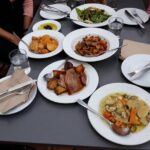
Lunch takes place at a small local tavern in Sempronas. The meal is included and is meant to be traditional Cretan food served in a relaxed village setting.
This is an important part of the day, not a filler between attractions. Food gives you a direct way to understand the island. After seeing olives and wine in production, you sit down to eat the sort of dishes those ingredients support.
The meal quality may vary. Some feedback describes the food as delicious and superb, while one account found the provided lunch disappointing. I would treat this as a local set meal rather than a carefully chosen restaurant experience. You are paying for the overall day, and the tavern stop gives you a chance to experience Cretan hospitality away from the coast.
Wine, beer, and other refreshments at the tavern are not included. Bring a payment method for drinks, and do not assume that extra beverages are part of the tasting package. Alcohol is prohibited for anyone under 18.
The timing is generous. The Sempronas section lasts about 2 hours and 10 minutes, which includes the off-road drive and the meal. That leaves enough room to eat without feeling rushed, though the exact balance will depend on the day’s traffic, group, and weather.
How much value do you get for $120.37?

The strongest value comes from the amount of ground covered and the number of costs bundled into one day. You receive:
- Hotel pickup and drop-off
- Transport in a seven- or nine-seat off-road vehicle
- A multilingual escort-driver
- Olive mill entry and tasting
- Winery entry and tasting
- Traditional Cretan lunch
- Liability insurance and local taxes
At seven hours, this is a substantial day out. If you paid separately for transport, food, and two organized tastings, the package could make practical sense. You also avoid the work of finding a mill, winery, ancient tree, and mountain tavern yourself.
The value is weaker if you only want wine tasting. The winery session may not satisfy a serious wine enthusiast, and the oil tasting may be modest on some departures. The tour earns its price through variety: food, rural roads, villages, culture, and scenery all in one outing.
The tour usually attracts bookings well ahead of time, with an average of 52 days in advance. That suggests you should reserve early during busy periods, especially if you need hotel pickup or a particular date.
Who should book this experience?
I would recommend it to you if you want a broad introduction to western Crete and prefer a planned day to independent driving. It suits couples, friends, and families with older children who enjoy food stops and countryside rides.
It is also a good match if you like guides who talk during the drive. Jason, Haris, Gianis, and Tarek are all named as guides who add humor, historical context, or practical information. The quality of your day may depend partly on who is driving your vehicle.
I would think twice if you dislike bumpy roads, have back or motion problems, or want a quiet, highly polished tasting. The tour has several moving parts, and not every stop will appeal equally to every person.
Free cancellation is available up to 24 hours before the 8:00 a.m. start for a full refund. The tour needs good weather and a minimum of four people to operate. If poor weather or low numbers cancel it, you are offered another date, another experience, or a full refund.
Final call: book it for variety, not perfection
You should book this tour if you want to connect Crete’s food with its countryside. The ancient olive tree, mountain drive, village meal, and friendly escort-driver can make the day feel far more personal than a standard bus excursion.
I would not book it solely for the olive oil or winery. Those stops can be uneven, and the lunch may not please everyone. But at $120.37, the mix of transport, tastings, meal, views, and local interpretation makes good sense for a first visit to the Chania region, especially if you want the island’s rural side without renting a car.
FAQ
What time does the tour start?
The stated start time is 8:00 a.m.
Is hotel pickup and drop-off included?
Yes. Free hotel pickup and drop-off are included.
How long does the tour last?
The experience lasts approximately seven hours.
How many people are in each vehicle?
The tour uses seven- or nine-seat off-road vehicles and is described as semi-private for up to six or eight people per vehicle.
Can the total group be larger than eight people?
Yes. The maximum total group size is 32 people, even though each vehicle carries a smaller group.
Are the olive mill and winery tastings included?
Yes. Admission to the olive mill tour and tasting and the winery tour and tasting are included.
Is lunch included?
Yes. A traditional Cretan lunch is included at a local tavern in Sempronas.
Are drinks at the tavern included?
No. Wine, beer, and other refreshments at the tavern are not included.
Is the tour suitable for children and people with mobility concerns?
Children under seven are not recommended, and baby seats are not provided. The experience is also not recommended for people with car sickness, mobility or kinetic issues, back problems, or pregnant women. People taller than 195 centimeters or heavier than 130 kilograms may find it difficult.
What happens if the weather is poor?
The tour requires good weather. If it is canceled because of weather, you can choose another date or receive a full refund.