REVIEW · CRETE
Food Tasting Tour of Chania Villages
Book on Viator →Operated by GS TOURS CHANIA LTD · Bookable on Viator
Raki, olive oil, and cheese—one smooth route. This Chania villages food tasting tour mixes production visits and guided tastings, with Chania-region flavors built into each stop. You’ll go from Peroulakis Distillery to an olive mill, then to a cheese factory, and finish with lunch in Fres.
I like this itinerary for two big reasons: the variety is real, not token. You’ll get a raki distillery tour and tasting at the start, plus tastings of Cretan olive oil and cheeses at the next two stops. And the day runs with an English-speaking local driver/escort in an air-conditioned vehicle, which makes a long food crawl feel easy.
One thing to consider: it’s about six hours, and good weather matters. You’ll also spend around 1 hour 45 minutes traveling between destinations, so this is best if you’re happy with a structured morning rather than long free time.
In This Review
- Key highlights worth planning around
- A 6-hour Chania villages food run that actually stays relaxed
- Peroulakis Distillery: raki tasting with a guided production story
- Tsivaras olive mill: how Crete turns olives into olive oil
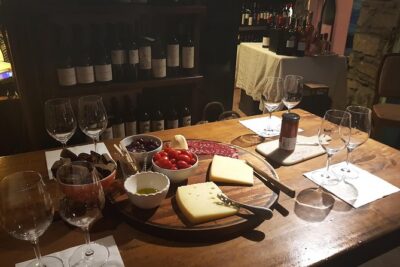
- Vryses cheese factory: Graviera, Mizithra, and Anthotiros samples
- Fres lunch stop: traditional dishes, alcohol included, and real village pacing
- Price and value: what $138.18 gets you (and what you still decide)
- Small group energy, and why guide quality changes everything
- Who should book this Chania villages tasting tour
- Should you book this Food Tasting Tour of Chania Villages?
- FAQ
- How long is the Food Tasting Tour of Chania Villages?
- What time does the tour start?
- What is included in the tour price?
- Which parts of the tour include admissions?
- Are alcoholic beverages included?
- How large is the group?
- What should I do if I have dietary restrictions or allergies?
- Notes on weather and cancellation (quick and practical)
Key highlights worth planning around
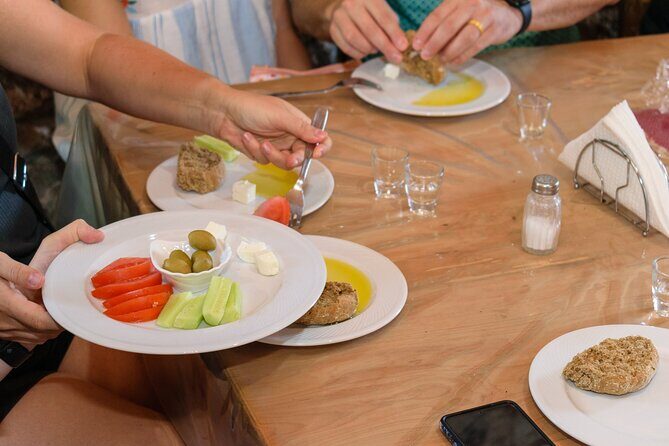
- Morning start at 8:00 am so you can hit multiple producers before the day gets busy
- Peroulakis Distillery includes a full tasting with admission plus alcoholic beverages as part of the experience
- Tsivaras olive mill focuses on Crete’s olive oil with learning time built in
- Vryses cheese factory tastings featuring Graviera, Mizithra, and Anthotiros
- Lunch in Fres is included, along with bottled water per person
- Maximum 20 travelers with an air-conditioned vehicle and English-speaking escort
A 6-hour Chania villages food run that actually stays relaxed
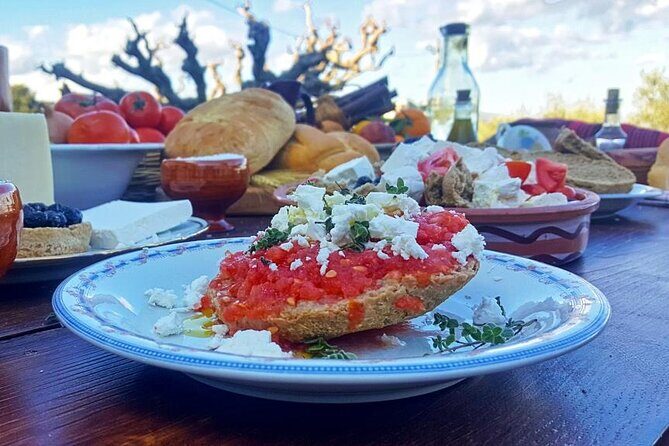
This is a guided food route out of Crete that starts at 8:00 am and runs about six hours. You’re not just eating at random. The day is built around three production stops—raki, olive oil, and cheese—then a proper lunch in a village setting.
The group is capped at 20 travelers, which matters more than you’d think on tasting days. Smaller groups move faster at each table, and it’s easier to ask simple questions about what you’re tasting. You’ll also be riding in an air-conditioned vehicle, with about 1 hour 45 minutes set aside for transfers between places, so you’re not constantly stepping in and out of the heat.
Another practical win: the tour includes an English-speaking local driver/escort and a mobile ticket. That means you spend less time figuring out logistics and more time focusing on the food and the people behind it.
You can also read our reviews of more food & drink experiences in Crete

Peroulakis Distillery: raki tasting with a guided production story
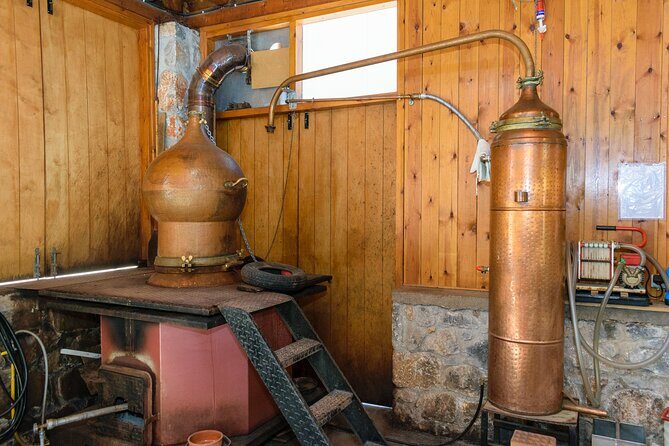
Your first stop is Peroulakis Distillery, where the focus is the local spirit—raki. You’ll get a tour and tasting designed to help you understand how this drink fits into Cretan life, not just how it tastes.
This is the longest single stop on the route (about 1 hour 45 minutes), which tells you something important. They want you to slow down and get meaning from the experience, not just sample and run. If you’re a first-timer, this start is smart: it sets the tone for the whole day’s flavors—spirit, then olive oil, then cheese.
A couple of value points here:
- Admission is included, so you don’t need to mentally track extra costs right at the first producer.
- You’re tasting something tied to craft and tradition, and that makes later tastings easier to compare.
If raki isn’t your thing, don’t panic. The tour still works because the day isn’t only about alcohol. Still, if you prefer lighter options, let your driver/escort know so you can adjust your pace at tastings.
Tsivaras olive mill: how Crete turns olives into olive oil
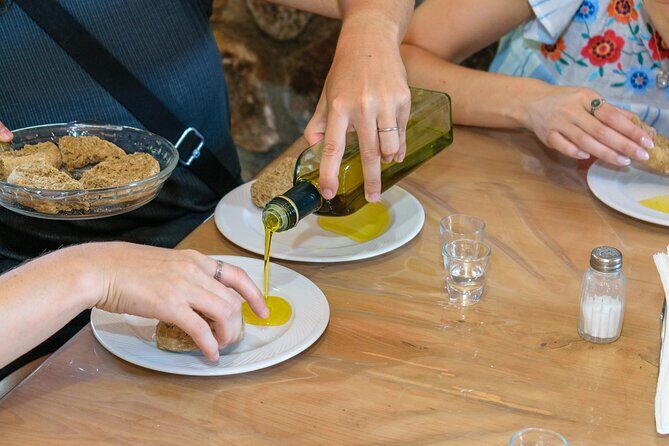
Next comes Tsivaras, an olive mill built around Crete’s “gold” product: olive oil. This stop is about learning as much as tasting, with roughly 1 hour 25 minutes on the schedule.
Why this matters for you: olive oil is one of those things people think they already know—then they visit a working mill and realize they don’t. The tour format helps you connect taste with process: how olives get handled and how oil becomes the key flavor in so many Cretan meals.
This stop has no admission fee included, which keeps your total day cost reasonable. You’re essentially paying for the guided visit time, the learning, and the tastings tied to what you’re seeing.
Practical tip: if you’re the kind of person who buys olive oil, this is where you’ll make better choices. You’ll have a baseline for how to judge quality by taste and how it fits into the cuisine style you’re eating that day.
Vryses cheese factory: Graviera, Mizithra, and Anthotiros samples
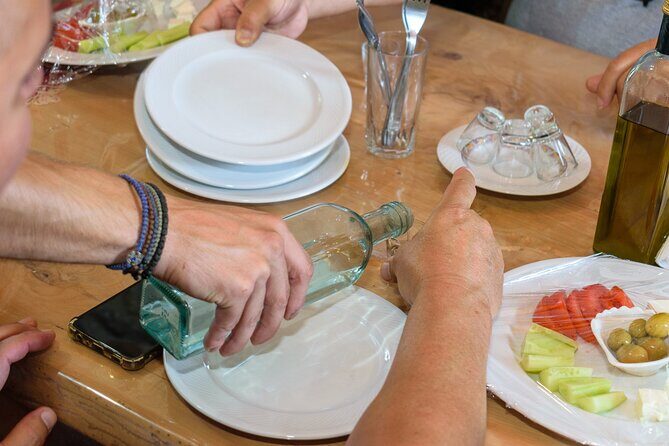
After olive oil, you’ll head to Vryses, a cheese factory where you taste local varieties like Graviera, Mizithra, and Anthotiros. The stop is shorter (about 1 hour 5 minutes), but it’s packed because cheese tastings usually move quickly once you’ve set up your preferences.
This is a great middle stop. By the time you arrive, your palate is “warm”—you’ve already tasted raki and olive oil. That makes cheese more than a bite. You start noticing how different textures and flavors work together.
What I like about this structure:
- You’re tasting in sequence: spirit → oil → cheese. That helps you compare flavors instead of tasting everything at once.
- You get to try multiple cheese types in one place, so you’re not hunting them down later across town.
Possible drawback: if you’re picky about strong flavors, Graviera and Mizithra can feel intense compared with mild cheeses. If that’s you, tell your escort early in the tasting so they can guide your order of sampling.
Fres lunch stop: traditional dishes, alcohol included, and real village pacing
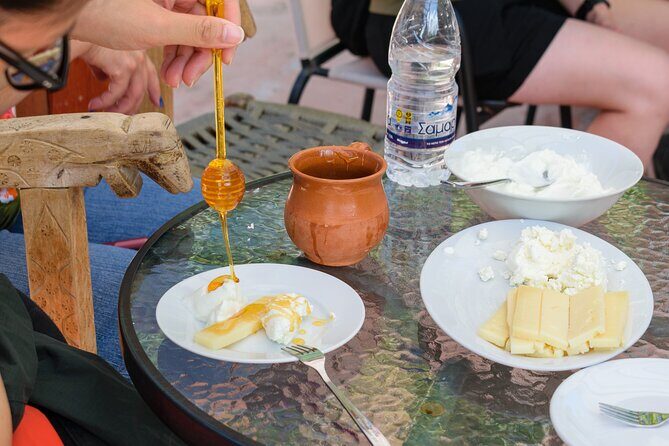
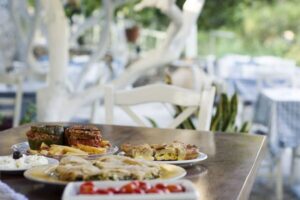
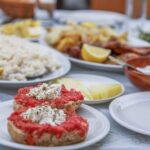
Lunch happens at Fres, a picturesque village stop built into the tour for about 1 hour 45 minutes. This is where you shift from tasting bites to eating like a normal person.
Lunch is included, and the package also includes alcoholic beverages plus bottled water per person. That combo is part of why the day feels good value: you’re not paying again and again for basic needs while you’re on the move.
One of the best parts of lunch is the pacing. After factory visits, a village meal gives you a chance to sit down, slow your breathing, and digest. And if you’re prone to food-tour fatigue, this is the moment that resets you.
If you have dietary restrictions or health concerns, this is also the time to be direct when you book. The tour asks you to notify them ahead of time so they can plan your dining experience safely.
A few more Crete tours and experiences worth a look

Price and value: what $138.18 gets you (and what you still decide)
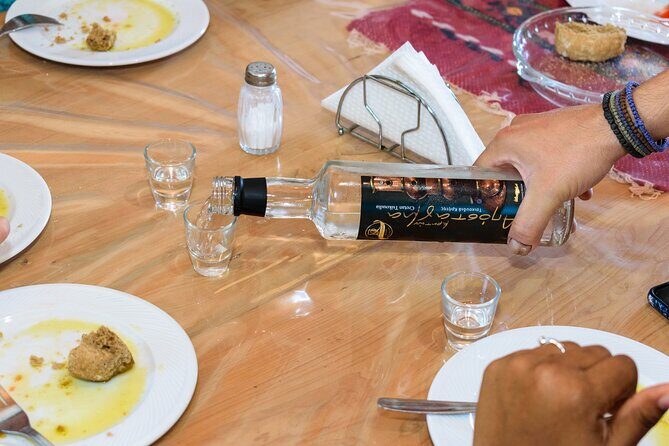
At $138.18 per person, this tour can look expensive until you break down what’s included. You’re paying for a full day of:
- air-conditioned transport
- an English-speaking local driver/escort
- lunch
- alcoholic beverages
- bottled water per person
- all fees and taxes
- guided tours and tastings at each stop
The big “hidden savings” is the cost of doing this DIY. You’d need transportation between a distillery, an olive mill, and a cheese factory, plus admission tickets and a guide to explain what you’re seeing. Here, those pieces are bundled.
What’s not included: gratuities and any additional food or drinks beyond what’s part of the lunch and tasting schedule. That’s normal. It also means you stay in control—if you want extra wine or snacks, you can choose to buy them. If you’re trying to keep spending tight, you can stop after the included meal.
Small group energy, and why guide quality changes everything
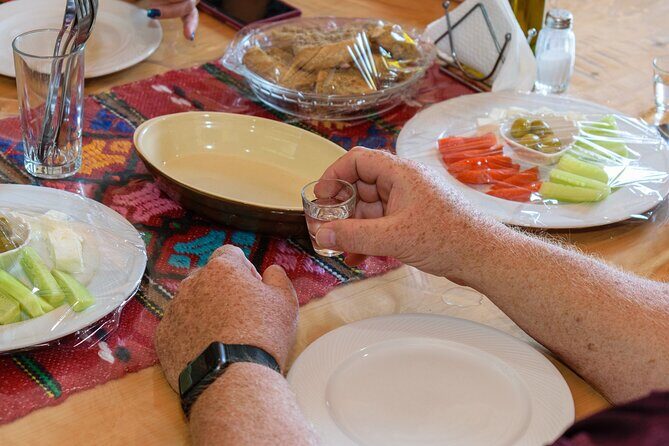
This tour runs with a maximum of 20 travelers, but the real difference is the human touch. In particular, the guide named Yannis comes up for a reason: people remember him as a great guide who makes the route feel personal, not robotic.
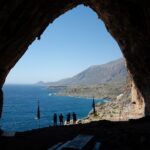
In one offered experience with Yannis, the day included extra memorable moments beyond the core tasting stops—like a bakery stop and a visit to a church built into the mountain. Those kinds of side stops matter because they break the factory routine and give you something visual and local to carry home.
Even if you don’t get those exact extras on your departure, the tour’s structure still supports a good day:
- You’re with the same escort through the morning.
- Each tasting has a learning context.
- Lunch gives you time to reset.
And because you’re in a smaller group, questions land better. You’re more likely to get clear answers about what you’re tasting and how it connects to meals you’ll actually eat in Crete.
Who should book this Chania villages tasting tour
Book it if you want a guided food day that mixes education and eating without turning into a classroom. This fits especially well if:
- you’re new to Cretan flavors and want a guided on-ramp
- you like tasting multiple food types in one morning
- you’d rather handle one reservation than plan separate stops yourself
- you value comfort on a half-day outing (air-conditioned vehicle helps)
It’s also a good option if you like craft foods. The stops are production-focused: distillery, olive mill, cheese factory. That’s usually more interesting than just “buy and taste” shopping.
If you have limited tolerance for alcohol, be cautious. Alcoholic beverages are included as part of the tour. You can still participate, but tell the escort about preferences and pace so you don’t feel pressured.
Should you book this Food Tasting Tour of Chania Villages?
Yes—if you want a structured, high-value food day that hits raki, olive oil, and cheese with lunch included. The price is easier to justify when you account for transport, tastings, and admissions/fees handled for you.
I’d especially recommend it for first-timers who want to get their bearings fast in western Crete’s food culture. And if you love guided storytelling (and you’re lucky enough to have a guide like Yannis), you may come away with extra stops that make the day feel more than just a checklist.
If you prefer totally free wandering, this might feel a bit scheduled. But if your goal is tasting craft foods and learning what you’re actually eating, this is a smart way to spend your morning.
FAQ
How long is the Food Tasting Tour of Chania Villages?
The tour lasts about 6 hours.
What time does the tour start?
The start time is 8:00 am.
What is included in the tour price?
Lunch, air-conditioned vehicle, alcoholic beverages, all fees and taxes, bottled water per person, and guided tours and tastings are included.
Which parts of the tour include admissions?
Peroulakis Distillery includes an admission ticket. The olive mill visit (Tsivaras) and the cheese factory visit (Vryses) list admission as free.
Are alcoholic beverages included?
Yes. Alcoholic beverages are included in the tour.
How large is the group?
The tour has a maximum of 20 travelers.
What should I do if I have dietary restrictions or allergies?
Notify the provider when booking so they can help ensure your dining experience is enjoyable and safe.
Notes on weather and cancellation (quick and practical)
This experience requires good weather. If it’s canceled due to poor weather, you’ll be offered a different date or a full refund. Free cancellation is available up to 24 hours before the experience start time.