REVIEW · CHANIA
From Chania: Crete World War II History Tour
Book on GetYourGuide →Operated by GS tours · Bookable on GetYourGuide
The Battle of Crete feels close here. This small-group WWII history tour from Chania links the big turning points of the island campaign, with Maleme airfield and the Tavronitis Bridge area anchoring the story in real place, not just names on a map. I also like the way the guide builds a clear, chronological picture using maps and old photos so you can actually follow what forces were doing and why it mattered.
My favorite part is the stop at the war cemeteries, where German and Commonwealth graves are kept with a careful, respectful tone. One thing to plan for: it’s a long day with limited scheduled break time, so comfortable shoes and patience help more than you’d think.
In This Review
- Key highlights at a glance
- WWII on Crete makes sense fast—if you see the places
- Chania pickup and the small-group rhythm
- Maleme: where the invasion started to take shape
- Tavronitis Bridge and the geography of fighting
- The Battle of Galatas: resistance you can actually picture
- Small museums and secret shelters: occupation life, not just battle maps
- The war cemeteries: where respect becomes part of the lesson
- A private WWII collector stop: artifacts with local context
- Time on the clock: what 6 hours really means
- Who this tour is best for
- Value for your money: what’s included, and why it matters
- Should you book the Chania Crete WWII History Tour?
- FAQ
- What is the duration of the tour?
- What is the price per person?
- Where does the tour depart from?
- What languages are available?
- Is it a small group tour?
- What’s included in the price?
- What should I bring?
- Are pets allowed?
- Is free cancellation available?
- Is there a pay later option?
Key highlights at a glance
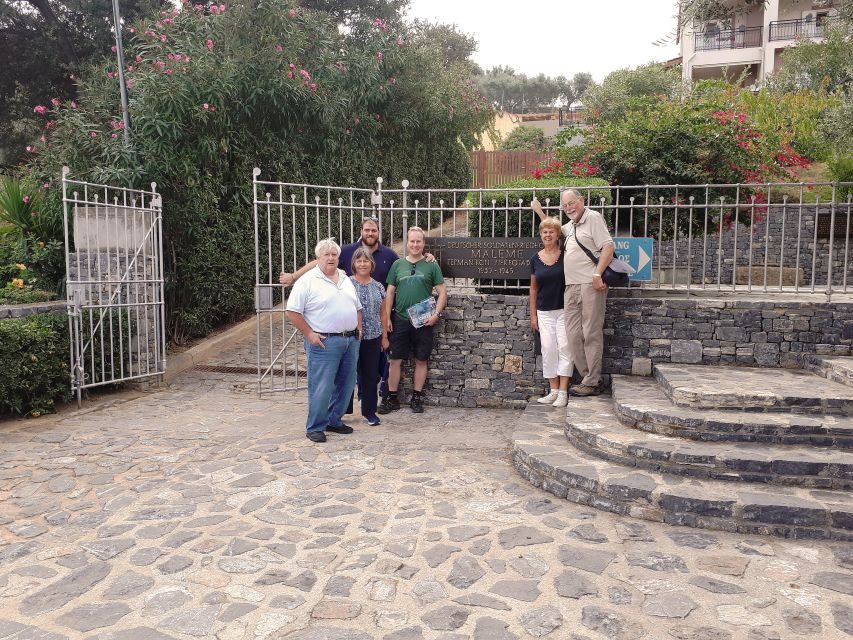
- Maleme airfield from above: See the landing area and understand why this spot mattered.
- Tavronitis Bridge remnants: Battlefield geography that helps the story click.
- Battle of Galatas: A key fight explained with on-site context.
- Secret shelters and small museums: Occupation life shown in human scale.
- German and Allied cemeteries: Quiet, meaningful closure to a heavy topic.
- Private WWII collector stop (optional-feeling but real): Artifacts paired with local find-stories and explanations.
WWII on Crete makes sense fast—if you see the places
Crete wasn’t a sideshow in World War II. When you visit the island’s key sites in order, you feel how the fighting tied into bigger plans in Greece and southeast Europe, and how Operation Mercury pushed the timetable. The tour format helps you get your bearings quickly: you’re not bouncing randomly between monuments.
This is also one of those days where the guide’s delivery really matters. You may meet guides like Yanis or Babis—people who use maps, documents, and photos to connect troop movement with what you’re looking at on the ground. If you care about how battles actually played out, that method makes the whole day easier to follow.
You can also read our reviews of more historical tours in Chania
Chania pickup and the small-group rhythm
The day starts with pickup and drop-off within the Chania region, then you settle into an air-conditioned minivan. Small-group touring is a real advantage here because the sites are spread out and the guide needs time to explain what you’re seeing without rushing everyone.
The pace is structured around the main wartime locations, with short transitions by road between stops. It’s not a sit-and-watch tour; you’ll be walking around enough to make comfortable shoes a must.
Maleme: where the invasion started to take shape
Maleme is where the story gains momentum. This is the area tied to when German paratroopers first landed, and it’s also why Maleme gets described as a turning point for the campaign. You’ll even get a view of the Maleme airfield from above, which is the trick that makes the terrain and distances easier to understand.
What I like about Maleme on this tour is that it doesn’t stay stuck in the big-picture headlines. The guide ties the initial landing to the broader chain of events—why Crete became such a critical objective and how the campaign evolved once the fighting began. You’re not just learning that it happened; you’re learning why that particular place mattered on that particular day.
Tavronitis Bridge and the geography of fighting
After Maleme, the tour shifts to battlefield remnants and memorial sites where the land itself explains part of the conflict. Tavronitis Bridge is one of those stops that sounds like a detail until you’re standing near it and hearing the context. Bridges, roads, and chokepoints were everything in Crete’s rugged terrain.
This is also where the tour’s explanations feel most practical. The guide tends to frame what you’re seeing in terms of movement—where troops could go, where resistance formed, and how control of specific spots shaped the next phase. You’ll leave with a better sense of how fast situations changed and why small tactical decisions had outsized effects.
The Battle of Galatas: resistance you can actually picture
The Battle of Galatas is another highlight because it adds texture beyond the invasion itself. It’s one of those moments where you see how local resistance and ground fighting helped shape the outcome.
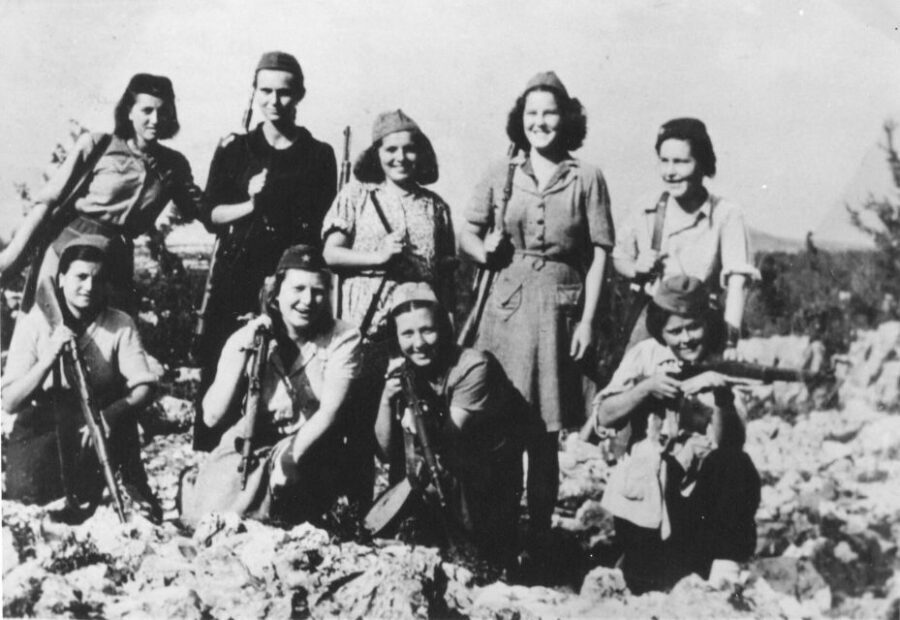
On this tour, Galatas isn’t treated like a footnote. You learn what happened there and how it fit into the wider campaign. It also connects to the larger theme of the day: how Crete’s resistance, including the partisans, helped revive Allied morale and influenced the sense of momentum across the wider war effort.
Small museums and secret shelters: occupation life, not just battle maps
Between the bigger battlefield names, you’ll find the smaller stops that do the emotional heavy lifting. The tour includes visits to small museums and sites connected with secret shelters—places that help you understand what occupation meant day to day, not only in combat headlines.
This is where the guide’s storytelling method pays off again. Maps and old photos make the timeline less fuzzy, while the museums and shelters bring it back to human scale. If you’re the kind of traveler who likes details, you’ll enjoy the behind-the-scenes feel: hidden spaces, survival strategies, and how communities adapted.
The war cemeteries: where respect becomes part of the lesson
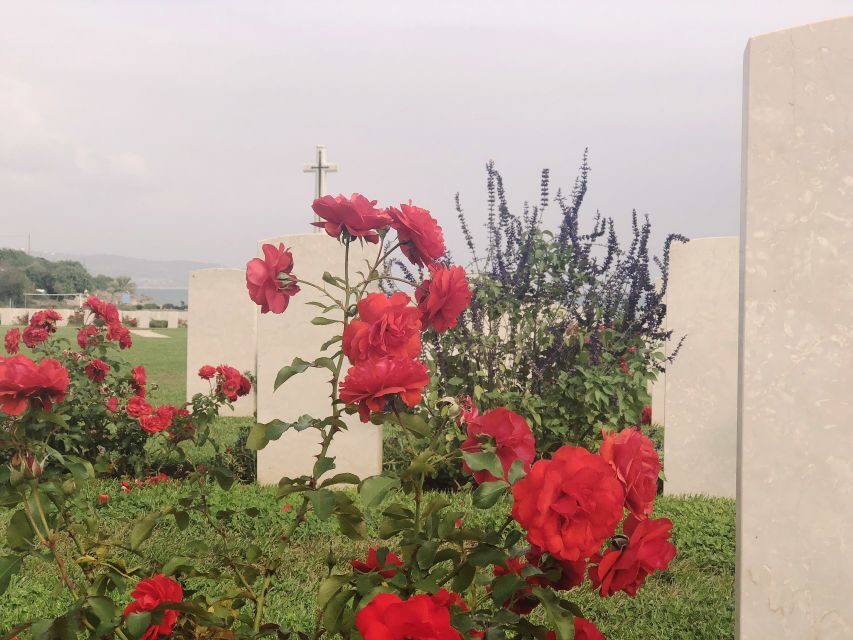
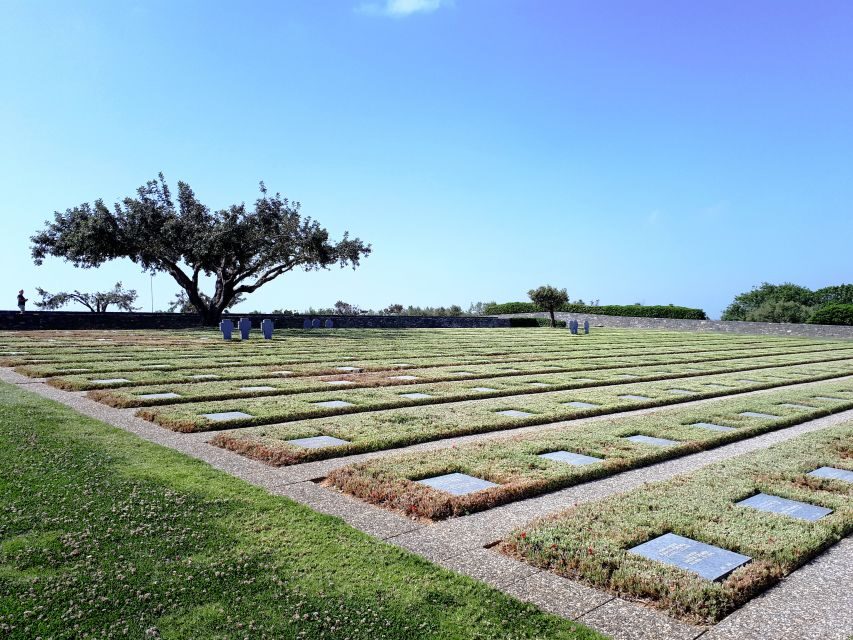
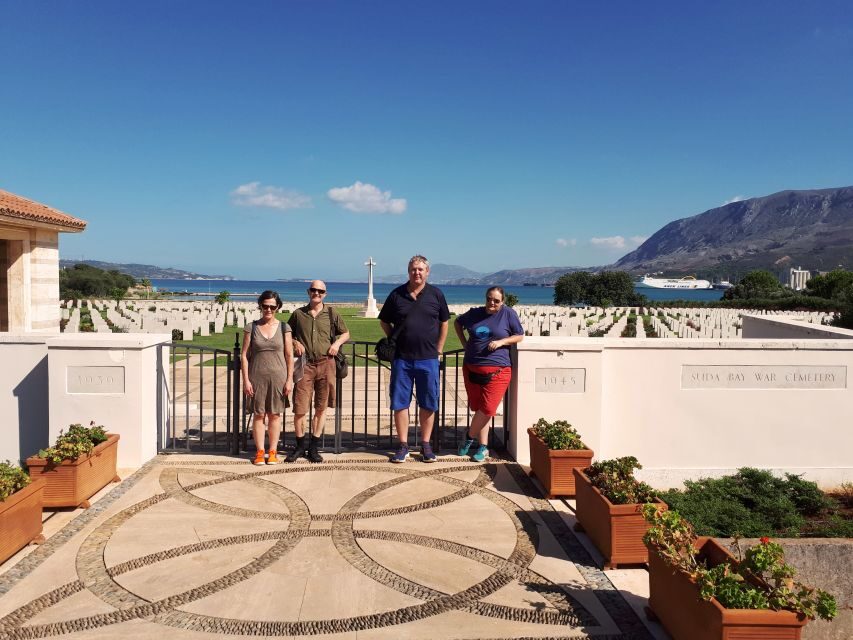
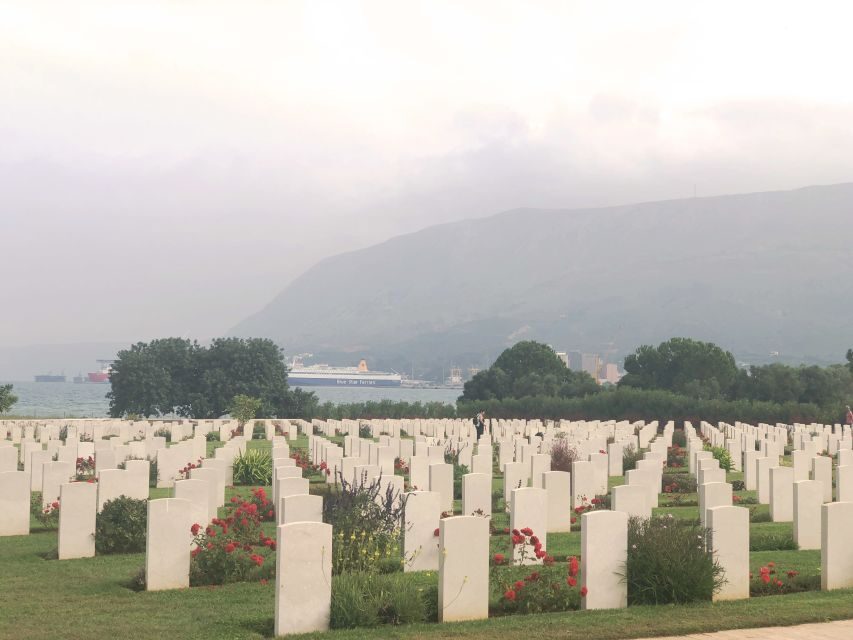
A WWII tour needs a place for quiet reflection, and this one delivers it at the end of the story arc. You visit cemeteries for both German and Allied forces, and the care in how the sites are kept stands out. The Commonwealth and German graves are beautifully preserved, and the words at the German graves are described as sensitive to what happened.
This part of the tour is also the most personal for many people, especially if you’re visiting with family connections to the battle. Even without that connection, it changes the tone of the day. You stop seeing the campaign as dates and names, and you start seeing it as lives, families, and choices.
Practical note: give yourself a few minutes to slow down here. The tour includes multiple locations, so it’s easy to feel like you’re on a schedule even when the setting asks you to pause.
A private WWII collector stop: artifacts with local context
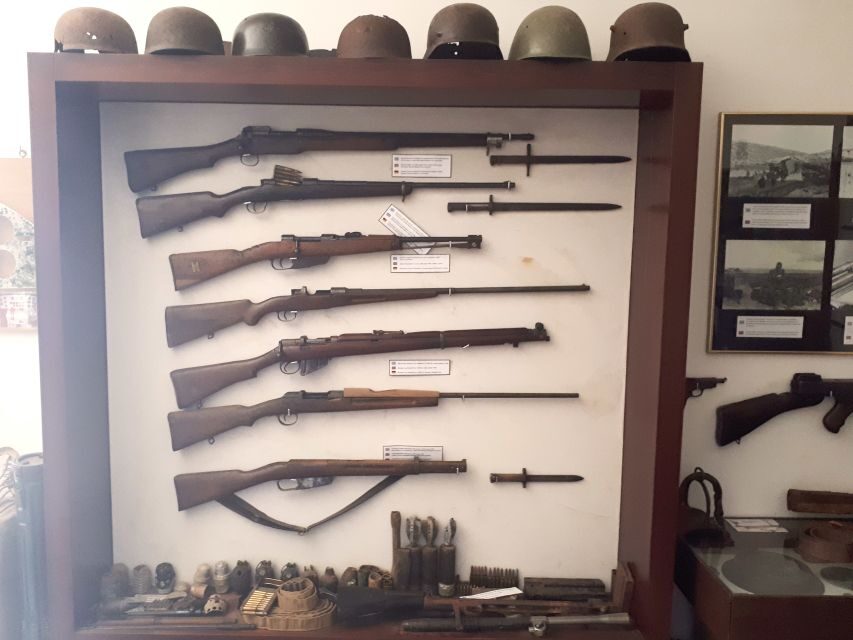
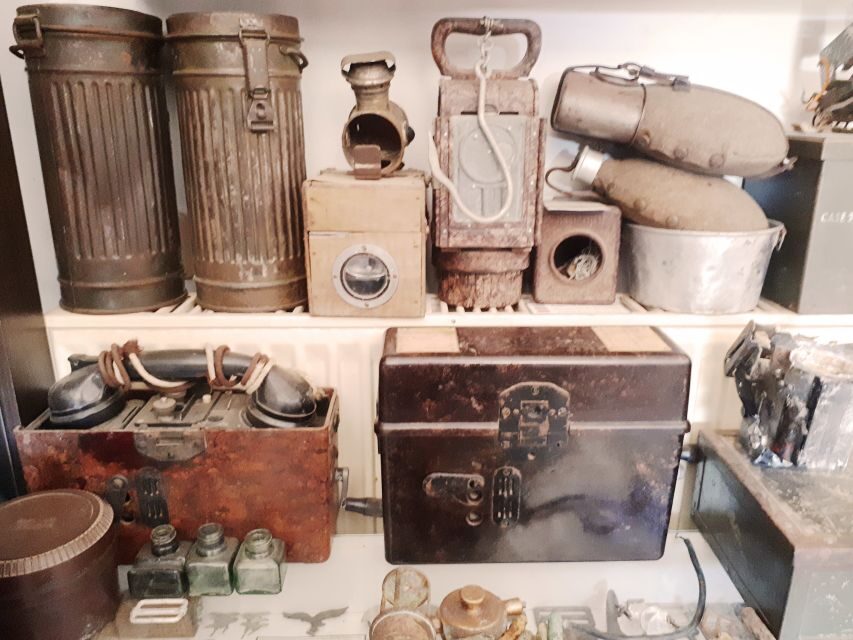
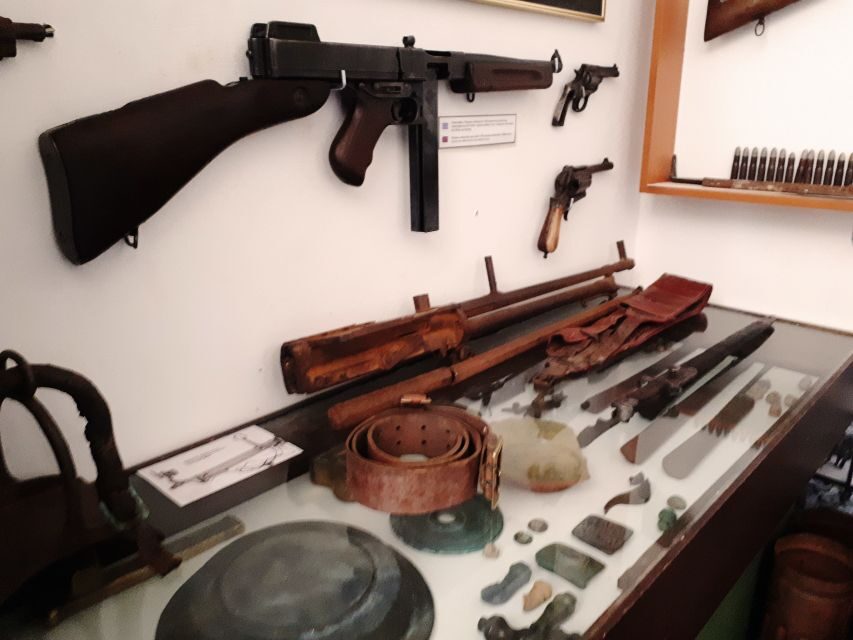
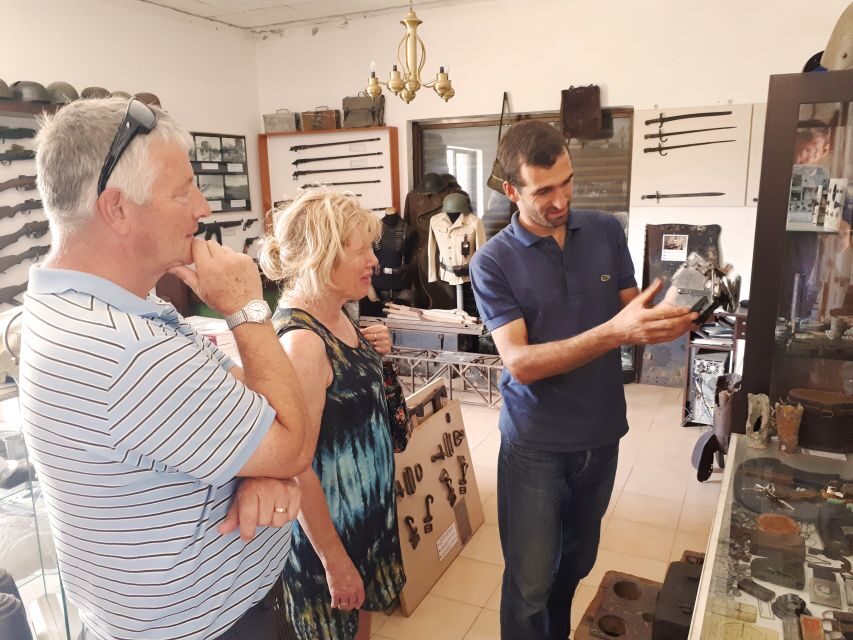
One stop that often becomes a standout memory is the private WWII collector visit. You’ll see a collection of items tied to the local area, with the owner explaining where things were found and what they mean.
This isn’t the usual “look but don’t touch” museum vibe. In at least some cases, you can get very close to artifacts and hear the backstory tied to Crete. The value here is that the objects stop being abstract. When someone connects an item to a specific find and a specific moment in the war, it’s easier to understand what was at stake.
If you love history as a tactile experience, this collector stop is one of the best reasons to choose this specific tour.
Time on the clock: what 6 hours really means
The tour is listed as 6 hours, but the day can feel longer depending on traffic, how quickly groups move, and how long you linger at each site. Reviews also point out that it’s a packed loop with limited scheduled comfort breaks—often just one planned stop—so it helps to plan ahead.
My advice is simple: drink the water you’re provided, pace your walking, and don’t wait until you’re in full hurry to ask for a quick restroom pause. In hot weather, that timing matters more than you’d think.
Also, the tour is designed for active viewing rather than long meals. You’ll get a snack and a bottle of water, so it’s smart to eat something substantial before pickup if you know you get hungry midday.
Who this tour is best for
This is a strong fit if you want a focused WWII day that moves beyond generic “history tour” descriptions. You should enjoy it if you care about the Battle of Crete, the Greek-Italian War of 1940 context that led into Hitler’s Operation Mercury, or the way Crete’s resistance influenced the wider Allied morale.
It’s also a good choice if you like tours that use real supporting materials—maps and old photos—so you can follow troop movement without needing a degree in military history. And if your interest includes partisans and resistance networks, the tour’s emphasis on shelters and local stories fits well.
If you prefer a very relaxed pace with long restaurant lunches and lots of free time, this might feel intense. The emotional sites are worth slowing down for, but the schedule is clearly built to cover many locations in one day.
Value for your money: what’s included, and why it matters
At around $111 per person, this tour isn’t trying to be the cheapest option in Chania. What you’re paying for is the full package: pickup and drop-off in the Chania region, air-conditioned transport, an English-speaking driver/guide plus a local guide, and entrance fees and taxes.
You also get more than “stops.” You get the interpretive layer: explanations that tie Operation Mercury, the invasion campaign, and resistance activity to the actual sites you visit. In practice, that’s the difference between seeing monuments and understanding what they represent.
If you’re even mildly interested in WWII and you want a well-organized structure that saves you from figuring out distances, timing, and site context on your own, this is decent value.
Should you book the Chania Crete WWII History Tour?
Book it if you want a well-structured WWII day focused on the Battle of Crete—Maleme, Tavronitis, Galatas, and the German and Allied cemeteries—with a guide who uses maps and real context to make the story click. It’s especially worth it if you like history that connects big events (Operation Mercury) to specific places and to the quieter memorial spaces where respect matters.
Skip it (or at least think twice) if you hate tight schedules, need frequent restroom breaks, or are looking for a leisurely day with lots of free time. In that case, the stops may feel like too much in one sitting.
FAQ
What is the duration of the tour?
The tour runs for 6 hours.
What is the price per person?
The price is listed as $111 per person.
Where does the tour depart from?
This tour only departs from the Chania region.
What languages are available?
The live tour guide is available in English and Greek.
Is it a small group tour?
Yes, it’s described as a small group tour.
What’s included in the price?
Pickup and drop-off from specific locations in the Chania region, air-conditioned transportation, an English-speaking driver/guide and local guide, entrance fees, local taxes, and a snack plus a bottle of water per person.
What should I bring?
Bring comfortable shoes.
Are pets allowed?
Pets are not allowed.
Is free cancellation available?
Yes. You can cancel up to 24 hours in advance for a full refund.
Is there a pay later option?
Yes. There’s a reserve now & pay later option, where you can book your spot and pay nothing today.