REVIEW · CHANIA
From Chania: Imbros Gorge and Sfakia Experience Hike & Swim
Book on Viator →Operated by Fantasy Travel · Bookable on Viator
Hike Imbros, swim Sfakia, all in one day. This is a group gorge trek with an escort and English guide, plus a real seaside reset in Sfakia where you can cool off in the water. The payoff is a day that mixes tight mountain walking with an easy, quiet coast moment—without you having to figure out transport on your own.
One watch-out: the gorge is often described as manageable, but it’s downhill and rocky, so knee issues and slippery footing can change how hard it feels.
In This Review
- Key things I’d zero in on
- Enter Imbros Gorge: More than a pretty hike
- What safety really looks like on this trek
- Imbros entry fee: small cost, big reason to carry cash
- The “easy” rating vs. real footing
- Sfakia: The beach break that makes the whole day work
- Getting there: Chania pickup, bus comfort, and a long day rhythm
- What to pack so the day feels easy (not annoying)
- Guides you might meet, and why that matters
- Is this the right tour for you?
- Should you book the Imbros Gorge and Sfakia hike?
- FAQ
- What time does the tour start in Chania?
- How long is the Imbros Gorge and Sfakia experience?
- Does the tour include hotel pickup and drop-off?
- Is the Imbros Gorge entrance fee included?
- How much time do you spend in the gorge and in Sfakia?
- Can you swim in Sfakia during this tour?
- Do you need to bring your own water?
- What shoes should I wear?
- What’s the group size?
- What items are prohibited inside the gorge?
Key things I’d zero in on
- Escorted Imbros Gorge walk with safety help and an English-speaking guide
- Refillable water plan using the gorge’s springs, plus hydration reminders
- Sfakia swim time in a sandy beach area with taverns and coffee stops nearby
- WWII-era and old mule-trail context that adds meaning to the hike
- Max group size of 40 for a day that stays organized and not chaotic
Enter Imbros Gorge: More than a pretty hike
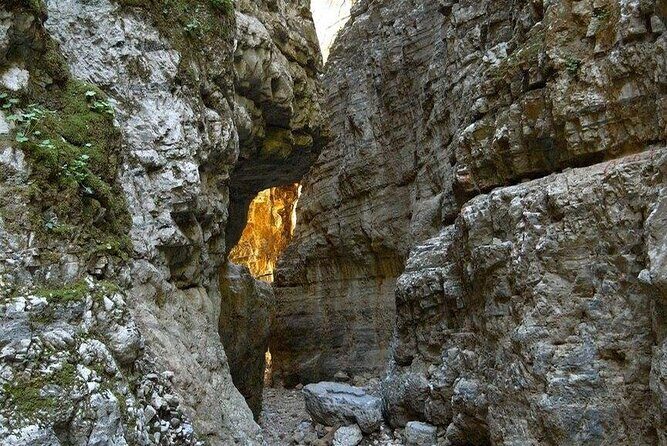
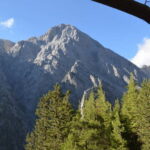
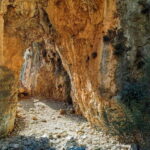
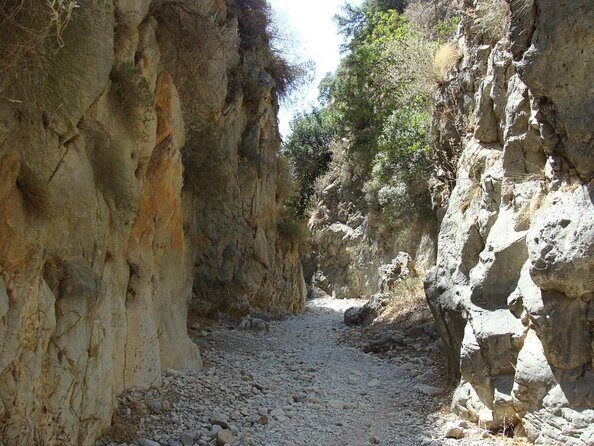
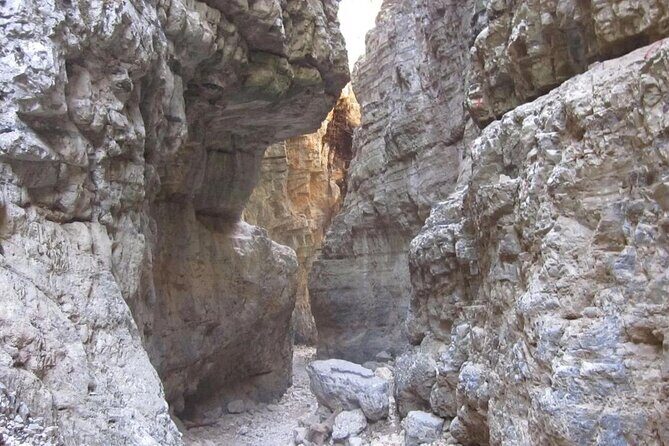
Imbros Gorge is the kind of place that makes you walk a little slower. You’re not just moving through a cut in the rock. The gorge area is tied to a WWII evacuation route, when the mule trail was the only connection between Chania and Sfakia before a road was built. That history is worth paying attention to as you follow the path—because the terrain feels like it has a story baked in.
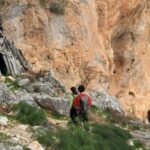
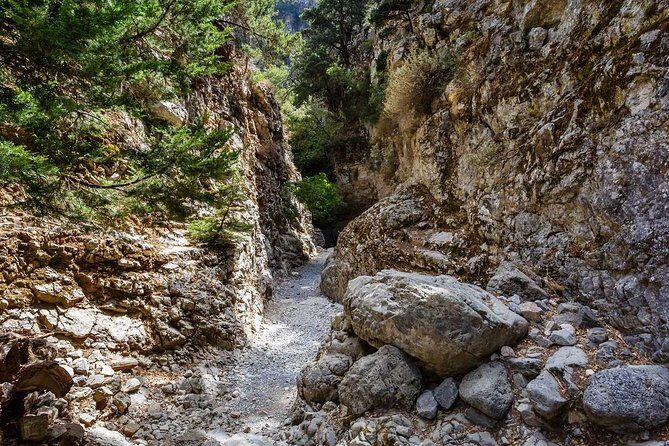
The trail itself is a long, downhill descent, roughly 7 km, and it’s rocky. That combination is why this can feel easier than you expect from a distance, but trickier underfoot. In plain terms: your calves will work, and you’ll want stable shoes.
Timing matters here. You spend about 3 hours in the gorge, and you’re moving while the weather is still settling in the morning. Some days start chilly and then warm up. If you run cold early, plan layers. If you run hot, take advantage of the shade where you find it, and keep moving steadily rather than rushing.
You can also read our reviews of more hiking tours in Chania
What safety really looks like on this trek
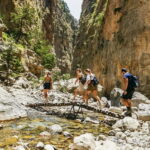
This tour doesn’t treat the gorge like a DIY hike. You go in a group with an escort to assist and keep everyone safe, and the guide keeps the day organized in real time. That means you’re less likely to get separated, and you’ll get reminders that matter: where to pause, how to handle foot placement, and how to keep hydration a priority.
You also get the rules that help everyone keep the gorge clean and respectful. Inside the gorge, you should expect to follow limits like:
- no radios or singing
- no excessive noise
- no littering (use provided bins)
- no smoking except at the rest points
- no alcohol consumption inside the gorge
These aren’t just “nice to have.” In a tight, rocky route, quiet behavior keeps the flow moving and reduces the risk of distractions.
One practical win: refillable water bottle advice. The tour encourages you to bring a bottle you can refill in the gorge’s springs. That’s huge for a day hike, because you’re not stuck buying water every time you feel thirsty. Just bring a bottle you’re comfortable using and keep it protected from dust.
Imbros entry fee: small cost, big reason to carry cash
The gorge admission is not included. You should plan for a per-person entrance fee that’s paid on-site (the exact amount is listed as 2.5 € per person, and you’ll want to be ready for slight variations in how prices are handled day-of, since small fees can be different at the start for facilities).
What you should do: bring some cash and keep your ticket if you’re given one. The gorge exit process can require the ticket you purchased at the beginning. It’s one of those tiny logistics details that can save you stress at the end of a hike.
Also note that you might find restroom facilities at the start of the gorge have a small charge. Coins help. It’s not the main cost of the day, but it avoids awkward last-minute scrambles when your group is getting ready to move.
The “easy” rating vs. real footing
Here’s the honest part. The hike is often described as manageable or easy, and for many people it is. But the gorge is downhill the whole way, and it’s rocky the whole way. If you have knee concerns, that downhill grind is the bigger issue than your heart or lungs.
A good strategy if you’re unsure about your knees:
- Use walking poles if you have them (helpful for steady downhill rhythm)
- Take short pauses to reset your footing before you stretch for photos
- Consider supportive footwear. Trainers can be okay for some people, but walking boots can give extra stability
If you’re going with family or mixed abilities, this is where the escort and guide style matters. A good guide keeps the group together while letting walkers who need a slower pace move safely.
And don’t underestimate the rocks. Reviews mention loose, slippery stones. That means your eyes need to stay on the path more than you might expect. You’ll still get great views, but treat the scenery as a reward during controlled stops, not as something to chase while you’re stepping downhill.
Sfakia: The beach break that makes the whole day work
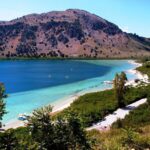
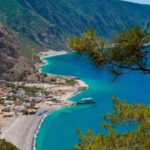
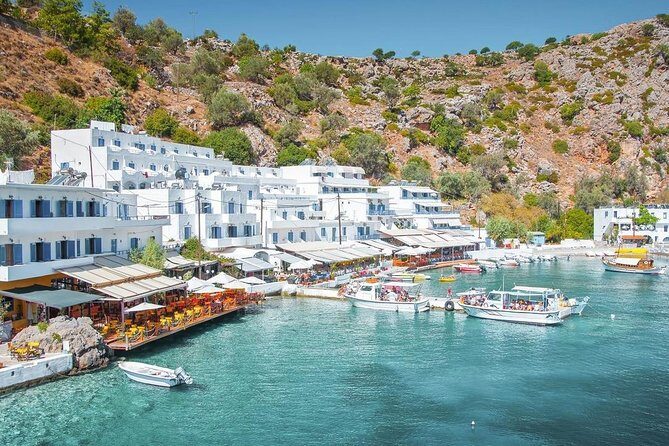
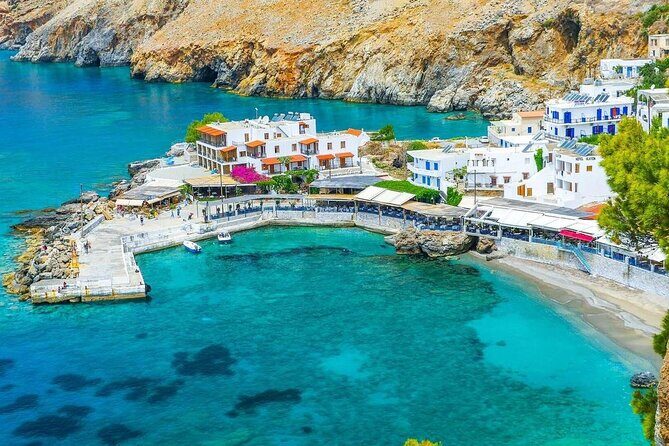
After the gorge, the day shifts gears. You reach Sfakia, specifically Chora Sfakion, the capital of the remote Sfakia region. The feel here is quieter than the hike: mountainous terrain meets a simple seaside town vibe, with coffee shops and taverns close at hand.
You get about 3 hours in Sfakia, which is enough for:
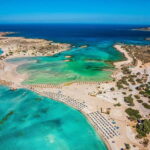
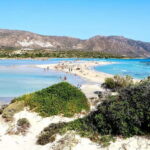
- a long-ish stretch on the sandy beach
- a swim if you want it
- a relaxed coffee or quick bite
- short exploring around the village area
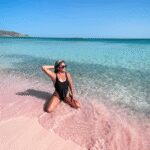
The swim option is real. You should bring a swimsuit and beach towel if you want to cool off. The waters are described as clear and the setting as unspoiled, which is exactly what you’re hoping for after a rocky walk.
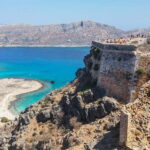
There’s also an extra viewpoint option. In the northern part of Sfakia, you can find ruins of the Venetian Fortress of Sfakia (also seen as Castel di Sfacia or Sfachia). If you still have energy and time, that area can give panoramic views over Sfakia and the surrounding wilderness. It’s not guaranteed you’ll do it all, but your time in the village is long enough to choose your mix of beach plus short sights.
One consideration: 3 hours can feel just right or just short, depending on your pace through the gorge and how long you linger on the sand. If you want a slow beach day, plan on making the gorge portion a bit more efficient.
Getting there: Chania pickup, bus comfort, and a long day rhythm
This is a full-day outing, usually 9 to 10 hours from door-to-door. You start at 7:30 am. That early start is part of the value: you’re walking the gorge when conditions can be cooler and the light can be kind to photography.
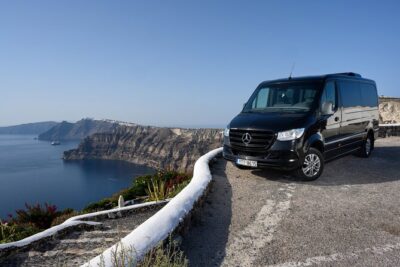
Transport is handled by an air-conditioned coach, with hotel pickup/ drop-off from select spots in Chania. The idea is simple: you don’t waste your holiday figuring out routes or parking. It also tends to be cheaper than taking taxis back and forth.
A practical note: with hotel pickups and morning traffic, pickup can feel slow. That’s normal for popular day tours. The best mindset is to plan a little buffer in your morning schedule and keep your patience ready.
The day runs in a rhythm:
- get picked up
- move to the gorge
- spend around 3 hours walking
- transfer to Sfakia
- spend around 3 hours by the sea
- return to your pickup point
If you get car-sick easily, the coach is steady and comfortable, but you’ll still be on the road for much of the day. Pack water, and keep snacks handy.
What to pack so the day feels easy (not annoying)
This tour asks for a simple, honest packing list. If you show up prepared, you’ll enjoy it more and spend less time stuck in problem-solving mode.
Bring:
- Comfortable hiking shoes with grip
- A refillable water bottle for the gorge springs
- Sunscreen, sunglasses, and a hat
- A light snack (fruit is a great idea)
- Swimsuit and a beach towel for Sfakia if you want to swim
A few small “make it better” items:
- If you have them, trekking poles can help with the downhill pace
- A thin layer can be useful if morning feels chilly
- Keep your gorge entry ticket safe if you’re required to show it on exit
And inside the gorge, follow the quiet rules. It helps everyone enjoy the same shared route.
Guides you might meet, and why that matters
The experience is guided in English, and the guide/escort style makes a difference on a rocky descent. Names that have come up include Nikos, Ingrid, and Vasilis. While the exact guide depends on your date, the pattern is consistent: a guide who explains what you’re seeing and keeps an eye on the group helps you walk more confidently.
You’re not only listening for facts. You’re also learning how to pace. Some guides take extra care with hikers who struggle, and that’s the kind of support that keeps a day from turning into stress.
Is this the right tour for you?
This is a good fit if you want:
- an active Crete day without driving
- a guided gorge walk that prioritizes safety and organization
- real beach time at the end, including a swim option in Sfakia
You might think twice if:
- you have knee problems and downhill hiking is hard for you
- you hate rocky, uneven footing
- you want a super quiet, uncrowded hike (the gorge can be busy, and it’s a popular walk)
If your group has mixed fitness levels, this tour can still work well because the escort and guide can manage pacing. Just be honest about footwear and your knee comfort.
Should you book the Imbros Gorge and Sfakia hike?
Yes, if you want a well-structured day that pairs Imbros Gorge walking with a proper sea break in Sfakia. The hotel pickup, air-conditioned bus, English guide, and included taxes mean you’re paying for convenience and coordination, not just a walk.
It’s also strong value at $51.66 per person because you’re getting transport plus guiding for most of the day, even though the gorge entrance fee is extra. The key is to show up prepared: good shoes, water, cash for the entrance, and swim gear if you want that end-of-day payoff.
If your knees are sensitive, take it seriously. This is doable for many people, but the downhill rocky trail is the real boss of the day.
FAQ
What time does the tour start in Chania?
The start time is 7:30 am.
How long is the Imbros Gorge and Sfakia experience?
It runs about 9 to 10 hours.
Does the tour include hotel pickup and drop-off?
Yes. You get pickup and drop-off by air-conditioned coach from select spots in Chania.
Is the Imbros Gorge entrance fee included?
No. Admission to Imbros is not included (listed as 2.5 € per person, with children under 14 free).
How much time do you spend in the gorge and in Sfakia?
You spend about 3 hours in Imbros Gorge and about 3 hours in Sfakia.
Can you swim in Sfakia during this tour?
Yes, you have the option to swim in Sfakia. Bring a swimsuit and beach towel.
Do you need to bring your own water?
Yes. Bring a refillable water bottle. There are safe springs in the gorge where you can refill.
What shoes should I wear?
Wear comfortable hiking shoes. The trek is rocky and downhill, so good traction matters.
What’s the group size?
The tour has a maximum of 40 travelers.
What items are prohibited inside the gorge?
Radios, singing, excessive noise, disposal of rubbish in other places, smoking outside rest points, and alcohol consumption are prohibited.