REVIEW · CHANIA
From Chania: Imbros Gorge Guided Hike and Village Visit
Book on GetYourGuide →Operated by Allcretetours · Bookable on GetYourGuide
Imbros Gorge turns a simple hike into a real Cretan day. I like the gentle 9 km route through towering rock walls, and I also like how the trip finishes with a swim in Chora Sfakion after lunch. It’s the kind of plan that mixes a working countryside day with big scenery, without demanding marathon fitness.
One thing to plan for: the gorge entrance isn’t a card-payment situation. Have some cash handy, and keep in mind the beach stop can be small with limited shade.
In This Review
- Key highlights I’d prioritize
- From Chania pickup to the White Mountains: how the day starts
- Imbros Gorge: 9 km of cliffs, steps, and a real downhill rhythm
- What I love about the trail flow
- The historical waypoints you can actually find: Airplane, Stenada, Mesofarango, Xepitira Arch
- Quick practical note on the “how guided is it?”
- The tricky bits: ticket office steps, scrambling, and pacing behind slower walkers
- Komitades to Chora Sfakion: lunch, swim, and changing gears by the Libyan Sea
- Beach stop realism: nice bonus, not the main event
- The Venetian fortress ruins: where the views actually happen
- Price and value: why $35 feels fair for this kind of day
- What to budget extra
- What to bring so the walk feels easy (and not annoying)
- Who this tour suits best (and who should consider another plan)
- Guides and drivers: the human touch makes the difference
- Should you book Imbros Gorge from Chania?
- FAQ
- How long is the Imbros Gorge hike part of the day?
- How far is the gorge hike?
- Do I need swimwear for this tour?
- What about food—does the tour include lunch?
- Do I need cash for the gorge entrance?
- Is the tour guided in English?
- What should I bring to be comfortable on the trail?
Key highlights I’d prioritize
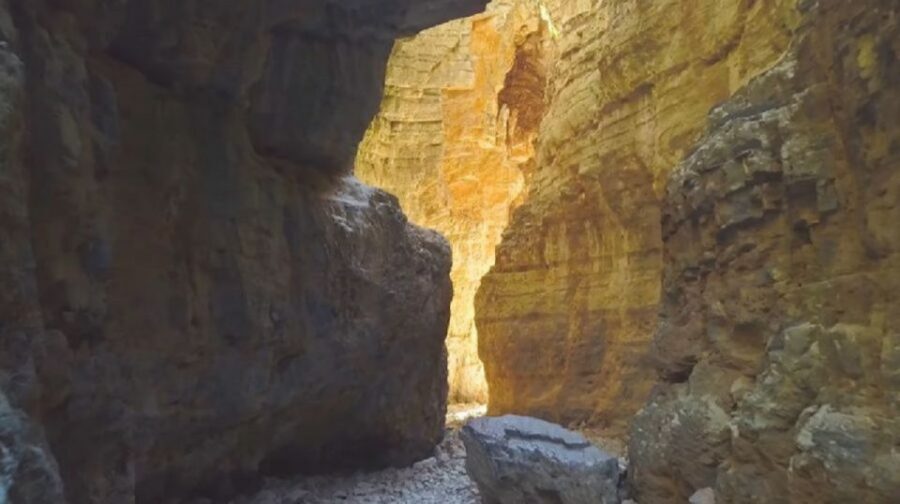
- 9 km through Imbros Gorge (about 2.5 hours on the trail)
- Less-than-2-meter narrow squeeze where the walls feel very close
- Xepitira Arch and named waypoints like Airplane, Stenada, and Mesofarango
- Komitades connection to Sfakia so you end the day by the sea
- Chora Sfakion break for swim and a calm village pause
- Venetian fortress ruins for wide views over the Sfakia region
From Chania pickup to the White Mountains: how the day starts
This is a full-day outing that begins with hotel pickup around the Chania area. You’ll get collected from your accommodation (or a close meeting point), then settle into an air-conditioned bus for the drive into the White Mountains region.
The drive matters because it sets your pace. You’re not trying to squeeze a gorge hike into a half-hour plan. Instead, you have time to regroup before you walk, and you’ll likely arrive with enough energy for the downhill style of the gorge trail.
The bus ride also helps if you’re not a confident self-driver. Imbros Gorge isn’t a “just park and go” kind of adventure if you want it to run smoothly. Having the transport handled is a big part of why a day like this feels easy.
You can also read our reviews of more guided tours in Chania
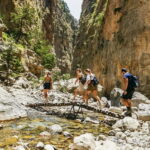
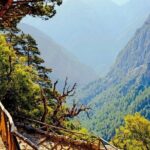
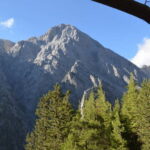
Imbros Gorge: 9 km of cliffs, steps, and a real downhill rhythm
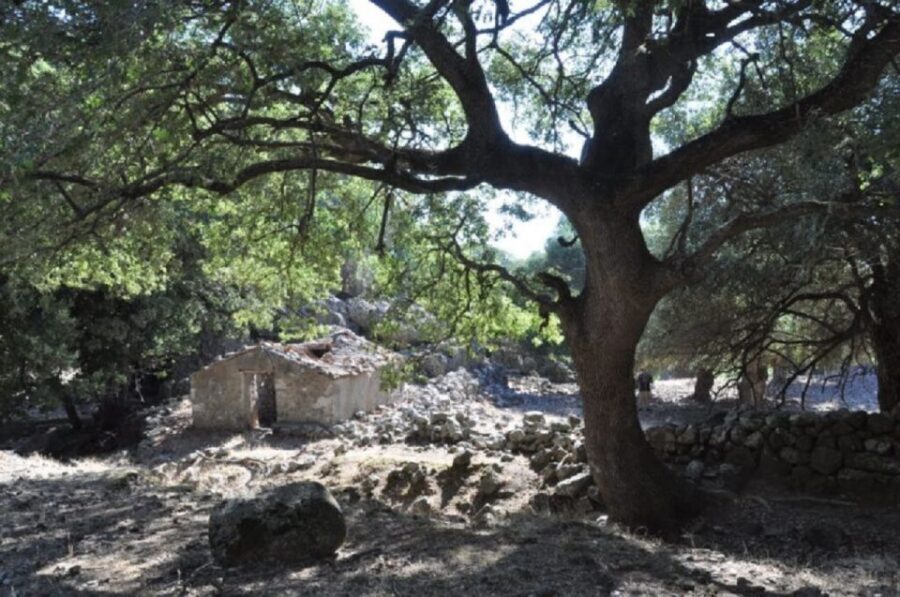
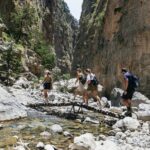
The walking portion centers on a 9 km gorge route. Expect a gentle 2.5-hour hike on a trail that’s very workable for many families. The gorge itself is one of Crete’s more accessible natural wonders, and it’s set up for a steady “point to point” descent.
Here’s what to know about the ground. Reviews and on-the-ground descriptions line up on one theme: it’s not hard because it’s flat and smooth, it’s manageable because it’s mostly downhill. The catch is that you’re on rocky footing, so closed-toe shoes are not optional advice. Even when the hike feels easy, your feet still need grip.
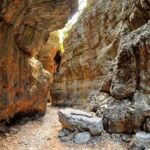
One of the most memorable moments is the gorge narrowing dramatically, to a point described as less than 2 meters at its tightest. When you hit that stretch, the scale changes fast. Those towering walls feel immediate, and you’ll understand why this gorge is so popular for photos and for awe that doesn’t require any special gear.
What I love about the trail flow
I like that you’re walking a route that’s not complicated to follow. The trail is a single main line through the gorge, so you’re not constantly “solving” directions. You’re focused on the gorge itself: walls, plants, shade pockets, and the rhythm of the descent.
I also like that the timing is realistic. People with kids have finished the hike in just over two hours on a moderate pace, which tells me the plan has a buffer and isn’t built like a race.
The historical waypoints you can actually find: Airplane, Stenada, Mesofarango, Xepitira Arch
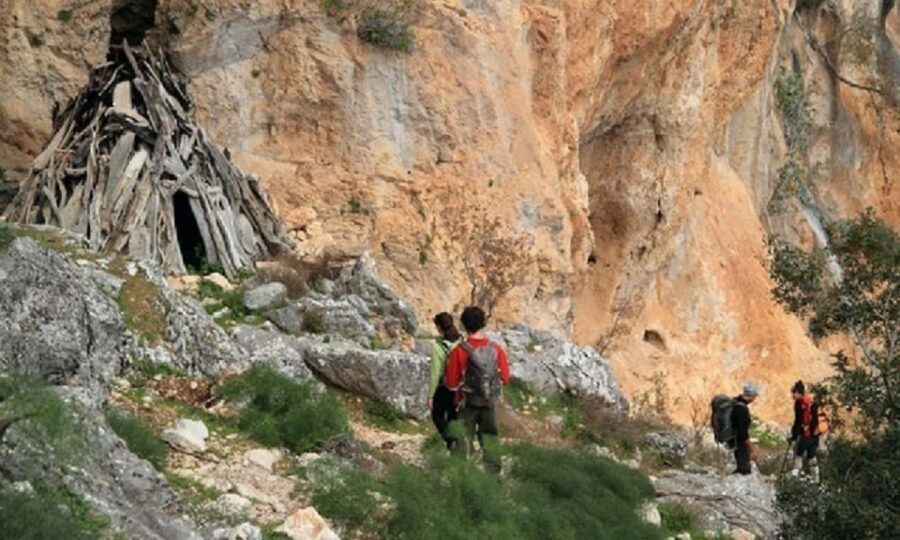
This is where the trip feels more meaningful than a typical nature walk. Along the gorge route, you’ll hear about landmarks and historical references connected to how people used this passage over time.
You’ll come across the kinds of named spots that make the trail feel like a route, not just scenery: the Airplane, Stenada, Mesofarango, and the Xepitira Arch. Those names are memorable because they’re tied to specific features you can spot as you go, which helps you stay engaged instead of just staring at cliffs the whole time.
There’s also a wartime connection. The gorge served as an escape route for Allied soldiers during the 1941 Battle of Crete. That detail gives context to what you’re seeing: this isn’t just nature carving a valley; humans also used this passage when moving mattered.
Quick practical note on the “how guided is it?”
There’s a guide included with the hike experience, and you’ll get organized information before and during the walk. Still, the gorge is a one-way descent, so you won’t be constantly relying on a guide to navigate. Treat the guidance as interpretation and safety support, and treat your job as: follow the trail down and watch your footing.
You can also read our reviews of more hiking tours in Chania
The tricky bits: ticket office steps, scrambling, and pacing behind slower walkers
Every gorge has a “it starts before it feels like a hike” moment. In Imbros Gorge, the challenge is at the beginning: the hardest part is described as the walk down to the ticket office area. After that, the hike evens out into mostly downhill walking.
Scrambling is sometimes required. One review described a bit of scrambling for parts of the route, and another noted the trail is mostly small rocks. This is exactly why your shoes matter. If you only pack sneakers that feel good for city sidewalks, you may regret it once the trail turns stony.
Pacing is also real. If your group includes slower walkers, you can end up stuck behind them for sections. That’s not a reason to avoid the tour, just a reminder to mentally plan for some “train behind someone” time on a narrow rocky trail.
Komitades to Chora Sfakion: lunch, swim, and changing gears by the Libyan Sea
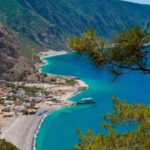
Once the gorge walk ends, transportation meets you around Komitades village, and you move toward the coast. This is where the day shifts from boots-and-stones to beach-and-rest.
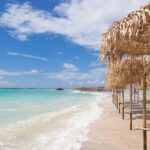
In Chora Sfakion, you get lunch and time to swim in the Libyan Sea. The sea time is a big payoff because the gorge walk is physically demanding on the feet even when the overall hike feels manageable. A warm meal followed by a water break resets your body fast.
The swim set-up is practical but not fancy. There’s mention of a small change area (described as a privacy hut to change). If you’re hoping for an easy resort-style beach with lots of space, manage expectations.
Beach stop realism: nice bonus, not the main event
I’d think of the beach as a reward, not the headline. Some people found the beach stop small and with limited shade, and they had nowhere great to stash bags. Still, the water itself is described as clear, and getting that quick dip feels exactly right after a gorge hike.
If you want the best outcome, bring a simple plan: pack what you need for the swim, keep your other stuff minimal, and don’t rely on the beach being shaded.
The Venetian fortress ruins: where the views actually happen
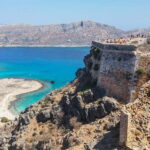
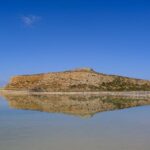
Sfakia’s coastline isn’t only for swimming. The plan includes a visit to the Venetian fortress ruins, which give panoramic views over the Sfakia region.
This stop works well because it’s the bridge between “sea relaxation” and “one last photo opportunity.” You’ll get a higher perspective than the beach gives, and the ruins add a sense of time depth that matches the gorge’s historical waypoints.
The ruins are described as remnants, so you’re not expecting a fully restored site. But even partial ruins can be worth it here because the point is the view and the feeling of place.
Price and value: why $35 feels fair for this kind of day
At $35 per person for about 8 hours, the value is in what’s included:
- Pickup and drop-off
- A hiking guide
- An air-conditioned coach
- Full liability insurance
That package matters because the day is logistically heavy. You’re going from Chania into mountain walking terrain and then back out to the coast. If you tried to DIY this without local transport and timed coordination, the day could become a stressful puzzle.
What’s not included is food in the village. That means you’ll pay for lunch on-site, so budget for that. But the rest of the day is structured and handled—especially the transport and the guide—which is where you feel the value most.
What to budget extra
Bring small euro notes for the gorge entrance. One review specifically noted cash is required and also flagged that signage/price wording can vary (example: €3 mentioned). This isn’t a deal-breaker, but it’s the kind of detail that can annoy you if you show up unprepared.
What to bring so the walk feels easy (and not annoying)
This is a bring-these items kind of hike. You’ll want:
- Comfortable shoes (closed-toe with grip)
- Hat and sunscreen
- Swimwear for the Sfakia stop
- Water
If you’re prone to sore feet, consider a small blister kit. The trail is rocky enough that you want to be proactive.
Also, bring cash for the gorge entrance. It’s the one “simple but missed” item that can turn into an awkward walk back.
Who this tour suits best (and who should consider another plan)
This is a good fit if you want a structured day that still feels flexible on the ground.
It’s especially suitable for:
- Families who can handle downhill walking on uneven rocks
- People who want history pointed out along a natural route
- Anyone who wants a sea swim at the end without having to plan transit
It might be less suitable if:
- You have trouble with rocky footing or short scrambling sections
- You dislike paying small fees in cash
- You expect the beach time to be a large, shaded, lounge-friendly setup
The best “match” is someone who’s happy to prioritize the gorge walk as the core experience and treat the seaside time as the refresh button.
Guides and drivers: the human touch makes the difference
The quality of this kind of tour often comes down to who’s steering the day.
From the names shared in the experience reports, guides like Carolina, Ingrid, and Irenie were praised for looking after people and explaining the route clearly. Drivers like Nikos and hosts like Manos were also described as safe and efficient, which matters because you’re spending time on roads both ways.
Even if the gorge is one-way and the scenery is the star, good guidance helps you get more meaning from the stops and less stress from timing. That shows up in the smoother feeling people reported about pickup, trail information, and knowing where to meet after the hike.
Should you book Imbros Gorge from Chania?
I’d book it if you want a day that mixes an accessible gorge hike with clear, named highlights and an end-of-day payoff by the sea. The route length and timing are the sweet spot for many families, and the $35 package is strong when you factor in transport and guidance.
I wouldn’t book it if rocky trail footing is a deal-breaker for you, or if you’re the type who hates paying small extra fees in cash. Also, if your main goal is a big, shaded beach day, you may feel like the sea time is more of a refreshing bonus than a full beach vacation.
If you’re going with sensible shoes, a hat, and some cash in your pocket, this tour has a lot going for it: gorge wonder in the morning, then Sfakia calm and a swim to close the loop.
FAQ
How long is the Imbros Gorge hike part of the day?
The hike through Imbros Gorge is planned for about 2.5 hours, within a total day of roughly 8 hours.
How far is the gorge hike?
You’ll walk about 9 km through Imbros Gorge.
Do I need swimwear for this tour?
Yes. You’ll have time in Sfakia to swim, and swimwear is recommended.
What about food—does the tour include lunch?
Lunch food in the village is not included. The trip includes the hiking guide and transport, but you’ll pay for your food during the Sfakia stop.
Do I need cash for the gorge entrance?
Yes. The gorge entrance requires cash, and one review mentioned the entrance was €3 (and that it may differ from what some info sheets show).
Is the tour guided in English?
Yes. The live tour guide speaks English.
What should I bring to be comfortable on the trail?
Bring comfortable shoes, a hat, sunscreen, swimwear, and water.