REVIEW · CHANIA
From Chania: The Ultimate Food Tour Of Chania Villages
Book on GetYourGuide →Operated by GS tours · Bookable on GetYourGuide
East Chania is at its best when the road leaves the coast and food becomes your guide. This six-hour tour takes you through Apokoronas villages to see how olive oil, raki, bread and cheese are made, then brings you to a traditional lunch in Fres. You get far more than a string of samples: you see the people and small businesses behind Cretan food.
I like the hands-on food stops, especially the olive mill and cheese factory, where production is explained before you taste the results. I also like the mix of scenery and village life, from the road toward the White Mountains to a local kafeneio where lunch follows Cretan cooking traditions.
The main consideration is that the bakery stop may be modest. One participant received only a chocolate cookie to sample, so do not book this expecting a full bakery tasting. Some producers may also be harder to understand because of strong accents, even though the English-speaking guides, including Maria, Andres and Yannis, have been praised for making the day informative and friendly.
In This Review
- Key points at a glance
- Why this Chania food tour works
- Starting with Cretan olive oil
- Raki, or tsikoudia, in a village distillery
- Bread, cookies and the bakery stop
- The cheese factory in Embrosneros
- Lunch at a Fres kafeneio
- The route through Apokoronas
- Guide quality and the role of language
- Is $135 a fair price?
- Who should book this experience?
- Practical details before you go
- Should you book the Chania villages food tour?
- FAQ
- How long does the food tour last?
- What food and drinks are included?
- Which places do you visit?
- Is hotel pickup included?
- What language is the tour offered in?
- Are transport and tastings included in the price?
- Can I cancel for a full refund?
Key points at a glance
- Olive oil from harvest to tasting: Learn how extra virgin olive oil is produced at a working local mill.
- Raki in two settings: Compare a traditional distillery with a modern professional operation before tasting tsikoudia.
- Cheese with honey and rusk: Try graviera, anthotiros and mizithra after hearing how each one is made.
- Village food in Fres: Finish with a traditional Cretan lunch at a local kafeneio.
- A real mainland day: Leave Chania’s city and coast behind for Apokoronas villages and the foothills of the White Mountains.
- Simple all-inclusive pricing: The $135 cost covers hotel transport, tastings, lunch, guide, water and taxes, but not extra food or drinks.
Why this Chania food tour works
Many food tours stay close to the city and move from one restaurant to the next. This one uses the countryside as its classroom. You travel through East Chania and Apokoronas, stopping at family businesses where food is still tied to farming, local customs and everyday village life.
That difference matters. You are not only tasting olive oil or cheese. You are learning why those products matter in Crete, how they are made and how locals serve them. The day also gives you a look at a side of Chania that is easy to miss if you spend your whole visit along the waterfront.
The pace sounds pleasantly steady rather than rushed. You have six hours for several visits, tastings and lunch, with transport in an air-conditioned minibus or minivan. Hotel pickup and drop-off are included within the Chania region, which removes the need to arrange a rental car for the day.
I would see this as a food and culture outing, not a serious cooking class. You watch, listen, taste and ask questions. The value comes from connecting several products and places into one story.
You can also read our reviews of more food & drink experiences in Chania
Starting with Cretan olive oil
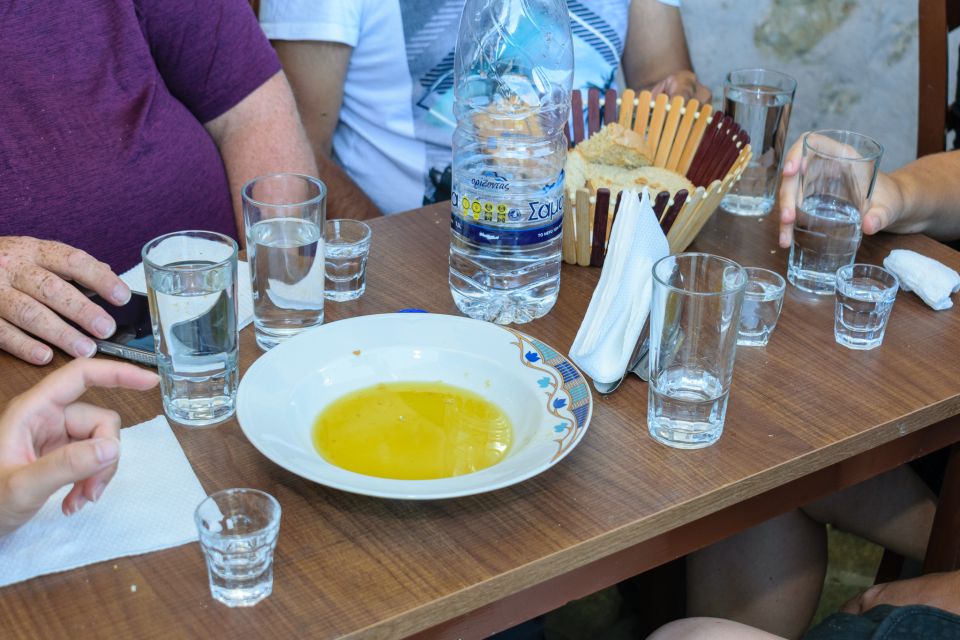
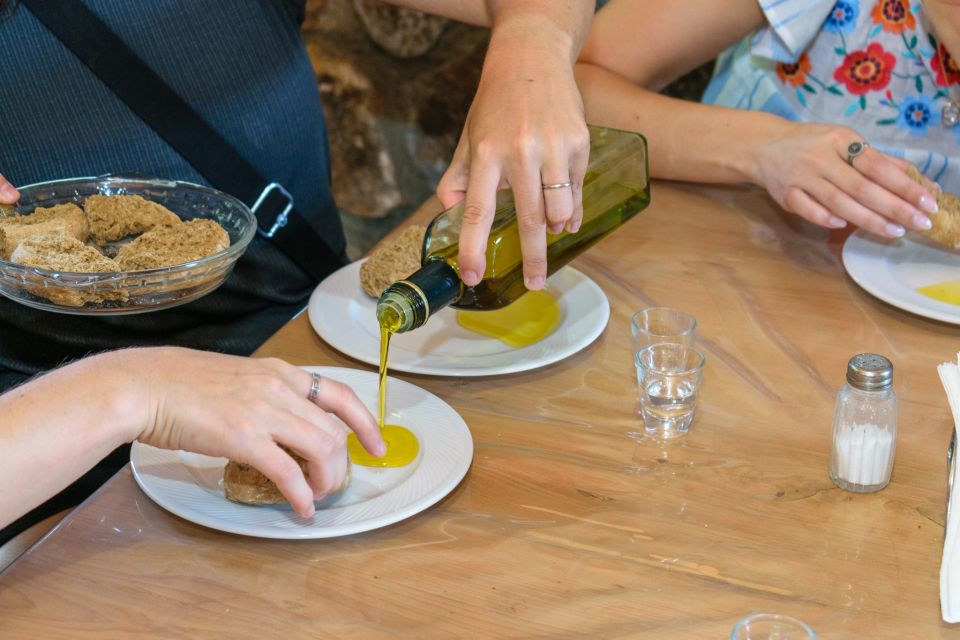
The first major stop is a local olive mill. Here you learn about the full path of the oil, from harvesting the olives to pressing and tasting the finished product. The focus is extra virgin olive oil, the highest quality category described in the tour.
This is a useful place to begin because olive oil is not just another item on a Cretan menu. It shapes the cooking, the farming calendar and the flavor of many meals. Once you understand how the oil is produced, a later lunch becomes easier to appreciate.
The tour promises an analytical explanation of production, rather than a quick taste at a shop. You should hear about the craft involved in making good oil and then sample it yourself. That combination is important. Olive oil can seem like a basic table condiment until you compare its aroma and flavor with the mass-market oil many people use at home.
The exact mill facilities and seasonal activity are not specified, so do not assume you will see every stage running during your visit. Still, the stop gives you a solid introduction to one of Crete’s defining products.
Raki, or tsikoudia, in a village distillery
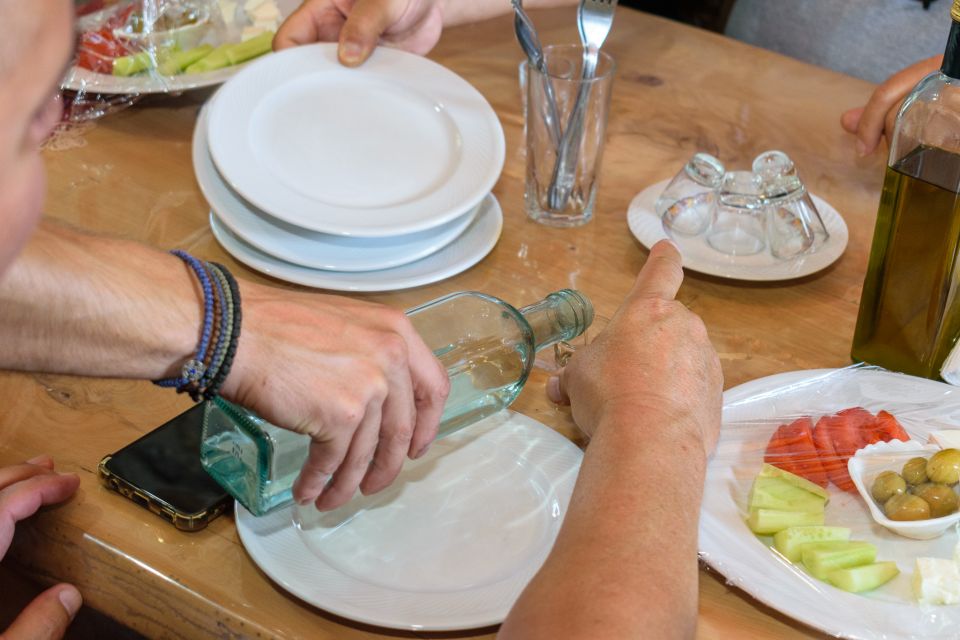
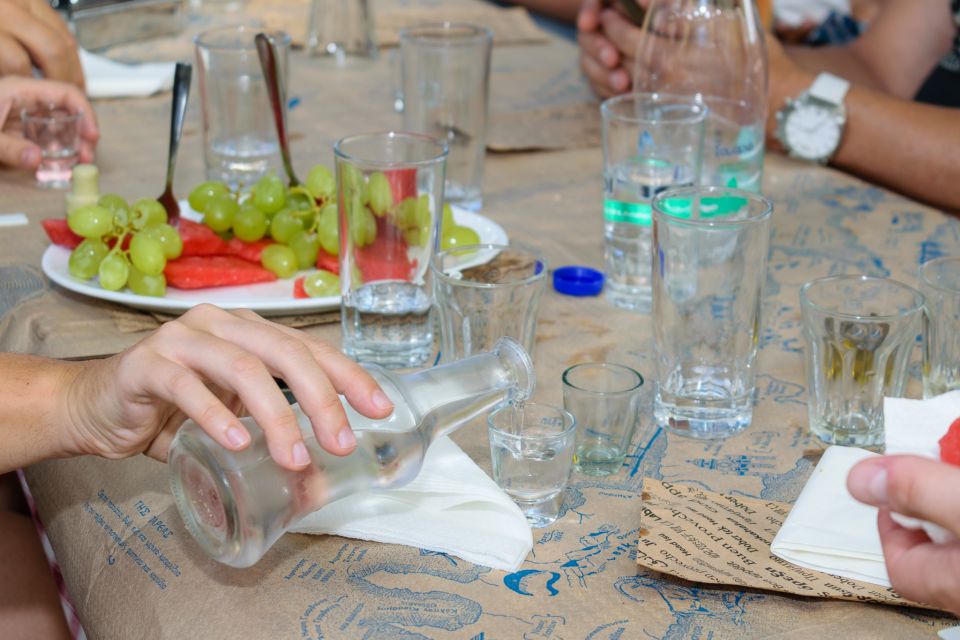
Next comes raki, known locally as tsikoudia. This clear Cretan spirit is made from grape residue, and the tour visits both a traditional distillery and a modern professional one. You then taste the finished drink.
The contrast between old and new is the interesting part. A traditional setup helps you understand how the drink has been made in village life, while the modern facility shows a more organized production process. You get a clearer sense of the work behind the small glass served after a meal.
Raki is closely linked with Cretan hospitality, so this stop also explains local custom. The drink is often offered as a sign of welcome, and learning how it is produced gives that custom more meaning. You are not simply sampling alcohol at a bar.
You should pace yourself here. The tour includes tasting, but it does not say how much is served. Anyone who does not drink alcohol should ask the guide about alternatives before booking, since the listed tasting centers on raki.
Bread, cookies and the bakery stop
The route continues through the villages toward the foothills of the White Mountains and reaches Embrosneros. The first stop there is a bakery, where you are meant to taste local bread, cookies and biscuits.
This is a smaller stop than the olive mill or distillery, but it adds a useful everyday detail. Bread gives you a sense of what people eat beyond the famous restaurant dishes, and baked goods show another side of village food production.
Keep your expectations measured. One participant found that the bakery offered only a single chocolate cookie and no further samples. That does not make the stop useless, but it does mean the bakery portion may feel brief if you are hoping for a large selection of Greek pastries.
I would treat this as a quick taste and a chance to see another local business, not as the main food event of the day. The cheese factory that follows carries more weight for anyone who wants detailed food explanations.
The cheese factory in Embrosneros
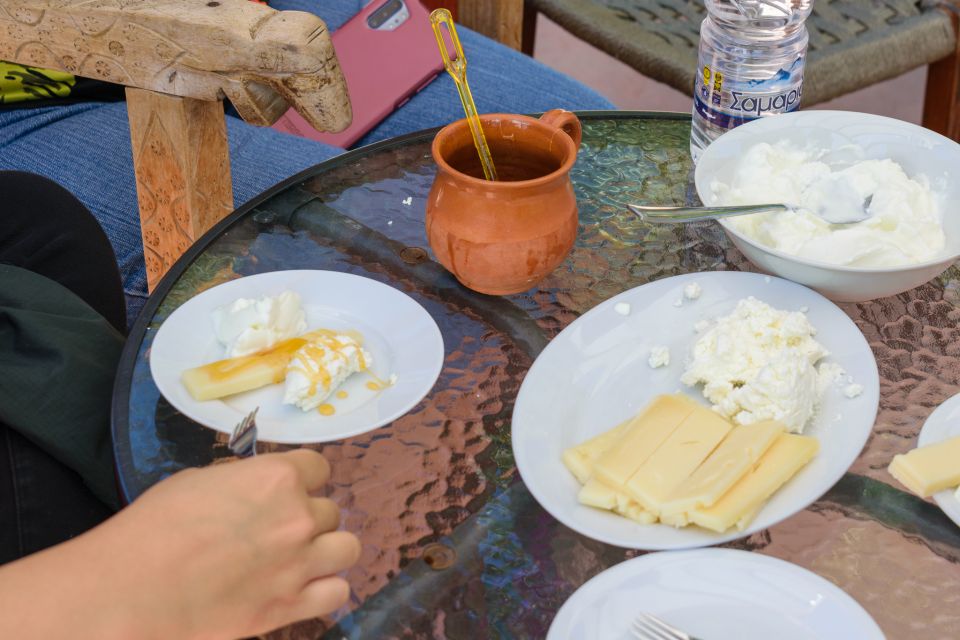
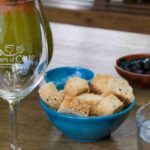
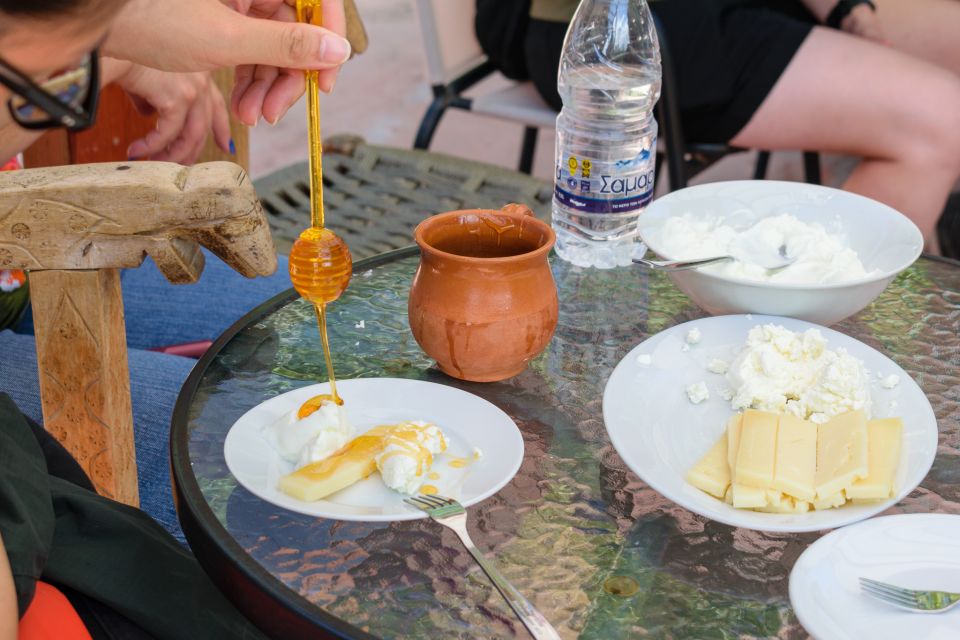
At the traditional cheese factory, you learn how three Cretan cheeses are made: graviera, anthotiros and mizithra. The guide explains the production of each one before you taste them with local honey and rusk, a dry twice-baked bread.
This is one of the strongest parts of the tour because the tasting has a clear structure. You can compare the cheeses, then see how honey adds sweetness and rusk adds crunch. The combination also shows how Cretans balance simple ingredients without covering up their flavors.
Graviera is the firmer cheese in the group. Anthotiros and mizithra are softer and milder, giving you a useful range in one sitting. The tour information does not provide specific aging details or recipes, so the guide’s explanation at the factory will shape how much technical information you receive.
The setting also matters. A family cheese business gives the stop a personal scale that a supermarket tasting cannot match. You see the connection between a product and the village that makes it. If you enjoy asking questions, this is a good place to do it.
One practical note: the tour is conducted in English, but some individual producers may speak English with a strong accent. A past participant found parts of the explanation difficult to follow. Your main guide should help, but you may need to pay close attention and ask for a point to be repeated.
A few more Chania tours and experiences worth a look


Lunch at a Fres kafeneio
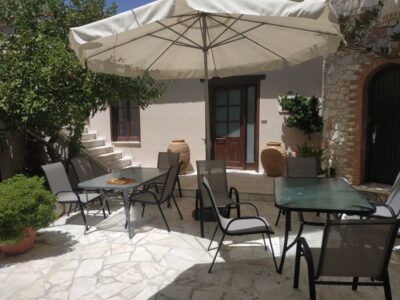
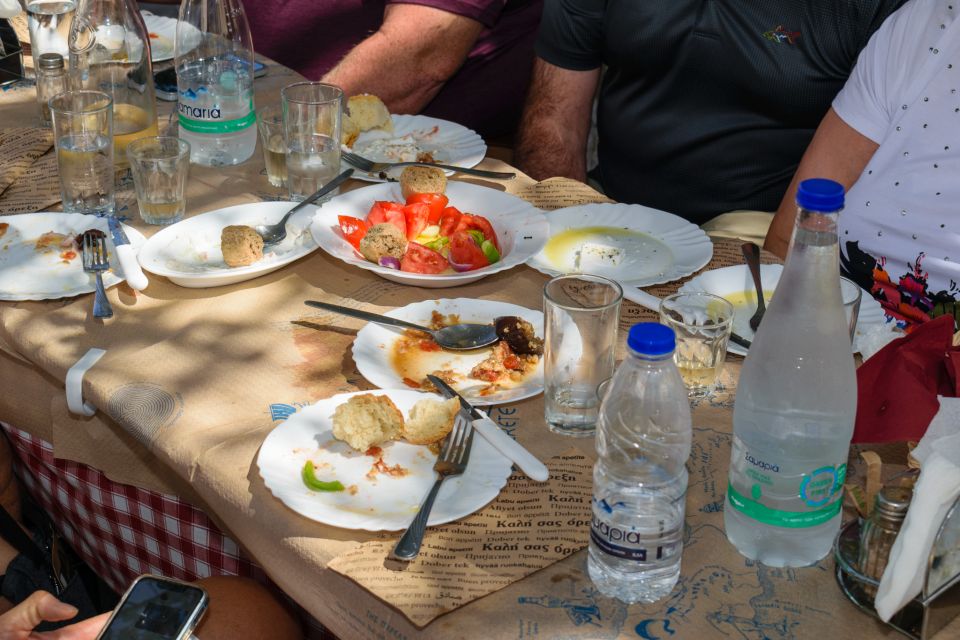
The final stop is in Fres, at a local kafeneio on the village square. In Crete, a kafeneio is more than a place for coffee. It can also be a meeting place where people eat traditional dishes and spend time together.
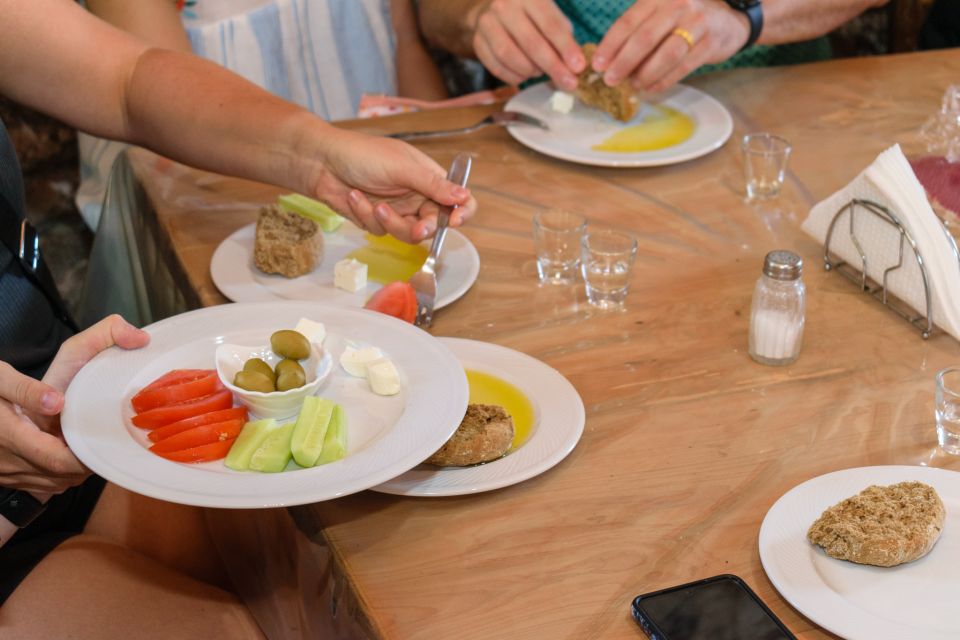
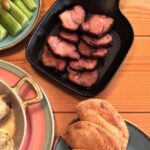
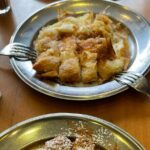
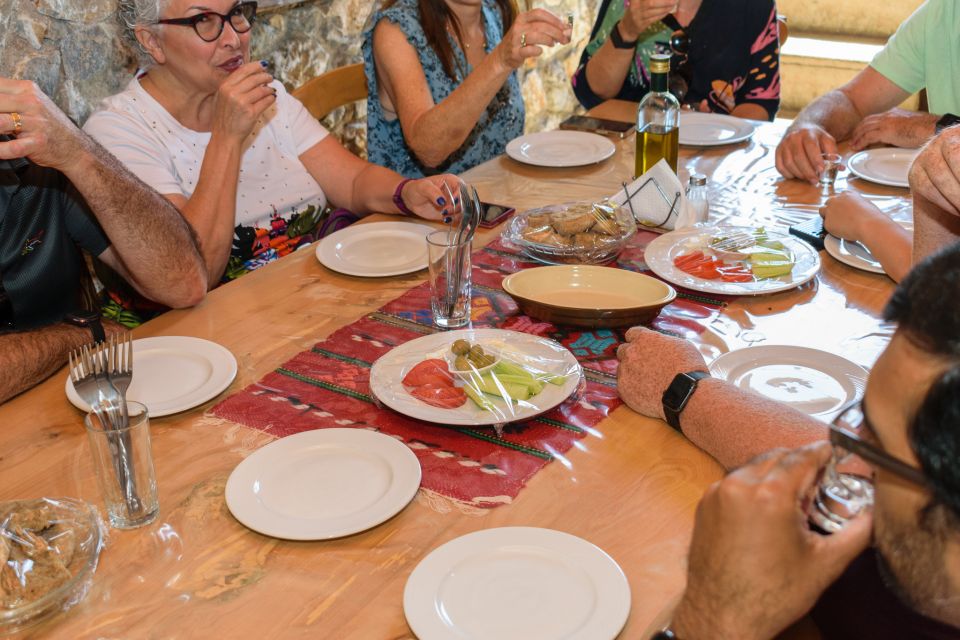
Here you receive the traditional Cretan lunch included in the price. The food is described as generous and rooted in local recipes, and the setting adds something you would not get in a standard city restaurant. The meal is a chance to bring together the olive oil, cheese, bread and other flavors introduced earlier.
Past feedback points to the lunch as a strong finish. The setting is described as a pleasant village taverna, the host as friendly, and the meal as traditional and sufficient. That is useful information if you want a proper midday meal rather than a few small plates.
Extra food and drinks are not included. The tour does include the traditional lunch, but you should budget separately for anything beyond it. The supplied details do not specify the menu, so expect Cretan cooking rather than a fixed list of named dishes.
I like ending here instead of at a shop. You sit down in a real village setting and eat a meal, which gives the day a more natural rhythm. The tour begins with production and ends with food on the table.
The route through Apokoronas
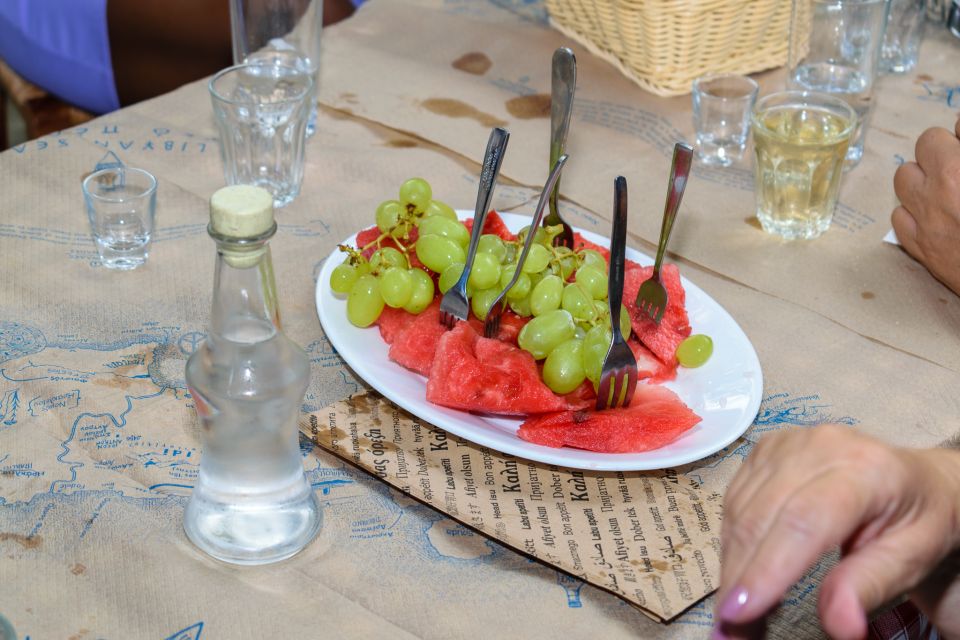
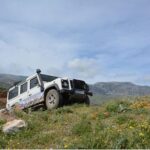
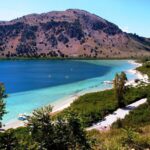
The road itself is part of the experience. You travel through villages in East Chania and the mainland of Apokoronas, eventually reaching the foothills of the White Mountains. The tour is not built around a single famous sight, so the scenery comes from the journey between stops.
That makes this a good choice if you want to see beyond Chania town without spending a full day on a major sightseeing route. You get rural views, village squares and small businesses, with the guide filling in the story of Cretan life.
The route is also a reason to consider the tour after a few days in Chania. It changes the pace from city walks and coastal stops. You will not be visiting a long list of monuments, but you will gain a better feel for how food and community work outside the main tourist centers.
There is one planning issue. If you also take a separate Seven Villages Around Chania tour, some stops may repeat. One person found three repeated locations between the two outings. If you plan both, ask the provider which stops are scheduled on your dates.
Guide quality and the role of language
The guide makes a large difference on a tour built around explanations. Maria has been praised for her attentive manner and clear English, and another participant found her English excellent. Andres was described as a warm and effective guide, while Yannis was noted for being experienced, funny, friendly and talkative.
You may not receive one of these guides, but their reported strengths show what the tour needs from its escort. The guide handles the route, explains the food and helps connect the separate stops. At places where the producer’s English is limited, the guide becomes especially important.
The tour is offered in English only. The main guide should communicate well, but you may encounter accented English at the family businesses. If you want highly technical explanations about food production, be ready to ask questions slowly and clearly.
The day seems particularly well suited to people who enjoy conversation. You can learn about Cretan life, but the amount of detail may depend on how much you engage with the guide and producers.
Is $135 a fair price?
At $135 per person, this is not a cheap tasting walk, but the cost covers a full six-hour outing. You receive hotel pickup and drop-off within the Chania region, air-conditioned transport, an English-speaking local driver and escort, all scheduled tours and tastings, bottled water, a traditional lunch, taxes and handling charges.
That package is important when judging the price. A self-drive version would require a car, fuel, navigation and separate payments at several stops. You would also need to arrange visits to an olive mill, distillery, bakery and cheese factory, then find a village restaurant. The tour bundles those pieces into one day.
The value is strongest if you do not want to drive rural roads or organize multiple appointments. It is also good for a small group of friends who want a relaxed food day with transport already handled.
The price is less compelling if you mainly want a large amount of food at every stop. The bakery tasting may be limited, and additional food or drinks cost extra. This is a guided production tour with lunch, not an unlimited eating event.
Who should book this experience?
I would recommend it to anyone who wants to understand Cretan food beyond restaurant menus. It suits couples, friends and curious food lovers who enjoy seeing how products are made and meeting local producers.
It is also a good choice for visitors without a rental car. Pickup and drop-off within Chania region make the day simple, and the air-conditioned vehicle helps during a six-hour route through the countryside.
Families may enjoy the variety, though the tour is built around listening, tasting and traveling between stops. Younger children who need constant activity may find the production explanations slow. The tour data does not provide a minimum age, so check before booking for children.
People with dietary restrictions should ask ahead. The tour includes bread, biscuits, cheese, honey, lunch and alcoholic raki tasting, but no dietary details or substitutions are provided.
The experience is less suitable if you want a cooking lesson, a large bakery tour or a tightly timed sightseeing route. It is best for a relaxed day built around local food and village contact.
Practical details before you go
The tour lasts six hours, with starting times based on availability. Hotel pickup and drop-off are included for locations within the Chania region. If you are staying elsewhere in Crete, contact the provider to ask about pickup before booking.
Wait outside your meeting point 10 minutes before the scheduled pickup. The driver will wait no longer than five minutes after pickup time, so this is not the day to wander away for a last coffee.
The tour includes bottled water, but bring anything else you may need between stops. Wear comfortable clothing for getting in and out of the minibus and walking around village businesses. The supplied information does not state how much walking is involved, so ask the provider if mobility is a concern.
Free cancellation is available up to 24 hours before the start for a full refund. You can also reserve now and pay later, which helps if your Chania plans are still shifting.
Should you book the Chania villages food tour?
Book it if you want a well-rounded countryside food day rather than a city tasting crawl. The olive mill, raki distillery and cheese factory offer the most useful production visits, while lunch in Fres gives the day a proper Cretan finish.
Go in with realistic expectations about the bakery and about language at some stops. Also check the route if you are taking another village tour, since locations may overlap. At $135, the tour is a fair buy for the transport, guide, tastings and included lunch, especially if you would otherwise need to arrange a car and several rural visits yourself.
FAQ
How long does the food tour last?
The tour lasts six hours.
What food and drinks are included?
The experience includes tastings of Cretan olive oil, raki, cheese, honey, bread, cookies, biscuits and other local delicacies. It also includes a traditional Cretan lunch. Extra food and drinks are not included.
Which places do you visit?
The route includes a local olive mill, a raki distillery, a bakery, a traditional cheese factory and a local kafeneio in the village of Fres.
Is hotel pickup included?
Yes. Hotel pickup and drop-off are included for pickup points within the Chania region. If you need pickup from another region of Crete, contact the provider.
What language is the tour offered in?
The tour is offered in English and includes a live English-speaking local guide or escort.
Are transport and tastings included in the price?
Yes. The price includes transport in an air-conditioned minibus or minivan, all scheduled tours and tastings, bottled water, the guide, lunch, taxes and handling charges.
Can I cancel for a full refund?
Yes. You can cancel up to 24 hours in advance for a full refund. You can also reserve now and pay later.