REVIEW · CHANIA
Chania Walking Food Tours Crete with a local!
Book on Viator →Operated by The Hellenic Odyssey · Bookable on Viator
Your stomach will lead the way in Chania. This 3-hour walking food tour centers on Cretan flavors and how locals shop, cook, and snack—told by a guide from The Hellenic Odyssey as you wander Old Town backstreets near the harbor.
I especially liked two things: the small-group walking route (up to 20 people) and how the tastings connect to the culture—art of filo-making talk, a stop at a traditional kafeneio (coffee house), and then a real lunch at TAMAM. The guide I learned from, Stella (and sometimes Kathy as part of the team), made the whole thing feel like a friendly city walk with food stops built in.
One consideration: the tour can feel cheese-forward, and it’s easy to overdo it if you arrive with a big breakfast. Wear comfy shoes, expect a leisurely pace but still some walking, and plan to graze rather than feast at each stop.
In This Review
- Key highlights you’ll feel in your day
- Setting out: Old Chania Market at 9:30
- What you really get: a food crawl with culture stitched in
- Stop-by-stop: how the tastings flow through Chania Town
- 1) Backstreets and first tastings from the old market area
- 2) Filo-making lessons and a traditional kafeneio break
- 3) Bougatsa and the pastry-and-coffee combo
- 4) Comparing Greek cakes, biscuits, and sweets on display
- 5) Cheese, honey, and olive oil tasting (and yes, it’s a lot)
- 6) Lunch at TAMAM: the reset point for the day
- 7) Finishing with sweets and the final taste memory
- Walking and comfort: how to make the route enjoyable
- Price and value: what $107.86 buys you in real terms
- Who this tour is best for (and who should adjust expectations)
- The one booking move I’d make before you go
- Should you book Chania Walking Food Tours Crete with a local?
- FAQ
- What’s the duration of the Chania walking food tour?
- How much does the tour cost?
- Where does the tour start?
- Where does the tour end?
- What time does the tour start?
- Is the tour offered in English?
- How big is the group?
- Is a mobile ticket provided?
- Are there any weather requirements?
- What’s the cancellation policy?
- Is the tour suitable for most travelers?
Key highlights you’ll feel in your day
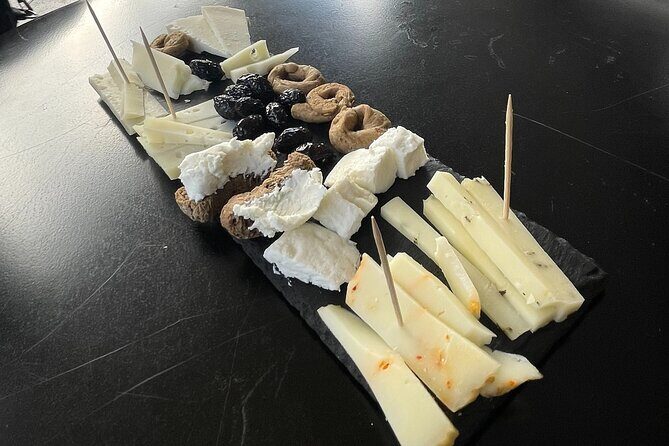
- A local-led walking route through Chania Town that favors backstreets and food counters over the obvious tourist loop
- Filo-making talk plus a kafeneio stop so you get context, not just a plate in your hand
- Greek coffee and bougatsa tastings that actually show how Cretan pastries fit the day-to-day rhythm
- Cheese, honey, and olive oil samples from traders who like explaining what they’re selling
- Lunch at TAMAM that breaks up the snacks so the day stays enjoyable (not constant munching)
- A small group size (max 20) that makes it easier to ask questions and keep up
Setting out: Old Chania Market at 9:30
The tour starts at Old Chania Market (Chania 731 32, Greece) and runs about 3 hours. A 9:30 am start is nice because the streets are livelier but not fully cooked by midday heat. It also helps if you’re sharing the day with a beach plan later.
From a practical point of view, this is a walking tour, so your day should be built around food time, not squeezed in between other reservations. The group size stays capped at 20, which usually means you won’t feel like you’re herded through shops.
If you’re worried about finding the meeting point, I’d plan to arrive a few minutes early and double-check the exact spot on your map. One review mentioned confusion about a meeting point, and another highlighted how the guide confirmed details by message. That’s a good reminder: confirm where you need to stand, then relax and let the walk begin.
You can also read our reviews of more walking tours in Chania
What you really get: a food crawl with culture stitched in
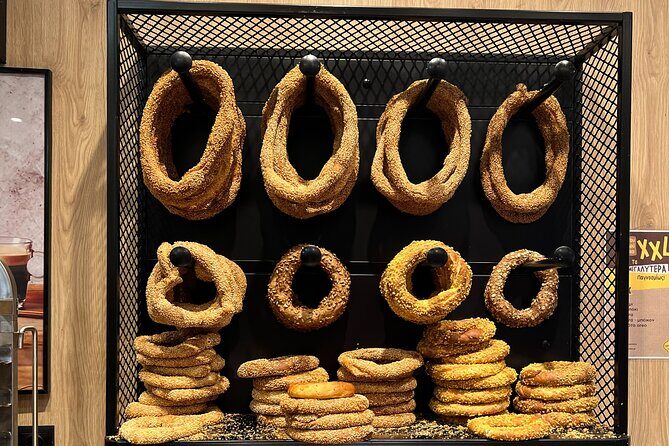
This tour isn’t only about trying snacks. It’s about learning how food shows up in Chania every day—through conversations, small history bits, and the way different counters and bakeries operate.
You’ll spend time in Chania Town moving between bakeries, coffee shops, cheese shops, and traders selling staples like dairy, honey, and olive oil. The guide weaves in explanations as you go, including how locals think about ingredients and why certain sweets and cakes get talked about differently.
The best part for me is that the structure keeps you from wasting time guessing. Instead of wandering randomly and wondering what’s worth your money, you get a sequence that builds: pastries → coffee and cakes → dairy and seasonal produce → honey/olive oil → a proper lunch.
Stop-by-stop: how the tastings flow through Chania Town
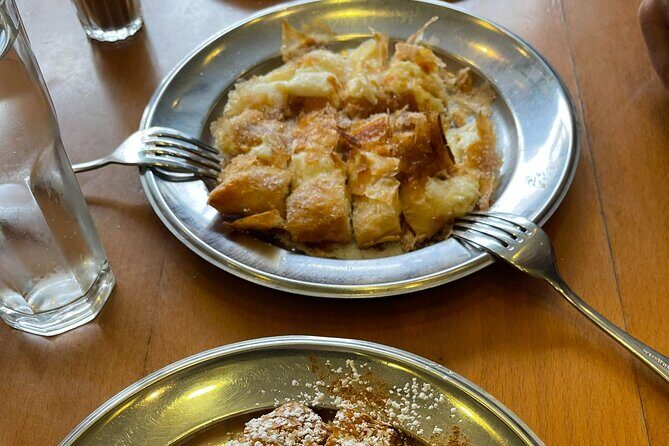
Even though the day is one continuous walk, it helps to imagine it as a few phases. Here’s what those phases feel like on the ground.
1) Backstreets and first tastings from the old market area
You start by joining the team from The Hellenic Odyssey for a guided walking tour that focuses on Cretan food and culture as locals experience it. The opening stretch is meant to get you oriented quickly—where people hang out, where the real food counters are, and what the “normal” eating patterns look like.
Expect to stroll through areas that feel like everyday Chania: shop fronts, narrow streets, and places you might not notice if you only follow the main lanes. This is also where the guide sets expectations about pacing so you don’t accidentally overload on early bites.
2) Filo-making lessons and a traditional kafeneio break
One of the smartest parts of the tour is the stop that connects your tasting to technique. You’ll learn about the art of filo making and then visit a traditional kafeneio (coffee house).
Why this matters: filo isn’t just a fancy word on a menu. It’s a foundation for so many pastries in Greece and the region. Getting a bit of technique context makes the pastry you taste later feel more specific, not generic.
At the kafeneio, you also get Greek coffee, which is more than a caffeine stop. It’s a slice of the social rhythm—something locals do while chatting, reading, or watching the day move.
You can also read our reviews of more food & drink experiences in Chania

3) Bougatsa and the pastry-and-coffee combo
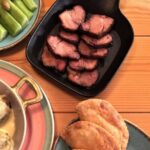
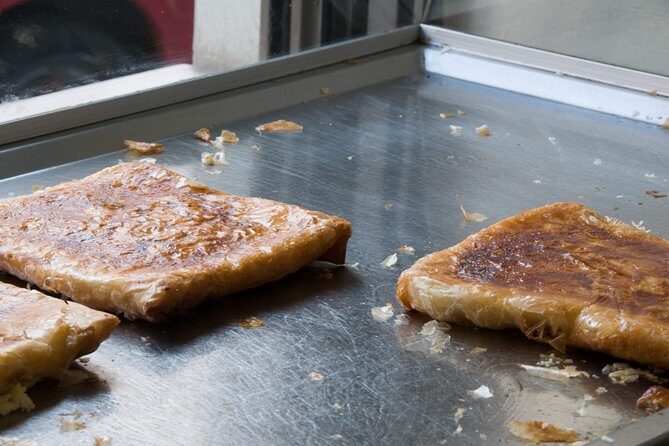
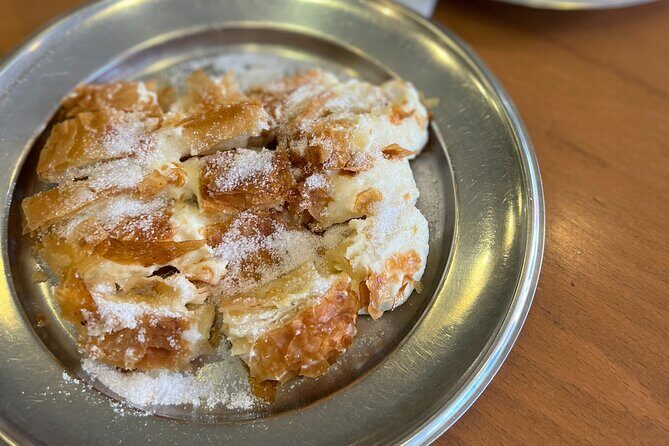
After that coffee-and-context moment, you shift into pastries. The tour specifically includes Greek coffee and Cretan bougatsa. In other words, you’re not just tasting random sweets—you’re testing a signature.
In one example itinerary detail shared from the experience: Bougatsa Iordanis was called out as delicious. If bougatsa is on your list, this is a good way to try it in the right setting instead of ordering it blindly and hoping for the best.
Pacing tip that actually helps: if you tend to grab one bite too many, try to take smaller tastes early so your later lunch still feels like lunch, not a food coma.
4) Comparing Greek cakes, biscuits, and sweets on display
One part of the tour that many people seem to appreciate is time spent looking at differences among Greek cakes and biscuits, along with sampling a traditional dessert and drink plus dairy products like local cheese.
This is a subtle benefit: you’ll start recognizing categories—what’s meant to be light, what’s meant to be richer, and which sweets tend to show up in different situations. Even if you don’t memorize names, you’ll leave with a better sense of what you’re buying at bakeries afterward.
5) Cheese, honey, and olive oil tasting (and yes, it’s a lot)
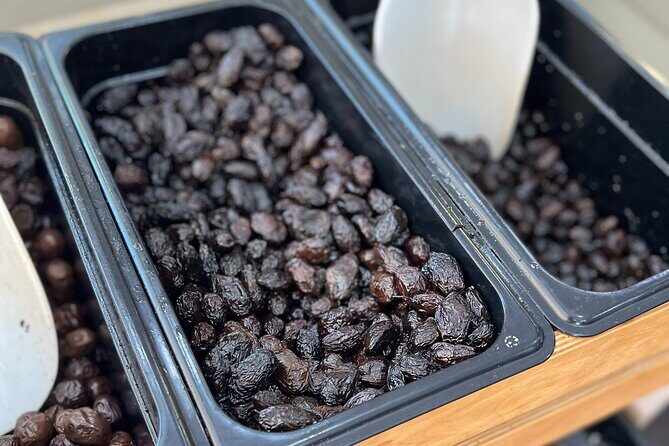
Here’s where the tour goes hard on flavor families. You’ll sample local cheese, and you may also hit tastings tied to honey and olive oils. One favorite stop mentioned in the experience included Almy Vita for cheeses with honey, and cheese tasting near the harbor was another highlight.
This is delicious for cheese lovers. It’s also the reason I call out pacing. If you’re lactose-shy, not a fan of cheeses, or just want lighter bites, you should consider whether the cheese focus fits your tastes.
And one more thing: if you’re someone who wants coffee at multiple times, note that at least one review suggested wanting more coffee. That doesn’t mean the coffee stops are absent—it just means you should go in knowing the plan may be more snack-and-sample oriented than repeated coffee refills.
6) Lunch at TAMAM: the reset point for the day
The tour includes a light lunch at an iconic Cretan eatery, TAMAM. This is where the day shifts from small bites into something more sit-down and satisfying.
A couple of specific items were called out from the experience: tomato fritters were loved at TAMAM, and the lunch stood out as a highlight for many. Reviews also praised how the portion sizes felt controlled, especially in warm weather.
This is your signal to slow down and really taste. After a series of pastry and cheese samples, the lunch is what keeps the day feeling balanced rather than chaotic.
7) Finishing with sweets and the final taste memory
You’ll also sample a traditional Greek dessert and drink as part of the overall route. By the time you reach the last stops, you should be looking for that one final flavor that makes you remember the day later—something you can’t easily recreate at home without hunting down the right shop.
Walking and comfort: how to make the route enjoyable
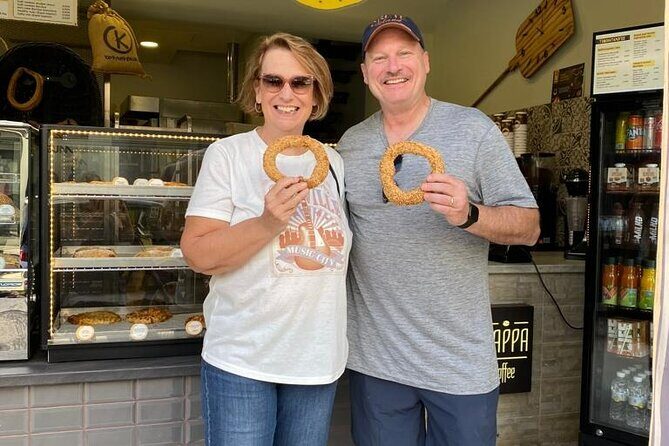
This is listed for most travelers and is designed as a leisurely walking tour, but you should still be realistic. You’re moving between multiple food stops across the older parts of Chania, and those streets aren’t always flat.
My practical advice:
- Come hungry, but not desperate. One strong suggestion was not to eat a big breakfast. Grazing is fine; a full meal can flatten your enjoyment.
- Eat modestly at each stop. A few people specifically advised pacing yourself so you can still enjoy the included lunch.
- Wear shoes you can handle on old stones and tight paths. You don’t need hiking boots, but you do want comfort.
- If you have sound concerns, position yourself closer to the guide. One review said it was difficult to hear at times and suggested a mic would help. You can solve that by simply staying near the front during the explanations.
Price and value: what $107.86 buys you in real terms
At $107.86 per person for about 3 hours, you’re paying for more than walking. You’re paying for:
- Guided route planning in Chania Town
- Multiple tastings (pastries, Greek coffee, cheeses, sweets, and other dairy products)
- A light lunch at TAMAM
- Cultural context so the food isn’t random
In other words, you’re buying convenience and a higher success rate. Instead of spending your time hunting for the right bakery or the best cheese counter, the tour pulls you toward places where you’ll likely enjoy what you order.
Also, the small-group cap (max 20) helps here. If you’ve done large food tours where you can barely hear the guide or line up for tastings, the smaller size tends to make your day smoother.
Who this tour is best for (and who should adjust expectations)
This is a great fit if you want:
- A focused way to sample Chania food without planning every stop
- A guide who can explain why things taste the way they do (like filo and pastry choices)
- A mix of sweet, savory, and coffee—ending with a real lunch
It may be less ideal if you:
- Don’t like cheese much (the route can be heavily cheese-forward)
- Want a very coffee-centric experience with lots of breaks
- Prefer ultra-fast visits with minimal walking
One practical tip based on review guidance: if you can choose your day, consider booking when the town is easier to walk in. A review suggested avoiding days with cruise ship crowds because the area can be harder to get around.
The one booking move I’d make before you go
Send yourself a reminder to confirm the exact meeting spot. One experience mentioned that the listing’s meeting point might be confusing and that the guide may confirm via message (WhatsApp was mentioned).
You don’t need to stress. Just do the simple things:
- Check your map pin for Old Chania Market
- Arrive a few minutes early
- Have your phone ready in case the guide texts for final confirmation
That’s it. You’ll save yourself the kind of scramble that can ruin a food tour.
Should you book Chania Walking Food Tours Crete with a local?
I think you should book this tour if you want a guided food day that actually teaches you while you eat. The combination of Greek coffee, bougatsa, filo-related explanations, cheese/honey/olive oil tastings, and lunch at TAMAM makes it a strong value for a first trip to Chania Town.
I’d hesitate only if you know you dislike cheese or you’re the type who needs lighter, less frequent tastings. If that’s you, you might still enjoy the tour, but you should go in with a plan: eat lightly early, ask about your preferences, and be ready for the cheese-and-dairy theme.
If you love pastry, coffee-house culture, and learning as you walk, this is the kind of outing that turns Chania from a pretty place into a place with flavors you can name.
FAQ
What’s the duration of the Chania walking food tour?
The tour runs for about 3 hours.
How much does the tour cost?
The price is $107.86 per person.
Where does the tour start?
The tour starts at Old Chania Market, Chania 731 32, Greece.
Where does the tour end?
The tour ends back at the meeting point.
What time does the tour start?
The start time listed is 9:30 am.
Is the tour offered in English?
Yes, it is offered in English.
How big is the group?
The tour has a maximum of 20 travelers.
Is a mobile ticket provided?
Yes, the tour includes a mobile ticket.
Are there any weather requirements?
Yes. The experience requires good weather. If canceled due to poor weather, you’ll be offered a different date or a full refund.
What’s the cancellation policy?
Free cancellation is available up to 24 hours in advance of the experience start time for a full refund.
Is the tour suitable for most travelers?
Yes, most travelers can participate.