REVIEW · CHANIA
Chania Old Town: Artisans & Sightseeing Walking Tour
Book on GetYourGuide →Operated by Wonderers | Chania Private Tours · Bookable on GetYourGuide
Chania’s best sights are only part of this walk. The real treat is seeing how old skills still fit into daily life, from hand-made phyllo and folklore knives to leather work, local food, and modern art. Bougatsa Chania gives the morning tour a tasty start, while guides such as Sofia, Anna, and Olga add local color.
I like the way the tour connects Old Town history with working artisans, rather than treating Chania as a collection of pretty façades. I also like the practical advice built into the walk: guides have helped visitors choose restaurants, shops, and later activities, and solo visitors can benefit from photos taken at good viewpoints.
The main consideration is the pace and footing. Three hours on narrow Old Town streets calls for comfortable shoes, and the activity is listed as not suitable for people with mobility impairments, even though wheelchair access is also noted. Ask the provider about your needs before booking.
In This Review
- Key points at a glance
- Why this Chania walk feels different
- Beginning at Apokoronou 37 with bougatsa
- Walking Chania’s narrow lanes and best photo spots
- Folklore atelier: a window into local customs
- Local workshops and the return of old skills
- Modern artist ateliers and old ideas in new forms
- What the guides add to the experience
- Price, timing, and practical value
- Who should book this Chania experience
- Should you book the artisans and sightseeing walk?
- FAQ
- Where does the tour meet?
- How long does the experience last?
- What is included on the morning tour?
- What is different about the afternoon tour?
- Which languages are available?
- Is hotel pickup included?
- Is the tour private?
- Is the tour suitable for people with mobility impairments?
- Can I cancel for a refund?
Key points at a glance
- Start with a local breakfast: Morning guests see phyllo being made and taste Chania’s famous bougatsa with coffee or tea.
- Meet working craftspeople: The route can include local workshops where older techniques, including folklore knife making, are still practiced.
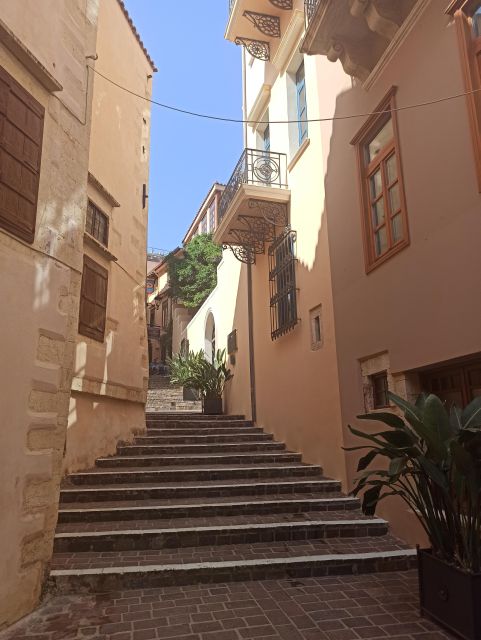
- See more than the harbor front: Your guide leads you through lanes, leather shops, ateliers, and photo spots that are easy to miss alone.
- Get useful stay-longer advice: Sofia, Anna, and Olga have offered food, shopping, and activity suggestions for the rest of a Crete visit.
- Choose your tasting carefully: Morning tours include bougatsa, while afternoon departures replace it with a cheese tasting.
- Allow for uneven walking: The three-hour route covers Old Town streets and is not recommended for people with mobility impairments.
Why this Chania walk feels different
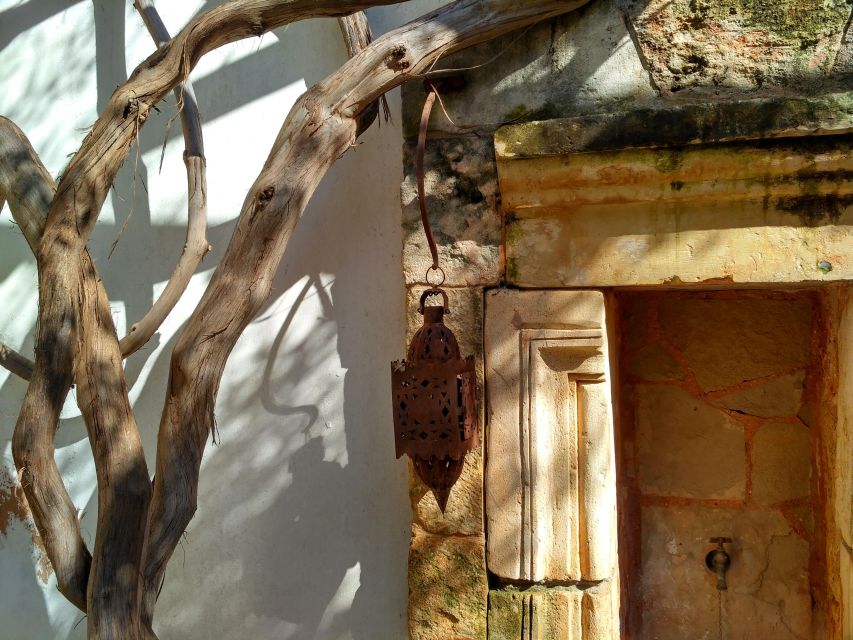
Many Old Town walks focus on Venetian buildings, Ottoman traces, the harbor, and a quick run through the market streets. This experience adds another layer: the people who keep Chania’s craft traditions alive.
That changes the tone of the visit. You are not simply looking at old stonework. You may watch phyllo being stretched, see how a local knife is made, enter a folklore atelier, and visit workshops where traditional skills meet present-day design.
The route is guided by a local in English, French, or Greek. Sofia has led several tours, while Anna and Olga have also guided groups. The strongest part of the experience depends on this human link. A good guide can explain what you are seeing, introduce you to shopkeepers and artisans, and adjust the walk to your interests.
That personal approach matters in Chania. The Old Town is compact, but its narrow lanes can feel confusing when you first arrive. A guide helps you spend less time checking a map and more time noticing small details, asking questions, and finding attractive places for photographs.
The tour lasts three hours and is offered as a private group experience. The exact group size is not stated, so confirm that point if privacy is important to you. One account described a shared tour with only three people, which suggests the experience can feel quite personal, but you should not assume every departure will have the same arrangement.
You can also read our reviews of more walking tours in Chania
Beginning at Apokoronou 37 with bougatsa
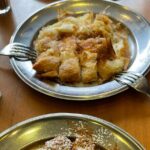
The meeting point is Bougatsa Chania at Apokoronou 37. For the morning departure, this is more than a place to gather. It is the first stop, with about 30 minutes set aside for brunch and a look at the phyllo-making process.
Bougatsa is a familiar Cretan breakfast, but watching the pastry being prepared gives the tasting more meaning. You can see the care behind the thin layers before trying the finished dish. The tour includes bougatsa and coffee or tea on the morning schedule.
I like this opening because it gets you into local food without turning breakfast into a long formal meal. It also gives you a gentle start before the walking begins. If you have just arrived in Chania, a pastry, coffee, and a short introduction to the city can help you get your bearings fast.
The tour description does not specify every ingredient or the exact style of bougatsa served, so anyone with dietary restrictions should ask ahead. The morning and afternoon versions are also different. An afternoon tour does not include bougatsa tasting and instead provides a cheese tasting.
That timing choice can shape the whole outing. Pick the morning if the pastry and phyllo demonstration are high on your list. Pick the afternoon if cheese is the more appealing introduction to Cretan food, or if you prefer to explore Old Town later in the day.
Walking Chania’s narrow lanes and best photo spots
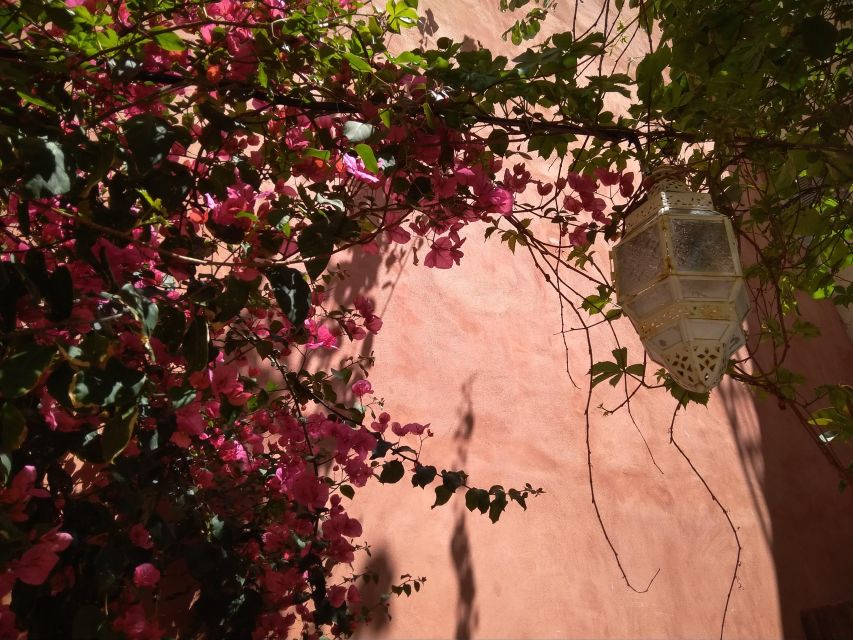
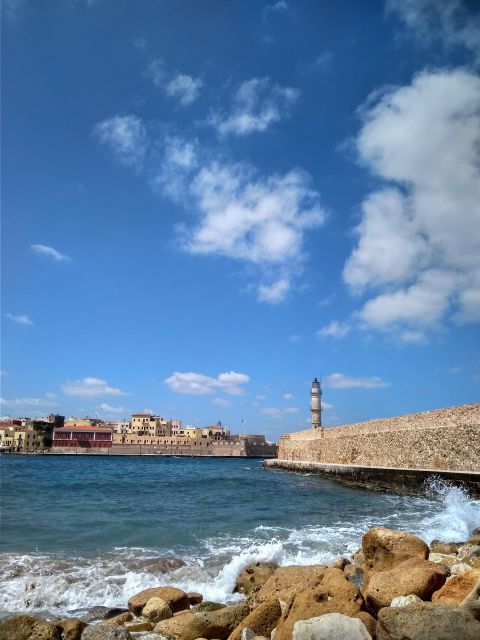
After the food stop, the main walk takes about two hours and 15 minutes. You will move through Chania Old Town with a guide who explains the city’s arts, crafts, and cultural story while pointing out notable sights.
The value here is not speed. This is a leisurely walk, designed to give you time to look around and stop at workshops. You will pass centuries-old architecture and colorful lanes, but the tour is not only about buildings. The guide connects the streets to local work and everyday culture.
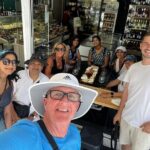
One particularly useful feature is help with photographs. Olga’s tour included stops at good photo locations, and a solo visitor appreciated having someone take pictures. That is a small service, but it can make a difference if you are traveling alone and want more than self-timer snapshots.
Keep your expectations sensible. The provided schedule names Old Town sightseeing but does not list every monument or street. This is not a fixed architectural checklist in the style of a large group city tour. The emphasis is on the character of the lanes, the people behind the crafts, and the places your guide feels are worth your time.
That flexible quality can be a strength. Sofia has adapted tours to individual requests, and the guides have responded to questions and personal interests. If you want more food, shopping, craft, or photography, tell your guide early. You will get more from the walk if the guide knows what you hope to see.
Folklore atelier: a window into local customs
The visit to a folklore atelier gives the walk a more organized cultural stop. You will see a collection intended to show the traditions of the Chania area and how they fit into local life.
The word atelier suggests a more intimate setting than a major museum. You should expect a compact visit rather than a full day among exhibits. The scheduled stop is about 30 minutes, enough to look closely and ask questions without losing the rhythm of the walk.
This part is useful because crafts can be easy to misunderstand when seen only in a shop window. A folklore display gives you context for patterns, objects, clothing, tools, and other pieces connected with Cretan customs. Your guide can help explain what is traditional, what is decorative, and what remains in use.
I would especially value this stop early in a Cretan holiday. It gives you a frame for later experiences, from shopping for local products to visiting villages or museums elsewhere on the island. You may not remember every object, but you will have a better sense of why local craft matters.
The information does not state the atelier’s exact address, collection size, or whether photography is allowed. If one particular object or tradition is important to you, ask the guide during the visit rather than expecting a detailed museum program.
Local workshops and the return of old skills
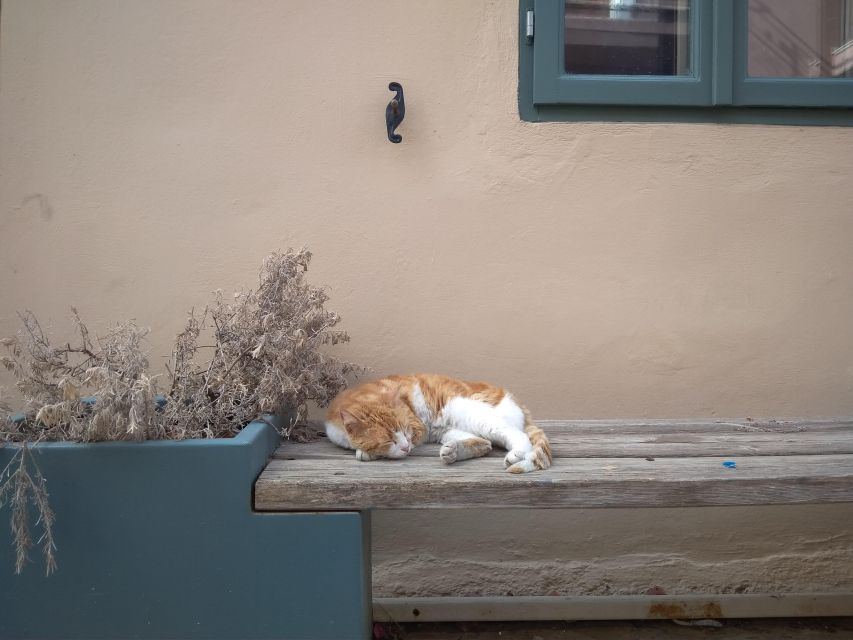
The workshop visits are the heart of the experience. Here, you can see artisans preserving techniques that might otherwise fade from daily use.
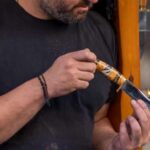
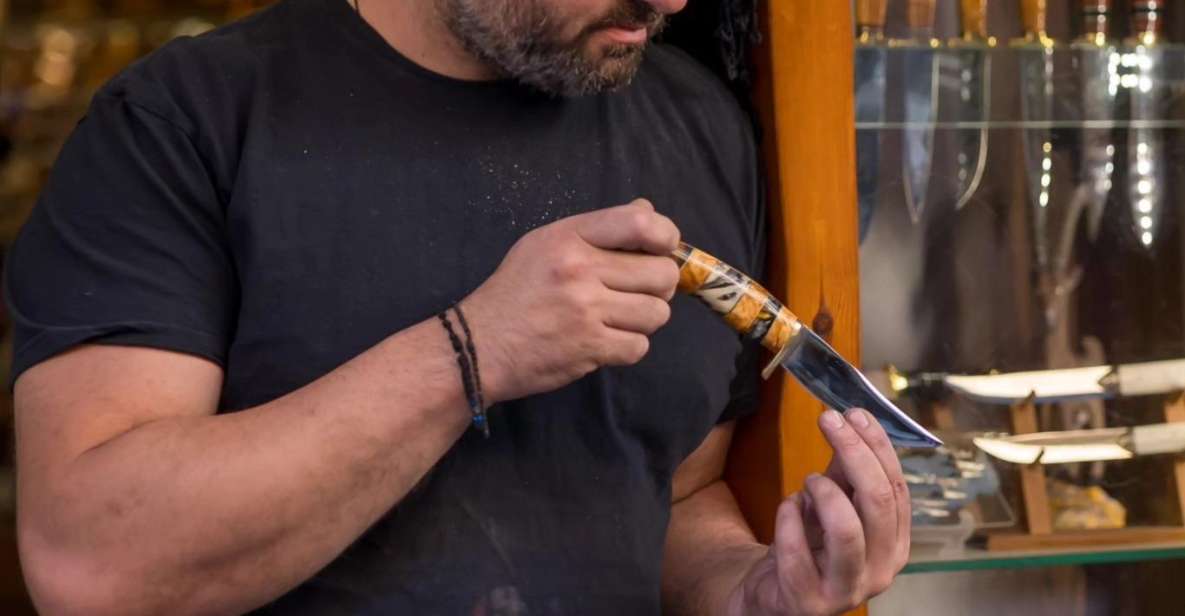
One account specifically described seeing folklore knives being made and walking through the leather street. Another noted opportunities to interact with local craftsmen and shopkeepers. These details give the tour a practical edge. You are not just hearing that Chania has a craft tradition. You are seeing the work and meeting some of the people connected with it.
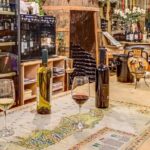
The route may also include local products such as Cretan olive oil and thyme honey. Sampling them turns the discussion toward taste, farming, and the way food is part of craft culture. The tour does not list a full food menu, so consider these tastings small samples rather than a meal.
The workshops also create a shopping question. You may find well-made leather goods, knives, food products, or other local items, and the guide can help explain what you are looking at. Still, this is not advertised as a shopping tour, and you are responsible for personal purchases.
That distinction is useful. A good craft visit should give you insight even if you buy nothing. If you do shop, take your time and ask about materials, production, care, and shipping. Your guide may offer useful suggestions, but buying should remain your decision.

Modern artist ateliers and old ideas in new forms
The tour does not stop with historic techniques. It also introduces modern artist ateliers where creators combine older Cretan ideas with newer styles.
This helps prevent the experience from presenting local culture as frozen in the past. Chania’s artistic life includes preservation, but it also includes change. You may see how familiar materials, symbols, or methods are used in a more current way.
The exact artists and studios vary, and no specific names are supplied. That means you should treat this portion as a chance to see present-day work rather than a guaranteed gallery itinerary. If contemporary art is your priority, ask what ateliers are scheduled for your departure.
For you, the practical benefit is comparison. After seeing a folklore collection and traditional workshops, modern studios show how local identity can continue without copying old objects exactly. It makes the craft visits feel connected rather than separate stops.
What the guides add to the experience
The most praised element is the guiding. Sofia is described as warm, energetic, entertaining, and generous with food and sightseeing suggestions. She has also followed up after a tour to check that visitors were enjoying their stay.
Anna guided one outing that worked well for a final day in Chania, answering questions and responding to individual needs. Olga led a small shared tour that felt personal and helped connect the group with artisans and local products.
Those details point to a guide-led experience rather than a script being read while you walk. The guides can explain local life, answer questions, and suggest where to eat or shop after the tour. Several people received recommendations for the rest of their time in Chania or Crete.
I would book this early in a stay if you want advice for later days. It can also work well on your final day, when a relaxed walk through familiar streets gives you a last look at the city from a different angle.
The languages are English, French, and Greek. If you need a particular language, choose it when booking or confirm it with the provider.
Price, timing, and practical value
At $117 per person, this is not the cheapest way to walk through Chania. You are paying for a three-hour guided experience, a private-group format, the local food element, workshop access, tastings, and the guide’s time and advice.
The value depends on how much you want personal interpretation. If you only want to stroll the harbor and take pictures, you can explore Old Town without paying for a guide. If you want introductions to artisans, an explanation of local craft, and help finding places you might miss alone, the price becomes easier to justify.
The morning price includes bougatsa and coffee or tea. The afternoon option includes cheese tasting instead. Taxes and civil liability insurance are included, while personal spending is not. Hotel pickup and drop-off are not provided, so you need to reach the meeting point yourself.
The three-hour length is a good middle ground. It is long enough to cover food, sightseeing, folklore, and workshops without taking your whole day. You can pair it with another Chania activity, but leave yourself breathing room rather than scheduling something immediately afterward.
The exact starting times depend on availability. Comfortable shoes, sunglasses, a sun hat, and sunscreen are sensible choices for Crete’s bright weather. The Old Town walk includes narrow streets and may involve uneven surfaces.
There is one practical contradiction worth noting. The activity is marked wheelchair accessible, yet it is also listed as not suitable for people with mobility impairments. Since the route uses historic lanes and involves extended walking, ask the provider for a clear description of surfaces, steps, seating, and accessible workshop entrances before paying.
Free cancellation is available up to 24 hours before the start for a full refund, and you can reserve now and pay later. Those terms are useful if your Chania plans are still shifting.
Who should book this Chania experience
I would recommend it most strongly to first-time visitors who want an introduction that combines food, Old Town streets, and local culture. It also suits solo visitors, couples, and small private groups that prefer conversation over a large crowd.
Craft lovers will get the most from the workshop visits. Food-focused visitors should choose the morning for bougatsa and phyllo making, while cheese fans may prefer the afternoon option. People who like photography will appreciate guidance toward attractive spots and, if the arrangement allows, help taking pictures.
It is less suitable if you want a formal museum tour, a long list of famous monuments, or a full meal. It may also be a poor fit if you cannot comfortably walk narrow historic streets for several hours.
Ask for the morning departure if the pastry demonstration is the main draw. Ask about the planned workshops if you have a strong interest in knives, leather, food products, or modern art. The more specific you are, the more useful the guide’s local judgment can be.
Should you book the artisans and sightseeing walk?
Book this tour if you want Chania explained through its makers, food, and side streets rather than only through its headline sights. The strongest reasons are the phyllo and bougatsa opening, contact with local workshops, the folklore atelier, and guides such as Sofia, Anna, and Olga who provide useful advice beyond the scheduled walk.
Skip it if you prefer to explore at your own pace, dislike shopping or craft-focused stops, or have mobility concerns that make three hours on Old Town streets difficult. At $117, it makes sense when you value personal guiding and local introductions. For the right visitor, it is a practical way to get oriented, eat something distinctly Chania, and see the city’s working culture in one compact morning or afternoon.
FAQ
Where does the tour meet?
You meet at Bougatsa Chania, at Apokoronou 37.
How long does the experience last?
The tour lasts three hours.
What is included on the morning tour?
The morning tour includes a local guide, Chania bougatsa, coffee or tea, all taxes, and civil liability insurance.
What is different about the afternoon tour?
The afternoon tour does not include bougatsa tasting. It offers a cheese tasting instead.
Which languages are available?
The tour can be guided in English, French, or Greek.
Is hotel pickup included?
No. Hotel pickup and drop-off are not included, so you need to make your own way to the meeting point.
Is the tour private?
The activity is described as a private group experience. The exact maximum group size is not stated.
Is the tour suitable for people with mobility impairments?
The activity is listed as not suitable for people with mobility impairments. It is also marked wheelchair accessible, so you should contact the provider to clarify whether the specific route and workshop entrances meet your needs.
Can I cancel for a refund?
Yes. You can cancel up to 24 hours before the activity for a full refund. You can also reserve now and pay later.