REVIEW · KRASI CRETE
From Heraklion: Lasithi Plateau, Tzermiado Village, Ceramics
Book on GetYourGuide →Operated by Island Spy · Bookable on GetYourGuide
Mountains, monasteries, and pottery in one day. This is a guided culture-and-crafts road trip that turns the Lasithi Plateau into the main event, with stops at Kera Kardiotissa and a Psychro ceramics workshop.
I like that the day mixes three very different Cretan experiences: a calm monastery visit, hands-on-style pottery watching, and free time in the plateau village of Tzermiado. I also like how the drive itself is part of the show, with photo stops for the windmills and the old irrigation system that shaped village farming. The main drawback to plan for is that it’s a full 7-hour schedule with long coach stretches, plus extra paid costs at the monastery and for lunch.
In This Review
- Key things you’ll remember
- From Heraklion to the Lasithi Plateau: a long but satisfying 7 hours
- Kera Kardiotissa: nuns, icons, and a 45-minute breather
- The Lasithi Plateau drive: windmills, Venetian ditches, and 18 villages
- Psychro pottery workshop: watching ceramics made by hand
- Tzermiado Village: panoramic views and real mountain-tavern lunch
- Price and value: what you get for about $41
- How the day feels: timing, pace, and who should book
- Practical tips that make a difference
- Should you book the Heraklion to Lasithi Plateau monastery and ceramics tour?
- FAQ
- FAQ
- How long is the tour?
- What time does the pickup happen?
- What are the main stops on the tour?
- Is lunch included?
- How much is the monastery entrance fee?
- Will we visit Zeus Cave?
- What happens at the pottery workshop?
- How much free time do I have in Tzermiado Village?
- What languages are available for the tour guide?
- What should I bring?
Key things you’ll remember
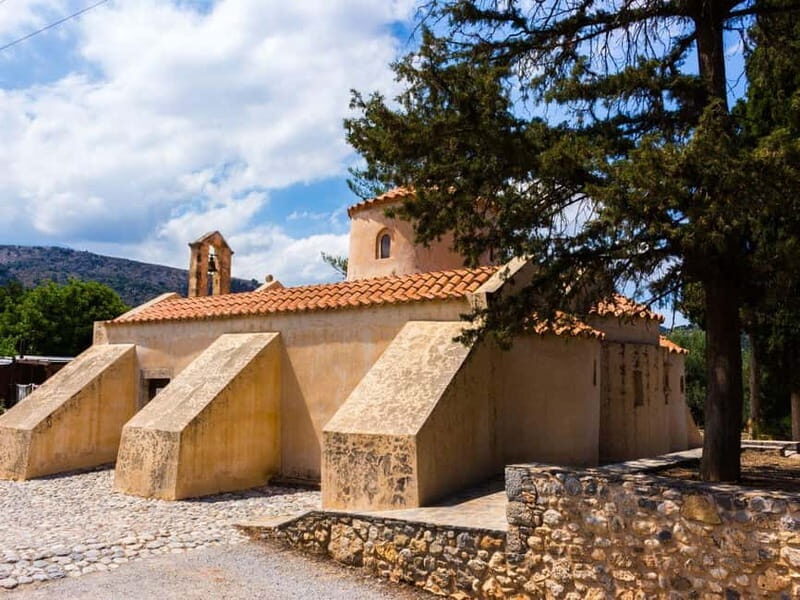
- Kera Kardiotissa monastery with time to see the Virgin Mary icon and frescoes
- Lasithi Plateau views around 850 meters, plus windmills and Venetian ditches for irrigation
- Psychro pottery workshop where you can watch ceramics being made by hand
- Tzermiado village time for strolling and a proper Cretan tavern lunch option
- Zeus Cave closed for 2025, with extra plateau village exploration instead
- A guide who keeps the day moving with commentary in English, German, and French
From Heraklion to the Lasithi Plateau: a long but satisfying 7 hours
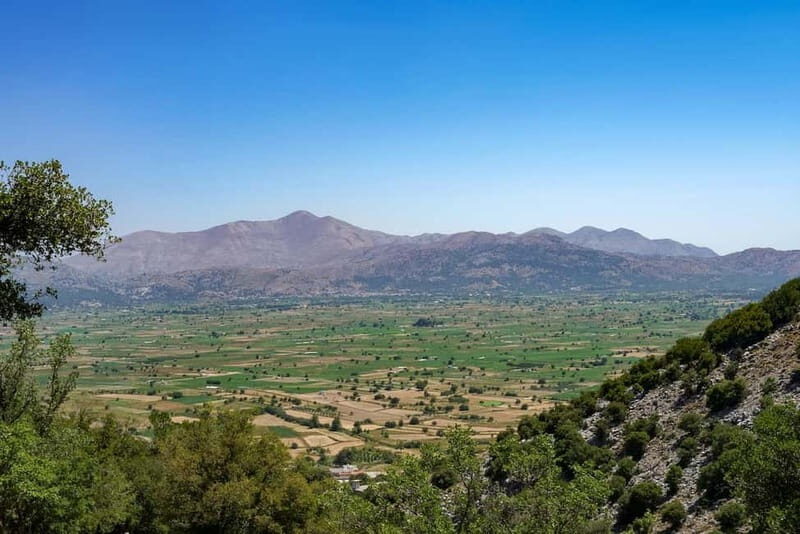
This tour is built for people who want the real Crete you can’t get from a beach bus ride. You start with hotel pickup in the broader Heraklion area, then trade sea-level roads for mountain air and smaller village streets. The pacing is active without being extreme: think lots of looking, listening, and some walking around stops.
You’ll typically be picked up sometime between 7:20 and 9:00 AM, depending on where your hotel is. Then you’re on the coach for stretches, with timed breaks that help you reset before the next stop. You should plan on getting back to your hotel in the afternoon, between 14:45 and 15:25.
If you’re traveling without a car, this is a smart way to string together several “farther apart” sights in one day. If you hate bus time, you’ll still spend plenty of it, but the views and the variety keep it from feeling like transport was the point.
You can also read our reviews of more tours and experiences in Krasi Crete.

Kera Kardiotissa: nuns, icons, and a 45-minute breather
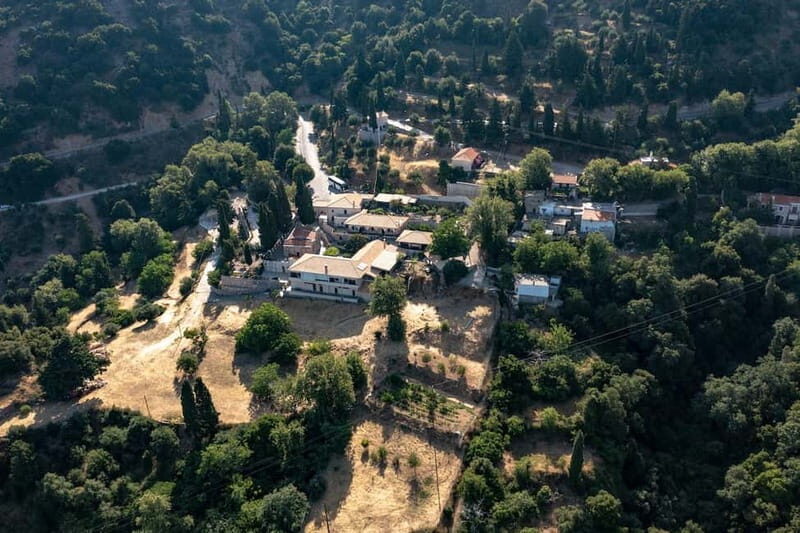
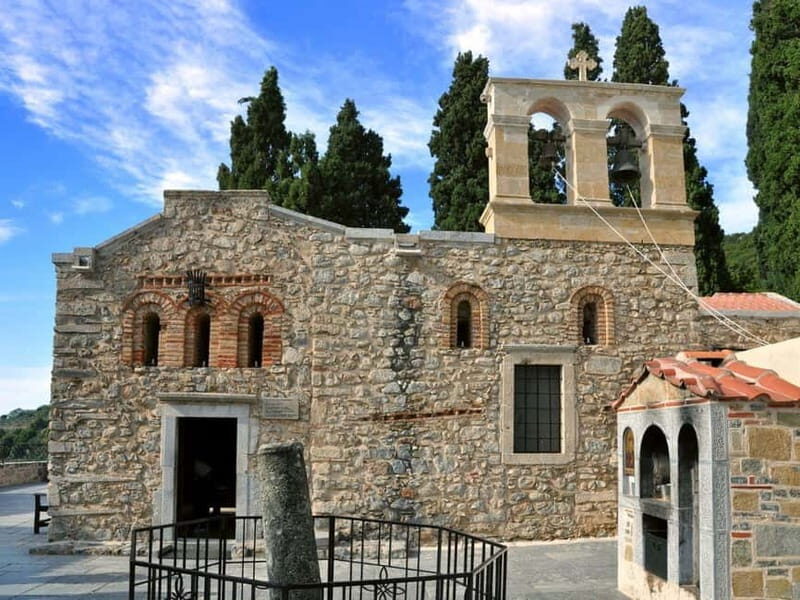
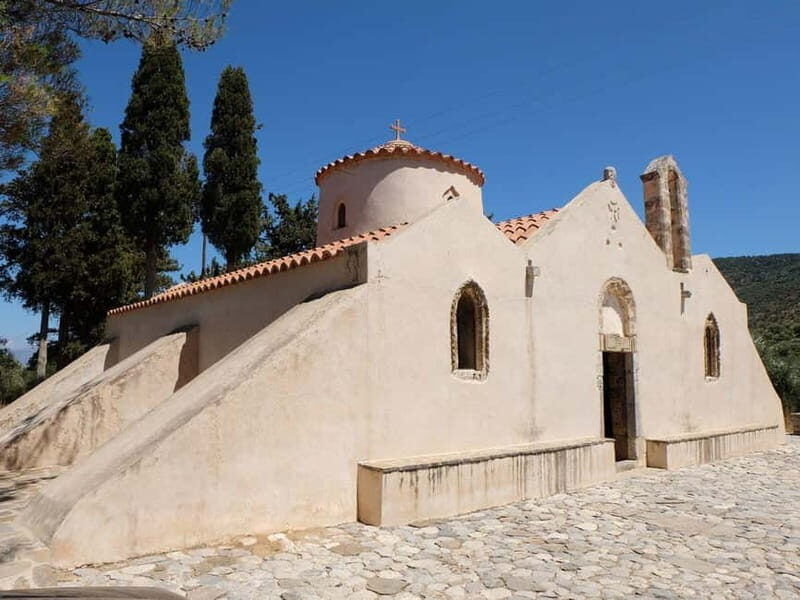
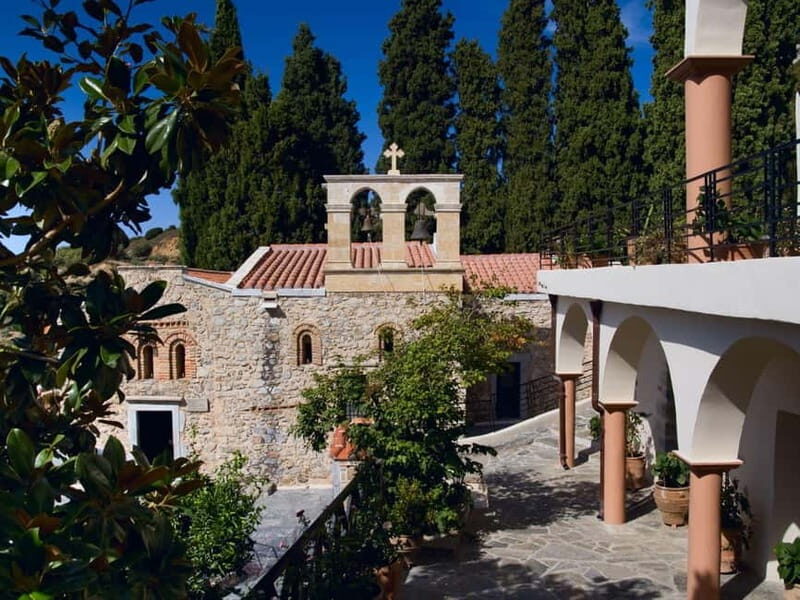
Your first big cultural stop is the Panagia Kera Kardiotissa Monastery, a 14th-century site in the hills. It’s run by nuns, and you’ll get about 45 minutes here to look around at your own pace. Expect a peaceful place with standout religious art, including a miraculous icon of the Virgin Mary and ancient frescoes.
This stop is valuable for two reasons. First, it’s a clear break from the modern travel rhythm—no rushing between photos. Second, monasteries like this are one of the best places to understand how Cretans preserve spiritual life alongside daily village culture.
Practical note: the monastery entrance is not included. You’ll need to budget 5€ if you want to go inside. Since cash is recommended, keep a little set aside just for this moment.
The Lasithi Plateau drive: windmills, Venetian ditches, and 18 villages
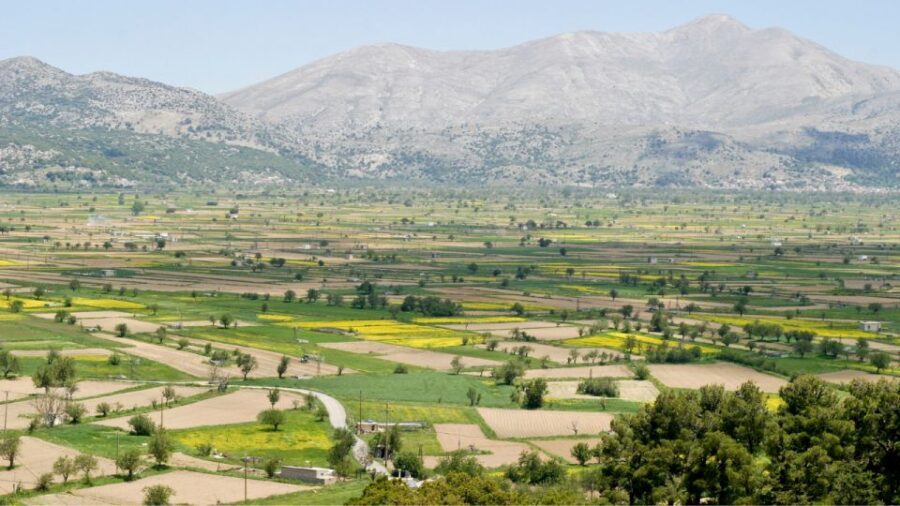
After the monastery, the tour turns scenic in a very literal way. You’ll ascend to about 850 meters above sea level as you head onto the Lasithi Plateau, with the Dikti Mountains in the backdrop. Even when you’re just sitting on the coach, the road gives you repeated chances to stop for photos and to look over the plateau’s farming history.
The iconic sights here are the white-sailed windmills and the Venetian ditches. Those ditches weren’t decoration—they helped irrigate fertile land, which is why these plateau villages could survive and grow in the first place. Seeing the system from the road helps you connect the dots between landscape, water management, and rural life.
One more reason this drive matters: the plateau is dotted with 18 traditional villages. You won’t walk through all of them, but you do get a sense of how the plateau’s communities are laid out across the heights. That’s the “feel” you’re buying with this tour—regional geography explained through what you can actually see.
Also important for 2025: the Cave of Zeus (Dicteon Cave) is closed for the remainder of 2025. Instead of going there, the day includes an extended exploration of the Lasithi Plateau villages, which keeps the focus on what you can visit.
Psychro pottery workshop: watching ceramics made by hand
This is the stop I think most people will remember with their hands and eyes, not just their camera. In the village of Psychro, you’ll visit a traditional ceramics workshop for about 30 minutes. The highlight here is live pottery-making—you’ll watch skilled artisans work, learn how traditional ceramics are made, and you’ll have time to browse.
Why it’s worth your time: you’re not just buying a souvenir that looks handmade. You can actually see the process, so when you pick up a piece, you understand what kind of work and craft went into it. It’s also one of the best places on the tour to spend money thoughtfully, because you’re shopping directly from the makers.
Souvenir tip: if you’re trying to avoid fragile packing surprises later, keep an eye on how items are boxed or wrapped on-site. The tour doesn’t promise special shipping, so treat this as a “bring home carefully” moment.
Tzermiado Village: panoramic views and real mountain-tavern lunch
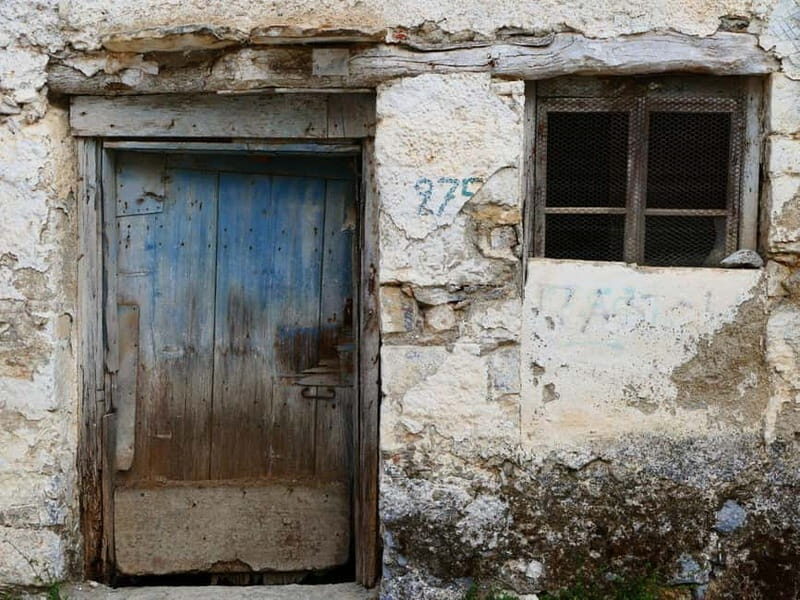
Your final major stop is Tzermiado Village, the main village on the plateau. You’ll have around 1 hour and 45 minutes here, including free time plus your lunch option. This is where you slow down just enough to feel the plateau rhythm: quiet streets, traditional stone houses, and panoramic views that make you understand why people stay in these higher settlements.
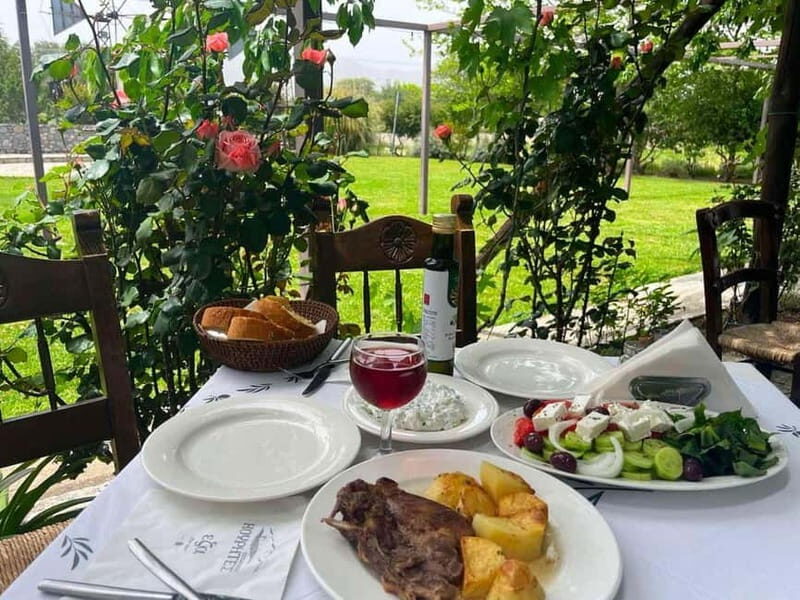
Lunch is available at a local tavern, and it’s not included in the tour price. The listed cost is 14€ per person, and the meal typically includes chicken or pork chop cooked in the oven with potatoes, Greek salad with feta, tzatziki, bread, and a glass of wine or a soft drink. In other words, it’s a full Cretan plate, not a snack.
A quick planning thought: because lunch costs extra, decide your budget before you arrive. Also, if you’re hoping to eat and then have energy for a short stroll, don’t wait until the last minute—service can take time when everyone is on the same tour clock.
Price and value: what you get for about $41
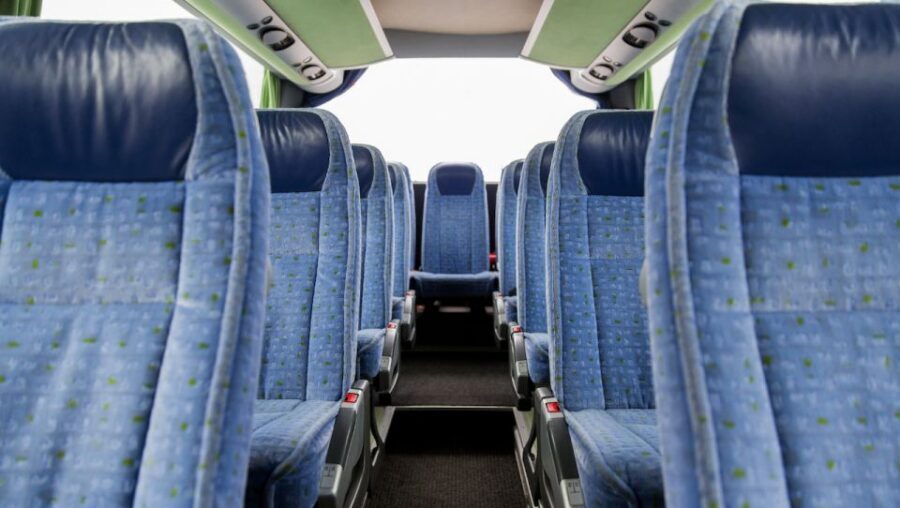
At $41 per person, this is one of those tours that feels like good value if you compare it to the cost of private transport plus guided interpretation. What’s included is the big money-saver: hotel pickup and drop-off, an air-conditioned coach, an experienced guide, and the pottery workshop visit. You also get free time in Tzermiado, and the tour includes taxes/legal fees plus public liability insurance.
What’s not included matters, though. You should budget:
- 5€ for Kera Kardiotissa monastery entrance
- 14€ for lunch in the tavern
So the realistic “all-in” picture is closer to a modest add-on above the base price. Still, you’re paying for a full guided mountain day—this isn’t just a transfer between two towns.
If you’re the type who enjoys multiple stops with minimal planning, this kind of package price makes sense. If you prefer flexibility and don’t care about guided interpretation, a rental car could be cheaper—but you’d lose the crafted flow of seeing each key place at the right time.
How the day feels: timing, pace, and who should book
This is a full-day structure built around timed breaks. The day starts early with pickup, moves quickly into the first highlight (the monastery), then shifts into scenery (Lasithi Plateau drive and photo stops). The pottery workshop and Tzermiado provide the hands-on and free-time balance.
In terms of feedback quality, the strongest praise is consistently about how well the day runs: a guide who keeps things organized and informative, with a smoother flow than you’d expect from a mountain day with lots of roads. That matters because one of the biggest risks with tours like this is getting stuck waiting around. Here, the schedule is designed to keep you moving.
About physical effort: there’s no specific “must climb” requirement listed in the current 2025 plan. But a past note about the Zeus Cave ascent describes it as steep and also mentions that entry lines can happen. Since the cave is closed for 2025, you likely won’t deal with that part on this version of the tour. Still, you should come prepared for some walking on uneven terrain at viewpoints and around village streets.
Who it’s best for:
- Culture and craft lovers who want more than one kind of experience in a day
- People without a car who still want a meaningful rural Crete day
- Travelers who like structured guidance but still want time to wander in Tzermiado
If you’re someone who hates scheduled meals and extra paid add-ons, this may feel a bit “guided day with extras.” If you’re fine budgeting for entrance and lunch, the overall value is strong.
Practical tips that make a difference
Bring sunglasses and a sun hat. Even in the mountains, Cretan sun can feel strong once you’re outside for photo stops. Wear comfortable clothes for village walking and time on the coach, and have cash on hand for the monastery entrance and for lunch.
Check your email after booking for your exact pickup details and time. Pickup happens at different points across the Heraklion zone, and the timing can vary. If that email lands in spam, you’ll miss the important details—so it’s worth a quick check.
One more note: pets aren’t allowed.
Should you book the Heraklion to Lasithi Plateau monastery and ceramics tour?
Yes, if you want a guided day that’s genuinely Cretan: monastery calm, plateau farming history you can see from the road, and real ceramic craft from people who make the stuff. The base price is a decent deal for the combination of transport + guide + pottery workshop + village time, and the optional costs are clear.
I’d skip it or think twice if:
- You hate a long coach day and prefer a slower pace
- You’re not interested in paying extra for entrance and lunch
- You’re traveling strictly for the Zeus Cave experience (because it’s closed for the remainder of 2025)
FAQ
FAQ
How long is the tour?
The total duration is 7 hours.
What time does the pickup happen?
Pickups happen between 7:20 AM and 9:00 AM, depending on your pickup zone.
What are the main stops on the tour?
You’ll visit the Kera Kardiotissa Monastery, have Lasithi Plateau drive and photo stops, go to a pottery workshop in Psychro, and spend time in Tzermiado Village.
Is lunch included?
Lunch is not included in the tour price. Lunch at a local tavern is available for 14€ per person.
How much is the monastery entrance fee?
Kera Kardiotissa monastery entrance is 5€.
Will we visit Zeus Cave?
No. The Cave of Zeus remains closed for the remainder of 2025, and the tour instead includes extended exploration of Lasithi Plateau villages.
What happens at the pottery workshop?
You’ll watch live pottery-making and see how traditional ceramics are made by hand. You can also purchase souvenirs directly from the makers.
How much free time do I have in Tzermiado Village?
You’ll have about 1 hour and 45 minutes in Tzermiado, including free time plus lunch at the tavern option.
What languages are available for the tour guide?
The tour guide is available in English, German, and French. A French guide is only available on Mondays.
What should I bring?
Bring sunglasses, a sun hat, comfortable clothes, and cash. Pets are not allowed.