REVIEW · CEPHALONIA
Guide to Greek culture: Dance lessons and walk in Kefalonia .
Book on Viator →Operated by Kefalonia Active Dance · Bookable on Viator
Kefalonia’s old village of Farsa gives this experience its real character. You walk through the former village in the morning, hearing about local life and history, then reach Mussia for an hour of Greek dance with Maria, a teacher and choreographer. This is not a quick photo stop. You take part.
I like the mix of Old Farsa’s quiet stone setting and the chance to learn dances rather than simply watch them. I also like the small group, capped at 12 people, which should give Maria room to teach and correct steps. The main concern is the timing: the tour is listed as about two hours, yet the walking sections can each take up to an hour, followed by about an hour of dancing.
In This Review
- Key points at a glance
- Why Old Farsa makes this more than a dance class
- Reaching Mussia by foot
- An hour of Greek dance with Maria
- The walk back and a Greek-style finish
- How much time should you allow?
- Price and the value of a small cultural experience
- Who will enjoy this Kefalonia activity?
- What to bring and how to prepare
- Is this authentic Greek culture or a tourist activity?
- Should you book the dance and Old Farsa walk?
- FAQ
- Where does the tour begin?
- What time does the activity start?
- Where does the activity end?
- How long does the activity last?
- What languages are available?
- Is the walking route difficult?
- Are children allowed?
- What is included after the dance session?
Key points at a glance
- Walk through Old Farsa: Start at Astrolavos Traditional Cuisine and follow a guided route through the old village toward Mussia.
- Learn, do not just watch: Maria leads an hour of Greek dancing with Greek music.
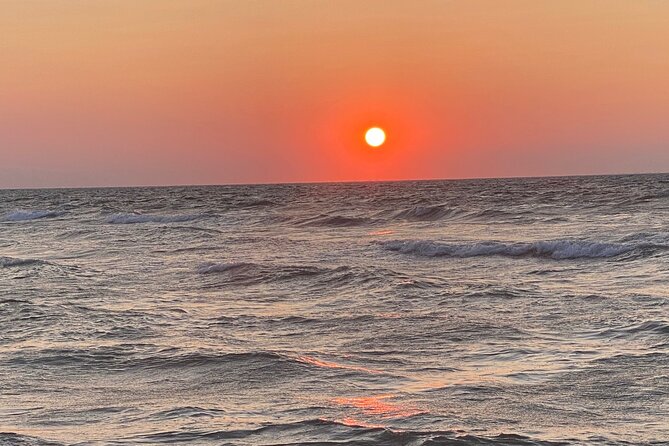
- Morning atmosphere: The 9 a.m. start is planned around the early light and views of the sunrise through the old buildings.
- Local finish: Return to the meeting point for traditional drinks and meze.
- Moderate walking: Sports shoes are a smart choice, and the trail is not suited to every level of fitness.
- Small group setting: A maximum of 12 people keeps the lesson more personal than a large bus excursion.
Why Old Farsa makes this more than a dance class
The experience begins at Astrolavos Traditional Cuisine in the middle of Farsa. That central meeting point is useful because you do not need to search for a remote trailhead or a separate dance studio. The activity ends at the same place, so you can leave extra transport planning out of your morning.
Old Farsa is the setting that gives the tour its sense of place. The walk leads through an old village rather than along a generic coastal route. Maria uses the walk to explain the history and cultural life of Farsa, helping you understand the community before you start moving to Greek music.
The morning start at 9 a.m. has a practical benefit. You walk before the strongest heat of the day, which matters on a route with moderate hiking. The early light through the buildings is also part of the appeal. If you enjoy quiet streets, old structures, and a slower start to the day, this timing should suit you.
The walk to Mussia can take up to an hour. That is long enough for the route to feel like part of the experience, not a short transfer between two activities. At the same time, you should not treat this as a flat village stroll. The description calls the trail moderate, so expect some uneven or sloping ground and plan your footwear accordingly.
You can also read our reviews of more walking tours in Cephalonia

Reaching Mussia by foot
Mussia is the place where the dance lesson takes place. The walk from Astrolavos gives the session a gradual build-up: first you see Farsa, then you hear about its past, and finally you arrive at a dedicated place for the music and dancing.
The supplied details do not specify the exact trail surface, elevation, or shade. That makes sensible preparation important. Wear sports shoes, bring water, and carry any snacks you may need. You can bring a bag, but do not leave belongings behind along the route.
The walk is also a useful test of whether this activity fits your plans. If you want a seated cultural demonstration with little physical effort, this is not the right format. If you enjoy learning through movement and are comfortable with a moderate hike, the walk adds value instead of feeling like extra work.
Maria leads the experience in Greek, English, or Swedish. That language choice makes the tour accessible to a wider range of visitors, though you should select the language you need when booking or confirm it in advance if the option is important to you.
An hour of Greek dance with Maria
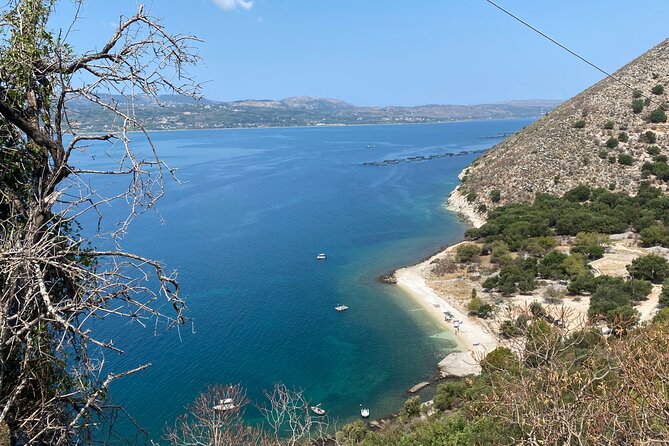
At Mussia, the focus shifts from village history to participation. Maria teaches traditional Greek dances accompanied by Greek music, with the dance session lasting about an hour. You are there to learn the steps and take part, not to sit in the audience.
That distinction matters. Greek dance is closely tied to community life and regional identity, so learning even a few basic movements can help you understand how music, rhythm, and group movement work together. You get a physical introduction to a tradition that is often reduced to a short performance for tourists.
Maria’s role is central. She is described as a professional teacher and choreographer, and the experience is built around her instruction. One especially strong account of the activity describes her as fun and thoughtful, with the walk and the lesson combining into a memorable part of a larger Kefalonia trip. That points to the main strength here: the personal connection with the guide, not simply the list of included stops.
Do not worry about treating the lesson as a test. The useful question is not whether you already know how to dance. It is whether you are willing to join in, listen to the music, and accept that your first few steps may be less than perfect. A relaxed attitude will serve you better than formal dance experience.
The group limit of 12 is another advantage. Traditional dance works best when people have room to move and when the teacher can see the group. A smaller group should also make it easier to ask questions and follow Maria’s instructions. Still, the exact number on your date may be lower, since 12 is the maximum rather than a promise of a full group.
The walk back and a Greek-style finish
After the dance session, you walk back to Astrolavos. The return walk can take up to another hour, so plan for a full outing rather than a one-hour lesson with a short stroll attached.
The return route gives you a second chance to notice the old village, now with a better sense of its story and layout. It also lets the activity end at its starting point, which is convenient if you have a later reservation or another stop planned in Kefalonia.
Back at the meeting point, you receive traditional drinks and meze. The food is not presented as a full meal, so do not book this as your main lunch. Think of it as a modest local finish that gives everyone time to sit, refresh, and talk after the walk and dancing.
This final part also helps make the experience feel social. Dance is a group activity, and sharing drinks and small bites afterward gives the morning a natural close. It is a simple detail, but a welcome one after several hours on foot.
How much time should you allow?
The stated duration is approximately two hours, but the detailed schedule needs a careful reading. The walk to Mussia may take up to one hour, the dance lesson lasts about one hour, and the return walk may take another hour. Added together, those sections could make the experience closer to three hours.
I would allow at least three hours in your day, with extra breathing room for the welcome, explanations, stops, and refreshments. This is particularly important if you have a ferry, airport transfer, lunch reservation, or another booked activity afterward.
The 9 a.m. start is fixed in the supplied details. You meet at Astrolavos Traditional Cuisine, Farsa 281 00, Greece. Since the activity returns to the same meeting point, you can arrange your morning around one clear location.
Mobile ticketing keeps the booking simple. Confirmation is received when you book, and free cancellation is available if you cancel at least 24 hours before the local start time. Within 24 hours, cancellations and changes are not accepted, and the payment is not refunded.
You can also read our reviews of more guided tours in Cephalonia



Price and the value of a small cultural experience
At $48.20 per person, this is not the cheapest way to spend two hours in Kefalonia. But the price covers more than a dance lesson. You receive a guided walk through Old Farsa, cultural and historical explanation, instruction from Maria, Greek music, and drinks with meze at the end.
The value depends on how you like to spend your holiday time. If your priority is a beach, a boat ride, or a short sightseeing stop, you may find the price harder to justify. If you want an activity that connects you with a local village and asks you to participate, the cost is more reasonable.
The small group matters here. A large class could make the lesson cheaper per person, but it would also make teaching harder. With a maximum of 12 people, you are paying partly for a more direct exchange with the instructor and a calmer walk through the village.
You should also consider what is not included. No insurance is provided, and the route involves moderate hiking. Bring your own water and snacks if needed, and make sure your footwear is suitable. The price is fair for the cultural content, but it does not remove the need for personal preparation.
Who will enjoy this Kefalonia activity?
I would recommend it to adults and older children who enjoy active cultural experiences. The activity is not recommended for children under 10, and the walking distance makes that limit sensible.
It should suit you if you like:
- Learning a local tradition by taking part
- Small groups rather than large coach tours
- Old villages and guided walks
- Meeting a guide who teaches as well as leads
- A morning activity with food and drinks at the end
- Moderate physical activity during a sightseeing day
It may not suit you if you have difficulty walking for several hours, prefer a completely level route, or want a short lesson with minimal time outside. The description does not provide details about accessibility, trail surfaces, or insurance, so you should ask the provider directly if any of those points affect your decision.
Service animals are allowed, and the meeting point is near public transportation. Most people can participate, but that general note should not replace an honest check of your own fitness and comfort with the walking route.
What to bring and how to prepare
Wear smart casual clothing with sports shoes. You will be visiting an old village, walking a moderate trail, and taking part in physical movement, so beachwear and smooth-soled shoes would be poor choices.
Bring water and any snacks you want during the walk. You may carry a bag, but keep it manageable and do not leave anything along the trail. The tour provides traditional drinks and meze after the return, yet that should not be treated as a full meal.
I would also leave room in your schedule. The listed two-hour duration does not fully match the walking and dancing times described, so a flexible morning is the safest plan. If your trip is packed with timed bookings, this experience may require more planning than the headline duration suggests.
The activity is usually booked well ahead, with the average booking made 46 days before the date. That does not guarantee that every date sells out, but it is a useful sign that you should not wait until the last minute if your holiday dates are fixed.
Is this authentic Greek culture or a tourist activity?
It is both a tourist activity and a genuine cultural lesson. You are booking a structured experience, with a set meeting point, a professional instructor, and a planned finish with drinks and meze. But the content is grounded in Greek dance, local history, and the old village of Farsa rather than in a generic entertainment show.
The strongest feature is your active role. You walk through the village, hear about its cultural life, and then try the dances yourself. That gives you more context than watching a performance from a seat.
The experience also presents Greek dance as a continuing tradition passed from one generation to the next. You are not expected to become an expert in an hour. The value is in understanding the role of dance in Greek identity and carrying a small piece of that understanding into the rest of your trip.
Should you book the dance and Old Farsa walk?
Book it if you want a personal, active morning that combines local history, walking, and Greek dance. Maria’s role as teacher and choreographer is a major reason to choose this over a basic sightseeing walk, and the maximum group size of 12 supports a more direct lesson.
Think twice if you need a short, easy activity or if you have a tight schedule. The moderate trail, the possible three-hour total, and the lack of provided insurance are real considerations.
For the right person, this is a memorable way to get beyond the usual Kefalonia checklist. You leave with more than photographs of an old village. You have moved to Greek music, learned something about Farsa, and shared traditional drinks and meze at the place where the morning began.
FAQ
Where does the tour begin?
The tour begins at Astrolavos Traditional Cuisine in the middle of Farsa, Cephalonia, Greece.
What time does the activity start?
The start time is 9:00 a.m.
Where does the activity end?
The activity ends back at the meeting point at Astrolavos Traditional Cuisine.
How long does the activity last?
It is listed as approximately two hours. The detailed schedule describes up to one hour walking to Mussia, about one hour of dancing, and up to one hour walking back, so you should allow extra time.
What languages are available?
The experience is offered in Greek, English, and Swedish.
Is the walking route difficult?
The trail through Old Farsa has a moderate level of hiking. Sports shoes are recommended.
Are children allowed?
The experience is not recommended for children under 10 years old.
What is included after the dance session?
After returning to the meeting point, you are offered traditional drinks and meze.