REVIEW · CYCLADES ISLANDS
Hiking and Sightseeing Tour in Amorgos
Book on Viator →Operated by Dream Blue · Bookable on Viator
Amorgos saves one of its best days for people willing to walk: a cliffside monastery, a deserted stone settlement, and the island’s handsome hilltop capital, all linked in one eight-hour outing. I like the mix of sacred, rural, and village life. You are not simply checking off viewpoints.
I especially like the chance to enter Panagia Hozoviotissa, meet the monks, and hear the monastery’s story. The stop at Asfontilitis is another strong point, with old wells and stone graffiti offering a glimpse into hard rural life. The main caution is timing: a one-hour delay once caused a visitor to miss the monastery, which closes at 1 p.m.
In This Review
- Key points at a glance
- Why this Amorgos hike is worth your day
- Starting in Potamos at 9 a.m.
- Entering Panagia Hozoviotissa before 1 p.m.
- Reading the stones at Asfontilitis
- Two hours in Chora for lunch and a walk
- How demanding is the walking?
- The guide and the feel of the group
- Communication is the main thing to manage
- Who should book this experience?
- Is the $102.35 price good value?
- Should you book the Amorgos hiking tour?
- FAQ
- How long does the Amorgos hiking tour last?
- Where does the tour start?
- Where does the tour end?
- Is entry to the monastery included?
- Is the tour suitable for all fitness levels?
- Can I cancel for a full refund?
Key points at a glance
- Panagia Hozoviotissa: Enter Amorgos’s iconic cliff monastery, meet monks, and learn about its story.
- Asfontilitis settlement: Walk through an abandoned rural village with old wells and unusual stone graffiti.
- Chora lunch stop: Spend about two hours strolling the island capital and taking a meal break.
- Moderate fitness required: This is a real hiking day, not a sightseeing bus tour with a short walk.
- Small maximum group: The tour accepts no more than 25 people, keeping the day more manageable.
- Early timing matters: The 9 a.m. start helps protect your monastery visit, which can be missed after delays.
Why this Amorgos hike is worth your day
Amorgos is a good island for slowing down. Its appeal is not limited to a beach or a single famous building. The island gives you old footpaths, dry hills, small settlements, and Chora, where daily life still shapes the streets. This tour ties those pieces together without asking you to arrange several separate outings.
I like the route because each stop has a different purpose. The monastery gives you a powerful cultural visit. Asfontilitis shows how people once lived away from the main villages. Chora gives you time to eat, wander, and absorb the island at your own pace.
The price is $102.35 per person. That is not the cheapest way to see Amorgos, but the value depends on how much planning you want to hand over. You get about eight hours with a guide, a set route, a monastery visit, and a walk through places that can be difficult to connect on your own. Admission to the listed stops is free, though lunch is not stated as included, so budget for your own meal.
The group can reach 25 people. That is still a sizeable party for a hike, but it is more contained than an open public excursion. If you prefer quiet walking or a highly personal guide, ask about the expected group size before booking. Group discounts are available, which may make the cost more appealing for families or friends traveling together.
You can also read our reviews of more tours and experiences in Cyclades Islands.


Starting in Potamos at 9 a.m.
The day begins at Potamos 840 08, Greece, at 9 a.m. You should treat the start time as important, not approximate. The monastery closes at 1 p.m., and the route includes more than one stop before or around the visit. A late departure can cut into the part of the tour that many people most want to see.
The meeting point and end point are different. You start in Potamos and finish at Amorgos heliport in Chora. The walking portion ends in Chora, where you continue with a village stroll and lunch. If you need a pickup, contact Dream Blue in advance and ask what options are available.
A practical step is to confirm the meeting details with the local supplier the day before. One booking problem led to a guide not expecting the scheduled group, followed by a one-hour wait and a missed monastery visit. The operator said it now aims to contact clients earlier to arrange the excursion. Even so, I would not leave this detail to chance.
Entering Panagia Hozoviotissa before 1 p.m.
The monastery of Panagia Hozoviotissa is the emotional center of the day. The plan allows one hour here, with entry, a meeting with monks, and an explanation of the monastery’s story. Admission is free.
This is more meaningful than pausing outside for a photograph. You get to enter the monastery and hear about the place from someone connected to it. The visit also adds a human element to the hike. Instead of treating the building as a scenic object, you have time to understand why it matters.
The timing deserves special attention. The monastery closes at 1 p.m., so the 9 a.m. departure is not a minor detail. If you arrive late, you may still see the exterior, but the planned inside visit and meeting with the monks could be lost. If your transfer to Potamos is complicated, contact the supplier before the day begins.
You should also dress and behave with respect at a religious site. The supplied information does not specify a dress code, so ask the guide if you need current advice. The key point is simple: this is a working monastery, not only a photo stop.
Reading the stones at Asfontilitis
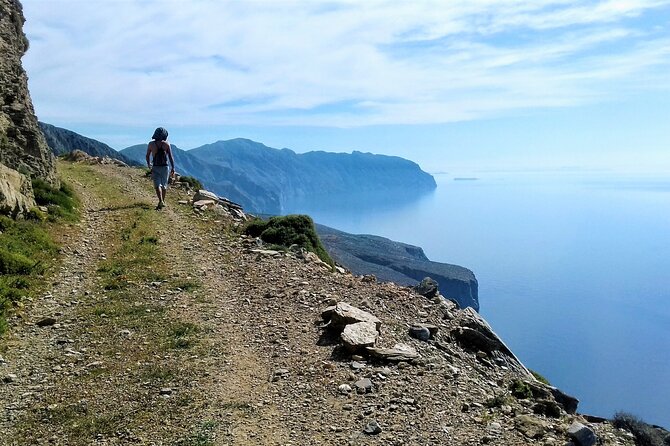
After the monastery, the route includes about 30 minutes at Asfontilitis. This abandoned rural settlement offers a very different view of Amorgos. Instead of grand architecture, you see the remains of ordinary island life.
The stop focuses on the settlement’s story, its stone graffiti, and its many wells. Those details matter. Wells tell you about the practical challenge of living in a dry island setting. The graffiti gives the stone buildings a personal touch, with marks left by people rather than polished displays prepared for visitors.
Thirty minutes is enough for an introduction, but not a long exploration. You will want to listen closely to the guide because the value of Asfontilitis comes from context. Without an explanation, it can look like a group of old stones. With the story, the wells and writing help you picture the people who used the settlement.
This is also where reasonable expectations help. The stop is not presented as a restored village or a museum. It is an abandoned rural settlement. You are seeing a place shaped by time, weather, and departure, with no promise of modern facilities or a formal visitor center.
Two hours in Chora for lunch and a walk
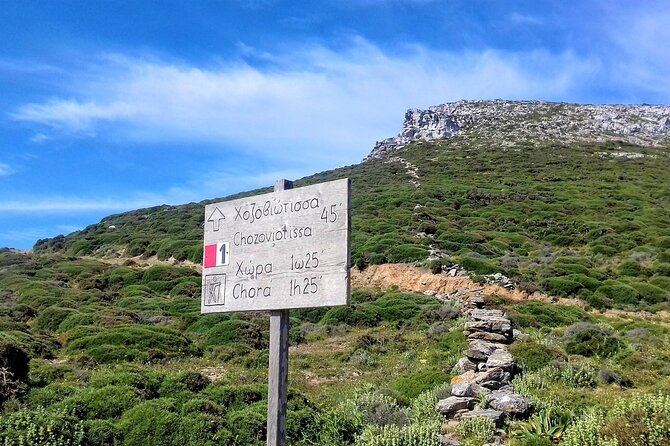
The tour ends its hiking section in Chora, Amorgos’s main village, then gives you about two hours to stroll and have lunch. This is a generous pause after the more demanding parts of the day. You are not rushed through the village in a few minutes.
Chora is a good place to finish because it lets you shift from walking the countryside to enjoying an inhabited town. You can follow the guide around the village, then use the remaining time for lunch and independent wandering within the planned break. The exact restaurant and meal are not specified, so lunch should be treated as your own expense and choice.
I like this part of the plan because food and village streets make a natural close to a hiking day. After the monastery and abandoned settlement, Chora gives you a chance to sit down and take stock. If you have been moving steadily all morning, the two-hour stop should feel useful rather than padded.
The end point is listed as Amorgos heliport, Chora 840 08. Make sure that location works for your plans after the tour. The experience does not return you to Potamos according to the stated meeting details, so you may need to arrange your next movement from Chora.


How demanding is the walking?
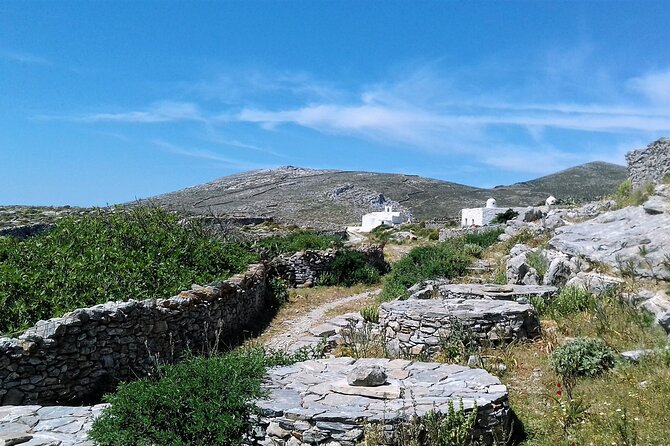
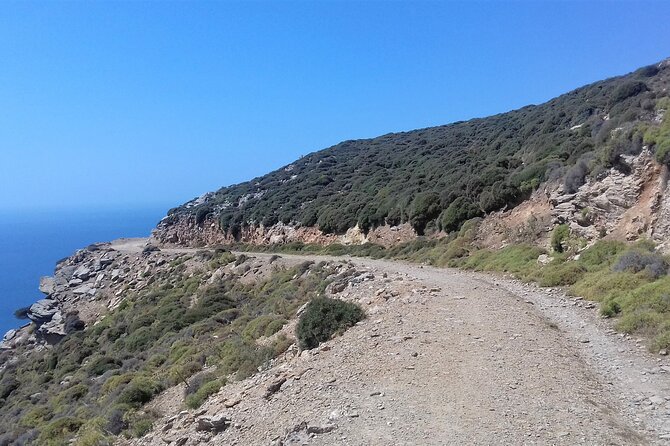
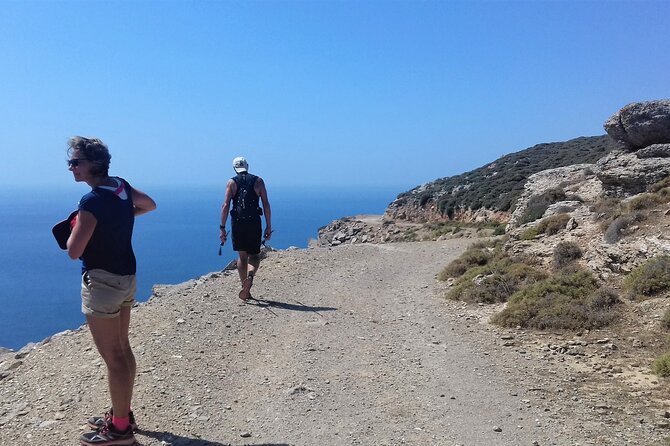
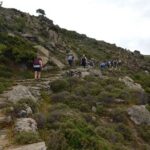
The tour asks for a moderate level of physical fitness. That wording is important. You should be comfortable walking for much of an eight-hour day, including time outdoors between the main stops. The supplied details do not give a trail distance, elevation gain, surface description, or exact hiking pace, so nobody should book this expecting a measured, easy stroll.
You do not need to be a serious mountain hiker based on the information provided, but you should be ready for a full active day. Wear sturdy, comfortable footwear and bring what you normally need for a long walk. The listing does not specify water, snacks, shade, or equipment, so check with Dream Blue if those details affect your comfort.
A moderate fitness requirement also affects your choice of companions. Someone who enjoys walking but dislikes a strict athletic challenge may find the format suitable. Someone with limited walking ability should ask the supplier for a clear description of the route before paying.
Service animals are allowed. The tour is also near public transportation, though the exact connection from your accommodation is not provided. Ask about pickup help if Potamos is difficult to reach.
The guide and the feel of the group
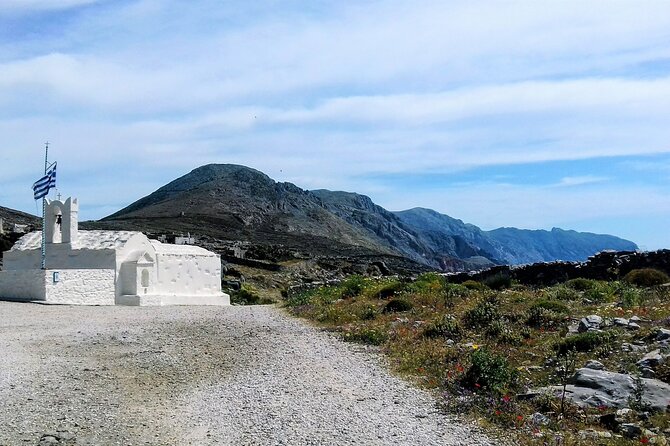
Guide Dimitris is named in the available feedback and is described as an excellent guide. That is useful information because this route depends on explanation. The monastery’s story and the meaning of Asfontilitis are not fully visible at a glance, so a guide who can connect the places adds real value.
The tour is offered in English. A French-speaking guide can be requested, subject to availability. If that matters to you, make the request before the tour rather than assuming it will be arranged on the day.
The maximum group size is 25 people. That limit provides some structure, but it does not guarantee a quiet or intimate walk. You may be walking with a mixed group of ages and abilities. Group discounts can help if you are booking with several companions.
The tour has a 4.9 rating from nine reviews, which is a strong result but also a small sample. I would read that number as encouraging, not as a promise that every detail will run perfectly. The one clear weakness involved communication and timing, not the sights themselves.
Communication is the main thing to manage
The most useful warning is about confirmation. A booking was confirmed through the sales channel, but the local company, Dream Blue, did not appear to have the same information at the meeting point. The party waited, contacted the company by phone, and began an hour late. That delay caused the monastery visit to be missed because of its 1 p.m. closing time.
This is exactly the kind of small administrative problem that can spoil a carefully planned island day. You can reduce the risk by contacting Dream Blue before the excursion, confirming the date, the 9 a.m. start, the Potamos meeting point, and any pickup arrangement.
Keep the supplier’s contact information accessible. Do not assume that a confirmation message alone means the local guide has every detail. The operator has said it now contacts clients earlier to arrange the excursion, which is a positive step, but your own quick check is still sensible.
The free cancellation rule gives you some flexibility. You can cancel for a full refund up to 24 hours before the start time. Changes or cancellations inside that 24-hour window are not accepted for a refund, and the cut-off follows local time.
Who should book this experience?
I would recommend this tour to you if you want more than a village walk or a single monastery visit. It suits people who like to connect famous sights with less polished places, and who enjoy hearing the story behind old buildings and rural remains.
It is also a good match for visitors with only one full day for a broad introduction to Amorgos. The route covers three very different settings, then finishes in Chora with enough time for lunch. You do not have to build the day from separate transport plans and admission arrangements.
You may want a different plan if your priority is a relaxed beach day, a short guided visit, or a highly private experience. Eight hours is a serious commitment, and the physical requirement is moderate. A maximum of 25 people may also feel too large if you want a quiet, flexible walk.
Families and friend groups should compare the group discount against the per-person price. The tour’s free admissions help, but you should still allow for lunch and any transport needed to reach Potamos or leave Chora.
Is the $102.35 price good value?
At $102.35, you are paying for structure, guiding, and access to a full day of sights rather than simply paying an entry fee. The monastery admission is free, as are the listed visits to Asfontilitis and Chora, so the price is not based on tickets alone.
The better question is how much you value having the day organized. You receive an English-speaking guided outing, a route that links Potamos, the monastery, Asfontilitis, and Chora, and about two hours for lunch and a village walk. If you would otherwise need to arrange transport and research the stories behind each stop, the cost can make sense.
The value weakens if you are already comfortable finding your way around Amorgos and prefer to set your own pace. You also need to protect the monastery visit by confirming the start details. Paying for a full-day route but missing its key stop would be poor value, even if the rest of the day goes well.
Should you book the Amorgos hiking tour?
Book it if you want an active, story-led day that brings together Panagia Hozoviotissa, the abandoned settlement of Asfontilitis, and Chora. The monastery visit and meeting with the monks are the strongest reasons to choose it, while the wells and stone graffiti at Asfontilitis give the route a quieter, more unusual side.
Before booking, be honest about your fitness and confirm the logistics. Contact Dream Blue ahead of time, verify the 9 a.m. meeting in Potamos, ask about pickup, and request a French-speaking guide if needed. If those details are in place, this is a well-shaped way to see several sides of Amorgos in one day.
FAQ
How long does the Amorgos hiking tour last?
The tour lasts approximately eight hours.
Where does the tour start?
It starts at Potamos 840 08, Greece, at 9 a.m.
Where does the tour end?
The hiking ends at Amorgos heliport in Chora, 840 08, Greece. The group then strolls around Chora.
Is entry to the monastery included?
The admission ticket to the Monastery of Panagia Hozoviotissa is free. The tour includes entering the monastery, meeting the monks, and learning about its story.
Is the tour suitable for all fitness levels?
No. Participants should have a moderate level of physical fitness because this is an active hiking and sightseeing day.
Can I cancel for a full refund?
Yes. You can cancel at least 24 hours before the local start time for a full refund. Cancellations or changes made less than 24 hours before the start are not accepted for a refund.