REVIEW · CYCLADES ISLANDS
Authentic Greek Cooking Experience in Amorgos
Book on Viator →Operated by Dream Blue · Bookable on Viator
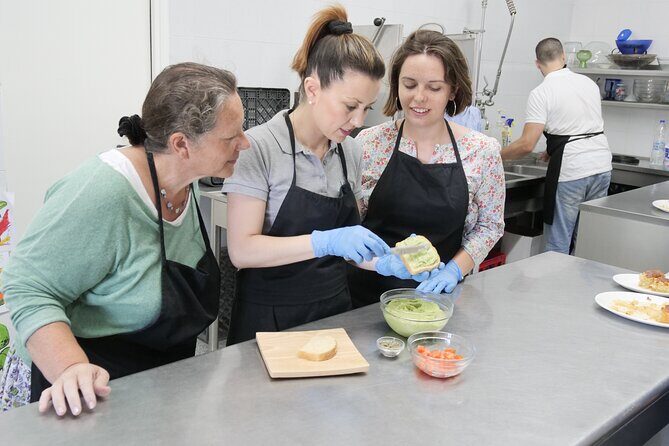
Cooking on Amorgos feels like real life. You’ll learn classic Greek dishes with chef Irini at Vigla Hotel in Tholaria, using ingredients grown on local orchards. I love that it is truly hands-on, not a sit-and-watch show, and you finish by eating what you made on a terrace with a panoramic view.
Two things I really like: first, the focus on repeatable techniques—how to build flavor, handle veg, and cook classics like gemista and moussaka. Second, the ingredient story is practical, not performative: aubergines, potatoes, tomatoes, courgettes, olives, and olive oil come through as part of the class. One possible drawback to plan for is time: the booking says about 1 hour 30 minutes, but you should expect a longer overall experience including cooking and terrace lunch, plus beverages like alcohol and bottled water are not included.
In This Review
- Key highlights you will actually care about
- Finding Vigla Hotel in Tholaria and starting with the right pace
- Chef Irini’s orchard-and-olive-oil style: why the ingredients matter
- What you’ll cook: gemista, moussakas, and classic Greek building blocks
- Gemista: stuffed tomatoes and peppers
- Moussakas: eggplant, potatoes, spiced sauce, and béchamel
- Starters you may encounter: tzatziki, fava, and eggplant salad
- If you choose dessert: galaktoboureko or kataifi rolls
- Galaktoboureko (Greek custard pie)
- Kataifi rolls with walnuts, clove, cinnamon, and syrup
- The terrace meal: taste what you cooked, with a view
- How long it takes and how to plan your Amorgos day
- Price and value: is $68.41 a good deal in the Cyclades?
- What the hands-on format feels like in practice
- Who should book this cooking class in Amorgos (and who might skip it)
- Should you book Authentic Greek Cooking Experience in Amorgos?
- FAQ
- Where does the cooking class meet in Amorgos?
- How long is the cooking experience?
- Is lunch included?
- What will I cook during the class?
- Which Greek dishes are included in the sample menu?
- What ingredients are used for the recipes?
- Do I get to eat what I cook?
- Are drinks included with lunch?
- How big is the group and what language is it in?
- Do I receive a souvenir?
Key highlights you will actually care about
- Small group (up to 10), so you get time to cook and ask questions.
- Chef-led, hands-on instruction focused on techniques you can repeat at home.
- Orchard-to-table ingredients like aubergines, tomatoes, courgettes, olives, and olive oil.
- You eat on-site: a terrace meal with panoramic views.
- You cook a full option: either two Greek dishes or one dessert (choice depends on your menu selection).
- Take-home souvenir gift packaged when the class ends.
Finding Vigla Hotel in Tholaria and starting with the right pace
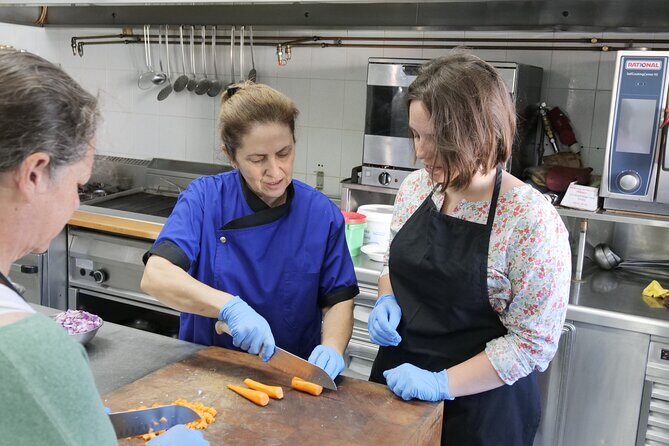
This experience starts at Vigla Hotel in Tholaria (Tholaria 840 08). It is the kind of meeting point that helps you relax instead of sprint—near public transportation, and easy to build into a half-day on Amorgos.
The class is designed for a comfortable rhythm. You get hands-on kitchen time, then you sit down on the terrace and eat what you made. That structure matters: it keeps the learning from turning into a rushed cooking sprint.
Also, the group is capped at 10 travelers. That usually means less waiting, more personal guidance, and more chances to fix a mistake before it becomes a culinary disaster.
You can also read our reviews of more cooking classes in Cyclades Islands
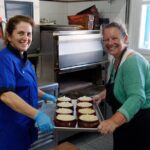
Chef Irini’s orchard-and-olive-oil style: why the ingredients matter
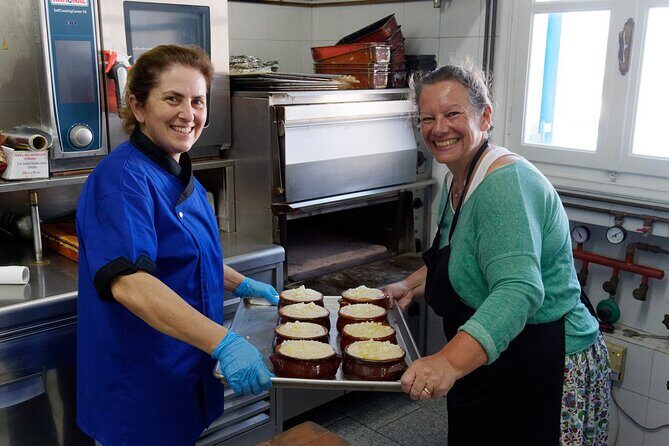
Chef Irini (the chef of Vigla Hotel) runs the cooking class, and the ingredient sourcing is part of the teaching. You are working with produce from the area’s orchards—aubergines, potatoes, tomatoes, courgettes, olives—and with oil from olive groves.
Why this matters for you: when the flavors are built around ingredients that actually grow locally, recipes stop feeling like abstract food-theory. You learn how Greek cooking gets its depth through simple steps: roasting, layering, seasoning herbs properly, and using olive oil with purpose rather than as an afterthought.
It also gives you better results if you cook at home later. If you can recreate the idea of the dish—even if your tomatoes are less perfect than the island ones—you’ll understand what to prioritize: texture, seasoning, and how the components work together.
What you’ll cook: gemista, moussakas, and classic Greek building blocks
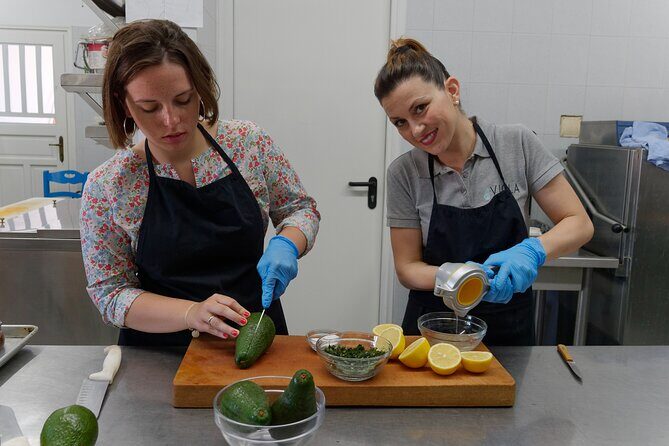
Your class centers on learning popular Greek dishes. The exact dishes depend on the menu option you choose, but you can count on hands-on instruction for the main items.
Gemista: stuffed tomatoes and peppers
Gemista is a go-to Greek comfort dish. In this experience, it shows up as stuffed tomatoes and peppers—filled with rice and many herbs. You learn the technique that makes it work: how to balance fillings so they cook evenly, and how to season so each bite tastes like the island.
This is one of those dishes that looks humble but takes real care. It is also a great home cooking project because you can scale it up for guests.
Moussakas: eggplant, potatoes, spiced sauce, and béchamel
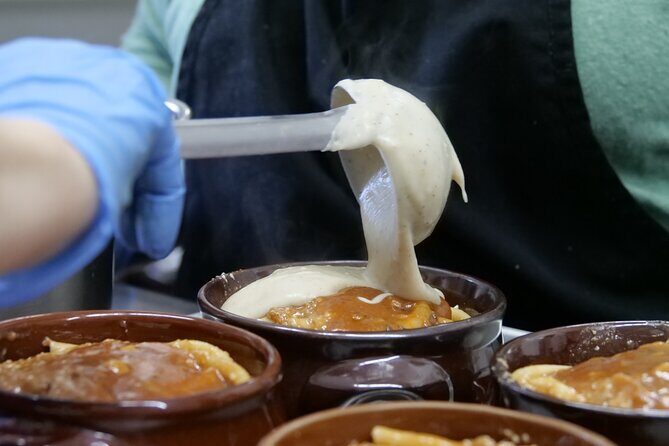
Moussaka is the hearty baked casserole most people associate with serious Greek home cooking. Here, it is eggplants and potatoes layered with a rich, spiced meat sauce, finished with a creamy golden béchamel.
If you have ever struggled with béchamel at home, you’ll appreciate that the class is about techniques you can repeat. The goal is not just to follow steps, but to understand what the sauce should look and feel like as it thickens.


Starters you may encounter: tzatziki, fava, and eggplant salad
Greek meals start with dips and small plates. The sample menu includes:
- Tzatziki, made with Greek yogurt, cucumber, garlic, and olive oil
- Fava, an Amorgian split pea purée served with olive oil and onions
- Eggplant salad, with smoky roasted eggplant blended with olive oil, herbs, and lemon
Even if you do not cook every starter yourself, you still get the flavor map for how the meal comes together. It’s useful when you try to recreate the menu later, because you’ll know what should feel fresh, what should feel rich, and what should provide acidity.
If you choose dessert: galaktoboureko or kataifi rolls
Not everyone wants to bake and layer savory dishes for 90 minutes. The class format allows you to choose either two Greek dishes or one dessert.
Two dessert options are on the sample menu:
Galaktoboureko (Greek custard pie)
Galaktoboureko is a traditional custard pie made with semolina, wrapped in phyllo sheets, and soaked in syrup. In practice, desserts like this teach you a Greek trick: timing and texture. Phyllo needs to stay crisp while the custard stays creamy, and the syrup needs to be absorbed without turning everything soggy.
Kataifi rolls with walnuts, clove, cinnamon, and syrup
Kataifi rolls combine chopped walnuts with clove and cinnamon, wrapped into buttery crispy kataifi dough, then bathed in syrup. This one leans more toward aroma and spice balance. If you like Greek desserts that taste like they come from a grandmother’s recipe, this is that category.
Dessert-focused classes are also typically a shorter cooking load than the full savory option. One reason this matters is planning: you’ll want your afternoon free enough to enjoy the terrace meal without rushing.
The terrace meal: taste what you cooked, with a view
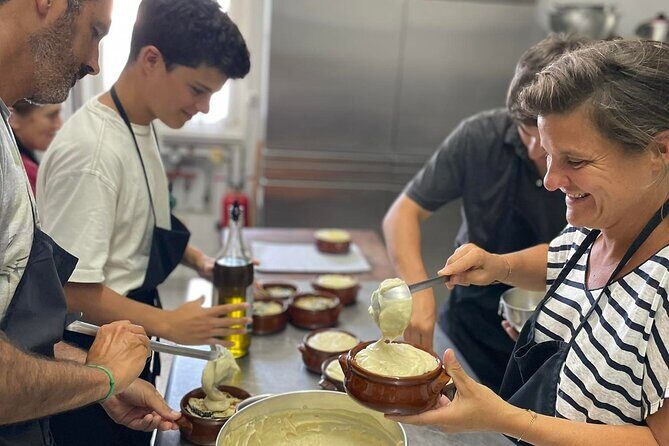
After cooking, you will taste the meal you prepared on a terrace with a panoramic view. This part is more than a nice setting. It is where you learn whether the seasoning, texture, and layering worked the way you intended.
Lunch is included. That turns the class into more than a workshop—you are not just buying instruction, you are getting a full meal experience anchored in what you cooked.
It is also a smart way to eat on an island. Instead of hunting down a place for lunch, you get a planned, sit-down meal with food that is linked directly to the skills you just learned.
How long it takes and how to plan your Amorgos day
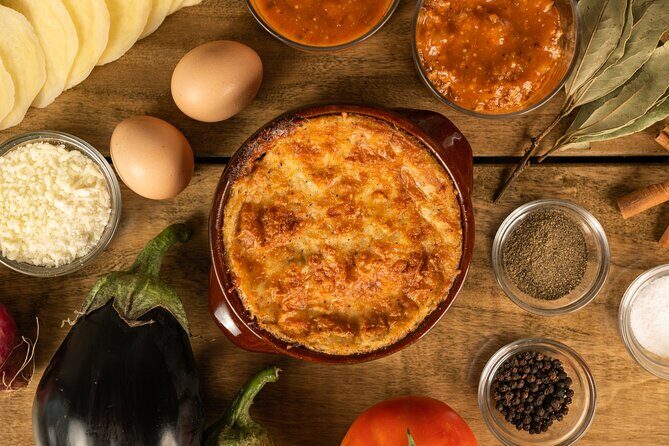
The booking lists about 1 hour 30 minutes, but the experience includes cooking plus time at the table. So for planning purposes, treat it as a half-day block.
Here’s how to make it work smoothly:
- Aim to schedule it when you can stay relaxed afterward, since you’ll want time to enjoy your meal and not rush your next activity.
- Bring a big appetite. You are making filling dishes like gemista or moussaka, and you’ll be eating what you make.
- If you are doing other island activities that require tight timing, choose a buffer day. Cooking plus eating takes real time.
Language is English, so you can expect clear instruction and enough back-and-forth time to keep things moving.
Price and value: is $68.41 a good deal in the Cyclades?
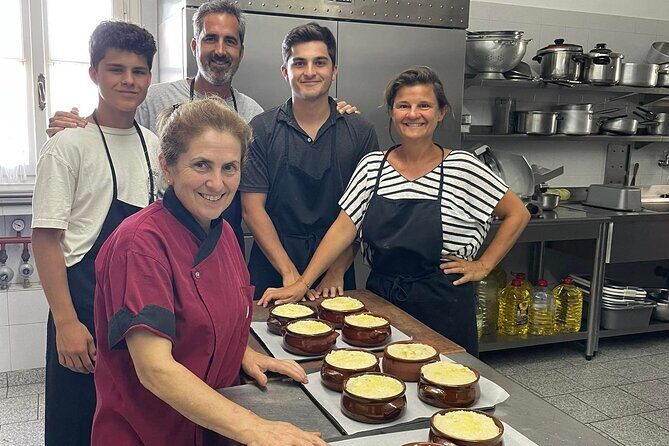
At $68.41 per person, the price can look modest or steep depending on what you compare it to. Here’s the value logic I see:
- You’re paying for a small group class with an on-site chef.
- The meal is included, which helps offset the food cost.
- You work with local orchard ingredients and olive oil, which changes the quality of the outcome.
- You get a packaged souvenir gift when the class is over.
Also, the class does not feel like a quick demo. The format is designed so you actually cook. In that sense, you are not just buying lunch—you are buying the ability to recreate at least some of it later.
One thing to consider: alcoholic drinks are not included, and bottled water and soda/pop are not included either. So if you like having a drink with meals, budget for it separately.
What the hands-on format feels like in practice
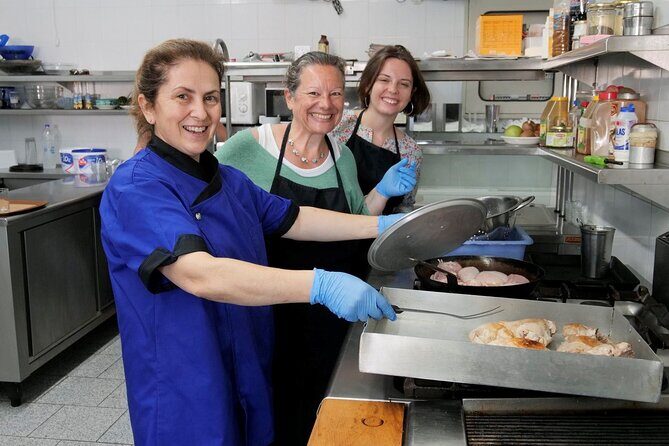
This class is structured around doing. You’ll get help as you cook, and the instruction focuses on techniques you can realistically repeat at home.
That is the difference between a good cooking class and a fun activity:
- A good class teaches how to manage steps (like stuffing, baking, or thickening sauces).
- A fun one just shows you what the final dish looks like.
From what you are told upfront, this one aims for the first option. Even the ingredient list supports that approach, because each ingredient category has its own job—eggplant and potatoes for body, tomatoes and peppers for freshness, herbs for lift, olive oil for glue.
And with a maximum group size of 10, it is less likely you will feel ignored at the cutting board.
Who should book this cooking class in Amorgos (and who might skip it)
This is a strong fit if you want:
- A practical Greek food experience beyond a restaurant meal
- A small-group activity on Amorgos that feels local and personal
- A chance to cook standards like gemista and moussaka
- A takeaway you can carry home, in both taste and the souvenir gift
It may be less ideal if:
- You only want a dessert and do not like syrup-heavy Greek sweets (you might find this too much if you are expecting lighter pastry)
- You want a long, multi-course cooking session. This is hands-on, but it is also efficient and time-boxed.
If you are traveling with mixed culinary interests, it is a good compromise. The savory menu is bold and hearty. The dessert menu is classic and fragrant. Either way, you end up with a proper meal.
Should you book Authentic Greek Cooking Experience in Amorgos?
I think this is a book-worthy class for most people who like real food and real skills. With a 4.9 average rating and a 95% recommendation rate, it has earned its reputation. More importantly, the format makes sense: cook with a chef, eat what you made on a terrace, then leave with a packaged souvenir gift.
I’d book it if you:
- Want an Amorgos activity that is both cultural and practical
- Prefer small groups and direct guidance
- Like the idea of orchard-grown ingredients and olive oil in your cooking
I’d skip or compare if you are chasing a super long, full-day itinerary or you expect drinks and bottled water to be included.
If you want to lock it in, plan ahead. It is typically booked about 42 days in advance, so earlier is smarter in peak periods.
FAQ
Where does the cooking class meet in Amorgos?
It meets at Vigla Hotel in Tholaria (Tholaria 840 08, Greece). The activity ends back at the same meeting point.
How long is the cooking experience?
The duration is listed at about 1 hour 30 minutes. The overall experience also includes cooking and the terrace meal where you taste what you prepared.
Is lunch included?
Yes. Lunch is included as part of the experience.
What will I cook during the class?
You will learn to cook 2 Greek dishes or 1 dessert. The specific choice depends on the menu option you book.
Which Greek dishes are included in the sample menu?
The sample menu includes gemista (stuffed tomatoes and peppers) and moussaka, plus dessert options like galaktoboureko and kataifi rolls. Starters listed include tzatziki, fava, and eggplant salad.
What ingredients are used for the recipes?
Most ingredients come from orchards such as aubergines, potatoes, tomatoes, courgettes, olives, and there is also oil from olive groves.
Do I get to eat what I cook?
Yes. You will taste what you cooked on a terrace with a panoramic view.
Are drinks included with lunch?
Alcoholic beverages are not included. Bottled water and soda/pop are also not included, and dishes ordered from the menu are not included.
How big is the group and what language is it in?
The group size is capped at 10 travelers, and the class is offered in English.
Do I receive a souvenir?
Yes. You get a packaged souvenir gift when the cooking class is over.