REVIEW · CRETE
Koumoulia Ceramics / Ceramics courses
Book on Viator →Operated by Koumoulia / Pottery Classes · Bookable on Viator
Pottery classes beat beach time in Crete. This one combines a hands-on Koumoulia Ceramics session with a quick workshop walk-through of how clay turns into real objects, then you try your own pieces by hand or on the wheel. I especially love the way the instructor explains the clay process step by step before you start making.
I also like that the class is practical from the get-go, with multiple techniques you can actually use on the spot instead of just watching. One thing to plan for: your creations take 3–4 days to dry, and if you want glazing plus the second baking, you need extra time and the second baking isn’t included in the price.
In This Review
- Key things you should know before you go
- Pottery in Crete at 3:00 pm: how this combo actually works
- Where you meet in Heraklion (and how not to waste time)
- The workshop tour: clay starts as something you can’t fake
- Handbuilding and the wheel: learning by doing (not by watching)
- Rouvas Gorge and Knossos: why the sightseeing pairing matters
- Your pottery timeline: drying, glazing, and the second baking reality
- What you take home: pickup vs shipping, and the cost trap
- Price and value: what $96.11 really buys you
- Who should book this pottery class (and who should think twice)
- Should you book Koumoulia Ceramics in Crete?
- FAQ
- How long is the pottery course?
- What time does the course start?
- What language is the class offered in?
- Where is the meeting point?
- How many people are in a group?
- How long do the pieces take to dry?
- Is the second baking included in the price if I glaze my piece?
- Can I pick up the pieces, or do I have to ship them?
- What is the cancellation policy?
Key things you should know before you go
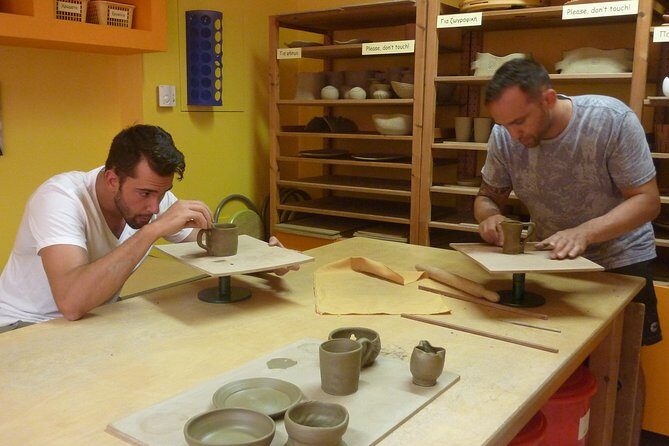
- Up to 5 people means you get real attention when you’re trying new pottery techniques.
- Workshop tour of the clay stages gives you context before you shape anything.
- Hand + wheel time helps if you want to experiment with both methods.
- Drying takes 3–4 days depending on your piece and the weather.
- Glaze adds another 2 days and the second baking costs extra.
- Shipping is optional but pricey overseas; pick-up is usually the easiest budget move.
Pottery in Crete at 3:00 pm: how this combo actually works
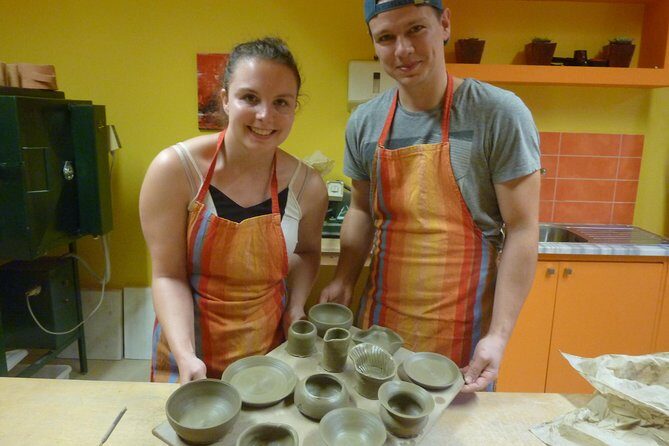
This is the kind of class that fits real travel days. You start at 3:00 pm and spend about 2 hours on the experience, mixing ceramics with Cretan sightseeing stops. That makes it easier to plug into an itinerary without losing your whole day to the studio.
I like that this isn’t a huge bus tour. The group size is capped at 5 travelers, so you’re not competing for space around the wheel or tools. In a hands-on craft like pottery, that detail matters.
If you’re choosing based on value, remember this is education plus making. You’re not being promised a ready-to-go souvenir in the next hour. The drying and firing timeline is part of the deal, and you’ll want to plan around it.
You can also read our reviews of more tours and experiences in Crete.


Where you meet in Heraklion (and how not to waste time)
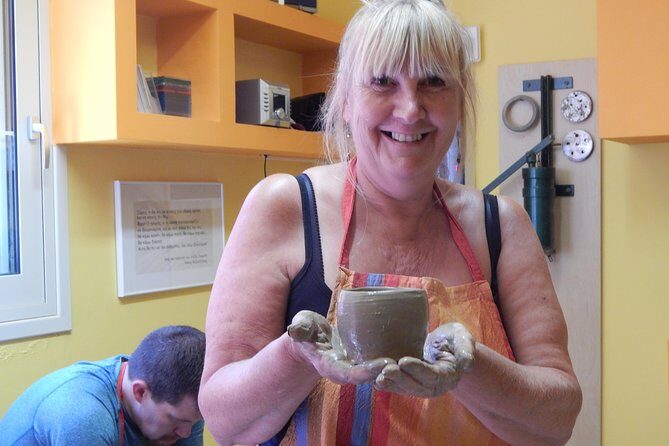
You’ll meet at Unnamed Road, Iraklio 700 13, Greece, and the activity ends back at the meeting point. The meeting spot is specific, but the name is vague, and one past participant flagged that getting there can feel like a pain.
So do this: arrive early enough to handle a small detour. Save the address in your maps app before you leave your hotel, and if you’re using directions, double-check you’re reading the right meeting-road info.
Also, keep the mobile ticket ready on your phone. It’s simple, but it’s one less thing to troubleshoot when you’re trying to find the place at the start.
The workshop tour: clay starts as something you can’t fake
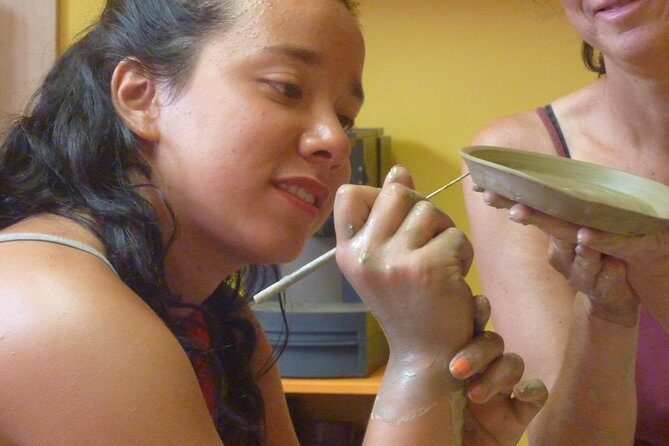
The seminar begins with a short guided tour of the workshop. You’ll get an overview of what the clay goes through as it transforms from an amorphous mass into a usable object.
That might sound like background, but it’s practical. When you understand why clay needs time, handling changes, and what’s happening during drying and firing, your choices make more sense. You’re not just copying a technique; you understand what it’s trying to achieve.
I also like the teaching approach here. You’re shown the stages first, then you move straight into making. That keeps the information from turning into a lecture you forget halfway through.
Handbuilding and the wheel: learning by doing (not by watching)
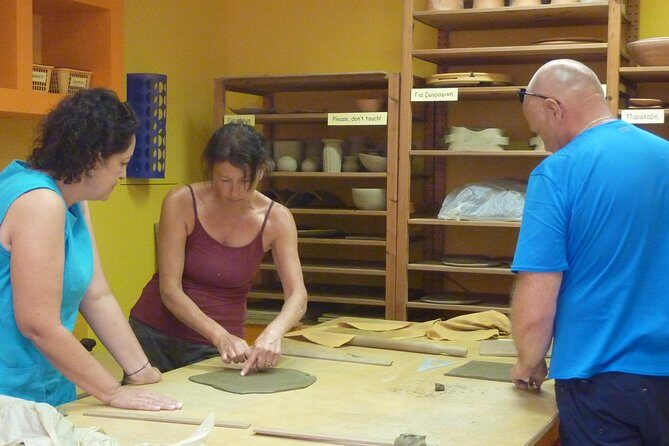
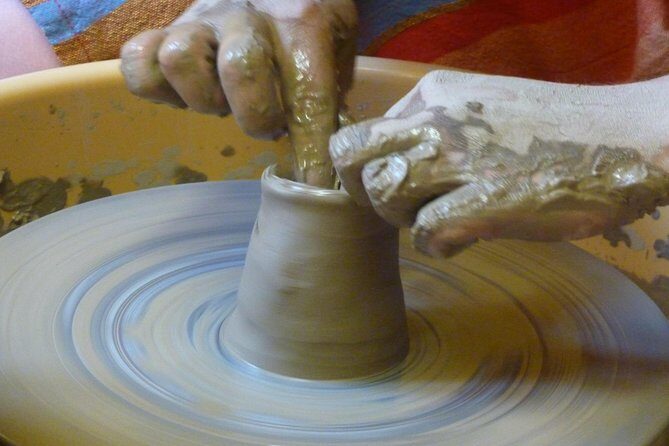
After the tour, the instructor shows you different techniques so you can create your own items. You can work by hand, on the wheel, or with a mix depending on what the class guides you toward.
This is a smart setup for beginners. If you’ve never touched a potter’s wheel, hand techniques still let you get real results quickly. And if you’re curious about the wheel, you get your turn before the session ends.
You’ll walk away with the “why” behind each method, not just the motion. That helps when you’re shaping something that doesn’t behave like it does in a textbook.
Rouvas Gorge and Knossos: why the sightseeing pairing matters
The experience includes two stops: Rouvas Gorge (Agiou Nikolaou) and the Palace of Knossos. Even though the core activity is pottery, these stops change the mood of the afternoon.
Rouvas Gorge offers a nature break—good for stretching your legs and resetting your brain before you get messy with clay. It’s also a reminder that Crete isn’t just ruins and beaches; it’s real terrain, real light, and real outdoor time.
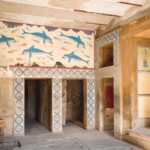
Knossos is the big historical contrast point. The Palace of Knossos stop gives you that classic Cretan anchor, so your pottery feels tied to place, not just an indoor activity.
Practical note: because the pottery session itself takes about 2 hours, don’t plan on a marathon of extra sightseeing immediately before or after. Keep your schedule light so you can enjoy both parts.

Your pottery timeline: drying, glazing, and the second baking reality
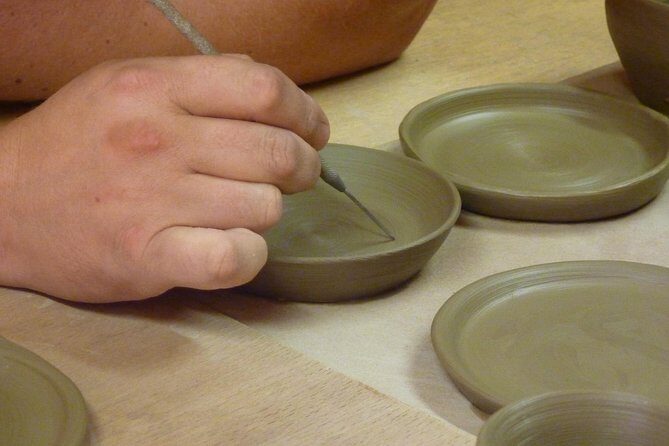
Here’s where most value decisions happen. The pieces you make in the atelier need time to finish the first phase. Plan on 3–4 days to dry, depending on your specific creations and the weather.
After drying, you can either:
- pick up the pieces from the workshop, or
- glaze them in the color you want
If you choose glazing, you then need to wait another 2 days for the second baking. And this is key: the second baking is not included in the price.
So, what should you do? If you’re budget-conscious, pick-up after drying may be the simplest plan. If you care about color and finish, plan extra time and additional costs for glazing and that second firing step.
What you take home: pickup vs shipping, and the cost trap
Once your handiwork is cooked (fired), you can obtain it from the workshop. You also have the option to have it sent to your address, but that comes at your expense.
And shipping overseas can be fairly expensive, especially outside the European Union. That matters because one of the lower-rated experiences connected the problem to shipping costs and firing decisions. In other words, if you don’t arrange the right extra steps for your destination, you might not end up with usable pieces that can travel.
My advice is straightforward: decide early what you want your outcome to be.
- If you’ll be in Crete soon after the class, pickup is the easiest path.
- If you need shipping, budget for extra handling and the possibility of higher-than-expected fees.
- If you want glaze and a finished look, remember the second baking timing and cost.
If you like to travel light, this class can still work. Just don’t expect to walk out holding a finished pottery item the same day.
Price and value: what $96.11 really buys you
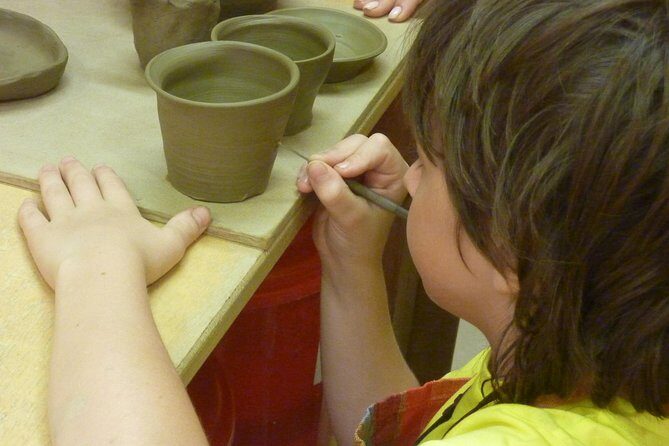
At $96.11 per person for about 2 hours, you’re paying for a small-group pottery class plus instruction and workshop access. The price also buys you that guided introduction to clay stages and the chance to learn multiple techniques by hand and on the wheel.
Now the honest value question: what counts as “extra” afterward? The drying time is built into the process and takes 3–4 days. If you want glazing and the full finished look, the second baking is not included, and that’s an added consideration.
So this isn’t a cheap grab-and-go souvenir workshop. It’s a craft experience. If you show up wanting to actually learn, it feels fair. If you show up hoping the class fee guarantees a ready-to-ship, ready-to-display item with every firing included, you may feel misled.
With a rating of 4.7 and about 94% recommending it, the strong signal is that people who plan around the ceramics timeline tend to be very happy. The lower score stories often come from mismatch between expectations and the drying/firing/shipping reality.
Who should book this pottery class (and who should think twice)
This class makes the most sense if you:
- want a hands-on craft class in Crete
- like small groups and real instruction time
- are okay with a multi-day pottery timeline
- want to learn both handbuilding and wheel techniques
It’s also a good fit if you enjoy pairing activities. You get pottery plus the Rouvas Gorge and Knossos stops, so you’re not stuck choosing between outdoors and culture.
Think twice if your main goal is a finished item you can take home instantly. With drying and optional glazing plus a second baking step, you’re part of a process that continues after the session ends.
Also, if you need overseas shipping, run the numbers in advance. Shipping overseas can be expensive, and you may need to choose firing and shipping options that match your budget.
Should you book Koumoulia Ceramics in Crete?
If you want a memorable craft day where you actually make something and learn how pottery works, I’d book it. The small max 5 group size, the workshop tour of clay stages, and the chance to try hand + wheel techniques are exactly the kind of details that tend to create a good experience.
Just go in with clear expectations:
- You’re learning and creating, not grabbing a finished souvenir in two hours.
- Drying takes 3–4 days, and glazing needs more time plus second baking not included.
- If you want shipping, plan for the extra cost, especially outside the EU.
If that fits your travel style, this is a solid, genuinely hands-on pottery class in Crete.
FAQ
How long is the pottery course?
The experience lasts about 2 hours.
What time does the course start?
The start time is 3:00 pm.
What language is the class offered in?
The seminar is offered in English.
Where is the meeting point?
The meeting point is Unnamed Road, Iraklio 700 13, Greece.
How many people are in a group?
This activity has a maximum of 5 travelers.
How long do the pieces take to dry?
The creations made in the atelier take 3–4 days to dry, depending on your realization and the weather.
Is the second baking included in the price if I glaze my piece?
No. If you glaze your items, you must wait another 2 days for the second baking, and the second baking is not included in the price.
Can I pick up the pieces, or do I have to ship them?
You can either pick them up from the workshop, or have them sent to your address at your own expense.
What is the cancellation policy?
This experience is non-refundable and cannot be changed for any reason.