REVIEW · AGIOS NIKOLAOS
Lasithi –Plateau Traditional Vilages
Book on Viator →Operated by Safari Crete Experience · Bookable on Viator
Zeus Cave starts with a climb. This 6-hour small-group trip from Agios Nikolaos takes you through Crete’s Lasithi Plateau villages, windmill country, and the legends around Zeus’ birthplace.
I like how the day is paced with small-group attention (max 10 people) and a comfortable air-conditioned vehicle, which matters when you’re heading up high ground in the Greek summer. You also get lunch plus bottled water, so you’re not scrambling for food mid-journey.
One thing to plan for: the Zeus Cave area involves uphill walking and some climbing, and the heat can feel heavy even on this well-run tour.
In This Review
- Key highlights and details worth knowing
- The Real Story of the Lasithi Plateau Traditional Villages Tour
- Price and Value: What $106.65 Buys You (and What It Doesn’t)
- Getting There Comfortably: Small Group, Pickup, and Time to Meet
- Stop 1: Kritsa Village for Legends, Gorges, and Old Monuments
- Stop 2: Katharo Plateau (Lower Plateau) and the Fossil Story
- Stop 3: Lasithi Windmills and Zeus Cave Near Psychro
- Stop 4: Krasi’s 2,400-Year-Old Plane Tree and Kazantzakis
- Lunch, Water, and What You’ll Actually Eat on a Mountain Day
- Group Size, Guide Style, and How the Day Feels
- Practical Tips Before You Go
- Who This Tour Is Best For
- Should You Book Lasithi Plateau Traditional Villages?
- FAQ
- What is the duration of the tour?
- Is pickup included, and when does it start?
- What’s included in the price?
- Do I need to pay for sightseeing entrance fees?
- How large is the group?
- Is the tour offered in English?
- Can I get a full refund if I cancel?
Key highlights and details worth knowing
- Max 10-person group for more personal attention while you hop between villages
- Air-conditioned transport to keep the long day more comfortable
- Lunch + bottled water included, with local food you can actually enjoy on a travel day
- Kritsa and Katharo Plateau stops designed for village atmosphere and local legend
- Windmills of Lasithi Plateau plus a Zeus Cave visit near Psychro (entrance not included)
- Krasi plane tree photo stop tied to Nikos Kazantzakis, with an age legend attached
The Real Story of the Lasithi Plateau Traditional Villages Tour
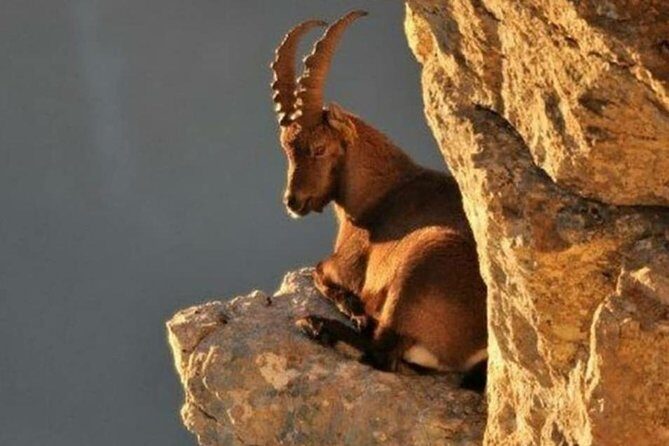
This isn’t just a scenic drive with a quick photo or two. It’s a classic Crete “up in the mountains, into the stories” day, built around three different village settings plus a famous myth stop tied to Zeus.
What you get most is contrast. You’ll start with village life in Kritsa, then move up to the Katharo area with plateau legends and fossils, then settle into windmill history at Lasithi Plateau before heading toward the cave area near Psychro. Finally, you drop down for a short Krasi stop and that famous old plane tree linked to author Nikos Kazantzakis.
If your vacation sweet spot is culture mixed with nature and places that feel tied to real people, not just viewpoints, this tour makes sense.
You can also read our reviews of more tours and experiences in Agios Nikolaos.
Price and Value: What $106.65 Buys You (and What It Doesn’t)
At about $106.65 per person for roughly 6 hours, the value is mostly in the built-in rhythm: transport, guidance, and food. You’re not paying extra to get from Agios Nikolaos to the plateau zones and back, and you’re not managing the timing yourself while dealing with Greek roads and elevation.
Included basics that matter on a long day:
- Air-conditioned vehicle
- Lunch
- Bottled water
What’s not included is sightseeing entrance fees, and the biggest “maybe-cost” is the stop that covers the windmills area and the Zeus Cave visit. The itinerary lists admission for that main plateau/cave segment as not included, while Kritsa, Katharo Plateau, and Krasi are marked free.
So here’s the budgeting way to think about it: you’re paying for a smooth day and guided stops, and then you add any entrance fees only for the parts that charge.
Getting There Comfortably: Small Group, Pickup, and Time to Meet
Pickup is offered, and the tour runs on Wednesday, with an opening window listed as 9:00 AM to 10:00 AM. That means your morning is probably early-ish, but you’re not stuck coordinating with the group in a public square.
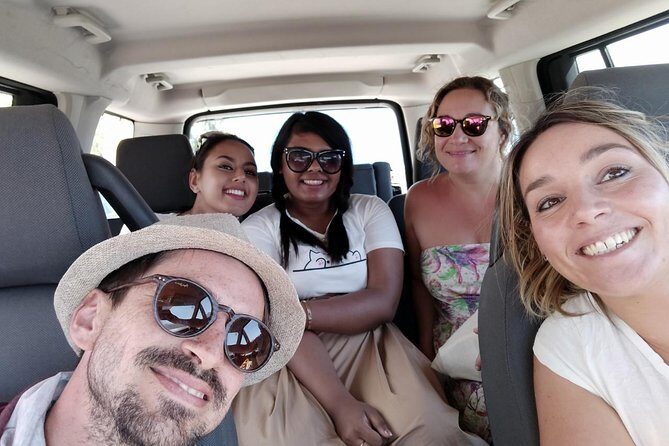
The vehicle is air-conditioned, and that’s not a small detail on the Lasithi Plateau route. Elevation changes fast, and even if the day starts cooler, the uphill areas can warm up quickly.
The group size is limited to 10 travelers maximum, which is a big reason this day works better than the huge-bus style tours. Still, because the itinerary is tight and the stops are spread out, you should expect a “timed” feeling—less wandering, more structured visiting.
Stop 1: Kritsa Village for Legends, Gorges, and Old Monuments
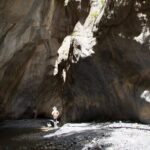
The first stop is Kritsa, described as a traditional village with a dense mix of legends, gorges, and archaeological and religious monuments.
This is where the tour earns its cultural credibility. You’re not just moving through a town for a quick look. Kritsa is the kind of place where history feels integrated—stories tied to the land, old religious sites, and that typical Cretan village texture that you can’t replicate in a photo-only stop.
Why I think this opening stop helps you:
- It sets the tone before you go higher and more myth-focused.
- It gives you a human-scale moment before the plateau becomes wide-open and quiet.
- It’s a relatively easy first hour, so you start your day from a comfortable place.
Practical note: Kritsa is listed with free admission, so you’re not worrying about tickets right at the start.
Stop 2: Katharo Plateau (Lower Plateau) and the Fossil Story
Next you head to Katharo Plateau (Lower Plateau) at about 1,250 meters. This stop is known for Cretan dwarf hippopotamus fossils found in the area, plus plateau scenery surrounded by legends and stories reaching back to the Ottoman era.
I love how this stop changes the “myth” focus. You’re still getting legends, but it’s not only Zeus and windmills. It’s natural history tied to place—fossils connected to geology and time, with human stories layered on top.
You’ll also get a sense of how the plateau works: wide views, changing light, and that high-altitude feeling where you understand why villages and farming traditions shaped daily life here.
This stop is listed as free admission and runs about 1 hour, which is a smart length. Long enough to feel the place, not so long that you lose momentum before the main plateau segment.


Stop 3: Lasithi Windmills and Zeus Cave Near Psychro
This is the main act. You’ll go to the Windmills of the Lasithi Plateau area (at around 1,150 meters), where more than 10,000 traditional windmills once operated. The tour also notes the plateau as one of the early wind-farm regions in Europe during the 1950s and 1960s.
Even if you know nothing about windmills, the numbers help you grasp the scale: this wasn’t a few scattered mills. This was a working system tied to water and agriculture. You start to see why wind power mattered in a place that needs reliable resources.
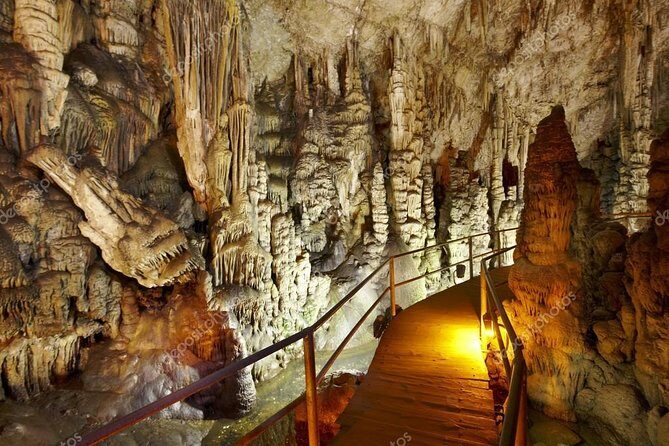
Then the mythology enters clearly. The Diktaio Cave, described as the birthplace of Zeus, is located in the village of Psychro (listed at about 840 meters).
About the physical side:
- Expect uphill walking and some climbing around the cave area.
- It can be warm, and the heat is a real factor on a day like this.
Donkeys are mentioned as available for at least some people in the cave climb context. I’d treat them as an option, not a guarantee, and think about your own comfort. One strong theme from feedback is that people have strong feelings about who should use them and when—so if this matters to you ethically, plan for walking. If you’re worried about the climb, use the reality check: choose the level you can handle confidently.
Also note: the itinerary marks this stop with admission not included, so plan your budget for any cave or windmill-related entrance fees.
Stop 4: Krasi’s 2,400-Year-Old Plane Tree and Kazantzakis
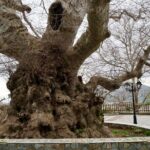
After descending, you stop in Krasi for a photo moment at a plane tree associated with writer Nikos Kazantzakis.
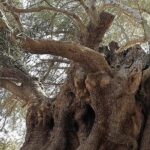
This tree is described with a perimeter around 24 meters and an estimated age of about 2,400 years. There’s also a local saying that each measure of perimeter corresponds to the age of 100 years—an example of how Greek places often come with math-like legends attached.
This part is shorter—about 30 minutes—and it works as a satisfying closer. You’ve gone from village streets to plateau history and myth, and now you land on something tangible and still alive, right in the village.
It’s also listed as free admission, so there’s no ticket stress here.
Lunch, Water, and What You’ll Actually Eat on a Mountain Day
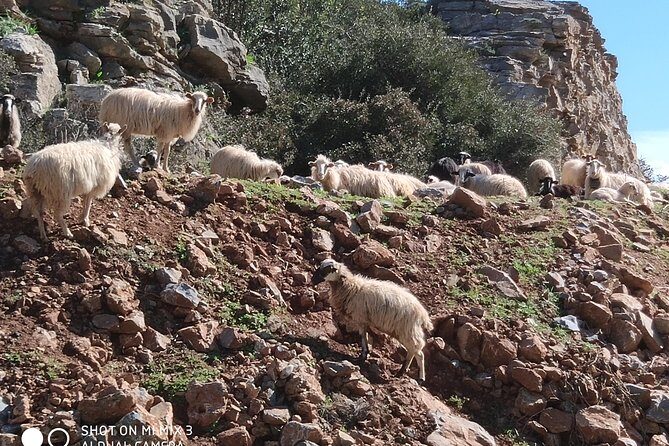
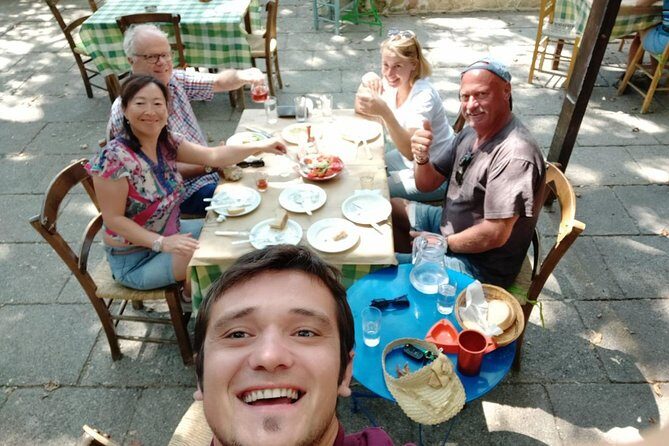
Lunch is included, and from the trip feedback you’ll get from this kind of day, the food is usually the moment people relax. In this case, one standout detail is trying goat during the lunch.
That matters more than it sounds. Mountain trips often deliver sandwiches and regrets. Here, you’re not paying extra for a meal you’ll forget. You’re also getting bottled water, which helps you pace yourself while walking and waiting between stops.
If you’re sensitive to heat, eat early, sip water steadily, and don’t assume you’ll have an easy snack stop later. This itinerary is structured, so treat lunch as a real energy reset.
Group Size, Guide Style, and How the Day Feels
The tour caps at 10 travelers, and that changes everything about how the day runs. Smaller groups mean easier pacing through villages and fewer people to manage at each stop. You’re also more likely to get explanations that fit the moment rather than generic spiel.
Guide quality can be the difference between a “nice tour” and a “thank you, that was worth it.” The guidance here includes myth context around Zeus and practical explanations as you move through each setting. One review also mentioned a Greek mythology conversation reaching even a 14-year-old—so if you’ve got kids, or you just enjoy stories with facts, that’s a good sign.
That said, experiences aren’t always perfect. One negative note centered on a vehicle feeling too cramped and parts of the flow feeling unclear. Another complaint was about topics that felt like they were going too personal—specifically philosophical discussion you might not want during a sightseeing day.
My practical advice: if you want a strictly “see and go” tour, you may prefer to set your own boundaries politely. Ask questions early, and if you’d rather keep it factual, let the guide know you want more time on sights and less on extra talk.
Practical Tips Before You Go
These are the decisions that make the difference on this kind of plateau day.
- Bring sun protection for the higher areas. Even when the vehicle is cool, the plateau walking isn’t.
- Wear sturdy shoes. The cave area can involve uneven steps and steep ground.
- Pack a light layer. Altitude can shift comfort levels quickly between villages.
- If entrance fees worry you, remember: admission isn’t included for the main plateau/windmills/Zeus cave segment.
- If you’re thinking about donkey help, treat it as a last-mile assist, not a free pass. Decide what feels right for your own comfort and values.
Who This Tour Is Best For
I’d aim for this tour if you fit any of these:
- You want culture + nature + myth in one day.
- You like small-group travel with a set route and guidance.
- You’re interested in Crete beyond the beach—especially plateau villages and local legends.
- You don’t mind some walking and you’re comfortable with heat on a mountain route.
You might skip it if:
- You want a completely relaxed day with minimal walking.
- You dislike any extra “story discussion” during sightseeing and prefer pure facts only.
- You’re very budget-tight and hate planning for entrance fees.
Should You Book Lasithi Plateau Traditional Villages?
If your time in Crete is limited and you want a day that actually feels different from the coast, this is a strong choice. The small group, air-conditioned transport, and included lunch make it practical. The itinerary hits the right mix: village texture in Kritsa, plateau fossils and Ottoman-era legends at Katharo, windmill history at Lasithi Plateau, and the Zeus connection near Psychro, then the Kazantzakis plane tree stop in Krasi.
Book it if you’re ready for a walking-focused cave segment and you’re okay adding any entrance fees for the main plateau/cave stop. If you’re sensitive to crowding or want ultra-clear pacing every step of the way, plan to stay flexible—and bring your own calm.
In short: this is the kind of tour that rewards curiosity. If you like learning how Greek stories cling to real places, you’ll likely feel it was money well spent.
FAQ
What is the duration of the tour?
The tour lasts about 6 hours.
Is pickup included, and when does it start?
Pickup is offered. The tour opening hours list Wednesday with a meeting window of 9:00 AM to 10:00 AM.
What’s included in the price?
The price includes an air-conditioned vehicle, lunch, and bottled water.
Do I need to pay for sightseeing entrance fees?
Sightseeing entrance fees are not included. Some stops are marked free, while the Windmills of the Lasithi Plateau/Zeus Cave area is listed as not included.
How large is the group?
This tour/activity has a maximum of 10 travelers.
Is the tour offered in English?
Yes, it is offered in English.
Can I get a full refund if I cancel?
Yes, you can cancel for a full refund up to 24 hours in advance of the experience’s start time. Free cancellation is available.